
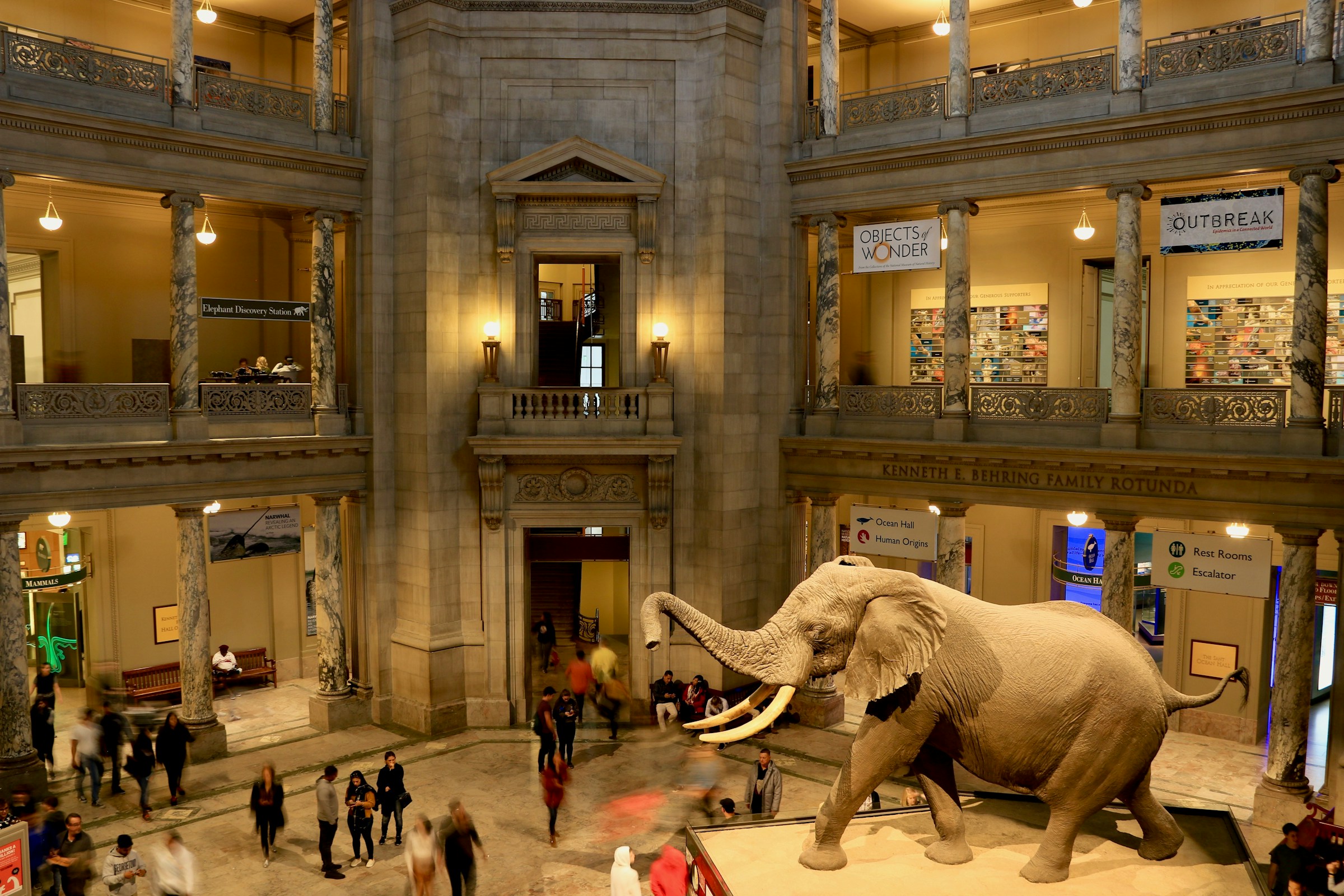

Most visitors walk into a museum, grab a map, and wander room to room at a polite distance from everything. They read the placard. They nod. They move on. What very few of them realize is that a single, well-placed question, asked sincerely to the right person, can completely transform the experience into something far more personal, intimate, and memorable.
Docents, those deeply trained volunteer guides who are often the most knowledgeable people in the building, hold that key. Understanding who they are, how they think, and what they respond to is the quiet art behind unlocking a museum visit that most guests never get to have.
What a Docent Actually Is (and Isn’t)
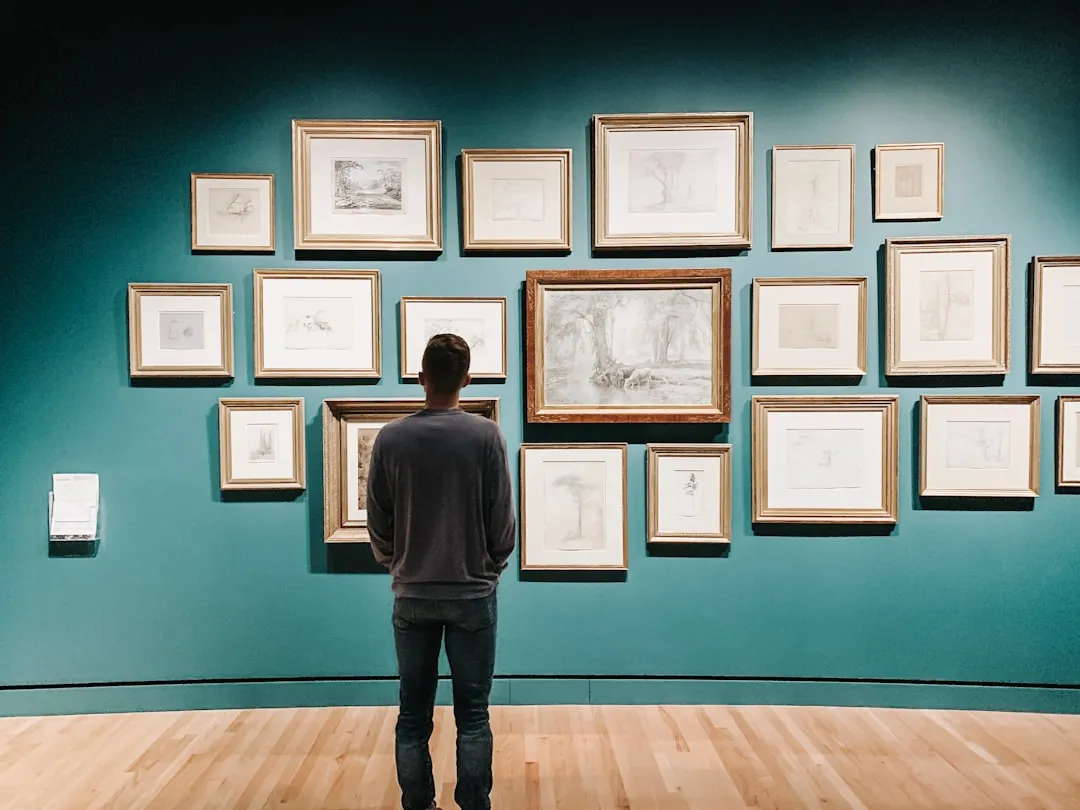
A museum docent is a trained, often volunteer, guide who brings museum collections to life through engaging interpretation, education, and storytelling, making history, art, and science accessible and meaningful to visitors. That word “docent” itself has roots worth knowing. The term comes from the Latin word “docere,” meaning “to teach.”
Far from being merely a tour guide, a docent acts as a vital bridge between the institution’s offerings and its visitors, transforming static displays into dynamic, engaging, and meaningful learning experiences. Calling them a tour guide, as one popular guide resource puts it, would genuinely be selling them short.
At The Met, for example, docents undergo a rigorous training program that lasts several months, studying art history, museum policies, and public speaking skills, before leading tours that highlight key works and themes and help visitors understand the context and significance of the art. The depth of that training matters enormously to the kind of experience they can offer.
The Training Behind the Knowledge

Docent training at institutions like NSU Art Museum Fort Lauderdale acquaints trainees with Socratic touring techniques, aspects of art history, art criticism, and art history research tools. This is not a weekend workshop. It’s a structured investment of time, study, and practice.
Docent training programs place a significant emphasis on developing strong public speaking and interpersonal communication skills, including voice projection and diction, body language and presence, and mastering the art of asking open-ended questions that encourage dialogue and critical thinking, rather than simple yes/no answers.
In the 1970s and 1980s, the docent role evolved from rote narration focused on delivering factual lectures to interpretive education, heavily influenced by constructivist learning theories that emphasized visitor-centered meaning-making, prompting museums to train docents as facilitators who used open-ended questions, dialogue, and hands-on interactions. That shift is still playing out today, in ways that matter to every visitor who walks through the door.
The One Question That Changes Everything
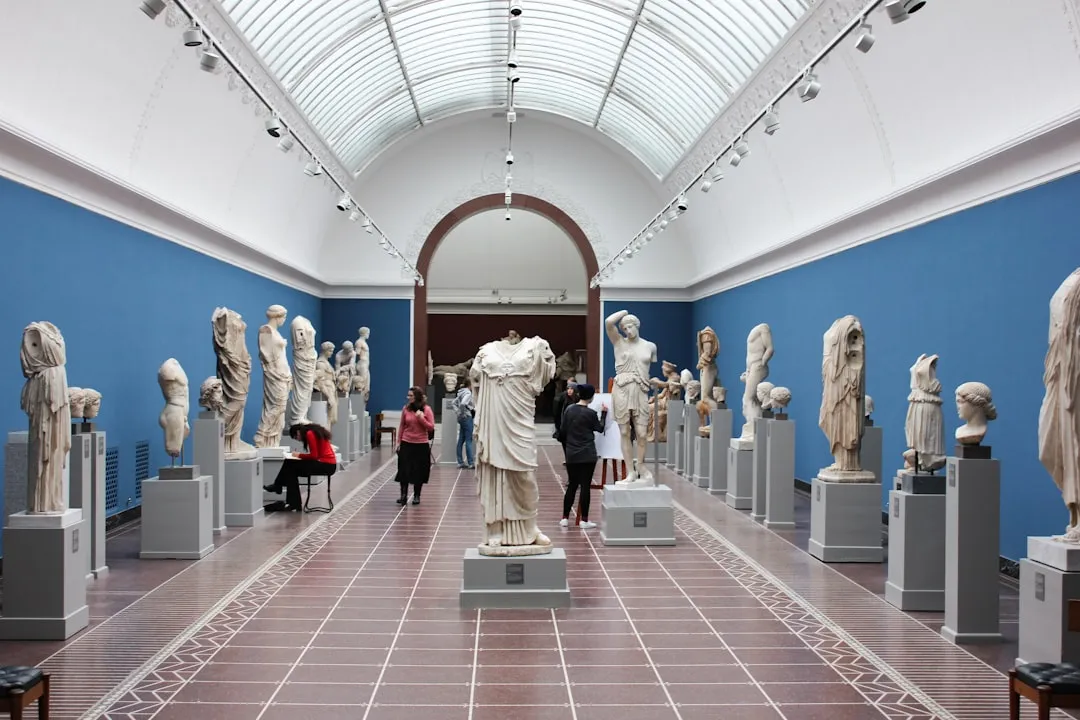
There isn’t a secret password. There isn’t a code. The question that unlocks a private or deeply personalized museum tour is deceptively simple: “What’s the one work in this collection that you personally find most interesting, and why?” It’s open, it’s genuine, and it invites the docent to speak as a person rather than a professional performing a script.
Modern docenting is less about lecturing and more about conversation. Docents excel at asking open-ended questions that prompt visitors to look closely, think deeply, and share their own observations and interpretations, fostering a more interactive and personalized experience. When a visitor flips that dynamic and asks the docent the open-ended question instead, something shifts.
Even small adjustments can make a big difference, and a single open-ended question, a pause for reflection, or a prompt inviting visitors to share their own story can move people toward deeper engagement. That works both ways. The visitor who asks rather than just listens almost always walks away with something the passive observer never receives.
Why Docents Respond So Strongly to Genuine Curiosity
While most people visit museums to learn, see amazing things, relax, and spend time with the people they care about, an amazing exchange with staff can elevate an experience exponentially, but a negative experience can be ruinous. The American Alliance of Museums’ 2024 Annual Survey of Museum-Goers, drawing from over 90,000 respondents and 202 participating museums, underlines just how high the stakes are in those human interactions.
Becoming a museum docent isn’t just about memorizing facts; it’s about connecting with people, sparking curiosity, and fostering a deeper understanding of the world around us. These dedicated individuals are the public face of many museums, serving as educators, storytellers, and ambassadors for the institution’s mission. They breathe life into static displays, making history, science, and art accessible and exciting for visitors of all ages and backgrounds.
When a visitor shows real, unscripted curiosity, it meets a docent exactly where they live. Most docents volunteer for years, sometimes decades, because they love the subject deeply. A genuine question honors that love in a way no amount of polite nodding can.
How Private Tours Actually Work
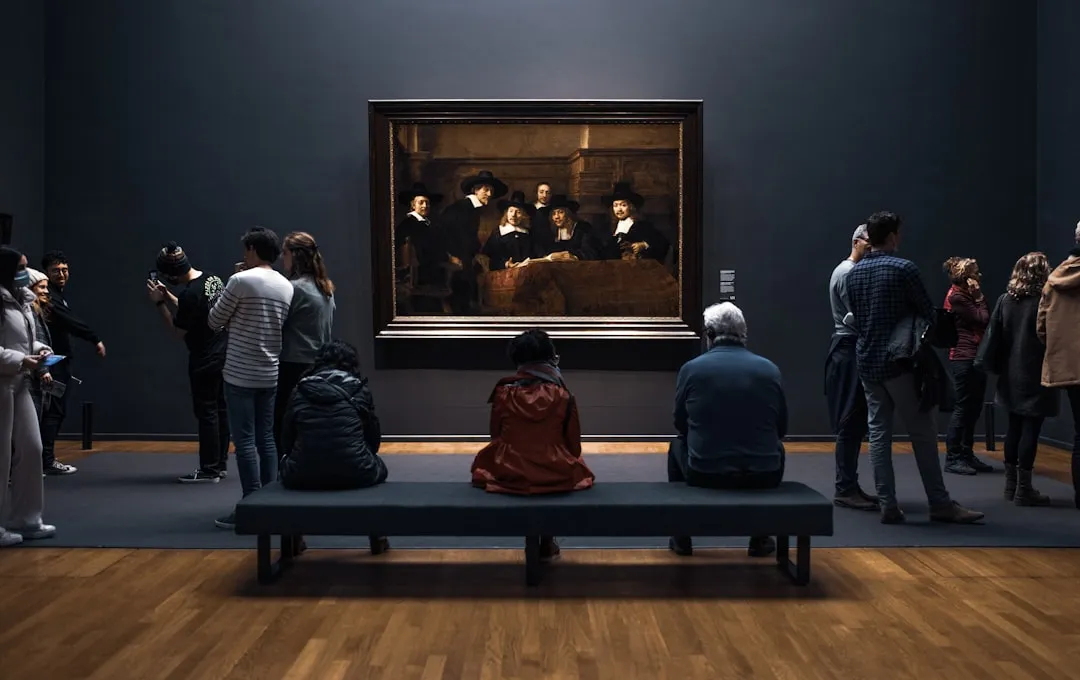
Many visitors don’t realize that private tours are a formal, bookable option at most major institutions. At the Toledo Museum of Art, visitors can experience the museum with family, friends, or colleagues by scheduling a private tour with a volunteer docent, lasting about one hour, with a choice from a variety of topics, and with additional fees that may apply for tours of special exhibitions.
Strong demand for private tours has been explicitly cited by museum administrators as a factor in programming decisions, and private group exhibition tours led by volunteer docents can start at $250 plus ticket costs. The appetite for something more personal than a public walkthrough is clearly real and growing.
At the Smithsonian’s National Museum of Asian Art, private in-person tours are available for groups of ten or more adult or university student visitors and can even be arranged in languages including Chinese, Japanese, Korean, Hindi, Spanish, Russian, and Cantonese. The infrastructure for a deeply tailored experience already exists. Most visitors simply never ask.
The Role of Storytelling in a Personalized Tour
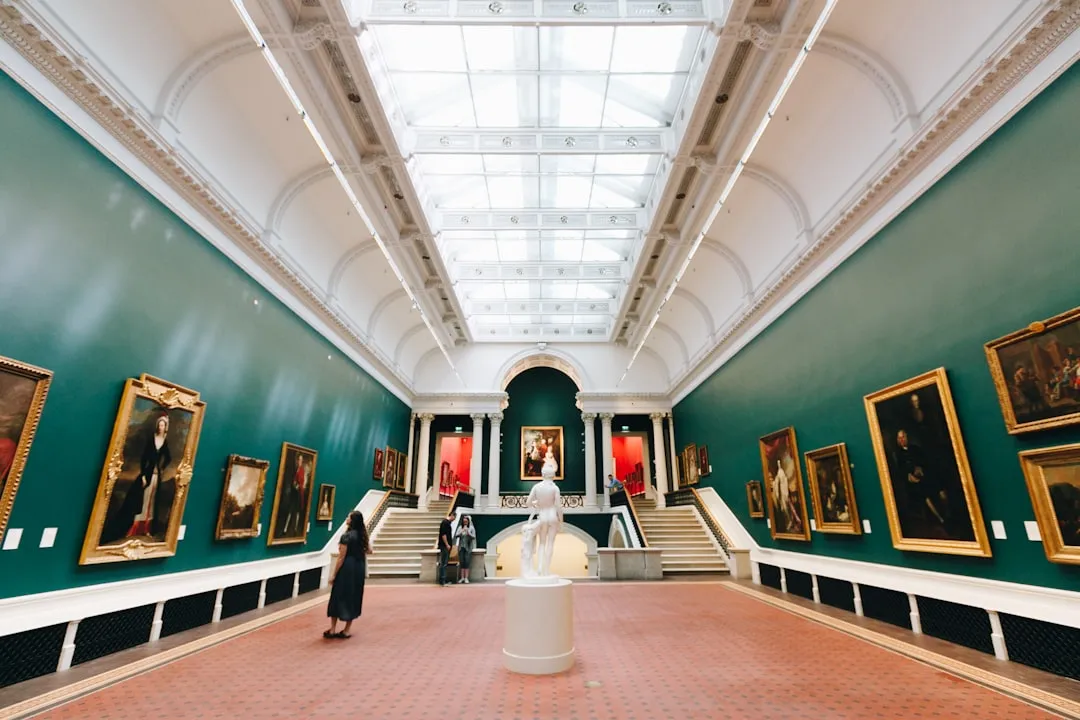
Docent tours transform museum visits into engaging experiences by combining storytelling, tailored insights, and interactive methods, requiring key skills such as clear communication, active listening, and audience adaptation. When a visitor signals specific interests through a genuine question, a skilled docent can immediately redirect the entire tour around what matters to that particular person.
Storytelling techniques and narrative development, connecting objects to visitors’ experiences and everyday lives, and methods for facilitating discussion and dialogue are all core elements of comprehensive docent training programs. This is the toolkit a docent has ready the moment a visitor opens the door to real conversation.
Docents are trained to keep visitors engaged through methods like storytelling, asking thought-provoking questions, and using visual aids. A visitor who asks a thoughtful question activates all of that preparation in a way that a passive gallery stroll simply never does.
Reading the Room: How Docents Adapt to Individuals
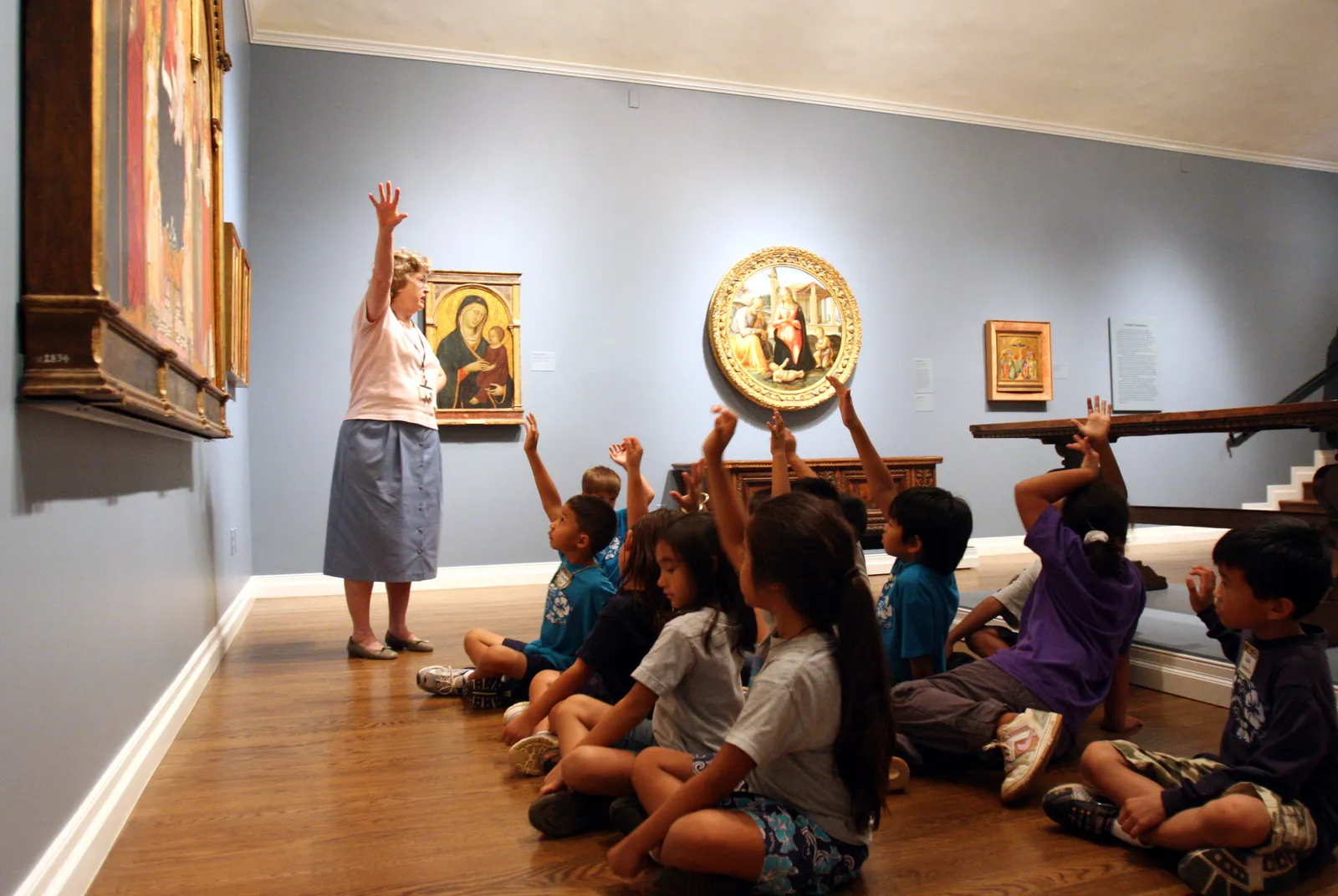
Docent training covers adult learning principles, recognizing that adults learn differently than children, including that they are self-directed, bring life experiences, and prefer problem-solving, as well as understanding diverse learning styles and visitor motivations such as socializing, learning, inspiration, and escape. A good docent reads all of this within the first few minutes of meeting a group.
According to the American Alliance of Museums, docents who actively use visitor feedback often see higher satisfaction rates during tours. While having a plan is important, being flexible to align with visitor interests makes tours more engaging. That flexibility is exactly what gets unlocked when a visitor shows genuine curiosity from the start.
Keeping visitors engaged means fostering two-way communication, using storytelling and open-ended questions to spark interest and encourage conversation, while simple actions like making eye contact, offering a warm greeting, and maintaining a friendly tone can make a big difference in how connected visitors feel. Ask a real question, and you signal that you want that connection too.
The Shift Toward Visitor-Centered Tours
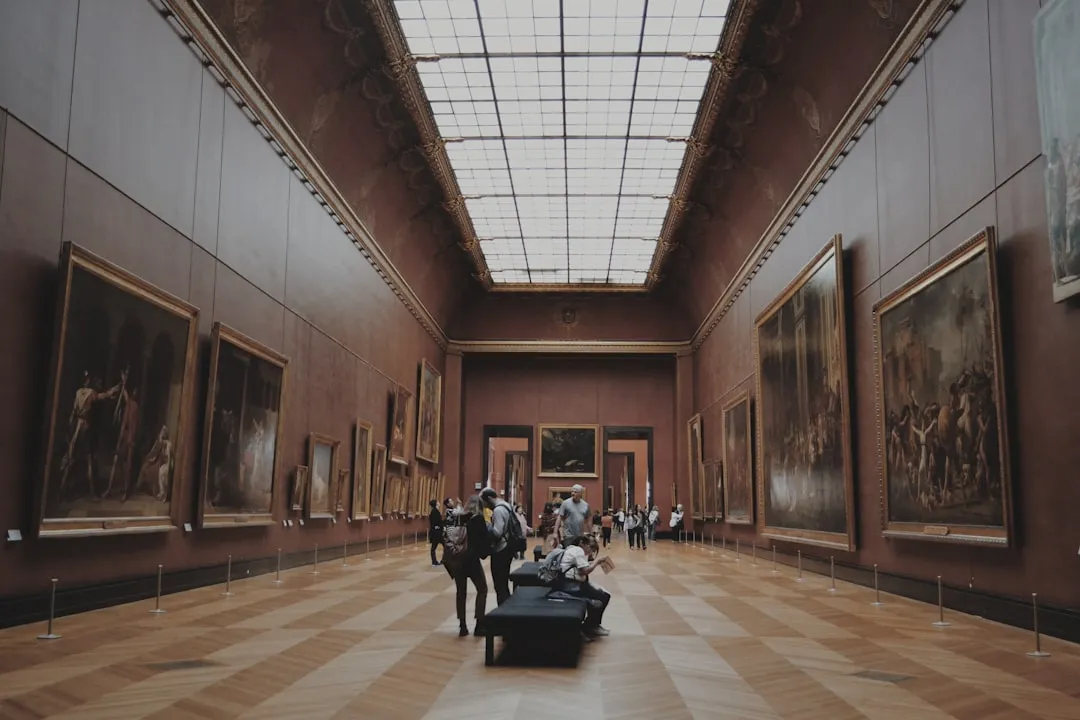
Major institutions have been actively rethinking how docent tours function. Over the past few decades, as information becomes easily accessible and museums search for ways to connect with their communities, the Fine Arts Museums of San Francisco has responded by shifting towards participatory, visitor-centered tour experiences.
What began as a pilot marked the beginning of a transformative shift of a 55-year-old docent program that was primarily a lecture-based model, with the new format moving towards a progressive approach that centers visitors’ voices and lived experiences, where meaning-making happens through guided conversation that includes and acknowledges visitors’ observations and perspectives.
At the de Young museum in San Francisco, a new eight-week training course centers on open-ended questions and activities for compelling conversations, a clear signal that the field is moving toward dialogue over delivery. Visitors who arrive already primed for conversation are, quietly, the visitors these programs are designed for.
What the Numbers Say About Human Connection in Museums
The 2024 Annual Survey of Museum-Goers, a national survey of American museum visitors from the American Alliance of Museums and Wilkening Consulting, partners with individual museums every year to research their audiences and yield insights about behaviors and preferences at both an institutional and national level. Its findings on staff interactions are striking.
Giving staff the support they need to provide high-quality experiences, while also hiring front-line staff for attitude more than aptitude, can open the door to much more effective museum experiences that keep people engaged, feeling valued, and coming back. That insight applies directly to docents, who are selected and trained with precisely that philosophy in mind.
At the High Museum of Art in Atlanta alone, over 140 docents serve the museum and cumulatively conduct around 3,000 tours each year. Behind each of those tours is a person who chose to volunteer their time because they genuinely love what they know. That love is waiting to be met.
Practical Ways to Start the Conversation
Arriving a few minutes early and approaching a docent before a public tour begins is the simplest strategy. Ask about their personal favorites, their area of expertise, or whether any works in the current collection have a story most visitors miss. These are the kinds of questions that transform the social contract from transaction to dialogue.
Good questioning practices offer progressive questioning that builds confidence gradually, moving from observations that anyone can make to deeper interpretations and personal connections. You don’t have to arrive with encyclopedic knowledge. Honest curiosity does the heavy lifting.
Supporting close-looking and multiple interpretations by building in time to quietly observe and posing open-ended questions is a core competency that inclusive docent training actively cultivates. When a visitor models that same approach, the exchange becomes genuinely mutual, and that is when the real tour begins.
The Takeaway
There’s no velvet rope between you and a deeply personal museum experience. It isn’t reserved for scholars, VIP members, or well-connected regulars. It opens for anyone willing to ask a sincere, curious, open-ended question to the person who knows the collection best.
Docents have a way of humanizing the experience, breaking down the often intimidating barrier between the hallowed halls of a museum and the everyday visitor, and it’s that personal touch, that shared moment of discovery, that truly sets a docent apart.
The question that unlocks the private tour isn’t really about the art at all. It’s about showing the person in front of you that you see them as a person, not a resource. Ask what they love, listen to the answer, and let the museum open up from there.
AI Disclaimer: This article was created with the assistance of AI tools and reviewed by a human editor.