
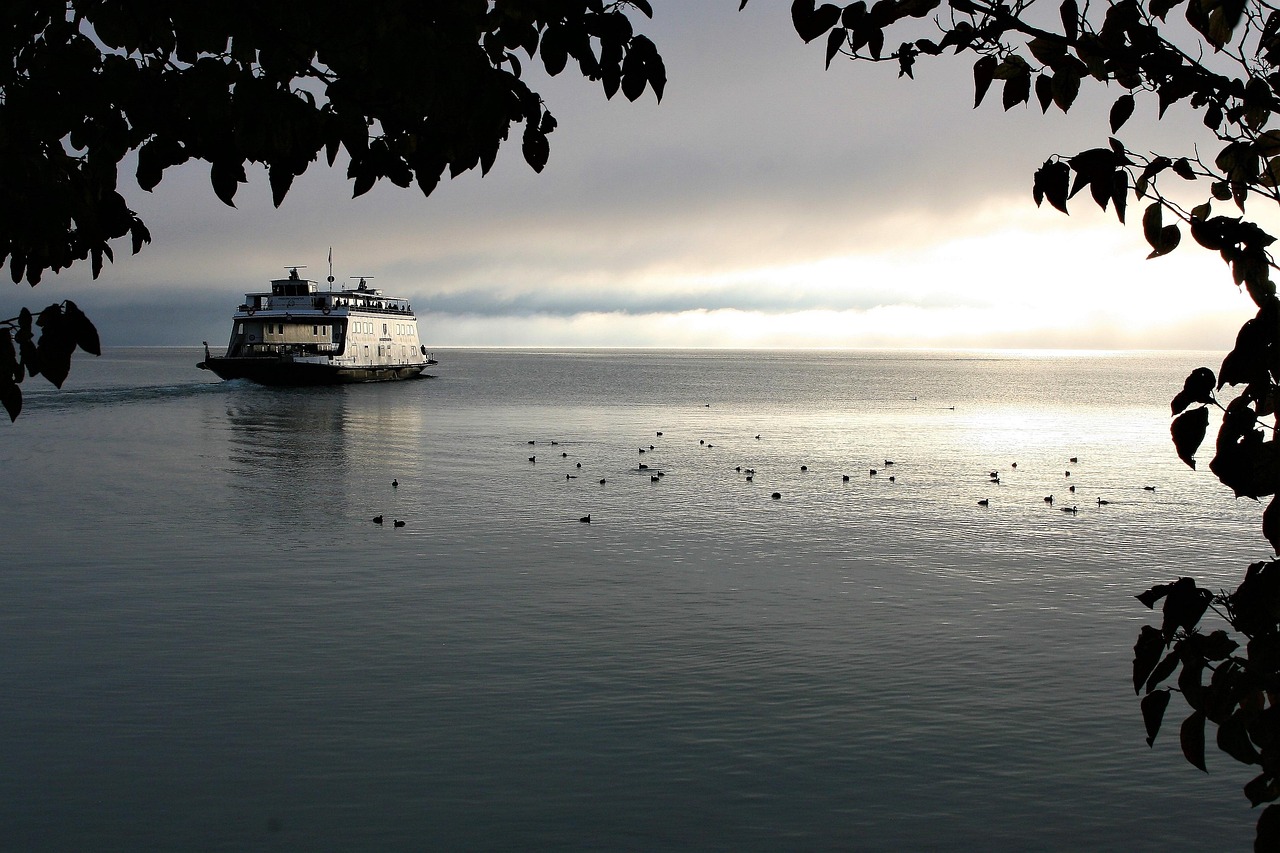

There’s a certain magic to stepping onto a ferry and realizing the journey itself is the whole point. No itinerary anxiety, no flight delays, no miles of highway. Just open water, shifting light, and the quiet pleasure of going somewhere slowly enough to actually see it.
The four routes below sit in a category all their own. They’re technically public transport. In practice, they’re something far closer to a slow, affordable cruise, serving up landscapes, wildlife, and sea air that no economy seat could ever replicate.
Why Ferries Are Having a Moment
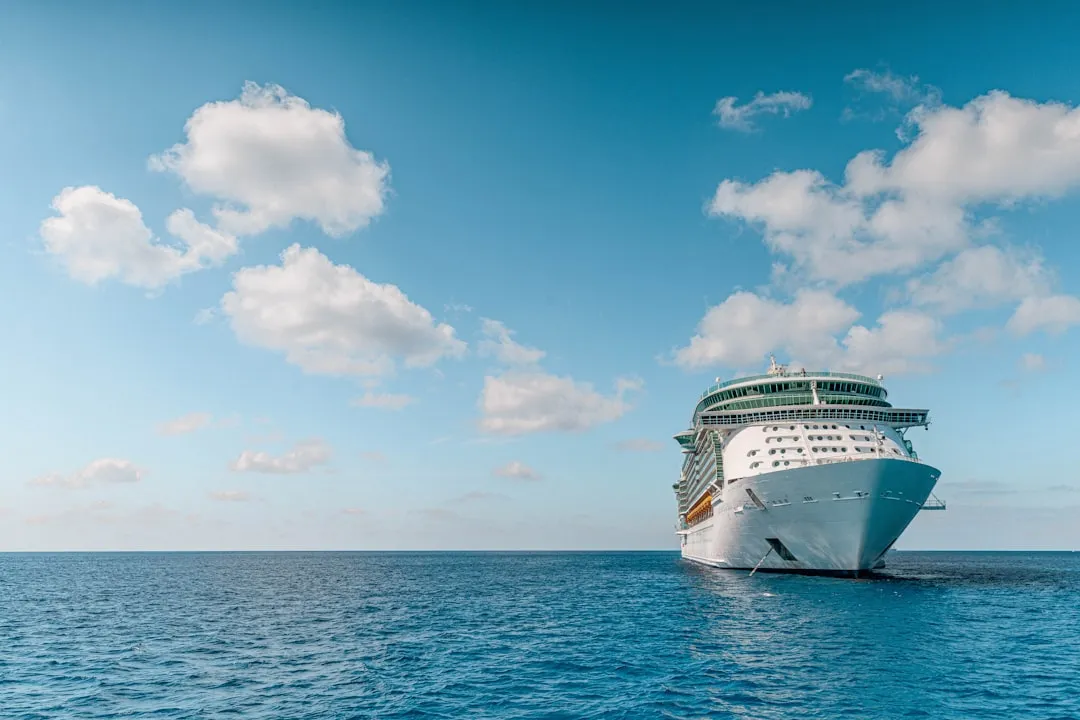
Short ferry rides across the world often feel far more magical than simple transportation, especially when the breeze catches the air and the water widens around you. These compact journeys deliver the charm of cruising without the price, commitment, or time demand of an actual ocean voyage.
There’s a growing appetite for slower, more intentional travel, and ferries fit that mood precisely. They’re generally a lot cheaper and shorter than a full-blown cruise while still offering that sailing thrill.
Taking a ferry is also more eco-friendly than flying short distances. Ferries emit less carbon per passenger than planes, particularly on longer scenic routes. For travelers who care about the footprint of how they move through the world, that matters.
1. Seattle to Bainbridge Island, Washington State Ferries (USA)
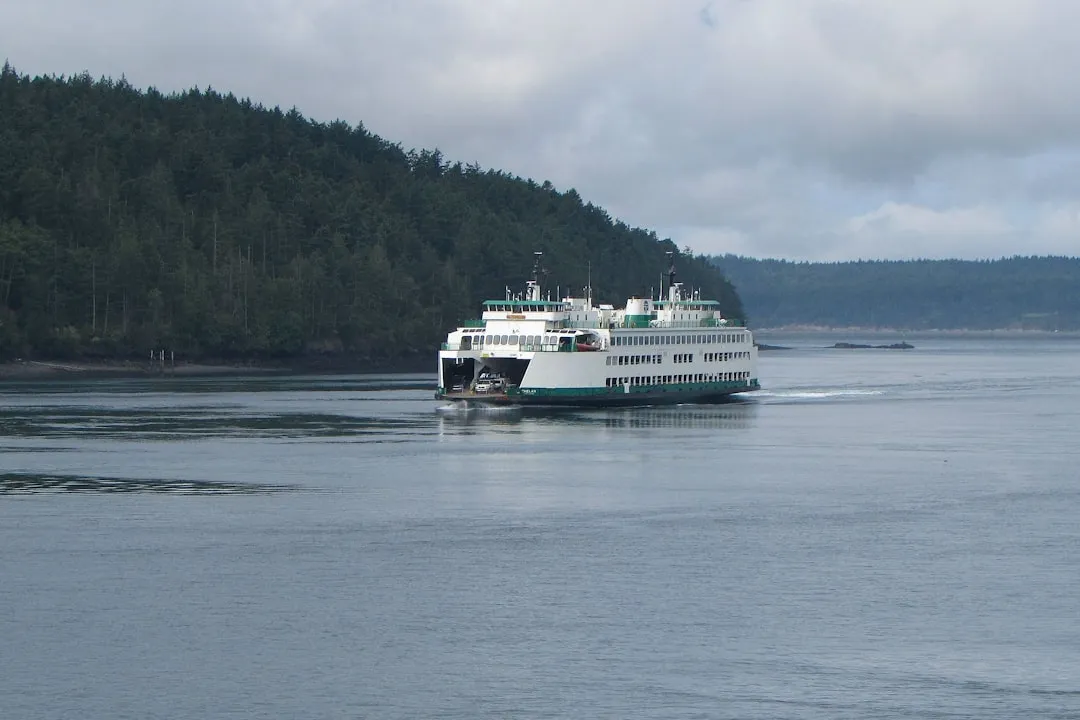
Washington State Ferries is the largest ferry system in the U.S., safely and efficiently carrying tens of millions of people a year through some of the most majestic scenery in the world. The Seattle to Bainbridge Island run is its crown jewel.
The Seattle to Bainbridge Island run was the busiest route in the system, carrying 5.2 million total riders in 2025, followed by Edmonds to Kingston with 3.9 million. Those numbers tell you something. People keep coming back, not just because it’s practical, but because it genuinely feels like an experience.
Ridership across the whole system reached 20.1 million passengers in 2025, nearly 1 million more than the 19.1 million recorded in 2024, marking the system’s strongest annual total since before the COVID-19 pandemic. The vessels are large, the decks are open, and on a clear morning the views of the Seattle skyline against Mount Rainier are something you won’t easily forget.
The Route That Proves Commuting Can Be Beautiful
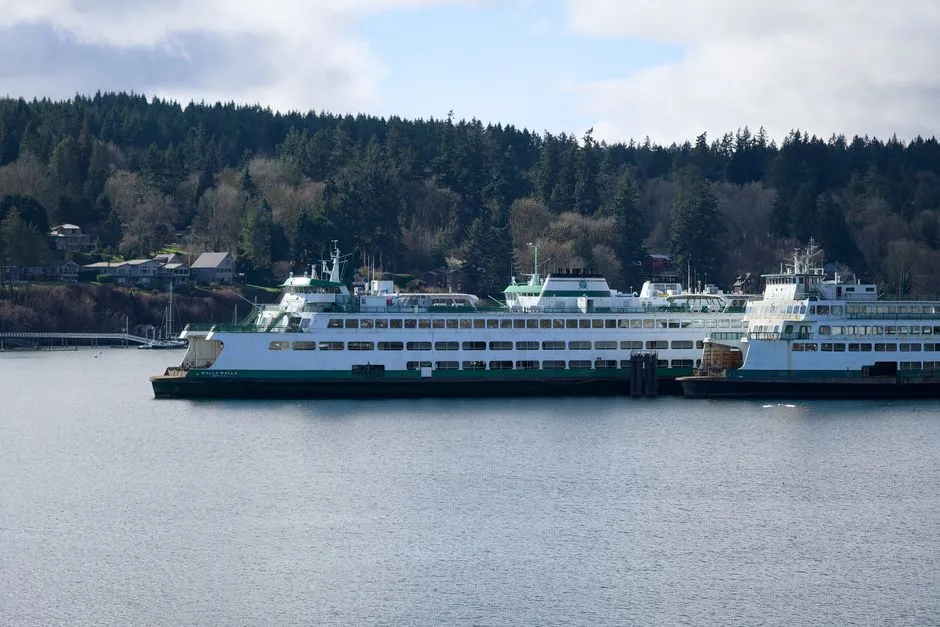
The crossing from Seattle’s Colman Dock to Bainbridge Island takes roughly 35 minutes. That’s enough time to find a spot on the upper deck, get a coffee, and watch the city slowly shrink into the water behind you.
On the Seattle to Bainbridge Island route specifically, foot passengers saw an increase of nearly nine percent in 2025 alone, suggesting more visitors are treating the crossing as a destination experience rather than just a link between two points.
Washington State Ferries has plans to convert existing vessels to hybrid-electric propulsion and construct new hybrid ferries by 2040, which means the experience is only going to get cleaner and quieter in the years ahead. For now, it remains one of the most affordable harbor views in the Pacific Northwest.
2. BC Ferries Inside Passage: Port Hardy to Prince Rupert, Canada
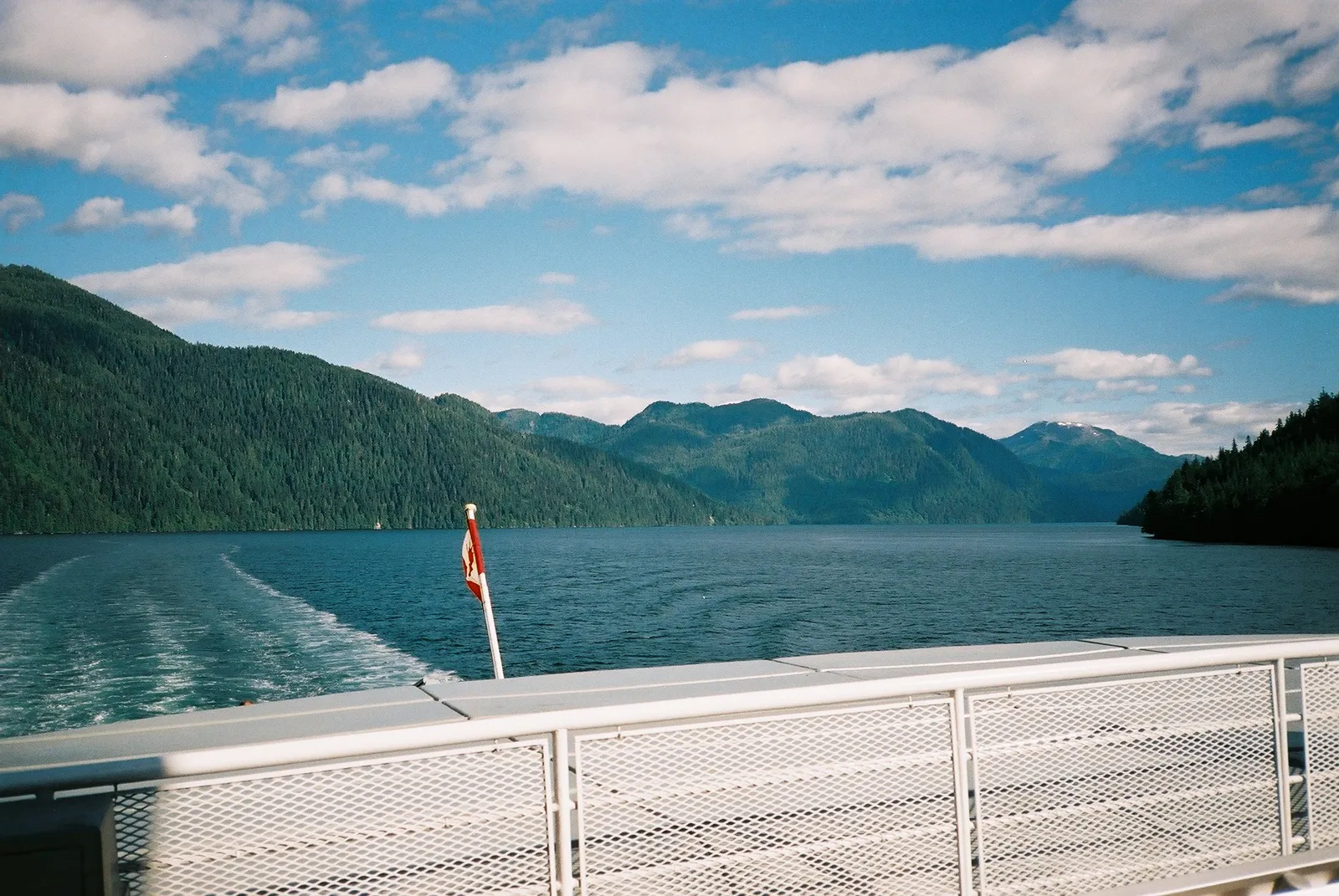
Departing from Port Hardy, the Inside Passage Ferry is one of the longest and most scenic ferry rides in the entire world. The entire voyage takes around 17 hours and ends in the charming coastal town of Prince Rupert.
This is not a commuter ferry. It’s a full day on the water, threading through one of the most spectacular coastlines on Earth. The 16.5-hour scenic sailing offers coastal views, iconic lighthouses, and the real chance of spotting whale spouts as you travel along.
Inside Passage summer service between Port Hardy and Prince Rupert is aboard the MV Northern Expedition, carrying 600 passengers and 130 vehicles. During the trip, passengers can watch a movie in the Raven Lounge, enjoy a local beer from the Canoe Cafe, or upgrade to a comfortable recliner seat in the premium Aurora Lounge.
An Alternative to Alaska Cruise Ships, at a Fraction of the Price
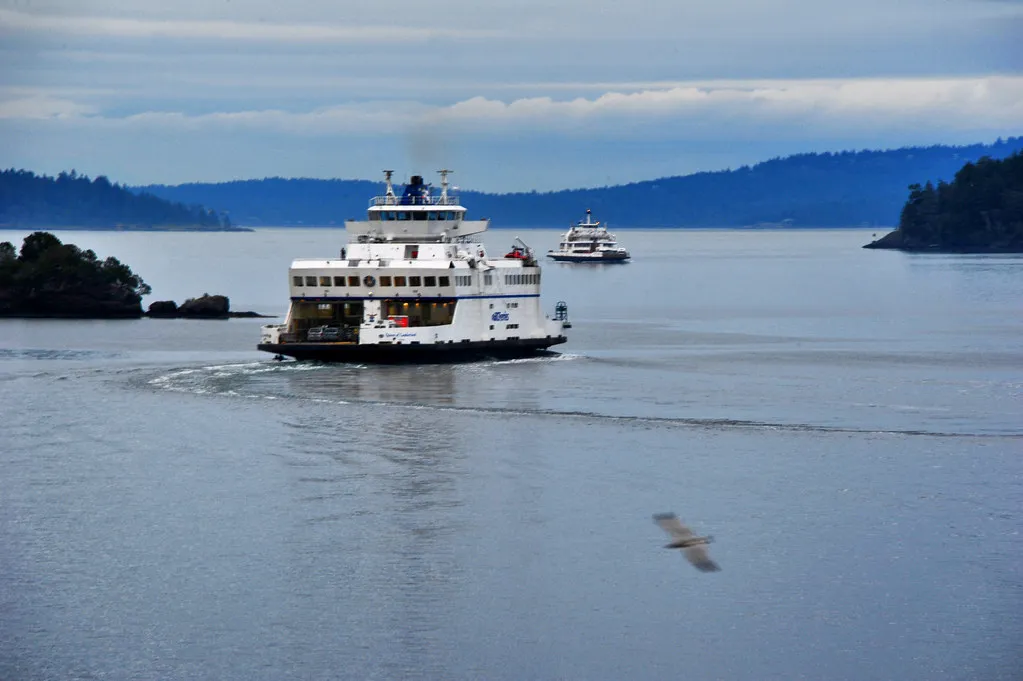
Many people pay a great deal of money to take an Inside Passage cruise to Alaska, but the BC Ferries Inside Passage trip is a fraction of that price. For independent travelers, that distinction is significant.
Whether you’re visiting from abroad or looking to explore more of Canada, the BC Ferries Inside Passage route is a slow travel method ideal for those seeking a once-in-a-lifetime memory or wanting to travel more responsibly. The wilderness here is genuinely untouched in stretches, with forested coastlines, narrow channels, and the sense that you’re moving through a landscape very few people see at water level.
Passengers aboard the Northern Expedition have reported smooth journeys with whale sightings and dolphin sightings alongside what many describe simply as endless beautiful scenery. Summer sailings run every other day, so reservations are essential, and booking ahead is strongly advised.
3. Manly Ferry: Circular Quay to Manly, Sydney, Australia
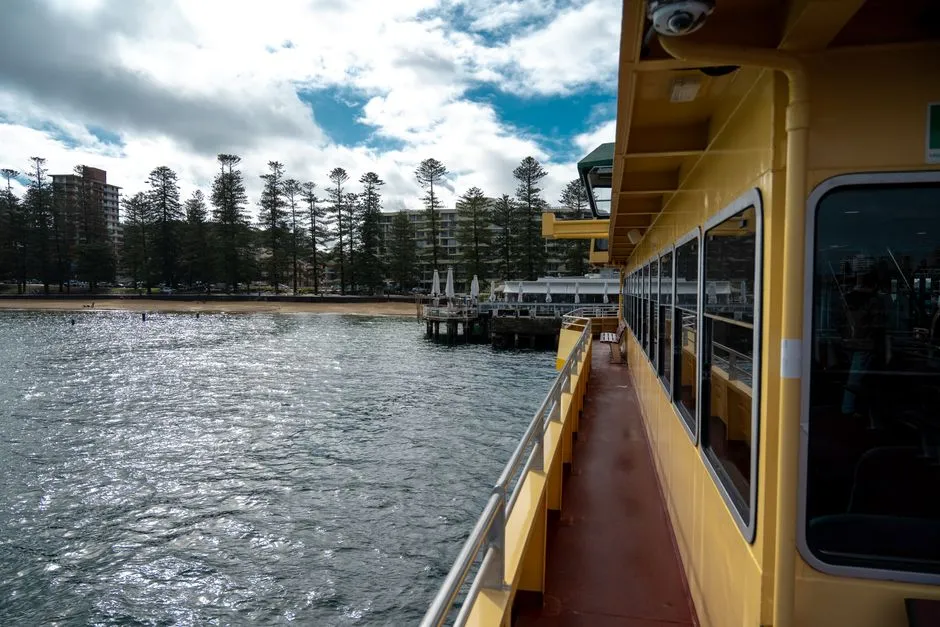
The Manly ferry service, numbered F1, operates on Sydney Harbour, connecting the Sydney suburb of Manly with Circular Quay in the CBD, a journey of seven nautical miles. On paper, it’s a commuter route. On the water, it’s one of the world’s great short voyages.
Departing regularly from Circular Quay, the ferry cruises past the Sydney Harbour Bridge and Sydney Opera House before passing Kirribilli House, Bradleys Head, and South Head, before arriving at Manly Wharf. You pass some of the most recognizable architecture and natural scenery on the planet in under half an hour.
For visitors, the Sydney ferries double as one of the best-value sightseeing cruises in the world. The iconic Manly Ferry covers the same ground as a paid harbour cruise for roughly AU$8.39 with an Opal card. That price point is remarkable given what’s on offer above the waterline.
Sydney’s Open Secret for Budget Travelers
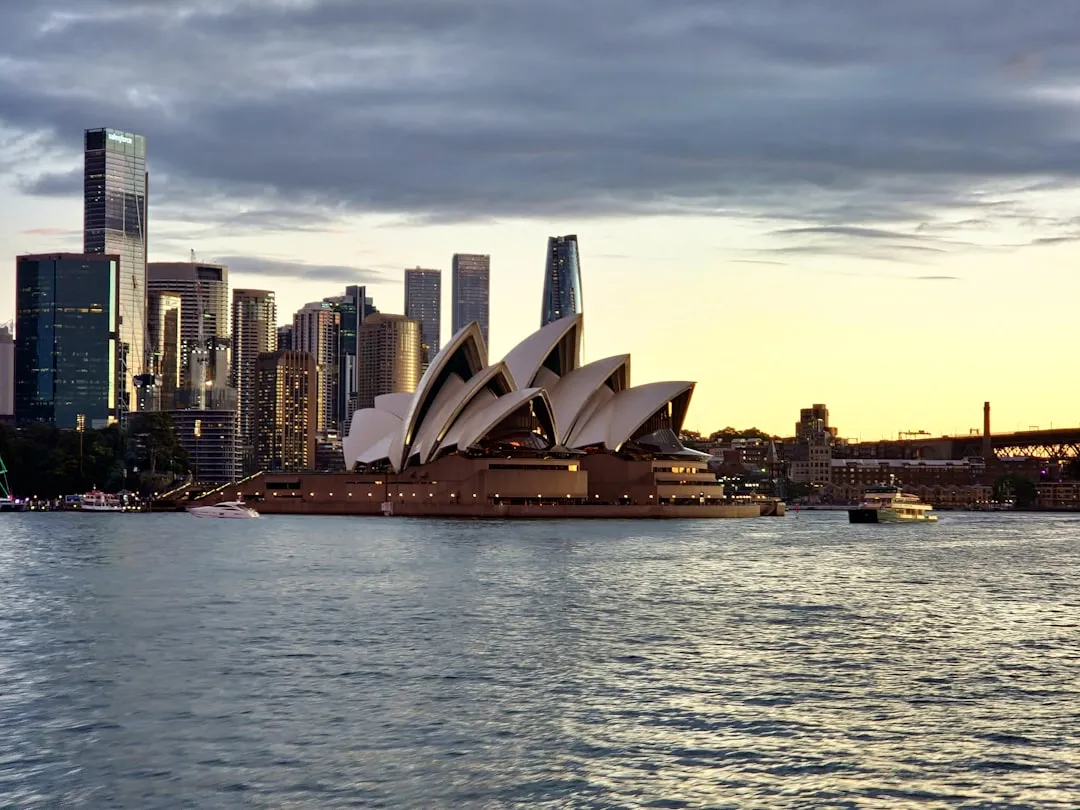
Sydney’s ferry network has been operating since 1842 and is one of the world’s oldest continuously running urban ferry systems. The fleet of more than 30 vessels carries over 15 million passengers annually across Sydney Harbour and the Parramatta River.
For first-time visitors, the F1 Manly Ferry is the single most-recommended Sydney transport experience. That’s a strong statement in a city with an opera house, a famous bridge, and a world-class zoo. The ferry earns that reputation every single crossing.
Once you arrive at Manly, the suburb offers stunning beaches, outdoor cafes, bars and cool restaurants, surf and beachwear shops, and scenic coastal walks, including a popular stroll connecting Manly Wharf with Manly Beach. It’s one of those rare ferry rides that delivers both the journey and the destination.
4. Portsmouth to Santander: Brittany Ferries, England to Spain
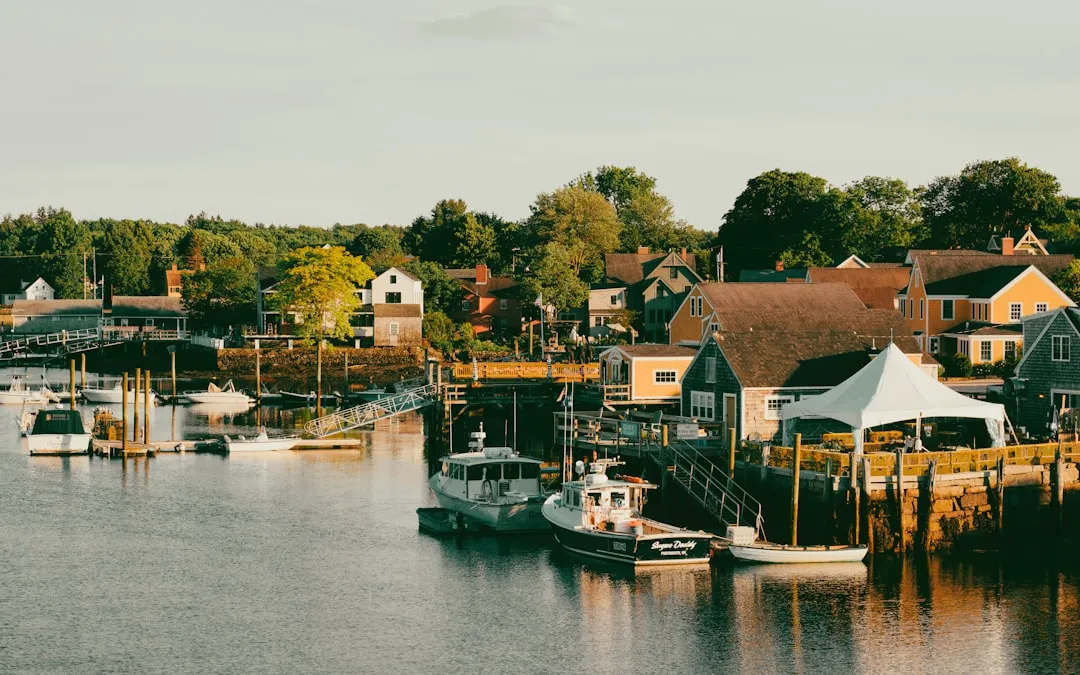
The ferry from Portsmouth to Santander is a popular cruise ferry route from England to Spain. This mini-cruise experience is operated by Brittany Ferries and departs once a week. The crossing takes around 24 hours, which means it really does function as an overnight voyage rather than a hop across the channel.
Brittany Ferries is a French company serving shipping routes between France, the UK, and Spain, and is one of the largest ferry and cruise tour operators from the UK and Ireland to France and Spain. Their longer routes are deliberately designed to feel like a short ocean liner experience.
Onboard amenities on vessels serving this route typically include restaurants, bars, en suite cabins, sun decks, and entertainment options, positioning the crossing squarely between a budget flight and a full cruise. Travelers can bring their cars, sleep in a cabin, and wake up in northern Spain, having avoided airports entirely. That’s a compelling offer for any kind of traveler.
What Makes a Ferry Feel Like a Cruise?
The difference between a commute and a mini-cruise often comes down to the relationship between time and landscape. When you’re on the water long enough to stop rushing and start noticing, the experience shifts entirely.
Each of the routes above offers something distinct in that regard. The Bainbridge run gives you a city skyline in 35 minutes. The Manly Ferry gives you a world-class harbour in 30. The Inside Passage gives you a full wilderness day. Portsmouth to Santander gives you the Bay of Biscay and a morning arrival in a Spanish port city.
Each route offers its own rhythm, from quiet scenic crossings to lively urban waterways, giving travelers easy adventures filled with skyline views, wildlife moments, open decks, and that gentle feeling of drifting toward somewhere special. The ferry doesn’t need to be long to feel meaningful. It needs to be right.
Practical Tips for Getting the Most Out of These Crossings
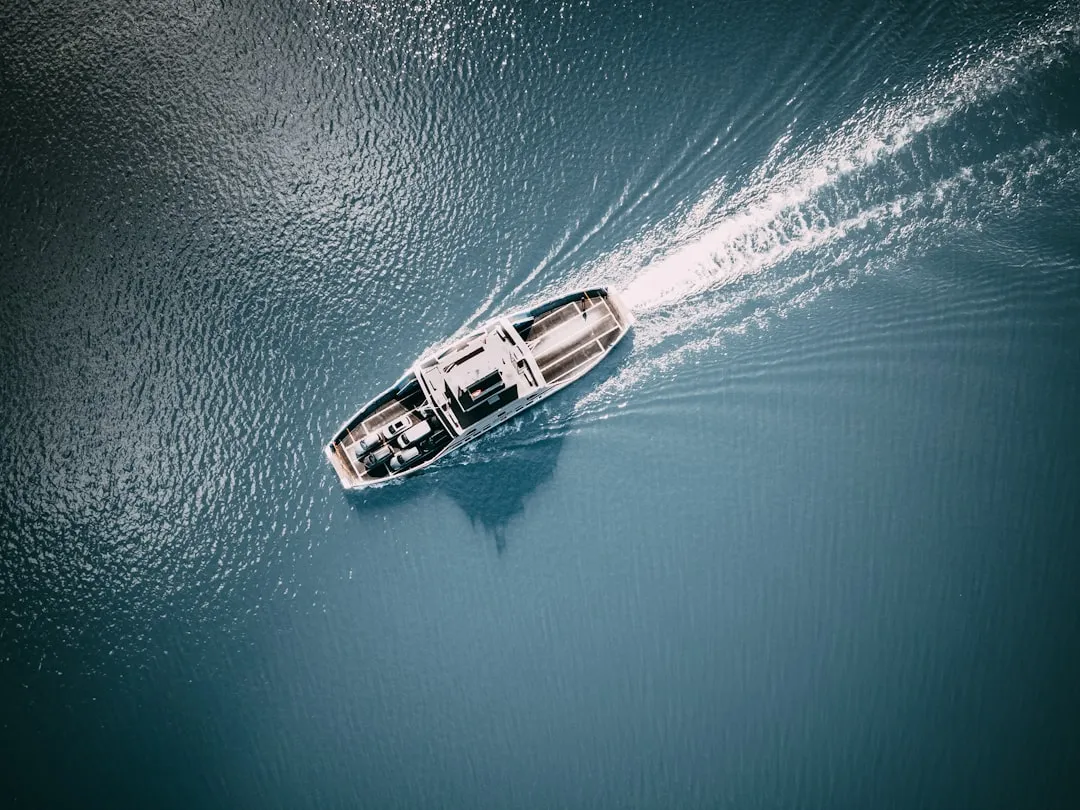
On the Inside Passage, book cabins or premium lounge seats well in advance. Summer sailings fill quickly, and the route operates every other day, so there’s no flexibility in timing if you miss your slot. Arriving at the terminal early is also advised, as vehicle loading is carefully orchestrated.
For the Manly Ferry in Sydney, the standard F1 service offers a more scenic route than the faster alternatives. Allow time on both ends of the trip. The view back toward the city from Manly Wharf is just as rewarding as the outbound journey.
On Washington State Ferries, the Seattle to Bainbridge Island route is walkable from downtown Seattle, making it genuinely car-free-friendly. In 2025, WSF operated more than 150,000 trips and completed 98.6% of all scheduled sailings, so reliability is high. Traveling on a weekday morning or evening gives you the commuter atmosphere alongside views that locals often take entirely for granted.
Responsible Travel on the Water
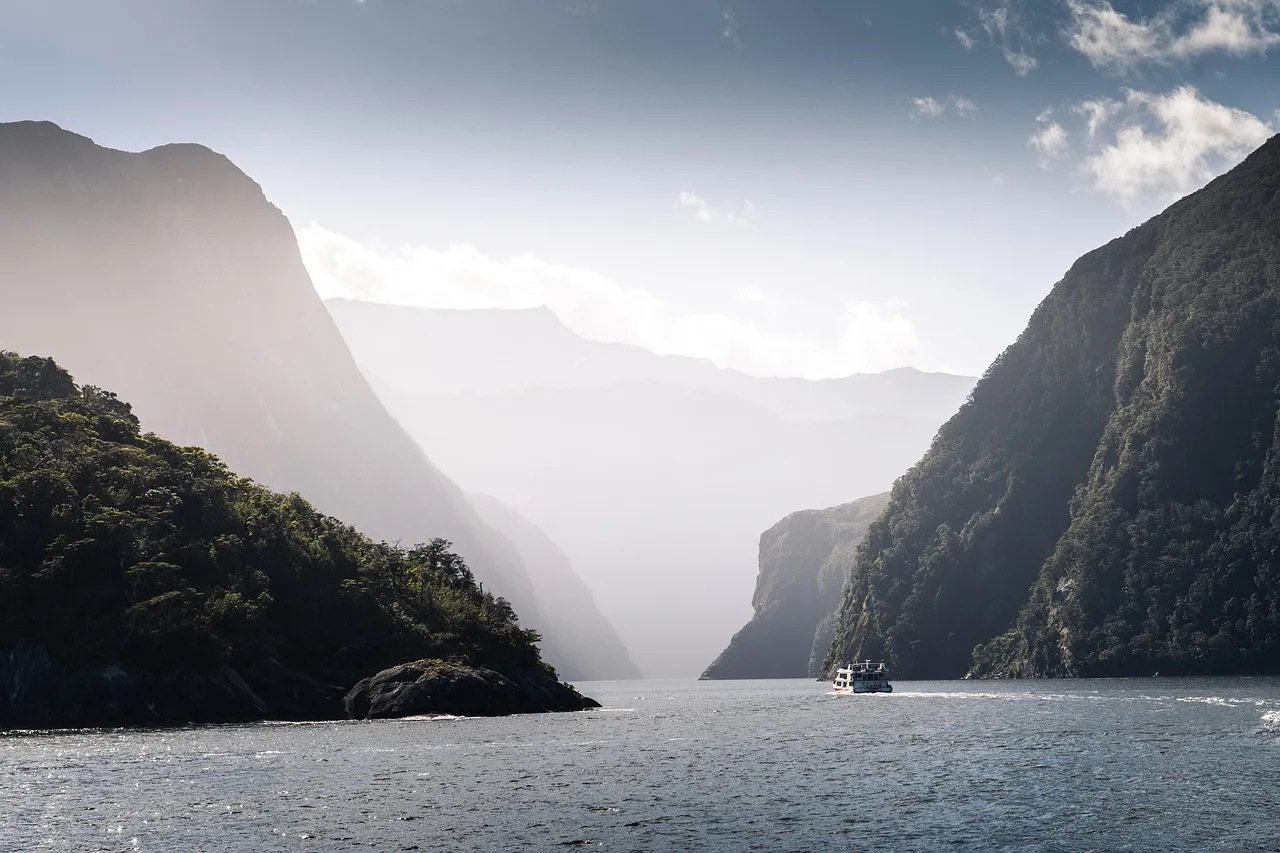
Ferry travel, when chosen thoughtfully, carries a lighter footprint than many alternatives. On routes like the Inside Passage, choosing the ferry over a private small aircraft or a large cruise ship keeps tourism dollars within the local community and reduces emissions per passenger meaningfully.
The ferry encourages you to spend more time in smaller towns, such as Port Hardy and Prince Rupert, which boosts tourism in regions that don’t always appear on mainstream itineraries. That’s a form of responsible travel that doesn’t require any sacrifice in experience quality.
For wildlife-rich corridors like the Inside Passage, traveling by scheduled public ferry rather than charter reduces cumulative pressure on marine ecosystems. Whales, dolphins, sea otters, and bald eagles are all commonly seen from the deck of the Northern Expedition, but the watching is always on their terms, at a respectful distance.
The Bigger Picture: Ferry Travel as a Philosophy
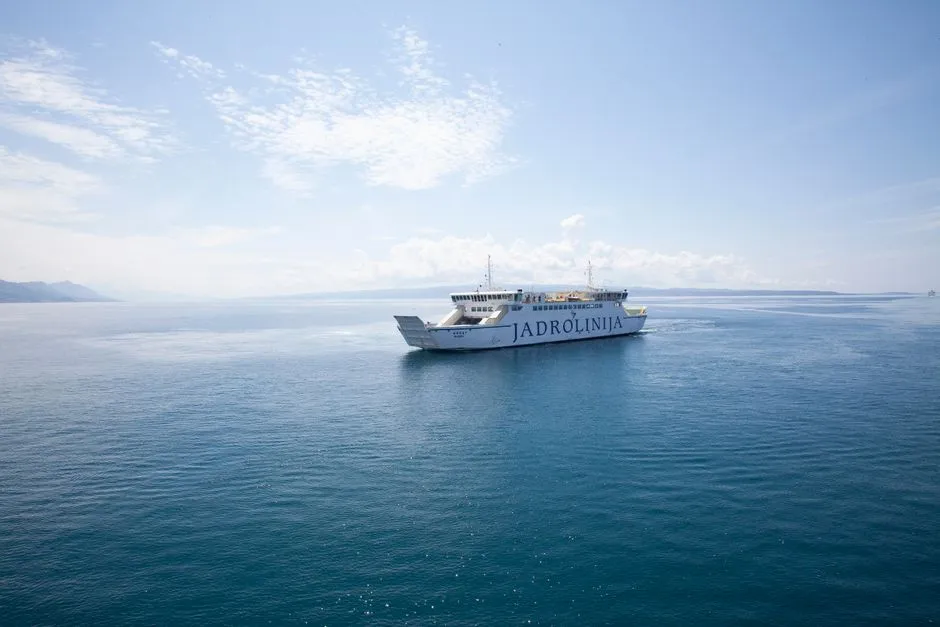
Somewhere along the way, getting there became something to endure rather than enjoy. Ferries quietly push back against that idea. They insist on a pace that air travel abandoned long ago, and in doing so they return something that’s genuinely hard to find in modern travel: the feeling of actually being in a place rather than passing through it.
None of the four routes above require you to be a particularly adventurous traveler. They’re accessible, well-established, and supported by reliable public infrastructure. What they ask for is a willingness to trade speed for perspective.
That’s a trade most people, once they’ve made it, are reluctant to reverse.
A Final Thought
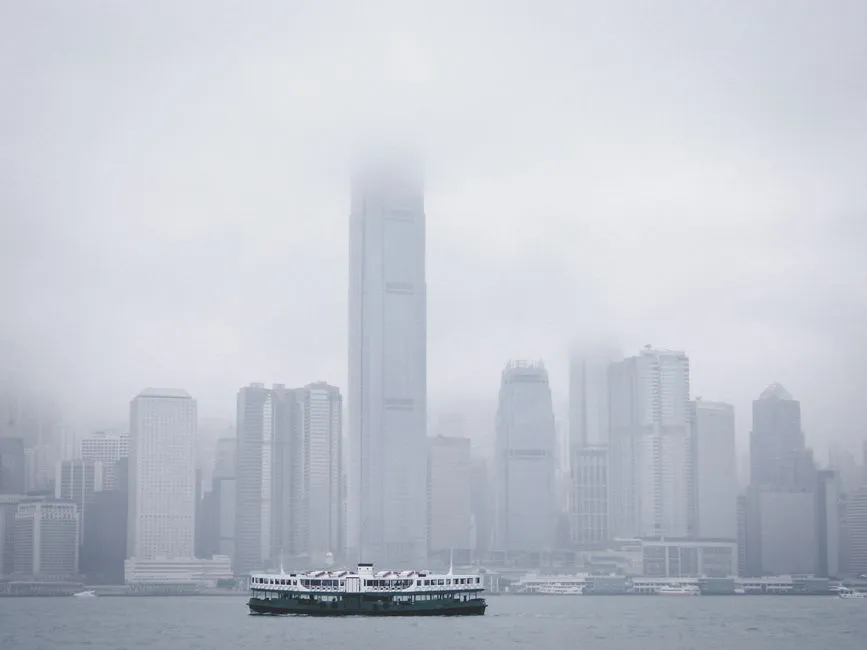
The best journeys tend to be the ones you didn’t expect to remember. A 35-minute crossing. A day threading through fog-wrapped islands. A harbour glittering under southern hemisphere sun. These aren’t consolation prizes for travelers who couldn’t afford a cruise. They’re something quieter and arguably better: transport that knows it’s also a gift.
Go slowly. Watch the water. The destination will still be there when you arrive.
AI Disclaimer: This article was created with the assistance of AI tools and reviewed by a human editor.