
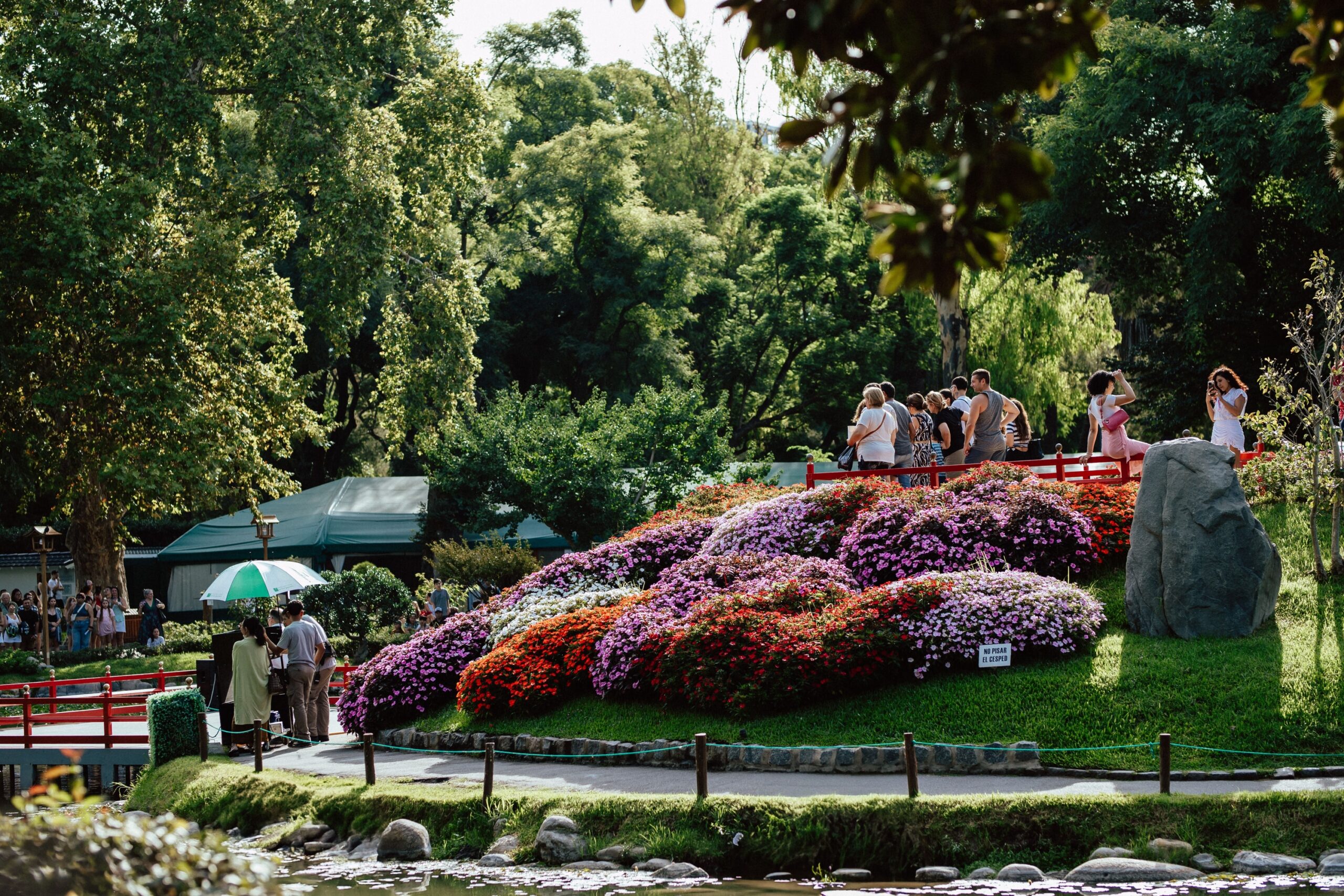

Botanical gardens have a bit of an image problem. Many people picture them as quiet places for retirees in sun hats, moving slowly between labeled shrubs. The reality, in the best cases, is something far more interesting: architecture that stops you in your tracks, living collections that are central to global conservation science, and landscapes so layered that a half-day visit still leaves you feeling like you missed something.
These six gardens earn their detour. Not because of hype, but because each one offers something genuinely surprising beyond the plants themselves.
1. Royal Botanic Gardens, Kew – London, United Kingdom
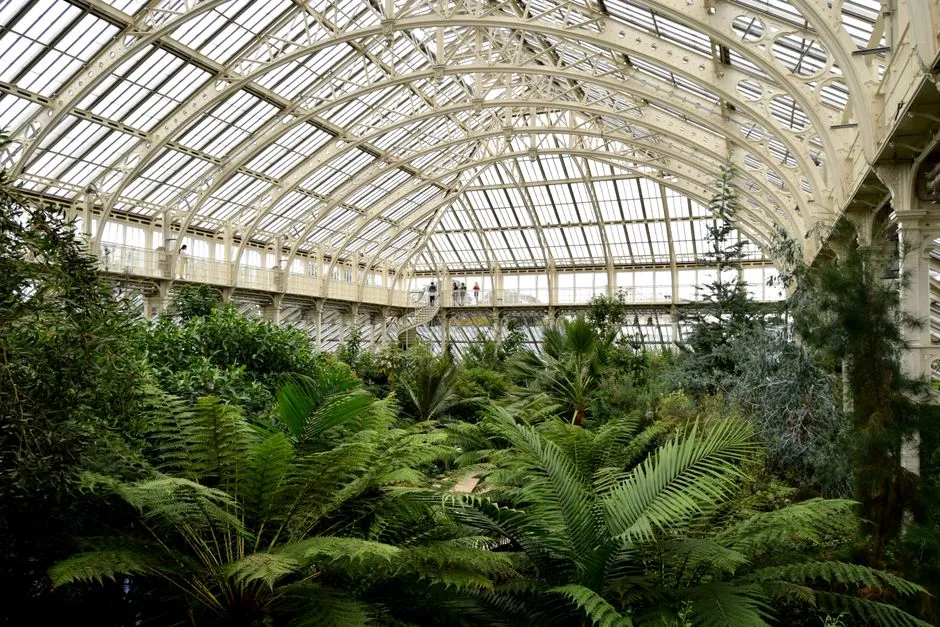
Founded in 1759, Kew Gardens spans 121 hectares in southwest London and houses what is described as the largest and most diverse botanical and mycological collections in the world. That alone is a staggering proposition. Over more than 250 years, the garden has quietly become a scientific institution as much as a visitor attraction.
Kew has been designated a UNESCO World Heritage Site in recognition of its diverse global plant collection and significant scientific contributions. In 2025, Kew Gardens welcomed over two million visitors. Its scale means you can spend hours here without feeling rushed.
During the 2023 to 2024 financial year, Kew maintained 100 global partnerships while working to understand and protect threatened species, and has plans to create a new Science Quarter on its grounds. The garden is genuinely operating on a global level, which gives even a casual visit a certain weight.
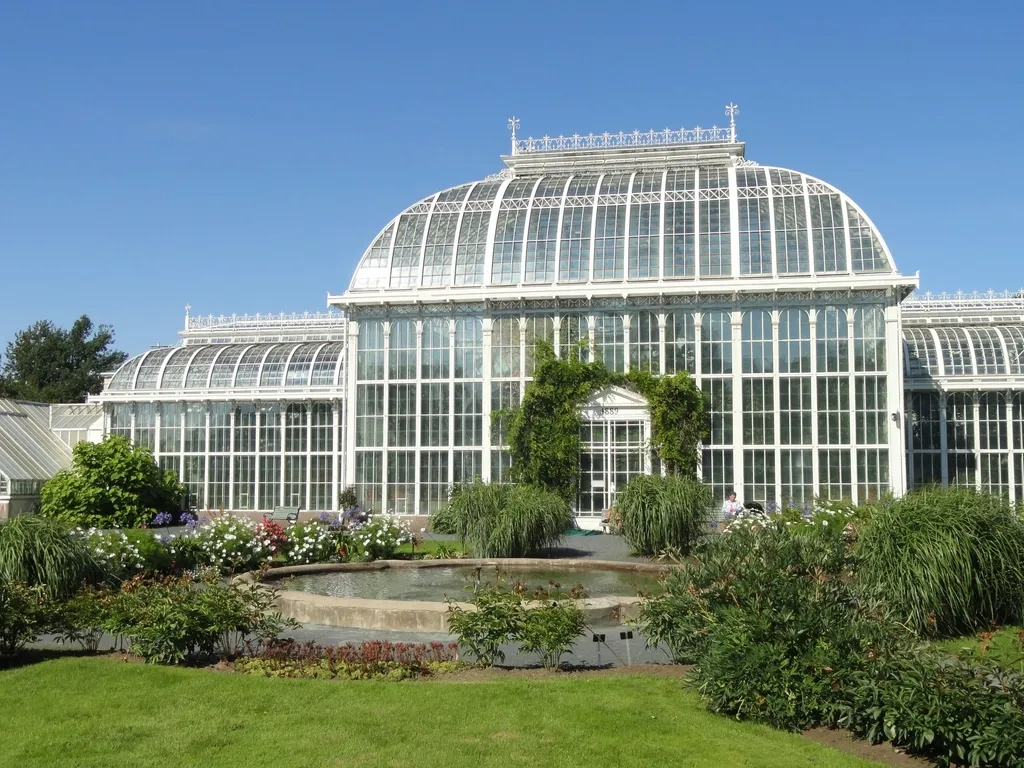
The Victorian glasshouse at Kew is the largest of its kind in the world. Walking through it in winter, with tropical vegetation pressing up against the glass while grey skies sit outside, is an experience that has nothing to do with gardening and everything to do with wonder.
2. Longwood Gardens – Kennett Square, Pennsylvania, USA
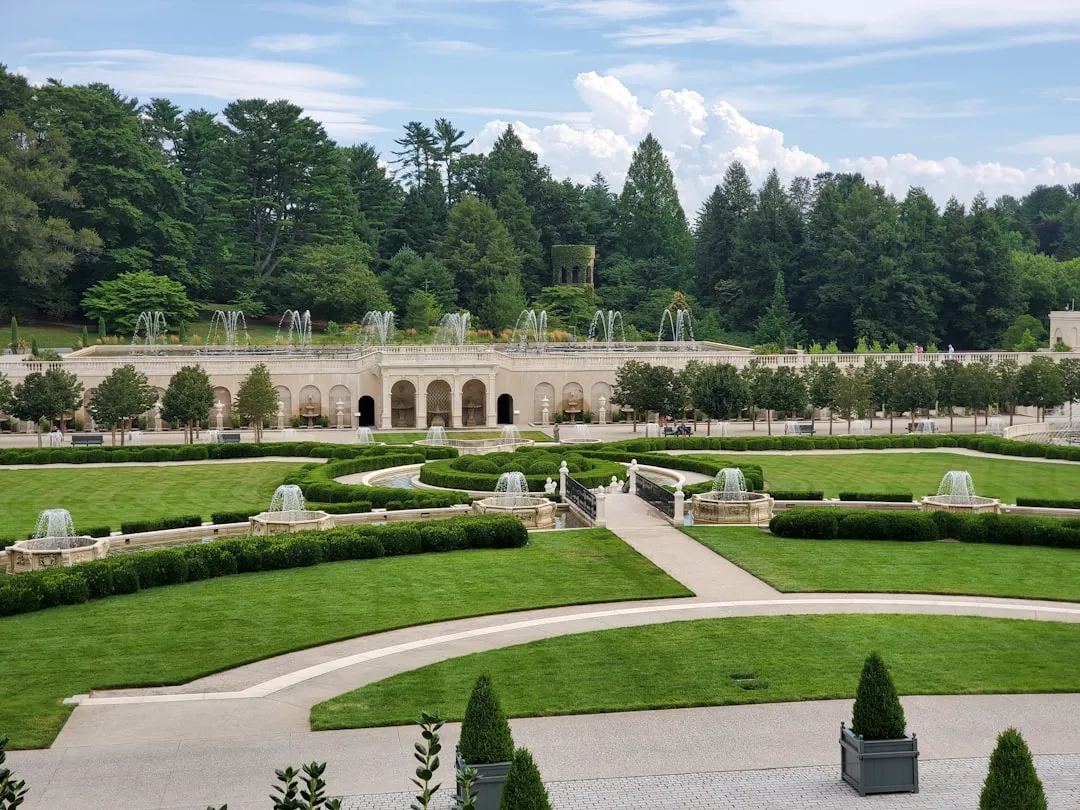
One of the world’s great gardens, Longwood Gardens is found in Kennett Square, Pennsylvania. Founded by industrialist Pierre S. du Pont in 1906, it has grown to encompass 1,100 acres of gardens, woodlands, meadows, and fountains. The sheer scale alone is disorienting in the best possible way.
In 2024, Longwood Gardens completed its $250 million “Longwood Reimagined” expansion, transforming 17 acres of its central grounds with new buildings, gardens, and amenities after more than three years of development. This is a genuinely significant investment in a living public space, and the results show.
The showpiece of the transformation is a new 32,000-square-foot glasshouse called the West Conservatory, which appears to float on water. Inside, you’ll find a Mediterranean-inspired garden with canals, fountains, planted islands, and a plant palette of aloes, olive trees, and cypress.
About one and a half million people visit Longwood every year, wandering through both indoor conservatories and outdoor gardens. USA Today named it the best botanical garden in the United States for 2025, citing its fountains and plant collections. No matter the season, something extraordinary is in bloom.
3. Singapore Botanic Gardens – Singapore
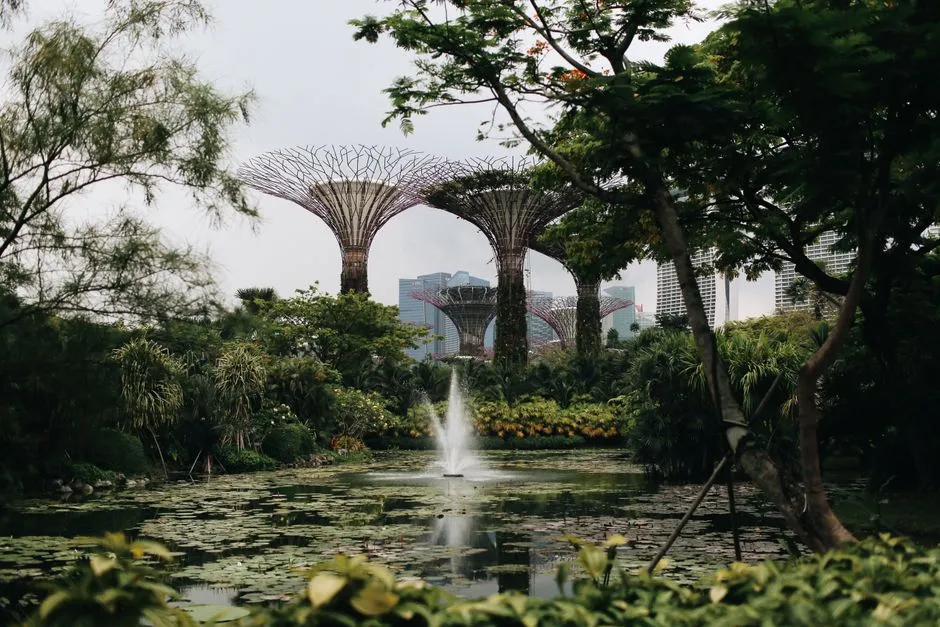
Established in 1859, the Singapore Botanic Gardens spans 82 hectares and was inscribed as a UNESCO World Heritage Site on July 4, 2015, in recognition of Singapore’s commitment to preserving its natural heritage. It’s a genuinely remarkable place to find tucked inside one of Asia’s most densely built cities.
The Gardens are the first and only tropical botanic gardens on the UNESCO World Heritage List. They are also Asia’s first botanical garden and the world’s third, after the Orto Botanico di Padova and the Royal Botanic Gardens, Kew.
The star attraction is the National Orchid Garden, home to a kaleidoscopic display of 60,000 orchids, but admission also includes access to the Healing Garden, Rainforest Trail, Swan Lake, and more. Entry to most of the broader garden is free, which makes it one of the most accessible major botanical gardens anywhere in the world.
Today, the gardens contain an extensive collection of more than 10,000 types of plants, including the region’s most significant living collection. The combination of scientific depth, cultural history, and open green space gives Singapore’s garden a quality that most botanical collections simply cannot match.
4. Jardin Majorelle – Marrakech, Morocco
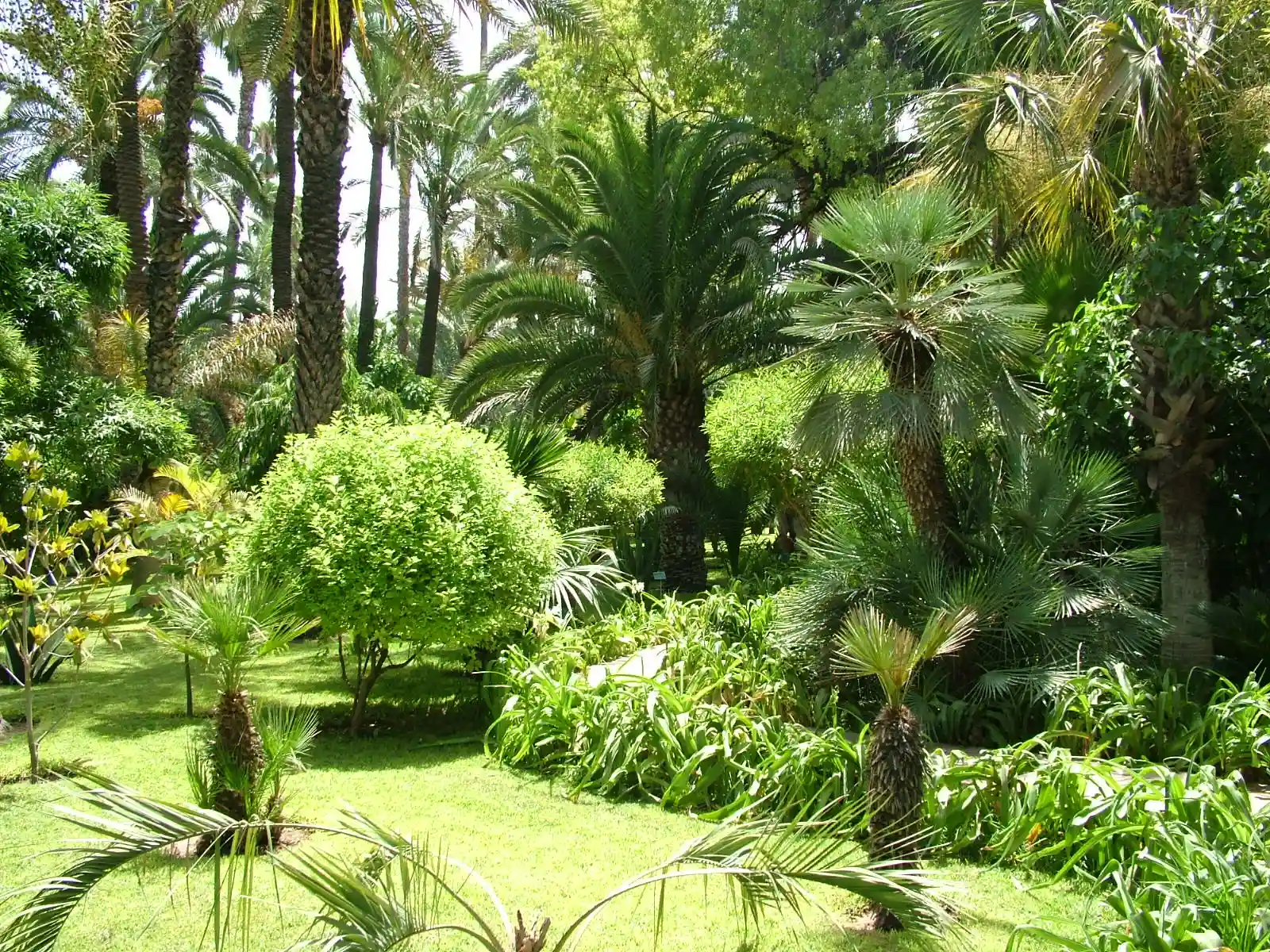
In 1922, French painter Jacques Majorelle envisioned the nearly 100,000-square-foot area as a sanctuary and a botanical laboratory, planting exotic specimens from around the world. He also built outer walls, a labyrinth of crisscrossing alleyways, and a series of colorful buildings that blend both art deco and Moorish influences. The whole thing feels like stumbling into someone’s private obsession, which in a sense it was.
In 1980, Yves Saint Laurent and Pierre Bergé purchased the garden to save it from destruction at the hands of hotel developers. Today, it is known for its extensive collection of cacti, succulents, and palms, as well as buildings painted in a cobalt blue that Majorelle patented, now known worldwide as Majorelle Blue.
Today, Jardin Majorelle welcomes around 700,000 visitors annually and houses around 300 plant species including cacti, palms, bougainvillea, and other rare trees. That’s a significant number for a space that covers roughly one hectare. Come early in the morning to experience it before the crowds arrive.
For travelers with limited time in Marrakech, it feels accessible and predictable – a calm contrast to the sensory intensity of the Medina. The garden is compact enough to explore fully in under an hour, yet complex enough to reward a slower pace. Nearby, the Musée Yves Saint Laurent Marrakech, located just steps from the garden, showcases the legacy of the French designer through collections of his designs and artwork.
5. Kirstenbosch National Botanical Garden – Cape Town, South Africa
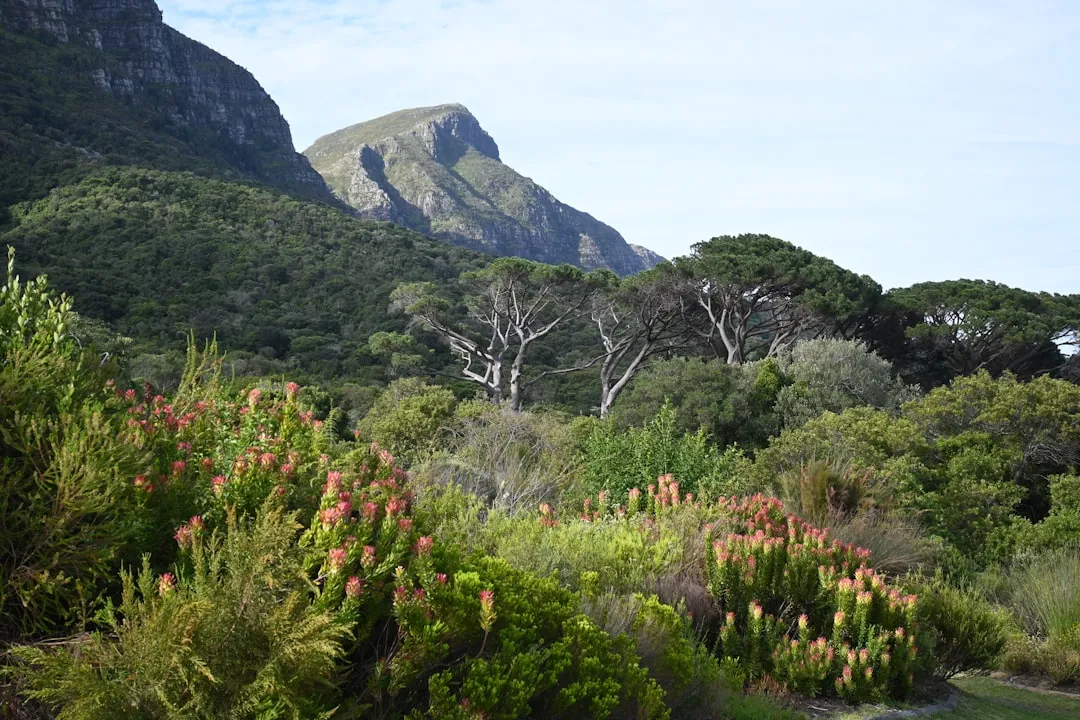
The garden spans over 528 hectares, offering visitors a peaceful retreat enveloped by stunning landscapes. It is recognized as the first botanical garden in the world to be devoted entirely to the conservation of indigenous plants. That founding purpose gives Kirstenbosch a depth that purely ornamental gardens rarely achieve.
Established in 1913 as the first of South Africa’s national botanical gardens, it encompasses 36 hectares of cultivated gardens within a larger 528-hectare estate that includes natural fynbos vegetation and forest, showcasing over 7,000 indigenous plant species, including iconic proteas, ericas, and cycads.
As part of the Cape Floristic Region Protected Areas, it contributes to a UNESCO World Heritage Site inscribed in 2004, highlighting its global significance in biodiversity conservation. The garden is also a dedicated conservation hotspot for endangered plant species and a haven for birders, with more than 200 different species of birds recorded within the park.
In May 2025, The New York Times included Kirstenbosch in its list of the 25 gardens you must see worldwide, praising its indigenous plant collections and dramatic setting against Table Mountain. The backdrop alone makes for a visit unlike almost anything else in botanical travel.
6. Orto Botanico di Padova – Padua, Italy
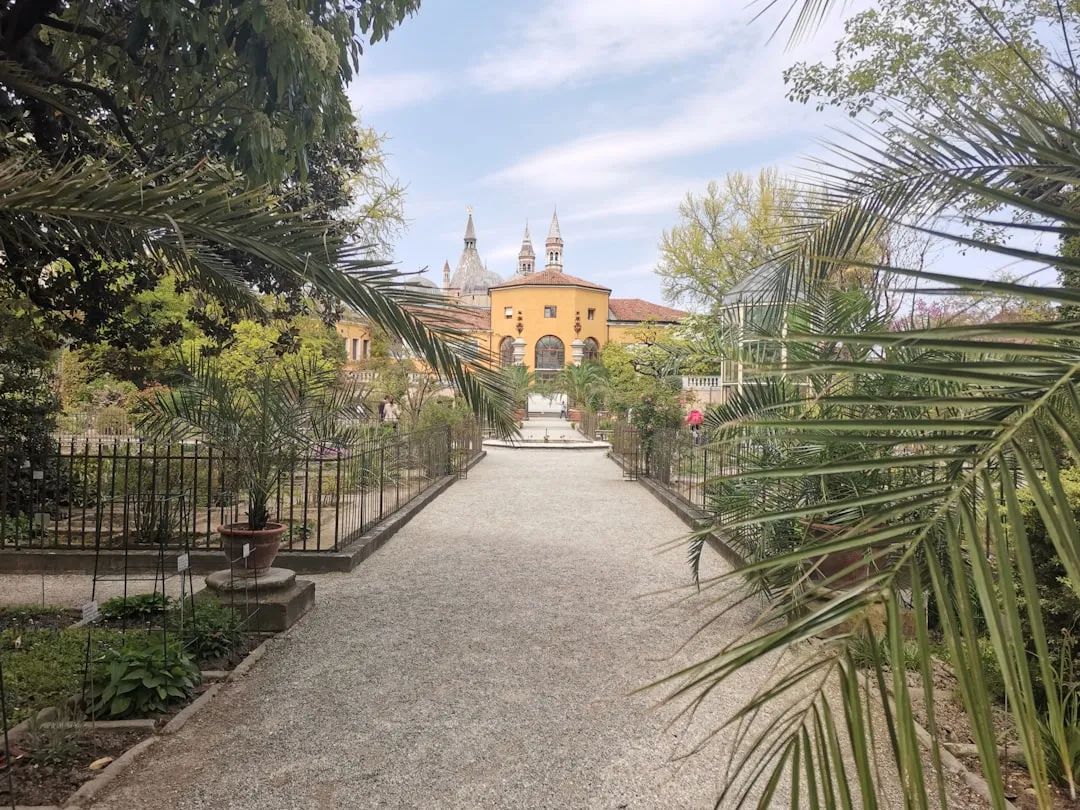
The world’s first botanical garden was created in Padua in 1545. It still preserves its original layout: a circular central plot, symbolizing the world, surrounded by a ring of water. The fact that it is still operating in essentially the same spot, nearly five centuries later, is a remarkable thing to sit with.
Founded in 1545, the University of Padua Botanical Garden is the oldest in the world to have maintained its original location and architectural layout. It has been a UNESCO World Heritage Site since 1997. The designation was well earned: the garden directly influenced the development of botanical science across Europe.
Set across 3.5 hectares, the garden hosts more than 6,000 specimens and 3,500 species. In the historic circular section, enclosed within walls, you’ll find medicinal, insectivorous, poisonous, succulent, aquatic, and ornamental plants, as well as historical specimens such as “Goethe’s Palm,” a plant dating to 1585. Goethe visited in 1786 and wrote about the plant as an inspiration for his theory of plant metamorphosis.
The garden lies between the Prato della Valle city square and the Basilica of Saint Anthony, and was named a UNESCO World Heritage Site in 1997. Its location in Padua’s centro storico means you can pair a visit with an afternoon in one of Italy’s most underrated medieval cities, which is never a bad way to spend a travel day.
Why These Gardens Deserve More Credit Than They Get
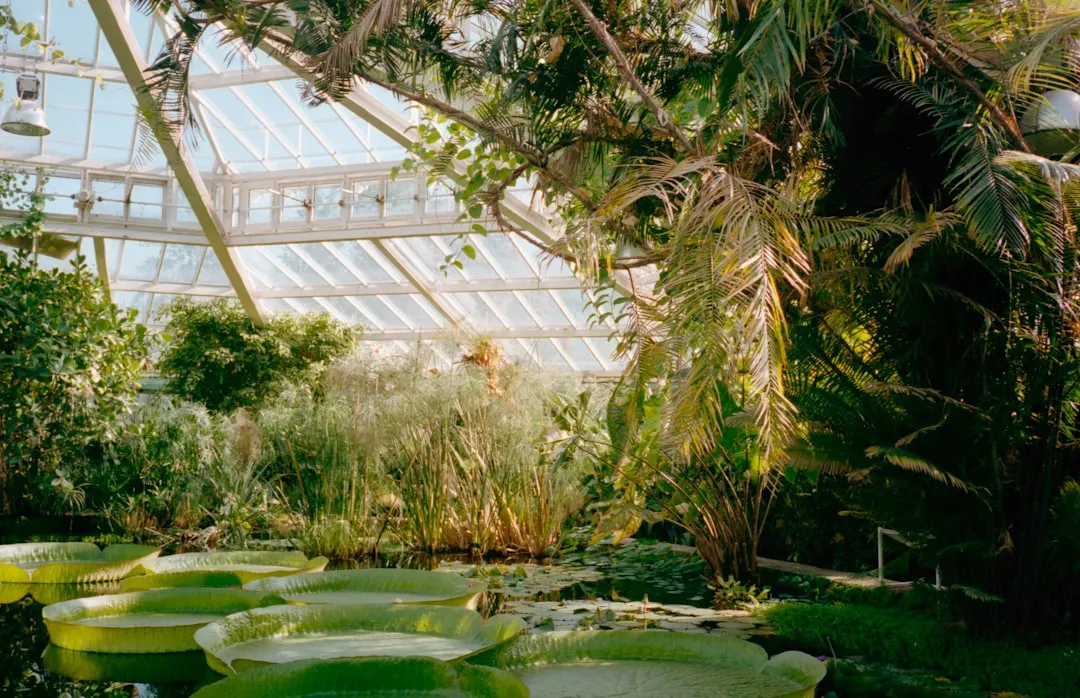
Botanical gardens attract millions of visitors each year, and beyond plants and flowers, the best of them offer historic greenhouses, engaging exhibits, and art installations. The gardens on this list represent something more focused: living institutions where landscape, science, culture, and conservation genuinely intersect.
You don’t need to know what a fynbos is, or care about the difference between a cycad and a palm, to find value in these places. The architecture, the atmosphere, the sheer improbability of some of what you’re looking at – these things tend to speak for themselves.
From tropical splendors to desert landscapes, these gardens are more than tourist attractions. They are vital for education, research, and the preservation of our planet’s precious botanical heritage. That dual purpose – welcoming the public while contributing meaningfully to science – is what separates the best botanical gardens from a well-maintained park.
Planning Your Visit: Practical Notes
Most of these gardens reward early arrival. Even with timed-entry tickets at Jardin Majorelle, certain hours feel dense, and the sense of calm people anticipate can disappear quickly. The same logic applies to Kew on summer weekends and to Kirstenbosch during peak Cape Town season.
Several gardens on this list, including Singapore’s Botanic Gardens, offer free or reduced admission to significant portions of the site. Others, like Longwood, require advance booking during busy periods given visitor demand.
Spending a full half-day at any one of these gardens is a reasonable and worthwhile commitment. Each one is dense enough that rushing through it means missing the point entirely. Bring comfortable shoes, leave the itinerary a little loose, and let the place set the pace.
The Bigger Picture: Botanical Gardens and Conservation in 2026
Kew Gardens alone supports 256 active science projects and has developed 100 global partnerships to understand and protect threatened species. This level of institutional commitment to plant conservation is mirrored, in varying degrees, across all the gardens on this list.
South Africa’s national botanical gardens collectively conserve more than 7,400 hectares of natural vegetation and biodiversity within their boundaries, while promoting environmental awareness both locally and internationally. These are not passive spaces. They are active participants in a global effort to document and protect what is left of wild plant diversity.
In an era when biodiversity loss is accelerating, the relevance of well-resourced botanical gardens is arguably greater than at any point in their history. Visiting them is one small way of supporting institutions that are doing genuinely consequential work behind the scenes.
Final Thoughts
The six gardens here share one quality that is harder to quantify than plant counts or UNESCO listings: they reward a certain kind of attention. Slow down, look closely, and the experience shifts from pleasant to genuinely memorable.
You do not need to be a gardener to leave Kew or Kirstenbosch or Padua feeling like you have encountered something remarkable. What these places offer is a different pace, a different scale, and a different relationship with the living world than most travel experiences provide.
That, in the end, is the real reason for the detour.
AI Disclaimer: This article was created with the assistance of AI tools and reviewed by a human editor.