
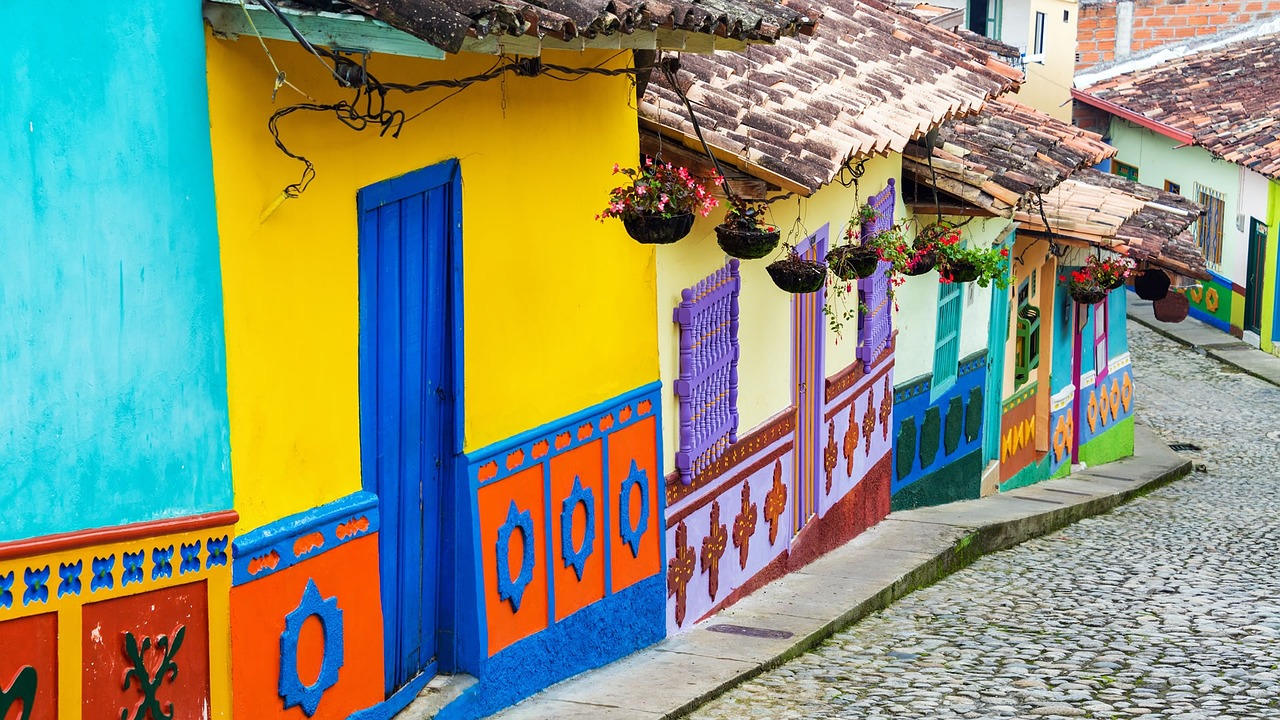
Something has been quietly shifting in how budget travelers route themselves through South America. A city that once got skipped over in favor of more photogenic neighbors is now holding travelers longer, pulling in repeat visitors, and showing up in the kind of itinerary discussions that actually shape travel trends. That city is Bogotá, Colombia’s high-altitude capital, parked at roughly 2,600 meters above sea level and home to nearly 11.5 million people.
It’s not the most obvious choice on paper. It doesn’t have a coast. Its weather is famously moody. Yet the numbers, and the conversations happening in hostel common rooms across the continent, point to something real happening here.
The Record-Breaking Tourism Numbers Tell a Story
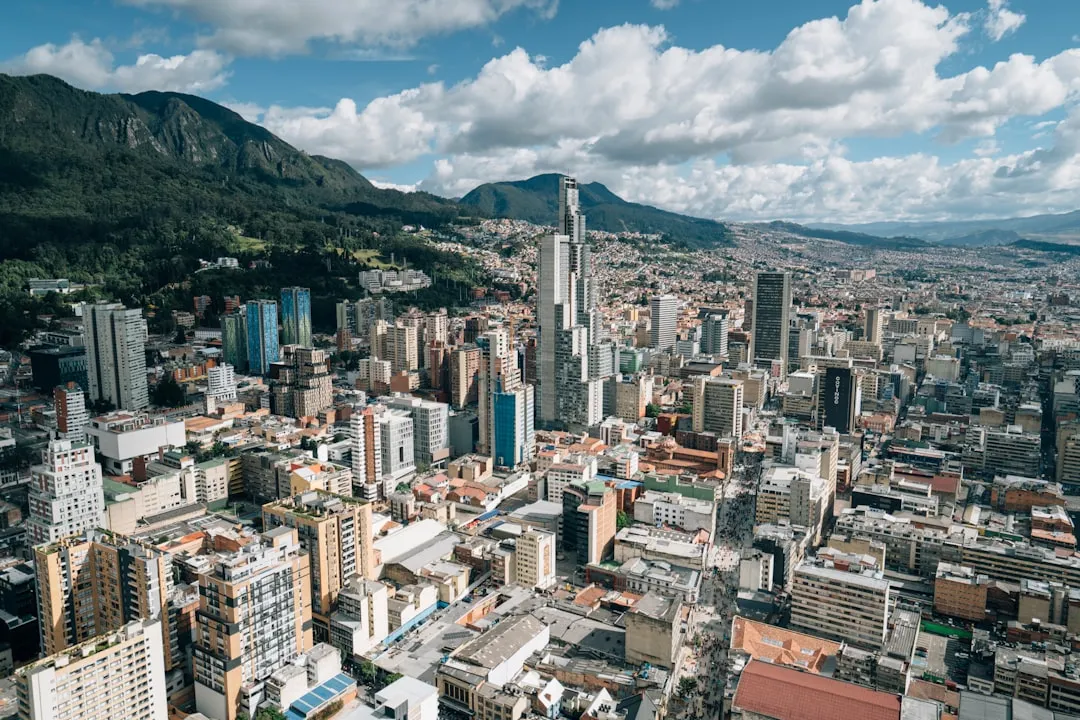
In 2024, Bogotá achieved a historic milestone, welcoming over 13.5 million domestic and international tourists, an 8.7% increase compared to 2023. That kind of consistent growth doesn’t happen by accident. According to the latest Tourism Observatory report from Bogotá’s Tourism Institute, the city started 2025 with record-breaking tourism figures, showing a 9.9% growth in January compared to the same period in 2024, with 160,994 international visitors in that month alone.
According to Colombia’s Ministry of Commerce, Industry, and Tourism, 6.2 million international visitors exceeded expectations nationally, with the first ten months of 2024 alone seeing 5.3 million non-resident visitors, representing a 9.4% increase compared to the same period in 2023. Bogotá sits at the center of that growth. The capital attracts 38.8% of all international visitors to Colombia, which makes it the undisputed gateway into the country.
TripAdvisor Named It a Global Trending Destination
Colombia’s capital has been ranked among the world’s top 25 trending destinations based on traveler reviews, as announced by TripAdvisor in their 2025 Travellers’ Choice Best of the Best Awards. In this year’s rankings, Bogotá secured the 15th spot in the World Trending Destinations category, surpassing notable cities like Hong Kong, Doha, and Singapore.
This Travellers’ Choice accolade represents the highest standard of travel excellence, awarded to destinations that receive an exceptional volume of positive reviews and ratings over a 12-month period. Out of eight million profiles on the platform, fewer than one percent achieve this recognition. For a South American capital that spent years flying under the radar, landing in that top tier is a meaningful signal.
The Budget Math Works Exceptionally Well
In 2026, hostel dorms in Bogotá range from roughly eight to fifteen dollars per night, and ultra-budget backpackers can get by on twenty-five to thirty dollars per day staying in hostel dorms, eating street food, and limiting paid activities. That kind of daily spend is genuinely competitive with Southeast Asia, which has long been the default benchmark for budget travel value.
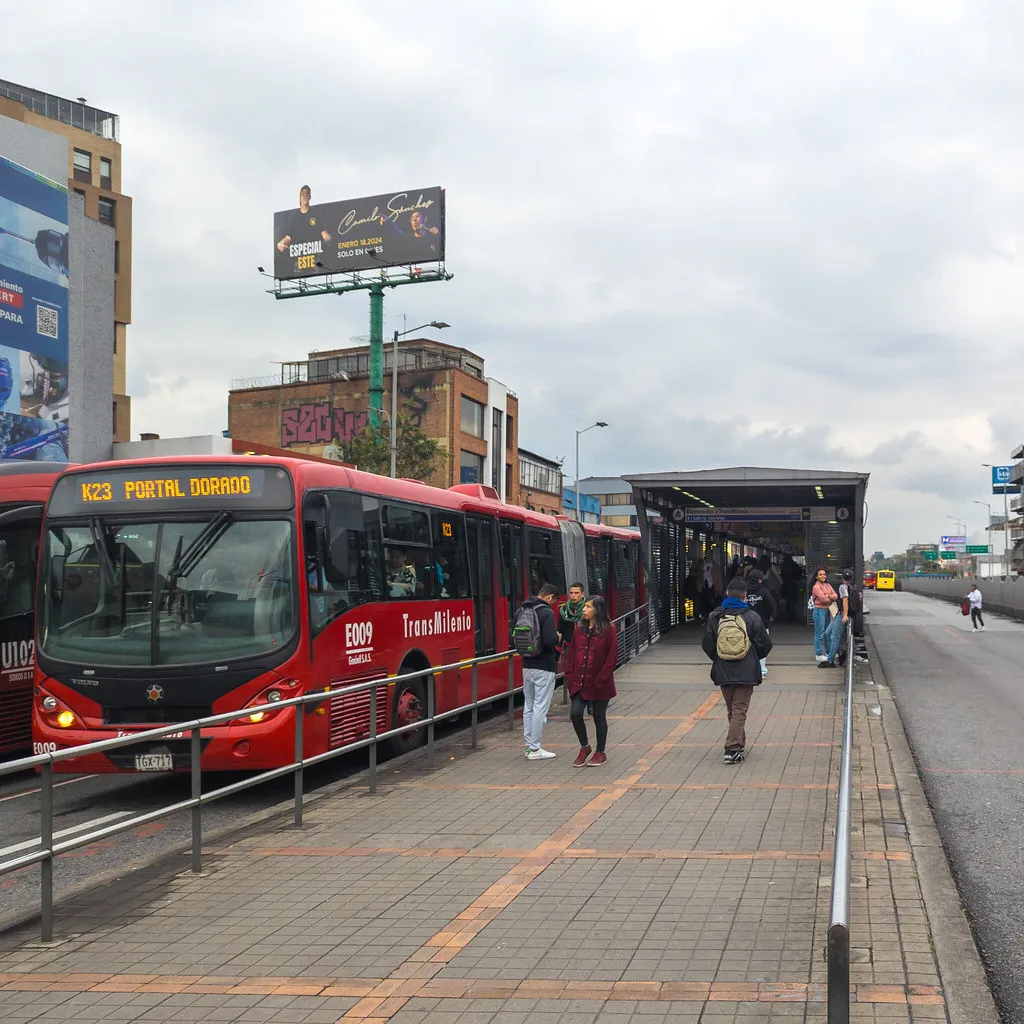
The Colombian peso’s 2026 exchange rate provides substantial purchasing power, with street food and local eateries serving authentic Colombian meals for two to five dollars, while the TransMilenio rapid transit system costs just a fraction of a dollar per ride, providing efficient city-wide access. Set lunches typically include a hearty soup, a main course of meat, rice, salad, and plantain, plus a drink for about three to four dollars, a deal that locals and backpackers alike love.
La Candelaria: The Historic Heart of the Backpacker Scene
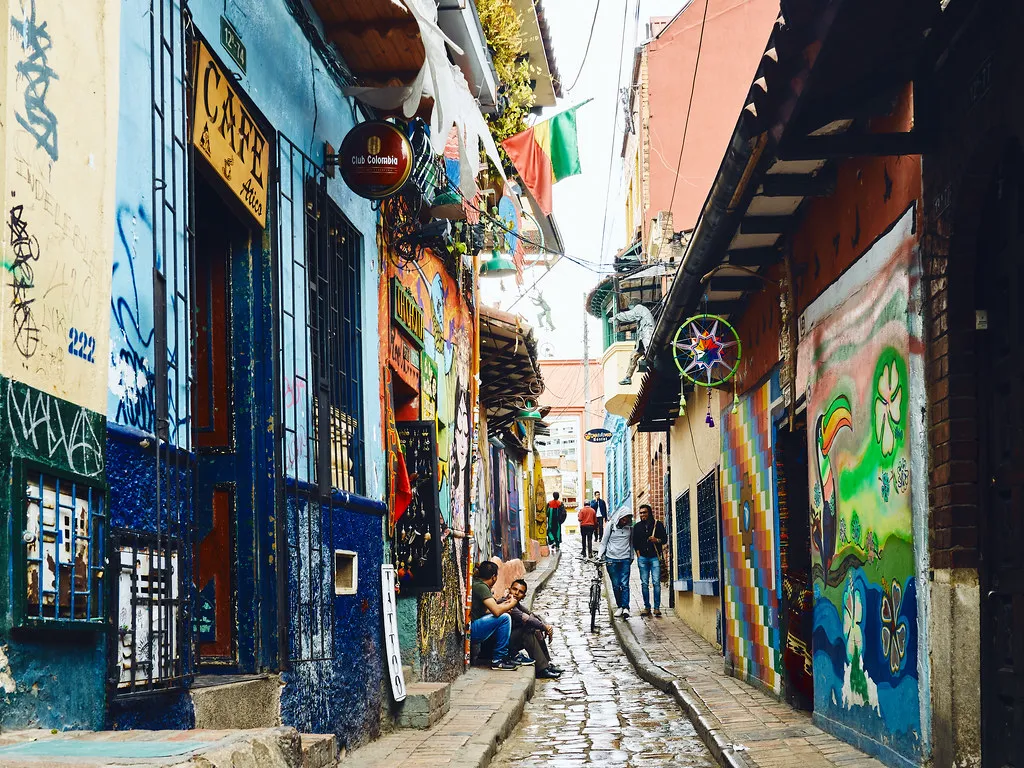
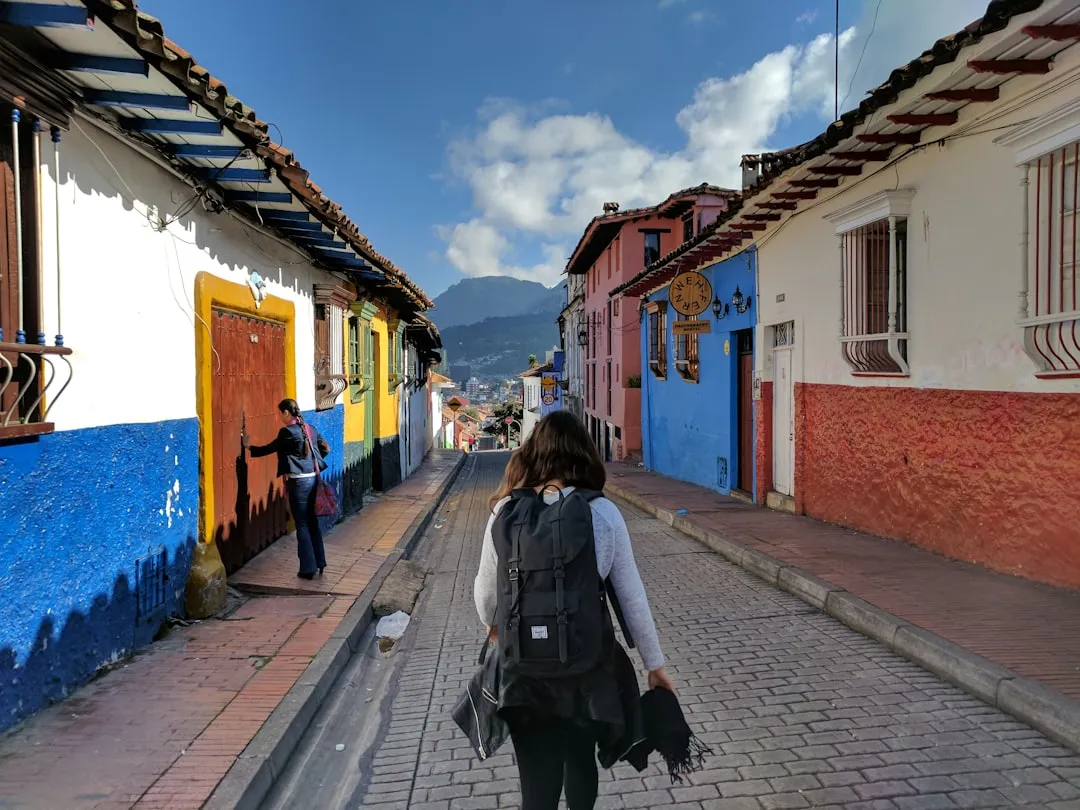
Bogotá is divided into 20 different districts, centered around an area known as La Candelaria, where you’ll find most of the historical and cultural sights. This colonial district is where most first-time visitors plant their flag, and for good reason. There are lots of budget-friendly hostels and restaurants in this area, as well as most of the sights you’ll want to see, and staying here will save you money compared to the trendier area of Chapinero.
Bogotá has many of Colombia’s biggest cultural and historic attractions, including the stunning Museo del Oro and the well-preserved La Candelaria neighborhood. That said, travelers should be informed: the historic La Candelaria district, although engaging to visit during the day, can become less safe at night. Police guards are positioned on basically every corner of La Candelaria in certain areas, particularly between the Plazoleta and Plaza Bolivar, which adds to the daytime safety feeling. Staying aware of your surroundings, especially after dark, remains important advice that any honest travel resource will give you.
The Neighborhood Variety Rewards Longer Stays
Chapinero is Bogotá’s coolest neighborhood, with hipster cafes and bouldering walls, and those who spend a week there tend to love its friendly vibe, great places to eat, and walkability. Meanwhile, the Zona Rosa area is where most of the city’s expats live, giving it a cosmopolitan energy that pairs well with a few nights out. Usaquén is one of the wealthiest and safest neighborhoods, once its own separate municipality where the elite had their luxury estate homes, and it continues to be one of the safest areas in Bogotá, even at night.
This layered geography is part of what keeps people around. Backpackers who arrive expecting one city often discover three or four distinct ones folded inside it. You can go from colonial plazas to rooftop bars to independent bookshops to a Sunday farmers market without ever feeling like you’ve exhausted the place.
Cerro Monserrate and the Free Outdoor Life
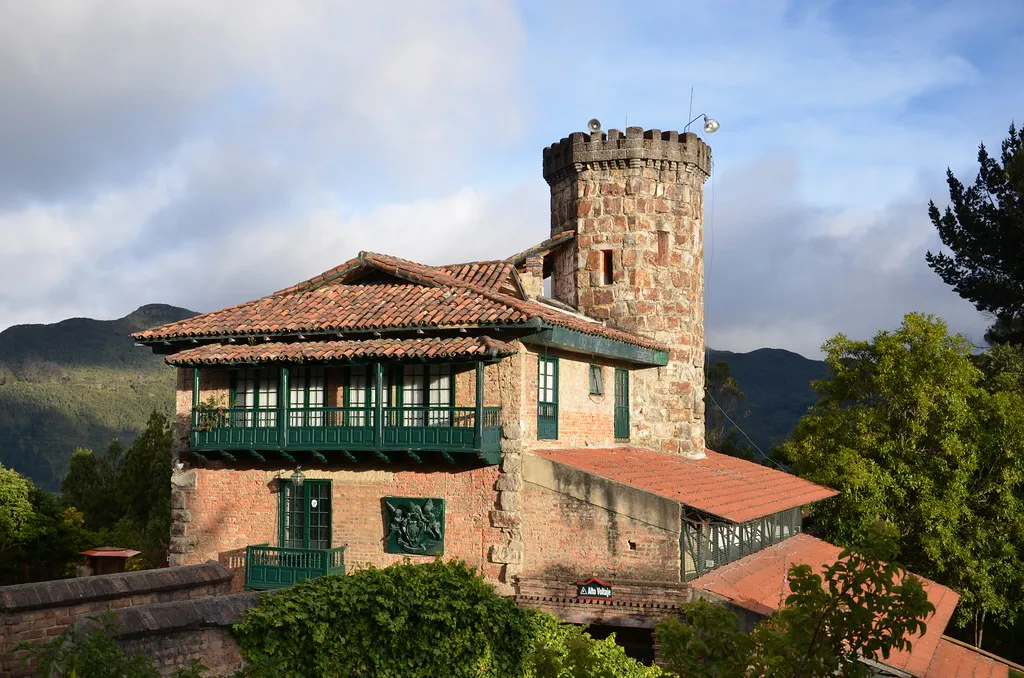
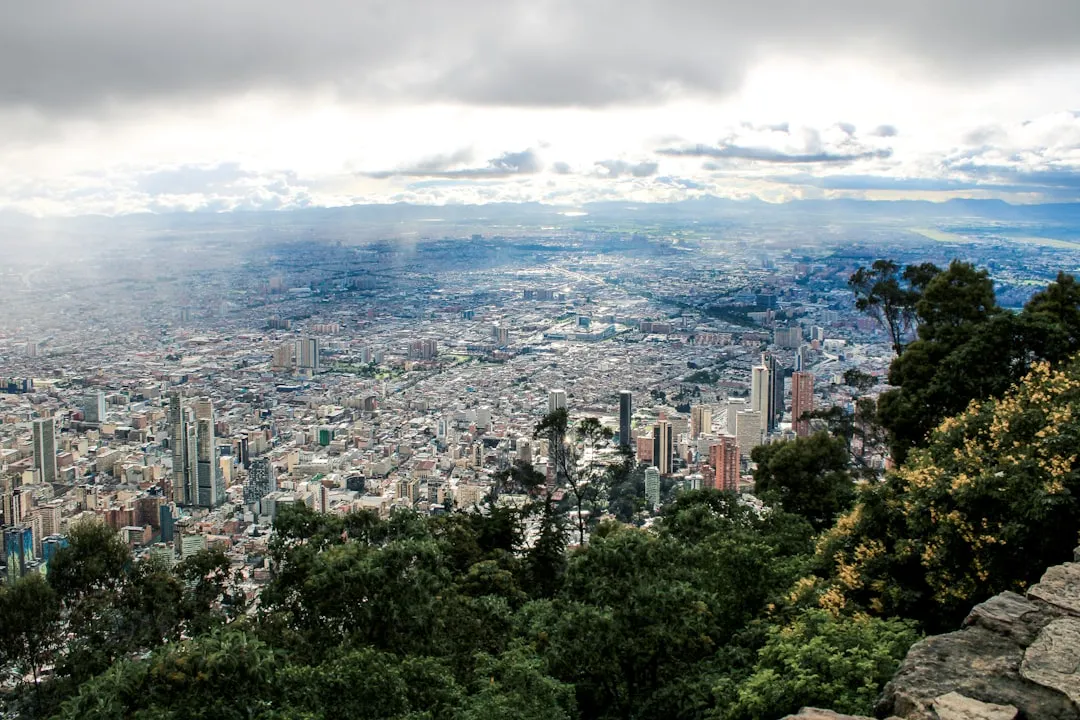
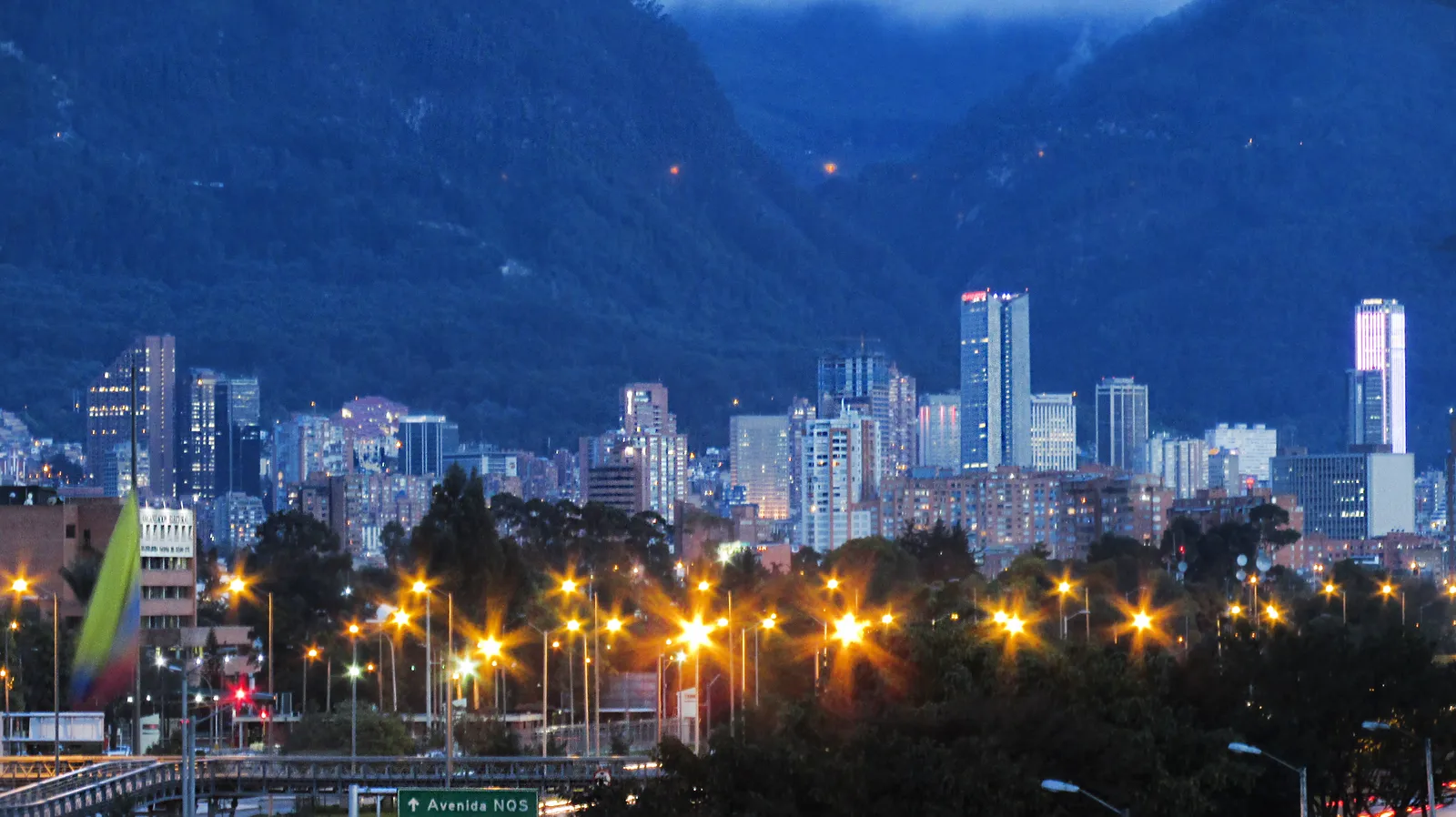
The best place to take in views of Bogotá is high atop Cerro Monserrate. There’s a well-marked hiking trail leading up the mountain, or you can take the funicular or cable car. However you get there, it’s well worth the trip for the panoramic views, and once at the top there is a beautiful church along with cafes and restaurants.
Every Sunday morning across Colombia, the main roads in many of the big cities close for Ciclová, a government scheme to get people outdoors and exercise. In Bogotá, this turns the city’s main arterials into a vast open cycling and walking track that locals and visitors share easily. It’s one of those civic traditions that makes a place feel genuinely livable rather than merely visitable.
A Food Scene That’s Growing Its Own Identity
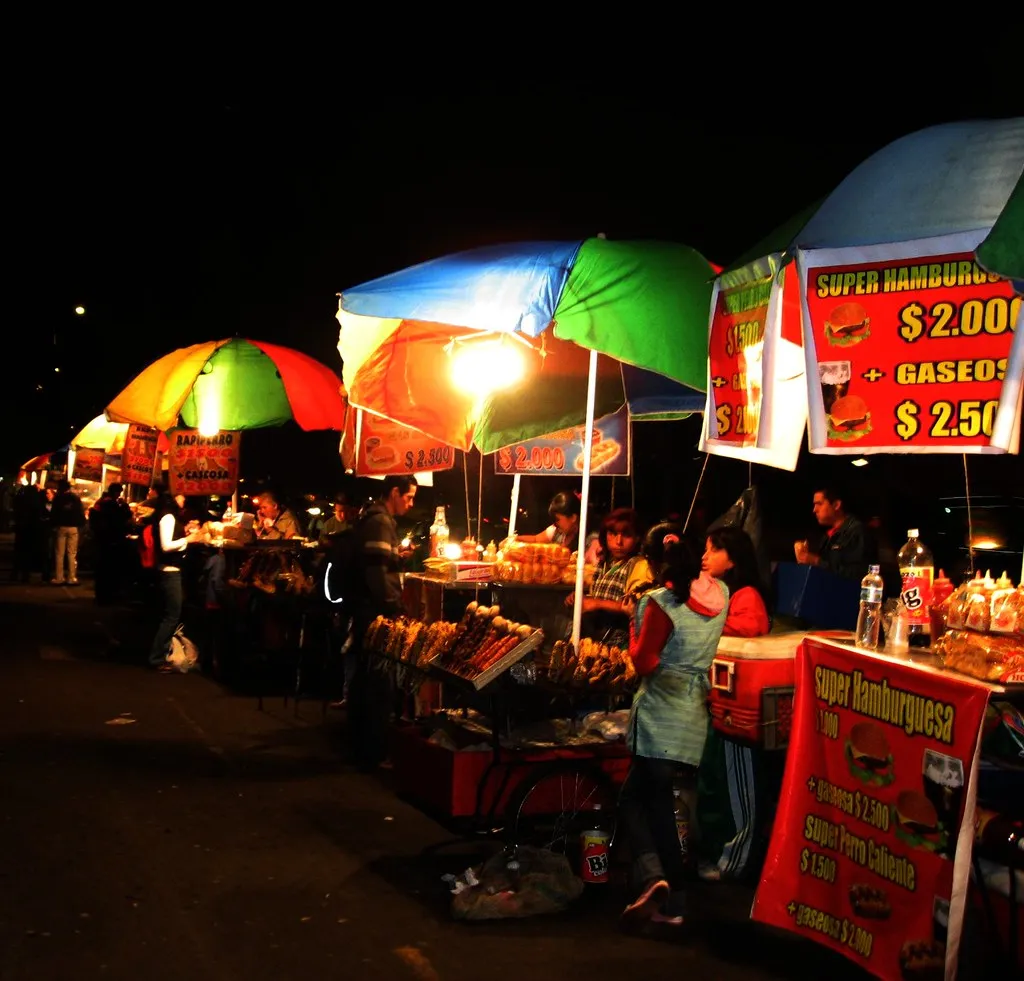
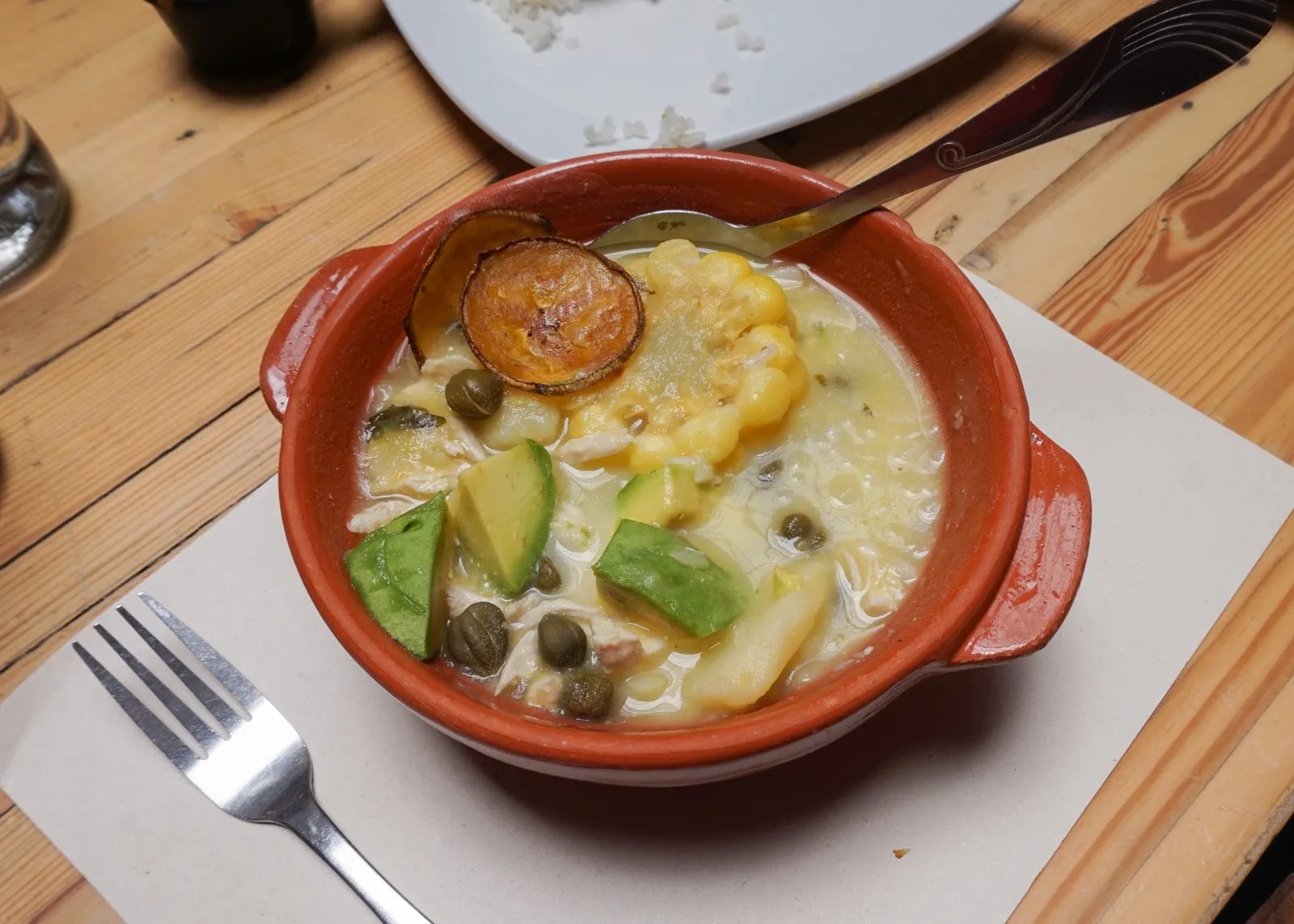
Finding a local eatery offering ajíaco, a hearty chicken and potato soup, or a bandeja corrida lunch plate for three to four dollars is easy across the city. Bogotá’s food culture runs deeper than its reputation suggests. The city’s thriving cultural calendar also contributes to its tourism growth, with attendance at arts and entertainment events seeing a 6.2% uptick in 2024, driven by concerts, festivals, and museum exhibitions.
Lima is often cited as having the best food scene on the continent, but Bogotá is carving out a distinct lane of its own, blending street-level Colombian staples with a growing wave of serious independent restaurants. The areas of Zona G and Usaquén in particular have developed genuine culinary reputations that go well beyond budget fare. For backpackers willing to splurge once or twice, the value at mid-range restaurants remains strong by any international standard.
Air Connectivity Has Made Getting Here Much Easier
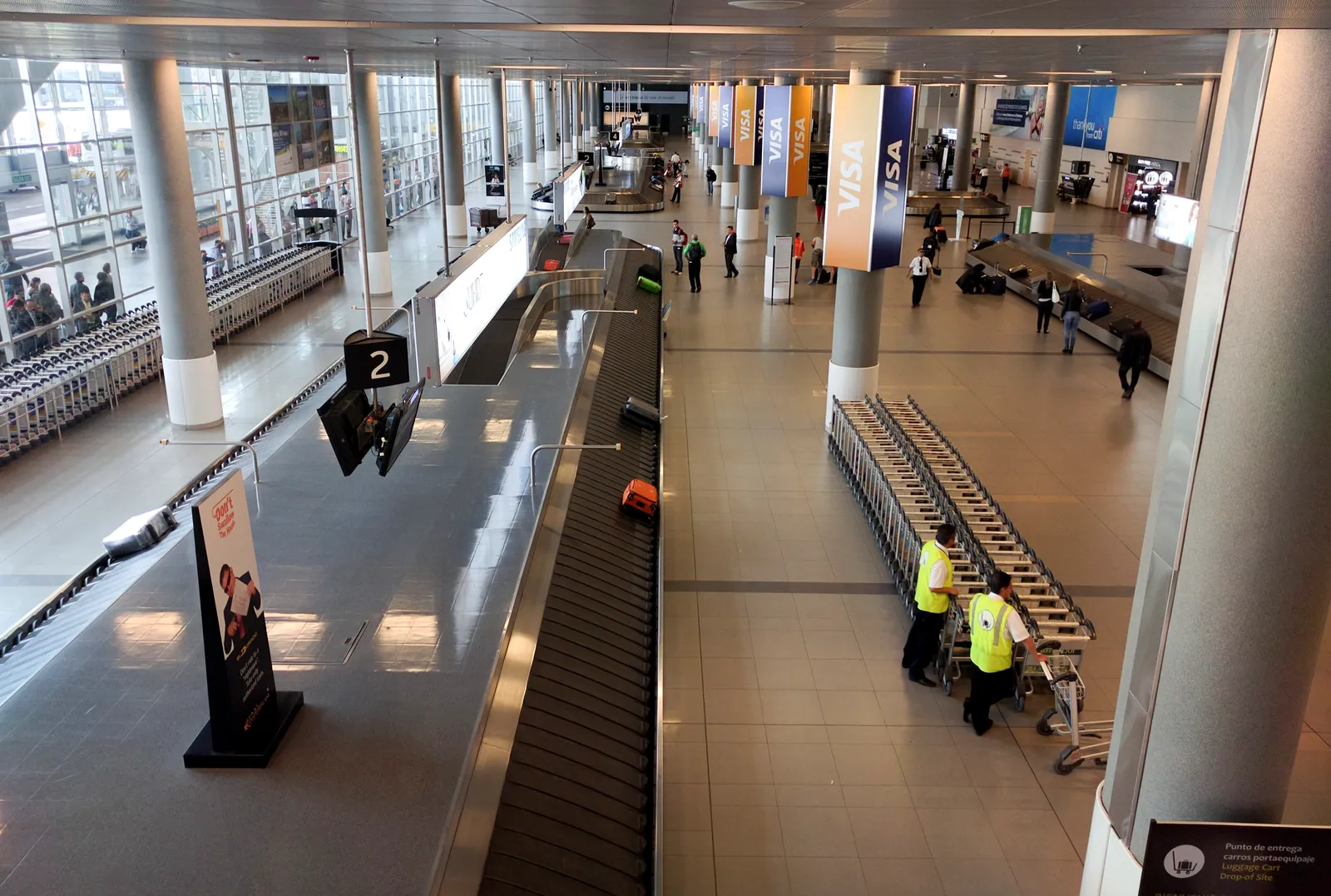
Flight availability to Bogotá reached 172,408 flights in 2024, marking a 14.0% increase from the previous year, across both domestic and international routes. That kind of aviation growth translates directly into more affordable fares and more route options for independent travelers piecing together South American itineraries.
El Dorado International Airport reported a 19.4% increase in passengers between 2023 and 2024. This growth was fueled by enhanced air connectivity and ongoing efforts to diversify the tourist experience. Practically speaking, Bogotá is now easier to reach from North America, Europe, and other South American cities than it has ever been, which removes one of the traditional friction points for including it in a longer journey.
Smart Tourism Infrastructure Is Improving the Experience
The tourism office recently introduced “Candelaria,” an AI-powered chatbot on its website designed to assist tourists in real time. Available in both English and Spanish, the chatbot offers 24/7 support and helps travelers navigate the city’s many attractions, dining options, and events, reinforcing Bogotá’s status as a digitally forward destination.
The city is also advancing its recertification as a Smart Tourist Destination, evaluated on innovation, technology, and accessibility to ensure a comfortable and inclusive experience for all. Hotel development continues around the city, with new properties including the Four Points by Sheraton Bogota Tequendama debuting in March 2025 and the Masaya Collection Camelia, a boutique property in the historic city center, also opening within the past year. These developments don’t just serve luxury travelers; they raise the overall standard of hospitality across the board.
The Gateway Logic: Bogotá as a Regional Base
Between December 2025 and May 2026, 646,770 international bookings were registered in Colombia, already a 6.4% growth over the same period in the preceding calendar year. Much of that traffic moves through Bogotá first. Its central location within Colombia makes it a natural launching point for reaching the Coffee Region, the Caribbean coast, and destinations like Cartagena or the Lost City trek in Santa Marta.
Latin America continues to offer some of the best travel bargains in the world, with many of the world’s great travel bargains concentrated in Central and South America at prices similar to the cheapest places in Eastern Europe or Southeast Asia. Bogotá sits comfortably within that value ecosystem while offering the infrastructure, cultural depth, and connectivity that smaller cities simply can’t match. For backpackers who want a city that functions as a true base rather than just a stopover, it is increasingly difficult to argue against it.
The Takeaway
Bogotá’s rise as a backpacker hub isn’t built on hype. It’s built on arrivals that keep growing, reviews that rank it alongside the world’s most compelling cities, and a daily cost of living that makes longer stays genuinely possible. The city asks something of its visitors too: a willingness to pay attention, navigate thoughtfully, and look past the first impression.
Those who do tend to stay longer than planned. That, more than any statistic, might be the most honest measure of a city worth basing yourself in.
AI Disclaimer: This article was created with the assistance of AI tools and reviewed by a human editor.