
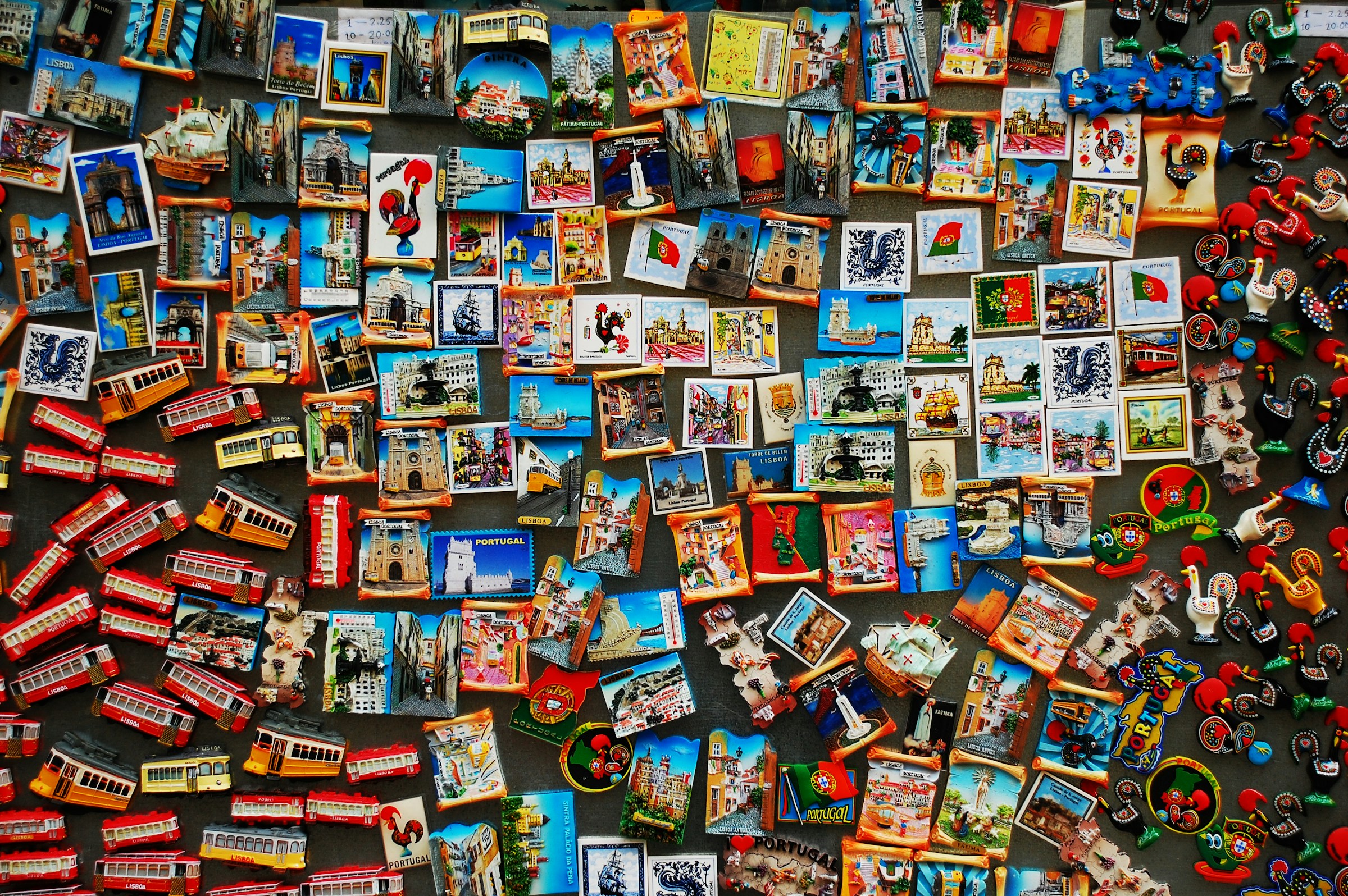

There’s a moment most travelers know well. You’re wandering through a market, a museum shop, or a quiet artisan’s stall, and something catches your eye. It’s not always grand or expensive. Sometimes it’s wrapped in tissue paper barely bigger than your palm. Yet you pick it up anyway, carry it home, and set it somewhere you’ll see it every day.
More than sixty percent of travelers purchase gifts or souvenirs while on vacation, a figure that underscores how deeply embedded souvenir buying is within the travel experience. That impulse isn’t random. It’s deeply human, rooted in memory, identity, and a genuine desire to hold on to something real. What follows is a closer look at the souvenirs every kind of traveler reaches for, and why.
A Market That Keeps Growing
The global gifts, novelty, and souvenirs market was valued at around USD 126.9 billion in 2024 and is projected to reach USD 172.2 billion by 2034. That trajectory isn’t a fluke. The tourism souvenir market alone was estimated at USD 30 billion in 2025, with projections to reach USD 45 billion by 2033.
Offline channels dominate souvenir distribution with roughly three quarters of the market share, attributed to consumers’ preference for tangible shopping experiences where they can physically inspect products before purchase. People still want to hold the thing in their hands before committing. There’s something telling in that.
The Psychology Behind the Purchase
Psychologists describe souvenirs as “external memory cues,” physical items that trigger vivid, sensory memories, like the smell of a café in Paris or the sound of waves in Maui. Cognitive psychology research indicates that physical objects, such as travel keepsakes, activate sensory and contextual associations stored in long-term memory, facilitating the retrieval of specific events, emotions, and details that might otherwise fade.
Souvenirs are more than just keepsakes that travelers bring back from their journeys. They serve as a way to preserve memories, express identity, connect with others, and promote cultural heritage. That’s a lot to ask of a small ceramic bowl or a paper bag of spices, but somehow these objects deliver.
Local Food and Edible Souvenirs: The Fastest-Growing Category
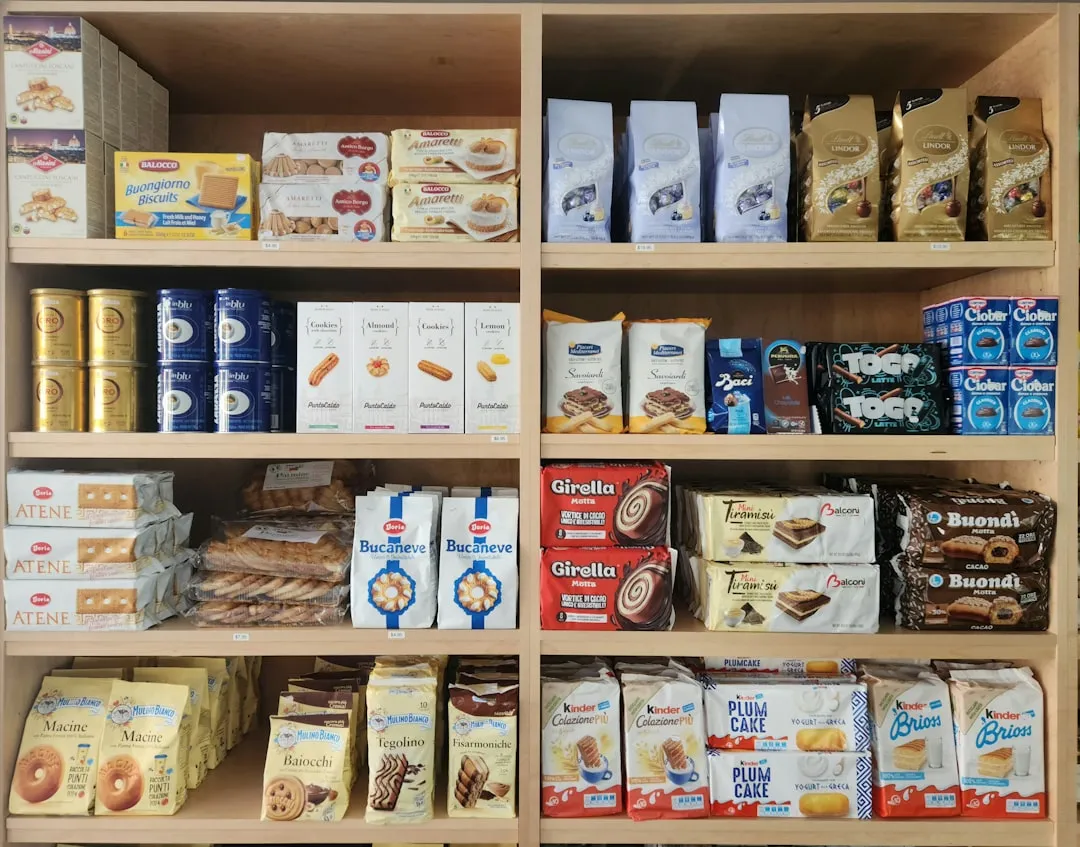
The new travel souvenir, increasingly, is a carry-on full of cookies, chips, and condiments, as tourists scour local grocery aisles looking to bring back a taste of their vacation. According to survey data, forty-four percent of travelers shop for local food and drink when they travel, and thirty-nine percent make it a point to visit grocery stores while on vacation.
From Japanese konbini snacks to Caribbean hot sauces and Mexican candy, these edible mementos are becoming status symbols of the well-traveled, with some tourists proudly posting haul videos on TikTok rating everything from Cuban sodas to Jamaican plantain chips. The Specialty Food Association notes that culinary souvenirs have become a six billion dollar market in the United States alone.
Handmade and Artisan Crafts: The Enduring Favorite

The most popular souvenir types offered to tourists include arts and crafts, gemstones, jewelry, leather goods, antiques, collectibles, postcards, and local products such as food and clothing. Handmade items consistently sit at the top of that list across cultures and continents.
Modern travelers, particularly millennials and Gen Z, prioritize experiences over possessions, seeking out unique activities, local cultures, and meaningful interactions. This has fundamentally shifted demand away from generic items toward souvenir crafts that tell a story, reflect local culture, or are tied to a memorable moment. Purchasing from local artisans directly supports their livelihoods and helps preserve local crafts and traditions.
Local Artwork: A Quiet Rising Trend
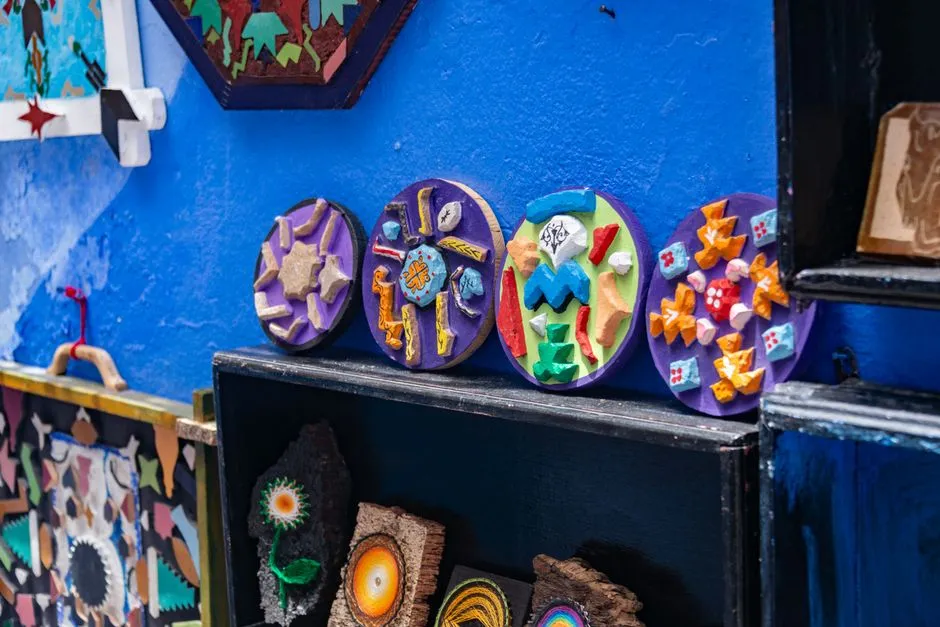
Consumers are moving away from mass-produced prints and increasingly favor original art that reflects a destination’s culture. Research shows that travelers increasingly prefer purchasing pieces that feature traditional methods or indigenous materials, and a report by the Cultural Heritage Tourism Initiative found that fifty-eight percent of travelers are more likely to buy artwork that showcases local artistry and cultural storytelling.
In recent years, travelers have leaned toward supporting local artisans and contributing to sustainable tourism, with items such as handwoven textiles, pottery, and indigenous art serving not just as beautiful keepsakes but also as embodiments of the stories of their creators and the heritage of their regions. These pieces carry weight well beyond their price tags.
Jewelry With Cultural Meaning

Jewelry has always traveled well, literally and figuratively. Some souvenirs are iconic in this way, like evil eye jewelry from Greece or intricate Murano glass pendants from Venice, recognizable symbols that have crossed from local tradition into global desirability.
Souvenirs can be symbolic bridges to local traditions. A handmade basket from Ghana or a piece of Murano glass from Italy isn’t just a purchase, it’s a story and a slice of culture you carry home. Murano glass pendants earned Italy a composite score placing it among the top three most popular souvenir sources in the world, even while recording the second-highest search volume in 2024 with over 218,000 queries.
Postcards and Printed Art: Still Standing
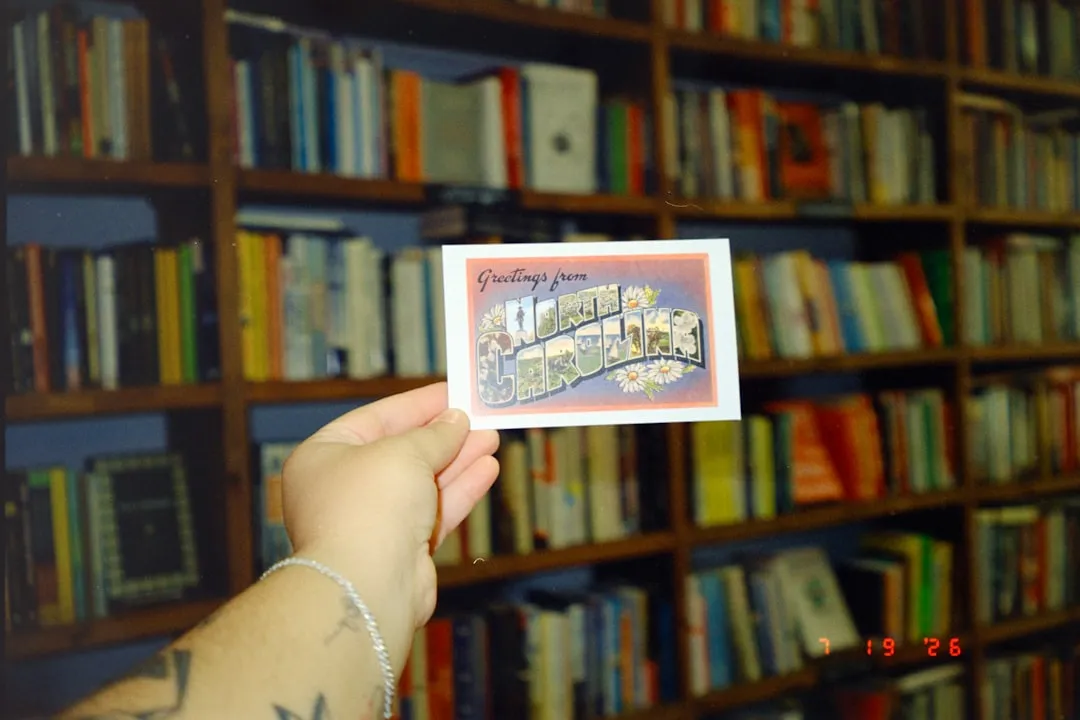
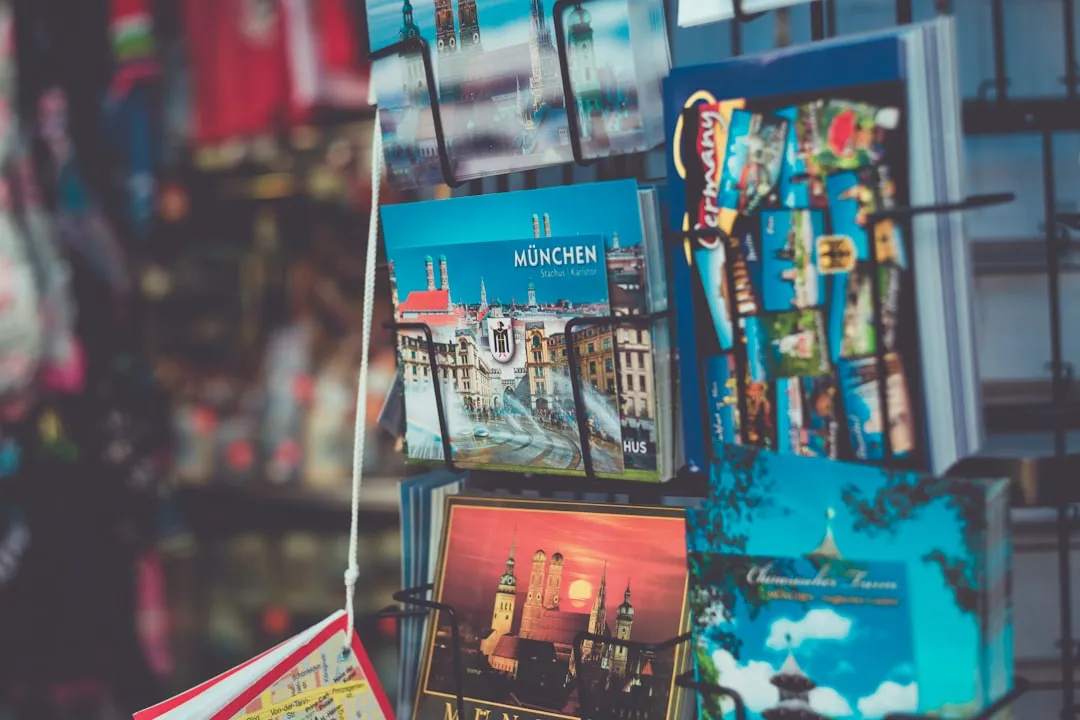
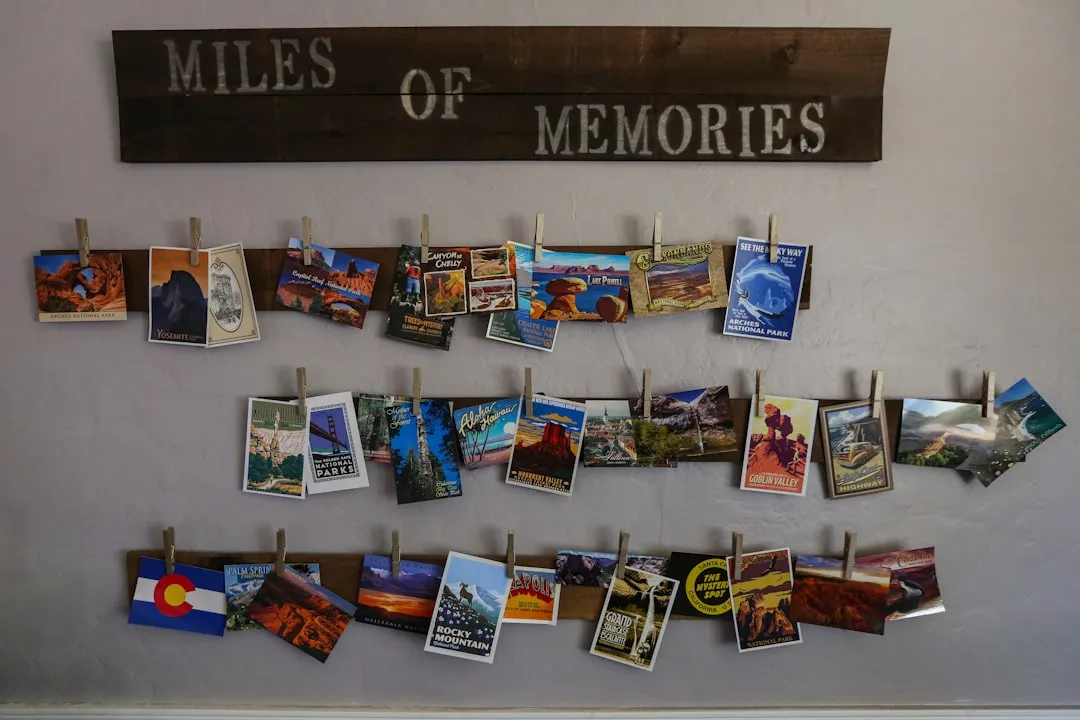
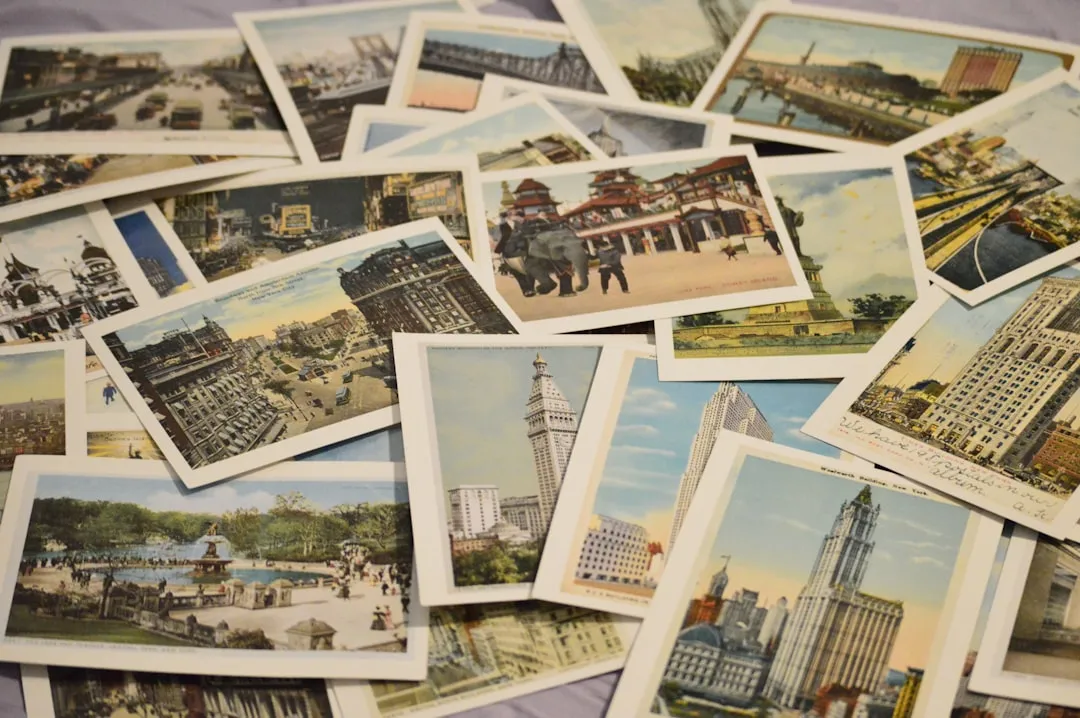
While postcards have been a staple souvenir for decades, today’s travelers are seeking designs that feel more unique and collectible. Vintage-style prints, artistic illustrations, and hand-painted cards have seen a resurgence in popularity, particularly among travelers seeking souvenirs that align with their aesthetic preferences.
According to a TravelPulse report, thirty-six percent of travelers collect postcards to display in their homes. That’s a meaningful share of the traveling public still reaching for something flat, colorful, and personal. The format is old. The appeal is not.
Destination Apparel: Low Commitment, High Sentiment
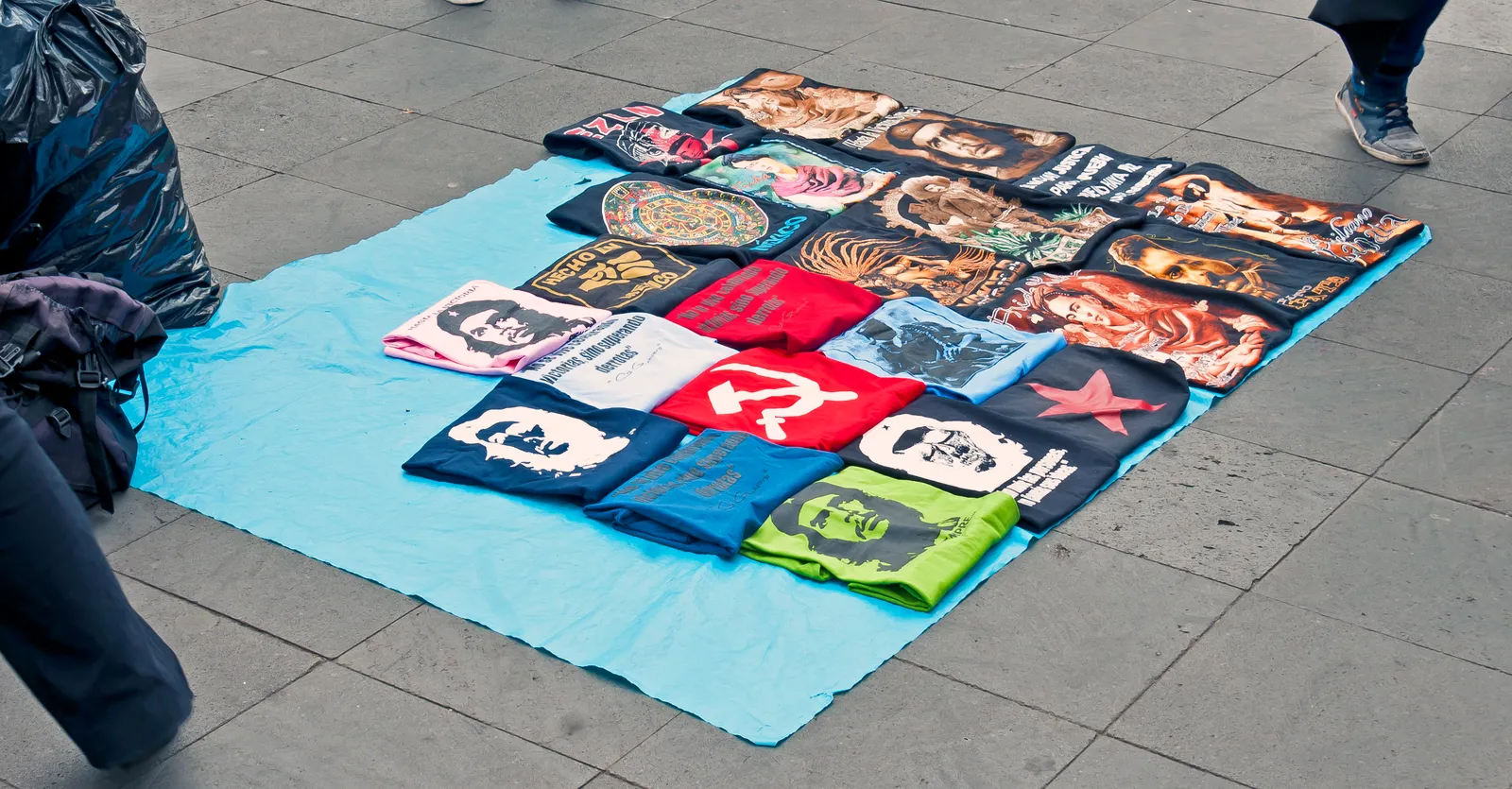
A t-shirt from a city you loved is, in some ways, the most honest souvenir. No pretense. No fragility. Just a wearable record of somewhere you went. Theme park visitors alone typically spend between fifteen and twenty percent of their total in-park expenditure on merchandise and souvenirs, a figure that includes a substantial volume of destination apparel.
Eco-friendly products, personalized items, and destination-themed apparel are among the leading souvenir categories based on current sales analysis. The shift toward sustainability is visible here too, with more travelers choosing organic cotton tees or locally printed designs over mass-produced alternatives shipped in from elsewhere.
The Gift Motivation: Who Are We Really Buying For?
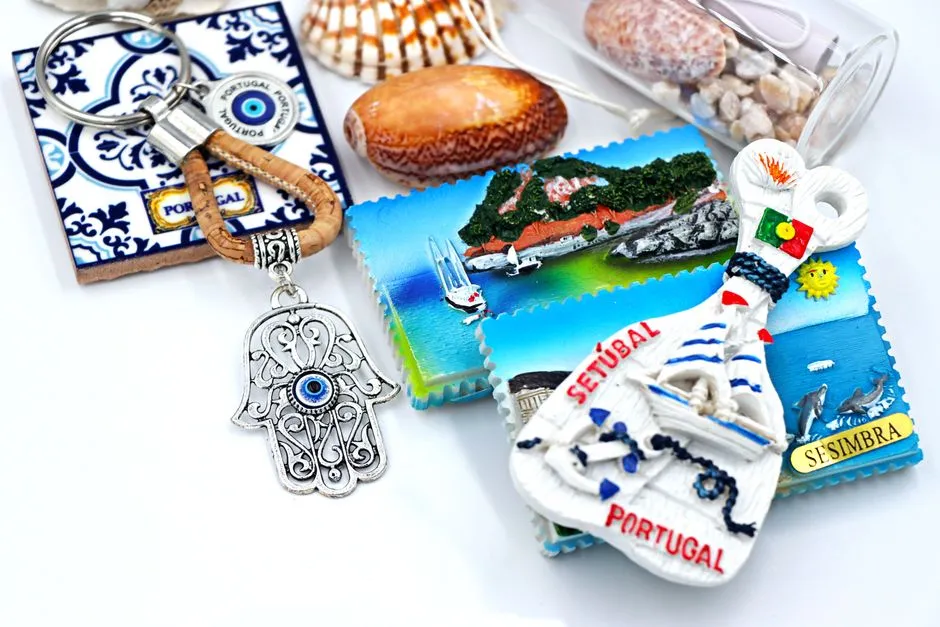
Data from YouGov reveals that two in three Americans will bring a souvenir back from their travels. Souvenirs serve both as a personal memento and a gift for friends, family, and coworkers. Americans are most likely to gift souvenirs to family members, at forty-four percent, though many also buy something for themselves at thirty-nine percent.
Many souvenirs are gifts. Buying a scarf for your sister or spices for your neighbor is a way of extending your journey, of sharing the world beyond yourself. There’s something generous embedded in that impulse, a desire to bring something of the world back to people who couldn’t come along.
Sustainability Is Changing What We Choose
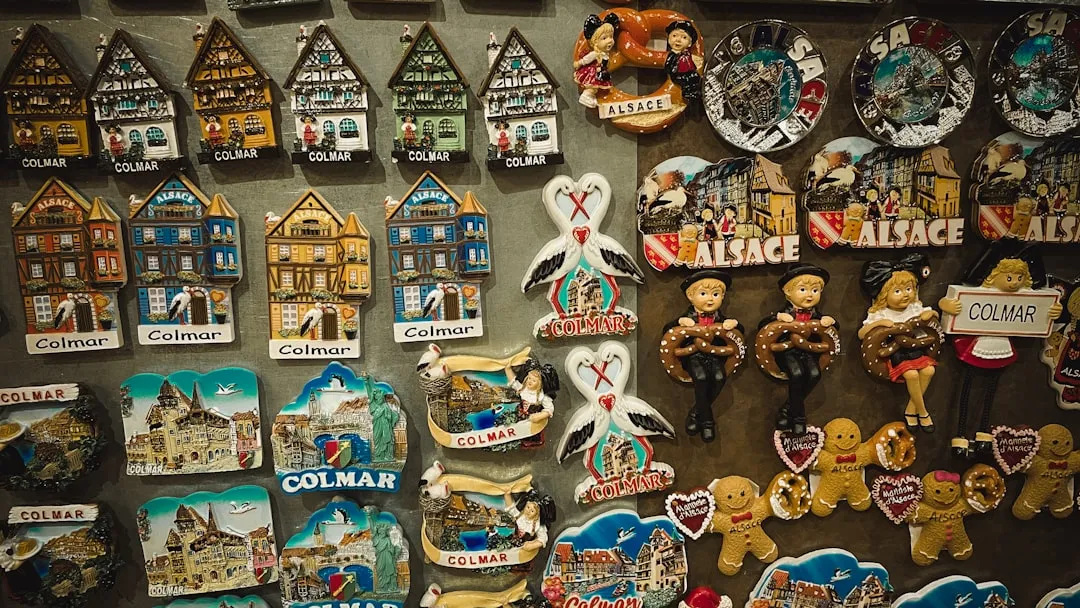
Research from ABTA Travel Money found that fifty-eight percent of people are buying fewer souvenirs when going on holiday abroad, with the change driven by tighter holiday spending budgets and environmental concerns. Thirty-two percent cited not wanting to buy unnecessary items due to environmental consciousness.
Eco-friendly travel gifts are no longer a niche market. Sales data analysis reveals clear winners, with eco-friendly products, personalized items, and thoughtfully made souvenirs leading the current market. Travelers are buying less, but they’re choosing more deliberately, which is arguably a healthier relationship with the whole practice.
The Experience-Made Souvenir: Something You Made Yourself
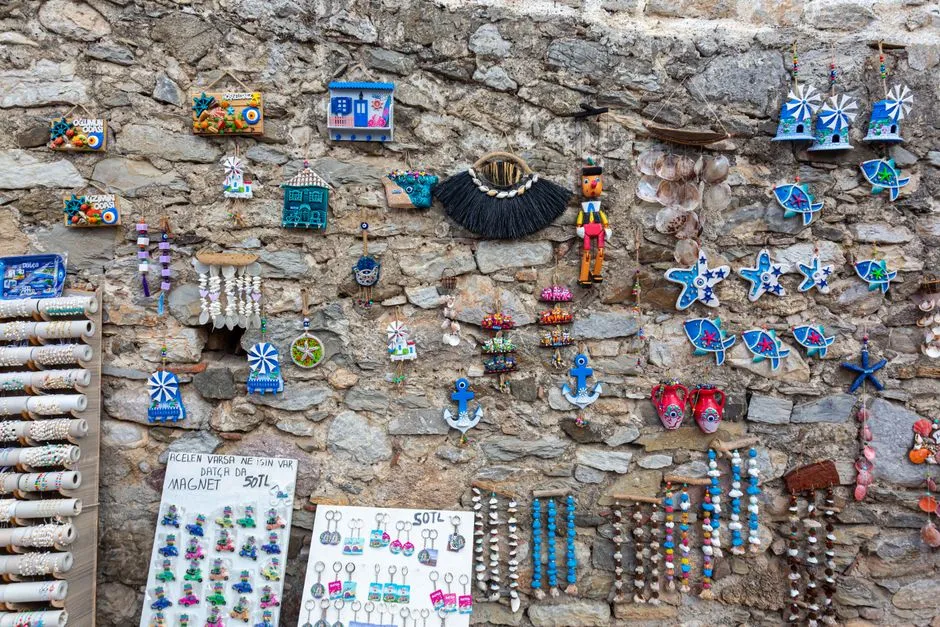
Make-and-take workshops are travel activities with built-in souvenirs, ranging from silversmithing in Santa Fe to leather crafting in Florence, Italy. These go a step further than purchasing. When you make it yourself, the memory is literally in the object, not just associated with it.
Small trinkets and more substantial items alike serve as tangible reminders of journeys, acting as potent stimuli for memory and imagination. The act of selecting, or in this case creating, a souvenir is itself part of the travel experience, a small ritual of remembrance. Whether it’s a perfume blended in Grasse or a piece of pottery thrown on a wheel in Kyoto, something made by your own hands holds a different kind of weight.
Where the Souvenir Market Is Headed
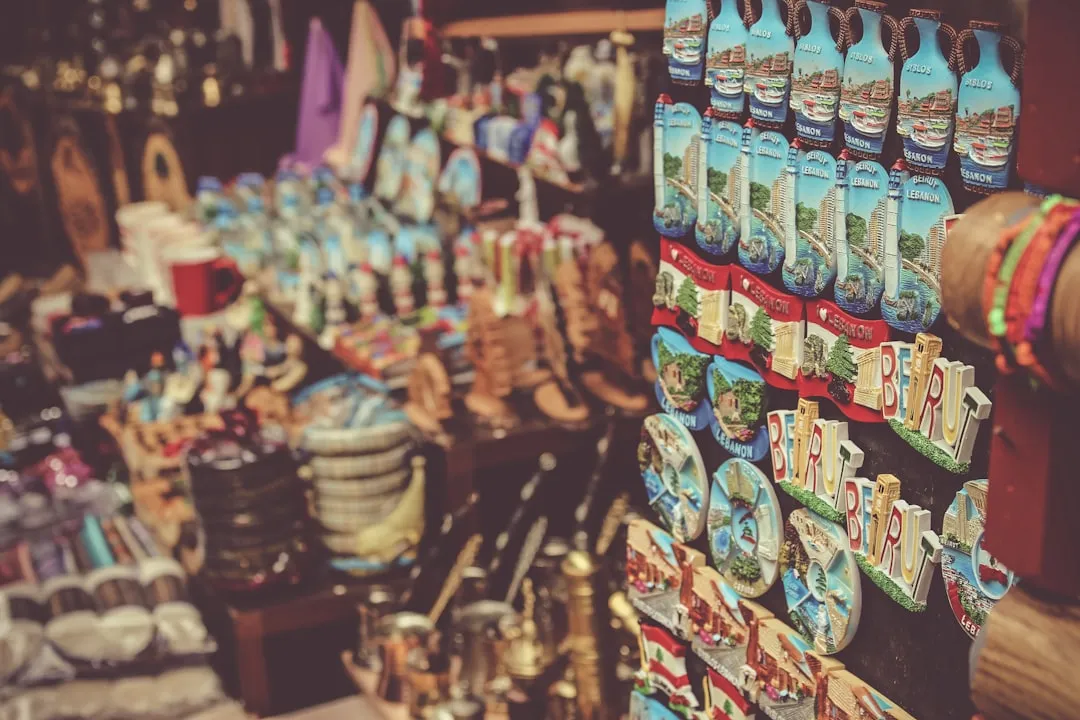
Customized items, handmade crafts, and limited-edition collectibles continue to gain popularity, especially in markets where experiential tourism thrives, and the market shows strong potential for digital integration and themed merchandise tied to regional festivals or experiences. Personalization is increasingly central to what travelers want.
The modern souvenir isn’t just a trinket. It’s a tangible memory, an experience encapsulated. There’s a significant shift underway toward sustainability and personalization, as travelers want souvenirs that reflect their values and tell a story. That shift suggests the souvenir isn’t going away. It’s evolving into something more intentional.
The Takeaway
After all the data, the psychology, and the market reports, what emerges is something fairly simple. Memories are powerful emotional triggers, and souvenirs serve as physical reminders of past experiences. When people buy souvenirs, they are often seeking to capture the essence of a place or experience. The specific object almost matters less than that impulse.
Whether it’s a jar of local honey, a hand-thrown cup, or a folded postcard tucked into a jacket pocket, the souvenir is a small act of holding on. Travelers of every kind, the budget backpacker and the luxury cruiser alike, reach for something to carry home. The form changes. The reason doesn’t.
AI Disclaimer: This article was created with the assistance of AI tools and reviewed by a human editor.