

You raise your hand, flash a quick thumbs-up, and smile. To you, it’s a simple “all good.” To someone standing a few thousand miles away, it could read as a serious insult. That’s the strange, quietly humbling reality of nonverbal communication across cultures.
Though some gestures are universal, many are specific to a culture or shared across multiple cultures. The same gesture can have different meanings in different cultures, while different gestures can carry similar meanings. For travelers, that gap can go from amusing to genuinely awkward very fast.
The Thumbs-Up: Not Always a Good Sign
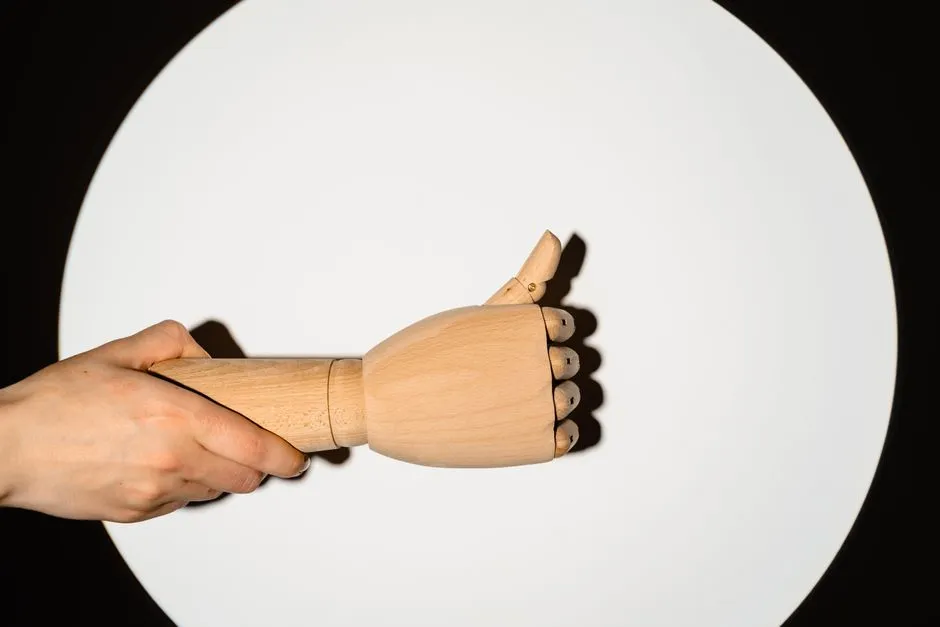
The thumbs-up is perhaps the most misunderstood gesture on the planet. Most of us reach for it instinctively when we want to say “great” or “I agree,” yet the meaning flips entirely depending on where you happen to be standing.
In certain cultures, especially in parts of the Middle East, the thumbs-up gesture is considered highly vulgar and offensive, similar to an obscene gesture in Western cultures. It carries a strong negative meaning and is not a sign of approval.
You should definitely avoid using the thumbs-up in countries like Iraq, Iran, Afghanistan, and parts of West Africa. It can also be seen as rude or dismissive in some areas of Italy, Greece, and Russia, though often less strongly offensive than in the Middle East.
Popularization in the United States is generally attributed to the practices of World War II pilots, who used the thumbs-up to communicate with ground crews before takeoff. That wartime origin gave the gesture almost entirely positive global momentum, which makes its negative reception in so many regions all the more surprising to Western travelers.
The OK Sign: “Perfect” in One Country, Obscene in Another
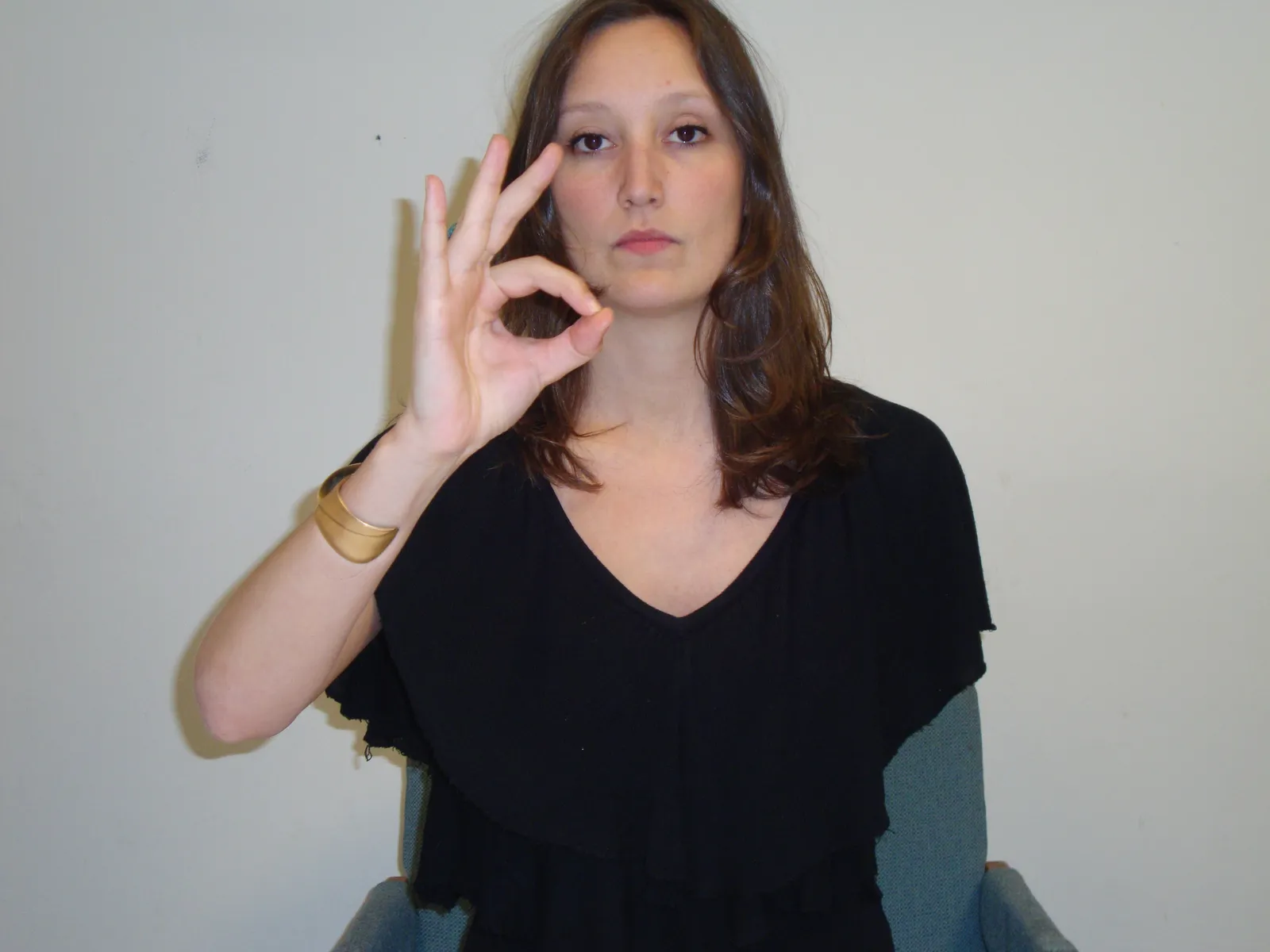
Forming a circle with your thumb and index finger is about as casual as it gets in the United States. You do it without thinking – confirming a coffee order, approving a plan, or reacting to good news. Overseas, the implications can be very different.
Forming a circle with your thumb and index finger usually means “perfect” in the US. In Brazil, Turkey, and parts of the Mediterranean, though, it’s seen as an obscene gesture.
In France, it indicates “zero” and means “you are nothing.” In China, it denotes the number 7, and in Japan, it means money. One small circle of finger and thumb, half a dozen entirely different interpretations depending on the country.
The Open-Palm Wave: A Friendly Hello – or a Greek Insult
Waving at someone seems almost too basic to get wrong. It’s one of the first gestures children learn, and most people assume it travels well. In Greece, though, the open-palm wave carries a meaning that’s anything but friendly.
In Greece, the outward palm wave, called a “moutza,” is considered extremely offensive. The gesture carries a meaning similar to showing your middle finger in Western cultures.
In Pakistan, showing someone the palm of your hand represents a curse, while in the Persian Gulf it is an insult mainly used by women. The open palm, so neutral and harmless in most of the world, has accumulated a striking range of negative meanings across different societies.
The V Sign: Peace, Victory, or Something Far Ruder
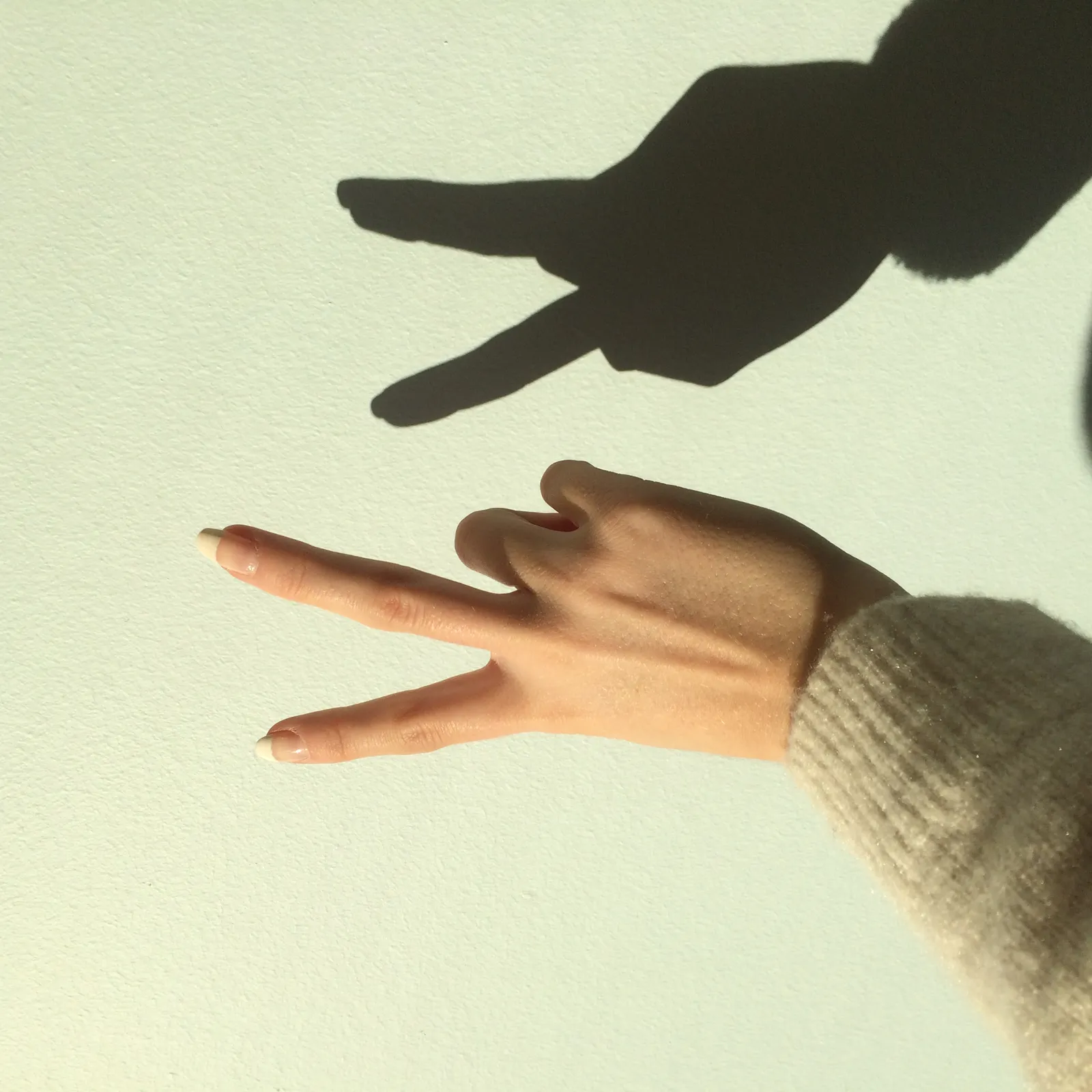
The V sign with the palm facing outward is one of the most recognized symbols of peace or victory in the world. When given with the palm outward, it is read as a victory sign, a usage made widely known by Winston Churchill. During the Vietnam War in the 1960s, the “V sign” with palm outward was widely adopted by the counterculture as a symbol of peace.
The problem begins the moment you flip your hand around. When displayed with the palm inward toward the signer, it can be an offensive gesture in some Commonwealth nations, similar to showing the middle finger, dating back to at least 1900.
In these cultures, the reversed V sign is comparable to showing the middle finger in the United States, functioning as a nonverbal insult. The difference hinges entirely on the hand’s orientation, showing how subtle visual changes can alter meaning completely. With the back of the hand facing the observer, this is seen as an insulting gesture in Great Britain, Ireland, Australia, New Zealand, and South Africa.
The “Come Here” Finger: Friendly Beckon or Deep Insult
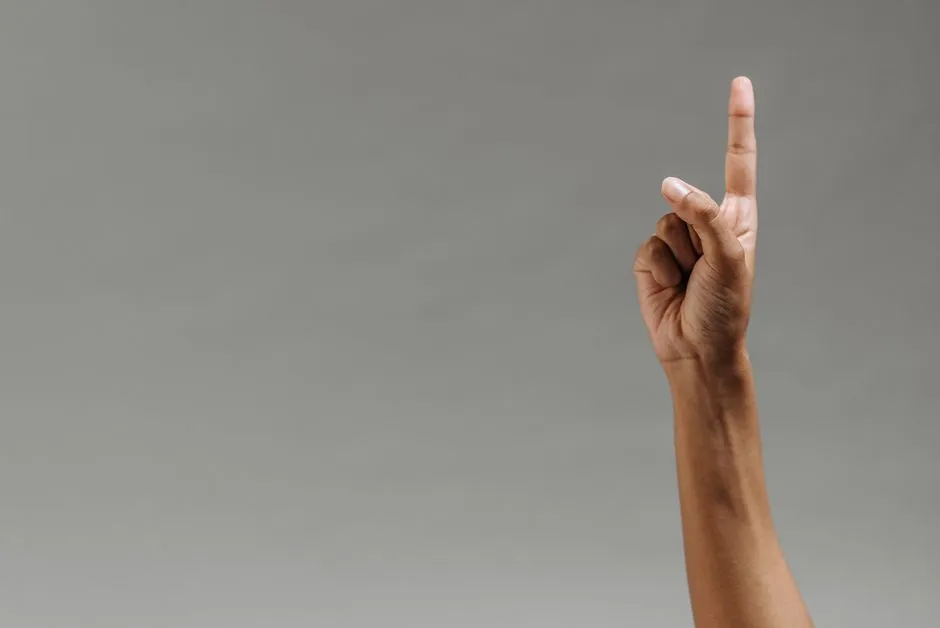
Curling an index finger toward yourself to invite someone closer is standard informal behavior across much of the West. It’s the kind of gesture a parent uses with a child, or a friend uses across a noisy room. In several countries, however, it carries a very different weight.
Using the index finger to make a come-hither motion is usually interpreted as playfully naughty at worst in the United States. In the Philippines, though, the gesture isn’t well received. Using a beckoning finger is how people summon animals in the Philippines, so using it with a person is considered insulting or demeaning.
This is a highly offensive gesture in the Philippines. It’s considered to be such an insult that it’s even punishable by arrest in extreme instances. It’s also considered rude in South Korea, mainly for the same reason the finger version is inappropriate in the Philippines. In Singapore, that beckoning gesture actually means “death.”
The Devil Horns: Rock On – or Relationship Scandal

If you’ve ever been to a rock concert, you’ve probably thrown up the “devil horns” – index finger and little finger extended, middle fingers folded down. In the United States, it’s pure energy, a sign of enthusiasm tied to rock music culture.
In the United States, this is the “rock on” or “devil horns” sign, symbolizing solidarity or enthusiasm for music. In Italy, it is known as “il cornuto” and implies someone’s lover has been unfaithful.
In many Mediterranean and Latin countries such as Argentina, Brazil, Colombia, Cuba, Spain, Italy, and Portugal, to make this sign at someone is to tell them that their spouse is cheating on them. In some regions of India, it’s considered taboo because it resembles superstitious or offensive symbols. Context matters enormously here – a festival crowd and a dinner table are very different situations.
Crossed Fingers: Good Luck or Serious Offense
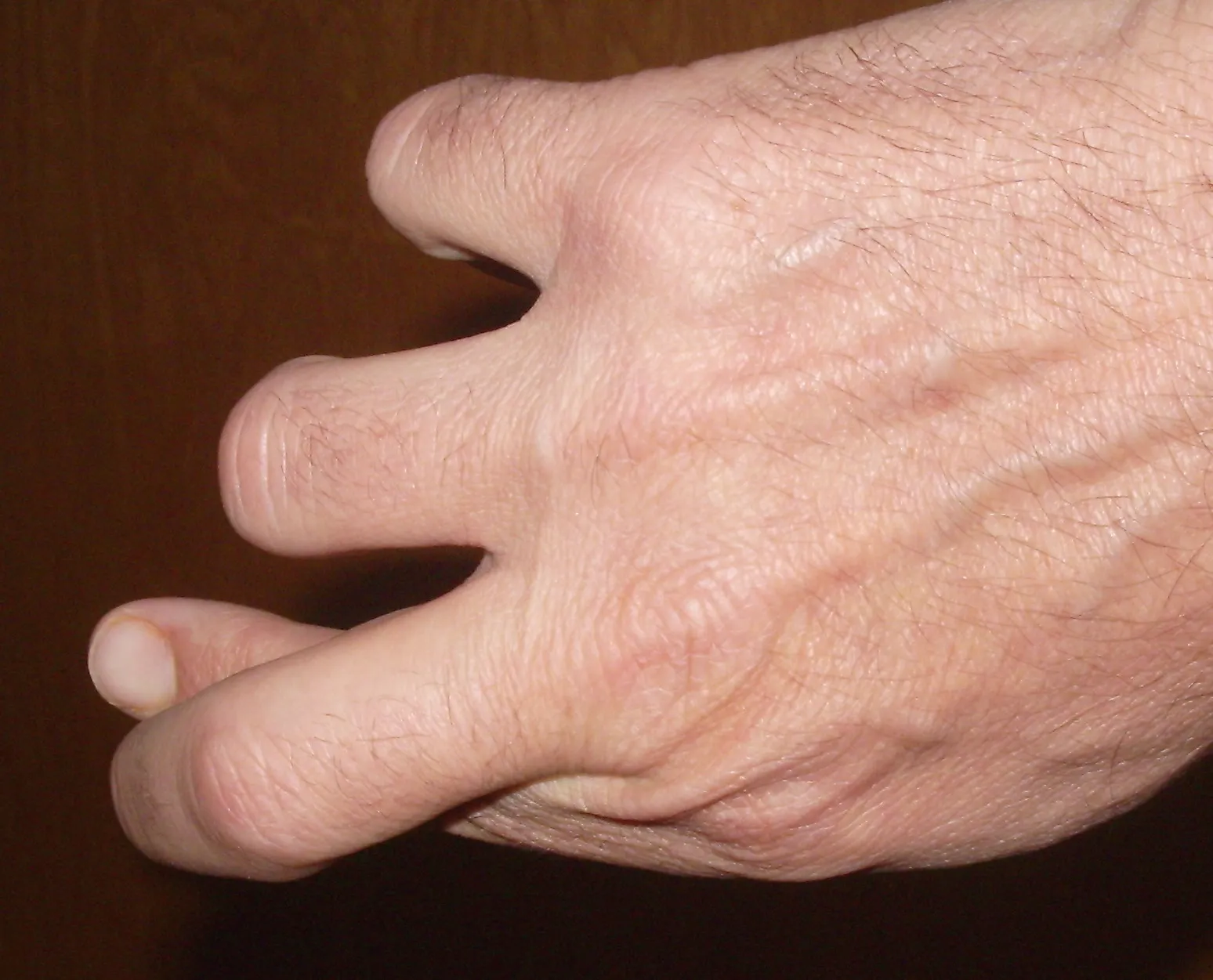
Crossing your fingers is one of the most deeply embedded good-luck rituals in Western culture. People do it before exam results, during tense moments in a game, and when wishing someone well. It’s harmless, familiar, and widely understood – in most places.
A hand gesture to be avoided if you’re visiting Vietnam is crossing your fingers. Although this is a gesture widely accepted as wishing someone good luck or good fortune in the US, in Vietnam it’s the vulgar equivalent of calling someone a highly offensive name.
The cultural difference comes down to the interpretation of the symbol. In Vietnamese culture, crossed fingers represent certain parts of the female anatomy. What feels like a small, cheerful ritual in one culture is a genuine insult in another, with no middle ground.
The Left Hand: When the Wrong Hand Is the Wrong Choice
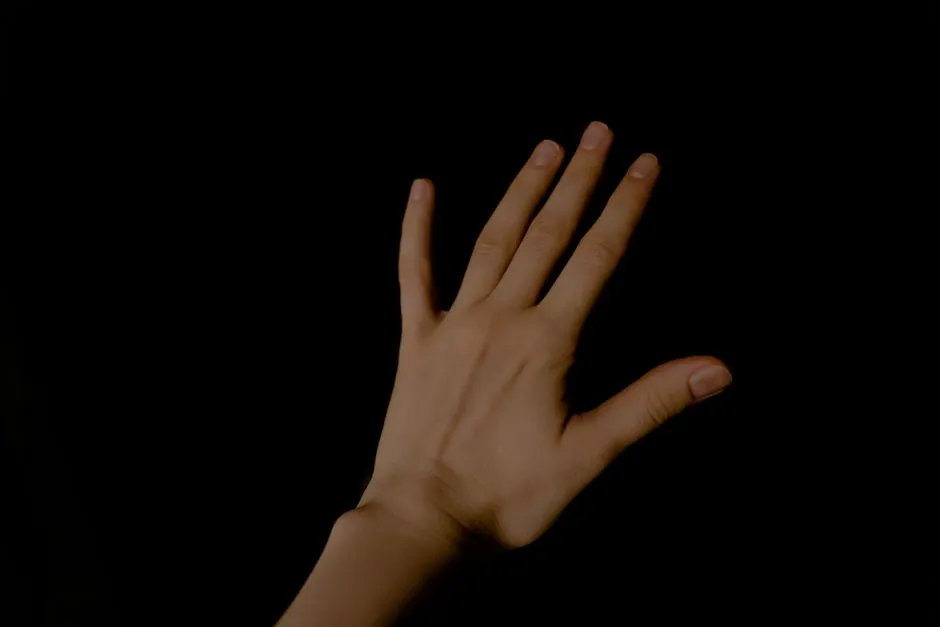
This is less a specific gesture and more a matter of which hand you use at all. Across the Western world, giving or receiving something with the left hand carries no particular meaning. In several parts of the world, it’s considered deeply disrespectful.
Avoid using your left hand to eat or shake hands in Hindu and Muslim countries. This hand is often used by people to clean themselves after using the bathroom, so it is considered to be soiled. To hand someone something using that hand is highly offensive.
This applies to passing food, exchanging money, or greeting someone. The gesture itself is neutral – it’s the hand doing it that changes everything. Travelers visiting these regions note that switching habits takes a little conscious effort, but local people genuinely appreciate the awareness.
Pointing With the Index Finger: Rude Across More Borders Than You’d Think
Pointing at something or someone with an extended index finger is how much of the Western world draws attention to things. It’s direct, efficient, and feels instinctive. Across significant parts of Asia and beyond, it’s also considered quite rude.
In Eastern culture, it is considered extremely rude to point at a human being and is only used for inanimate objects. Pointing with the index finger in Vietnam or Malaysia can be insulting; using the right thumb instead is the appropriate gesture.
In many areas of the world, pointing something out with your finger is considered incredibly vulgar, and it is best to avoid doing this altogether wherever you are. If you wish to highlight something, indicate it with an open palm. That small swap from a pointed finger to an open palm costs almost nothing, yet it signals a level of cultural consideration that locals across Asia tend to notice and appreciate.
Nodding “Yes”: It Doesn’t Always Mean Yes

A nod of the head seems like the simplest possible form of agreement. Most of the world treats a downward nod as confirmation and a side-to-side shake as a refusal. In parts of Bulgaria and, historically, some regions of Greece, that logic runs in reverse.
Though some gestures are universal, many are specific to a culture or shared across multiple cultures. The head nod is one of the clearest examples of a gesture that appears universal but isn’t. In Bulgaria, a vertical head nod traditionally signals “no,” while a side-to-side shake means “yes” – the direct opposite of what most visitors expect.
Hand gestures are universal in human communication, but their meanings vary significantly across cultures. What might seem friendly or harmless to you in one part of the world can carry a completely different, and sometimes offensive, meaning elsewhere. The nod is a reminder that even the most minimal body language is culturally encoded in ways we rarely stop to examine.
Traveling Well Means Paying Attention

There’s something quietly clarifying about all of this. Most people who flash an accidental insult overseas aren’t being disrespectful – they’re simply unaware. The gestures we use feel so automatic, so obviously universal, that it rarely occurs to us they might land differently.
The safest alternatives to potentially offensive gestures are usually verbal communication, a polite nod, or a warm smile. Learning a simple “thank you” in the local language is also highly recommended and universally appreciated.
Understanding hand gestures across cultures can help avoid miscommunication and show respect while traveling or interacting with people from diverse backgrounds. When in doubt, observe local practices or ask for guidance. A little effort to understand these cultural nuances goes a long way in fostering positive connections.
The deeper lesson here isn’t a list of things to avoid. It’s that our bodies carry the language of the places that raised us, and the world is full of other languages. Paying attention to that fact – with curiosity rather than anxiety – is really just part of the pleasure of traveling with your eyes open.
AI Disclaimer: This article was created with the assistance of AI tools and reviewed by a human editor.