
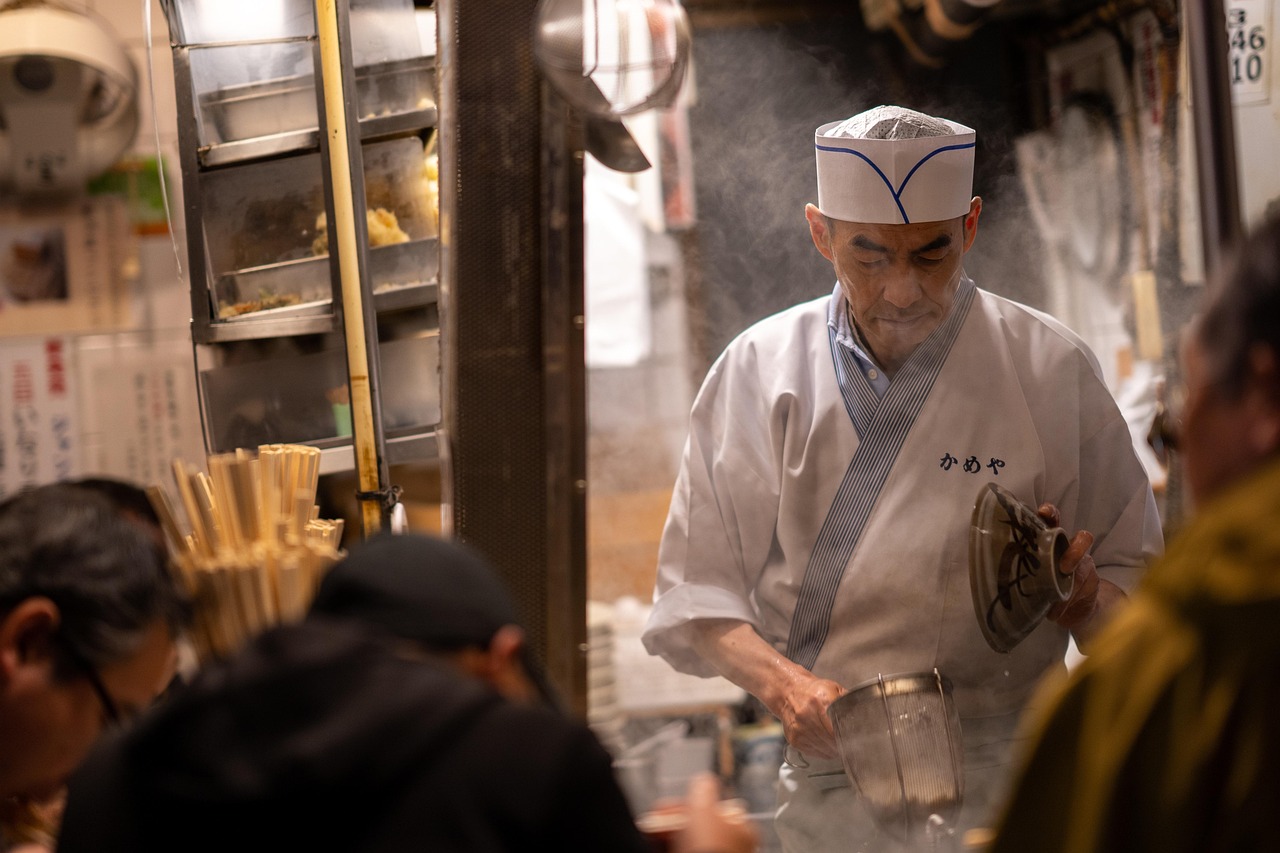

Most travelers assume that leaving extra money on the table is a universal gesture of kindness. It feels intuitive, generous, almost automatic, especially if you’ve spent years dining out in North America where tipping is practically hardwired into the experience. What very few people realize, until the moment a server comes running after them down the street with money in hand, is that in Japan, that same gesture lands completely differently.
In 2024, the Japan National Tourism Organization recorded 36.9 million foreign visitors, shattering the previous record of 31.9 million set in 2019, with most of those visitors arriving from countries where tipping is deeply expected. The collision between that ingrained habit and Japanese hospitality culture creates one of travel’s most reliably awkward moments. Understanding why this happens isn’t just about memorizing a rule before your flight. It touches something much deeper about how an entire society thinks about work, dignity, and the nature of service itself.
Japan Is the Country Where Tipping Can Genuinely Cause Offense
The reason tipping is considered rude in Japan stems from cultural values that emphasize dignity and respect. It’s not a quirky custom or a minor preference. It’s a deeply embedded social norm that shapes every interaction between a service worker and a guest.
While tipping might be an expectation in some cultures, particularly in North America, in Japan it might even be considered offensive. Travelers who arrive with the best intentions and the most generous hearts can still create a genuinely uncomfortable moment by reaching for extra cash.
Tips are greatly appreciated in the UK, for instance, but in Japan, they’re considered an insult. That contrast alone tells you how wide the gap really is.
The Philosophy Behind It: Omotenashi
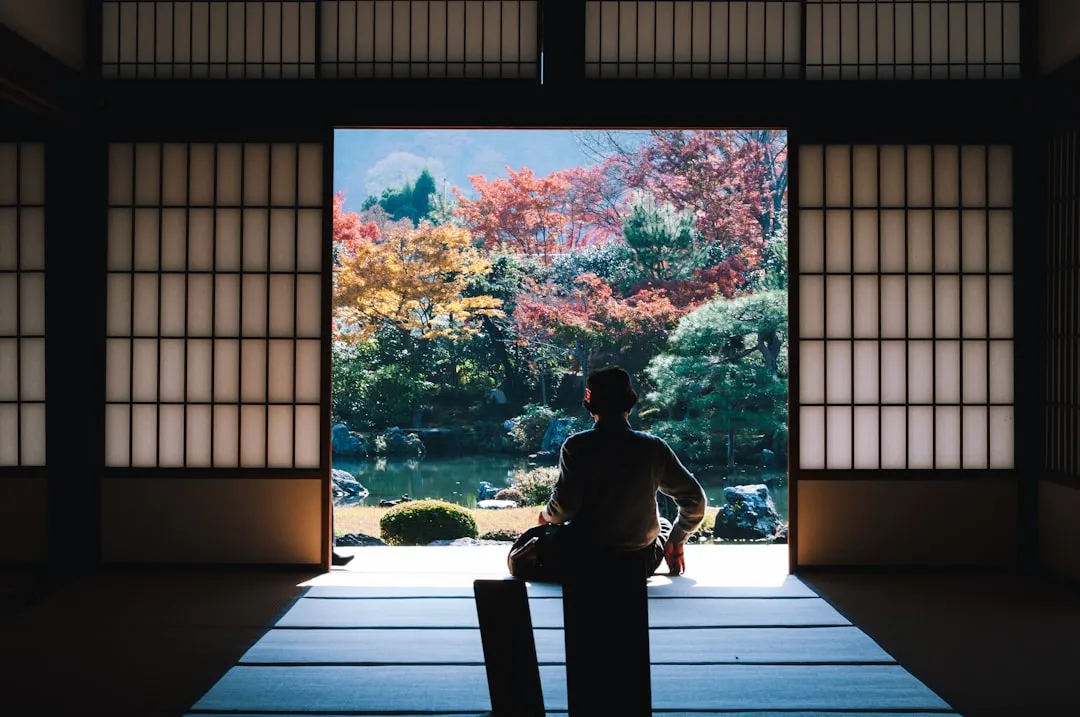
The reason Japan does not tip is not about stinginess or social convention. It is rooted in omotenashi, a hospitality philosophy so deeply embedded in Japanese culture that it has no direct English translation.
Omotenashi is the Japanese concept of wholehearted hospitality and service excellence. It means anticipating needs before they are expressed and providing seamless, thoughtful care to guests. This philosophy eliminates the need for tipping because excellent service is already built into every interaction.
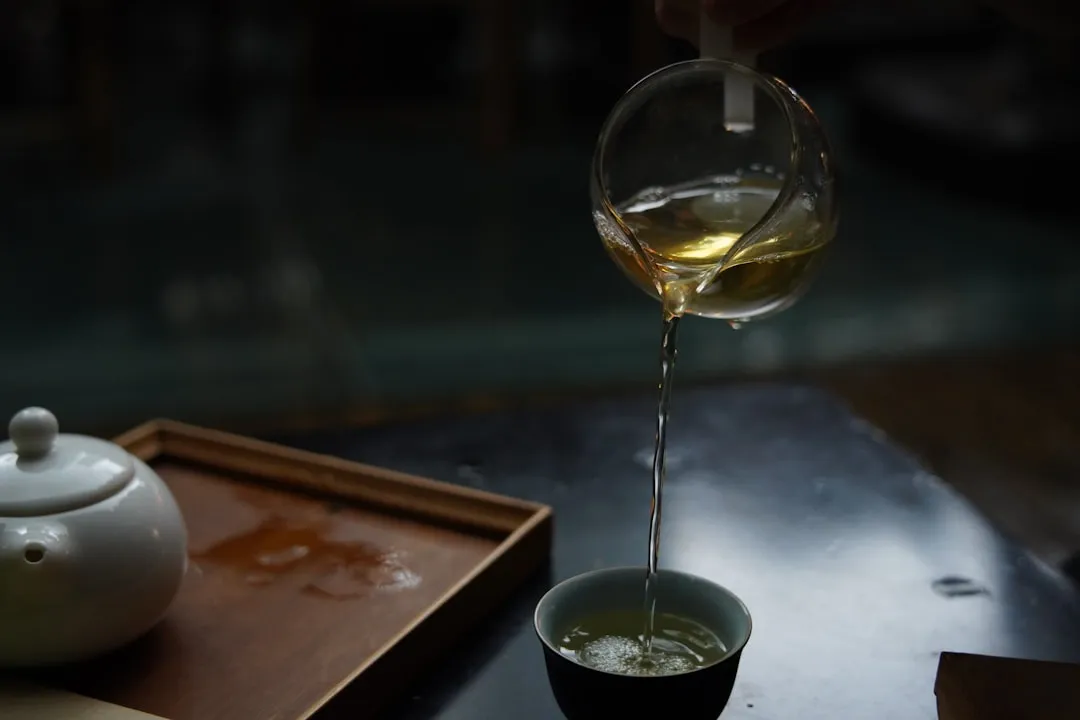
It is a compound concept rooted in the traditional tea ceremony, and it implies a level of service that anticipates the guest’s needs before they are even aware of them. In practical terms, when you tip, you’re not rewarding excellence. You’re misunderstanding what excellence means in this context.
Why Tipping Implies Something Insulting

In Western cultures, tipping essentially pays for good service. In Japan, good service is the baseline expectation. Workers take personal pride in their roles, and a tip can actually be seen as insulting, since it might suggest that you’re trying to improve their performance or that you think they need extra motivation to do their job well.
The price you paid already contains the service. Adding money on top implies the agreed price was somehow insufficient, which is either an insult to the establishment’s pricing or an implication that the worker needs charity. Neither reads well.
The philosophy of omotenashi means excellent service is a point of professional pride, not something requiring extra payment. Tipping implies the establishment doesn’t pay fair wages, or that you’re trying to buy preferential treatment.
What Happens When You Actually Leave a Tip
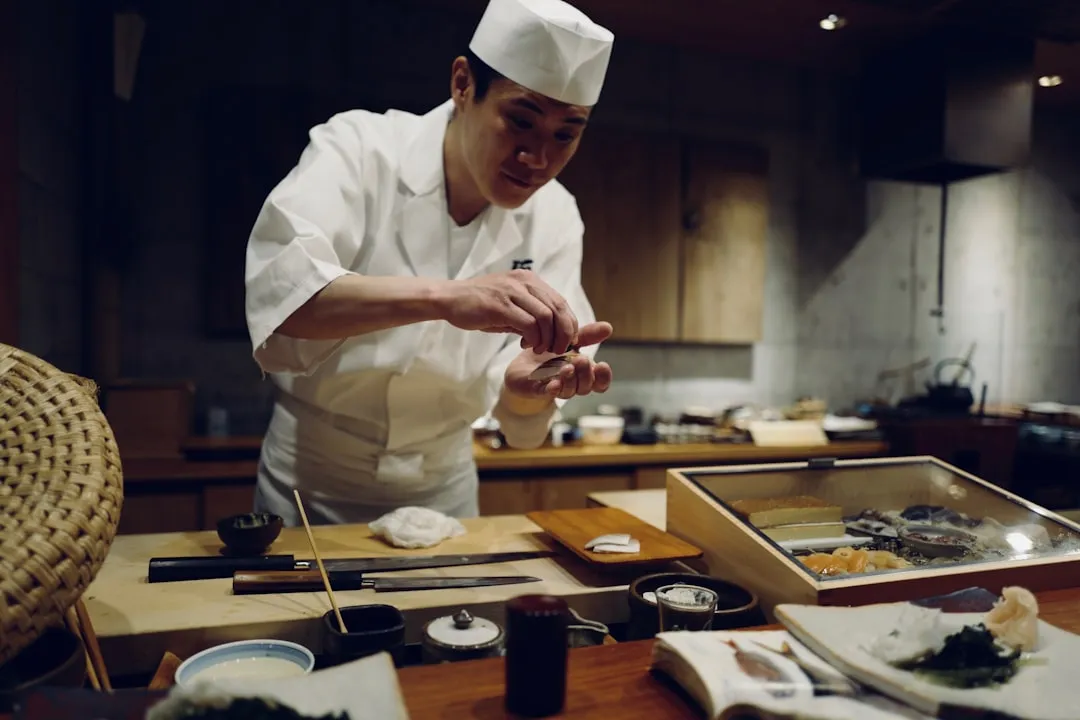
Many travelers report stories of Japanese servers chasing after them to return “forgotten” money left on tables. This isn’t merely politeness, it reflects a genuine cultural disconnect where the server assumes you’ve made a mistake rather than intentionally left extra money.
If you attempt to tip in Japan, the staff will most likely refuse the money and may chase you down to return it. This can create an awkward situation for both parties.
Most staff will politely try to return the money, thinking you made a mistake. Some might accept it awkwardly but feel uncomfortable about the interaction. Either way, what you intended as appreciation has become a small social disruption.
The Science of Why This Cultural Gap Exists
Countries scoring high on Geert Hofstede’s individualism index, such as the US, Australia, and the UK, tend to have more tipped occupations. Countries scoring high on collectivism, including Japan, South Korea, and China, view tipping as unnecessary or offensive. The reason is that collectivist cultures treat excellent service as a collective duty, built into the price, while individualist cultures treat it as a personal transaction between server and customer.
Cornell University professor Michael Lynn, in his cross-national study with Zinkhan and Harris published in the Journal of Consumer Marketing, noted that in Japan, “the implications about gratitude and indebtedness involved in the practice of tipping represent exactly the kind of dynamic that the Japanese prefer to avoid.”
The Record Tourism Surge Is Making This More Complicated
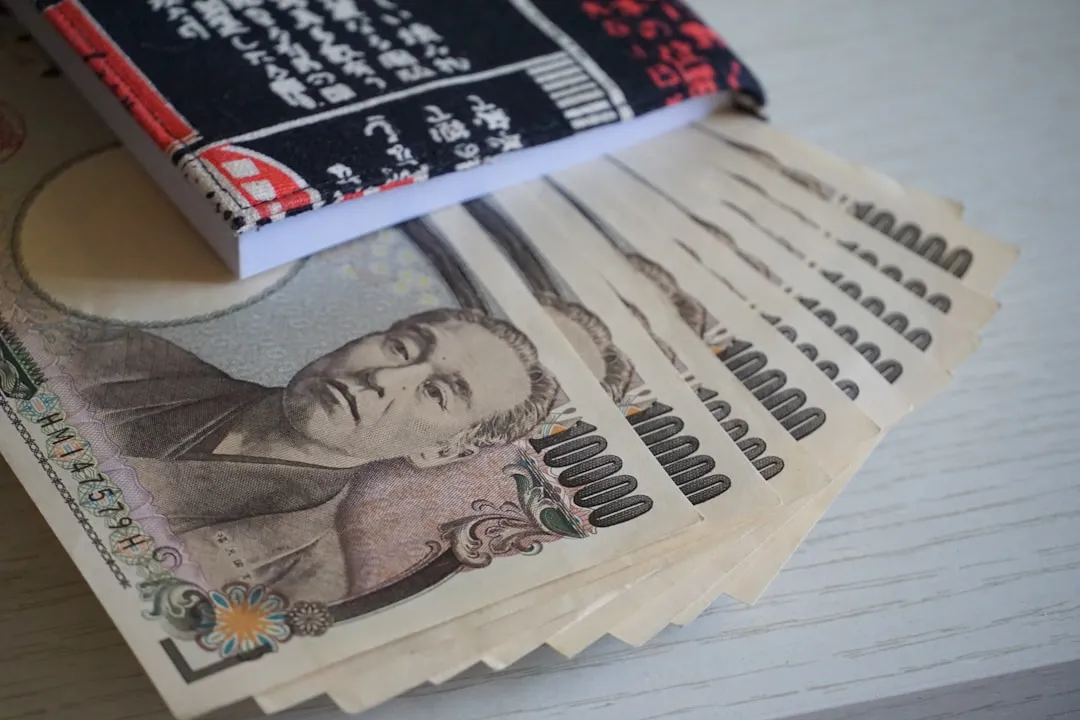
The Japanese government’s Consumer Hotline for Tourists clearly states that there is no custom of tipping in Japan, and that if you leave money quietly on the table as a thank-you for good service, you will cause a panic and might have staff running after you to give you the money back.
Tipping is a growing trend among foreign visitors to Japan. Many locals are unfamiliar with this idea, but it has started to gain traction, leading to misunderstandings and concerns about its future in the nation’s service sector.
While some establishments in heavily touristed areas may have become more accustomed to receiving tips from foreigners, this hasn’t changed the fundamental cultural stance against tipping. The norm holds, even as the pressure from outside increases.
An Unsuccessful Attempt to Change the Culture
The Tip Project was a business venture that unsuccessfully pushed to introduce American practices of gratuity into Japanese culture. First launched in 2021 and managed by the Tip Promotion Association, it was shut down in the first half of 2023.
The Financial Times celebrated the failure of the Tip Project, with columnist Leo Lewis writing that the project’s failure was a rare time when people should “relish the failure of a business venture.” Lewis described the failure as Japan’s culture being spared from a social “tyranny,” and drew the conclusion that tipping is a fundamentally “un-Japanese” practice.
The fact that an organized, well-funded effort to introduce tipping collapsed so completely says everything you need to know about how resilient this particular value is in Japanese society.
How Service Workers Are Actually Compensated
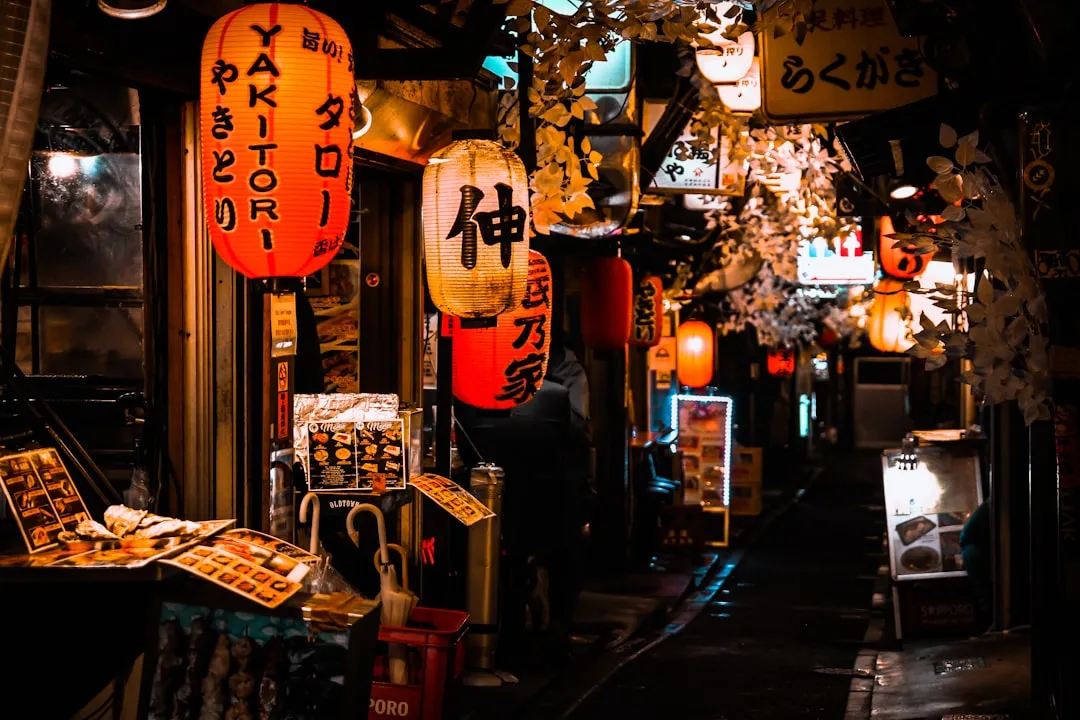
Unlike countries where service workers depend on tips for their livelihood, Japanese service professionals receive fair wages and benefits. This is a meaningful structural difference, not just a cultural attitude.
Wages in Japan are low, particularly among service staff, and especially given the perpetual weakness of the yen. However, wages of service people are set to account for the service they give. There isn’t a separate minimum wage for servers or bartenders, nor is there a separate service charge.
Even at luxury establishments, tipping is not expected. Instead, many upscale restaurants and hotels incorporate a service charge, typically between ten and fifteen percent, directly into the bill. The compensation is already built in, which is precisely the point.
The Rare Exceptions Worth Knowing

In rare cases involving private guides or ryokan attendants, a tip may be accepted if presented properly in an envelope. Context and presentation matter enormously when exceptions apply at all.
At ryokans, traditional Japanese inns, a cash gift in an envelope known as kokorozuke may be appropriate, but only in specific ceremonial contexts. This is a very different gesture from casually dropping coins on a restaurant table.
Some bars, clubs, and restaurants in areas like Tokyo’s Roppongi district that cater almost exclusively to foreigners may be more accustomed to receiving tips. These are genuine outliers, not indicators of a cultural shift.
What to Do Instead of Tipping
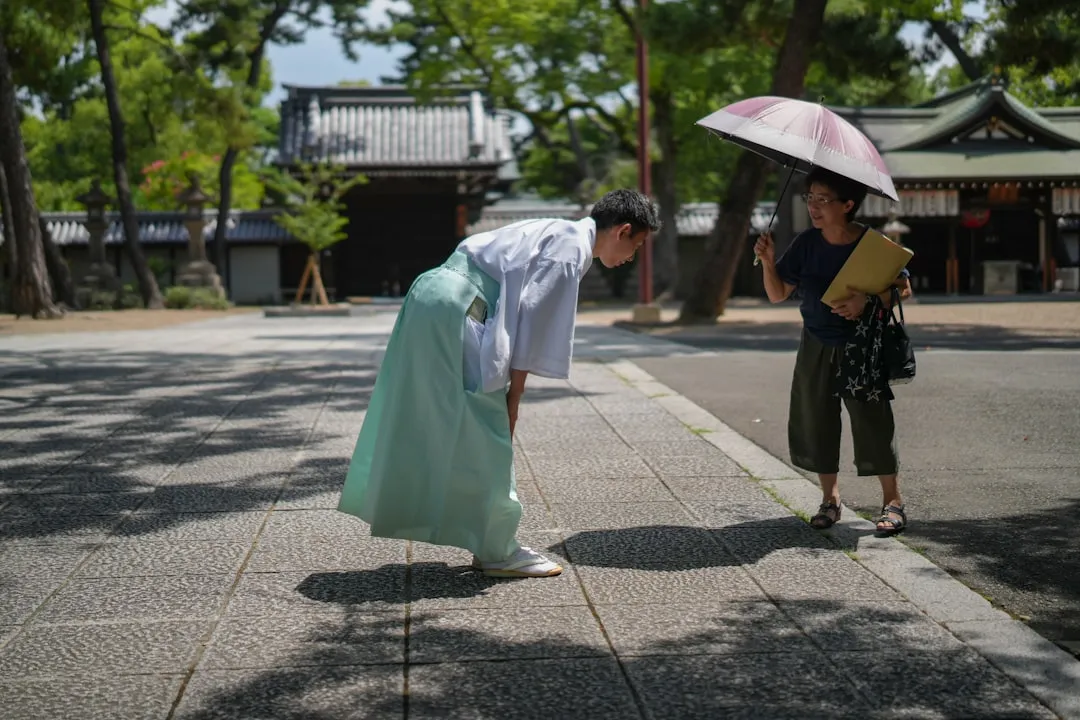
Show your gratitude with a polite bow and a sincere “Arigatou gozaimasu,” meaning “thank you.” Restaurants, taxis, and hotels are all included in this norm.
Demonstrating respect through proper Japanese etiquette, such as bowing slightly, speaking softly, and being mindful of others, is highly valued and shows genuine appreciation. One of the most meaningful ways to show appreciation in Japan is to return to an establishment, which demonstrates that you truly valued their service.
A sincere “gochisousama deshita,” meaning “thank you for the meal,” is the appropriate gesture after dining. It costs nothing, requires no calculation, and communicates respect in a language the culture actually recognizes.
Final Thoughts
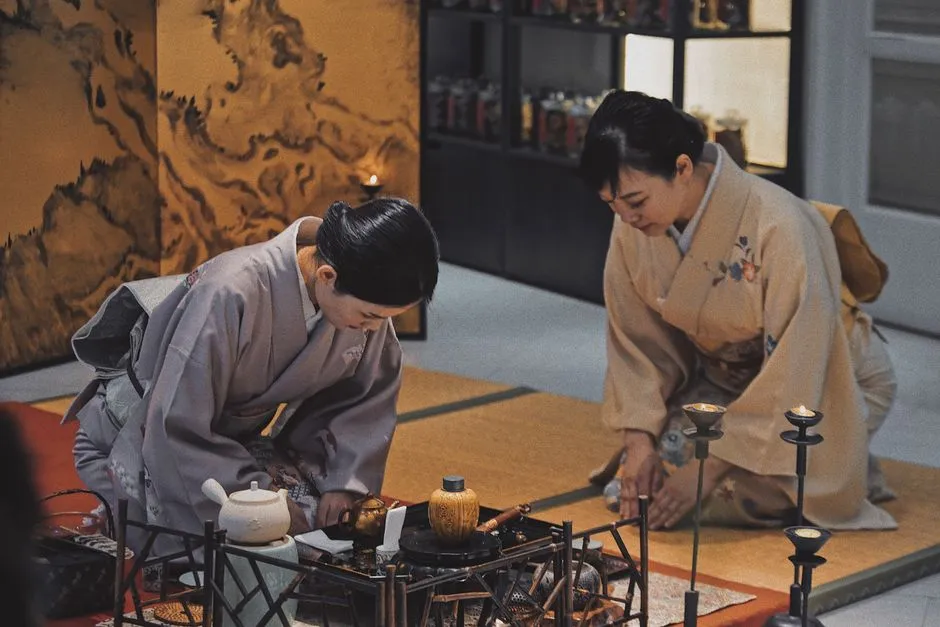
Japan is one of those places that genuinely reframes your assumptions about how hospitality works. The service you’ll encounter, from a casual ramen counter to a high-end kaiseki restaurant, is consistently remarkable. The people delivering it aren’t doing so in hopes of a bonus. They’re doing it because that’s the standard they hold for themselves.
Respecting that standard means resisting the impulse to reach for your wallet as a way of saying thank you. A bow, a sincere phrase, and a genuine moment of recognition go far further than cash ever could here. That’s not a limitation. It’s actually an invitation to connect with a culture on its own terms, which is what the best kind of travel is really about.
AI Disclaimer: This article was created with the assistance of AI tools and reviewed by a human editor.