
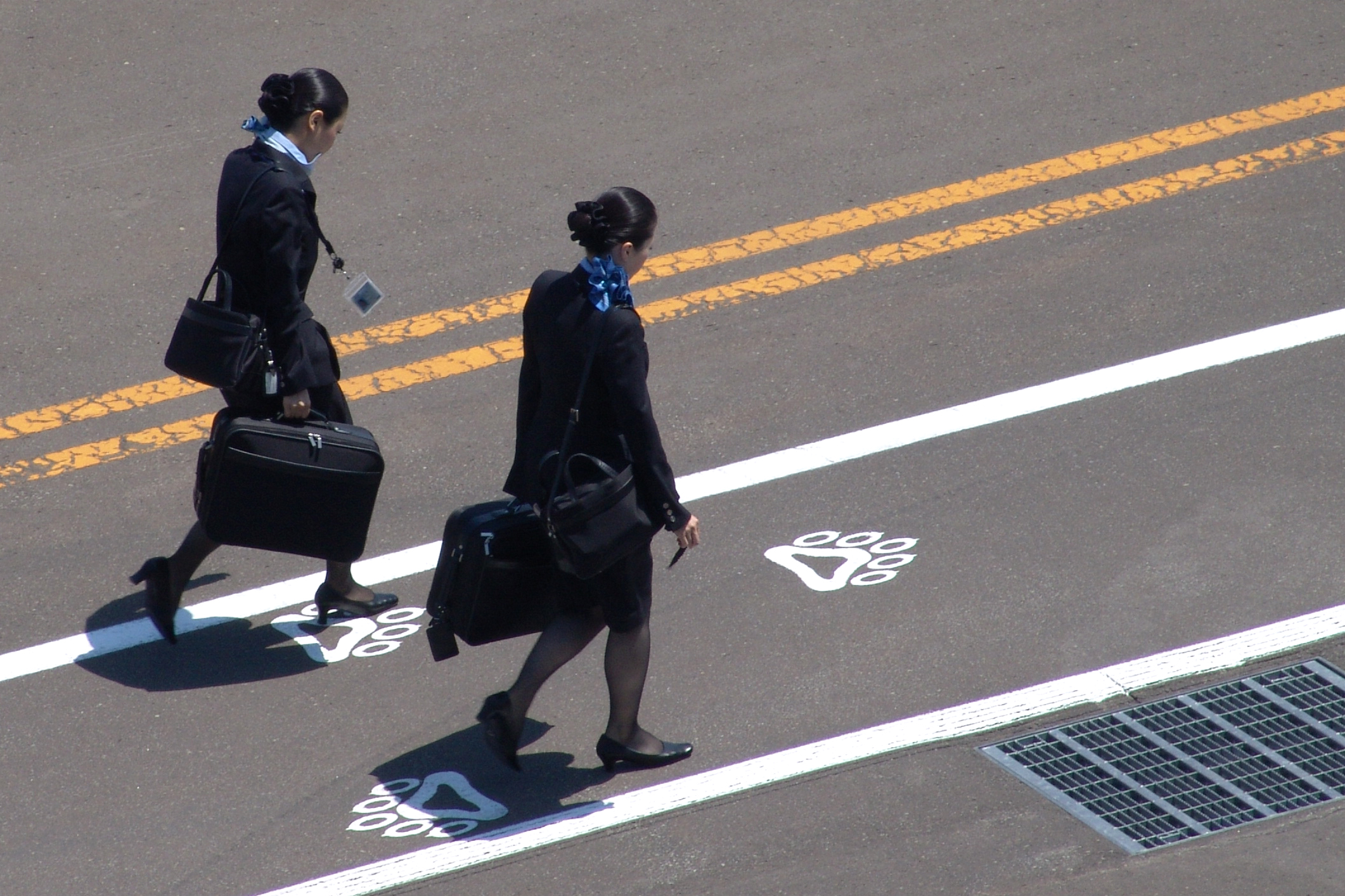
Most passengers board a flight the same way: head down, phone out, earbuds in. They shuffle to their seat, buckle up, and essentially vanish into the crowd of a few hundred people sharing the same pressurized tube for the next several hours. That’s fine, of course. Nobody owes the crew a performance. Still, there’s something small, almost effortless, that consistently separates the passengers who get looked after from the ones who don’t.
It’s not a secret handshake. It’s not a loyalty status trick. It’s something far more human, and flight attendants have been quietly signaling it for years. Here’s what they’ve been trying to tell us.
1. The Boarding Greeting: Your First and Most Important Moment
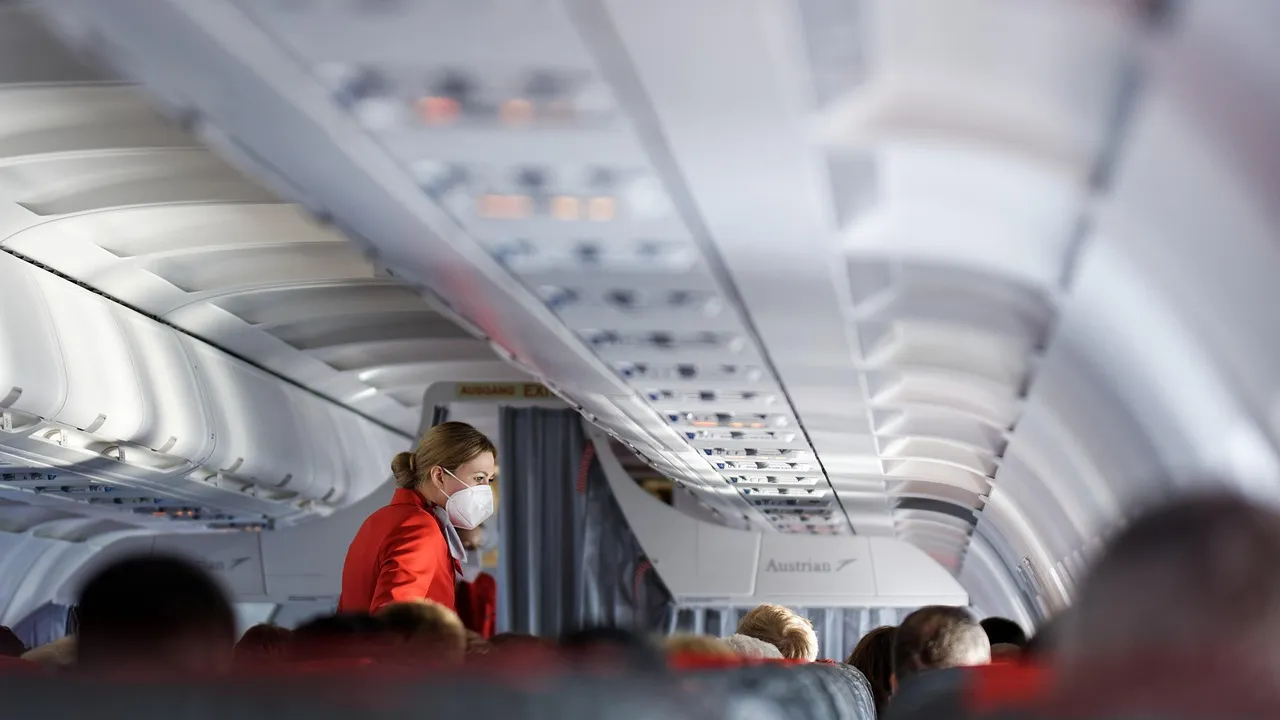
It sounds almost too simple. Just say hello. Flight attendants genuinely appreciate a kind greeting or a friendly smile, and they notice when passengers acknowledge them with a returned hello at the door. The crew makes a mental note in those first few seconds, and that impression tends to stick for the rest of the flight.
Saying please and thank you while making eye contact at the same time is, according to flight attendants themselves, almost unheard of today. Most passengers don’t even acknowledge the greeting when they’re boarding. After a while, crew members get tired of talking to themselves. They always remember the nice passengers.
One of the first things crew notice is how you handle that initial greeting. It’s not about being charming – it’s about signaling whether you’re present and reachable. A passenger who refuses any acknowledgment at all tends to be the same one who later doesn’t hear safety announcements or seat belt instructions.
2. Eye Contact and Earbuds: The Subtle Signals You’re Sending
Making eye contact, taking out your earbuds, and speaking clearly is a small gesture that makes a big difference. Crew members are scanning dozens of passengers simultaneously, and the ones who appear present and communicative naturally receive more care and consideration.
Being fully present shows respect and ensures you don’t miss something important. At least four out of five Americans agree that it’s unacceptable to watch a movie or show without headphones on a plane. Keeping your audio to yourself is one of those baseline courtesies that makes the whole cabin function better.
3. Kindness Is the Real Currency Onboard
Being kind and courteous to both your fellow passengers and cabin crew will give you the best possible flight experience. Going the extra mile to show your appreciation for flight attendants could potentially see you bag special treats in return. This is not a strategy. It’s simply what genuine human warmth tends to produce.
Flight attendants love a simple “please” and “thank you” – it’s that easy, and these days, something of a rarity. They appreciate politeness. That appreciation often translates into extra drinks, an additional snack, or just more attentive service throughout the flight.
Good airplane etiquette may even get you treated to a free drink or extra snack, just for being nice. If a passenger is polite and responds to the flight attendant’s welcome and engages, the crew will likely look after them and give extra drinks and snacks.
4. Starting a Genuine Conversation Opens More Doors Than You Think
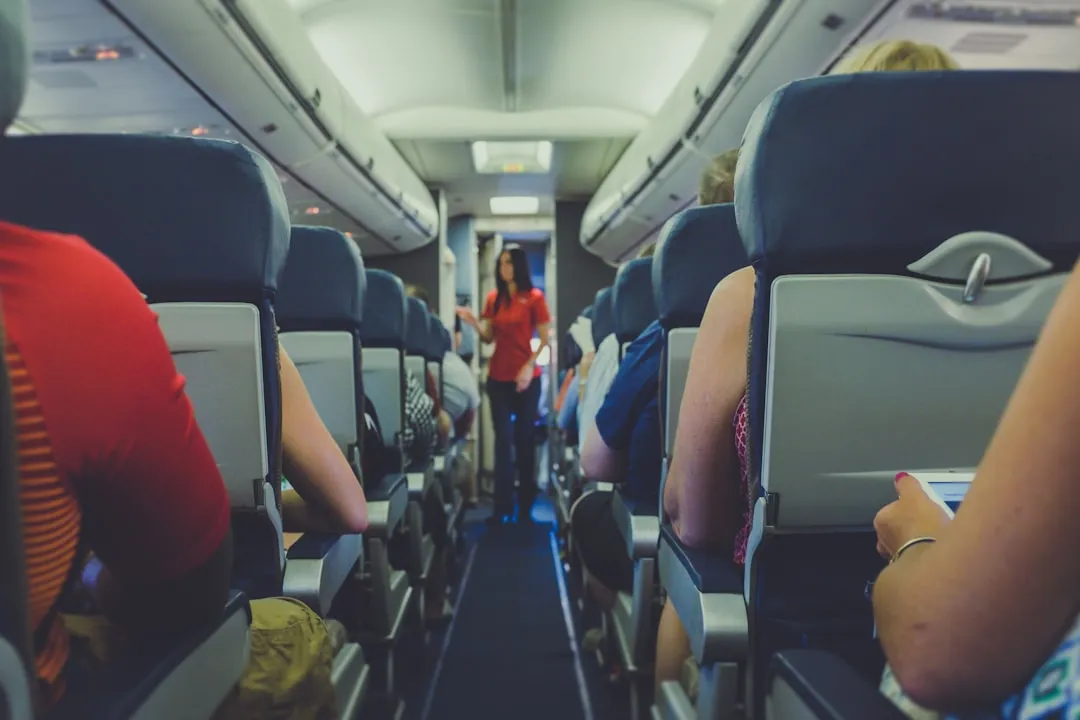
According to Air New Zealand flight attendant David Downie, one overlooked secret to improving your flight has nothing to do with miles or upgrades. It’s about conversation. The crew isn’t just there to serve drinks and give safety briefings. They often have small perks and thoughtful touches at their fingertips that can turn your hectic flight into a memory worth talking about.
Passengers often don’t realize what’s available if they just ask. Toothbrushes, eye masks, and even wet wipes are stocked on many flights but go unused because no one thinks to request them. For families, there might be a chance for kids to peek inside the flight deck before or after the journey. First-time flyers can sometimes walk away with a signed certificate from the captain.
And if you’re celebrating a milestone, the crew may surprise you with a card or even a small announcement to mark the occasion. None of this costs you anything. It just requires saying something.
5. Paying Attention During the Safety Demonstration
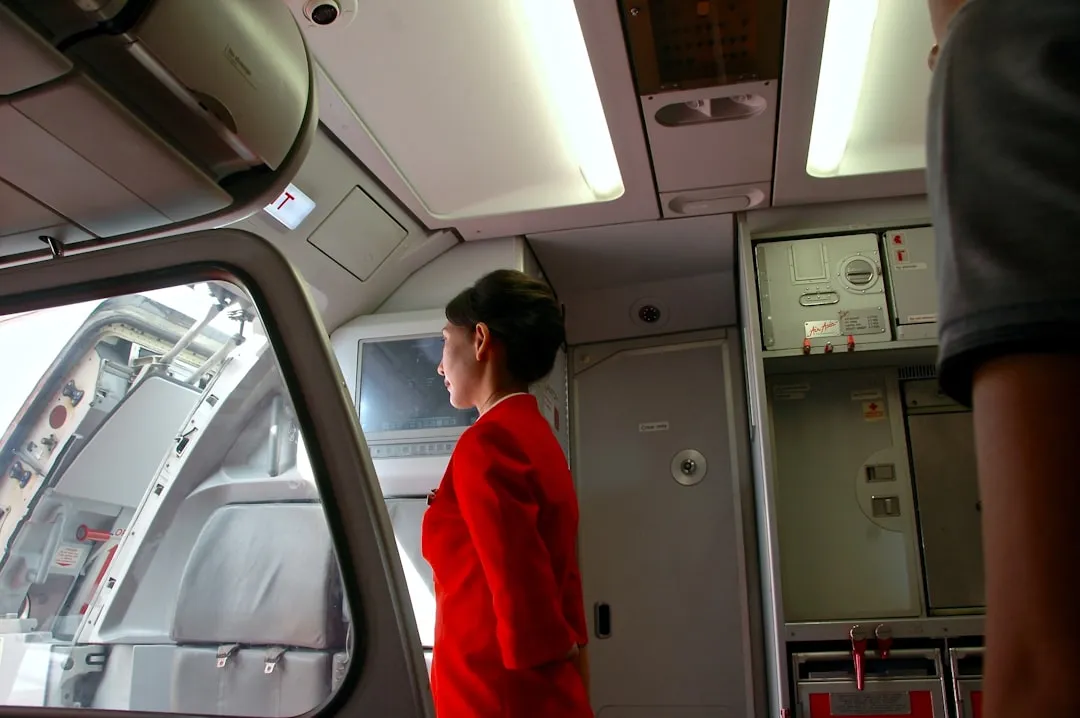
The flight attendant’s number one job is to keep you safe, so starting off on a good foot by paying attention to the pre-flight presentation matters more than most passengers realize. Even seasoned travelers who’ve heard the briefing hundreds of times make a strong impression simply by putting their phone down and listening.
Flight attendants are generally incredibly observant people – they have to be to do their jobs. From the second you step on board, they’re noticing everything: whether you already have your headphones on and blaring, whether you’re tuned out during in-flight instructions. The passengers who check all the right boxes early in the flight are the ones who receive more attentive care throughout.
6. Using the Call Button Correctly and Sparingly
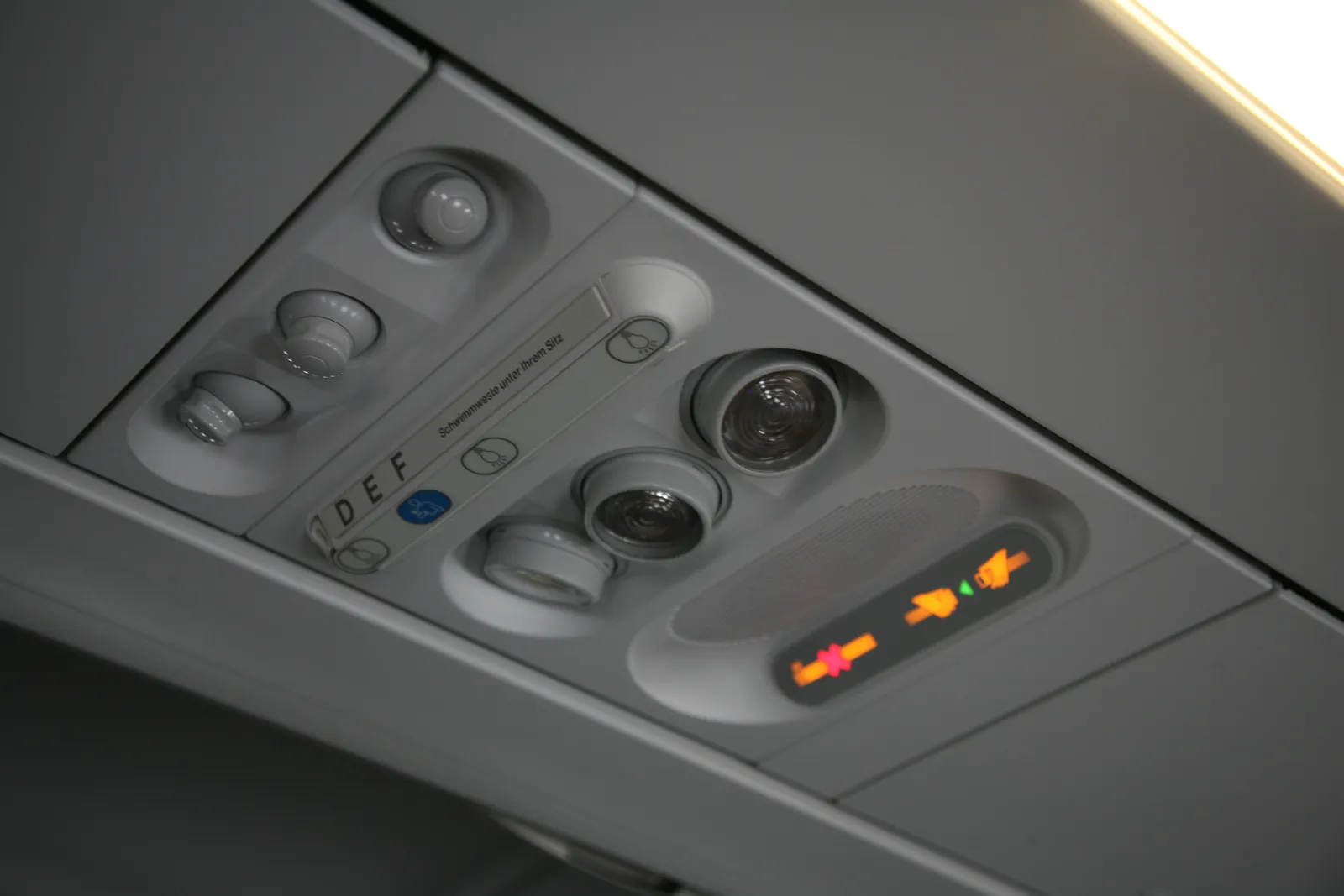
Flight attendants are happy to help passengers at any time when they can, but using the call bell repeatedly during service is a no-no unless there is an emergency. It prolongs service, and it may take some time for crew to physically get to you as they are stuck between carts.
Pressing the call button too often is a surefire way to get on a flight attendant’s radar for the wrong reasons. While it’s there for legitimate needs like medical issues, spills, or real emergencies, some passengers treat it like a personal concierge service. Multiple calls for minor things can signal an entitled traveler.
The call button isn’t a doorbell. Pressing it multiple times in a row doesn’t bring someone faster. Crews work on a system and respond as soon as possible, often juggling multiple requests simultaneously. Unless there’s an emergency, a single press is all it takes.
7. Never Touch a Flight Attendant to Get Their Attention
Some flight attendants are asking travelers to avoid physically touching them for attention, noting it’s among the most frequent and frustrating behaviors they encounter. Diane Gottsman, a national etiquette expert and founder of The Protocol School of Texas, told Fox News Digital that touching a flight attendant violates both personal and professional boundaries. Just as you would not touch the passenger sitting next to you, you do not reach out and touch a flight attendant to get their attention.
Instead of physically touching crew members, flight attendants say passengers should use the call button, make eye contact, or politely wave if they need assistance. That last one is worth noting. A simple, calm wave is the most natural and universally respected way to catch someone’s eye in a busy cabin.
8. The Bigger Picture: Crowded Skies and Overworked Crews
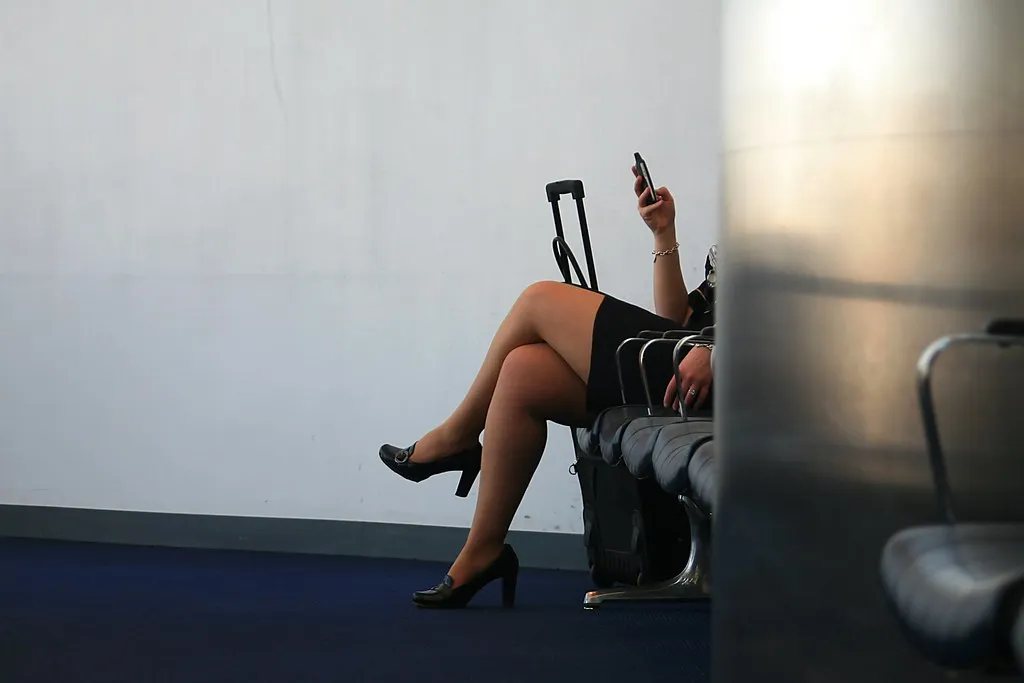
Global air passenger demand increased by more than ten percent in 2024 compared to the previous year, exceeding pre-pandemic levels, according to the International Air Transport Association. More people in the sky means more pressure on cabin crew every single day.
According to the U.S. Bureau of Labor Statistics, the median annual wage for flight attendants was $67,130 in May 2024, for a job that involves long stretches away from home, irregular schedules, and managing everything from medical emergencies to unruly passengers. Flight attendants often spend up to 14 hours in the air.
A survey of nearly 5,000 flight attendants by the Association of Flight Attendants found that over 85 percent had dealt with unruly passengers in a single six-month period. Against that backdrop, being a calm, considerate, respectful passenger isn’t just nice – it genuinely stands out.
9. The Real Cost of Unruly Behavior – and Why Calm Passengers Are Noticed
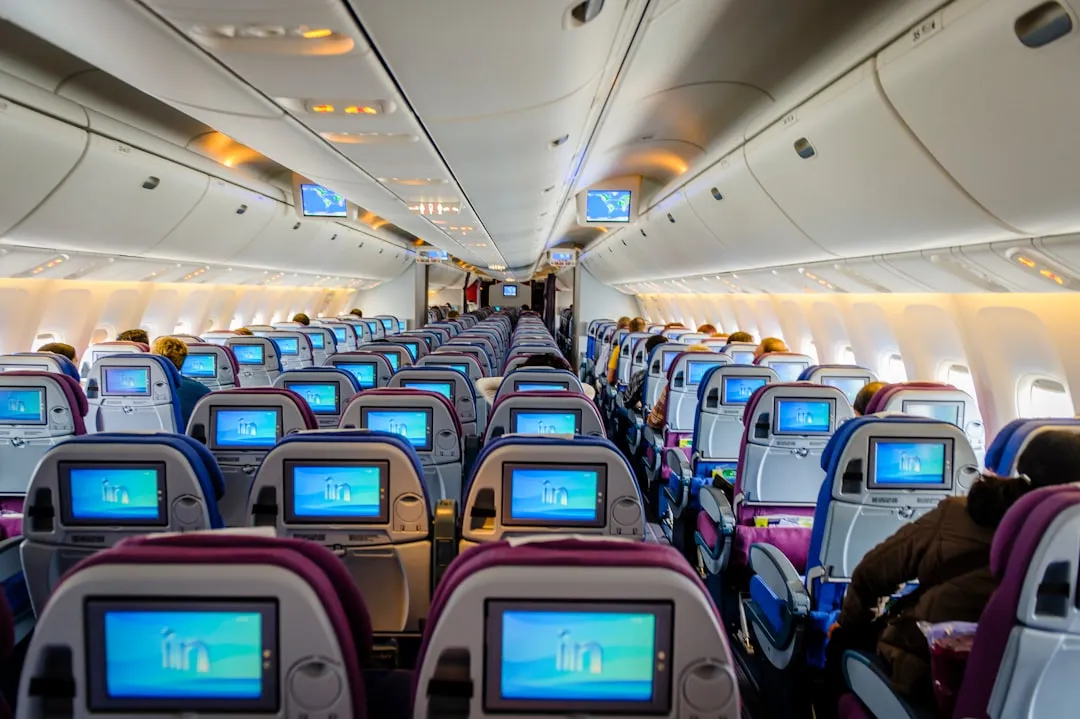
Airlines have reported more than 1,240 unruly passenger cases in 2024. The FAA pursues legal enforcement action against any passenger who assaults, threatens, intimidates, or interferes with airline crewmembers, and can propose civil penalties up to $37,000 per violation.
The rate of unruly passenger incidents has dropped by over 80 percent since record-highs in early 2021, but unacceptable behavior continues to occur. In recent years, there has been a rise of disruptive passengers on an almost daily basis. Flight attendants are on the lookout for anyone who may later become disruptive, with the intention of stopping the problem before it starts, since escalation can ultimately result in the aircraft being diverted.
Airlines reported over 2,100 unruly passenger cases in 2024 alone, marking an increase from the year prior. Being calm, cooperative, and pleasant isn’t just good manners – it’s genuinely noticed and remembered. In a cabin environment where tension is increasingly common, the passenger who projects ease and warmth truly stands out.
10. Cleaning Up After Yourself: A Small Act with Quiet Impact
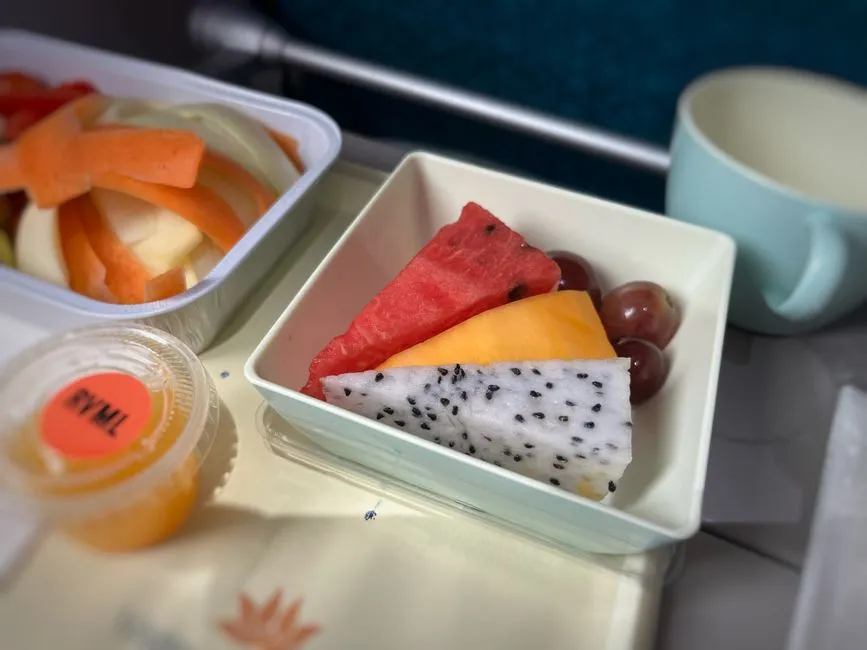
Leaving trash in the seatback pocket is disapproved of by nearly four out of five travelers, according to YouGov’s 2024 survey on airplane etiquette. Flight attendants notice this behavior consistently, and how you treat your small shared space says something about how you treat the people around you.
Every behavior on this list has one thing in common: it’s rooted in basic human decency rather than strategy. Tidiness, consideration, and calm awareness aren’t clever hacks. They’re expressions of respect, and experienced crew members pick up on them almost immediately.
The passengers who make that pressure feel lighter are the ones who get remembered and looked after. Whether that means an extra blanket, a second snack, or simply being treated with warmth for the duration of the flight, the return on basic kindness is genuinely disproportionate to its cost.
The Takeaway: One Small Signal, Genuinely Felt
The quiet signal that gets you extra attention onboard isn’t mysterious at all. It’s a returned greeting. It’s eye contact. It’s putting your earbuds away for 30 seconds when someone is speaking to you. None of this requires effort so much as simple awareness.
Flight attendants work long, demanding hours in an environment that has grown measurably more stressful in recent years. When a passenger steps aboard and treats them like a person rather than a function, that registers almost immediately. The extras that follow – the extra snack, the more attentive check-in, the small surprise for a milestone – aren’t rewards in any formal sense. They’re just what happens when two people connect, even briefly, at 35,000 feet.
The next time you board, take out one earbud, look up, and say hello. It costs nothing. It means more than you might expect.
AI Disclaimer: This article was created with the assistance of AI tools and reviewed by a human editor.