
There’s a particular kind of calm that surrounds certain travelers at airports, train stations, and busy crossroads. They move without urgency, adapt without drama, and seem to carry far less baggage than everyone else – in every sense. That quality isn’t luck, and it isn’t personality. It’s the product of accumulated habit.
The single habit that most consistently sets experienced travelers apart is the ability to pack light and move flexibly. But that one habit is actually the visible tip of a much deeper set of practices, all woven together over years of real trips. Here are the ten most revealing of them.
They Pack for Reality, Not for “What If”
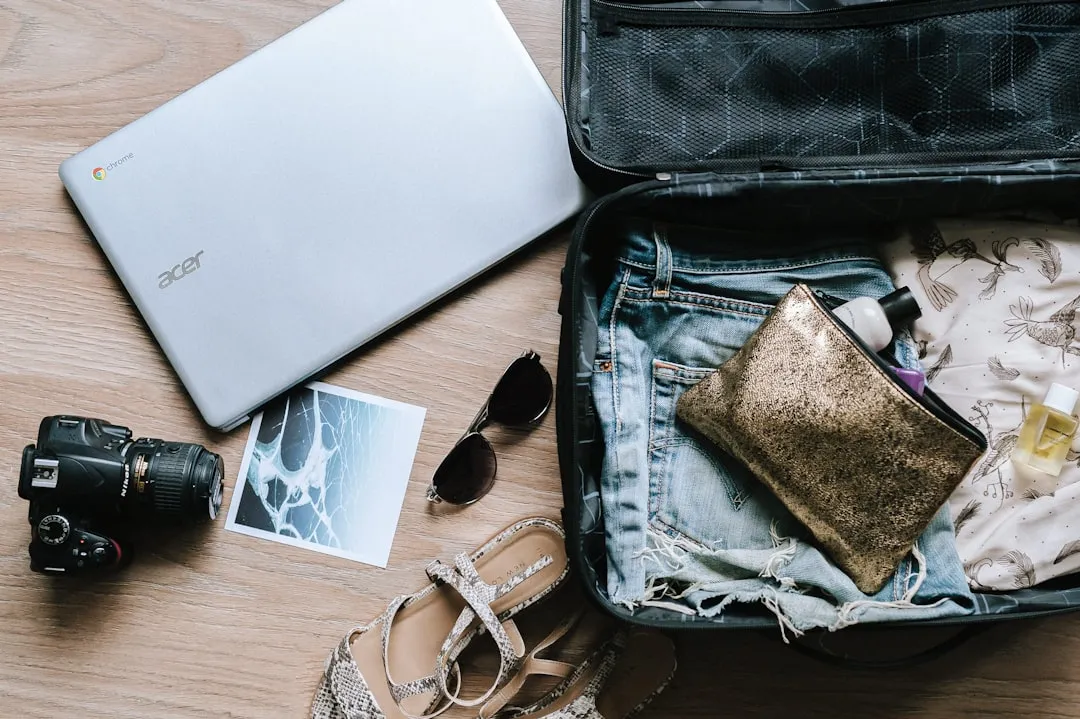
The reflex to overpack is almost universal among newer travelers. According to Global Rescue’s Traveler Sentiment and Safety Survey, overpacking remains the single biggest mistake travelers make, cited by roughly a third of respondents. The encouraging trend, however, is that things are improving. The rate of people identifying overpacking as the main mistake has dropped substantially since 2020, falling from roughly three quarters of respondents to just over a third today.
Packing for every possible scenario often feels responsible, but experienced travelers know it usually creates more problems than it solves. Heavy bags slow down transfers, make stairs and public transport harder, and raise the chance of paying extra baggage fees. Seasoned travelers pack around realistic needs, not unlikely situations. They choose versatile clothing, repeat key items, and leave space for changes along the way. A lighter bag means faster movement, easier decisions, and less physical strain, especially on trips with multiple stops or unpredictable schedules.
They Plan Ahead, Then Stay Loose

The average American traveler took three trips in 2024, two of which were well-planned at least a month in advance, with the other being spontaneous. That ratio is telling. Experienced travelers understand the value of advance planning, but they also know that rigid itineraries are fragile ones. A missed connection, a sudden market festival, or a local recommendation can derail even the most detailed schedule.
According to the American Express 2026 Global Travel Trends Report, a remarkable 87 percent of global respondents like to leave room in their itinerary for unexpected local discoveries. Whether seeking once-in-a-lifetime activities or leaving room in their itineraries for spontaneity, travelers are embracing discovery and adventure in 2026 to gain new “lore” from their trips. The willingness to improvise isn’t carelessness. It’s a practiced skill.
They Treat Travel Insurance as Non-Negotiable
Nothing distinguishes a casual traveler from a practiced one quite as quickly as whether they’ve purchased travel insurance. The travel insurance penetration rate in the United States reached 40 percent in 2025, up from about 28 percent before the pandemic, demonstrating a strong shift toward risk-aware travel behavior. That shift is especially visible among older and more frequent travelers.
Around 60 percent of travelers ages 46 to 60 purchase travel insurance, as they are more concerned about covering their entire family on vacations or staying protected on business trips. The most striking trend in 2025 travel insurance data is the increase in travel medical coverage adoption, with medical insurance attachment rates jumping from 73.5 percent to 80.8 percent – a significant increase that signals a fundamental shift in traveler priorities. Seasoned explorers simply don’t leave home without it.
They Embrace Off-Season and Shoulder-Season Travel
Off-season travel has been a trend building for the past two years, with travelers looking to visit destinations at non-typical times. The benefits include fewer crowds, lower costs, and the opportunity to find once-overlooked beauty in pivotal times of the year as the seasons change. Experienced travelers figured this out long before it became a talking point.
Home-away-from-home travel and off-season travel are rising trends, increasing in popularity heading into 2025 and beyond. This growing awareness can help ease the pressures associated with visitor demand at peak times, thereby enhancing long-term sustainability from both an environmental and social perspective. Strengthening low-season demand also provides a platform for year-round operations and, therefore, both enhanced economic sustainability and full-time employment within the tourism sector.
They Seek Out Local Experiences Over Scripted Tourism
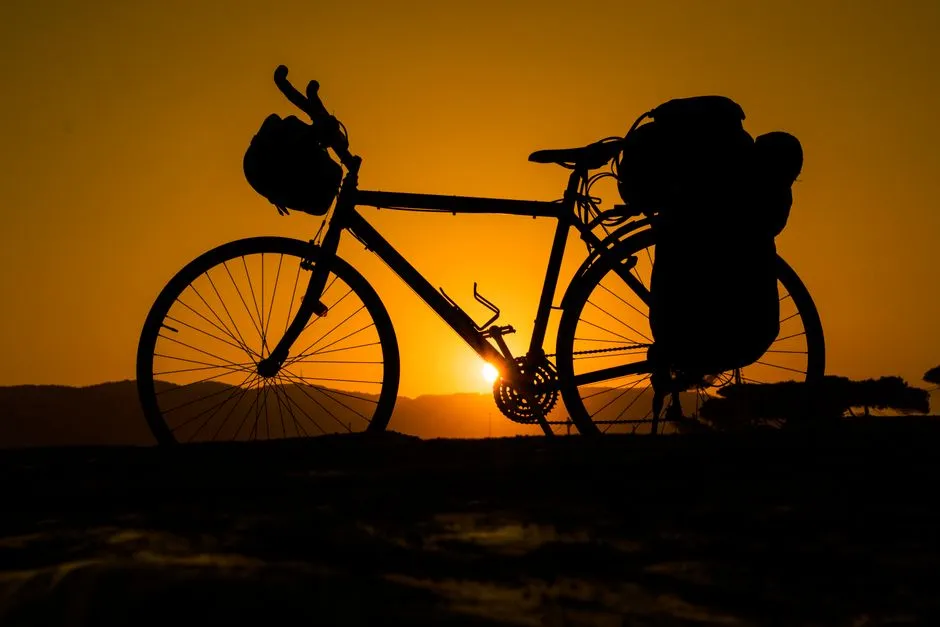
Experienced travelers stopped chasing the highlights reel a long time ago. Travelers are shifting away from overcrowded tourist spots and turning toward more authentic, immersive travel experiences that allow them to connect with local cultures. This trend involves supporting local communities, dining at local eateries, and partaking in local customs and traditions like festivals and parades.
According to global consumer surveys conducted in late 2024 and early 2025, more than 78 percent of leisure travelers across 20 major markets indicated that having at least one memorable, locally authentic experience was a primary trip-planning criterion, up from 61 percent in 2020. Tour buses are becoming less popular, as there’s a growing desire for travelers to see how local people really live – which is the very basis of immersive travel.
They Use Online Advice as a Starting Point, Not a Rulebook

Travel advice online can be useful, but experienced travelers know that not every recommendation suits every trip. A packing list, transit tip, or neighborhood guide that works for one person may not work for another with a different budget, schedule, mobility level, or travel style. Popular advice can sound universal when it is not.
More practiced travelers usually treat online content as a starting point rather than a rulebook. They compare sources, check local details, and adjust advice to fit their own priorities. That habit helps them avoid copying routines that look smart in theory but create inconvenience in practice once they reach the destination. It’s a subtle but profound shift in how they relate to information.
They Build Rest Into the Itinerary on Purpose

Filling a travel itinerary from morning to night can look efficient, but experienced travelers often avoid schedules with no breathing room. Rest days aren’t “lost days” – they’re what make the rest of the trip enjoyable. Experienced travelers plan downtime intentionally so they don’t burn out halfway through the journey. Depending on the length of the trip, some rest days are simply necessary.
This is especially relevant on longer or multi-destination journeys, where travel fatigue compounds quickly. A traveler who has crossed many time zones knows that forcing a packed schedule on day two of a long-haul trip is a reliable path to a miserable week. Protecting that recovery time is one of the clearest signs of experience.
They Stay Longer Rather Than Rushing Through More Places

The instinct to cram in as many destinations as possible is a recognizable beginner’s move. Experienced travelers tend to do the opposite. International trip lengths where travelers stayed in paid accommodation were 7 percent higher in 2025 than pre-pandemic averages, according to Oxford Economics. A longer stay changes the texture of a trip entirely, turning a rushed itinerary into something closer to actually living somewhere for a while.
Tourists opting for longer stays immerse themselves in local cultures while reducing their carbon footprint from frequent flying. This immersive approach is not only more eco-friendly but also enriches the travel experience, allowing deeper connections with destinations and communities. The trend has also revived interest in train travel, scenic road routes, and regional exploration that simply gets skipped on a rushed itinerary.
They Prioritize Experiences Over Things
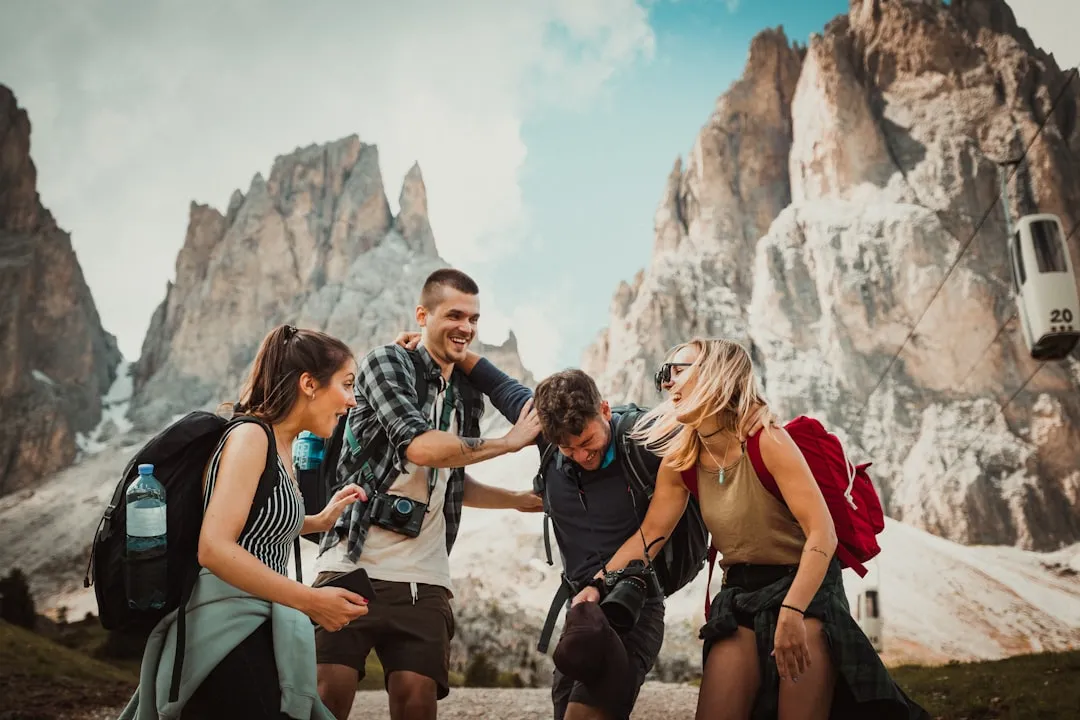
Experienced travelers almost always spend more on doing and less on buying. Beyond interactive immersion, travelers are focused on experiences that leave a lasting impression, with 76 percent of global respondents believing the skills they gain on a trip remain with them longer than any material souvenir. 69 percent believe that creating something with their hands is one of the most rewarding parts of travel. 82 percent say learning a new skill while traveling creates a more memorable experience.
This shows up practically in small choices: taking a cooking class instead of buying a souvenir at a gift shop, joining a walking tour with a local historian rather than rushing to a famous landmark for a photo. The rise of experience-driven travel is now one of the key themes reshaping how people plan and take trips. Veteran travelers were practicing this long before it became a named trend.
They Adapt Without Catastrophizing
Perhaps the most telling habit of all isn’t something you can see in a packing cube or an itinerary. It’s a mindset. According to a Global Rescue survey of the world’s most experienced travelers, 8 in 10 indicate they are either planning more trips or maintaining the same number of trips compared to their previous travel habits. Nearly half are eager to explore new destinations, and 44 percent are inclined to venture into more remote locales – while 27 percent are even pursuing riskier destinations, reflecting a shift to bolder travel experiences.
That confidence doesn’t come from nothing going wrong. It comes from trips where things went wrong and the traveler found a way through. A canceled train, a lost reservation, or a sudden rainstorm is treated as a variable, not a catastrophe. While major trip components continue to be booked at similar rates, the way travelers research, plan, and choose is shifting beneath the surface. The most experienced among them have made peace with uncertainty – and that, more than any gear or app, is what makes them seasoned.
What All of This Actually Points To
The habit that reveals a seasoned explorer isn’t a single trick. It’s a consistent orientation: toward lightness, flexibility, genuine curiosity, and respect for the unexpected. Each of the ten habits above is really just a different expression of the same underlying quality.
Across global travel surveys, more than three quarters of respondents say they’re likely to do something adventurous or outside their comfort zone while traveling. The seasoned traveler doesn’t just tolerate that discomfort. They’ve learned to welcome it. That welcoming posture, more than any carry-on system or loyalty program tier, is the thing that keeps drawing them back – and the thing that makes every trip genuinely worth taking.
AI Disclaimer: This article was created with the assistance of AI tools and reviewed by a human editor.