
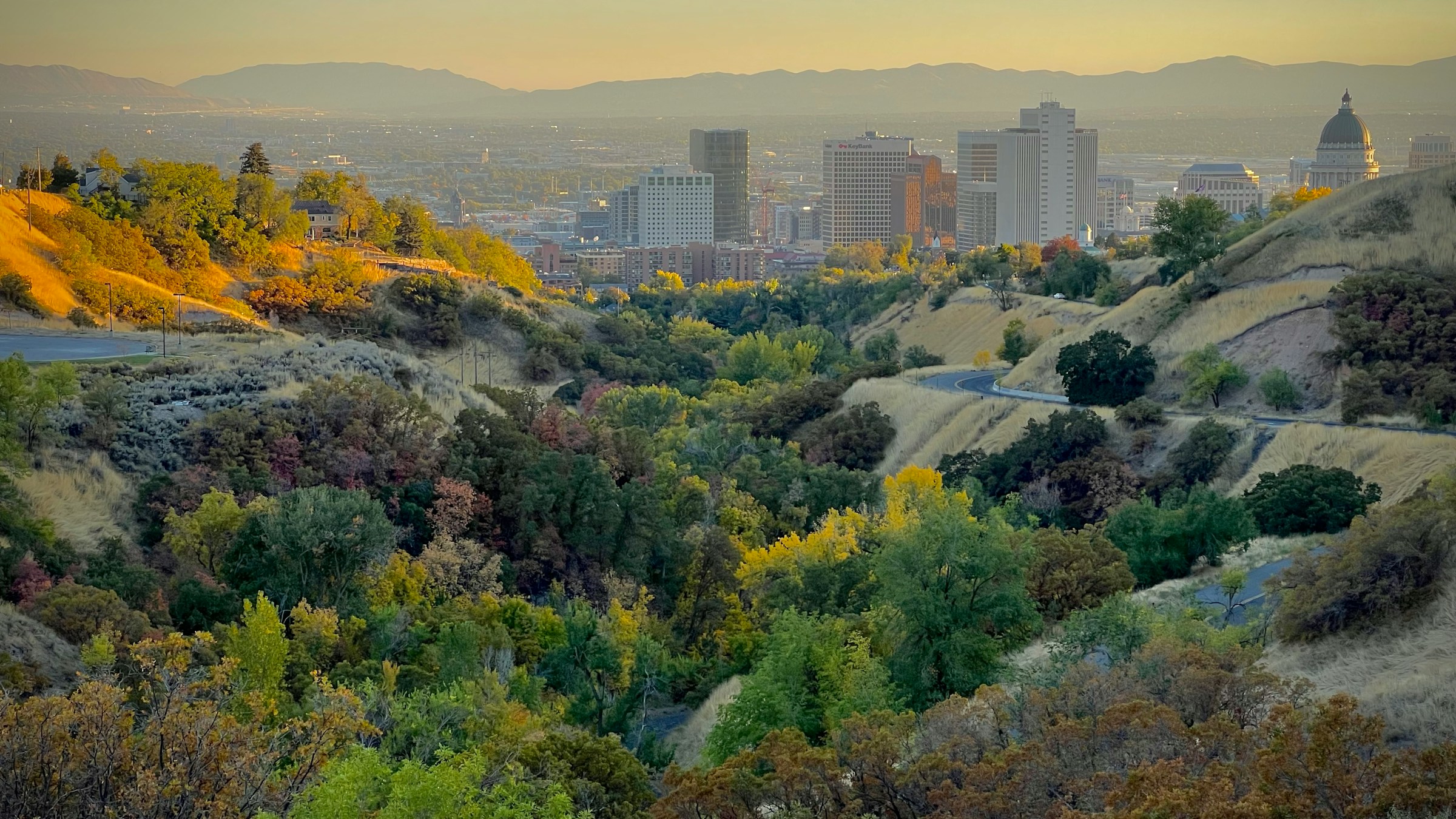
On most Friday afternoons, a familiar pattern plays out on I-80 heading east out of Salt Lake City. Cars filter off the freeway and begin climbing into the Wasatch Mountains, leaving the valley behind. Their destination is Park City, Utah – a small historic town tucked into the mountains just thirty miles from the urban grid, but feeling worlds apart from it.
Park City sits just a thirty-minute drive from Salt Lake City, and it’s a genuinely small town, home to roughly 8,400 full-time residents. That contrast, a major metro city and a quiet mountain community separated by half an hour of freeway, is exactly what makes the pull so magnetic. For many Salt Lake City residents, it’s not just an occasional outing. It’s a ritual.
A Town Built on Silver, Reinvented by Snow
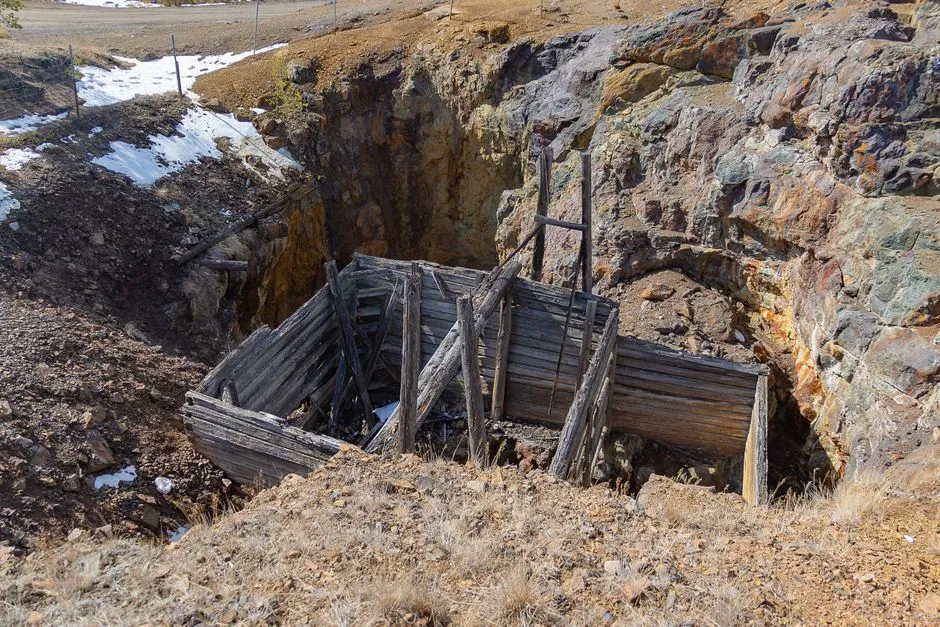
Park City’s story doesn’t start with ski lifts. It starts with silver. The town’s mining boom began in the 1860s with the discovery of silver, gold, and lead, and mining settlements soon followed as prospectors set up camps around the mountain terrain. The town grew quickly, and at its peak, due to the mining boom, Park City became so populous that many people thought it would replace Salt Lake City as Utah’s largest city.
The mining era eventually faded. Due to the collapse in silver prices after World War I, the town’s population declined sharply, and Park City was considered one of the ghost towns of the west in 1950. Then skiing rewrote the story entirely. The end of the mining era catalyzed Park City’s rebirth as a skiing destination, with the first ski jumps opening on Ecker Hill in 1928, and the town’s first ski resort, Treasure Mountains, opening in 1963 on 10,000 acres of land originally owned by miners with mineral rights.
The Distance That Makes It Feel Like a Real Escape
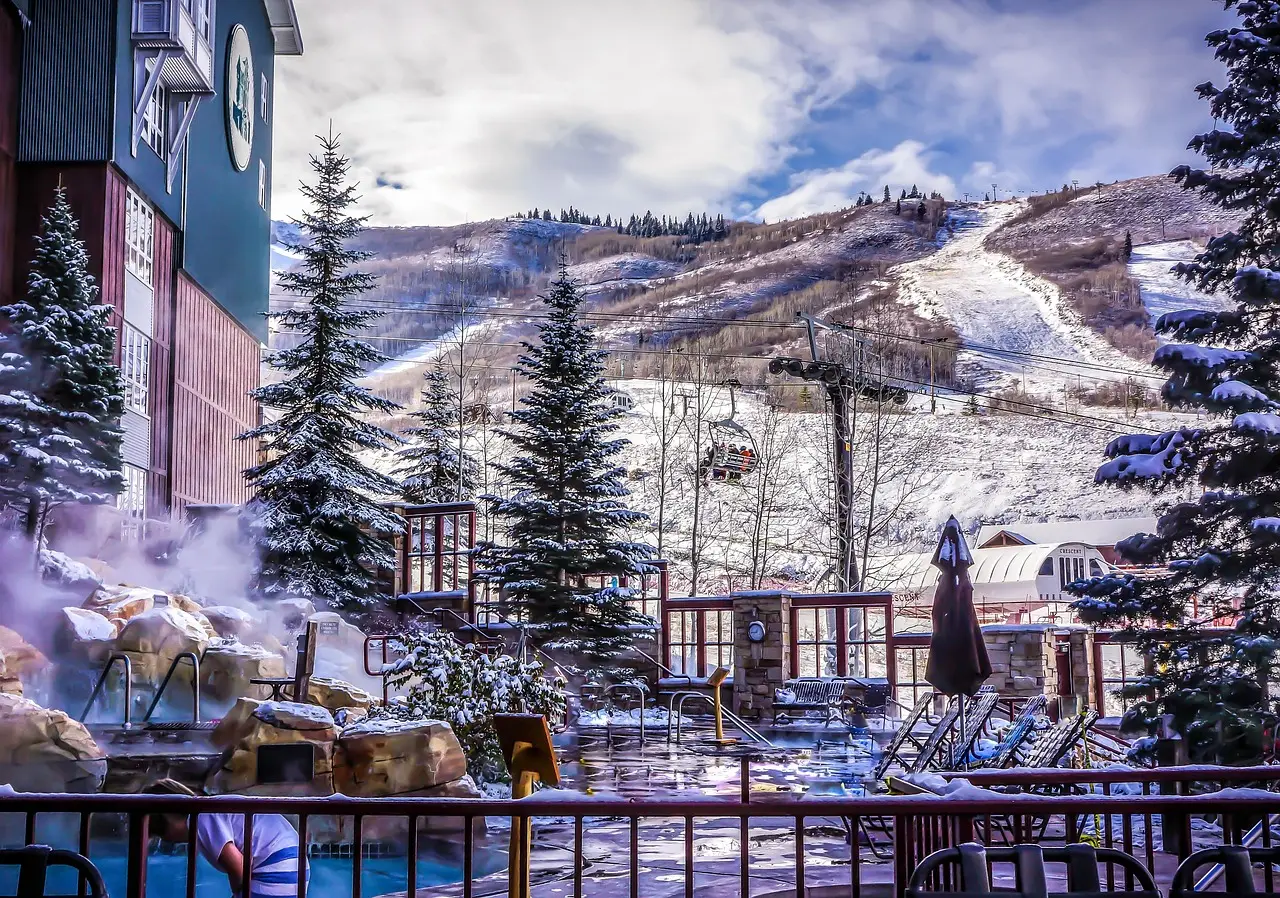
Park City sits thirty miles east of Salt Lake City in Utah’s scenic Wasatch Back Range. That is not very far on a map, but elevation and landscape do something unexpected to the sense of distance. The valley noise stays behind in the valley. By the time you reach Main Street, you’re already breathing differently.
Nestled in the majestic Wasatch Range, Park City is a popular day trip destination offering activities regardless of the season. During the winter months it’s renowned for its premier skiing and snowboarding facilities, particularly at Park City Mountain and Deer Valley Resort, while in the summer these ski resorts transform into havens for hiking, mountain biking, and other outdoor pursuits. That year-round versatility is a major part of the appeal for local residents who don’t want a destination that goes quiet half the year.
World-Class Skiing Without a Cross-Country Flight
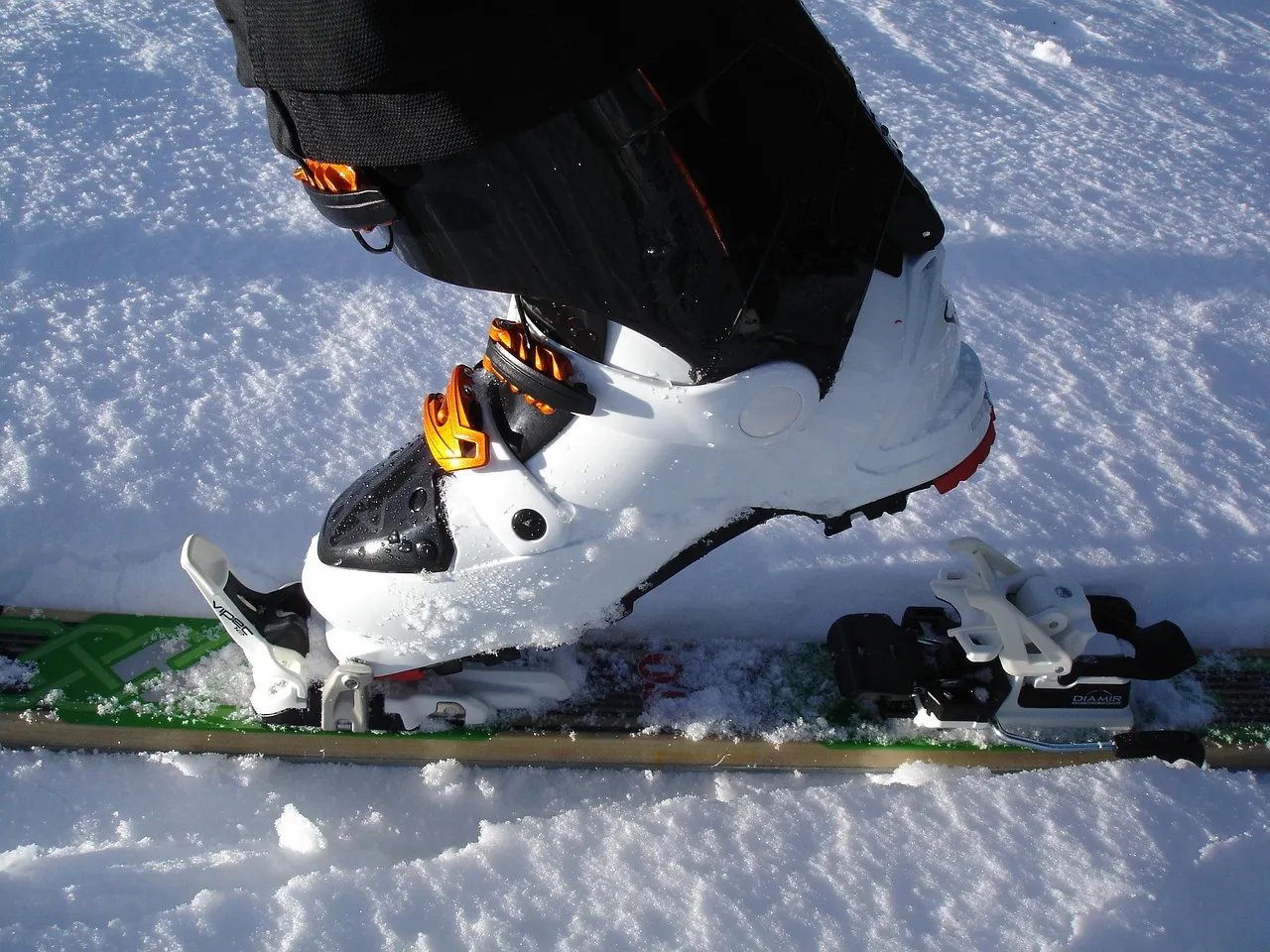
Park City Mountain Resort and Deer Valley Resort together offer over 11,000 acres of skiable terrain as of 2025, including recent expansions adding thousands of acres at Deer Valley Resort. For Salt Lake City residents, access to that kind of terrain is a short drive, not a trip requiring luggage and airport logistics. It’s the kind of proximity that makes spontaneous powder days genuinely possible.
Park City Mountain Resort receives an average of 355 inches of snow per season, offering one of the most reliable snowpacks in North America. That consistency matters to skiers planning weekend outings. A reliable snowpack turns casual interest into a committed seasonal habit, and it’s one of the most concrete reasons Salt Lake residents return again and again through winter.
Historic Main Street, Still Earning Its Reputation
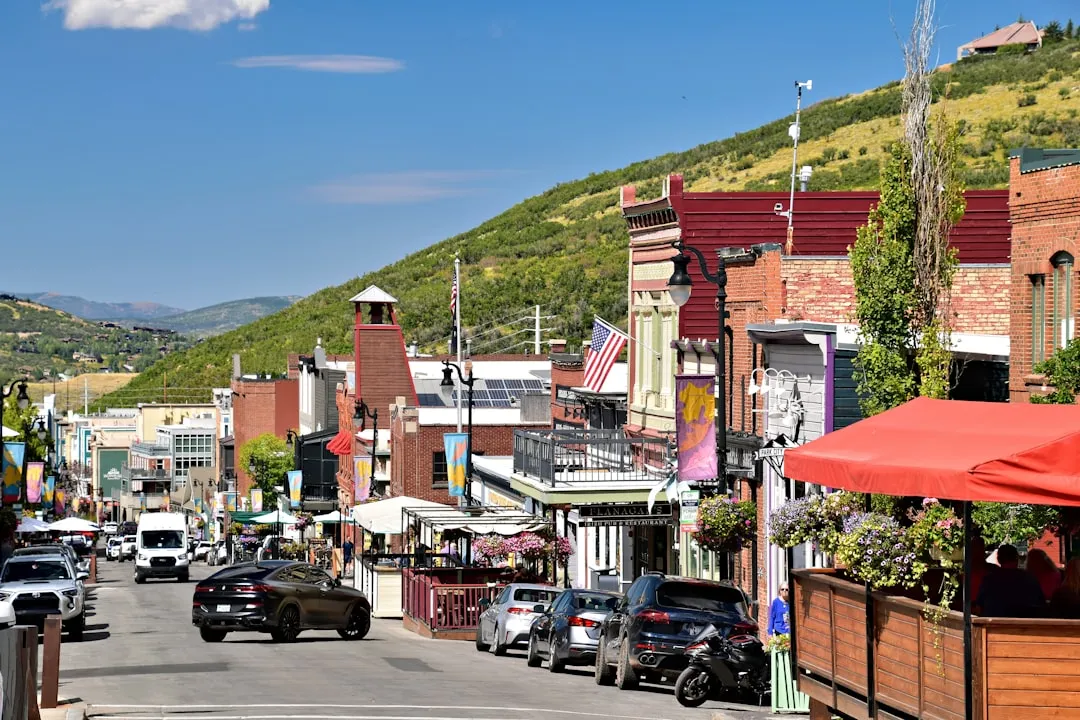
Sixty-four Victorian buildings on Main Street are listed in the National Register of Historic Places. Walking that street, you get the sense of a town that has kept its texture while also evolving. The old storefronts now house galleries, boutiques, and restaurants, but the bones of the mining era remain visible in the architecture.
A prominent feature of Park City is its charming Historic Main Street, lined with quaint shops, art galleries, and a variety of restaurants offering diverse culinary experiences, making it an ideal spot for leisurely strolls and exploring local artistry. For many Salt Lake residents, a few hours on Main Street is the whole point of the trip – no ski pass required.
The Sundance Film Festival Draws a Creative Energy All Year

Park City is home to world-class skiing, the 2002 and future 2034 Winter Olympics, and the famous Sundance Film Festival, along with an adorable downtown filled with shops, restaurants, and museums. The Sundance connection has done something quietly significant to Park City’s cultural identity. It draws filmmakers, artists, and curious travelers in January, but the creative energy that arrives with that festival doesn’t simply pack up and leave.
The city hosts the prestigious Sundance Film Festival each January, drawing filmmakers, celebrities, and audiences from around the world to its historic Main Street district. For Salt Lake City residents with an interest in film and the arts, the Sundance connection gives Park City a cultural dimension that most mountain towns simply don’t have. It’s a place where a weekend can include both a ski run and a documentary screening.
The Olympic Legacy That Keeps Giving
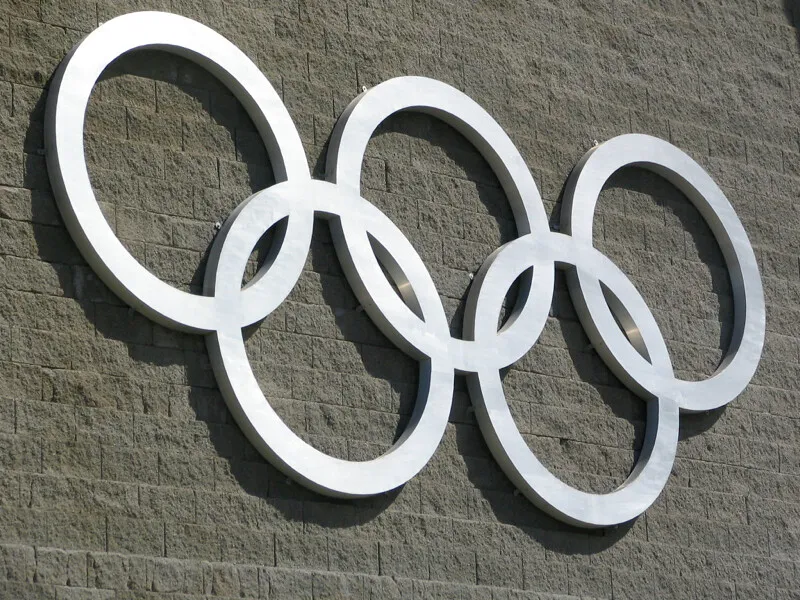
Since the 2002 Olympics, several areas showcase both the amazing venues and history of the Olympic games in Utah, with the Winter Olympics bringing athletes from around the world to venues around both Salt Lake City and Park City. Located twenty minutes outside of Park City, the Utah Olympic Park has plenty of activities during both the summer and winter months.
The park houses a sliding track, six Nordic ski jumps, a museum, and lots of fun summer activities including bobsled, obstacle courses, and more. For families especially, this is a place where the experience goes well beyond watching. The ability to ride a bobsled on an actual Olympic track is the kind of thing that sticks in memory, and it’s right in the neighborhood for anyone based in Salt Lake City.
A Small Town Scale in a High-Demand Region
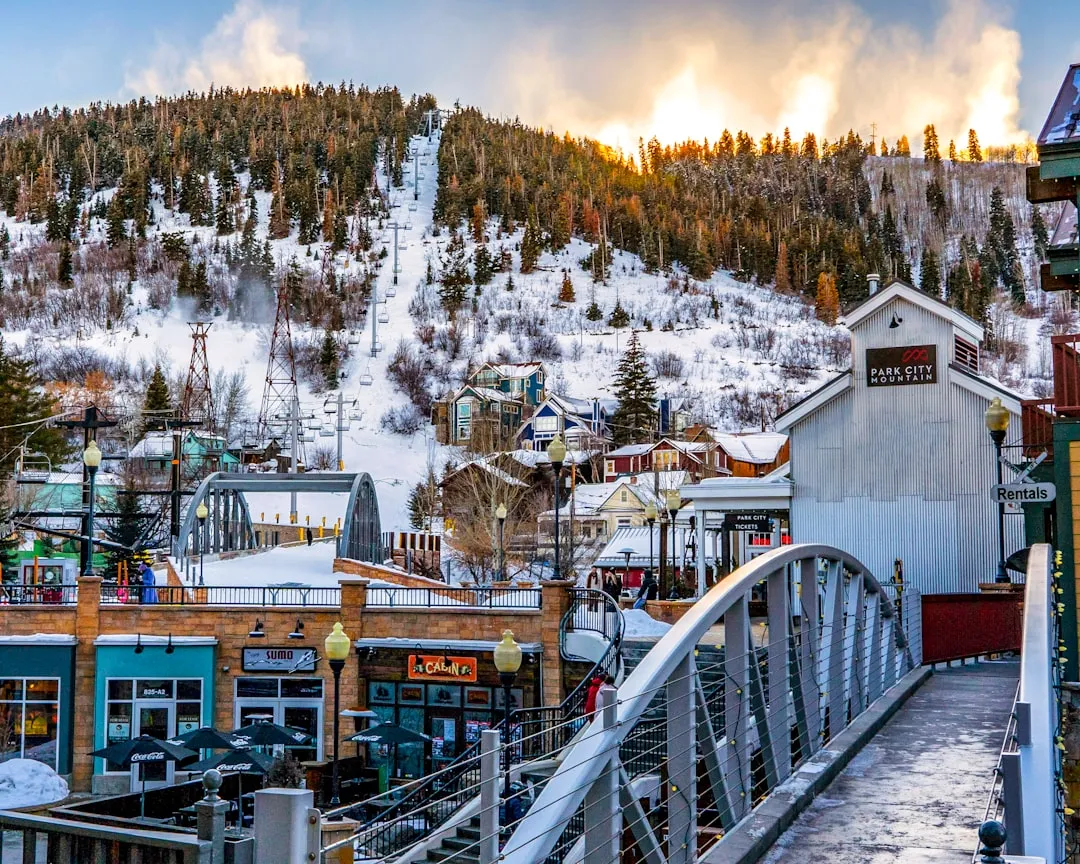
Part of what makes Park City feel like an escape rather than just another suburb is its size. As of 2025, Park City’s full-time population stands at approximately 8,284. For comparison, Salt Lake City proper is home to well over two hundred thousand people. The shift in scale is immediate and noticeable.
Park City welcomes over four million visitors annually, about 2.6 million during the winter season and 1.4 million throughout the summer. That visitor figure tells an interesting story: the town punches far above its residential weight. The infrastructure, the restaurants, the trails, and the mountain access are all sized for a much larger crowd than its permanent population alone could sustain. Salt Lake City residents benefit directly from that quality of offering without having to pay the price of living in a tourist hotspot full time.
Outdoor Recreation Beyond the Ski Slopes

When the lifts stop running, the mountains don’t close. Hiking, mountain biking, trail running, and cycling take over through spring, summer, and fall, giving Park City a genuinely full outdoor calendar. The trail networks surrounding the town are extensive, well-maintained, and mostly free to access.
Utah’s broader outdoor recreation economy reflects just how seriously the state takes this infrastructure. Utah’s outdoor recreation economy broke records in 2024, reaching 9.5 billion dollars. The Utah Division of Outdoor Recreation reported an annual economic impact of ten billion dollars from outdoor recreation in 2025, supporting over 70,000 jobs in the state. Park City sits at the center of much of that activity, with trail access and mountain terrain that draws residents from the valley every weekend the weather allows.
Getting There Without the Stress
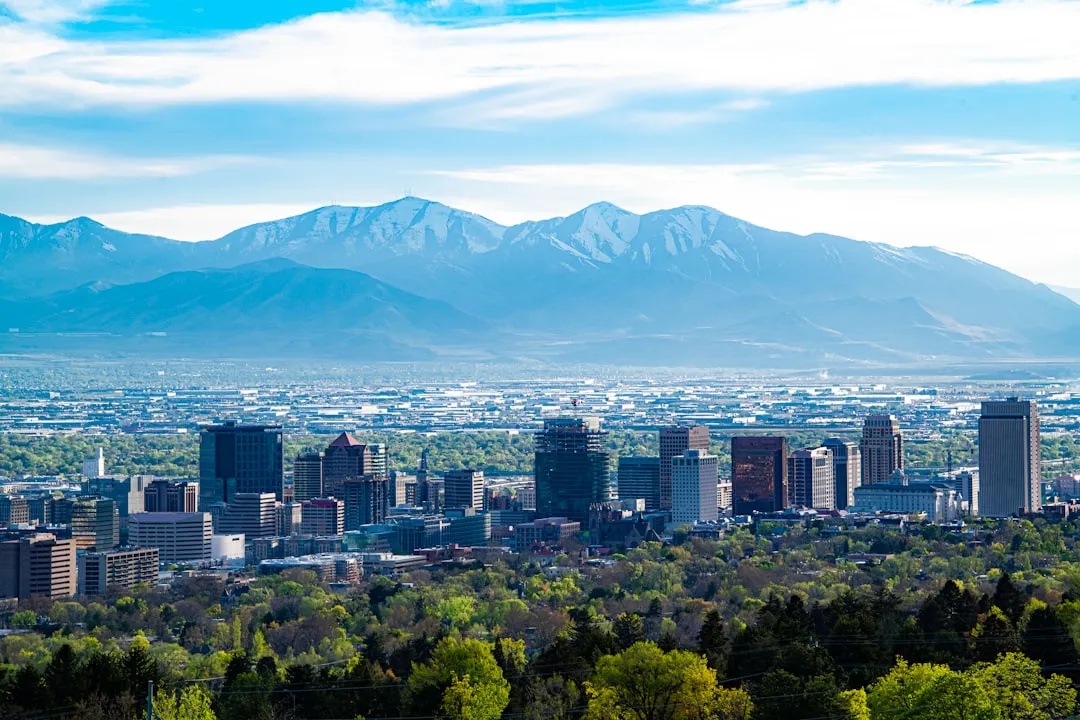
If you don’t want to drive, you can take a bus from downtown Salt Lake City to Kimball Junction in Park City, and from there connect to all the area’s main attractions. Having a transit option, even an imperfect one, reduces the friction of the trip meaningfully for those who’d rather skip freeway driving entirely.
You’ll either need a car or the free trolley service to get around to the Utah Olympic Park and the ski resorts, and the best way to get around Park City once you’re there is to drive yourself. Still, for those based in Salt Lake City, the familiarity of the route makes the drive feel routine rather than demanding. It’s the kind of road locals can do without thinking, which is part of what keeps them coming back.
A Living Museum of the Mountain West
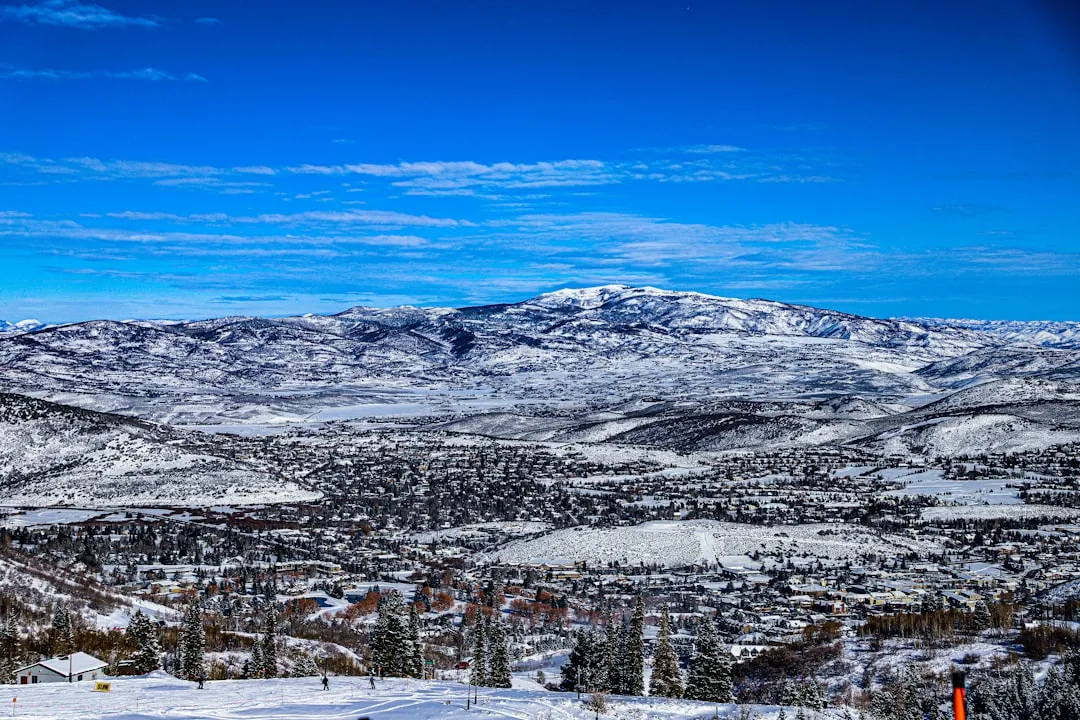
Today there are still more than 1,000 miles of old silver mine workings and tunnels sitting below the slopes of Park City Mountain Resort and Deer Valley. That underground history gives the whole place an unusual depth. You can ski over land that was once burrowed through by nineteenth-century miners, ride a lift past remnants of old mine infrastructure, and then walk into a Victorian-era building for dinner.
History enthusiasts will appreciate the Park City Museum, which chronicles the town’s rich silver mining heritage. For Salt Lake City residents who have lived in Utah for years, there’s still something left to discover in Park City’s story. It rewards repeat visits in a way that purely scenic destinations often don’t, because the layers of history give context to what you’re looking at.
The Quiet That the Valley Can’t Offer
There’s something harder to quantify about why people go. Salt Lake City is a city of real consequence, growing fast and carrying all the noise that comes with that. Utah’s population reached over 3.5 million people in 2025, and much of that growth concentrates in the Wasatch Front. Density, traffic, and the low-level hum of urban life are increasingly part of daily existence for residents in the metro area.
Park City offers a counterweight. It’s not isolation, it’s not remoteness, and it’s certainly not undiscovered. But it carries a pace and a quiet that the valley genuinely cannot replicate. The canyon road in, the mountain air, the scale of the streets – they all work together to produce the feeling that something has been temporarily set down. That may be the simplest and most honest answer to why Salt Lake residents keep making the drive.
The Takeaway
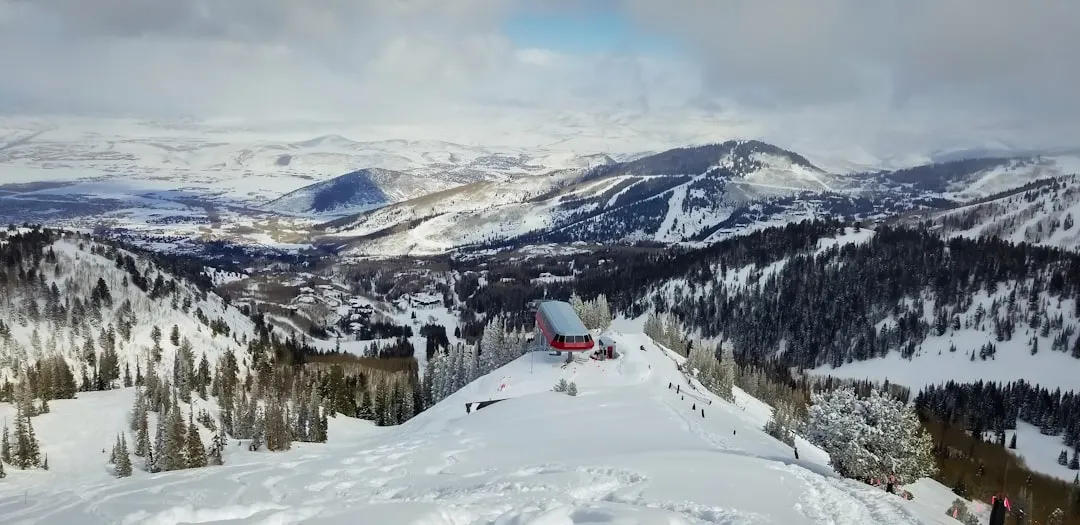
Park City’s appeal to Salt Lake City residents isn’t really a mystery. It’s proximity layered over genuine quality. The skiing is world-class, the history is deep, the culture has real dimension, and the outdoor access is remarkable year-round. You don’t need to travel far to find something meaningfully different from where you started.
What makes a place feel like an escape isn’t always distance. Sometimes it’s elevation, a change in pace, and a town that has managed to stay interesting across multiple lifetimes of reinvention. Park City has done exactly that, and the steady stream of cars heading up the canyon every weekend is the most honest measure of what that’s worth.
AI Disclaimer: This article was created with the assistance of AI tools and reviewed by a human editor.