
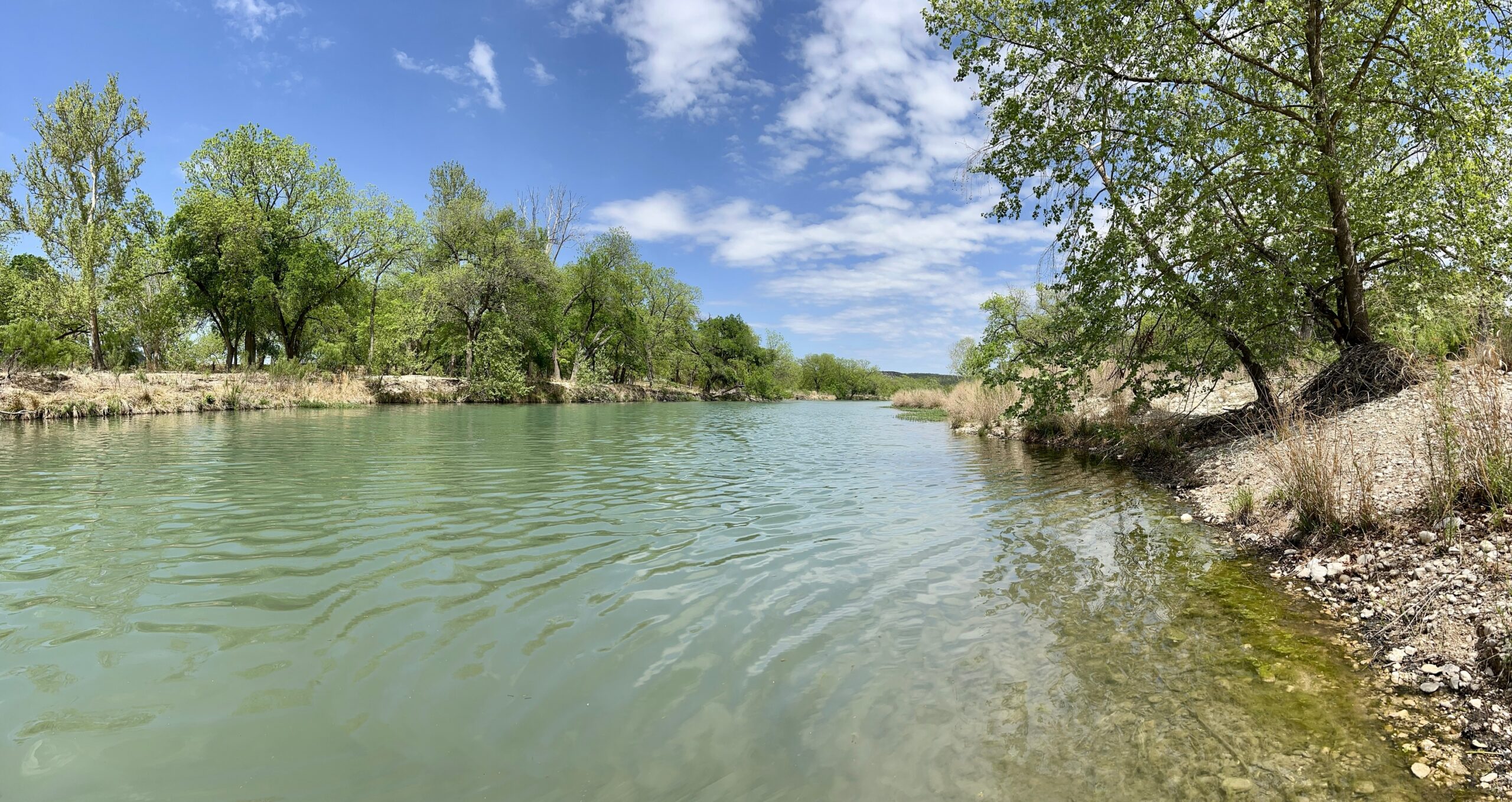

Most people picture Texas as an expanse of dry plains and relentless summer heat. That image isn’t entirely wrong, but it leaves out something remarkable: tucked into the limestone hills west of Austin lies a network of spring-fed swimming holes so clear, lush, and cool that they genuinely stop first-time visitors in their tracks.
The water here doesn’t come from a hose or a filtration plant. It rises from ancient aquifers, filtered through millions of years of porous rock, and emerges at temperatures that feel almost shockingly refreshing against the Texas summer sun. This is the Hill Country at its most quietly spectacular.
The Underground Engine Powering It All
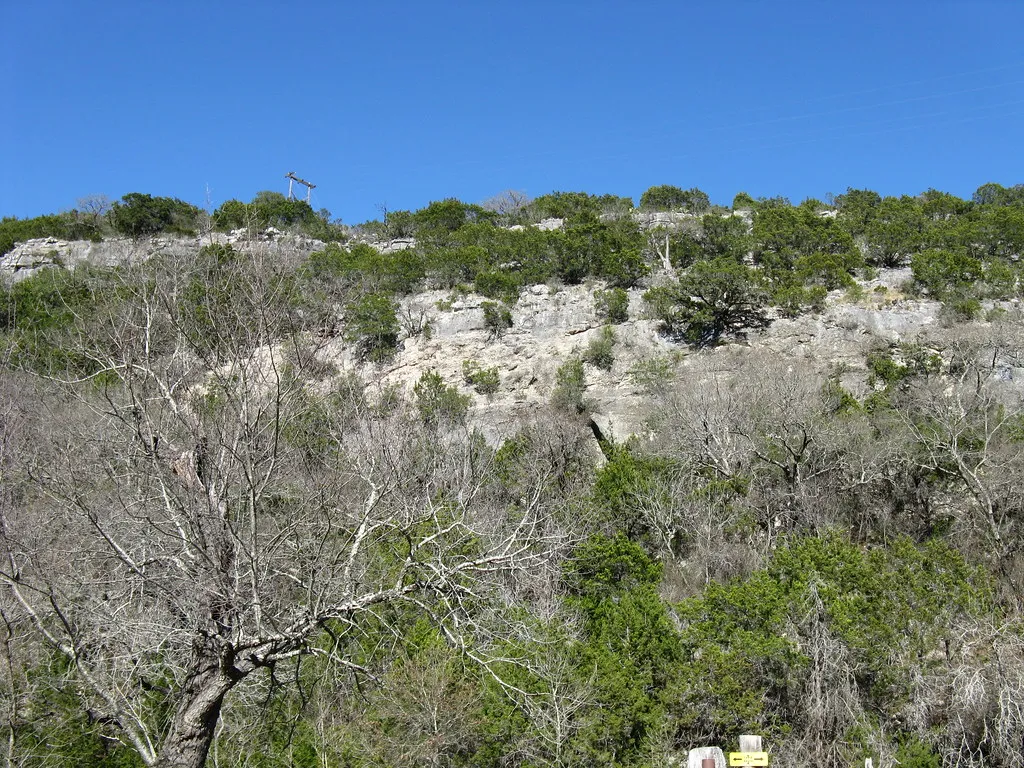
The Edwards Aquifer is one of the most prolific artesian aquifers in the world, located on the eastern edge of the Edwards Plateau in Texas. This highly productive karst limestone aquifer feeds major springs like Comal and San Marcos Springs, supplying drinking water to around 1.7 to 2 million people. Without it, the Hill Country’s famous swimming holes simply wouldn’t exist.
Many of the springs in the Texas Hill Country draw from the Edwards and Edwards-Plateau aquifers. A regular aquifer simply holds water, but an artesian aquifer holds water under pressure. That pressure finds relief through the numerous springs across the Hill Country, where the water forces itself out at the surface. It’s geology doing the work of a pump, quietly and continuously.
Krause Springs: A Family Legacy Since 1955
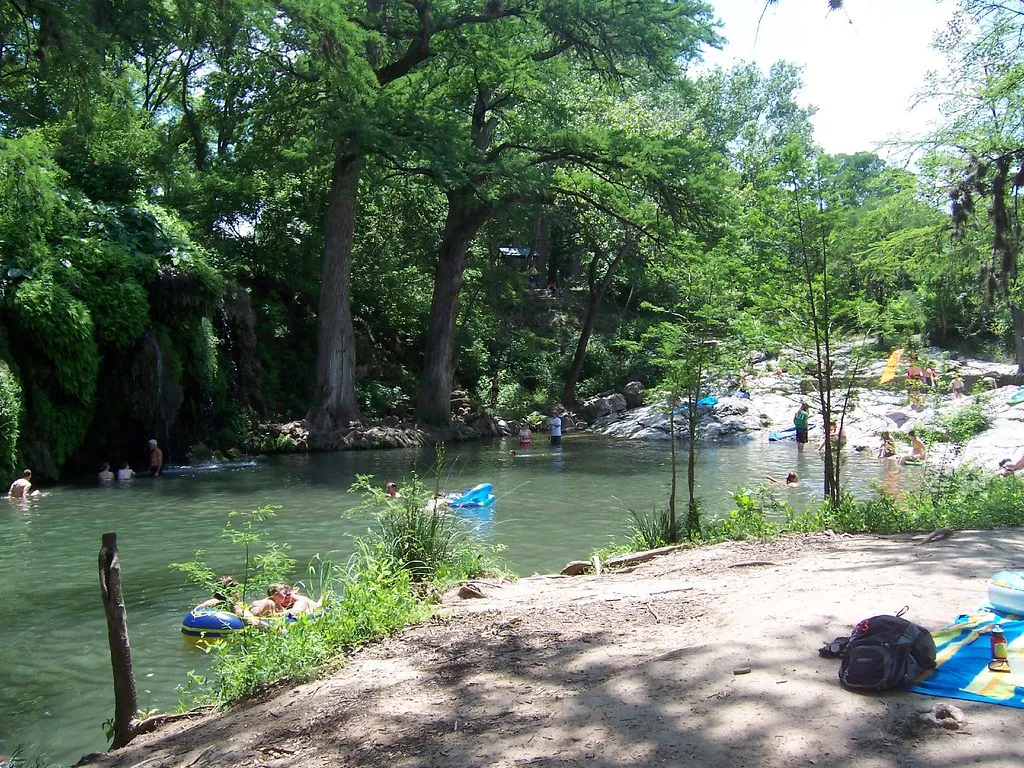
Just a 45-minute drive northwest of Austin, Krause Springs is one of the best swimming hole spots in the Central Texas Hill Country. It’s a 115-acre property listed on the National Registry of Historic Sites, founded by the Krause family in 1955 and in their ownership ever since.
The 115-acre property holds 32 springs, several of which feed the man-made pool and the natural pool, both of which flow into Lake Travis. Two springs alone feed the main 70-foot by 20-foot swimming pool at a rate of 70 gallons per minute, at a temperature of about 70 degrees.
The private, family-owned paradise offers a mix of natural and man-made pools framed by towering cypress trees. Waterfalls trickle over limestone ledges into clear swimming areas, and rope swings add a playful touch. Wander the lush grounds and you’ll find hidden grottos, gardens, and picnic spots. With onsite camping available, Krause Springs is ideal for a weekend getaway where you can fall asleep to the sound of running water.
Hamilton Pool Preserve: Where a Ceiling Fell and a Wonder Was Born
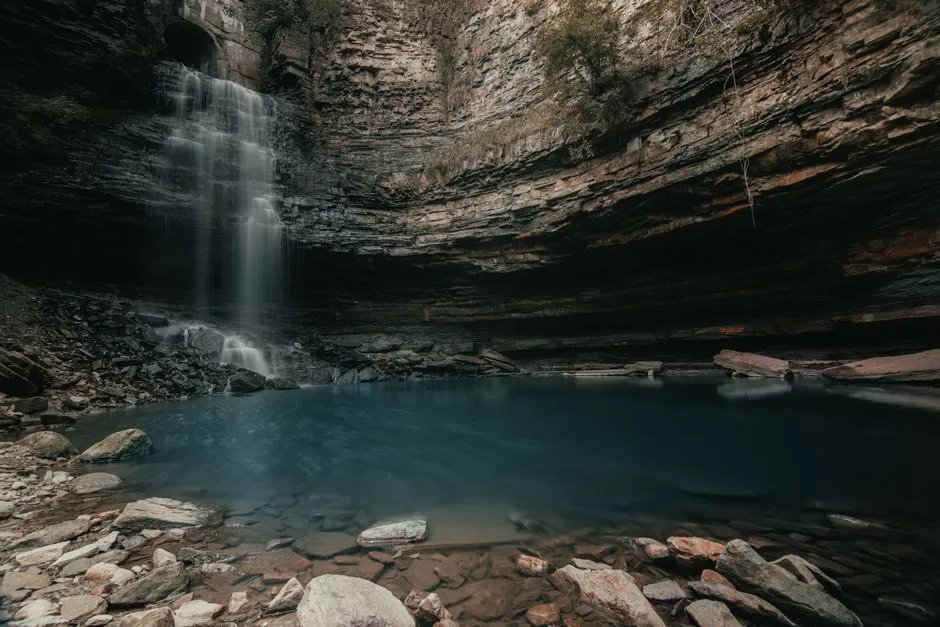
Long before humans walked the Texas Hill Country, Hamilton Pool was born from a dramatic geological event. More than 8,000 years ago, the dome of an underground river collapsed, leaving behind a stunning open-air grotto and a naturally-fed pool. The force of water over millennia shaped the limestone walls, while continuous erosion helped form the waterfall that still flows today, especially after heavy rains.
Hamilton Pool Preserve consists of 232 acres of protected natural habitat featuring a jade green pool into which a 50-foot waterfall flows. The pool is surrounded by large slabs of limestone that rest by the water’s edge, with large stalactites growing from the ceiling high above. The ceiling and surrounding cliffs of the grotto are also home to moss, maidenhair fern, and cliff swallows.
The history of the Hamilton Pool land dates back over 8,000 years and includes inhabitation by Native American groups such as the Tonkawa, Lipan, and Apaches in the 1800s. The preserve was designated a nature preserve by the Travis County Commissioner’s Court in 1990. Visiting today, it’s easy to feel why this place was considered sacred for so long.
Jacob’s Well: Ancient, Artesian, and Deeply Beautiful
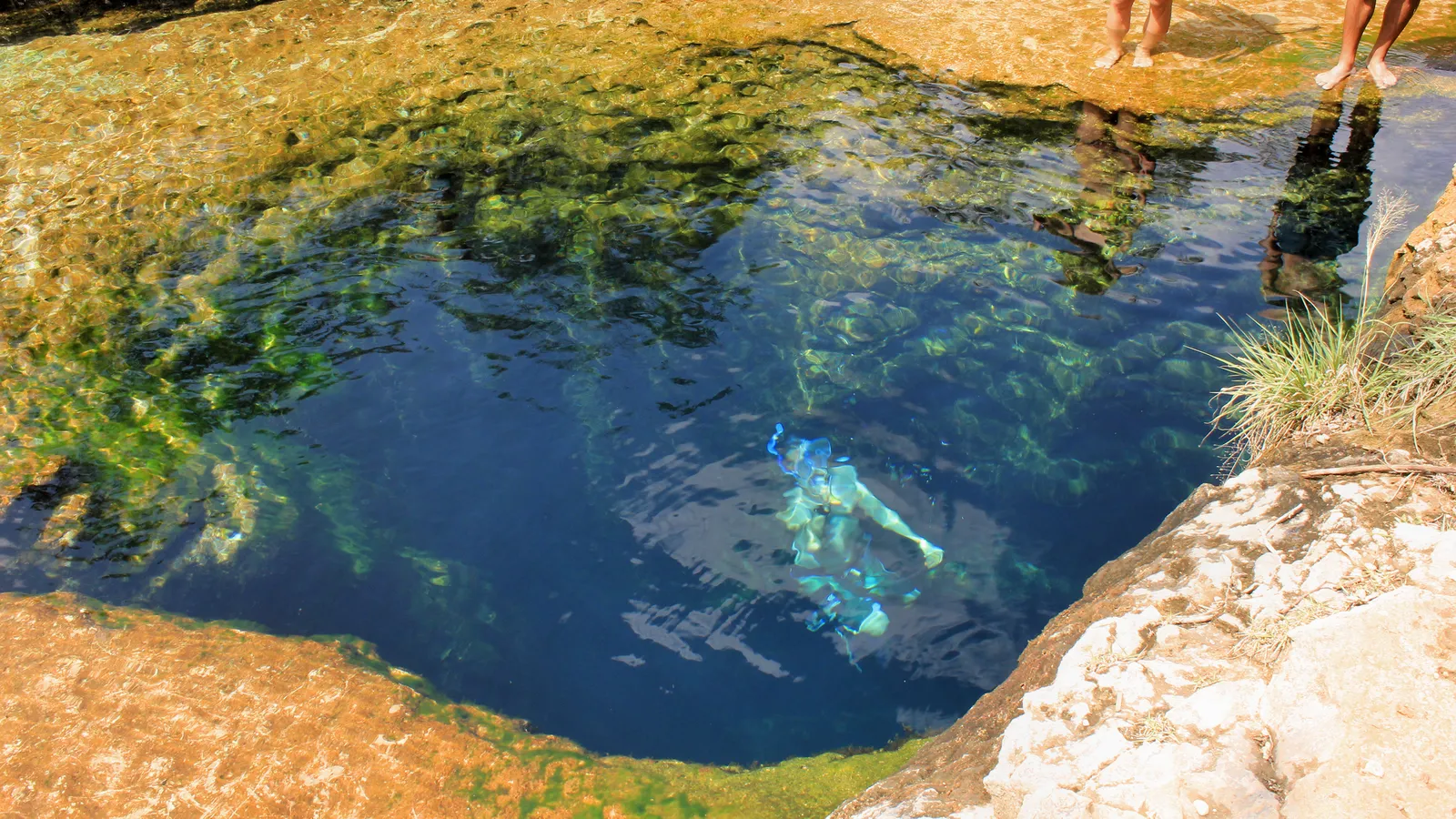
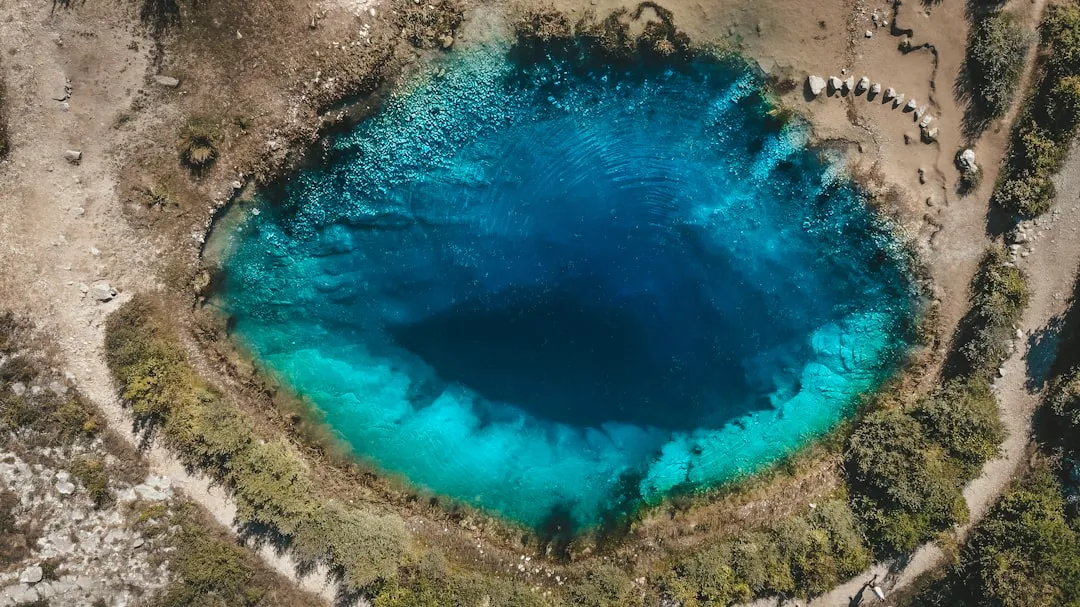
Jacob’s Well is as dramatic as it is beautiful: a perfectly round artesian spring where water from the Trinity Aquifer surges up into a vertical underwater cave system. Its glassy, crystal-clear surface hides a drop that thrill-seekers love to leap into.
Jacob’s Well is the second-largest completely submerged cave in Texas. The cavern system has a main cavern of 4,341 feet in length and a secondary one of 1,314 feet. The deepest part of the cavern system reaches 140 feet. From the surface, it appears almost impossibly still and serene.
Once a beloved Texas swimming hole, Jacob’s Well in Wimberley is no longer open for swimming, though that hasn’t stopped travelers from seeking it out. This iconic artesian spring, carved deep into Texas limestone, remains one of the most fascinating natural landmarks in the Hill Country, drawing visitors for its beauty, mystery, and history. Visitors can still walk the trails, view the iconic spring, and learn about its geology and history, making it a worthwhile stop on a Texas Hill Country trip.
Barton Springs Pool: Austin’s Living, Breathing Swimming Hole

Barton Springs is the most popular spot in Austin to bathe away the heat of the Texas summer. The water runs at a consistent 71.6 degrees Fahrenheit and the pool is long enough to provide plenty of room for laps and races.
Once revered by the Tonkawa people, Barton Springs now sustains the endangered Barton Springs Salamander and fuels heated conversations about urban water use and aquifer conservation. It’s one of those rare places where recreation, ecology, and cultural memory genuinely overlap.
A handful of options at Barton Springs are free or low-cost, including early-morning unguarded swim hours at Barton Springs Pool. For a city of nearly a million people, that kind of accessible natural amenity is genuinely unusual anywhere in America.
The Cypress Trees That Make It Feel Tropical
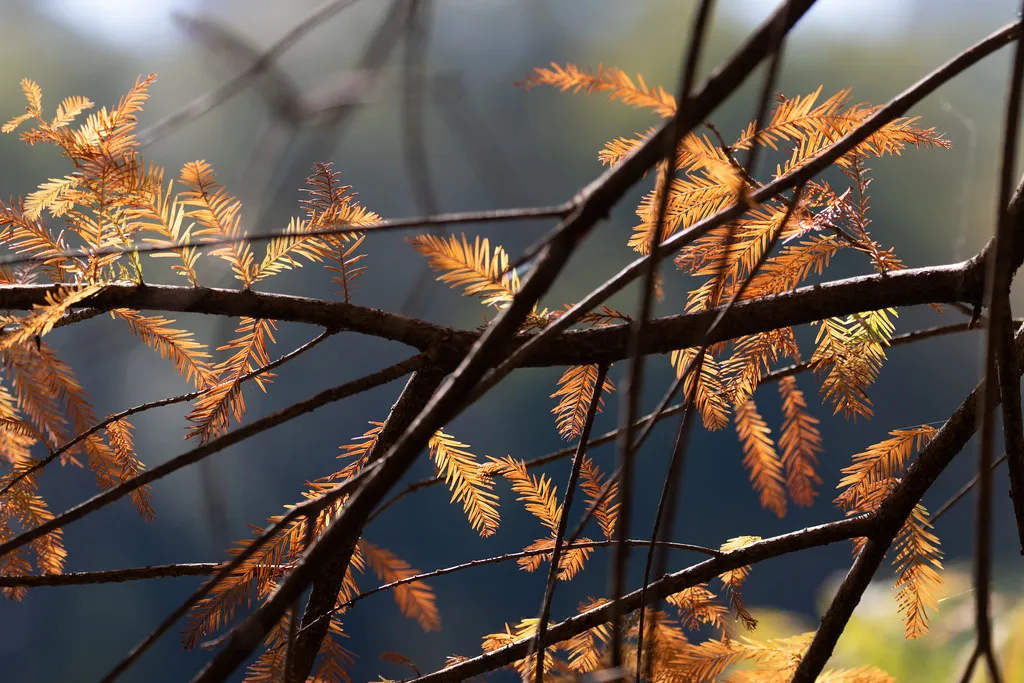
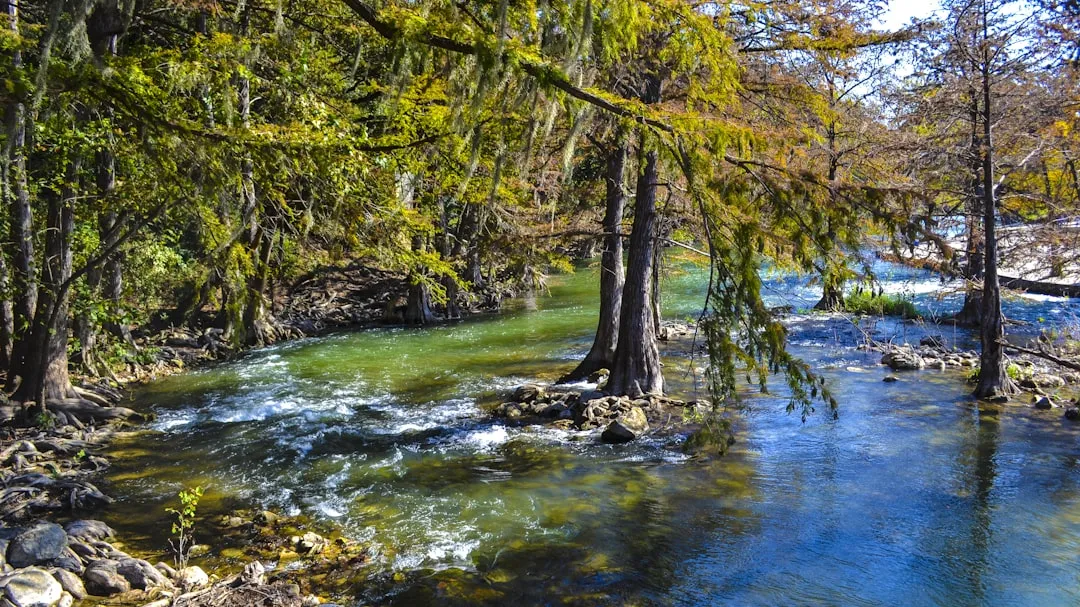
Sycamores and bald cypress border the waterways throughout the Edwards Plateau region. These towering trees, draped with feathery foliage and stretching their roots directly into the spring water, are the visual reason so many visitors describe the Hill Country springs as feeling almost tropical. They soften the limestone edges and cast deep, moving shade over the pools below.
At Krause Springs, the natural swimming area includes a waterfall and a cave. The entire area is surrounded by cypress trees and rocks. It’s a combination that feels more like somewhere in the Caribbean than the Texas interior, until you look up and see the cedar-covered hills closing in around you.
The Blanco River and Blue Hole: Quieter Alternatives Worth Seeking
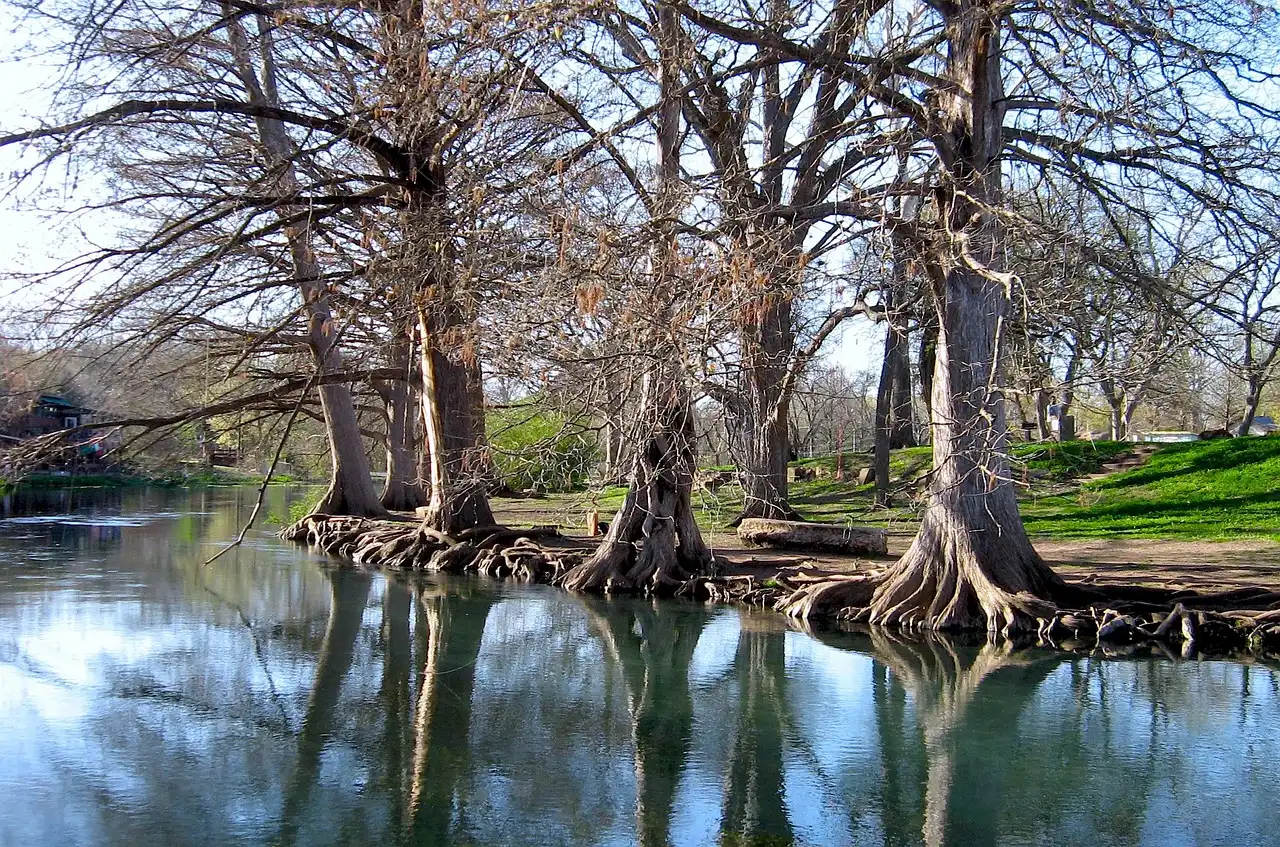
The beautiful Blanco River is one of the prettiest in Texas, but most of its banks sit on private land, making public access difficult. One exception is Blanco River State Park in the town of Blanco, where dams have created a deep section suitable for swimming.
Blue Hole Regional Park in Wimberley is the closest and most popular swimming alternative to Jacob’s Well. It draws families and solo travelers looking for something calmer, where the spring-fed waters of Cypress Creek create a natural pool shaded by old-growth trees. The atmosphere is distinctly unhurried.
Wildlife, Ecology, and the Living Web Beneath the Surface
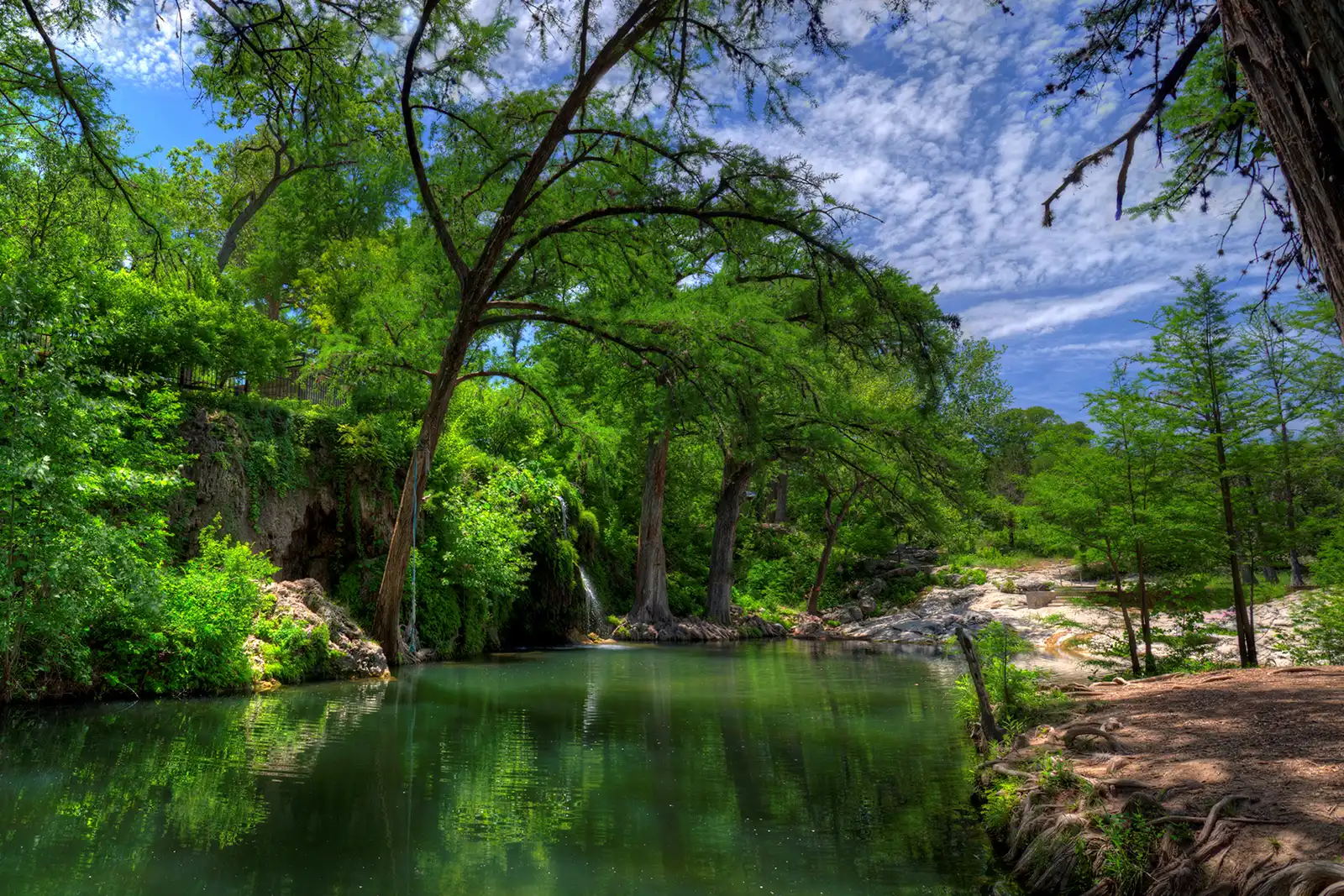
The ceiling and cliffs of Hamilton Pool’s grotto support moss, maidenhair fern, and cliff swallows, while the Ashe juniper uplands of the preserve are home to the endangered golden-cheeked warbler. These springs don’t just serve swimmers. They anchor entire ecological communities.
The Edwards Aquifer is critical for several endangered species that depend on spring flows, including those found at Barton Springs and Comal. The cleanliness and temperature consistency of these waters create conditions that some rare creatures can find nowhere else on earth. That’s a reason for both wonder and careful stewardship.
Water Levels, Drought, and Why Conditions Change
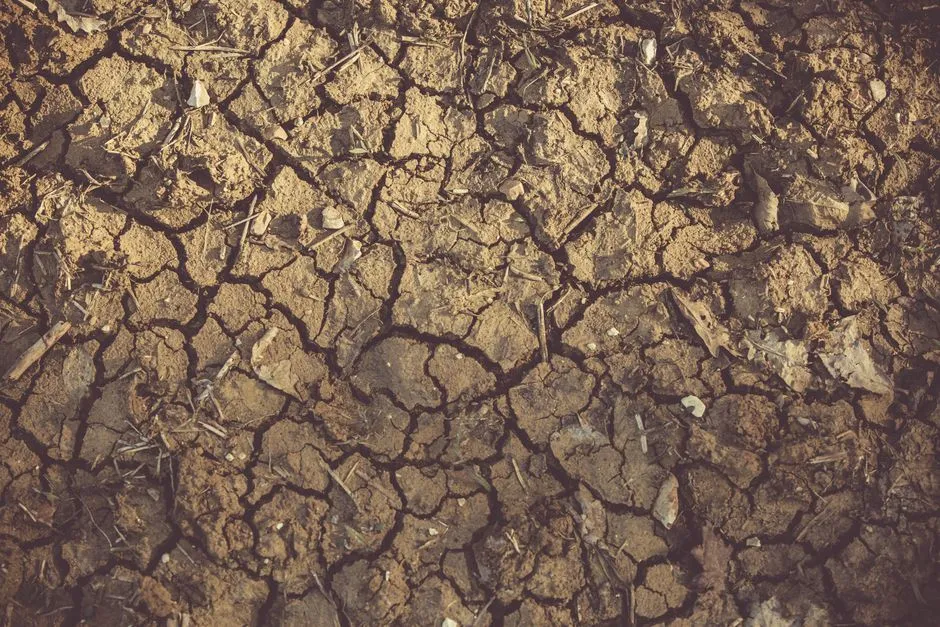
The Hill Country relies on the Edwards Aquifer, a karst aquifer that fills up fast and empties even faster. For all its beauty, the Hill Country is a region prone to teetering between flooding and drought. The springs that feel permanent and timeless are, in ecological terms, genuinely sensitive.
Jacob’s Well Spring reported zero flow for most of August 2024, then spiked to 6 cubic feet per second after the Wimberley Valley received nearly 2 inches of rain between September 2 and 4. That kind of volatility is a reminder that these places respond directly to what happens in the sky above them.
Most springs are natural areas and therefore subject to the whims of nature. Many are not open when there has been too little or too much rain. Always check current conditions before you drive out. It saves frustration and, more importantly, protects the springs from visitors arriving at fragile moments.
Planning a Responsible Visit: What You Need to Know
Several spots, including Blue Hole, Hamilton Pool, and Jacob’s Well, require advance reservations, especially from May through September. Natural creek and greenbelt swimming is always subject to water levels and conditions. Always check before you go.
Hamilton Pool Preserve visitors are currently allowed to get into the water at the pool from the beach, but only a very limited portion of the pool is available for water access due to the problem of falling rocks. Whether swimming at the pool will be allowed depends on factors such as bacteria levels and recent rain. The preserve is managed thoughtfully, and those parameters exist for good reason.
The Texas Hill Country is also well known for its spring wildflower displays, which may be viewed in spring, late summer, and fall. A visit outside peak summer season can be surprisingly rewarding: fewer crowds, softer light, and the water every bit as clear and cool.
A Landscape Worth Returning To
The Hill Country springs aren’t a secret, exactly, but they reward visitors who approach them with curiosity rather than just a checklist. The constant water levels, even during droughts, stem from the unique limestone outcroppings and underground aquifers, creating a perennial oasis amid the Central Texas Hill Country.
What makes these places feel tropical isn’t just the cypress canopy or the jade-colored water. It’s the sense that the land here is genuinely alive, fed by something ancient and pressurized deep below. The oasis quality is real, and it has been sustaining life in this corner of Texas for thousands of years before the first visitor ever showed up with a towel.
Come for the swim. Stay for the understanding that Texas, like most places, is far more layered and surprising than its postcard image suggests.
AI Disclaimer: This article was created with the assistance of AI tools and reviewed by a human editor.