
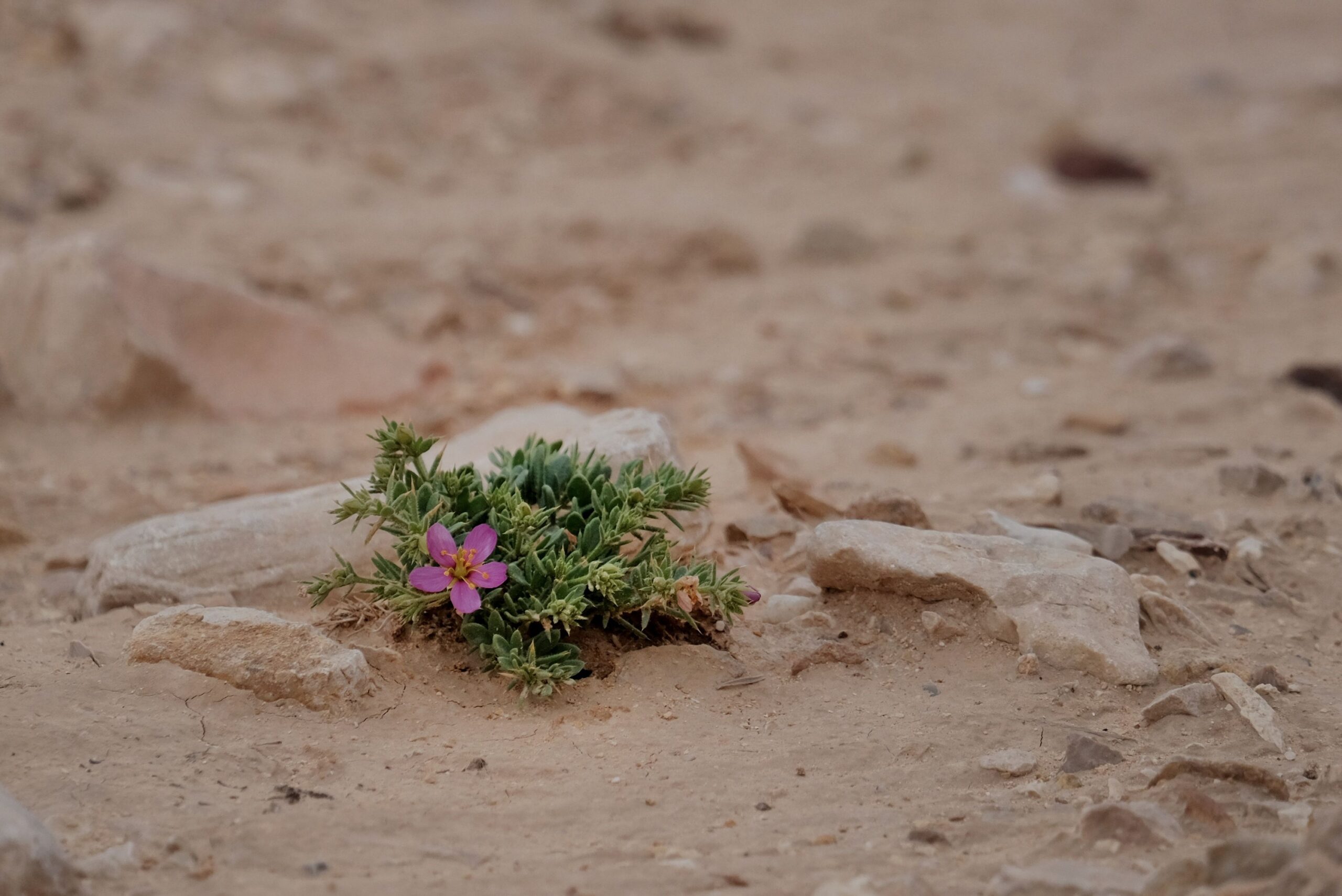

Every few years, the American desert does something that feels almost impossible. A landscape that spends most of the calendar year in shades of tan and grey suddenly erupts in color – purple phacelia, golden desert sunflowers, orange poppies, and white evening primrose spreading in every direction as far as the eye can reach. It’s one of nature’s most quietly dramatic events, and if your timing is off by even a week, you can miss the whole thing.
The window for peak bloom is notoriously short and genuinely unpredictable. A good bloom cannot be reliably predicted more than a week or two before it begins, and it lasts at peak beauty for no more than two weeks. That reality makes planning feel like a gamble. Understanding the science, the locations, and the signals that experienced observers watch for can make that gamble a much more informed one.
What a Super Bloom Actually Is
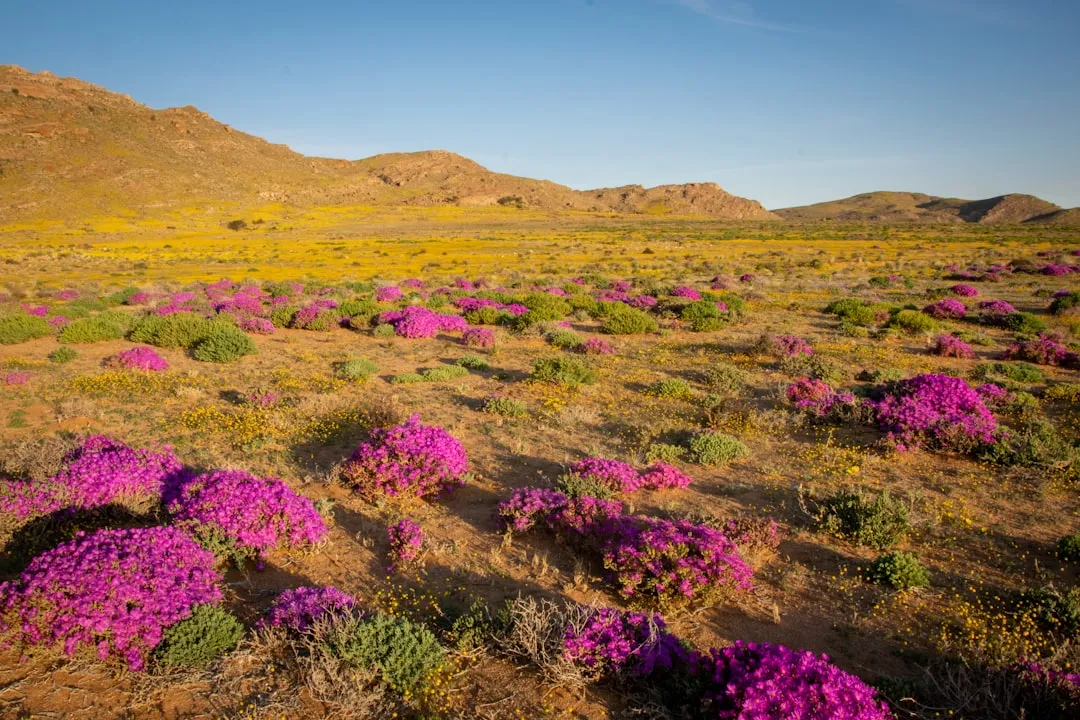
A super bloom is a rare botanical occurrence where an unusually high proportion of flowers sprout all at once from dormant seeds within the earth. It only happens when the conditions are just right. The term gets used loosely, but the phenomenon itself is precise and demanding. Scientists point to a very specific chain of events, beginning with dormant seeds that can lie inactive in the soil for years or even decades, waiting for the right moment.
Three factors generally need to align: a wet winter, ideally following a dry year that reduces competition from invasive grasses, mild temperatures during germination, and well-timed spring warmth. When these line up, deserts can host what locals call “carpet blooms,” flowers so dense you literally can’t see the ground. It’s a spectacle that rewards patience and penalizes assumption.
The Science Behind the Spectacle
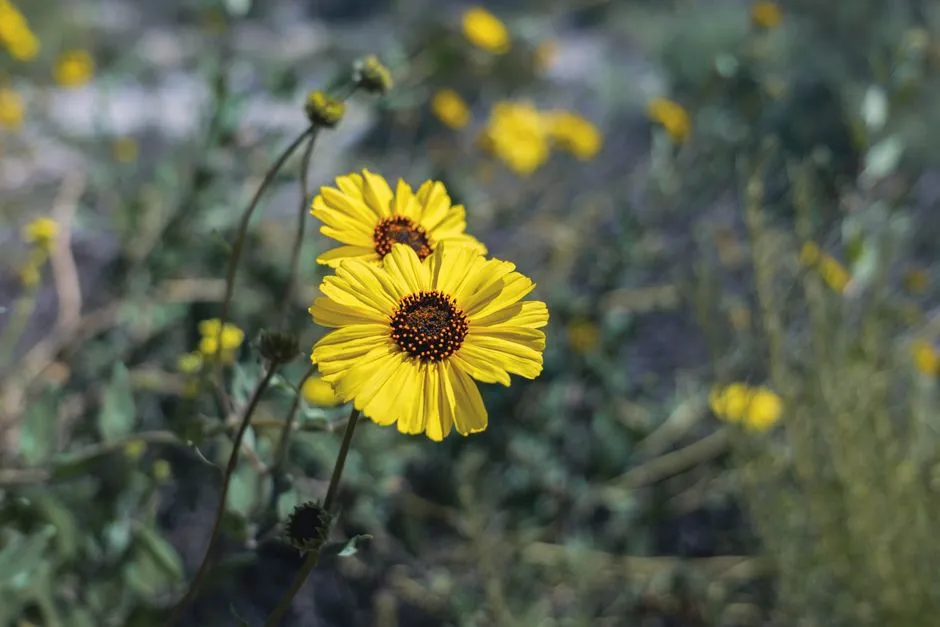
Spring-blooming annuals must germinate in the autumn. This is a crucial fact that most people don’t know. The “critical window” is probably between late September and early December, but differs with different species. What triggers them is rain arriving at the right moment, in the right amount, at the right temperature.
A “triggering rain” of at least one inch must occur during this autumn window, the earlier the better after summer heat has waned. Rains at other times will seldom trigger germination of the showy-flowered species. After that first trigger, the plant still needs ongoing support. The triggering rain must be followed by regular rains totaling at least an inch per month through March, a season total of at least five inches, with seven or eight being better. In short, a really good wildflower bloom requires both an unusually early and an unusually wet winter rainy season.
Spectacular, widespread shows occur about once in 10 years in the Sonoran and Mohave Deserts. That rarity is part of what makes them so worth chasing.
The Classic Peak Timing Window
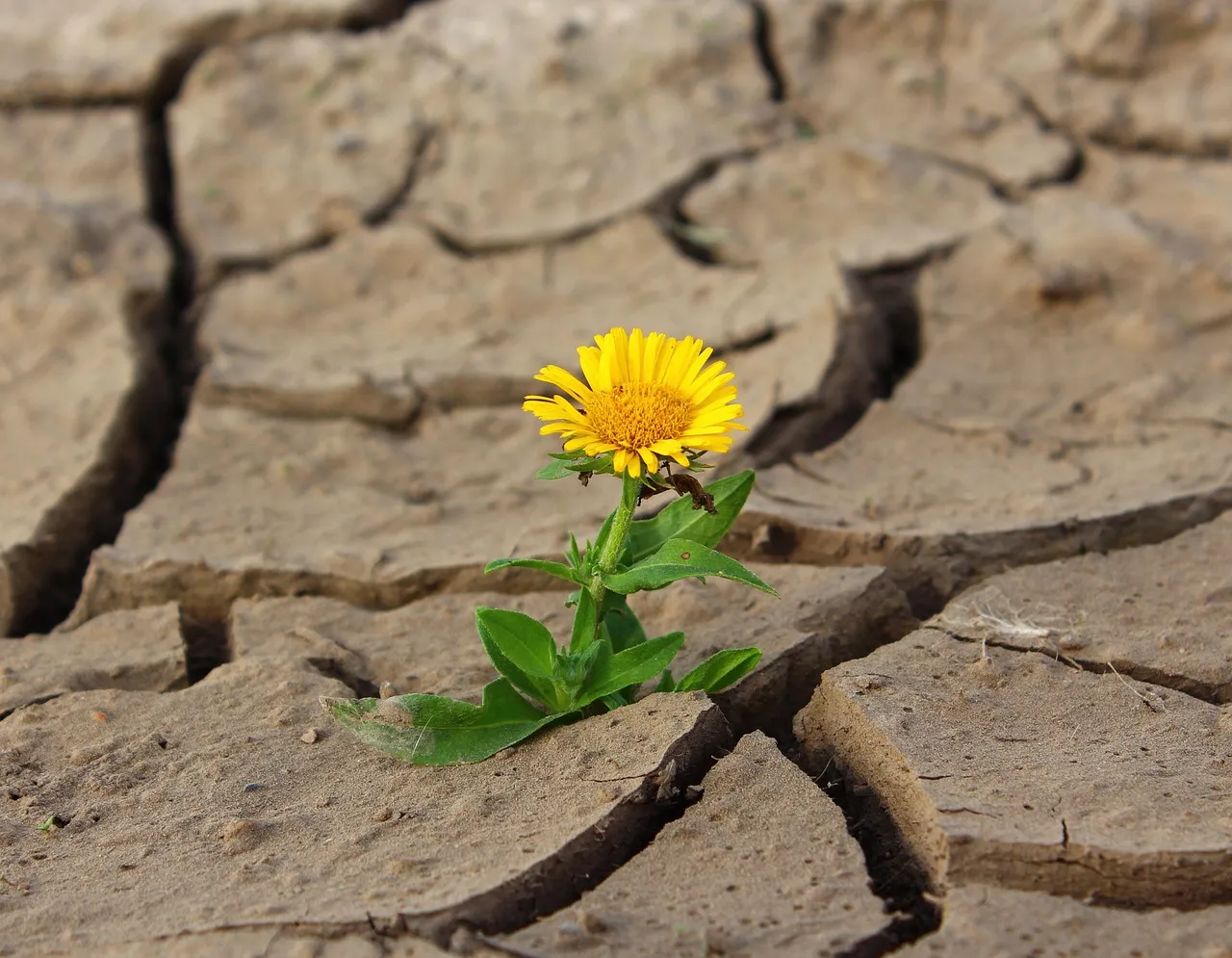
The vast carpets of color for which the Sonoran and Mojave deserts are famous typically occur between late February and mid April, usually in mid March. That said, local conditions at each site can shift those dates meaningfully. Elevation matters enormously: lower desert floors tend to bloom earlier, while higher terrain and canyon walls hold color weeks longer.
Peak conditions tend to start in late February in some places, early March in others, and the most intense blooming moves up in elevation as oncoming heat arrives. According to the Anza-Borrego Desert Natural History Association, the peak of the Desert Bloom is typically around March 15, give or take a week. Treat that date as a reference point, not a guarantee.
Anza-Borrego Desert State Park, California
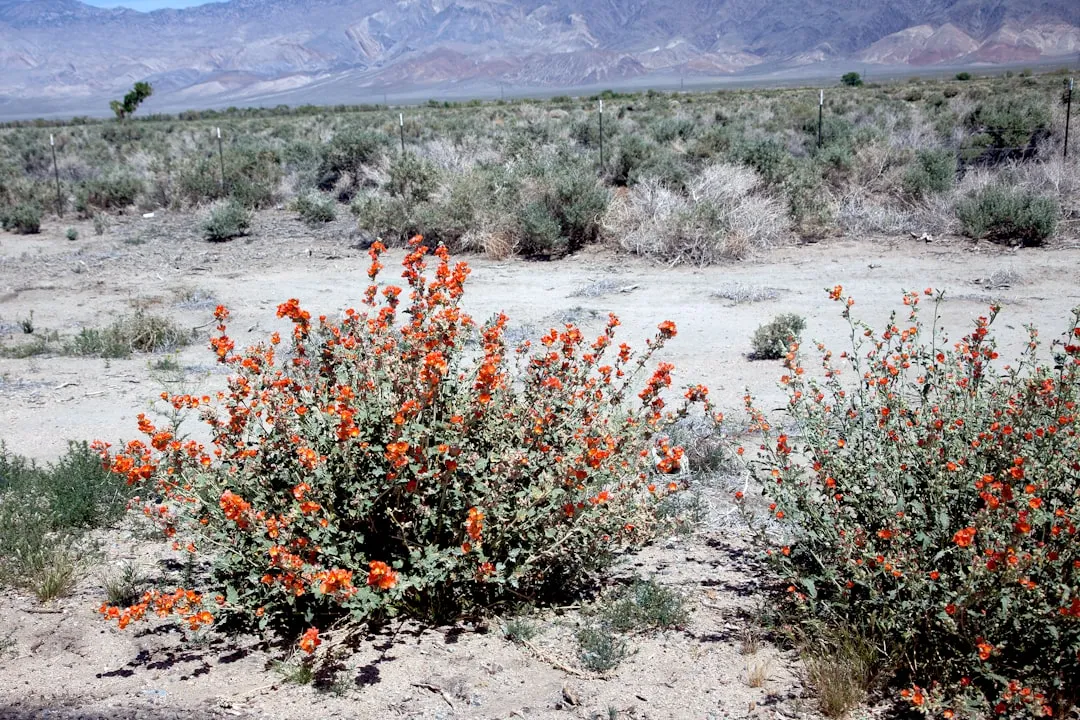
Anza-Borrego Desert State Park is the state’s largest park, sitting about a two-hour drive from San Diego, and it frequently hosts expansive wildflower displays along its desert valleys and canyons. The park is one of the most closely monitored bloom sites in North America, with field observers, volunteer naturalists, and citizen science platforms tracking species week by week.
Blooming wildflowers can include lupine, coreopsis, desert sunflowers, evening primrose, brown-eyed primroses, desert bells, desert poppies, and desert lilies. The bloom’s intensity changes dramatically year to year. In 2025, for example, recent rainfall was not enough to salvage a strong bloom, and the absence of wildflowers was particularly noticeable in Borrego Springs. The Anza Borrego Foundation noted that less than half an inch of rain fell during the winter season, which is not the formula for wildflowers. By contrast, 2026 brought a different story.
Death Valley’s 2026 Season: A Standout Year

Death Valley National Park is one of the hottest, driest places in North America, but under the right conditions the brown desert floor can transform from bare to fields of yellow, purple, and pink, a rare event known as a superbloom. 2026 was shaping up as one of those standout years. If the bloom built the way the National Park Service expected, the peak would occur between late February and early April. Death Valley’s most recent superblooms before that were reported in 2016, 2005, and 1998.
Toward the end of 2025, the National Weather Service reported that Death Valley had experienced record-breaking rainfall. People noticed early blooms popping up in the area, indicating the ground was ready to produce more expansive wildflower fields. The best, most intense wildflower displays were located along the south end of Badwater Road, particularly near Ashford Mill Ruins and toward Jubilee Pass. Peak viewing for the valley floor occurred from late February through early April.
Antelope Valley and the California Poppy Reserve
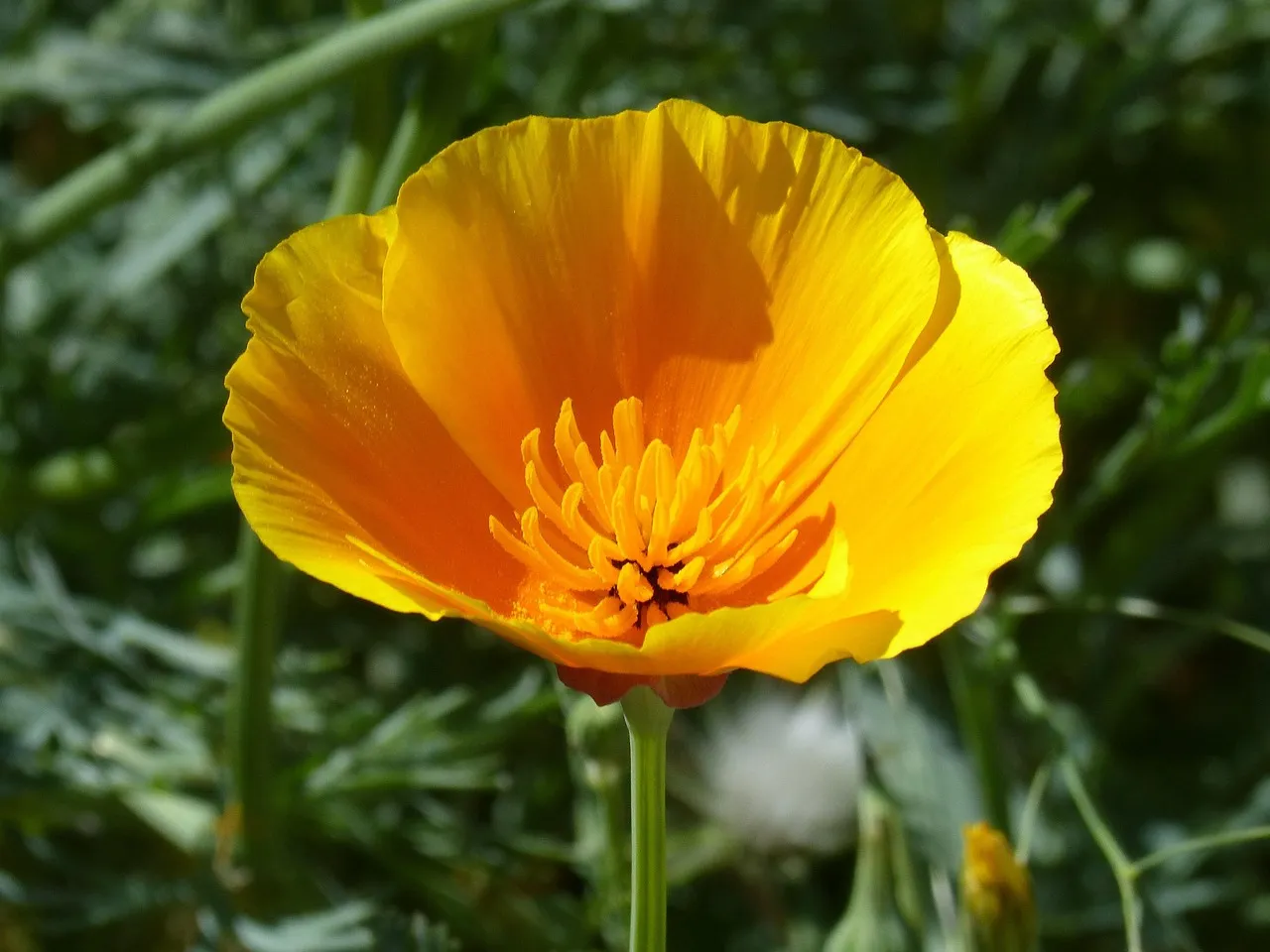
Poppies, the California state flower, grow in abundance in Antelope Valley. The Antelope Valley State Poppy Reserve is a great place to view wildflowers, super bloom or no, north of Los Angeles. The peak viewing period is generally late March through early April, but this varies significantly due to conditions.
California wildflower blooms are known to attract over a million visitors to natural areas such as Lake Elsinore, the Antelope Valley Poppy Reserve, Death Valley National Park, Anza-Borrego Desert State Park, and the Carrizo Plain National Monument. The scale of visitor interest means planning ahead is no longer optional. Residents near the Antelope Valley poppy fields have experienced increasing traffic and disruptions during bloom season. Visitors can still enjoy and photograph the poppies from public roads and designated viewing areas, and cooperation helps keep these beautiful desert landscapes open and welcoming.
Carrizo Plain and the Hidden Bloom Giants
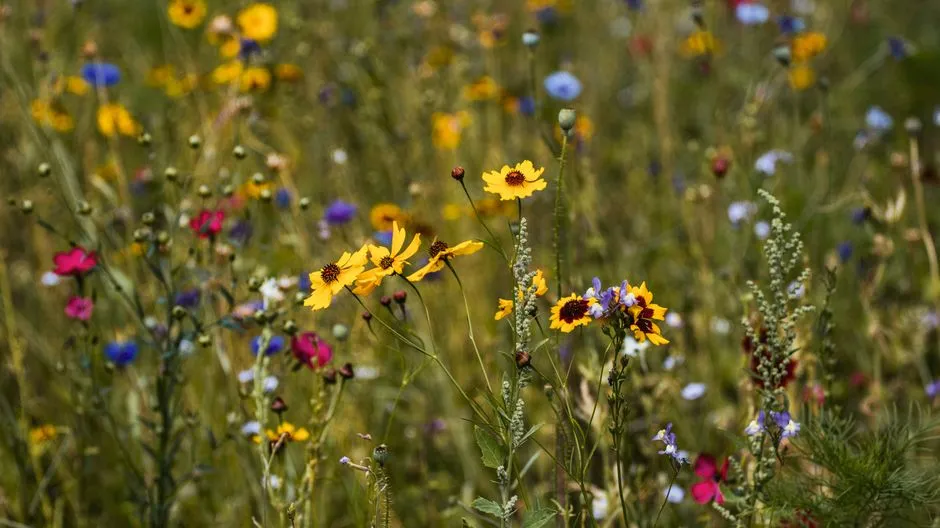
Carrizo Plain is one of the most remote and spectacular wildflower destinations in California. When conditions are right, the Temblor Range turns yellow-orange with hillside daisies and goldfields in a display visible from miles away. The scale here is genuinely different from anything else in Southern California.
As of mid-February 2026, the wildflower season at Carrizo Plain National Monument was beginning with early blooms, particularly on the Temblor Range, featuring yellow and orange colors. The plain sits in a rain shadow and doesn’t always match the timing of coastal ranges or lower deserts, which is part of its appeal for visitors willing to be flexible.
Joshua Tree and the Elevation Gradient
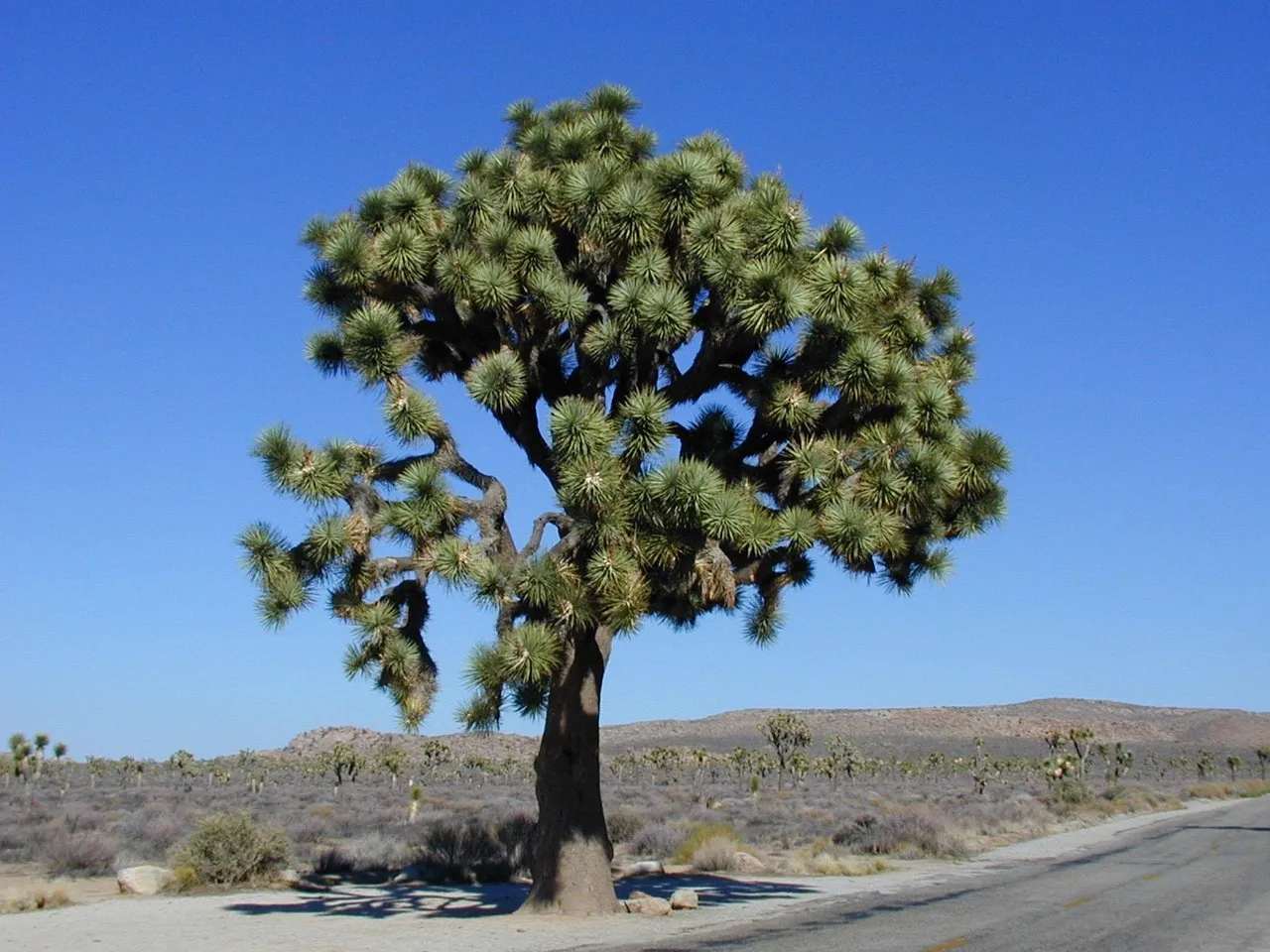
Wildflower viewing in Joshua Tree National Park typically runs from February through June, starting at lower elevations near Cottonwood and moving to higher elevations at Hidden Valley and the Wonderland of Rocks as spring progresses. Peak, colorful blooms of brittlebush, poppies, and cacti often occur from March to May. Best viewing spots include the park’s Southern Entrance, Cottonwood, and the Pinto Basin areas.
This staggered, elevation-driven progression is something many visitors underestimate. A bloom that’s finished at the valley floor may still be at its peak just a thousand feet higher. Thinking of a wildflower trip as a single day in a single location is a missed opportunity when a range of elevations is accessible in the same region.
Why Year-to-Year Variability Is So Extreme
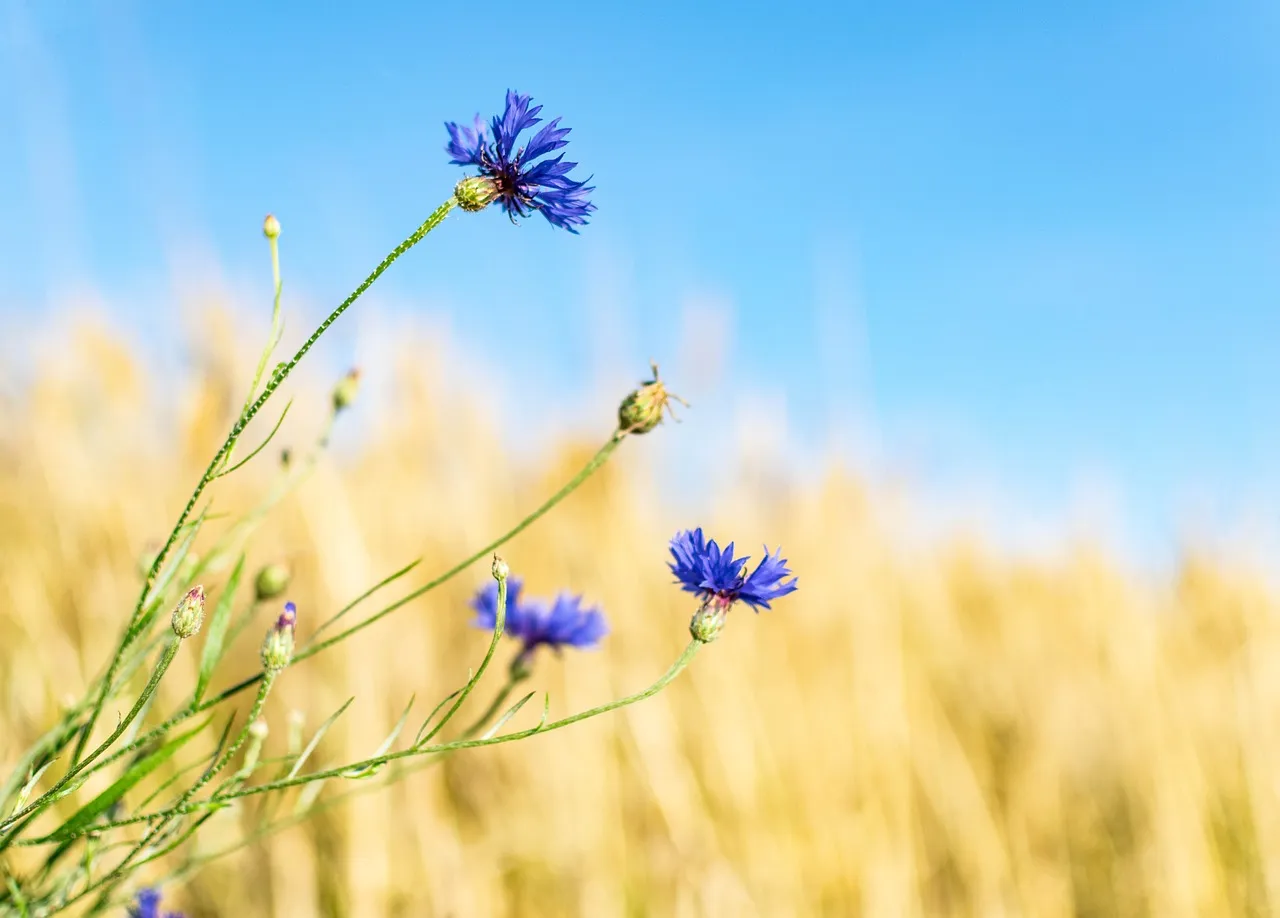
Each year, the unique combination of sun, wind, water, temperature, and elevation sets the stage for the precise location of the best springtime blooms. The contrast between consecutive seasons can be stark. The 2026 wildflower season was defined by abundance and brevity, with heavy precipitation of fifteen to twenty-five inches or more in many areas across Southern California’s interior valleys and foothills triggering strong wildflower germination from late January onward.
The season was excellent but short. Extreme heat in late March accelerated seed set across most locations and compressed the bloom window significantly. The desert locations, Death Valley and Anza-Borrego, peaked earliest and were largely done by early March. That compression is a reminder that even in a strong year, the ideal window can be narrow. Massive and widespread displays occur only about once a decade, when the winter rainy season is both earlier and wetter than normal. Good shows happen in localized areas every three or four years.
How to Time Your Visit Right
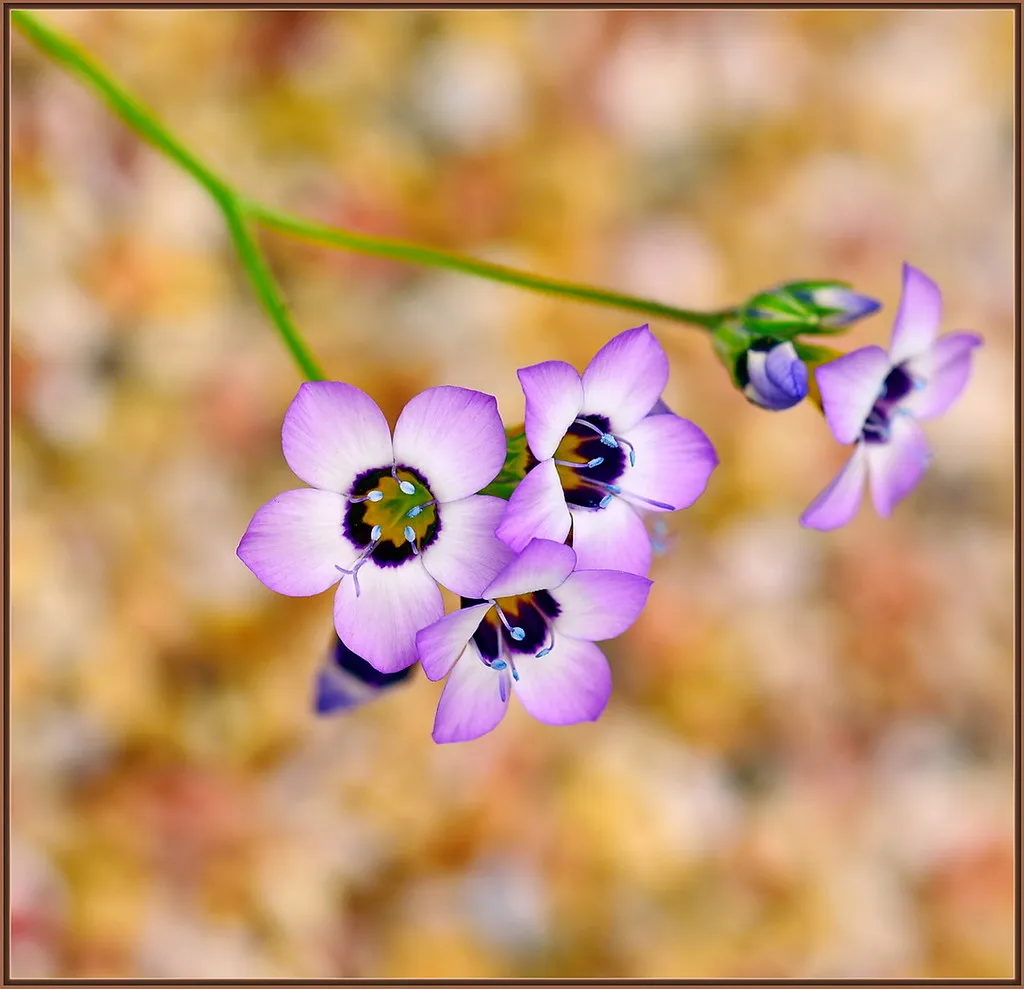
From late February through March, you can find blossoms on the desert floor. To plan your visit to coincide with the peak of the bloom, take advantage of the various wildflower hotlines and information sources available from DesertUSA and state and national parks. The Anza-Borrego Desert Natural History Association maintains a live bloom page, and iNaturalist observations from citizen scientists often give the clearest real-time picture of where flowers are actually opening.
Day trips from cities like San Francisco, Los Angeles, and San Diego can be tiring undertakings, and the best photos are taken at sunset or sunrise, so an overnight camping trip is worth considering to see the sprawling blankets of flowers. Booking campsites well in advance is essential during a strong season. Wildflower timing in the desert is highly variable. Individual blooms may last days to a couple of weeks, while overall wildflower viewing can extend several weeks to a few months depending on conditions. Blooms typically appear in waves, moving through the landscape.
Visiting Responsibly in a Fragile Landscape
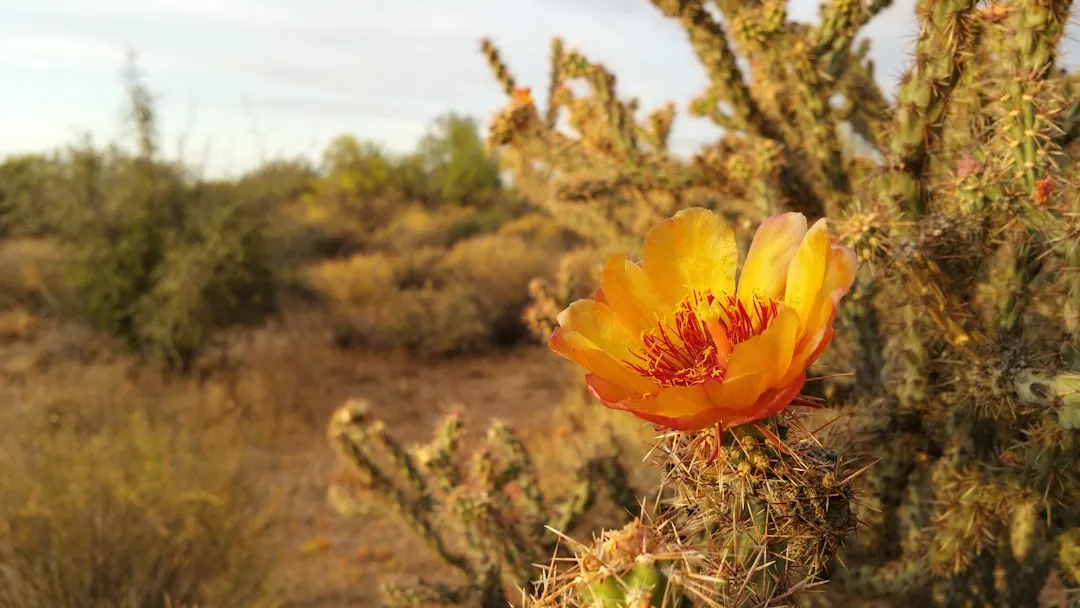
Travelers planning to see the California superbloom are being urged to plan ahead, use official information sources, and follow basic safety and conservation rules, as fragile desert landscapes face renewed visitor interest. The soil crust in desert environments, known as biological soil crust or cryptobiotic crust, can take decades to recover from a single footstep off the trail. Staying on established paths isn’t just a courtesy; it’s the most direct way visitors protect the bloom for future seasons.
These events are becoming both more common and more unpredictable. Climate change is intensifying rainfall events while also lengthening droughts between them. That tension makes responsible visitation more important than ever. The carpets of flowers that draw hundreds of thousands of people to a single canyon require conditions that are genuinely rare and increasingly fragile. Going quietly, staying on trail, and sharing accurate bloom reports rather than exact GPS coordinates all serve the landscape well.
The Takeaway
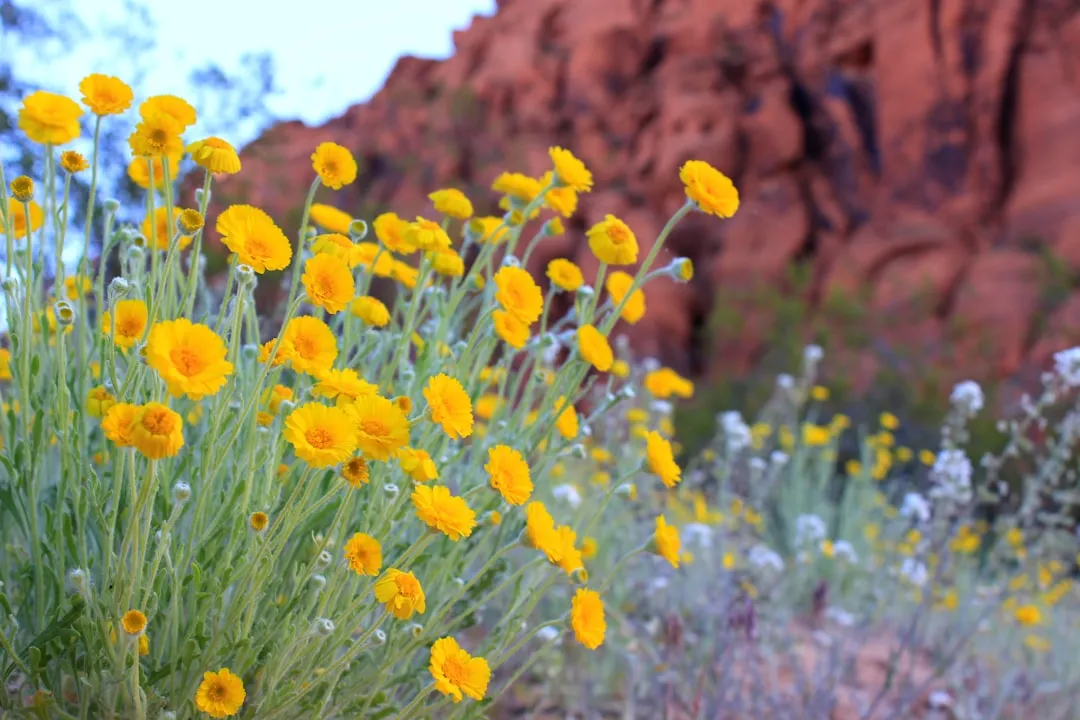
Desert wildflower season rewards those who pay attention to the signals rather than the calendar. The lesson, repeated season after season, is to check the reports weekly from February onward and go when conditions are right, not when it is convenient. The difference between a good bloom trip and a transcendent one often comes down to a single week, sometimes a single day.
The desert doesn’t bloom on a schedule. It blooms when the rain arrives early enough, falls often enough, and the warmth holds back long enough to let millions of dormant seeds make their move all at once. When that rare alignment happens, there’s genuinely nothing like it – a color-saturated landscape that was bare ground just weeks before, filled with the kind of quiet, overwhelming abundance that stays with you long after you’ve driven home.
AI Disclaimer: This article was created with the assistance of AI tools and reviewed by a human editor.