
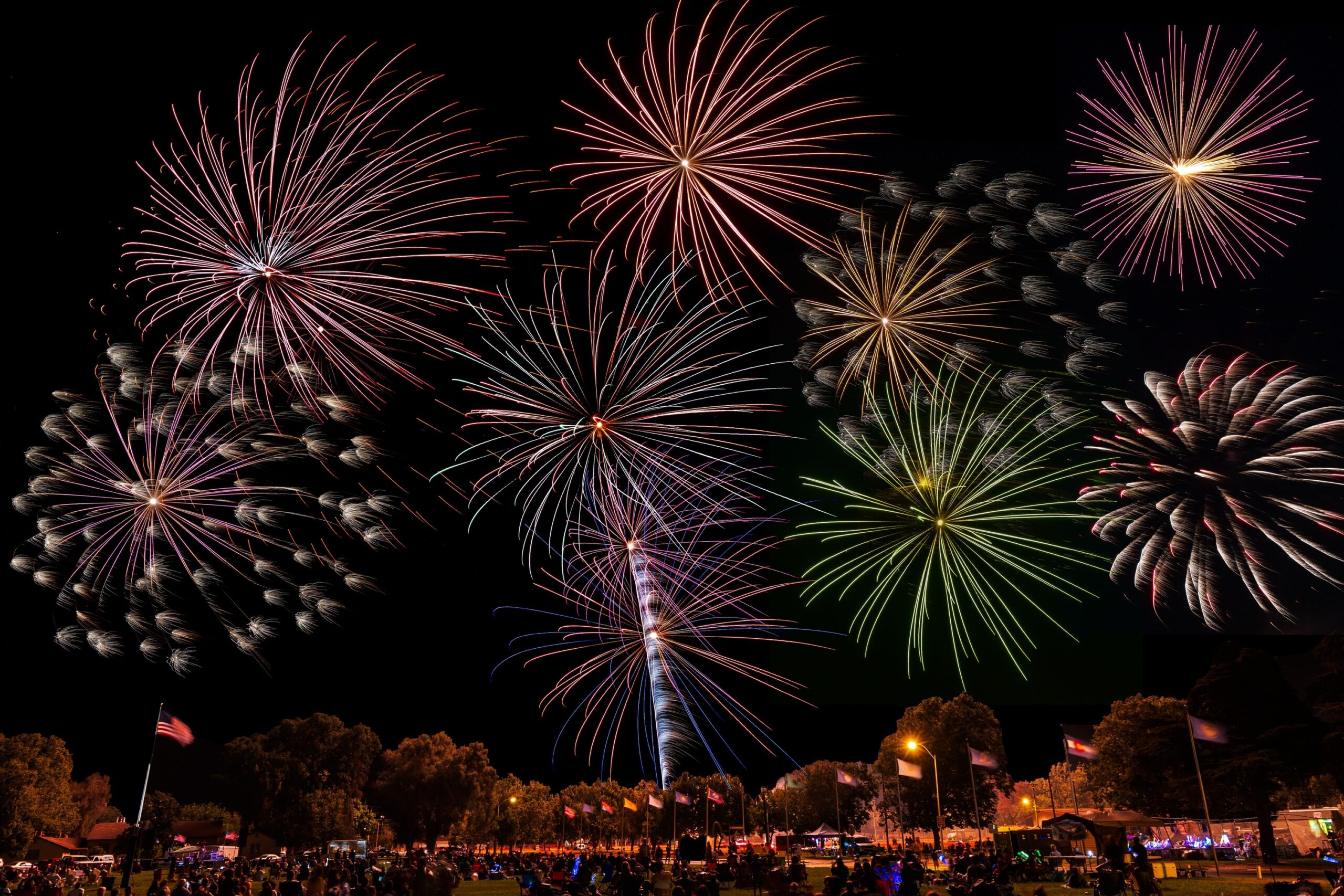

There’s a particular kind of travel magic that doesn’t live in airport lounges or glossy hotel lobbies. It lives in a dusty main street on a Saturday afternoon, in the smell of something simmering over an open fire, in a crowd of strangers who all seem to know the same song. Small towns across the United States know how to celebrate community in ways big cities rarely match, with streets filling with homemade food, local music, and handmade crafts.
These festivals are the kind of thing you hear about once, casually, from someone at a dinner party, and then spend the next three years quietly planning around. They deserve the full trip.
Why Small-Town Festivals Hit Differently
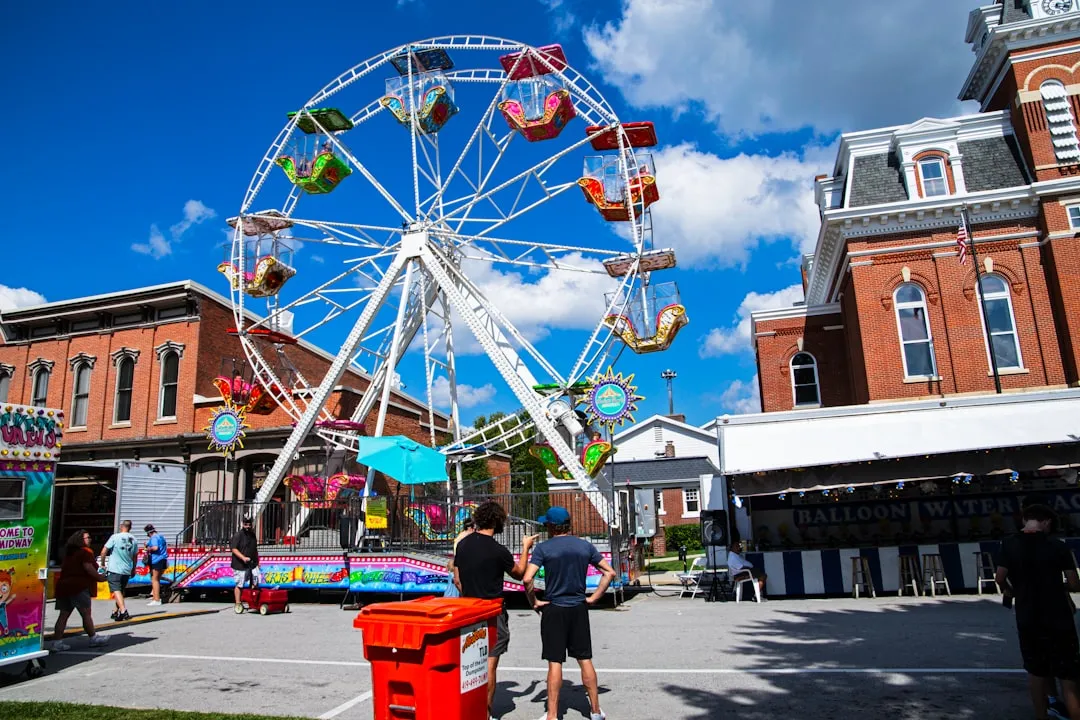
Travelers who wander through these festivals often say the same thing: the charm feels real. Crowds stay friendly, the pace feels relaxed, and the traditions run deep. There’s no manufactured spectacle to wade through, no velvet ropes, no corporate sponsorship banners blocking the view of the town square.
Anyone exploring small-town USA festivals will find parades that still feel homemade, harvest events that honor local farms, and celebrations shaped by history, family stories, and regional pride. Many towns build their celebrations around long-standing traditions that stretch back generations.
These events have become increasingly important in tourism development strategies, contributing to the construction of territorial identities, the promotion of cultural diversity, and measurable revitalization of the local economy. That’s a lot of good packed into a single weekend.
Frozen Dead Guy Days, Estes Park, Colorado
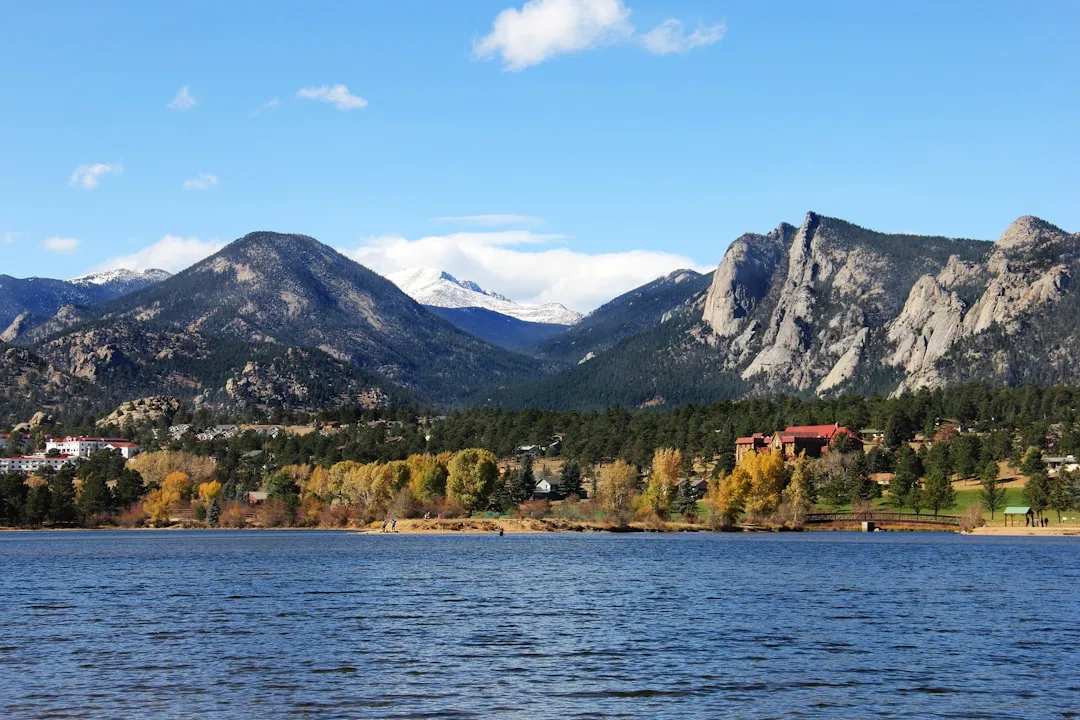
Frozen Dead Guy Days started in 2002 after a journalist discovered Morstoel’s cryo-frozen body in a shed in Nederland, Colorado. The story behind it is, to put it gently, one of the stranger things to ever inspire a community celebration. Bredo Morstoel was a public official in Norway who died in 1989, and his grandson had him cryogenically frozen and brought to the United States.
Since 2002, this macabre tale has been celebrated with an annual winter festival that perfectly captures an eccentric, independent spirit. The festival combines dark humor with genuine community celebration, winter sports with absurdist competitions, and live music with cryonics-themed revelry.
Where other mountain towns might shy away from such an odd origin story, this one leans into it completely, creating a three-day celebration that attracts over 20,000 visitors to a town of just 1,400 residents. The New York Times has previously named the festival to its “Top 10 Best Parties of Winter” list, a selection that also includes Mardi Gras in New Orleans and Carnival in Rio de Janeiro.
Maine Lobster Festival, Rockland, Maine

Scheduled annually for the first weekend in August, the Maine Lobster Festival in Rockland turns the sleepy coastal town into a veritable hot spot for one weekend a year. In 2024, there were a reported 100,000 visitors. That’s a remarkable number for a town whose year-round population is a fraction of that.
The event, spread across five days, is packed with activities that typically revolve around eating. In addition to a daily pancake breakfast, visitors can find all types of lobster in the food tent, plus a seafood cooking contest and lobster-eating contests for all ages.
The festival is run entirely by volunteers, which gives it a grounded, community-first energy that larger commercial events simply can’t replicate. The International Great Crate Race strings lobster cages together for an unusual foot race across the harbor, and it’s exactly the kind of thing you have to see to believe.
Twins Day Festival, Twinsburg, Ohio
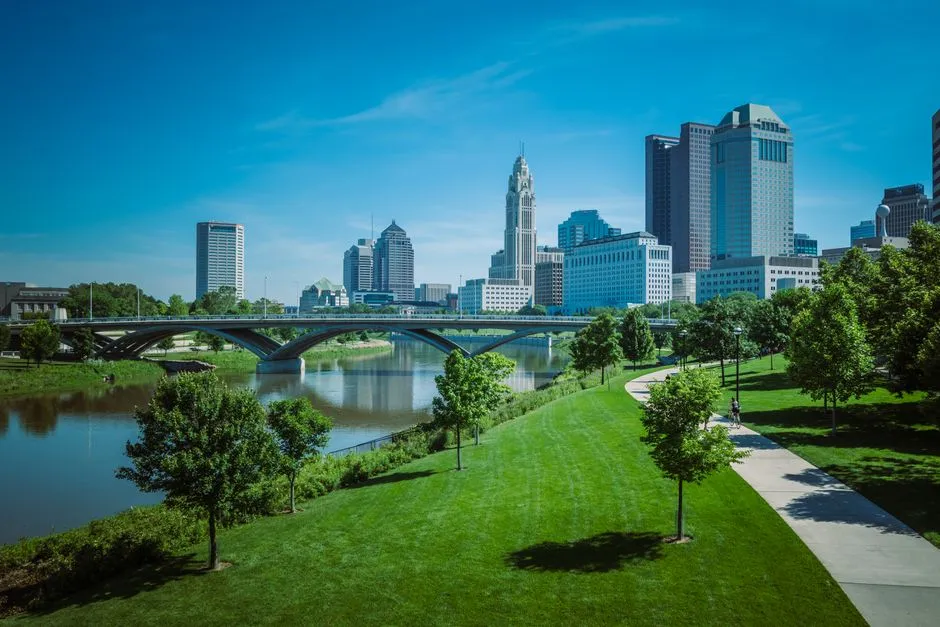
Twinsburg lives up to its name during the first weekend in August, when it comes alive for the Twins Day Festival. The three-day celebration hosts roughly 30,000 people annually, a figure that includes around 2,000 sets of twins, triplets, and other multiples. There is genuinely nowhere else on earth that feels quite like this.
The festival, which began in 1976, draws multiples from dozens of countries each year, turning a quiet Ohio suburb into the world’s largest annual gathering of twins. Matching outfits are practically a competitive sport, and the atmosphere is warm, welcoming, and completely unlike anything in the standard tourism playbook.
For travelers curious about the stranger, more tender edges of American community life, this is one of those events that stays with you. The visual spectacle is real, but the underlying story, of a small town that simply leaned into its name and never looked back, is what makes it worth the drive.
Telluride Film Festival, Telluride, Colorado

The Telluride Film Festival, first launched in 1974, is an internationally renowned film festival held annually over the four-day Labor Day weekend in Telluride, Colorado, a remote mountain town with a population of only 2,500. The contrast between the town’s scale and the caliber of the event it hosts is staggering.
The festival features over 80 short films and revival programs, along with tributes to film luminaries, discussions, creators, and seminars. World premieres regularly happen here before films go on to dominate the awards season, and the intimacy of the setting makes every screening feel genuinely special.
There are no red carpets in the traditional sense. Filmmakers and attendees share the same mountain air, the same narrow streets, and often the same lift lines. That proximity to the work and the people behind it is something that no major city film festival can honestly offer.
National Shrimp Festival, Gulf Shores, Alabama
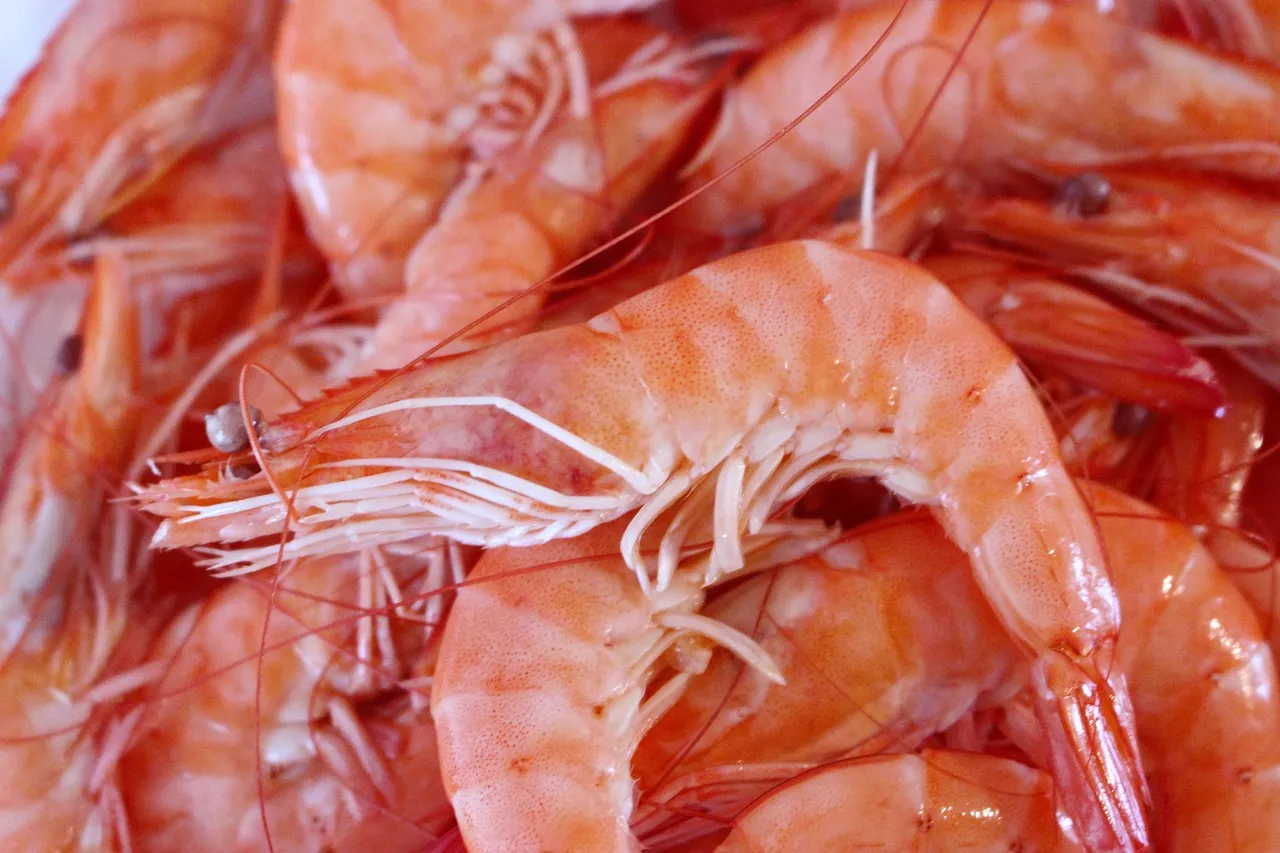
The National Shrimp Festival is an annual event in Gulf Shores, Alabama, that attracts more than 250,000 attendees every year, along with over 250 vendors and musical artists. Gulf Shores itself is a small coastal community, and the scale of this festival relative to its host town is almost hard to process.
It is a volunteer-owned celebration that has been a tradition for over 50 years, featuring diverse cuisine, music, and much more. The shrimp, naturally, is the centerpiece: fried, grilled, stuffed, and prepared in ways that would make a Gulf Coast grandmother nod with approval.
The festival takes place each October, which means the brutal summer heat has passed and the beach feels genuinely pleasant again. It’s a practical travel note worth remembering. The combination of good seafood, live music, and Gulf breezes in the fall makes this one of the most enjoyable, unhurried festival weekends in the South.
Apple Butter Stirrin’ Festival, Roscoe Village, Ohio

This event fills the streets of Roscoe Village with the smell of simmering apple butter stirred over open fires. The festival is rooted in the canal-era history of this restored Ohio village, and every element of it, from the demonstrations to the crafts, reflects that heritage with genuine care rather than performance.
These festivals give travelers a chance to experience heritage as locals pass it from one generation to the next. At Roscoe Village, that transmission is visible and tangible. You can watch the apple butter being made, ask questions, and leave with a jar you watched come together over a wood fire.
The festival typically takes place across two October weekends and draws visitors from across the Midwest who return year after year. It’s the sort of event that moves slowly on purpose, and that pace, in 2026, feels almost radical.
Blobfest, Phoenixville, Pennsylvania
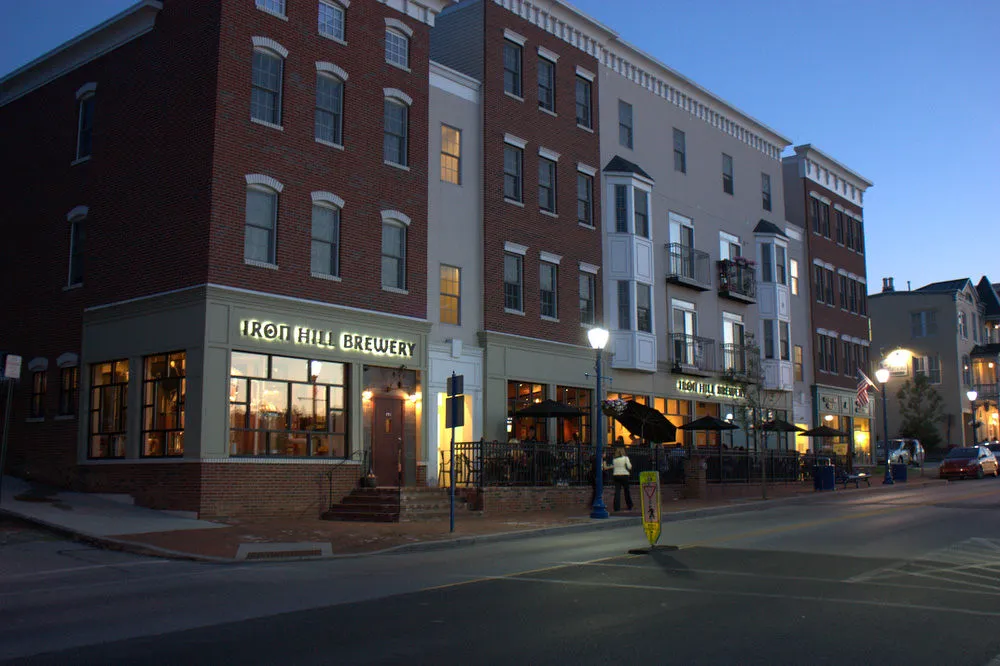
Phoenixville transforms vintage cinema into a community theater every July with Blobfest, a salute to the 1958 sci-fi film The Blob. It all begins with the reenactment of the iconic “run-out” scene from the theatre, followed by vintage car exhibitions, monster-motif crafts, costume competitions, and film showings.
The Colonial Theatre, where scenes from the original film were actually shot, becomes the heart of the festival. Townspeople and visitors pour out of its doors screaming on cue, recreating the movie moment that put Phoenixville on the map in the most delightfully absurd way possible.
What makes Blobfest enduring is the genuine community ownership of it. This isn’t a pop-up nostalgia event run by an outside promoter. It is a unique festival that celebrates all things vintage movie monsters, and the town has built an identity around it with real affection. The surrounding blocks fill with food vendors, live music, and people who dressed up for the occasion and mean it.
Scandinavian Midsummer Festival, Estes Park, Colorado
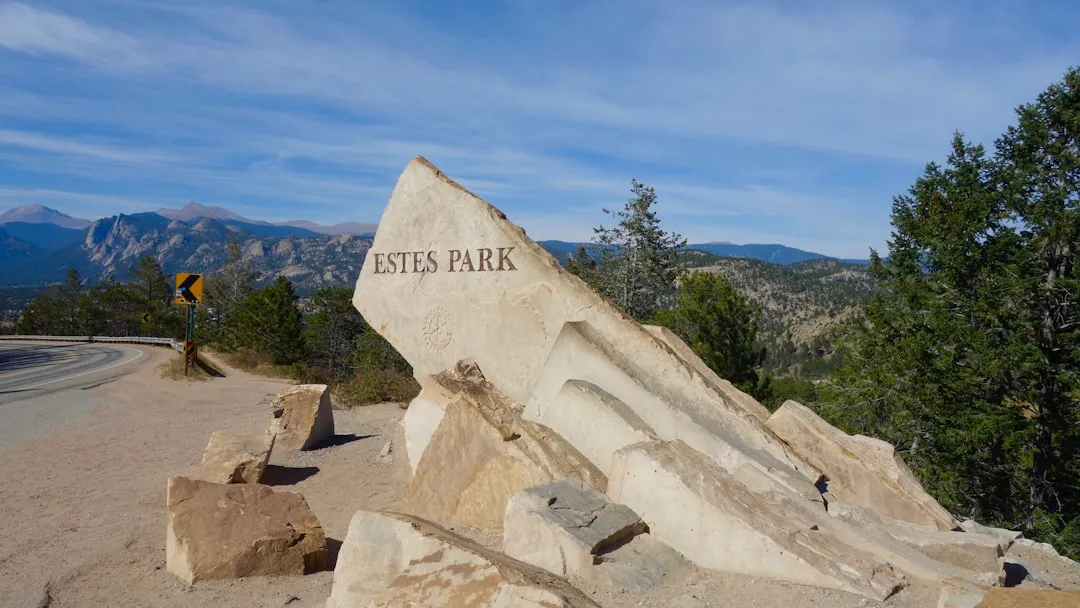
Colorful costumes, folk dances, and traditional food create a warm, welcoming environment at the Scandinavian Midsummer Festival in Estes Park. Many families attend year after year to honor their Scandinavian roots. The Rocky Mountain backdrop gives the celebration an almost surreal visual quality, maypoles rising against a skyline of snow-capped peaks.
Estes Park has a strong Scandinavian heritage community, and this festival reflects that with care and specificity rather than generalized “Viking-themed” pageantry. Traditional music, folk art, and foods like lefse and rosettes are central, not decorative.
The festival typically takes place in June, which puts it right at the beginning of summer in the Rockies when wildflowers are blooming and the town is alive but not yet at peak tourist season. For travelers who want to see Estes Park at its most genuine, this is one of the better windows.
Tupelo Elvis Festival, Tupelo, Mississippi
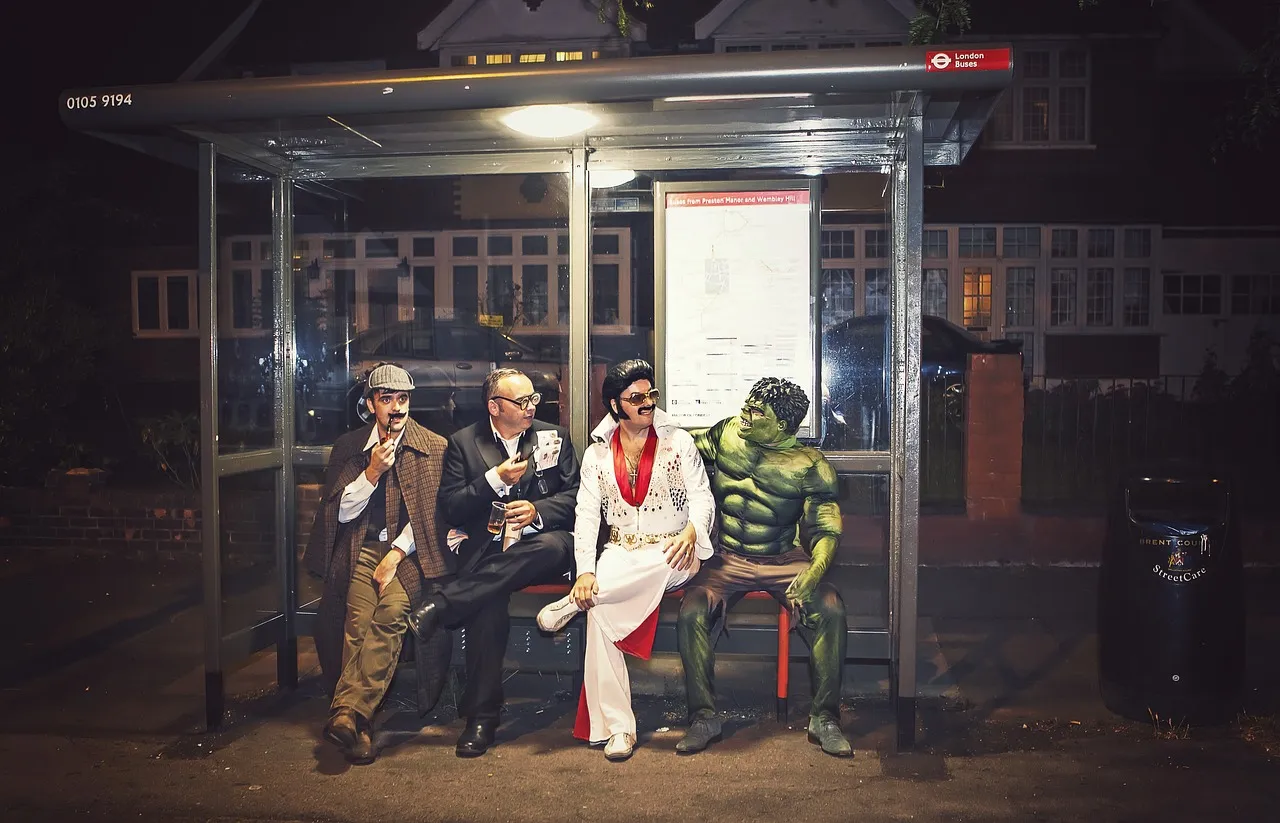
The Tupelo Elvis Festival celebrates the King of Rock ‘n’ Roll’s legacy with performances, blue suede shoes, and plenty of southern charm. Tupelo is Elvis Presley’s birthplace, which means the festival carries a specific historical weight that tribute events in other cities simply can’t claim. The Elvis Presley Birthplace and Museum is a short walk from the main festival grounds.
The event draws Elvis tribute artists from across the country and internationally, ranging from careful, reverent interpretations to entertainingly theatrical ones. The quality of the performances varies, and that variety is honestly part of the charm. There’s something for every level of Elvis devotion here.
Tupelo itself is a welcoming small city with deep roots in Mississippi Delta culture. The festival is an entry point, but the town rewards visitors who spend an extra day exploring beyond the main stage, particularly if they have any interest in the early history of American popular music.
The Economic Reality Behind the Good Time
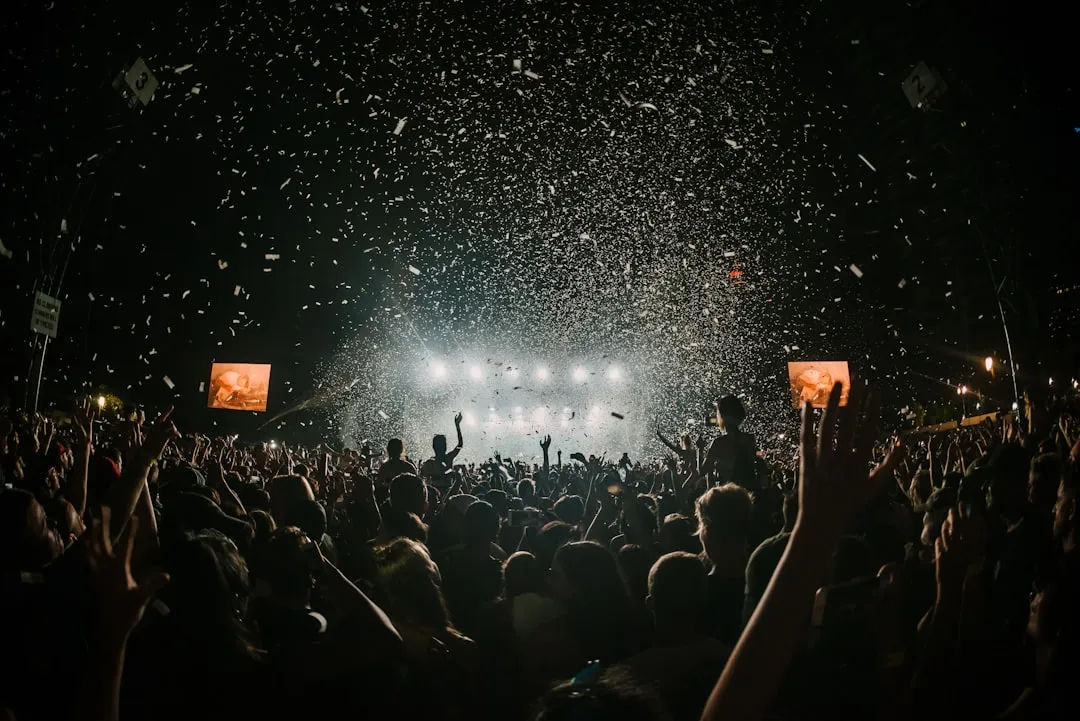
Research suggests that music and cultural festivals can serve as significant economic catalysts, particularly for small to medium-sized communities. The numbers, when you look at them, are genuinely striking. Bonnaroo, held each summer in Manchester, Tennessee, turns a rural town of roughly 12,000 residents into a temporary city of more than 80,000 attendees, and a 2023 study estimated that it injected $339 million into the Tennessee economy.
The tourism industry creates what researchers call a “multiplier effect,” creating more jobs and providing opportunities for small-scale business enterprises, which is especially important in rural communities. It also generates extra tax revenues that can be used for schools, housing, and hospitals.
The economic windfall generated by festivals often prompts local governments to invest in improvements that enhance the overall visitor experience, including infrastructure upgrades such as improved public transportation and road maintenance. In other words, when you show up for a festival in a small town, you’re doing more than having a good weekend. You’re participating in something that actually keeps these communities alive.
How to Plan a Festival Trip Responsibly
The most important thing to do before attending any small-town festival is book accommodations early. At peak festival times, a town’s population can swell dramatically, and lodging in the surrounding area books up months in advance. Waiting until two weeks out is a reliable way to end up sleeping an hour away.
Spend money locally and intentionally. Choose locally owned restaurants over chains, buy directly from artisan vendors, and if the festival has a suggested donation or community fund, contribute. Many small-town economies rely heavily on the tourism industry when visitors come during their monthly and yearly festivals. Your spending patterns matter more here than they would in a major city.
Be mindful of the community’s capacity and pace. When festival attendance surpasses what a small town is designed to comfortably handle, organizers are sometimes forced to relocate the event altogether. Showing respect for local infrastructure, parking rules, noise ordinances, and neighborhood boundaries isn’t just courteous. It’s what keeps these festivals in the communities that created them.
A Final Note on Going Off the Grid
AI Disclaimer: This article was created with the assistance of AI tools and reviewed by a human editor.