
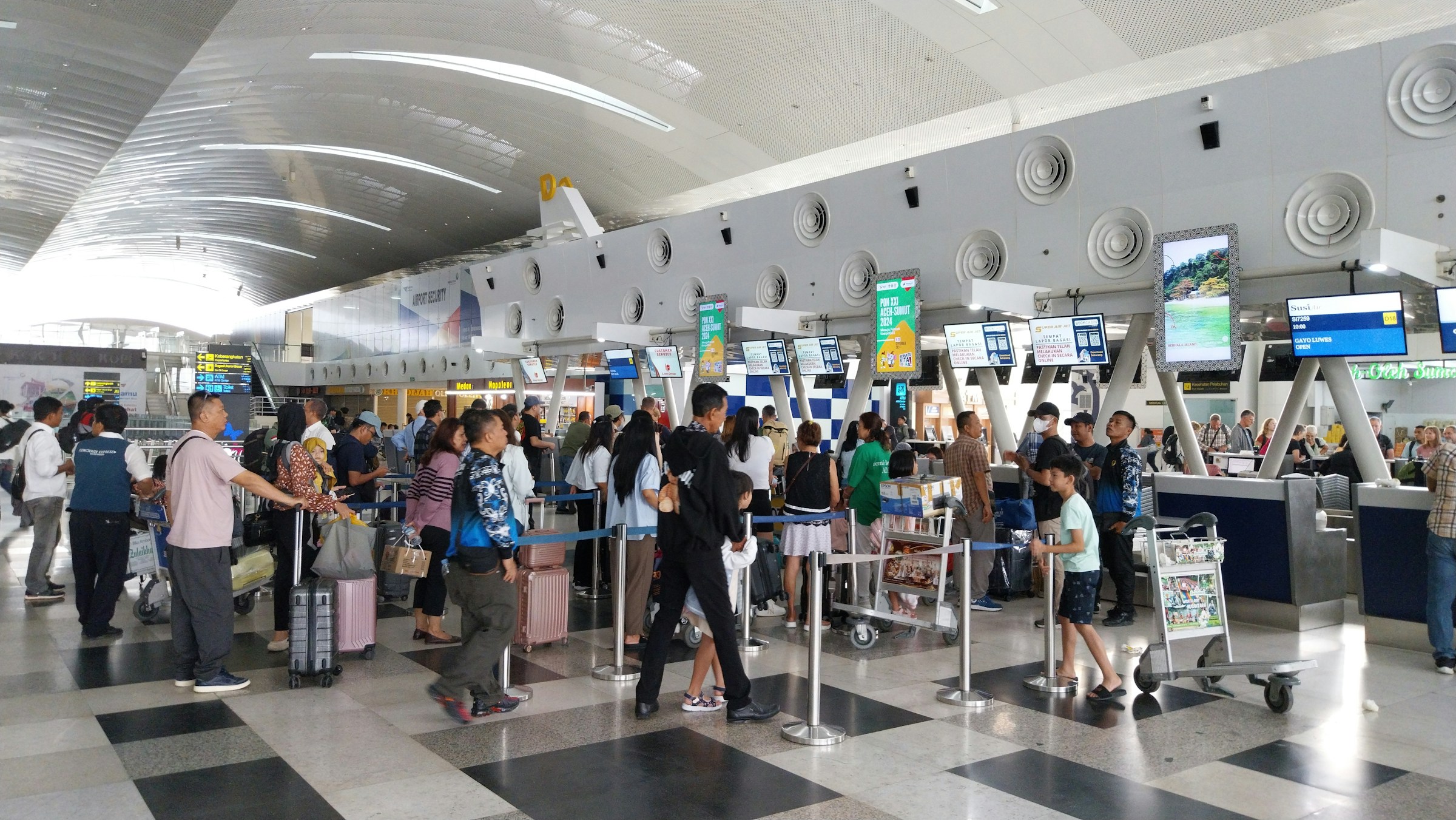

You know the feeling. You round the corner at the airport, spot a security line that stretches halfway to the next terminal, and silently do the math on whether you’ll make your flight. It’s one of travel’s most reliably stressful moments, and it happens to almost everyone. What many travelers don’t realize is that a parallel lane, often just a few meters away, moves at a completely different pace.
The existence of faster airport security lines isn’t exactly a secret, but the full picture of how much time they save, how to access them, and what’s changing in 2025 and 2026 is more interesting than most people think. Here’s what the data actually shows.
The Main Line Is Slower Than You Probably Realize
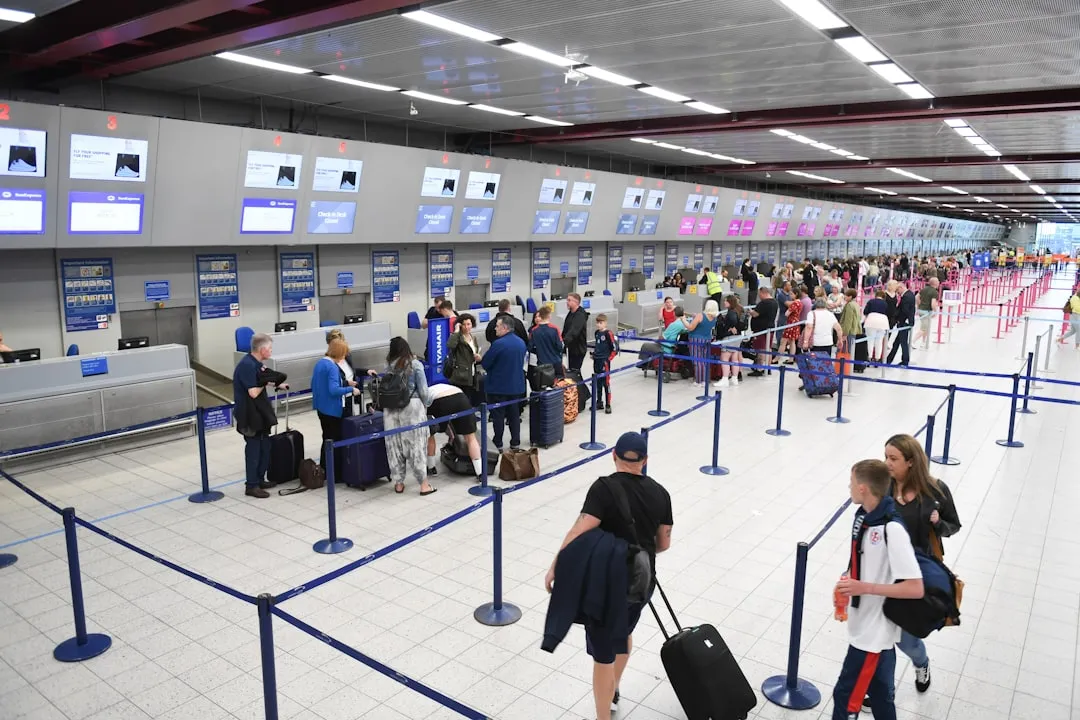
The Transportation Security Administration screened roughly 904 million passengers in 2024, along with 494 million checked bags and 2 billion carry-on items. That’s an extraordinary volume of people moving through a relatively finite number of checkpoints. A recent analysis of TSA data found that wait times vary considerably across American airports.
New York’s JFK airport registered an average wait time of around 40 minutes, with Chicago O’Hare, Los Angeles, Orlando, and Austin also appearing in the bottom tier of performers. At peak hours, those numbers climb further. Avoiding security between 7 and 10 in the morning and between 4 and 7 in the evening can make a meaningful difference.
TSA PreCheck: The Line That’s Almost Always Shorter
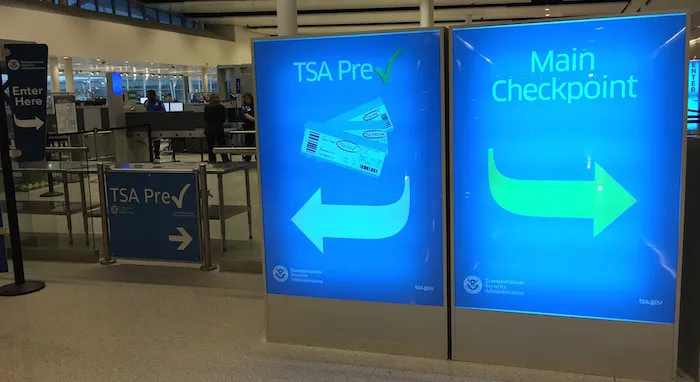
During normal security operations, the TSA estimates that roughly 99% of passengers enrolled in PreCheck wait less than 10 minutes. The program currently has 20 million pre-screened members who pass through airport security faster than travelers in standard lanes. That gap between the PreCheck lane and the main line is consistently striking.
At Orlando International Airport, general security lines have reached up to 45 minutes during busy periods, while TSA PreCheck wait times topped out at around 10 minutes. At Philadelphia International Airport, standard security lines reached up to 28 minutes, while PreCheck wait times were under five. Those are real-world comparisons from the same airports on the same days.
What PreCheck Actually Lets You Skip
The PreCheck security screening process is less stringent than standard TSA security, meaning there’s no need to take off your shoes or remove electronics or toiletries from your bag. That alone removes several of the most time-consuming steps from the checkpoint process. Benefits include leaving shoes, belts, and jackets on, plus leaving laptops and liquids in your carry-on bag. Members also typically bypass the slower millimeter wave scanner and walk through a standard metal detector instead.
Even when PreCheck lines look a little longer at first glance, they’re generally faster because they contain more frequent flyers who know how to keep things moving. They also save time because people don’t have to complete as many extra steps. The collective efficiency of a well-prepared line compounds quickly.
How to Get PreCheck and What It Costs
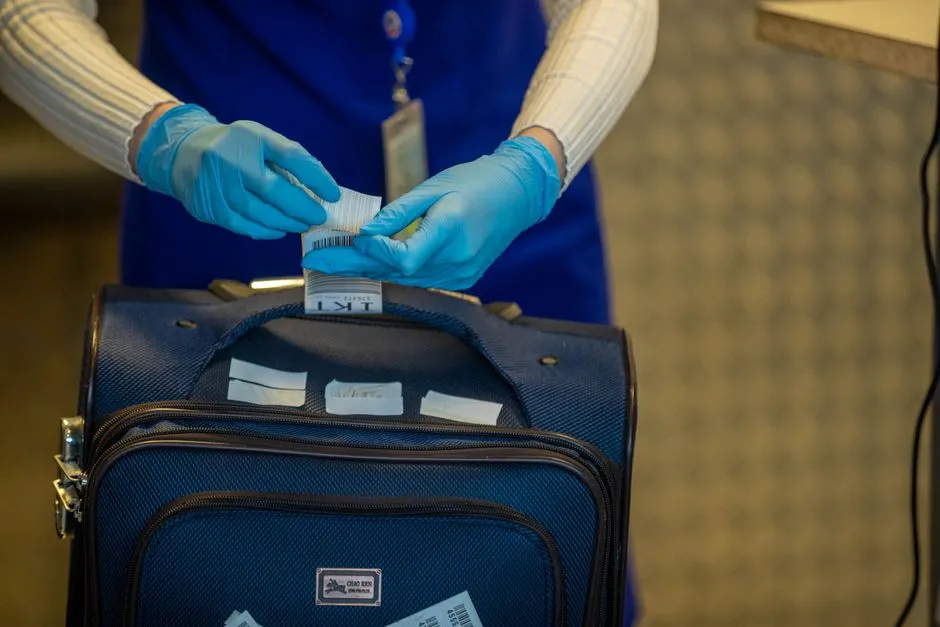
TSA PreCheck costs between $76.75 and $85 for a five-year membership, depending on the provider you choose, and as of 2025 it is available at more than 250 airports and with over 100 airlines. Many travel credit cards reimburse the application fee entirely, making the real out-of-pocket cost zero for cardholders who check their benefits. Travelers wanting to use TSA PreCheck must complete an online application, a background check, and an in-person interview at a TSA-authorized enrollment location where fingerprints and proof of identity will be taken. Once approved, they receive a Known Traveler Number that can be used whenever they book a flight, and PreCheck status will automatically appear on their boarding pass.
CLEAR+: The Biometric Lane That Goes Even Further
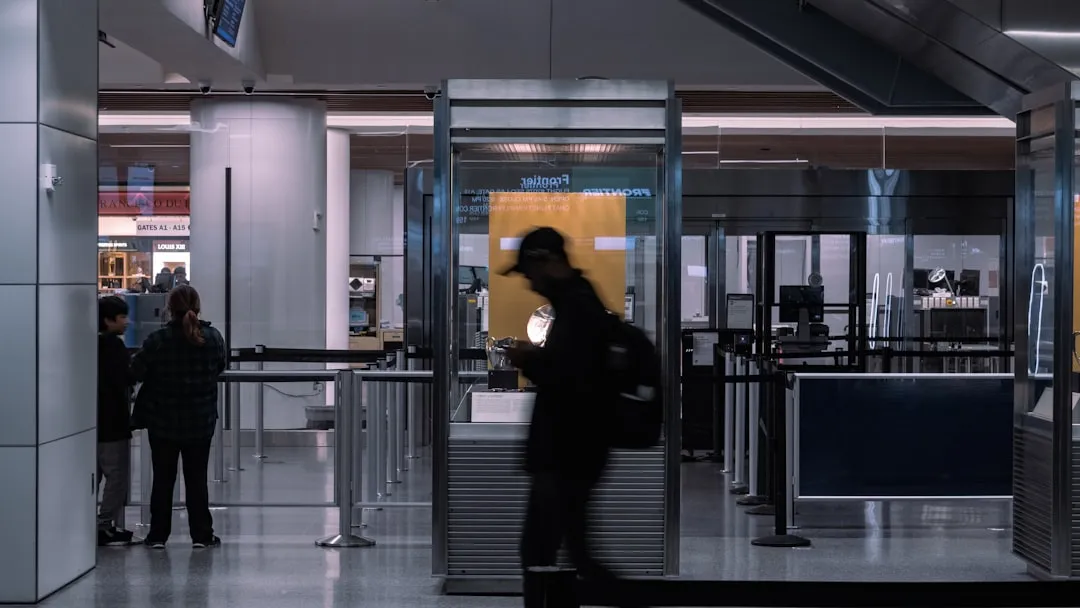
CLEAR is a private identity verification program that helps travelers move through airport security more efficiently. Instead of showing a physical ID to a TSA officer, members verify their identity with biometric data such as their face or eyes using a CLEAR pod near the security checkpoint. Once verified, a CLEAR ambassador escorts the member directly to the front of the physical screening line.
CLEAR does not replace TSA PreCheck or other government-run Trusted Traveler Programs. Rather, it complements them by speeding up the first step of the airport security process: confirming your identity. The program can move members through the security process in under five minutes on average. When combined with PreCheck, the two programs together cover both the identity check and the physical screening steps, which is the fastest combination currently available to most travelers.
Biometric eGates: The Newest Development in Fast Lanes
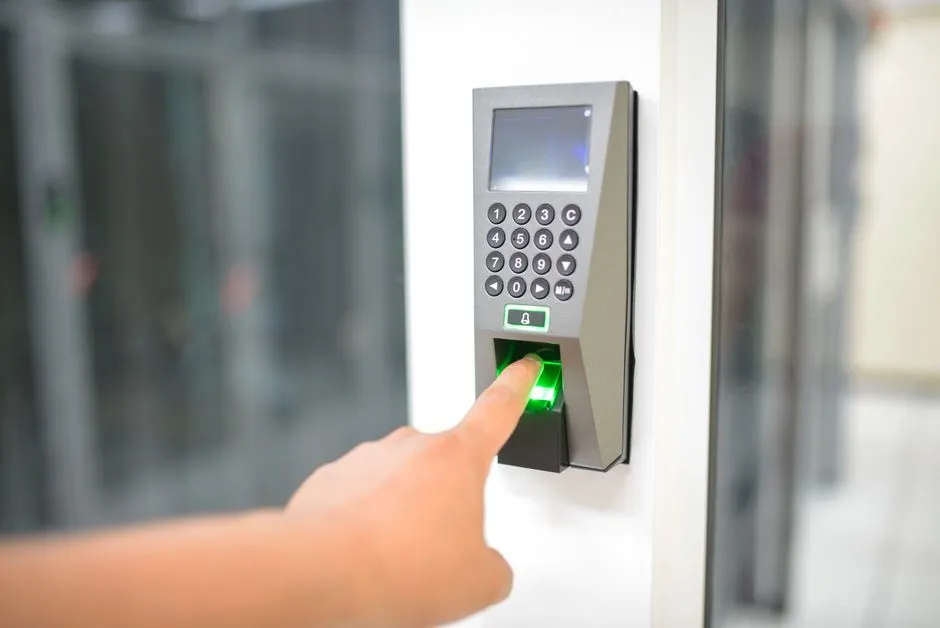
The Transportation Security Administration has partnered with identity verification company CLEAR to deploy new biometric electronic gates, with the initiative billed as an enhanced security measure ahead of the U.S. hosting the 2026 FIFA World Cup. The advanced eGates have already rolled out at Hartsfield-Jackson Atlanta International Airport and are slated to be deployed at Ronald Reagan National Airport and Seattle-Tacoma International Airport.
Unlike other facial recognition products operated by the TSA, such as Touchless ID, the new lanes are completely automated and don’t require a human operator. For now, the new gates are only available on an opt-in basis for CLEAR+ members. The eGates use real-time biometric verification to match travelers’ facial images with their identity documents and boarding passes. It’s a meaningful step forward in what airport security processing can look like at scale.
The Secondary Checkpoint Most Travelers Walk Past
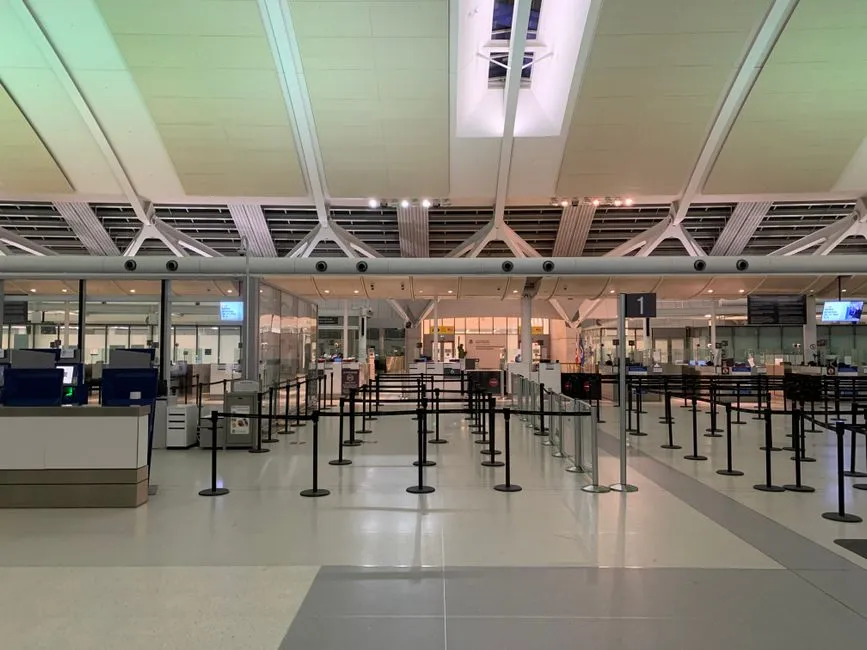
Experienced travelers know to avoid lines near the main entrance and instead walk to smaller security checkpoints if the airport has more than one. This simple habit alone can save significant time, particularly at larger hub airports where the main checkpoint draws the bulk of foot traffic. Smaller airports and those with dedicated PreCheck lanes consistently rank highest in real traveler speed reports.
Some airports clearly label which lanes are dedicated to TSA PreCheck, while others indicate when PreCheck screening is available within a standard checkpoint. The TSA also maintains an online PreCheck checkpoint schedule that shows when dedicated PreCheck lanes are open at specific airports and at what times of day. Checking this before you leave home takes about two minutes and can change your whole experience at the airport.
When Lines Fill Up and Staffing Gets Tight
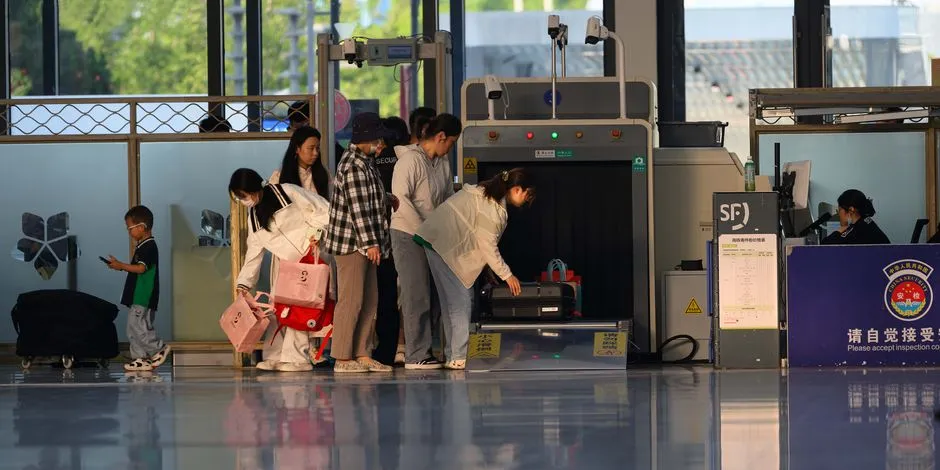
Airport security wait times vary widely by location, time of day, and TSA staffing levels, but available data consistently shows TSA PreCheck has been faster than standard lines at several major airports throughout the week. That performance advantage, however, isn’t unconditional. Availability can vary based on staffing and operational needs, meaning expedited screening is not guaranteed at every airport or during every time window.
At some airports, delays have become severe during staffing disruptions. Austin officials have advised passengers to arrive three hours early after security lines stretched outside into the parking lot, and at Houston’s William P. Hobby Airport, wait times have climbed above three hours. Even PreCheck lanes are somewhat affected by these conditions, though the gap between them and standard lanes typically remains clear.
Apps and Real-Time Data That Reveal the Fastest Path
Travelers should check local airport conditions before heading out, as wait times can change quickly. Many airports publish real-time security wait times on their websites or apps, though some hubs have temporarily suspended that data. Apps such as MyTSA, FlightAware, and individual airport websites let travelers check wait times before arriving.
Denver International Airport has a wait time dashboard on its website that estimates how long it will take to get through both regular security and TSA PreCheck. Denver also allows travelers to reserve a spot in a security line through a system called DEN Reserve, which can be booked directly on the airport’s website. More airports are moving in this direction, making it easier to plan a smarter approach before you even leave home.
Who Sees the Biggest Benefit From the Faster Lane
Large hubs like LAX, JFK, O’Hare, and Miami International consistently generate the most reports of 20-plus minute waits, especially during morning rush hours and holiday travel periods. For travelers who pass through these airports regularly, the case for enrolling in PreCheck or CLEAR+ is straightforward. Flying in a first or business class cabin also gives access to priority security checkpoint lines at some airports, which can shave meaningful minutes off wait times at TSA checkpoints with Premier Access signs.
A competitive analysis found that Florida’s Palm Beach airport had all passengers clearing security within 8 minutes during the analyzed period. Other strong performers included Santa Ana in California, Phoenix, San Antonio, and San Francisco. Travelers who regularly fly through smaller or mid-size airports may already be benefiting from faster throughput without any program at all, though PreCheck still tends to outperform general lanes even there.
The Takeaway
The faster lane isn’t a loophole or a travel hack reserved for road warriors. It’s a structured, government-backed program backed by years of documented data, and the numbers are consistent: the PreCheck line is shorter, almost everywhere, almost all the time. TSA PreCheck gives trusted travelers a speedier security experience in dedicated lanes across the U.S., with five years of benefits available for $85 or less, and PreCheck lanes consistently move faster, with about 99% of passengers waiting less than 10 minutes.
Whether you add PreCheck, CLEAR+, or simply start checking a secondary checkpoint before defaulting to the main one, small choices at the airport genuinely change the experience. The fastest line is rarely the longest one in sight. It’s usually the quieter one just beside it.
AI Disclaimer: This article was created with the assistance of AI tools and reviewed by a human editor.