
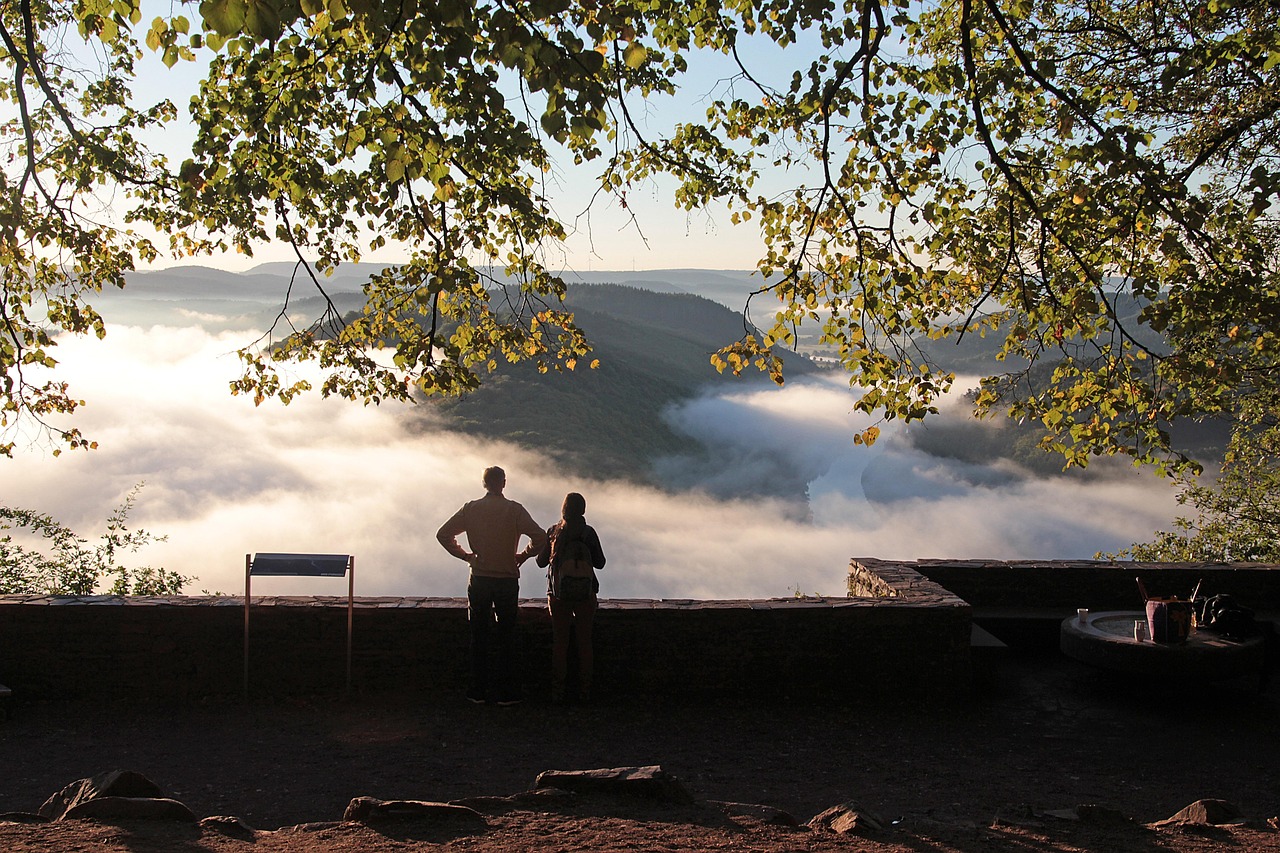

There’s a quiet tension at the heart of modern travel. People dream of standing before the Colosseum in near-silence, or strolling through a Japanese temple with no one else in sight. Then they arrive in July at noon, and reality hits hard. In 2024, Europe’s tourism numbers reached new heights, with foreign arrivals surpassing 2019 figures, at a year-on-year increase of roughly twelve percent since 2023. The crowds are not going anywhere.
What experienced tour guides understand, though, is that the solution is rarely about finding a secret destination. It’s almost always about timing. The right window, by even a few hours or a few weeks, can turn a chaotic, elbow-to-elbow experience into something that genuinely feels private.
The Crowd Problem Is Getting Worse, Not Better
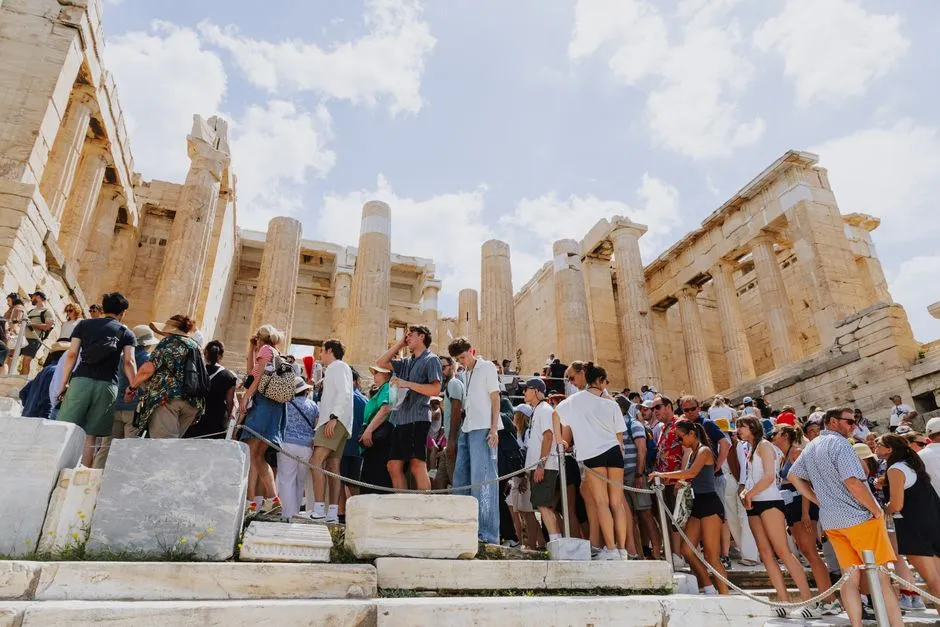
The scale of modern overtourism is staggering when you look at the numbers closely. Greece alone welcomed a record-breaking 40.7 million international visitors in 2024, generating €21.6 billion in travel receipts. Popular islands like Santorini were overwhelmed, with reports of up to 18,000 cruise passengers arriving daily, straining resources for a resident population of just 15,000.
The frustration is not just felt by locals. When a destination is in peak season, every attraction is packed: museums, theme parks, beaches. What should be a magical experience can quickly turn into a waiting game, where instead of soaking in the moment, you’re stuck in line or fighting through crowds just to get a glimpse of the view. That’s the context in which tour guides have quietly refined their own timing strategies.
Book the First Slot of the Day, Every Single Time
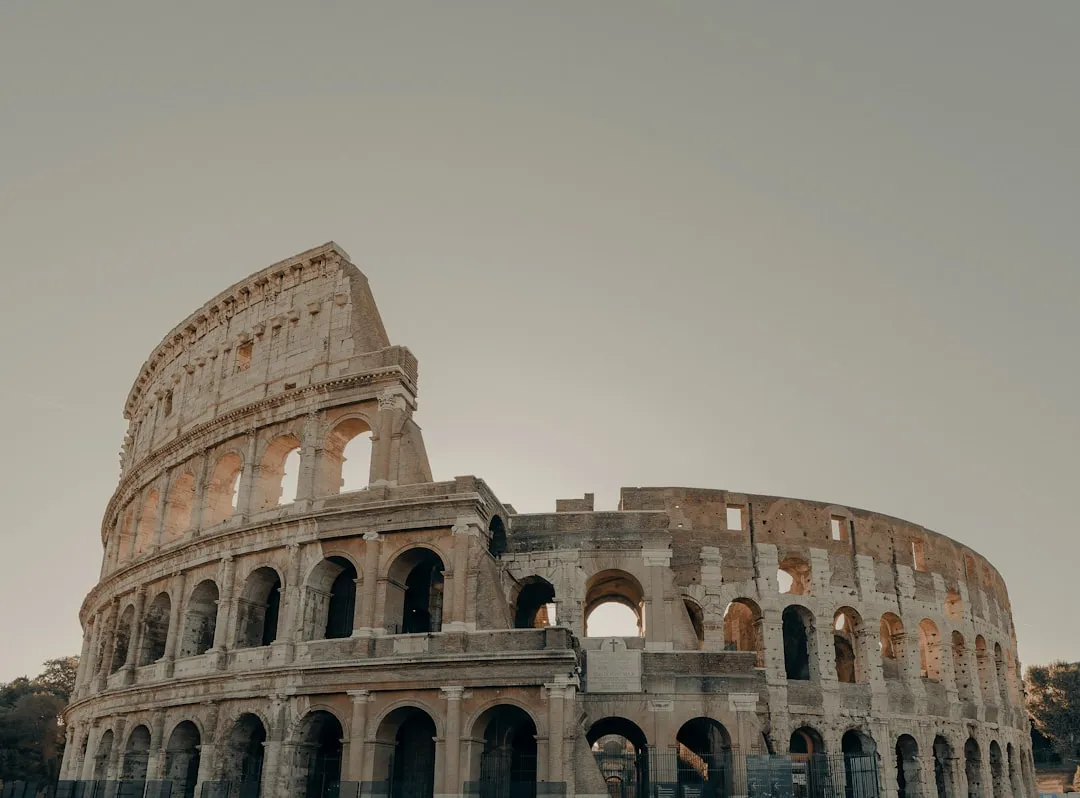
Experienced travel guides consistently advise booking your most popular tours and activities in the very first available time slot. Most other travelers aren’t willing to get up before dawn to arrive at tourist attractions as soon as they open their doors, but that’s precisely what makes it the perfect time to go.
Some of the most popular spots can appear almost deserted first thing in the morning, as one travel guide demonstrated in a video of the Colosseum taken before 9:30 a.m. The difference between the 8:30 a.m. and the 11:00 a.m. crowd at any major landmark is not small. It’s the difference between a near-private experience and a tour group traffic jam.
Avoid the Mid-Day Surge at All Costs
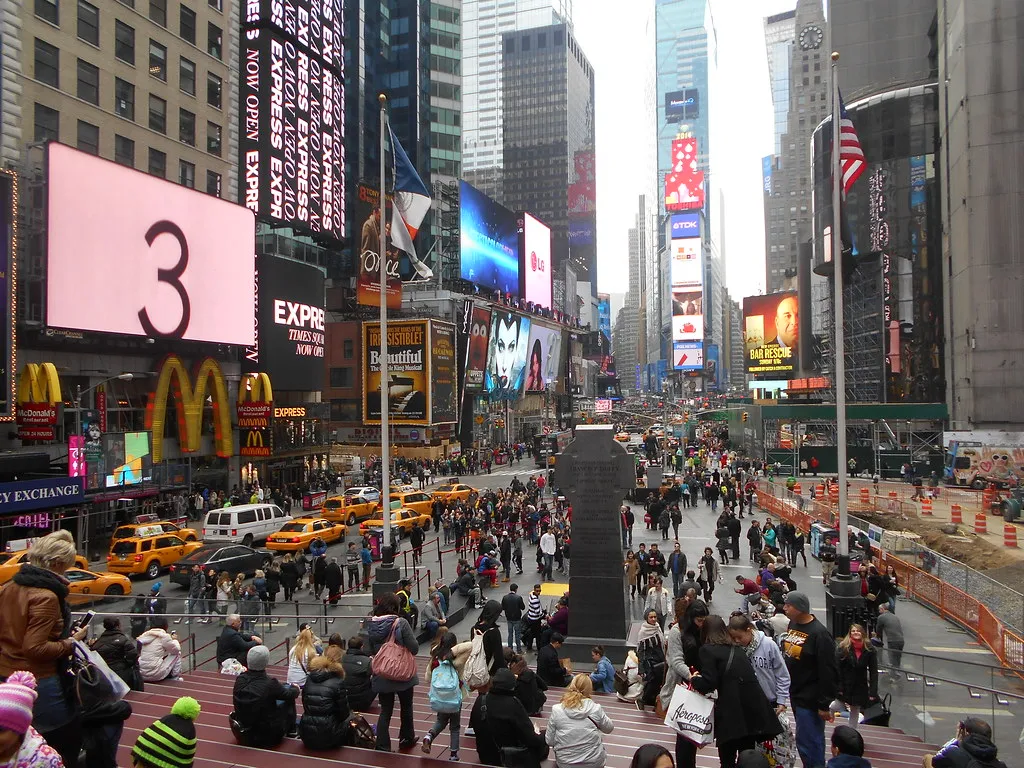
Late morning through mid-afternoon is often the busiest window at popular attractions. People have finished breakfast, tour groups are moving, day-trippers have arrived, and everyone is trying to see the same things before dinner. It’s the least magical part of the day at almost any famous site.
The 9:30 a.m. to 3:00 p.m. window is when day-trippers arrive, tour groups unload, and popular viewpoints fill in waves. If you can’t start early, it helps to flip your entire day. Use those peak mid-day hours for a long lunch, a slower neighborhood wander, or a smaller museum that doesn’t draw the same volume.
The Late Afternoon Window Is Underrated
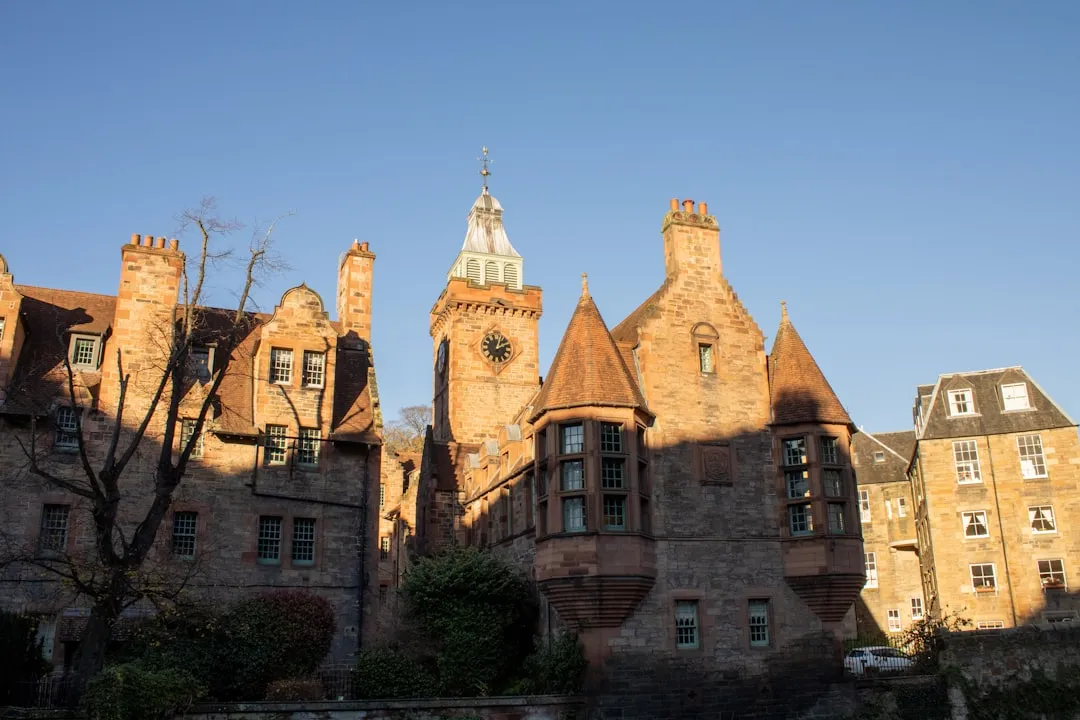
Many travelers don’t consider the late afternoon as a genuine alternative to the early morning, but guides who work specific sites daily know it can be equally effective. After 5:00 p.m., sites like the Sagrada Família in Barcelona see roughly forty to fifty percent fewer crowds than at midday. The light is also warmer and more beautiful for photographs.
If early morning sounds unappealing, late evening is a strong second option. A lot of popular places calm down after the day-trippers and tour groups leave. Streets that were packed at noon can feel genuinely relaxed just a few hours later, and local life tends to filter back in.
Weekday Mornings Are the Quiet Hours That Guides Won’t Always Advertise
Tour operators often list availability across the full week, but guides working the same site daily tend to know that Tuesday and Wednesday mornings are the quietest windows. Tuesday and Wednesday mornings consistently offer the calmest experience, while weekends are busier throughout the year. It’s worth adjusting your schedule to hit major landmarks mid-week if you can.
At certain large cultural sites, specific wings remain calm during weekday early afternoons, offering room to move at your own pace. Early afternoon on weekdays can feel completely different from the same hour on a Saturday. The crowd pattern is more predictable than most travelers realize.
Shoulder Season Is the Timing Trick Scaled to the Whole Trip

What the first-slot rule does for a single day, shoulder season does for an entire journey. According to Advantage Travel Partnership 2025 data, there has been a major shift toward shoulder season travel, with bookings surging up to twenty percent due to overtourism, climate avoidance, and rising costs during the traditional peak season. Travelers are catching on.
If you go right after peak season, you’ll find many tourist attractions still fully open, without the long queues and crowds. Visiting soon after the low season can also be a great option, since prices remain lower while the weather begins to improve and crowds have not yet arrived. It’s the clearest path to a near-private tour experience at scale.
The Financial Argument Is Just as Compelling
Timing your trip well doesn’t just reduce crowds. It also reduces cost considerably. Industry estimates suggest airfare during shoulder season can be around twenty-three percent lower than during peak travel periods, while hotels often introduce discounts and special packages to attract visitors. That’s money that could go toward a genuinely private guide or a better hotel.
With fewer tourists in general, popular sites tend to be much quieter, meaning you can enjoy once-in-a-lifetime experiences without waiting in line or sharing them with a crowd. Fewer people, lower costs, and milder weather make travel outside peak months one of the major trends right now. The logic is hard to argue with.
Specific Destinations Where Timing Makes the Biggest Difference
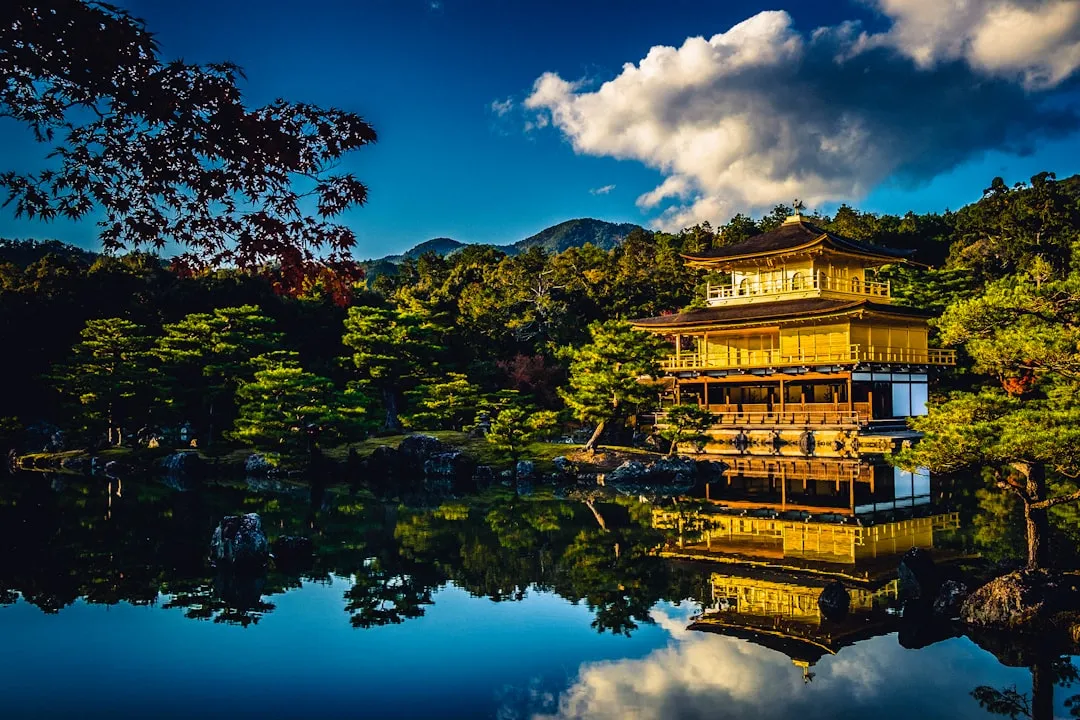
For Japan, the timing principle is especially powerful. Japan doesn’t hide its best places behind locked doors or secret knowledge. It hides them behind timing, patience, and a willingness to slow down when everything else encourages speed. Arriving at a famous Kyoto temple before 7 a.m. produces a genuinely different experience than arriving at 10 a.m.
For Japan specifically, planning a trip for late autumn or early spring coincides with the country’s stunning seasonal changes, yet falls outside peak travel times. This means fewer tourists and more opportunities to immerse yourself in Japan’s culture, temples, and tranquil gardens. For Barcelona, arriving at the Sagrada Família before 9 a.m. cuts queue time by roughly forty minutes compared to a midday visit.
Why Responsible Travelers Are Embracing Off-Peak Timing
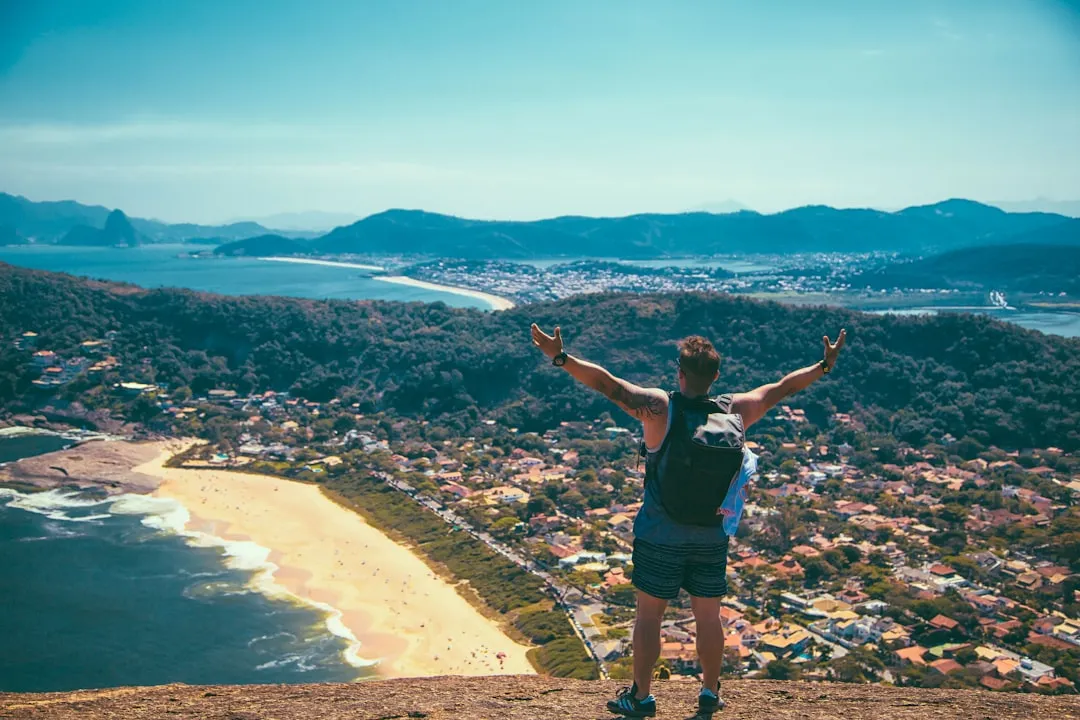
There’s an ethical dimension to this that doesn’t always get discussed. Travelling in shoulder season is a meaningful way to help balance tourist footfall more evenly across the year. Fewer visitors also means you’re more likely to get your preferred pick of accommodation options. It distributes tourism revenue more sustainably across a community.
In summer 2024, tens of thousands of locals expressed their growing frustration in anti-tourism rallies across Europe, including Spain, the Netherlands, and Greece. Critics contend that higher visitor numbers contribute to increased housing costs, community erosion, and crowded public transportation. Choosing to visit at quieter times is one direct, practical way travelers can reduce that pressure.
How to Actually Apply the Timing Trick on Your Next Trip
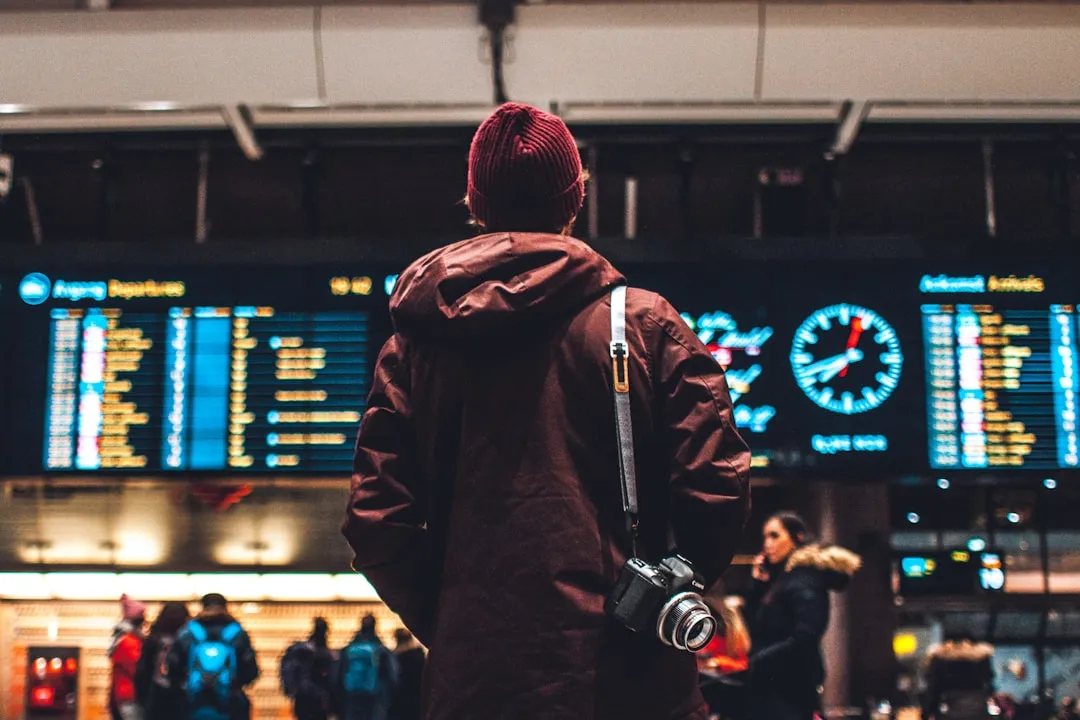
The strategy is straightforward once you understand the pattern. Choosing the right time to visit popular tourist attractions can make a significant difference in your travel experience. Whether it’s the Eiffel Tower in Paris or the Great Wall of China, timing your visit can help you beat the crowds and enjoy a more immersive experience.
Check the opening hours of each attraction and book the earliest available guided tour slot. Shoulder season travelers often get more value for their limited vacation time because they’re not wasting hours waiting in long lines. Plan your heaviest sightseeing for either the first two hours after opening or the final hour and a half before closing, and save mid-day for slower, less famous experiences that benefit from a more relaxed pace.
The Takeaway
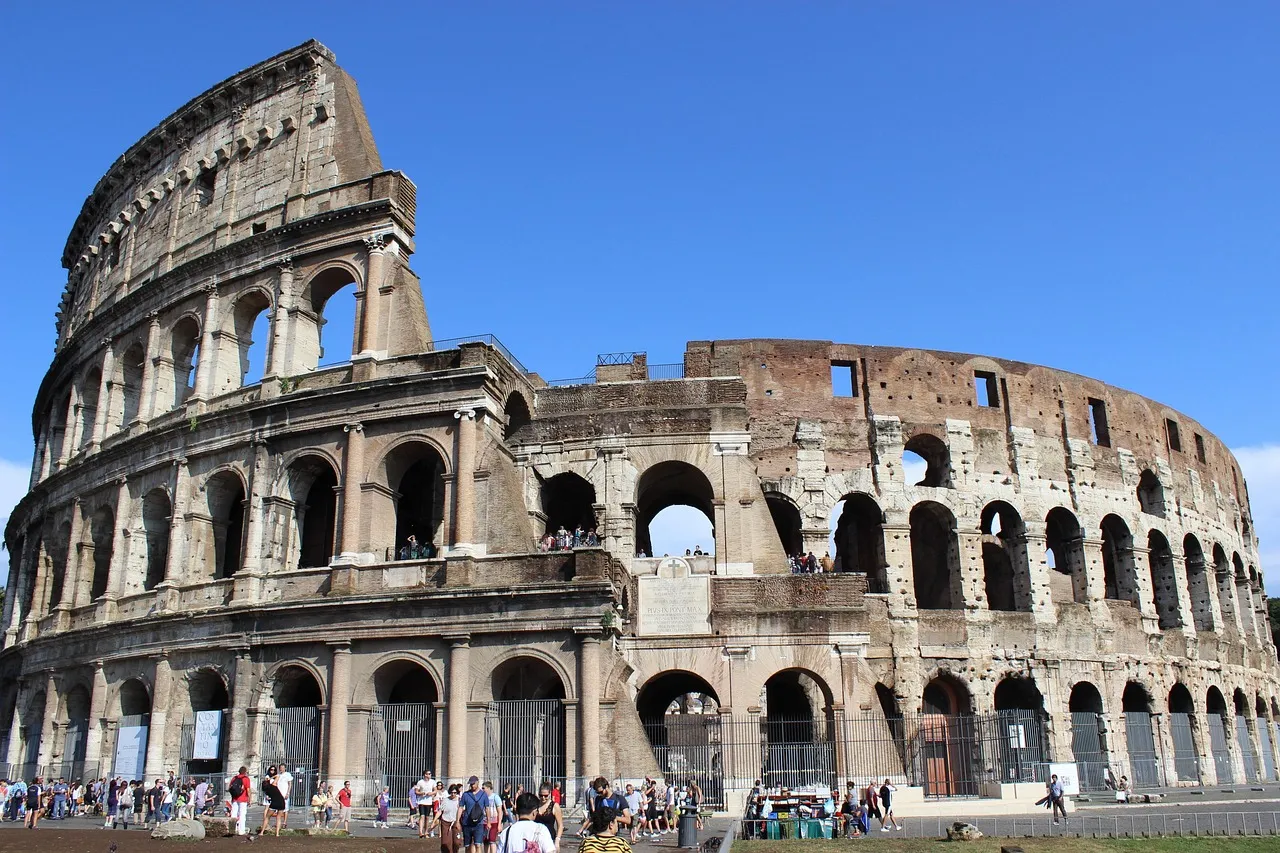
The near-private tour that most travelers dream about isn’t locked behind a premium price tag or an obscure secret location. It’s locked behind a slightly earlier alarm, a shoulder-season flight, and the discipline to resist hitting the Colosseum at noon. Timing beats location. Many calmer places are simply familiar places visited at unfamiliar hours.
That quiet, unhurried version of travel doesn’t require a different destination. It requires a different relationship with the clock. The guides who know these sites best have understood that for years. The rest of us are just catching up.
AI Disclaimer: This article was created with the assistance of AI tools and reviewed by a human editor.