
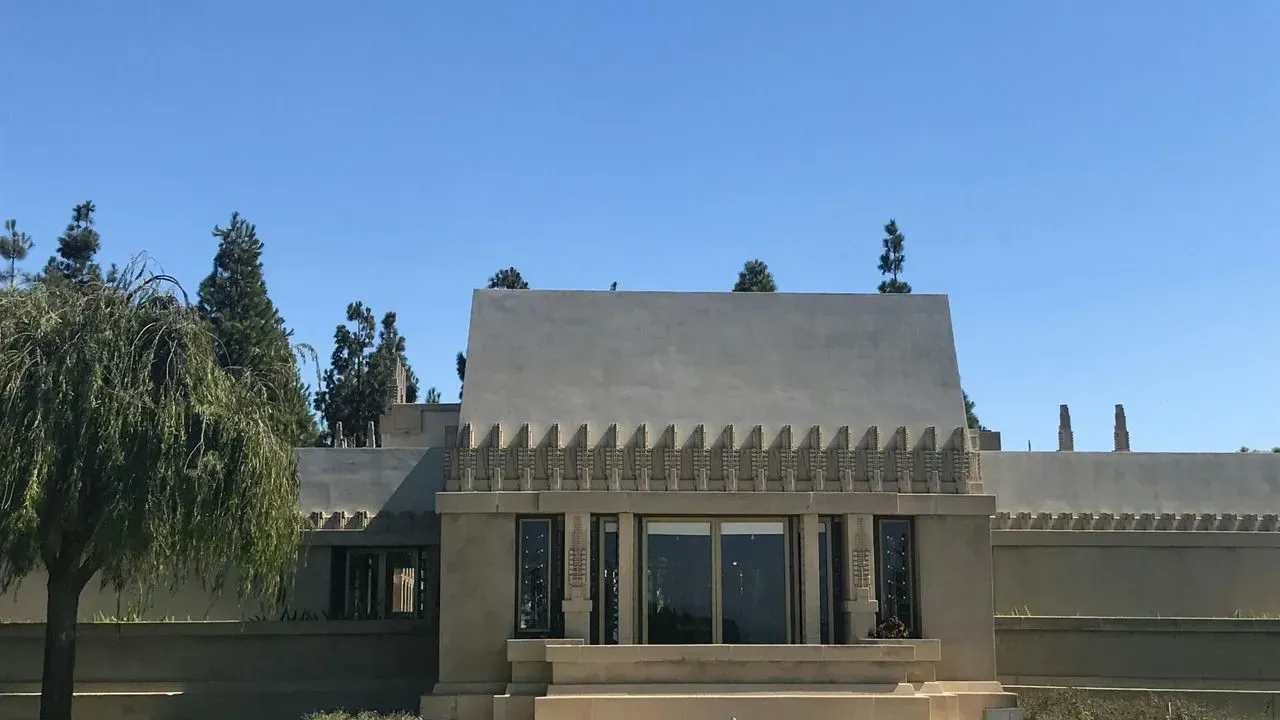

Frank Lloyd Wright shaped American architecture with designs that still draw admirers decades after his death. His surviving homes stand as living testaments to organic principles that blend structure with landscape. Yet keeping these rare properties intact requires steady commitment from owners and preservation groups alike. Petra Island in upstate New York offers one clear example, where a 5,000-square-foot main house of wood and concrete follows Wright’s original plans.
Why These Homes Matter Today
Wright’s work continues to influence how people think about space, light, and connection to nature. The homes that remain provide tangible links to mid-century innovation and regional building traditions. Visitors and scholars alike find value in experiencing these spaces, even from a distance, because they reveal practical lessons in sustainable design. Preservation ensures that future generations can study and appreciate the same details.
Petra Island’s estate illustrates this enduring appeal. Built according to plans Wright created years earlier, the property sits within a setting that highlights his signature integration of house and site. Such examples remind travelers and design enthusiasts that architecture can serve both function and inspiration when maintained with care.
The Practical Realities of Stewardship
Owners of Wright homes often face ongoing decisions about materials, climate control, and structural integrity. Wood elements require regular attention to prevent weathering, while concrete components need monitoring for stability over time. These tasks follow predictable cycles tied to seasons and regional conditions in places like upstate New York.
Professional teams and specialized contractors frequently assist with the work. Their involvement reflects a broader network of experts who understand Wright’s construction methods. Funding for such projects sometimes comes from private resources, grants, or partnerships with architectural foundations dedicated to his legacy.
Stakeholders and Long-Term Outcomes
Local communities benefit when these homes remain in good condition, as they contribute to cultural identity and occasional educational programs. Preservation organizations play a central role by offering guidance and sometimes coordinating restoration efforts. Owners themselves become caretakers who balance personal use with public interest in the buildings’ survival.
The timeline for major interventions can span years, with smaller maintenance steps occurring more frequently. This steady approach helps avoid larger disruptions later. When successful, the results allow the homes to continue serving as quiet landmarks that reward thoughtful observation.
Looking Ahead for Design Travelers
Interest in Wright’s architecture shows no sign of fading, which supports continued investment in upkeep. Travelers drawn to American design history can seek out related sites, tours, or exhibits that highlight preserved examples. Responsible appreciation includes recognizing the quiet labor that keeps these structures viable.
Petra Island and similar properties demonstrate how dedication turns potential loss into lasting presence. Their stories encourage a deeper respect for the people who choose to safeguard architectural heritage. In that sense, preservation becomes an act of generosity toward anyone who values thoughtful building.
AI Disclaimer: This article was created with the assistance of AI tools and reviewed by a human editor.