
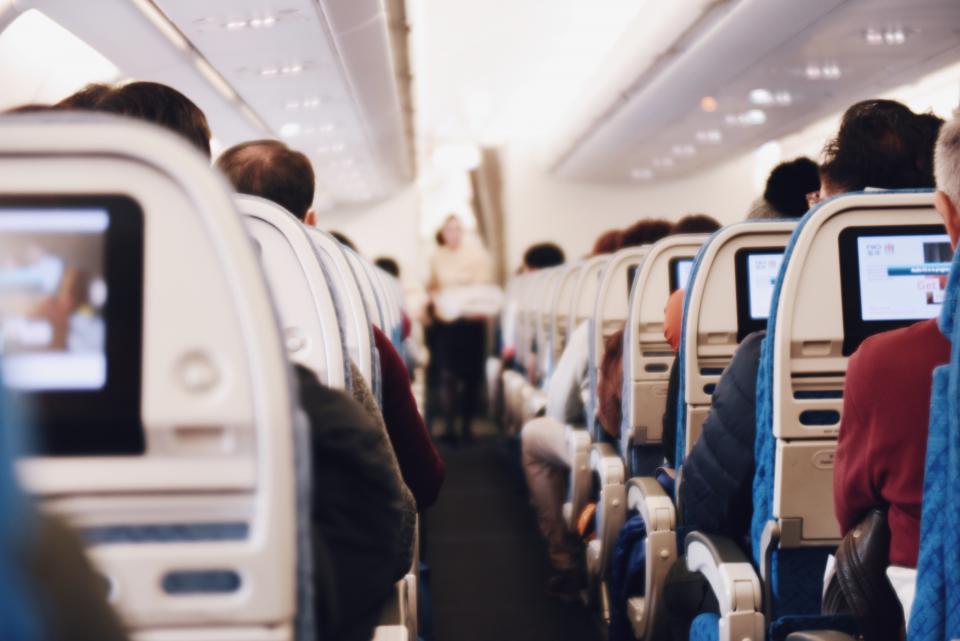

Every seasoned traveler has felt it: that moment when the seatbelt sign clicks off, the engine note settles into a low hum, and the sky outside turns an impossible shade of blue. It seems effortless. What most passengers never realize is that the smooth air they’re enjoying didn’t happen by accident. It’s the result of deliberate, calculated decisions made before the plane ever left the gate, and continuously refined thousands of feet above the ground.
The altitude a crew selects is one of the most consequential choices of any flight. It shapes comfort, safety, and fuel efficiency all at once. Here’s what pilots actually do, drawn from real aviation practice and research, to find the smoothest air in the sky.
The Sweet Spot: Why Most Jets Aim for 30,000 to 42,000 Feet
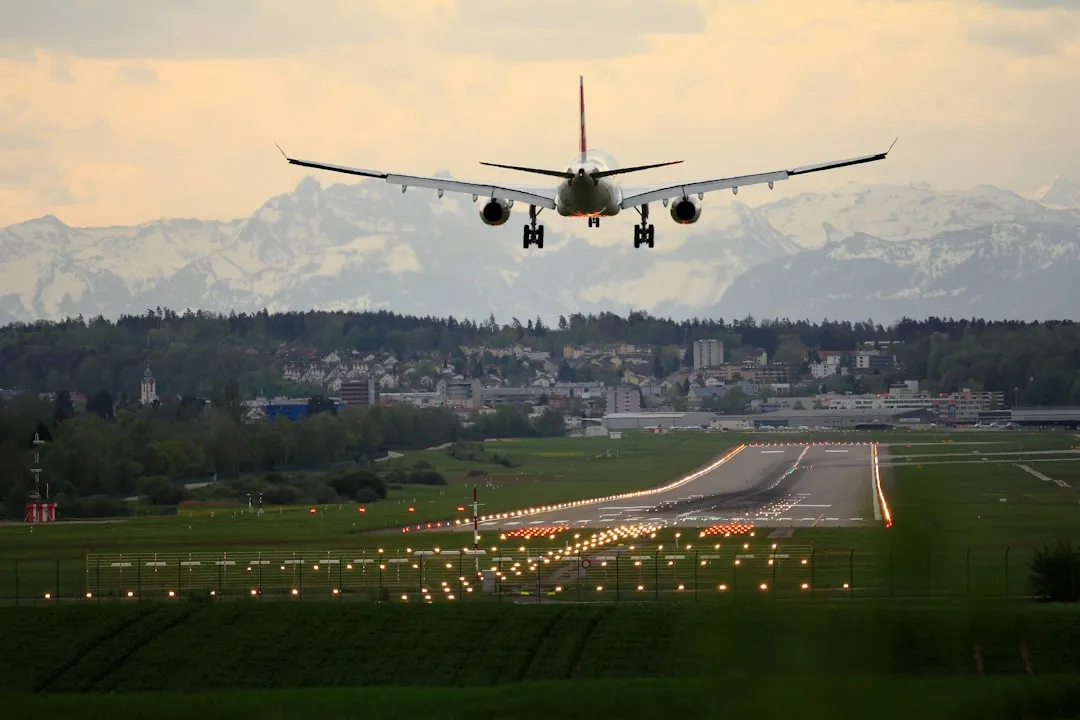
A typical cruising altitude for commercial aircraft ranges from approximately 30,000 feet to 42,000 feet above sea level. This altitude range provides several advantages, including optimal fuel efficiency, smoother air, and reduced atmospheric turbulence.
High altitudes ensure the aircraft is well away from the most severe weather that can lead to turbulence and icing. Commercial jets typically cruise between 30,000 to 42,000 feet in the stratosphere, where thinner air reduces drag and increases fuel efficiency.
Weaker winds and fewer weather cells above 30,000 feet make the cruise phase smoother most of the time. This is not a coincidence of geography. It reflects a basic truth about the atmosphere: the higher you go, the less weather there typically is to fight through.
Flying Above the Weather: The Core Strategy
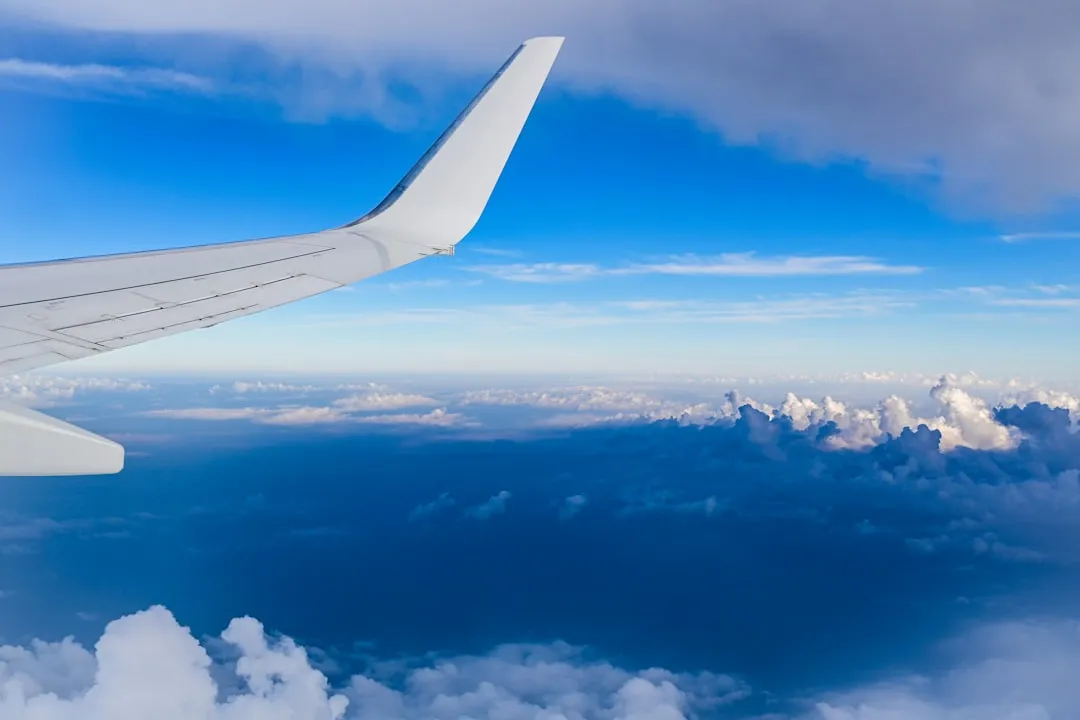
Flying higher means less turbulence. As an aircraft climbs to cruising altitude, it flies above most of the weather that can cause bumps, meaning fewer chances to hit turbulence and a smoother ride.
Almost every form of turbulence grows weaker with an increase in altitude, which is why there is less turbulence at the altitude that most airliners cruise at than at lower levels.
Rough air can be forecast, so if conditions are bad enough, the flight plan will take expected turbulence into account and plan a cruise altitude that prioritizes a better ride over the most cost-efficient option. That’s worth sitting with for a moment: pilots will actively sacrifice fuel economy to keep the cabin quiet.
The Step Climb: Chasing the Optimal Altitude as Fuel Burns Off
A step climb in aviation is a series of altitude gains that improve fuel economy by moving into thinner air as an aircraft becomes lighter and becomes capable of flying at higher altitudes. It is one of the most practiced techniques in long-haul commercial flying.
The altitude that provides the most fuel-efficient cruise at the start of a long flight, when the aircraft is fully loaded with fuel, is not the same as the altitude that provides the best efficiency at the end of the flight. This latter altitude is usually significantly higher. By climbing gradually throughout the cruise phase, pilots can make the most economical use of their fuel.
The thinner air at higher altitudes makes the airplane more fuel efficient, which translates into cost savings for commercial airlines. Higher altitudes can also provide smoother air. The step climb is elegant precisely because it serves multiple goals at once.
Clear Air Turbulence: The Invisible Challenge at Cruise Level
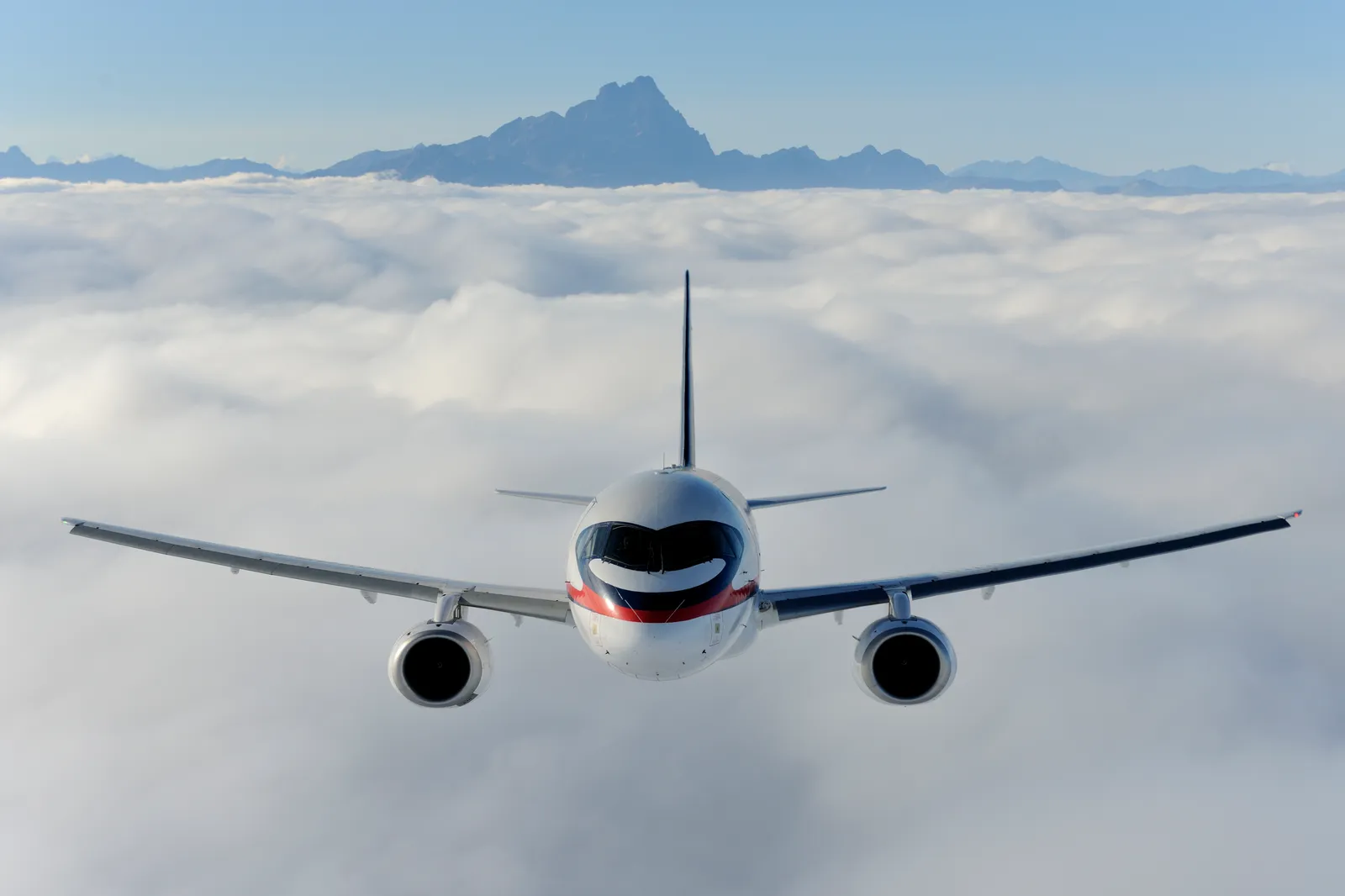
Clear-air turbulence is an invisible form of rough air that is undetectable by in-flight weather radar and is challenging to forecast. It has nothing to do with clouds and storms, but is instead generated by windshear, which is concentrated largely in the jet streams.
Clear air turbulence occurs without warning and in clear, cloud-free air above 15,000 feet. Pilots can usually fly out of it by ascending or descending a few thousand feet. That adjustment of just a few thousand feet is often all it takes to move from rough to glassy-smooth conditions.
Clear air turbulence is generated by strong wind shears in the jet stream and is more common during the winter months. Pilots who fly transatlantic routes in winter are especially familiar with this reality, and they plan accordingly.
Prioritizing Passenger Comfort Over Efficiency
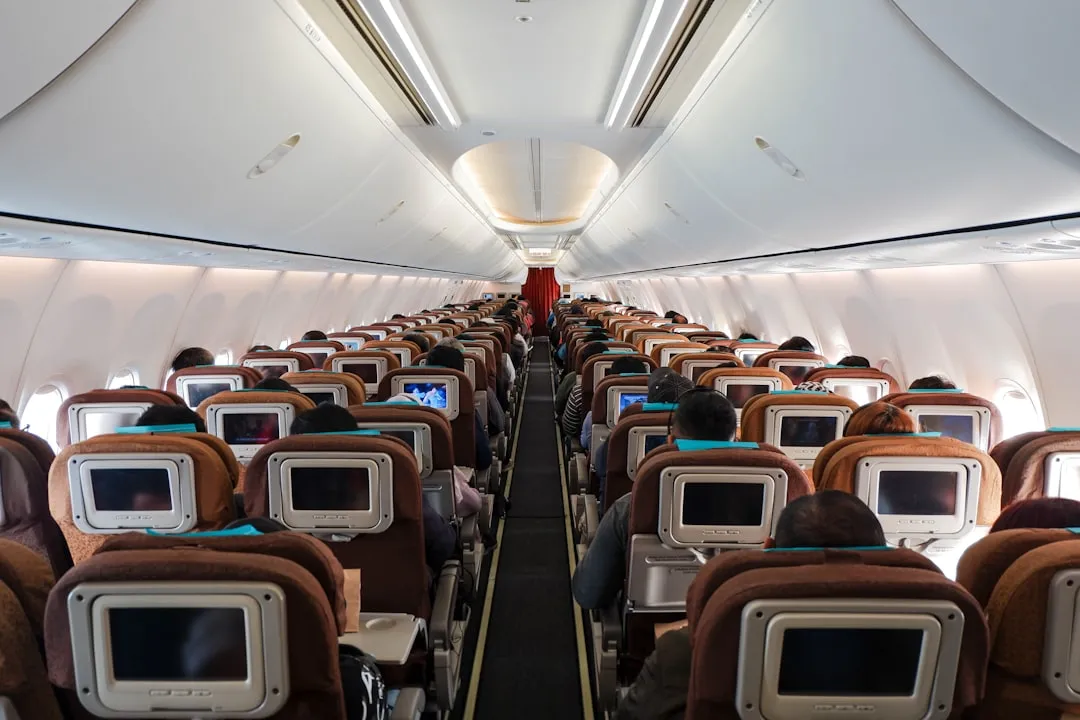
An airline pilot’s major concern for cruise altitude is to provide a smooth ride for passengers, even at the expense of efficiency. This logic should inform general aviation planning as well: there is little reason to remain at a bumpy altitude when climbing a few thousand feet could keep passengers cool and smooth.
Most of the time, the amount of wind change between, say, 3,000 and 6,000 feet is not so great that it changes flight time by more than a few minutes. If a smooth ride can be achieved by making that change, both pilot and passengers will enjoy the flight considerably more.
This is a philosophy, not just a technique. The smoothest flights aren’t accidental. They reflect a crew that has consciously weighed the options and chosen comfort.
How Pilots Use PIREPS to Find the Smooth Air
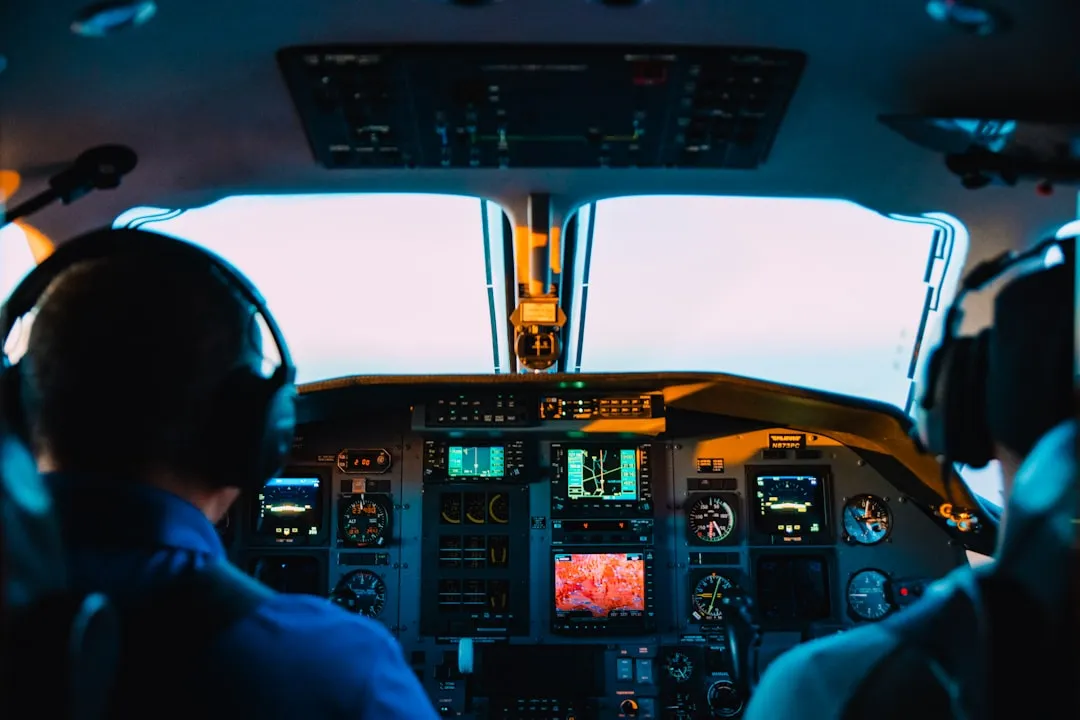
The number of pilot-reported encounters with turbulence is substantial: over the US, moderate-or-greater pilot reports average roughly 65,000 per year, and severe-or-greater reports average about 5,500 per year. These reports form the backbone of real-time turbulence awareness in the national airspace.
Pilots submit reports when encountering conditions that differ from forecasts or may affect other aircraft. These reports improve aviation weather products by providing verification and updates for forecasts and advisories, and air traffic control can receive and distribute them to support pilot decision-making.
Traditional tools like pilot reports and forecast models are powerful but don’t always tell the full story. For years, pilots have worked around this uncertainty with limited and often delayed information. Advances in avionics and automated turbulence reporting are now bringing smarter ways to navigate around rough air and find smoother skies.
Descending to Find Smooth Air: When Lower Is Better
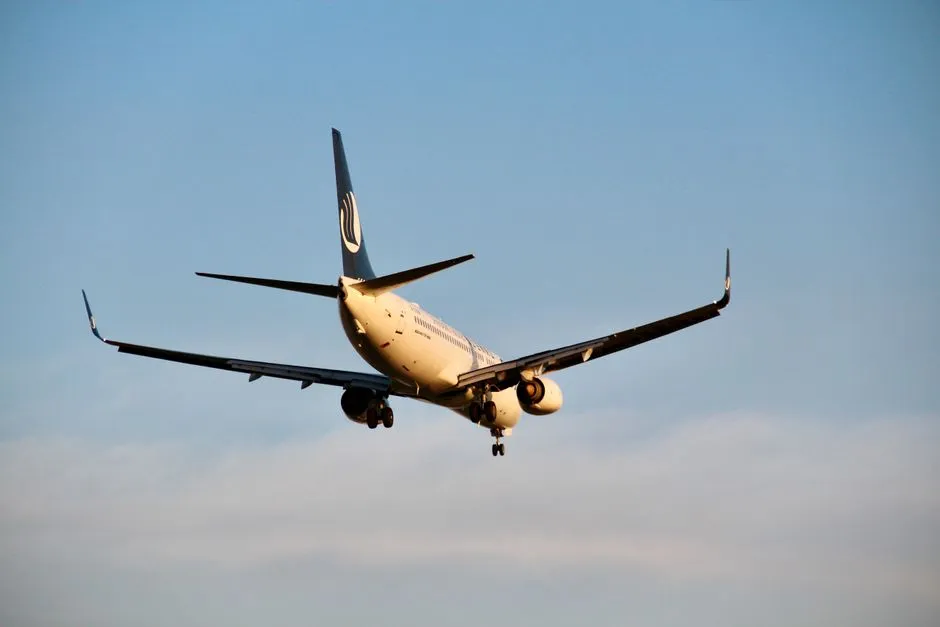
Descending to altitudes around 19,000 feet or lower can mitigate severe turbulence or jet stream interference. Air traffic controllers sometimes also assign such altitudes to maintain spacing and avoid active weather systems.
Dense air at lower altitudes penalizes fuel efficiency, but it can shorten flight time if tailwinds are more favorable at those levels. Safety is always paramount, and the pilot’s situational awareness includes data on in-flight icing, storm formation, or potential wind shear.
The upward habit gets the most attention, but experienced crews know that descending a few flight levels can sometimes unlock air that is perfectly calm. It’s a two-directional search, not a fixed rule.
Turbulence, Weather Fronts, and Why Route Planning Matters
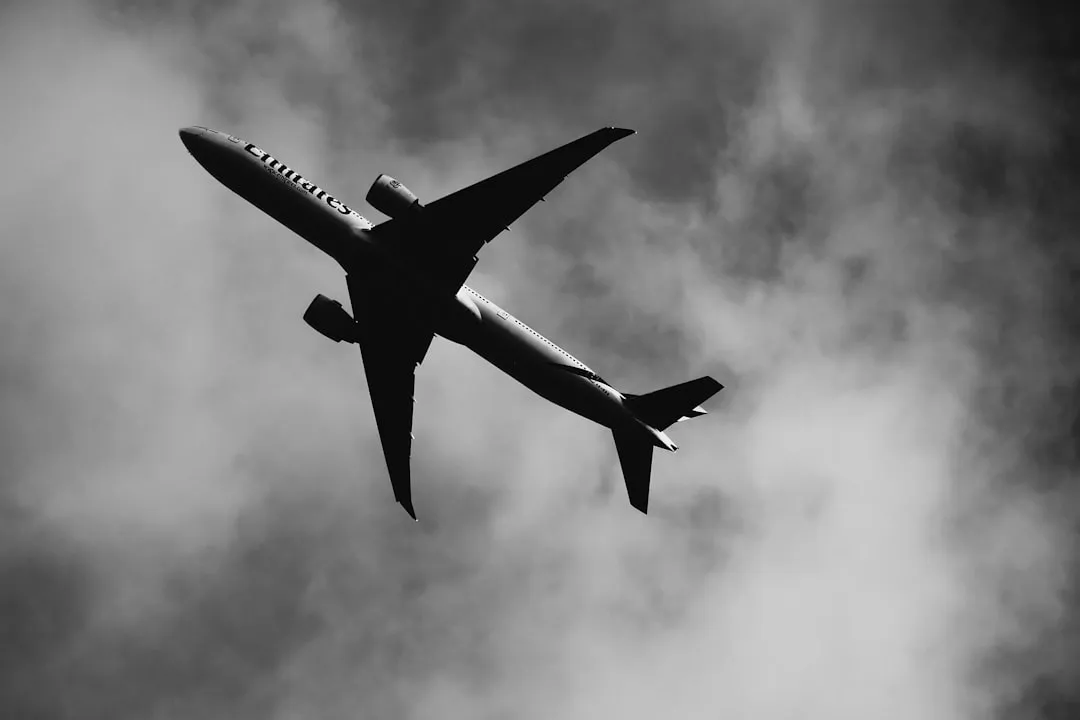
Due to a combination of factors including topography, jet streams, and storm activity, some of the world’s airline routes are more likely to experience turbulence events. The website Turbli tracks turbulence data and uses it to rank routes and airports.
Pilots and airlines conduct extensive preflight planning before the plane ever leaves the gate. General weather conditions, winds-aloft forecasts, and air traffic along the route are all important aspects of the journey.
Pilots must consider forecasted weather conditions and potential turbulence when choosing a cruising altitude to ensure the safety and comfort of passengers and crew. Avoiding areas of known turbulence, or adjusting altitude to mitigate its effects, may be necessary during flight.
Climate Change Is Making the Altitude Calculation Harder
Windshear in the jet streams has increased by roughly fifteen percent at aircraft cruising altitudes since satellites began observing it in 1979. A further increase of around seventeen to twenty-nine percent is projected by 2100. These increases are consistent with the expected effects of climate change, where atmospheric feedback loops are strengthening the temperature differences that generate windshear in the upper atmosphere.
Research shows coherent climate anomalies, with rising turbulence intensity over the UK and Northern Europe, where most events involve clear air turbulence that occurs unexpectedly and without warning. A clear seasonal pattern also exists, with moderate-or-greater turbulence encounters most frequent and intense in winter.
According to the NTSB, turbulence accounts for approximately seventy-five percent of all weather-related accidents and incidents each year. As the atmosphere becomes less predictable, finding the smooth altitude is becoming more of a dynamic pursuit than a fixed science.
The Role of Modern Technology in Altitude Decisions

NCAR has developed a turbulence nowcast and forecast system covering the continental United States and, more recently, the globe. The Graphical Turbulence Guidance product provides strategic guidance for turbulence avoidance in flight planning. The system provides turbulence forecasts of mountain wave turbulence, clear air turbulence, and convectively induced turbulence out to 18 hours, updated every hour.
Modern jet airplanes have Flight Management Systems that allow pilots to plan step climbs and pre-check the fuel consumption benefits. These systems integrate real-time weather data with aircraft performance curves, so the altitude choice is increasingly supported by precision tools rather than intuition alone.
The products developed at NCAR have reached a level of maturity that allows them to be used operationally by pilots and route planners in tactical and strategic planning for avoiding turbulence or mitigating the effects of encounters. The human skill remains essential, but it now has far better data behind it.
The Takeaway
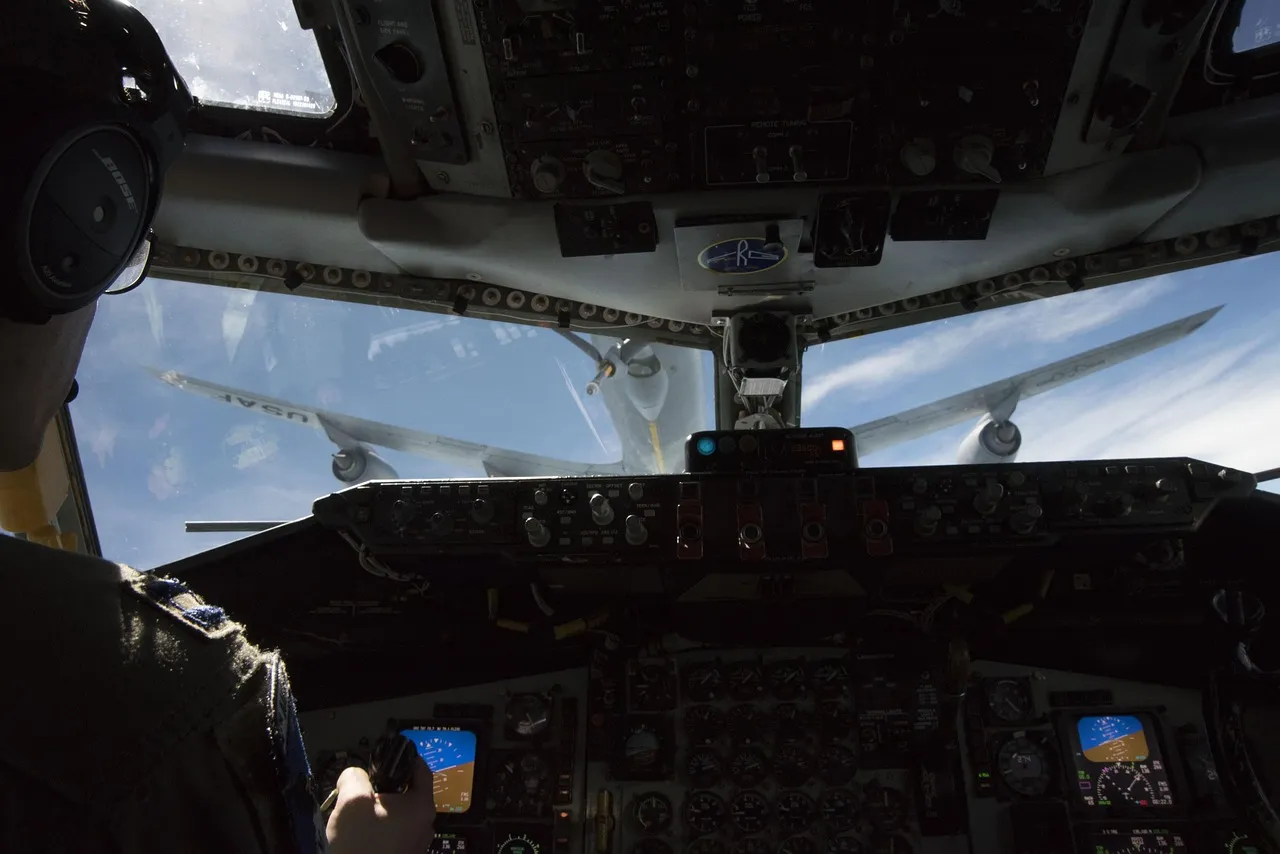
The altitude habits that pilots rely on for a smooth ride aren’t mystical. They are grounded in physics, reinforced by decades of real-world pilot reports, and now increasingly sharpened by advanced forecasting tools. The general principle, climbing higher to escape weather and turbulence, holds across most situations. The nuance lies in knowing when to go higher, when to drop down a few thousand feet, and when the step climb has earned its place in the flight plan.
For passengers, the smooth ride that seems effortless is really the product of careful pre-flight planning, real-time judgment, and a professional commitment to comfort that pilots carry with them into every climb. Next time the cabin stays quiet at 37,000 feet, that silence is earned.
AI Disclaimer: This article was created with the assistance of AI tools and reviewed by a human editor.