

Most people board a cruise ship and accept wherever they’ve been placed, assuming the cabin assigned is simply the cabin they’ll get. What they don’t realize is that a handful of smart, specific requests made at the right moment can completely transform their view, sometimes without spending a single extra dollar.
The cruise industry has quietly shifted in recent years. Ships sail fuller than ever, inventory management has grown more sophisticated, and the days of casually charming a check-in agent into a free upgrade are largely behind us. Gone are the days when a friendly chat with check-in staff might land you a free upgrade. The cruise industry has become much savvier in terms of inventory management, and most ships sail at near capacity. Still, knowing how cabins are structured, what crew members look for, and which requests are actually reasonable gives you a meaningful edge. Here’s what experienced cruisers and travel insiders have put together from years of sailing.
Ask for an Aft-Facing Balcony, Not Just “A Balcony”
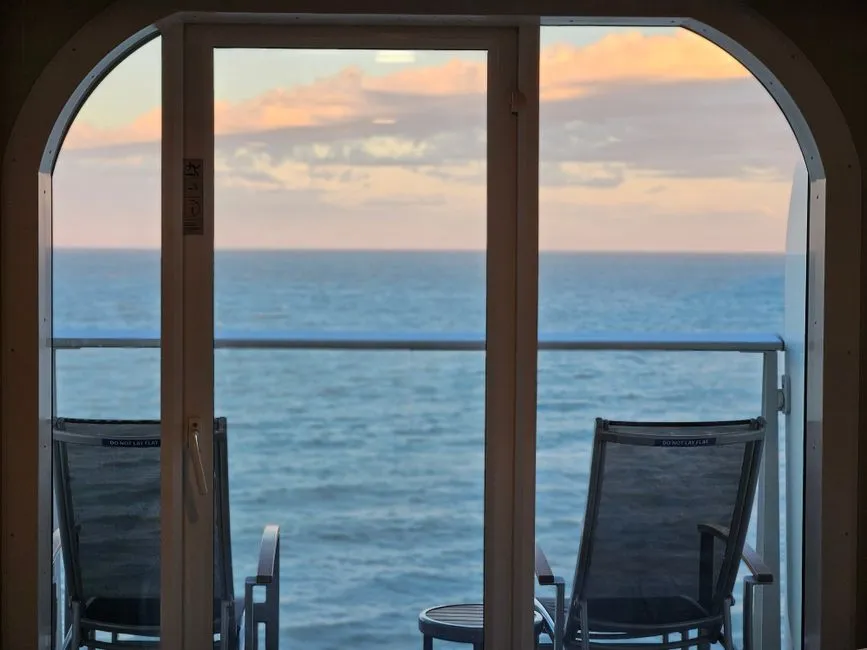
There’s a meaningful difference between requesting a balcony cabin and requesting a specific type. Aft-facing cabins, those positioned at the rear of the ship, tend to offer some of the most dramatic water views available at sea. Aft-facing, or rear-facing, balcony cabins give sweeping views of over 90 degrees, including the beautiful, meditative wake from the ship.
The physical size alone is worth noting. Aft balcony rooms offer a different perspective than a balcony on the side of the ship, and many people find this view more relaxing. The balcony itself is usually wider, offering a better angle, and on many Royal Caribbean ships the size of an aft balcony can be enormous compared to a side-facing one.
When cabin inventory shifts close to sailing, aft-facing cabins are sometimes reassigned if a guest cancels. If you’ve put in a request for one, you move to the front of the informal queue. Be polite, be specific, and ask early.
Request Midship Placement for the Smoothest Ride
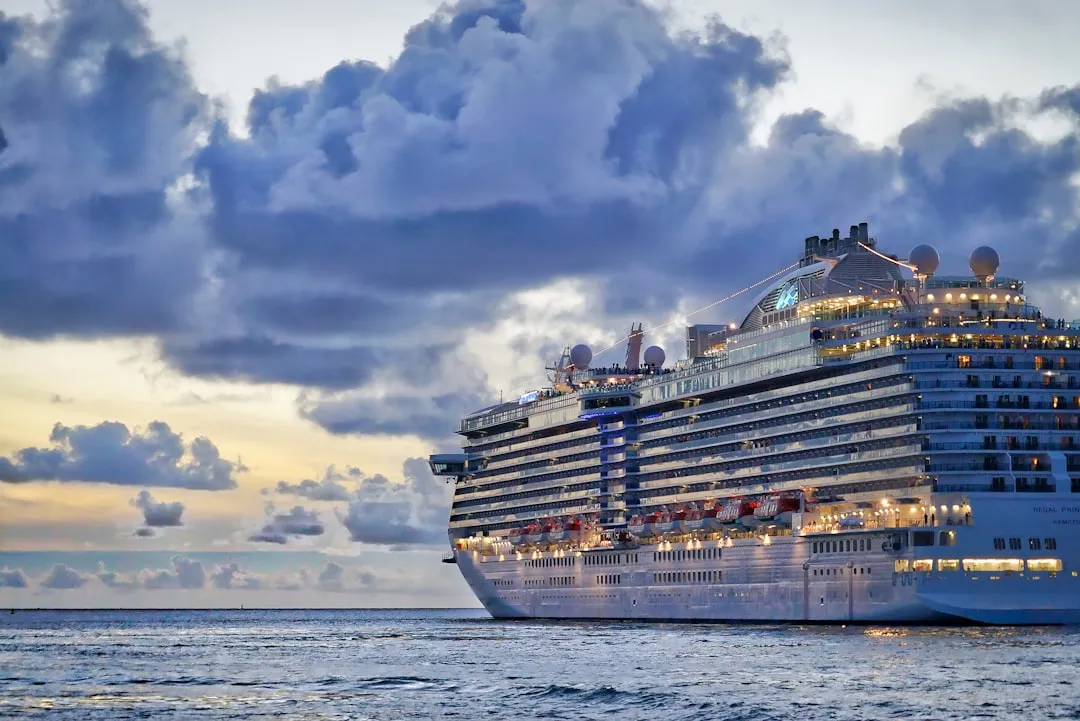
As a general rule, a cabin in the middle of the ship is a winner for most people. Midship cabins offer centralized convenience to the rest of the ship, especially the elevators. This matters more than most first-time cruisers expect. A view from a calmer, steadier vantage point is simply more enjoyable than a room at the bow that pitches in rougher seas.
If you’re worried about seasickness, book midship. The middle of the ship moves the least in rough seas. Think of it as the sweet spot of the vessel where the ocean outside your window looks inviting rather than unnerving. This request costs nothing and can be made directly at booking or when following up with a travel agent.
Know the Goldilocks Deck Zone
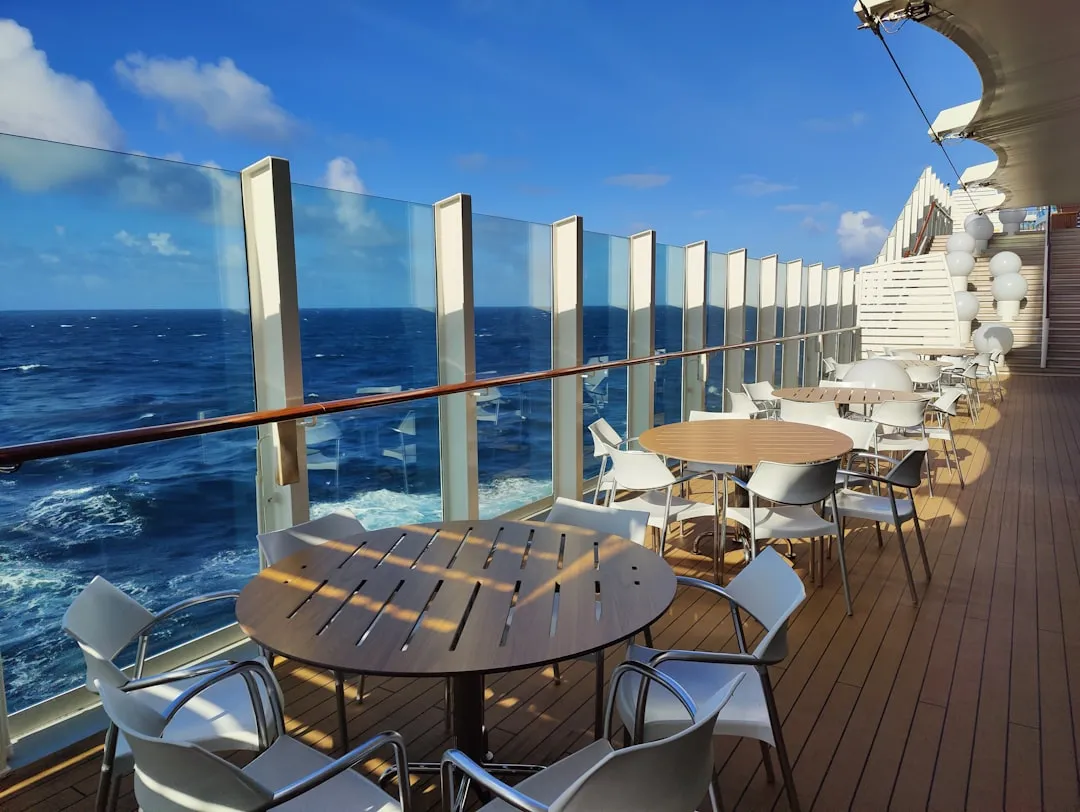
Most cruisers either book as low as possible to save money or assume the highest deck is best for views. Neither extreme is ideal. Upper decks sway more in rough seas because the ship’s center of gravity is below the waterline. On a very tall ship pitching in significant swells, this genuinely matters. The motion at the top is more pronounced, not less.
Very low decks, such as decks two through four, put you closer to engine rooms, laundry facilities, and crew quarters. You’ll hear machinery rumbling early in the morning when the ship’s systems power up. The practical sweet spot sits in the middle. Decks five through eight represent the goldilocks zone. When requesting a reassignment, citing this range gives crew something concrete to work with.
Understand What “Obstructed View” Really Means Before You Book

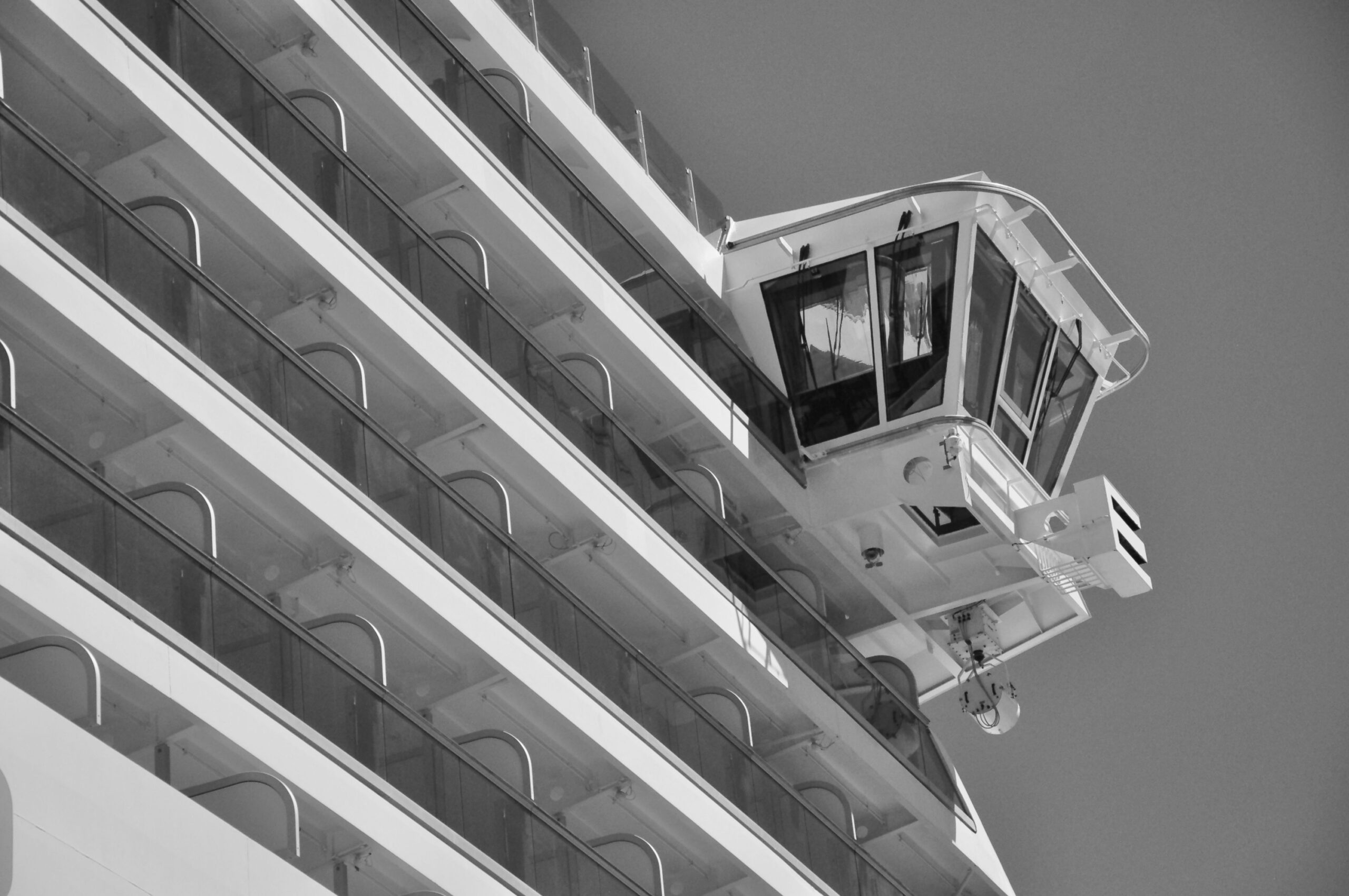
An obstructed view cabin is a cruise ship room with a window or balcony that’s partially or fully blocked by an onboard object. The most common offender is a lifeboat, though equipment and deck structures can also be responsible. What is considered obstructed can vary tremendously, but it usually isn’t a fully blocked view. The most common reason a cabin is labeled obstructed is being able to see the roof of a lifeboat when standing at the edge of the balcony.
If you’re sitting on the balcony, you’ll likely never be bothered by it. The most popular reason people choose obstructed view cabins is the discounted price, and one perk is that they’re often in the best locations on the ship. Because most of the obstructions come from lifeboats, the cabins are usually in a central area of the ship, one of the most desirable spots.
Travelers should check cabin images and ask directly about the obstruction percentage, especially if booking online or through a travel agent. A cabin that’s listed as obstructed but only slightly so can be one of the best value positions on the entire ship.
Use a Travel Agent to Request What the Public Booking Engine Won’t Show

Travel agents can be your key to a free or discounted cruise cabin upgrade. They sometimes have access to offers and group rates you may not when booking directly. More importantly, agents can communicate preferences directly to the cruise line in a way that a digital booking form simply doesn’t allow. They know who to call and how to frame a request so it’s actually heard.
Your agent might be able to snag you an upgrade by contacting the cruise line and asking for a favor. This works best when it’s framed as a preference rather than a demand, and when there’s genuine flexibility in your request. Agents with strong relationships to specific cruise lines carry the most weight here.
Book a Guarantee Cabin Strategically
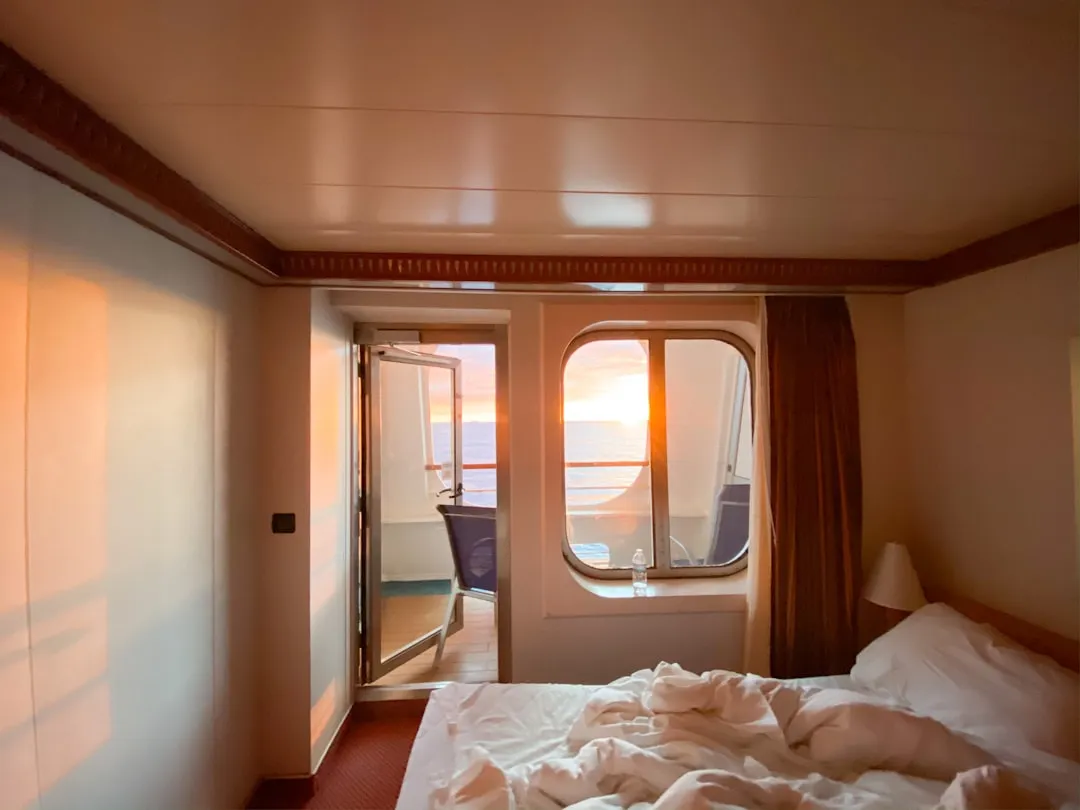
When you book a cruise, you typically choose a cabin in your desired location. With a guarantee cabin, you leave it up to the cruise line to assign you accommodations either in the category you booked or a better one. This is one of the few remaining pathways to a genuine view upgrade without paying more upfront. Guarantee fares are typically cheaper than standard fares.
The trade-off requires honesty. There’s a risk of being assigned a cabin in an unfavorable location, such as near the nightclub or crew elevator shaft. Upgrades are likely to go to loyalty program members or cruisers who have a higher loyalty status first. If you have no loyalty status and no flexibility, a guarantee cabin carries real risk. If you do have status, it becomes a smarter gamble.
Join Loyalty Programs Before You Even Think About Upgrades
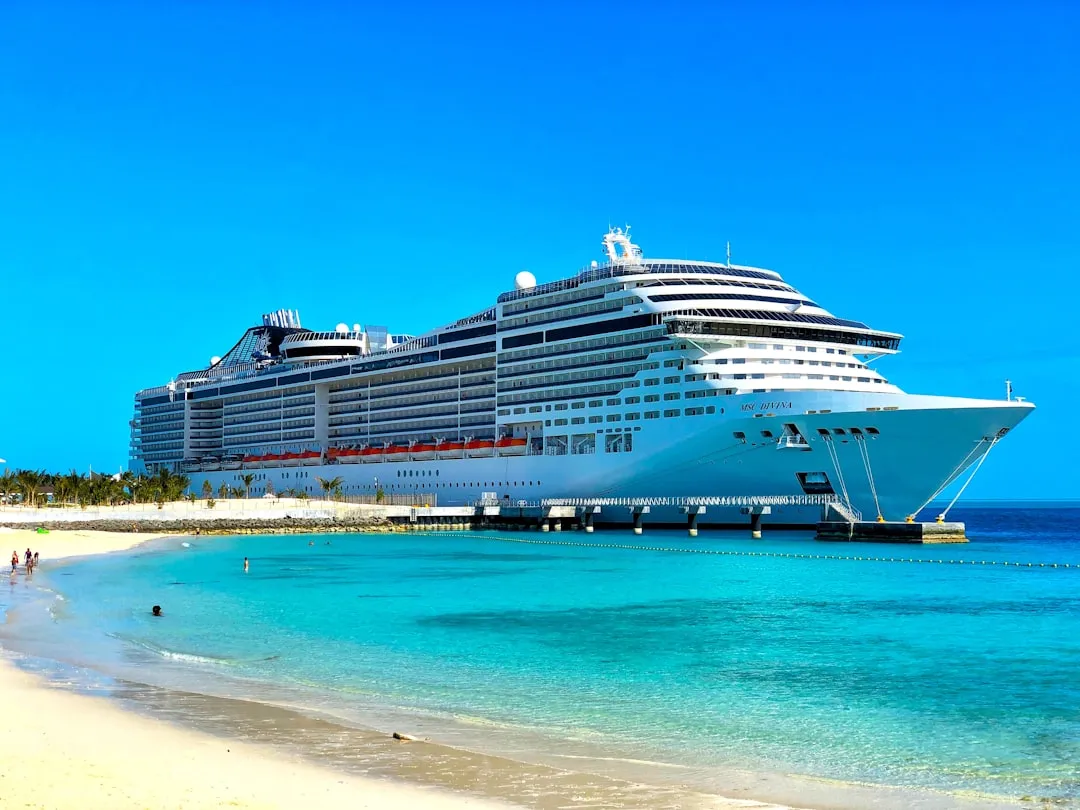
This is the most consistently effective long-term strategy, and it doesn’t require any lobbying at the front desk. Most loyalty programs are free and automatic. Guests are typically enrolled after their first sailing and start earning credit based on cruise nights, number of cruises, or onboard spend. Higher tiers unlock more substantial rewards, such as complimentary internet, priority embarkation, drink vouchers, and cabin upgrades.
Higher loyalty tiers may provide priority access to available cabin upgrades, exclusive discounts, and other special perks, such as access to private lounges and events on board. Royal Caribbean’s Crown and Anchor Society, for instance, has six tiers: Gold, Platinum, Emerald, Diamond, Diamond Plus, and Pinnacle Club. The perks grow meaningfully at each level, and cabin preference requests carry more weight as you climb.
Leverage Status Matching If You’re New to a Line
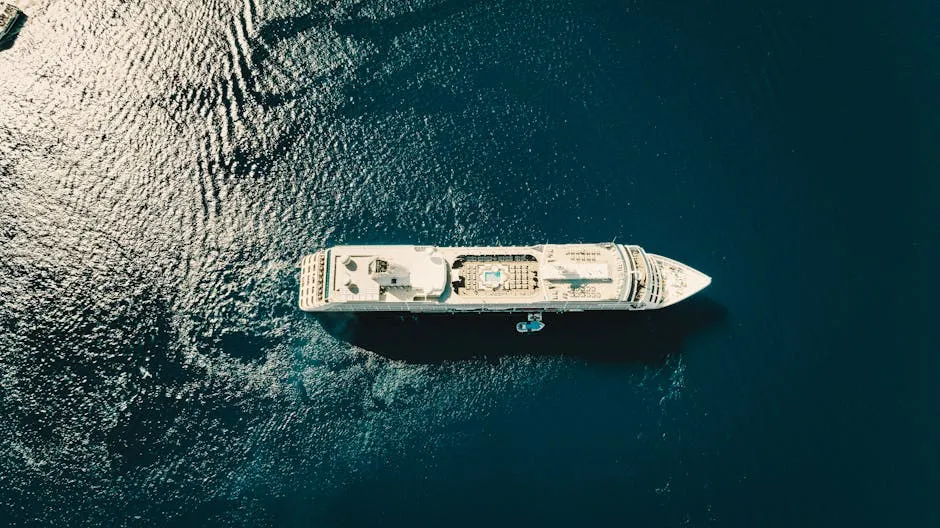
One of the most underused tactics available to experienced travelers right now involves status matching between programs. MSC Cruises remains the most generous and accessible program in 2025 and 2026. It is open year-round, easy to apply for, and extremely rewarding, making it the best value for travelers looking to elevate their cruising experience instantly.
Some cruise lines, including MSC Cruises and Virgin Voyages, also offer status matching for travelers with elite standing in other programs. This means your hotel or airline loyalty tier can translate directly into cruise benefits, including better cabin placement, without ever having sailed that line before. High-tier Marriott, Hilton, Hyatt, Delta, or United members will almost always receive top-tier MSC status.
Try the Upgrade Bidding Systems with a Measured Offer
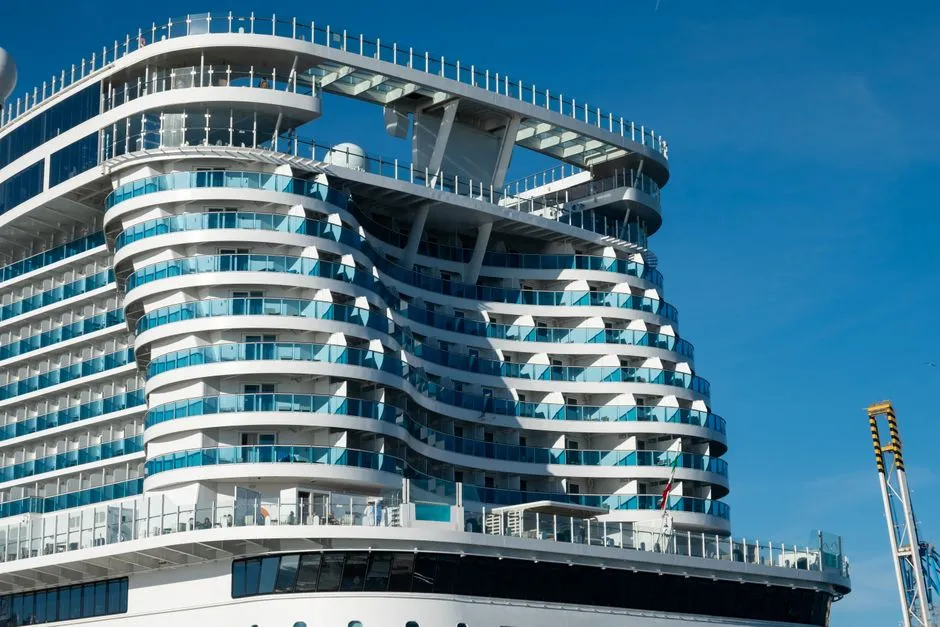
In recent years, most major cruise lines have introduced bidding systems for cabin upgrades. These include Royal Caribbean’s RoyalUp program, Norwegian Cruise Line’s Upgrade Advantage, Celebrity Cruises’ MoveUp, and MSC Cruises’ MSC Upgrade. These aren’t freebies in the traditional sense, but they can represent dramatic savings compared to booking the higher category outright.
It’s wise to not bid too high and to check how much it would cost to simply upgrade directly. Several people on board cruises have admitted they got carried away and bid more than if they had just upgraded themselves. A sensible approach is to set a maximum bid based on what the better cabin is actually worth to you, then leave the rest to timing and availability. Bidding usually works best when booked in lower grades like inside, oceanview, or entry level balcony cabins, as those are the ones cruise lines are most trying to shift passengers up from.
Time Your Booking Around Shoulder Seasons
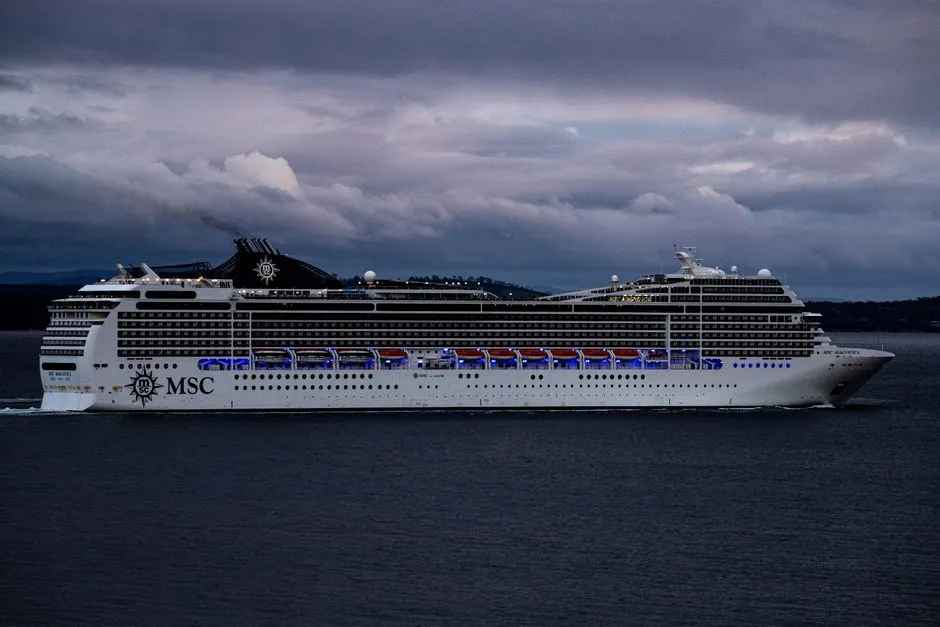
You might see discounted upgrades offered on cruises during shoulder seasons, such as immediately after children return to school in the fall. Ships sailing less than full are the only true window for complimentary or deeply discounted upgrades, and shoulder season sailings are where that window still occasionally opens. The math is simple. Fewer passengers means more unoccupied premium cabins, and cruise lines would rather have someone in them than leave them empty.
Timing is everything: booking early, leveraging shoulder seasons, and combining guaranteed cabins with elite priority maximizes upgrade odds. Pairing a guarantee cabin booking with even a modest loyalty tier during a less-popular sailing window is one of the more reliable combinations available to cruisers today. It requires patience, but it genuinely works.
The Takeaway
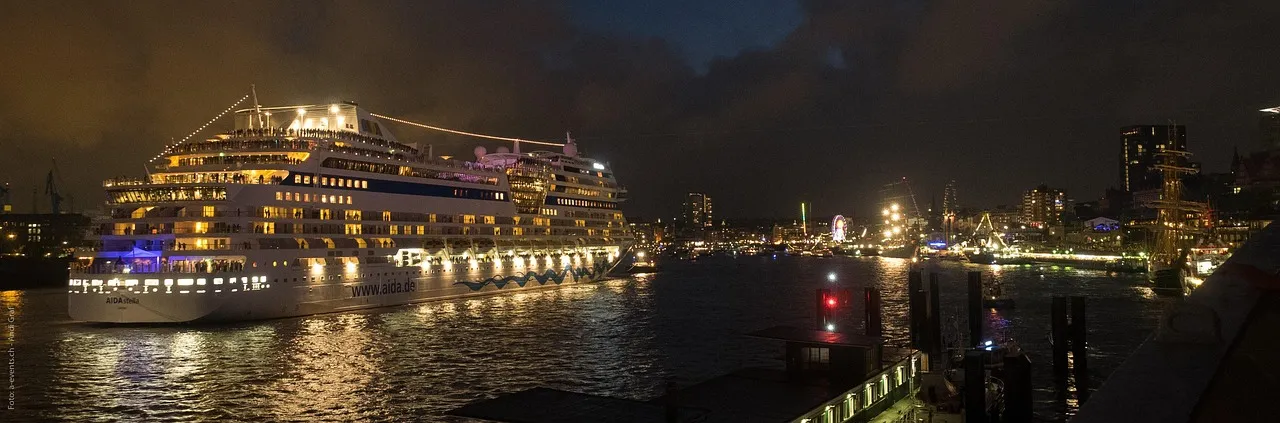
The view from your cabin shapes how the whole voyage feels, morning coffee watching the wake unfurl behind the ship, port arrivals seen from your own balcony, sunsets with no one else’s schedule involved. It’s worth a little effort to get it right. None of these strategies requires luck or charm alone.
Complimentary upgrades have become increasingly rare in today’s cruise market. When upgrades occur, it’s usually to solve a problem rather than reward a passenger’s charm or loyalty. The passengers who consistently land better cabins are the ones who understand the system, ask precisely, and plan around how cruise lines actually make their inventory decisions. That knowledge, more than anything, is the real upgrade.
AI Disclaimer: This article was created with the assistance of AI tools and reviewed by a human editor.