
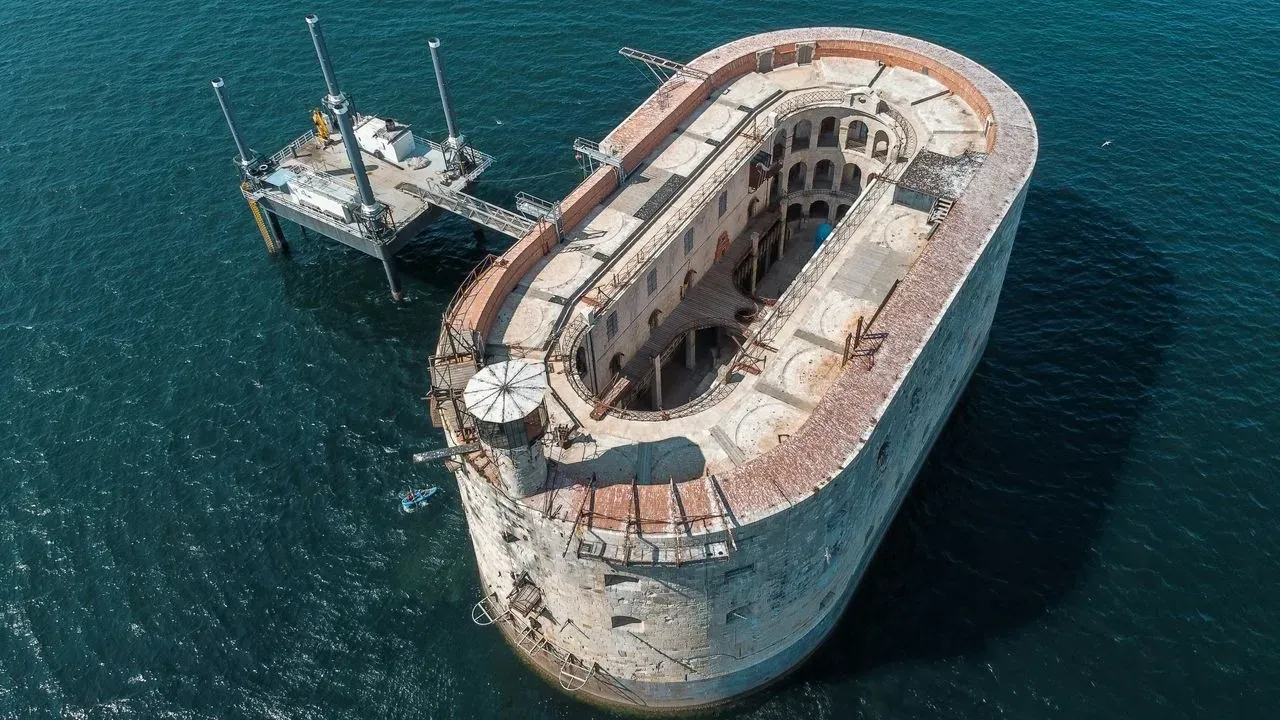

Maldives – A substantial private island is taking form within one of the nation’s deep-water lagoons, representing a notable example of large-scale marine engineering. The project covers 155 acres and carries an asking price of $450 million. Such developments illustrate how private investment can intersect with the technical challenges of building in sensitive ocean settings while aiming for environmental consideration.
The Engineering Behind the Island
Creating a zero-land island requires careful planning to ensure stability in lagoon conditions. Builders must account for water depth, currents, and the need for durable foundations that can support long-term use. This approach draws on advances in marine construction techniques that allow structures to integrate with surrounding waters rather than displace them entirely.
The scale of 155 acres provides ample space for extensive facilities while remaining contained within the lagoon boundaries. Projects of this kind often involve phased construction to monitor environmental effects at each stage. The result is a self-contained property that functions independently of traditional land-based infrastructure.
Design Priorities and Sustainability
Eco-conscious elements form a central part of the concept, focusing on reduced impact within the marine environment. Features may include systems for water management, energy generation, and waste handling that align with broader goals of ocean stewardship. These choices reflect growing expectations among high-end buyers for developments that respect the natural setting.
Attention to local ecosystems remains essential in any lagoon-based project. Designers typically incorporate measures to limit disruption to coral and marine life during and after construction. The overall intent appears to balance exclusivity with a measured approach to resource use in a region known for its biodiversity.
Market Context and Stakeholder Interests
Ultra-luxury real estate continues to attract attention from individuals seeking distinctive properties. A $450 million valuation places this island among the most significant private offerings in recent years. Buyers in this segment often consider factors such as privacy, long-term resilience, and alignment with personal values around sustainability.
Local communities and national authorities in the Maldives stand to observe how such projects unfold. They can influence employment opportunities during construction and operation, as well as broader discussions about coastal development. The timeline for completion will depend on regulatory approvals and engineering milestones that remain in progress.
Practical Considerations for Future Developments
Key aspects that shape similar initiatives include:
- Site selection within protected or suitable lagoon areas
- Integration of renewable energy and water systems
- Compliance with environmental regulations specific to island nations
- Long-term maintenance plans that account for climate variability
These elements help determine both feasibility and acceptance among regulators and residents. Projects that address them thoughtfully tend to proceed with greater support from stakeholders.
Ultimately, this island project underscores the evolving nature of private real estate in marine environments. It offers one illustration of how substantial resources can support ambitious engineering while navigating the responsibilities that come with development in places like the Maldives.
AI Disclaimer: This article was created with the assistance of AI tools and reviewed by a human editor.