


Most hotel guests worry about packing the right outfits or booking the best restaurant nearby. Very few stop to think about the small, quiet moment that happens right at the elevator door when a bellhop sets down their bags. That moment, it turns out, matters far more than most travelers ever realize.
The way you tip at the start of your stay has a surprising ripple effect through the rest of your trip. It shapes how staff perceive and treat you, and it influences the kind of invisible attention you receive. Here’s what the world of hotel service actually tells us.
Tips Are a Meaningful Part of How Bellhops Earn a Living

It helps to start with a basic reality check. Many hotel workers earn low base wages and depend on tips as significant income. Housekeepers, bellhops, valets, and concierges structure their compensation around gratuities. This isn’t a bonus system – it’s how the pay structure actually works.
In the United States, tipping still makes up a large portion of hospitality staff wages. The etiquette behind hotel gratuities can be hard to navigate, unlike commonly used rules of thumb in restaurants and bars, where twenty percent of the bill is considered the gold standard. That ambiguity creates confusion for guests and real financial consequences for staff.
Bellhops often work for tips alone, so skimping is frowned upon. Knowing that going in changes the whole framing of what a tip actually represents.
The First Tip Sets the Tone for Your Entire Stay

Seasoned travelers often underestimate just how quickly hotel staff form impressions. The bellhop who carries your bags on day one will often speak with colleagues at the front desk, with housekeeping supervisors, and with the concierge. A generous and gracious tip at arrival signals what kind of guest you are – before you’ve even reached your room.
Bellhops carry your luggage, provide room orientation, sometimes deliver ice or extra towels, and occasionally share insider knowledge about the hotel. That insider knowledge is rarely offered automatically. It tends to flow more generously to guests who’ve made a good impression from the moment they arrived.
If the bellhop also gives you a room tour, explains hotel amenities, or brings up items later in your stay, consider tipping more. That extra interaction is a sign of engagement – and it’s worth acknowledging financially when it happens.
The Per-Bag Rule: What the Current Standard Actually Looks Like

When tipping the hotel bellhop, a good rule of thumb is to tip one dollar per bag at standard hotels and two dollars per bag at luxury establishments or when dealing with larger or heavier luggage. These numbers have become the widely accepted baseline across the U.S. hospitality industry.
It’s advisable to tip at least two dollars minimum in any situation, as tipping one dollar might be perceived as insufficient. Factors to consider include the level of courtesy, how well they handle your luggage, the level of work involved, and whether you utilize the bell cart or trolley.
At luxury properties, the recommended amount bumps to four to seven dollars per bag. The service expectation is higher, and the staff typically provides more detailed assistance beyond just transporting luggage. Matching your tip to the tier of the property is both practical and respectful.
Tipping Upfront vs. at the End of a Stay

There’s genuine debate among experienced travelers about timing. Some prefer to tip as each service is rendered. Others hold back and assess the stay as a whole before leaving a sum at checkout.
Some pros share tips at the end of a stay when service can be assessed as a whole. This avoids repeatedly tipping the same bellhops and doormen each time you come and go. It’s a reasonable strategy, particularly for long stays at busy properties where the same staff members interact with you repeatedly.
That said, tipping upfront carries its own quiet logic. It positions you as a generous guest before any special requests arise. Staff who feel appreciated early tend to be more proactive throughout the stay, not out of obligation, but because hospitality workers remember kindness.
Cash Still Reigns, Though the Landscape Is Shifting
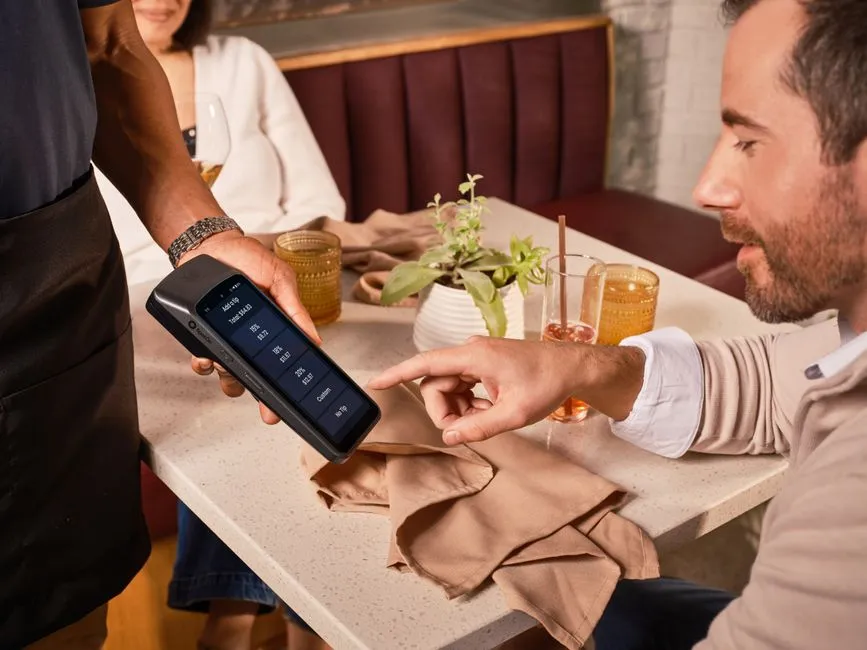
Tipping culture has been impacted by the decline of cash. With fewer people carrying bills, guests have turned to credit card tips, app-based tipping, and even Venmo or PayPal for hotel staff. Cash is still customary, especially for concierges, bellhops, and housekeeping.
When cash isn’t an option, it’s best to ask staff how they prefer to receive tips. Digital tipping can work but should be discreet. Asking quietly shows consideration – and that consideration itself makes an impression.
There’s been an increase in tipping prompts on in-room tablets and during checkout, urging guests to offer preset percentage gratuities. The transition to digital payment options such as credit cards, apps, Venmo, and PayPal adds to the evolving landscape. It’s worth keeping a small amount of cash in your wallet specifically for hotel stays, even in 2026.
Not All Hotel Roles Can Legally Accept Tips

A detail many guests never consider: not every employee at a hotel is permitted to accept gratuities. Hotel staffing structures have led to some confusion around who should be tipped. With more blended roles, it’s not always clear if certain employees are allowed to accept gratuities. Some hotels prohibit tips for managers or anyone in a supervisory role. Others forbid tips at the front desk.
Guests need to quietly inquire about policies to avoid putting employees in an awkward position. Err on the side of discretion when unsure. A hushed, courteous offer is always more dignified than a loud or public gesture.
Tipping at Luxury Properties Comes With Higher Expectations

A standard tip is one to two dollars per bag at standard hotels, but in luxury settings, offering five dollars per bag or a flat twenty dollars for extensive assistance is appropriate. If the bellhop provides a detailed room tour or handles special requests, consider tipping more generously.
Luxury hotels operate differently from standard accommodations. A five-star property typically has a higher staff-to-guest ratio, meaning more people contribute to your overall experience. Unlike a standard hotel stay, where tipping might be limited to housekeeping and the occasional bellhop, luxury establishments have butlers, concierges, and valets providing personalized services.
Tipping norms vary greatly between budget hotels and upscale resorts. A few dollars per bag or night is standard at mid-range chains, while high-end properties suggest tips from five to twenty dollars depending on the service. Calibrating your generosity to the property tier is simply good travel etiquette.
The Broader Tipping Fatigue Problem – and Why Hotels Are Different

Tipping fatigue is real and measurable right now. The 2024 Bankrate tipping survey found that roughly two thirds of U.S. consumers say they are fed up with tipping – up from just over half in 2023. Much of that frustration is directed at digital prompts appearing in unexpected places.
The phenomenon is called tip creep – digital payment screens now prompt tips at places that never traditionally expected them: self-serve yogurt shops, airport kiosks, online retailers. This has understandably made some travelers more resistant to tipping across the board.
Hotels are a different category entirely. Bellhops, housekeepers, and concierges rely on gratuities in a direct, structural way that counter-service employees at a coffee kiosk simply don’t. Tips at hotels aren’t optional gestures of extreme generosity – they’re part of how these jobs function in American hospitality. Keeping that distinction clear helps travelers give more thoughtfully, not less.
Tipping During Busy Periods Makes an Even Stronger Impression
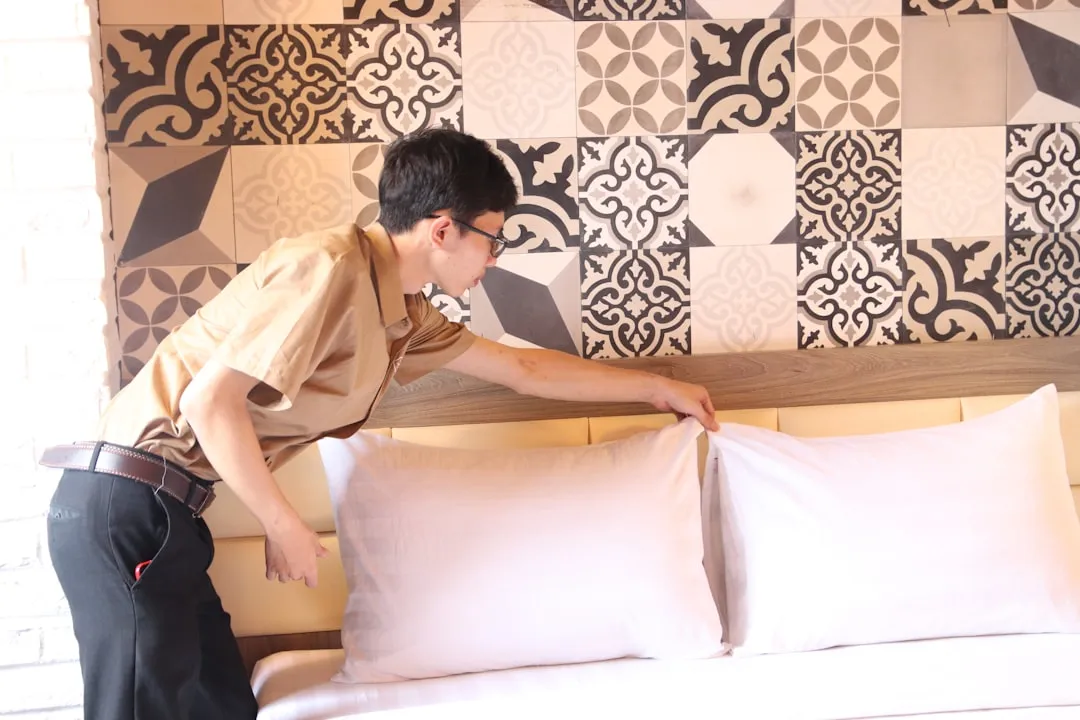
Consistency matters, but timing amplifies impact. It’s considered especially meaningful to tip more during busy times, like holidays or bad weather. These are the moments when staff are working hardest, often managing overwhelmed lobbies and long luggage queues with fewer resources.
A guest who tips fairly during a calm Tuesday check-in is appreciated. A guest who tips generously during a peak-holiday rush – when every bellhop on the floor is stretched thin – is genuinely remembered. Staff talk. They share the names of guests who showed grace under pressure.
Bellhops and doormen appreciate tokens of appreciation but never demand payment. That restraint makes freely given generosity all the more meaningful when it arrives at the right moment.
The One Habit That Consistently Gets Guests Remembered
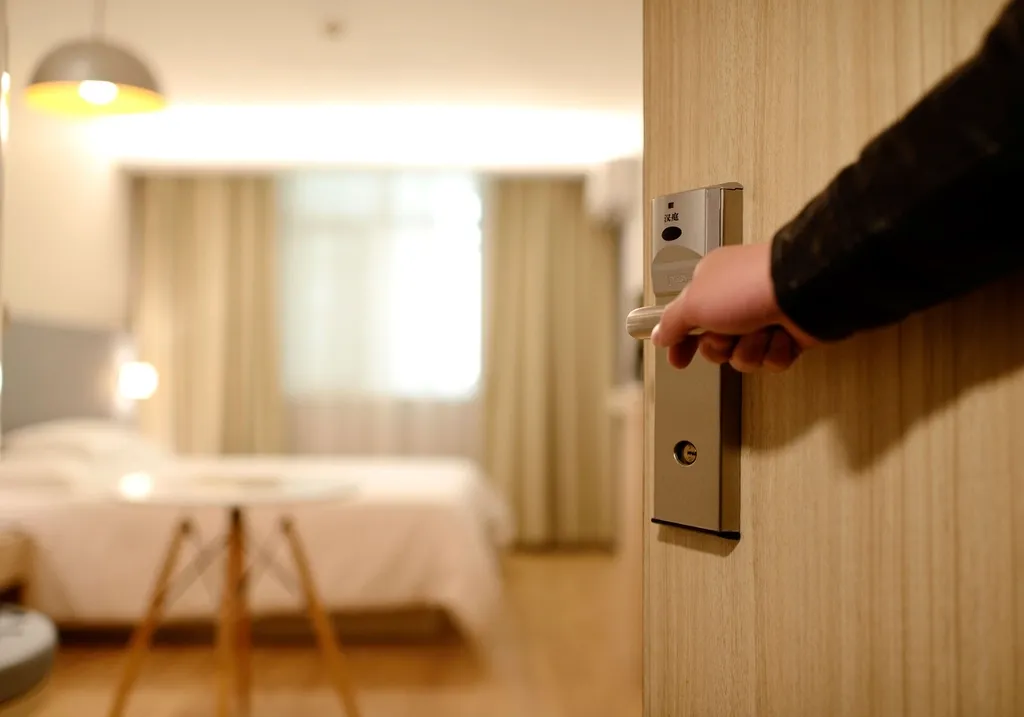
The tipping habit that hotel insiders consistently point to isn’t necessarily the largest tip. It’s tipping promptly, in cash when possible, with a natural directness and a brief word of acknowledgment. Handing over a folded bill while making eye contact and saying something simple like “thank you, I really appreciate it” signals genuine respect rather than a grudging obligation.
Tipping should reflect the quality of service provided, and it’s generally recommended to tip after receiving the service. If you forget to have cash for a tip, it’s considerate to inform the bellhop and return with the tip later if possible. Following through on that promise, rather than simply forgetting, is itself a mark of character that staff genuinely notice.
For bellhops who go above and beyond with exemplary service, five dollars or more is suitable. The cash tip should be handed discreetly upon check-in or in-room delivery. Discretion, promptness, and personal acknowledgment – that combination is the real habit that gets guests remembered, room after room, trip after trip.
A Quiet Takeaway Worth Carrying Into Every Stay

Tipping well at a hotel is not about buying favor. It’s about acknowledging the human effort behind a seamless experience – the bags that arrive without being dropped, the room orientation that takes two extra minutes, the smile during a chaotic check-in rush. Tipping should always align with your comfort level, but it’s important to acknowledge that many of these workers depend on tips to meet their essential needs. Generosity in tipping contributes to supporting individuals in the service industry.
The guests who get remembered all trip aren’t always the ones staying in the largest suites. They’re the ones who tip early, tip fairly, and treat the person carrying their bags as a person worth acknowledging. That habit costs very little and returns something quietly invaluable: a stay where the staff genuinely wants things to go well for you.
AI Disclaimer: This article was created with the assistance of AI tools and reviewed by a human editor.