
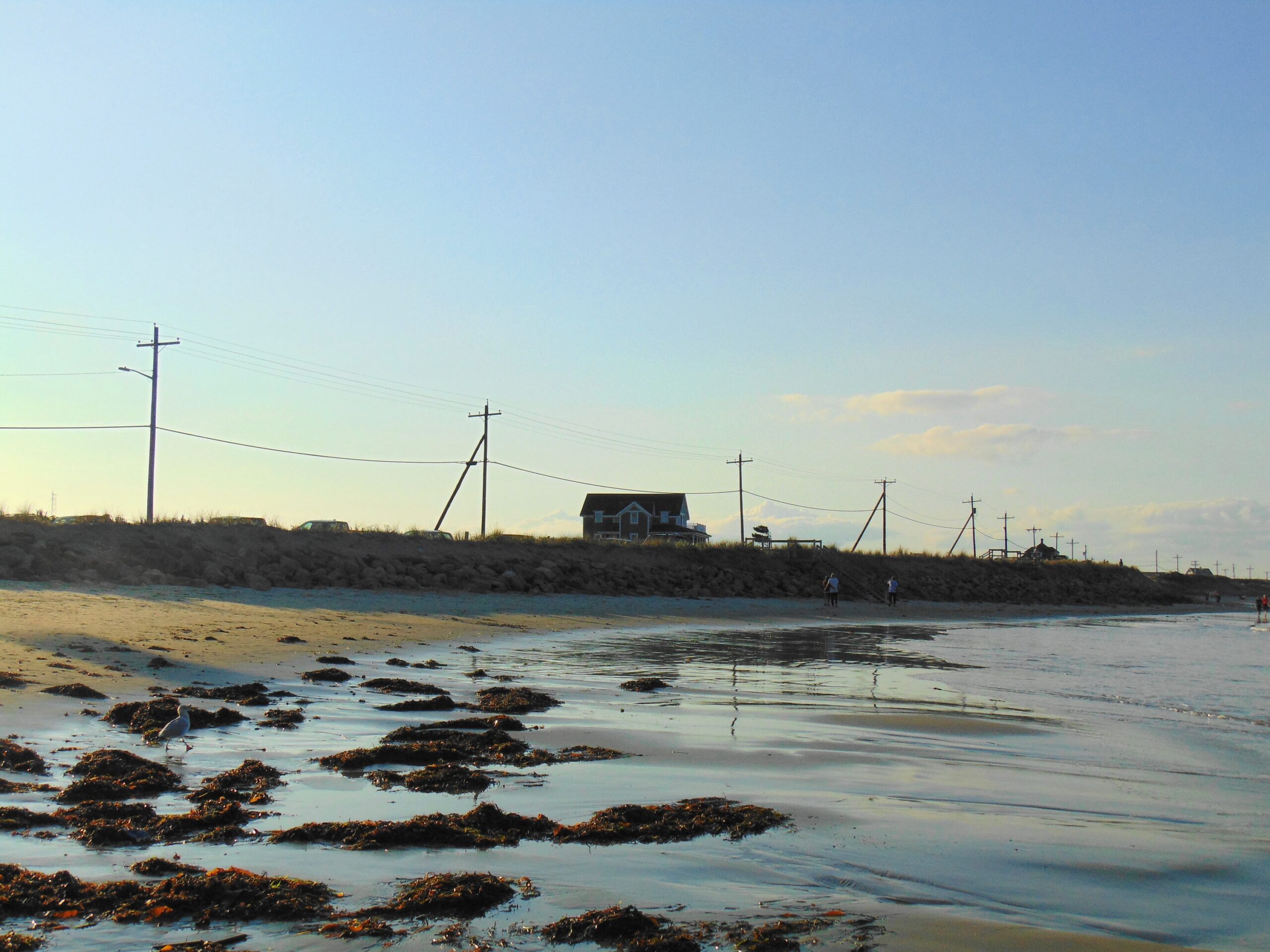

There’s a particular kind of peace that settles over Block Island once the summer crowds thin out. The ferry lines shorten, the island exhales, and the people who show up in September and October tend to be the ones who already know something the average tourist doesn’t.
Block Island sits approximately nine miles south of mainland Rhode Island, close enough to reach in an afternoon but far enough removed to feel genuinely apart from the rest of the world. It’s the island that New Englanders keep coming back to, quietly, and often without advertising it much. Here’s why fall is when it truly earns that loyalty.
A Small Island With a Surprisingly Large Footprint for Conservation
Nearly half of Block Island is permanently protected for people and nature, and in 1991 The Nature Conservancy named it one of just 12 “Last Great Places” in the western hemisphere. That’s a remarkable designation for an island of fewer than ten square miles.
The designation highlights the island’s abundance of rare plants and animals and the community’s unique support for conservation. The Nature Conservancy set up a permanent field office on the island soon after, affirming its long-term commitment. The Block Island Program now manages over 2,000 acres of wildlife habitat and supports ongoing scientific research.
The Ferry Ride Is Part of the Experience

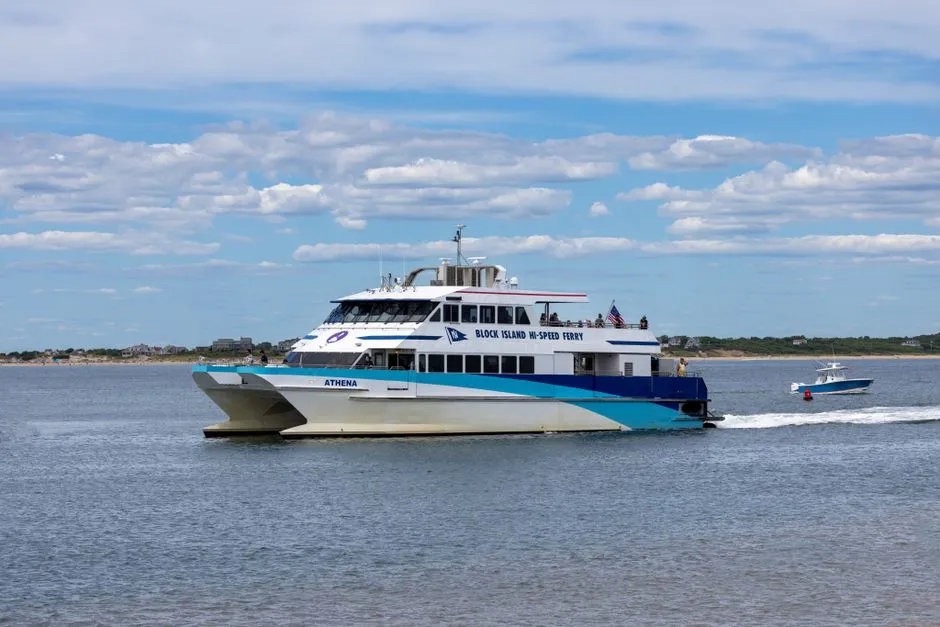
Block Island welcomes scores of tourists all summer long, with the Block Island ferry pulling into port 15 times a day. By fall, that pace slows considerably, and the crossing itself becomes something worth savoring rather than enduring.
Off season, it is a lot easier to get a vehicle reservation on the ferry. That simple logistical shift changes the entire texture of the trip. There’s no scrambling, no stress, no circling a crowded lot at dawn hoping to make the last boat. You just go.
The Crowds Step Back and the Island Steps Forward
No more long summer lines or packed roads. Fall feels slower here. You don’t really need to plan every move; dinner spots usually have space, and you can walk into most places without calling ahead.
Places to stay cost less, and the vibe doesn’t change much. Ferries are calmer. With fewer people around, you notice more and even meet new people. You end up finding corners you’d probably miss in July. That’s not a small thing. Some of Block Island’s most beautiful spots are the ones you stumble into when the season isn’t pulling you somewhere else.
A Birder’s Paradise That Scientists Are Still Studying
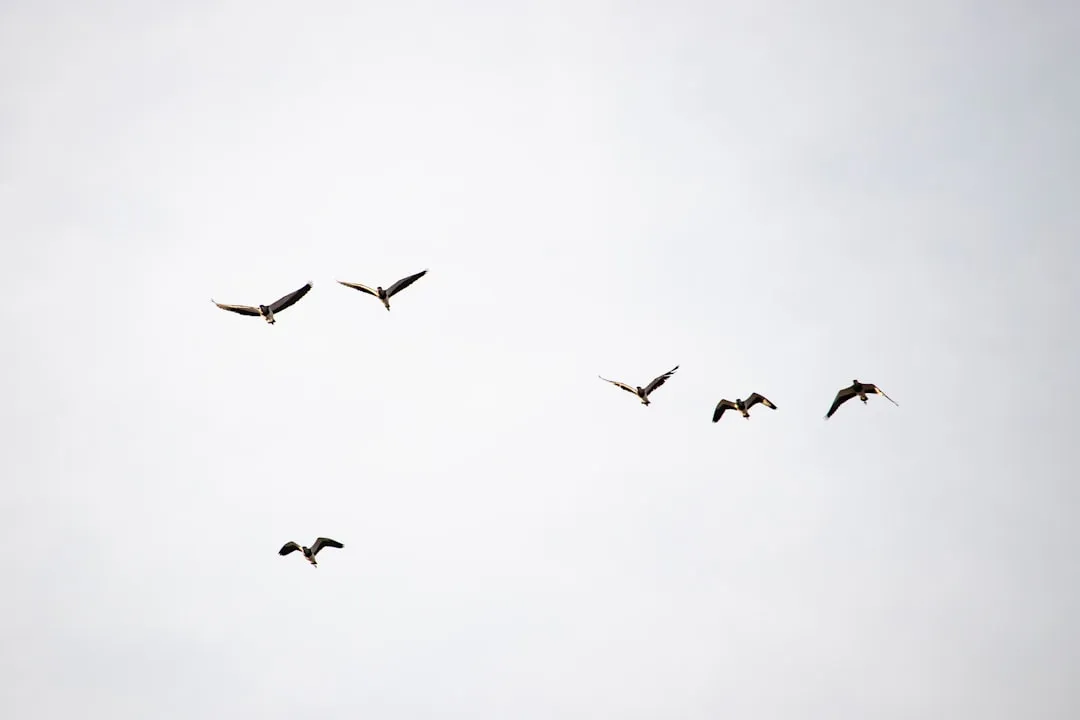
Block Island is internationally recognized as one of the most important migratory bird habitats on the East Coast. Refuge lands are most notable for the large concentration of over 70 species of migratory songbirds that visit the area each fall.
Come fall, new visitors arrive: migrating birds by the thousands. A 2025 University of Rhode Island study published good news on their numbers, with graduate researcher Lauren Michael having analyzed 66,288 birds from 22 species that visited the island between 1970 and 2021.
While species analyzed on Block Island have not fully rebounded to their 1970 abundance, their sustained recovery since the declines of the 1970s and 1980s indicates that environmental conditions may be adequately supporting these smaller current populations. That’s real ecological resilience, backed by half a century of data.
The Block Island National Wildlife Refuge Rewards Careful Visitors
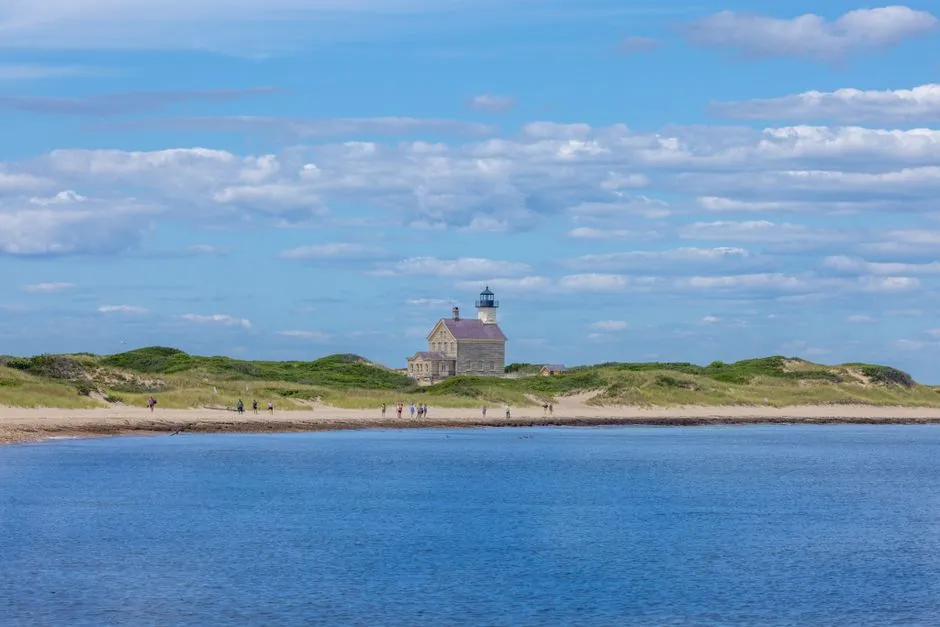
Located in the Atlantic flyway, many young, inexperienced songbirds “overfly” the mainland and stopover on Block Island before continuing their migration, resulting in a remarkable mix of young migratory songbirds from a wide variety of species.
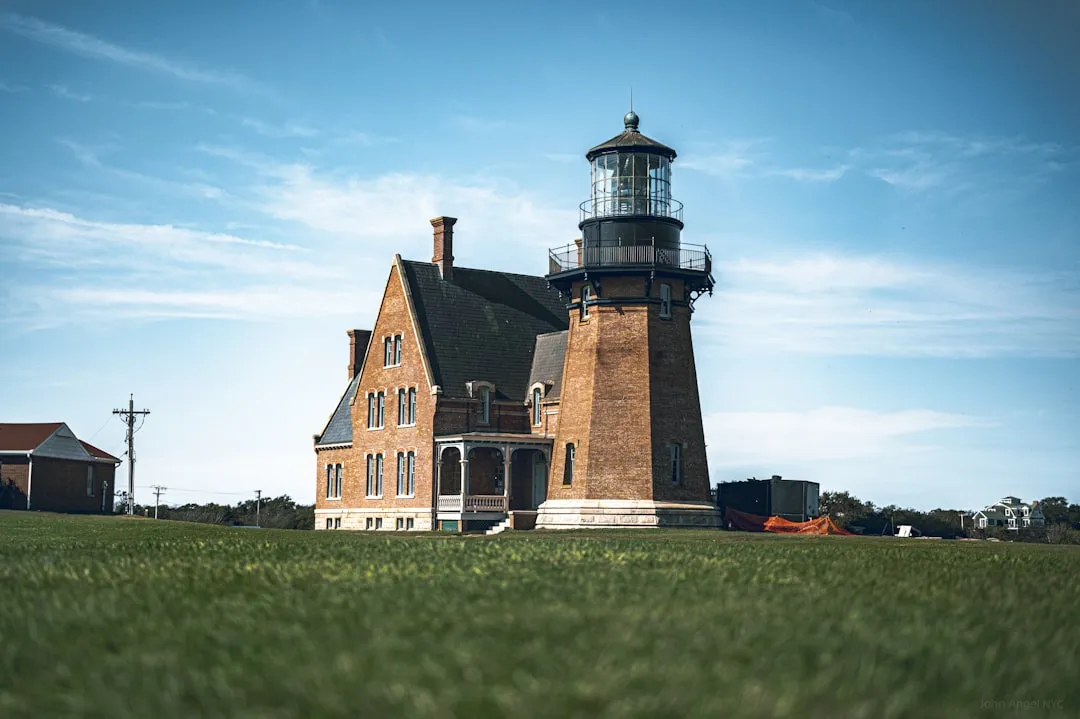
The 127-acre refuge encompasses the northern tip of Block Island at Sandy Point and includes the historic North Lighthouse. The shoreline consists of a cobble beach extending from the Settler’s Rock parking area, and the uplands of vegetated dunes provide a rookery for seagulls, while Sachem Pond serves as a feeding area for waterfowl.
Practically anything can show up here in fall, from tiny Ruby-crowned Kinglets to the Peregrine Falcons that search for prey among the masses of birds. For birders, that kind of unpredictability is exactly the point.
Mohegan Bluffs: The View That Stops You in Your Tracks
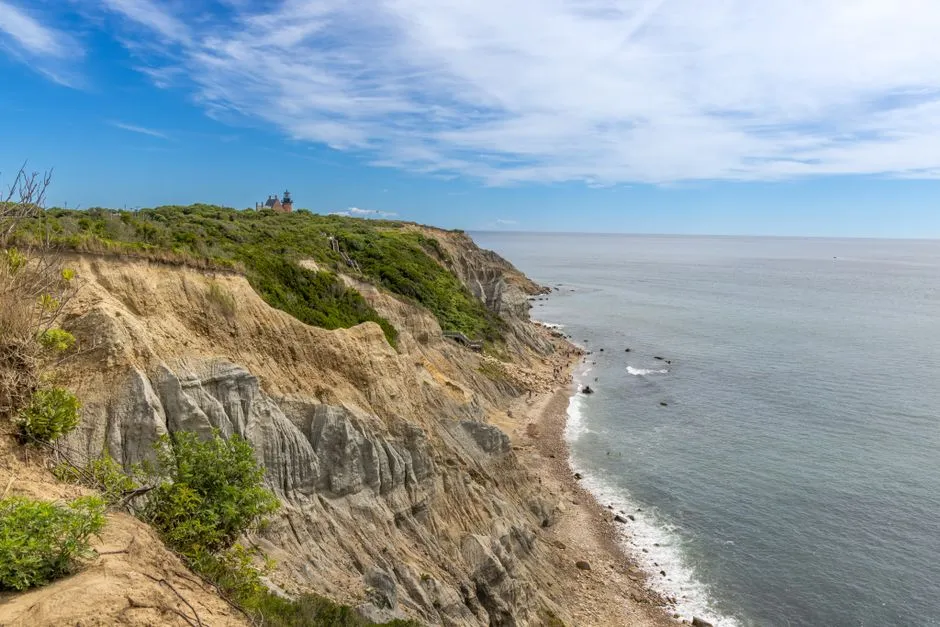
The Mohegan Bluffs are the island’s most dramatic geological feature – 200-foot clay cliffs above the Atlantic along the south shore. The trail along the bluff edge on Mohegan Trail Road provides views that are among the best on Block Island.
The staircase descends 141 wooden steps from the overlook to the beach below. The descent is manageable, but the climb back up is a real workout. The narrow rocky beach at the base is not a swimming beach, but it is geologically extraordinary. Standing at the base of those clay cliffs in October, with the Atlantic swell rolling in and almost no one else around, is the kind of experience that’s genuinely hard to find along the northeastern coast.
Trails for Every Pace and Personality
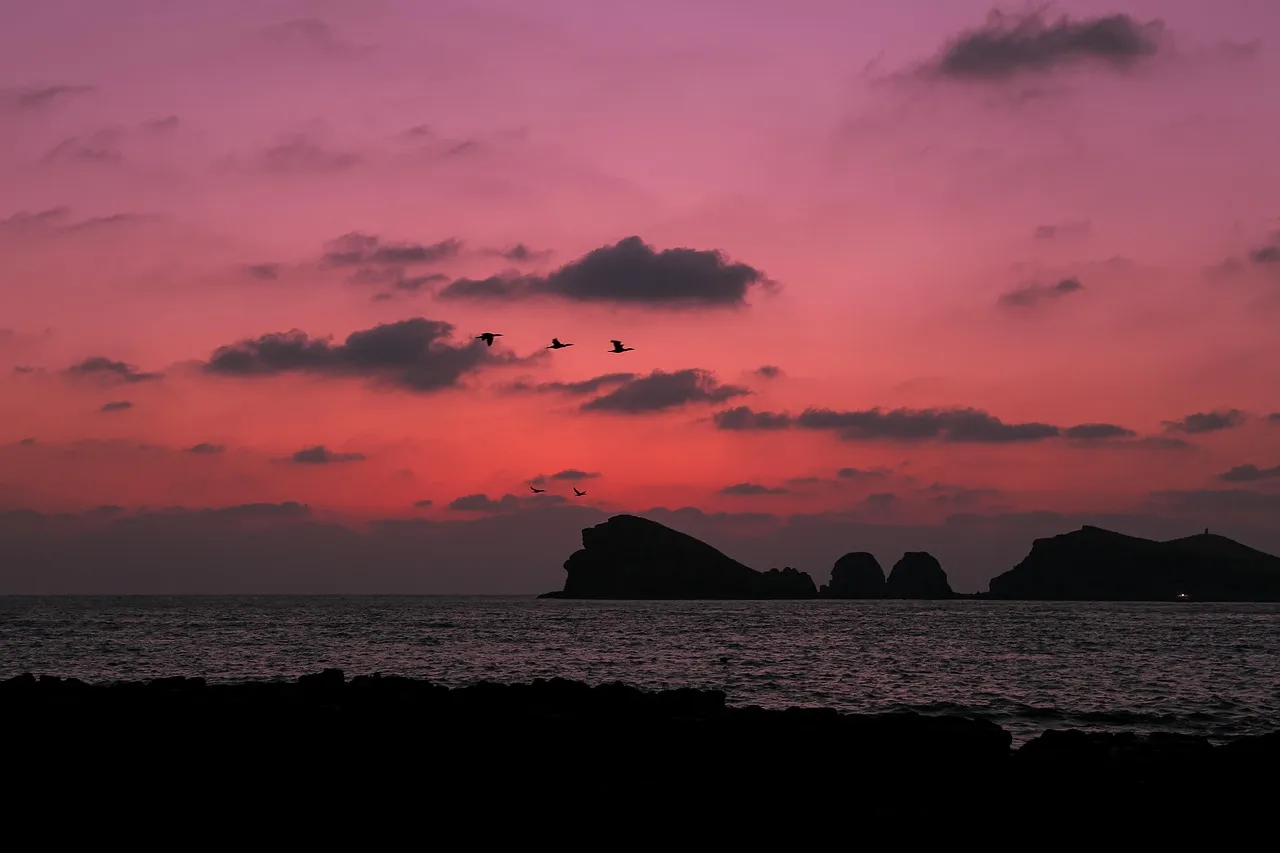
It’s easy to explore the island’s natural wonders by hiking or biking along 28 miles of trails. That network threads through some strikingly varied terrain for such a compact place.
Some of the most popular fall hiking trails on Block Island include the Clay Head Trail, Rodman’s Hollow Trail, Mohegan Bluffs Trail, Dickens Point, and the Block Island Greenway Traverse. Each offers something distinct, from open coastal clifftops to sheltered glacial hollows deep with late-season vegetation.
The Lewis-Dickens Farm Wildlife Refuge includes 120 acres and its hiking trails offer fantastic views of the ocean. It’s named after Elizabeth Dickens, the “Bird Lady of Block Island,” and the Lewis family, and the property also preserves a bit of Rhode Island’s farming history. Autumn light filtering across that open farmland is something you don’t easily forget.
The Island’s Conservation Ethic Is Woven Into Daily Life
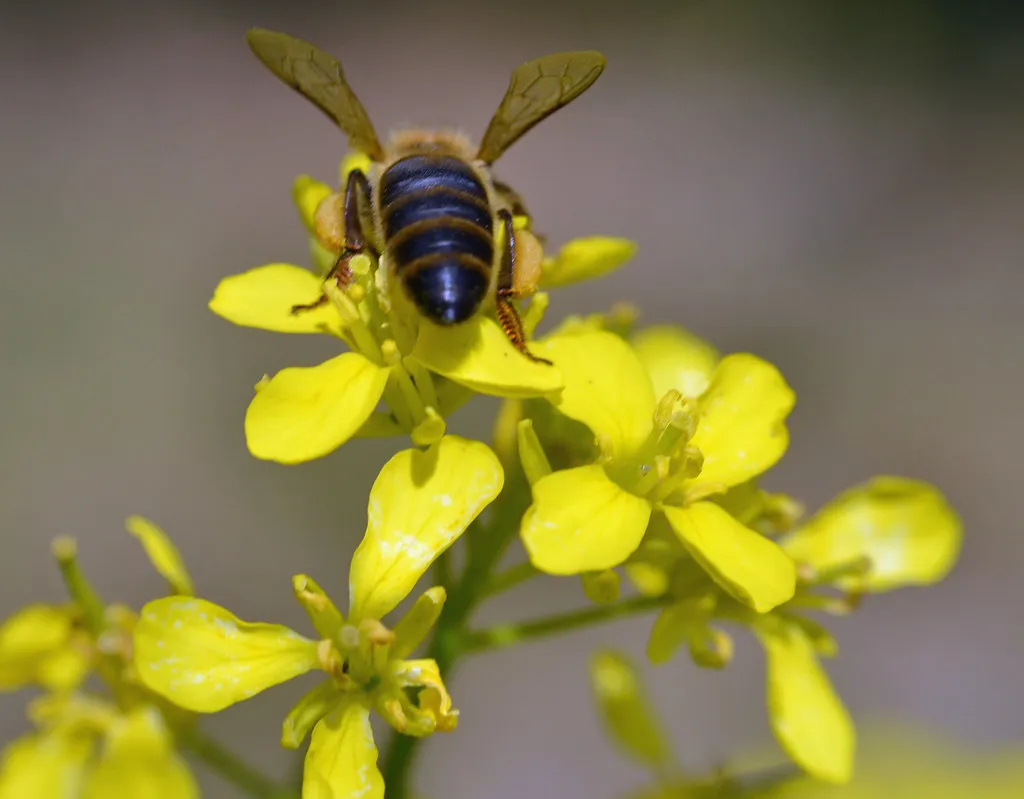
The Block Island Conservancy is dedicated to maintaining habitats for animals and birds, protecting the natural beauty of the island, providing trails for walking and quiet recreation, and protecting the island’s natural heritage, rural character, and public access to its resources.
Two federally listed species are known to breed on Block Island: the American burying beetle, which is endangered, and the piping plover, which is threatened. Visiting in fall means you’re walking through an ecosystem that a community has actively worked to protect for decades. That awareness shapes how you move through the place.
Seasonal Eating and the Pleasures of Off-Season Dining

Clam shacks and lobster roll vendors are open into early fall. The kitchen windows stay open longer than most visitors expect, and the seasonal menus that restaurants offer in October tend to reflect what’s actually fresh and local, not what’s been pulled together for summer convenience.
Winfield’s has a fabulous duck on the menu, Dead Eye Dick’s is a strong choice for fresh fish, and Oars is well suited for a cocktail and some easy company. Just check hours beforehand, as many spots are seasonal. A quick call ahead is a small investment for a genuinely memorable meal.
How to Get There and What to Bring

A ferry ride to this small island eleven miles off the coast is a tradition for many New England birders from September through mid-October. For everyone else, the ferry remains the cleanest way in and the most satisfying way to arrive: stepping off the boat into the cooler salt air of fall.
Fall on Block Island is very quiet and relaxing. There’s plenty of hiking and many beaches to explore. Bringing bikes is a good call, though exploring by car works well too. Layers are essential. The ocean temperature drops noticeably in October, and the wind off the bluffs has real teeth by midafternoon.
The Quiet Kind of Famous

For New Englanders who know it, that’s more than enough.
AI Disclaimer: This article was created with the assistance of AI tools and reviewed by a human editor.