
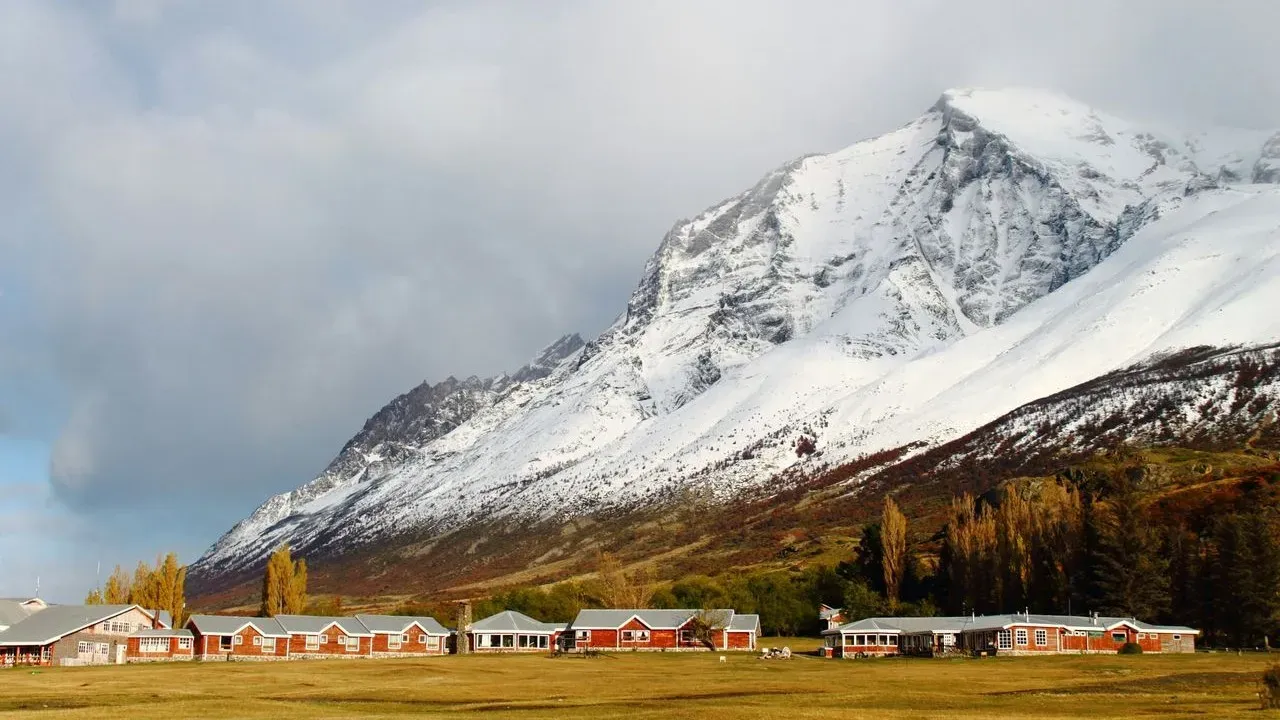

Torres del Paine National Park in southern Chile draws travelers seeking one of the most dramatic landscapes on Earth. The granite towers, vast glaciers, and windswept plains of Patagonia create a setting where every choice of lodging shapes the experience of the place. Visitors who return to the park often discover that different forms of accommodation open distinct ways of connecting with this remote wilderness.
The Role of Refugios in the Park
Basic mountain shelters known as refugios provide simple, functional places to rest after long days on the trails. These structures sit close to the routes that wind through the park, allowing hikers to move efficiently between viewpoints and trailheads. Their modest facilities encourage a direct engagement with the elements and the rhythms of the landscape.
Staying in a refugio often means sharing spaces with other travelers who share the same goal of exploring on foot. The experience highlights the park’s scale and the effort required to reach its highlights. Many who choose this option value the proximity to the trails and the sense of being immersed in the environment rather than insulated from it.
Cosy Lodges as a Middle Path
Smaller lodges scattered near the park boundaries offer a step toward greater comfort while remaining within reach of the wilderness. These properties typically feature warm interiors and straightforward services that support recovery after days spent hiking or exploring by vehicle. Their locations balance access to the park with a quieter setting that still feels connected to the surrounding terrain.
Travelers who select these lodges frequently appreciate the opportunity to extend their time in the area without committing to full self-sufficiency. The lodges can serve as bases for day trips or multi-day excursions, giving visitors flexibility in how they pace their exploration of Torres del Paine. This middle ground suits those who want practical support alongside the chance to witness the park’s changing light and weather.
All-Inclusive Eco-Camps and Their Place
Low-impact luxury camps provide another approach, emphasizing sustainability alongside elevated comfort. These camps are designed to minimize their footprint on the sensitive Patagonian environment while offering guided activities and thoughtful meals. Their placement allows guests to wake to views of the towers or nearby lakes without venturing far from the protected areas.
Guests at these camps often participate in programs that highlight the park’s ecology and conservation efforts. The all-inclusive model reduces the need for daily logistics, freeing attention for the landscape itself. Such stays demonstrate how thoughtful development can support access to remote places while respecting the conditions that make them remarkable.
Key considerations when planning a stay include the length of your visit, preferred level of self-reliance, and interest in guided experiences. Each type of accommodation aligns with different ways of moving through the park and engaging with its natural features.
Ultimately, the choice of lodging in Torres del Paine shapes how visitors encounter its vastness and quiet power. Whether through basic shelters, modest lodges, or carefully sited camps, the options invite travelers to match their pace and priorities to the demands and rewards of this extraordinary corner of Chile.
AI Disclaimer: This article was created with the assistance of AI tools and reviewed by a human editor.