
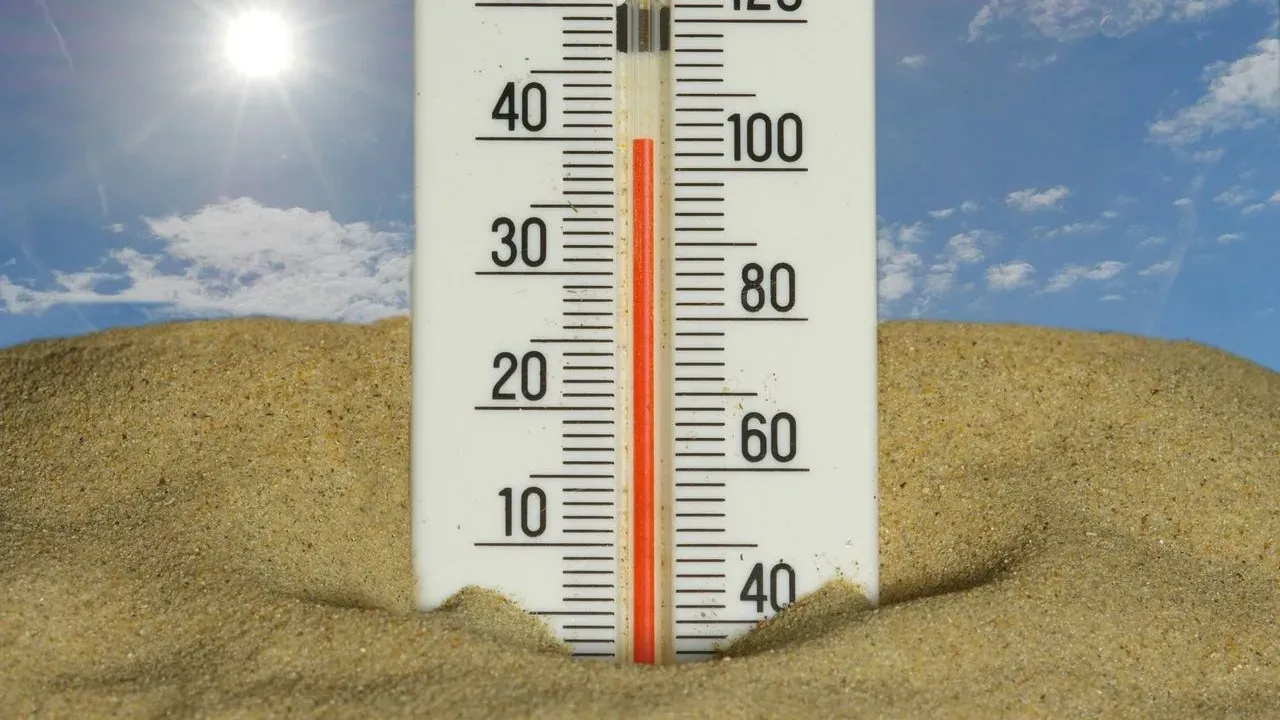

The contiguous United States recorded its warmest July on record last month, according to new data from the National Oceanic and Atmospheric Administration. Average temperatures reached 76.89 degrees Fahrenheit across the Lower 48 states, surpassing the previous mark set during the Dust Bowl era of 1936. The milestone arrives as many travelers begin mapping autumn itineraries, prompting a closer look at how shifting seasonal patterns influence timing and preparation.
The Numbers Behind the Milestone
NOAA’s analysis draws on more than a century of observations dating to 1895. Every state in the contiguous U.S. ran at least one degree Fahrenheit above the twentieth-century average, with the strongest departures concentrated in the Mountain West, Southwest, Northern Plains, and Southeast. Nighttime minimum temperatures drove much of the increase, exceeding the prior record for warmest lows by 0.7 degrees.
Scientists note that the 1936 heat was more regionally concentrated and compounded by agricultural conditions of the time. Current patterns align with broader trends linked to greenhouse-gas emissions from coal, oil, and gas. The finding underscores how overnight warmth now contributes more substantially to overall heat stress during peak summer months.
Adjusting Outdoor Itineraries
Travelers heading to national parks, scenic byways, or mountain trails this fall can use the recent data to refine daily schedules. Early morning starts and shaded midday breaks become practical adjustments when residual summer warmth lingers into September and October in many regions. Destinations with higher elevations or northern latitudes often retain more comfortable conditions during the shoulder season.
Planning flexible routes allows visitors to shift activities toward cooler hours or alternate between indoor cultural sites and brief outdoor segments. Many public lands already publish updated heat-safety guidance that incorporates recent temperature trends, helping visitors match expectations with current conditions.
Practical Steps for Comfort and Care
- Check extended forecasts for overnight lows before booking lodging without air conditioning.
- Pack layers that accommodate both warm afternoons and cooler evenings common in transitional months.
- Identify water sources and shaded rest areas along popular hiking corridors in advance.
- Consider shoulder-season lodging in higher-elevation or coastal areas where temperature swings remain moderate.
Supporting Resilient Destinations
Thoughtful timing also supports communities that manage increased visitation during milder periods. Choosing mid-week arrivals or less-traveled gateways can ease pressure on local resources while still allowing full appreciation of fall foliage, harvest festivals, and scenic drives. Many regional tourism offices now highlight sustainable practices that align with changing seasonal rhythms.
Travelers who monitor official climate summaries alongside park service advisories gain a clearer picture of how to enjoy landscapes responsibly. This approach keeps the focus on discovery while respecting the environmental context that shapes each destination’s character.
Looking Forward With Intention
Record-setting months serve as reference points rather than endpoints. They encourage travelers to pair curiosity with preparation, selecting routes and seasons that match both personal comfort and the evolving conditions of the places they visit. With advance planning, autumn journeys across the United States can remain rewarding, measured, and deeply connected to the landscapes that continue to inspire.
AI Disclaimer: This article was created with the assistance of AI tools and reviewed by a human editor.