
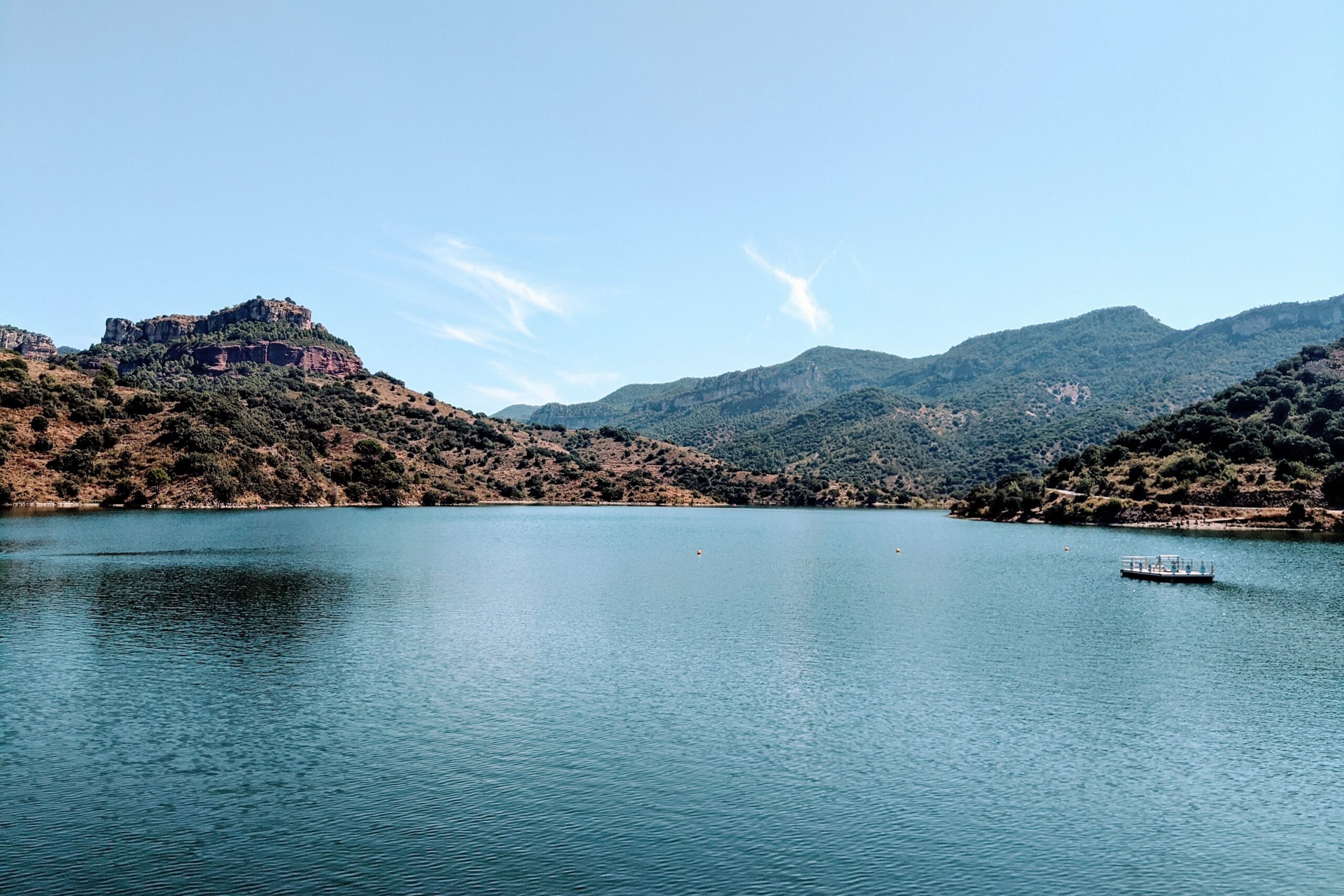
There’s a corner of Catalonia, Spain, where the hillsides are so steep and the landscape so dramatic that first-time visitors routinely reach for words they normally reserve for California. It’s not the marketing. It’s the view from the terraced vineyards of Priorat, a pocket-sized wine region about two hours southwest of Barcelona, that keeps drawing that comparison to Napa Valley.
Priorat isn’t chasing anyone’s reputation. It earned its place quietly, through centuries of hard farming and a soil type found almost nowhere else on earth. Yet travelers and wine writers keep returning to the same image: a wine country that hits you in the gut visually before the first glass even arrives.
A Region That Sits at the Foot of the Mountains
Nestled among the mountains in northeastern Spain, the Priorat wine region is located about 90 miles southwest of Barcelona in the Catalonian province of Tarragona. The Montsant mountain chain defines the skyline here in a way that is genuinely hard to photograph without feeling like you’ve undersold it. Vineyards are situated between 330 feet above sea level in the valleys and up to 2,500 feet on the slopes of La Morera de Montsant and Porrera.
Priorat is characterized by steep hillsides and mountains that rise from the Mediterranean coast, and within it flow the river valleys of the Siurana and Montsant. That layering of altitude, river valley, and mountain ridge is what creates the visual drama visitors compare to Napa’s hill country.
The Terraced Vineyards That Stop You in Your Tracks
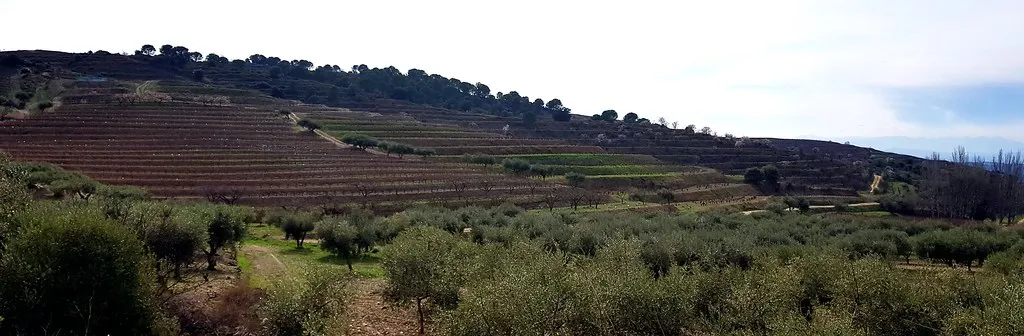
This is not your typical plot after plot of vines stretching as far as the eye can see. This is wild. The majority of the vineyards are situated on slopes of around 30 degrees, so all vineyard work is done by hand. Those hand-worked terraces, stacked up the mountainsides like steps, are one of the defining visual signatures of the region. Priorat is tiny and rugged, and visitors should expect steep terraced vineyards accessible only on foot or by mule in some cases.
Work in the vineyard is extremely arduous: many parcels are so steep that only hand labour is possible, and tractors simply cannot cope with the hard slate. There’s something quietly powerful about seeing that kind of commitment to a landscape.
The Llicorella Soil: The Secret Beneath the Scenery
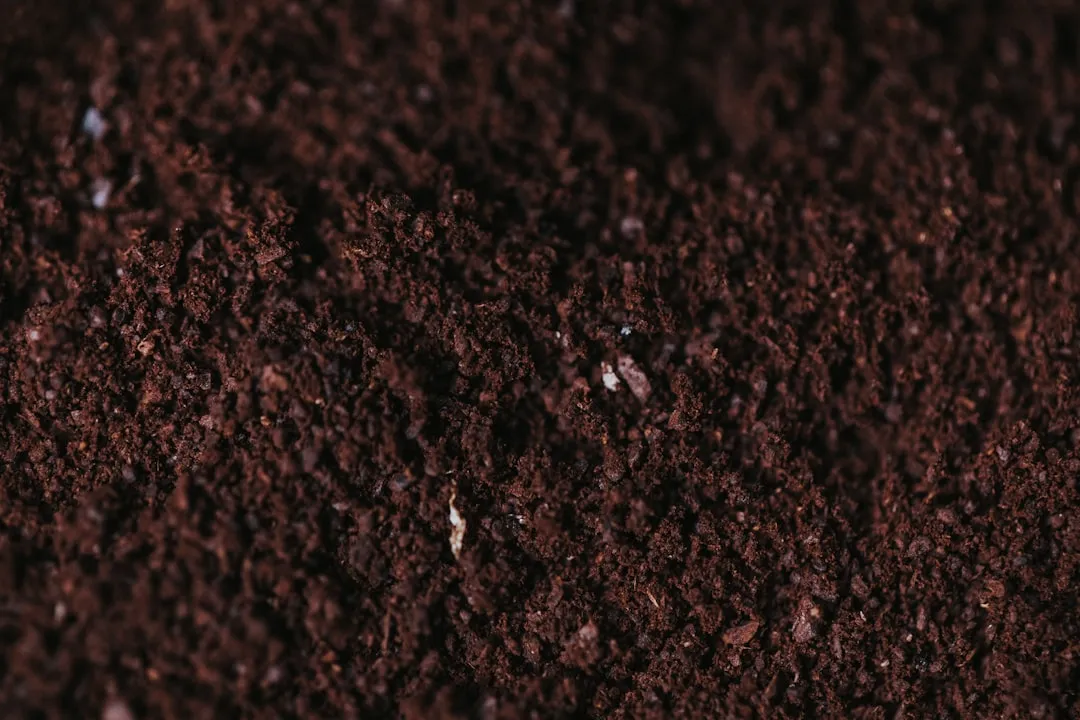
The llicorella soil, which is a key part of the Priorat terroir, plays a crucial role in wine production. This soil is a blend of slate, shale, and mica, and it has a dark red copper color, similar to licorice, its namesake. On a clear afternoon, the way the mica particles catch the sunlight across the hillsides is genuinely striking. The unique soil consists of black to reddish-brown, fine-leafed slate interspersed with mica particles and quartzite inclusions that glitter spectacularly in the sun.
Some roots of vines in Priorat have been found to grow 32 feet into the ground, a slow process that allows them to absorb nutrients from their surroundings. That depth of rootedness in the land translates to a wine with a mineral character that regulars find almost addictive.
A Classification That Puts It Among the World’s Elite
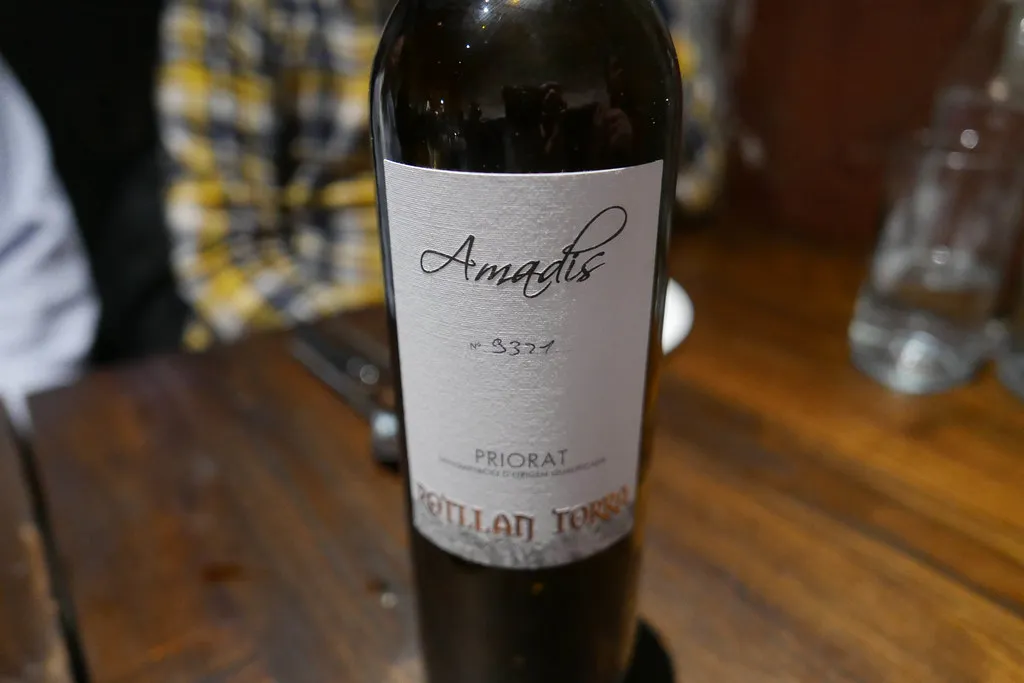
Priorat is the only appellation besides Rioja to achieve the highest quality level in Spain, the Denominación d’Origen Qualificada, or DOQ. That matters more than it might first seem. Priorat was awarded the DOQ classification in 2000, making it one of only two regions in Spain carrying this designation.
The small wine region of Catalonia has shot to fame in the past few decades thanks to its intense, full-bodied red wines, with the classic Priorat wine made from old-vine Garnacha and Cariñena. The quality leap happened fast, and critics took notice quickly. Priorat’s difficult mountainside location kept the region fairly obscure until just a few decades ago; now it produces some of the most acclaimed wines in Spain.
Garnacha and Cariñena: The Grape Varieties That Define the Region
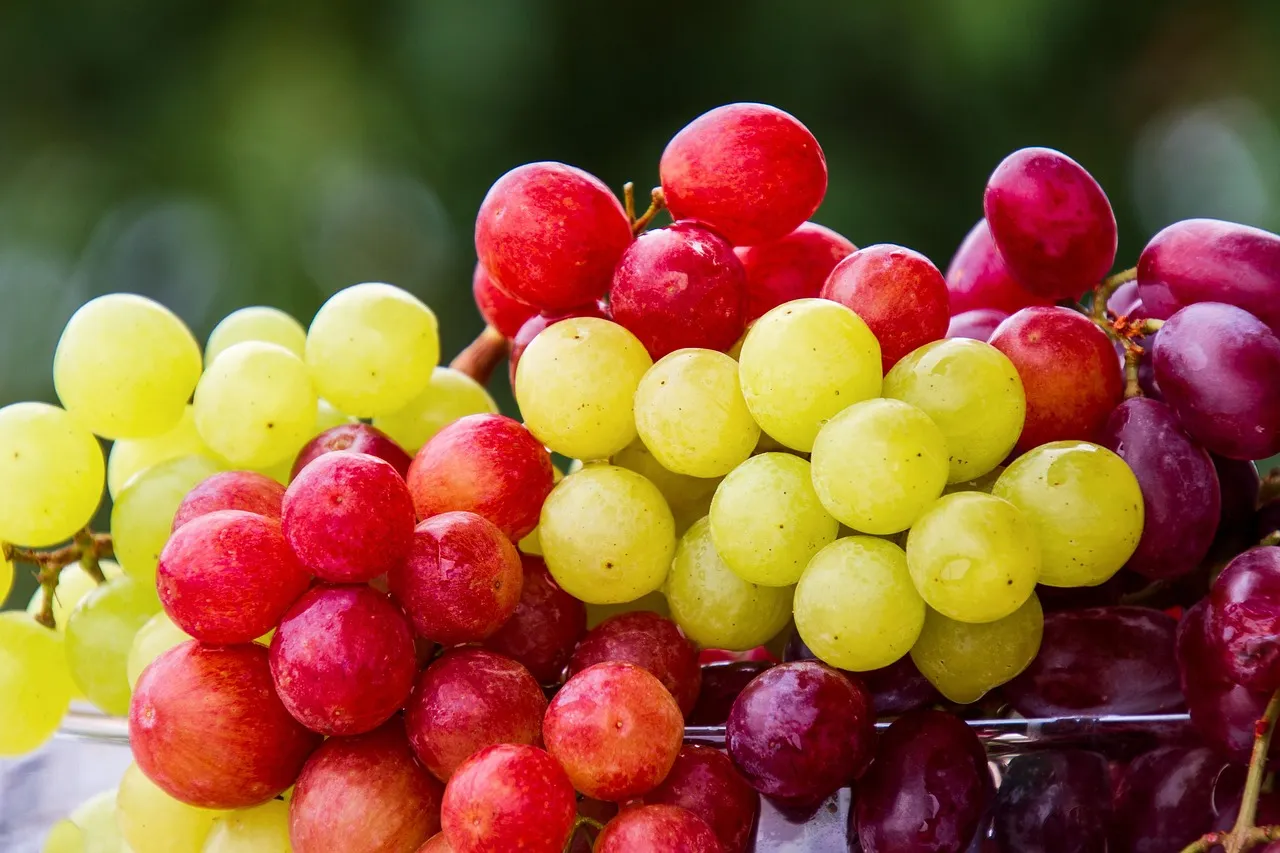
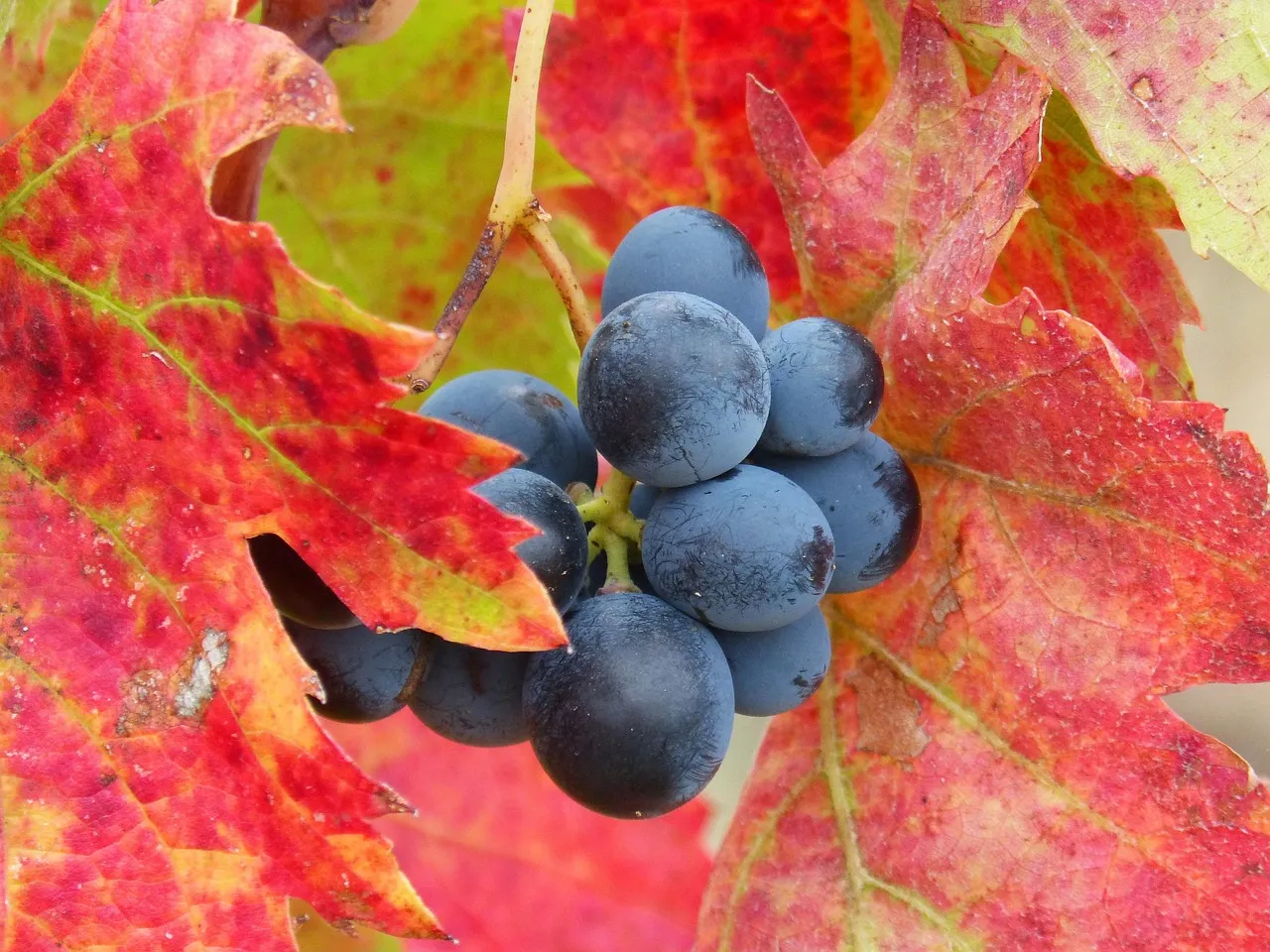
Priorat is primarily known for its red wines, with Garnacha (Grenache) and Cariñena (Carignan) being the two main grape varieties, and the region’s reds showcase the unique minerality of the terroir. DOQ rules are strict about this. Wines must be made from at least 60 percent Garnacha and/or Cariñena grapes to qualify for the appellation.
In Priorat, Garnacha takes on a dark, voluptuous character quite unlike the pale, translucent expressions found in southern France. It provides the wine with high natural alcohol, a plush texture, and an aromatic profile of black raspberries, ripe wild cherries, dried figs, and exotic incense. The warm, dry Mediterranean climate, poor soils, steep slopes, and old vines all lead to very compact, small, flavor-intense grapes, and in some Priorat vineyards the yields can be as low as ten hectoliters per hectare.
Old Vines That Carry Living History
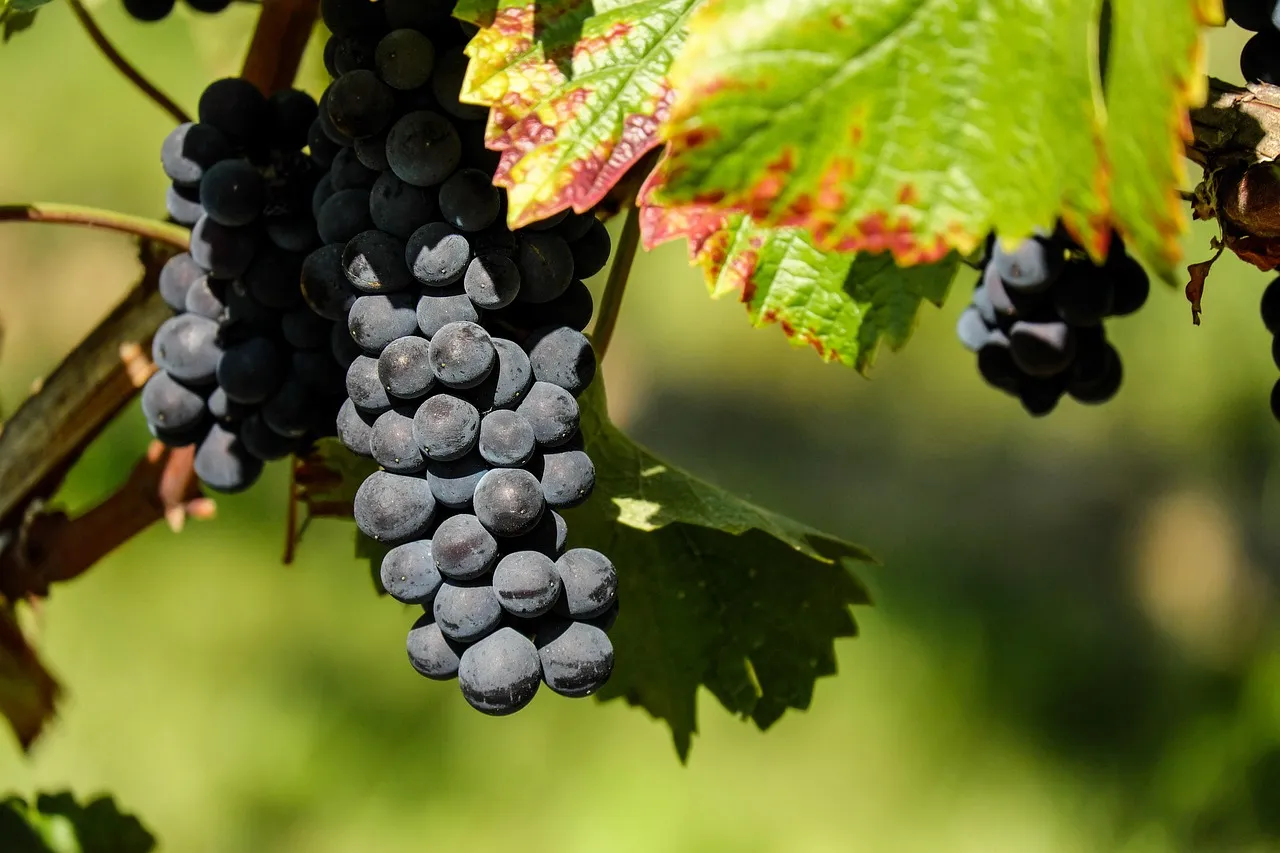
Priorat is the kingdom of old, own-rooted Grenache and Cariñena vines, some of which are over 80 to 100 years old. Walking through a parcel of these vines is a different experience than walking through a newer vineyard. The gnarled, low-slung old plants look ancient in a way that communicates something about patience and place. The old vines with their tiny yields of often only 500 to 800 grams per vine produce wines of enormous concentration.
The top “Gran vinya classificada” category requires grapes from a single grand cru vineyard with at least 90 percent Grenache and/or Cariñena, and the “Velles Vinyes” designation can be used when vines are more than 75 years old or planted before 1945. Those classifications tell you how seriously the region takes its heritage.
The Pioneering Winemakers Who Sparked a Renaissance
Five pioneering winemakers rediscovered the forgotten region from 1989 onward and created the international icons that put Priorat on the map. Among them, Álvaro Palacios became one of the most recognized names. A leading figure of Spanish wine, Álvaro Palacios was among the 1980s pioneers who rediscovered Priorat, and his top wine, L’Ermita, comes from a plot planted with vines more than 100 years old.
Clos de l’Obac, another landmark estate, harvested its first grapes in 1989 and was founded by former journalist Carles Pastrana and artist and current winemaker Mariona Jarque. That pairing of artistic sensibility and agricultural grit feels very much in the spirit of Priorat itself. Founding estates including Álvaro Palacios and Clos Mogador take only six to twelve visitors per slot, by appointment only, and booking three to four weeks ahead is the minimum.
A Wine Tourism Experience That Rewards Slowing Down

Tourism in Priorat is diverse, catering to a range of interests and schedules. Many visitors opt for overnight stays, allowing them to fully immerse themselves in the region’s serene beauty, and numerous charming accommodations are available, from rustic countryside inns to boutique hotels. The scale of the region encourages that kind of lingering. The landscape is one of steep vineyard terraces, ancient olive groves, and picturesque villages nestled among rugged hills.
The winery experience is comparable in quality to that of Napa Valley, with seated tastings following cellar tours, though smaller family-owned estates offer the opportunity to taste directly with the winemakers themselves, which is not something you get to do regularly in Napa. That personal access is one of Priorat’s most appealing qualities as a destination.
The Wines Themselves: What to Expect in the Glass
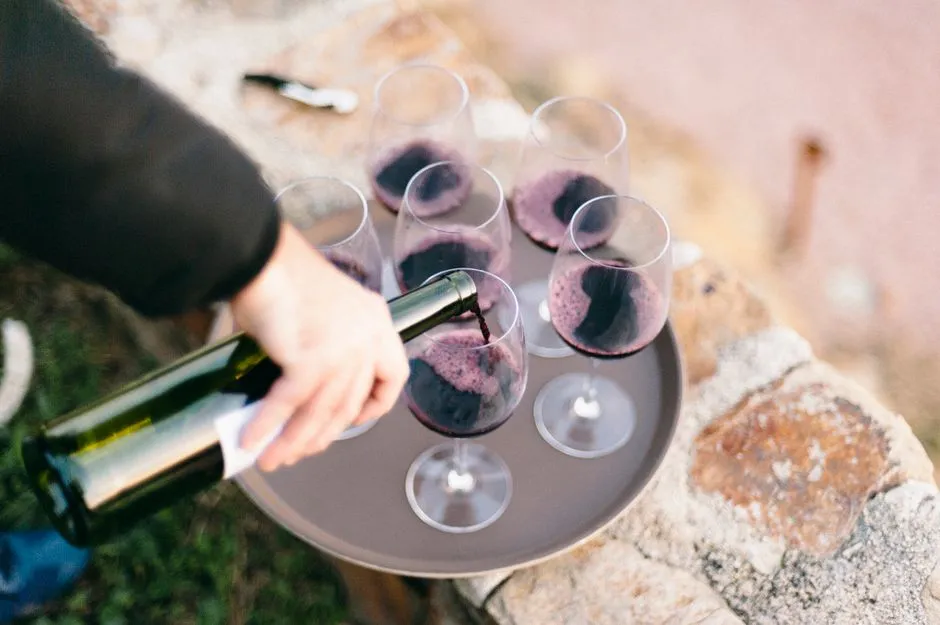
The aromas of a Priorat wine are filled with red and black fruits and spice, and some say you can even taste the llicorella soil and Mediterranean herbs of the terroir. The wine is known for its powerful concentration, full tannins, balanced acidity, and smooth, long finish. These are not quiet wines. The slate lends the wines a characteristic smoky-mineral note that is a hallmark making Priorat wines unmistakable worldwide.
Priorat wines are not inexpensive due to manual vineyard work and low yields, but the wines are generally of very high quality. That combination of rarity, terroir expression, and critical recognition is what draws serious wine collectors alongside curious first-time visitors. Red Priorat wine is exceptional in key regards, including being one of very few world-class wine styles based on Grenache, joining only red Châteauneuf-du-Pape and the top-end wines from California’s Sine Qua Non in that category.
Planning a Visit: Practical Notes for Travelers

A rental car is essentially non-negotiable since no public transport connects Barcelona to the wine villages of Gratallops, Torroja, and Porrera, and visitors should allow two hours each way from Barcelona. Falset is the largest town and the practical base for exploring. Getting there is part of the experience, as the drive through the Montsant foothills gives an early sense of the scale of the terrain. The best months to visit are May through June and September, as July and August heat often reaches 38 to 42 degrees Celsius and some small estates reduce their hours.
Day trips from Barcelona or Tarragona are also popular, and these often include guided tours of some of the most renowned wineries, tastings of exquisite wines, and opportunities to learn about the region’s rich history and unique winemaking practices. Most of Priorat’s wineries are open to the public and offer tours. Going in with a reservation, especially for the founding estates, is simply the respectful and practical way to do it.
Why the Napa Comparison Actually Holds Up
The comparison to Napa Valley is not idle flattery. Both regions carry the weight of landmark soil, demanding topography, and wines that command serious prices for serious reasons. The Priorat wine region, in southern Catalonia, is putting quality above quantity and using its spectacular landscape to wine tourism advantage. That intentionality is visible everywhere, from the precision of the DOQ rules to the care taken on slopes where a tractor simply cannot go.
What sets Priorat apart from Napa, though, is less about competition and more about character. The scale is smaller, the villages older, the vines more gnarled, and the access more personal. The Priorat wine region is renowned not only for its exceptional wines but also for its rich cultural heritage and stunning natural landscapes. That combination of natural grandeur and human-scale intimacy is rare anywhere in the wine world.
A Quiet Place With a Lasting Impression
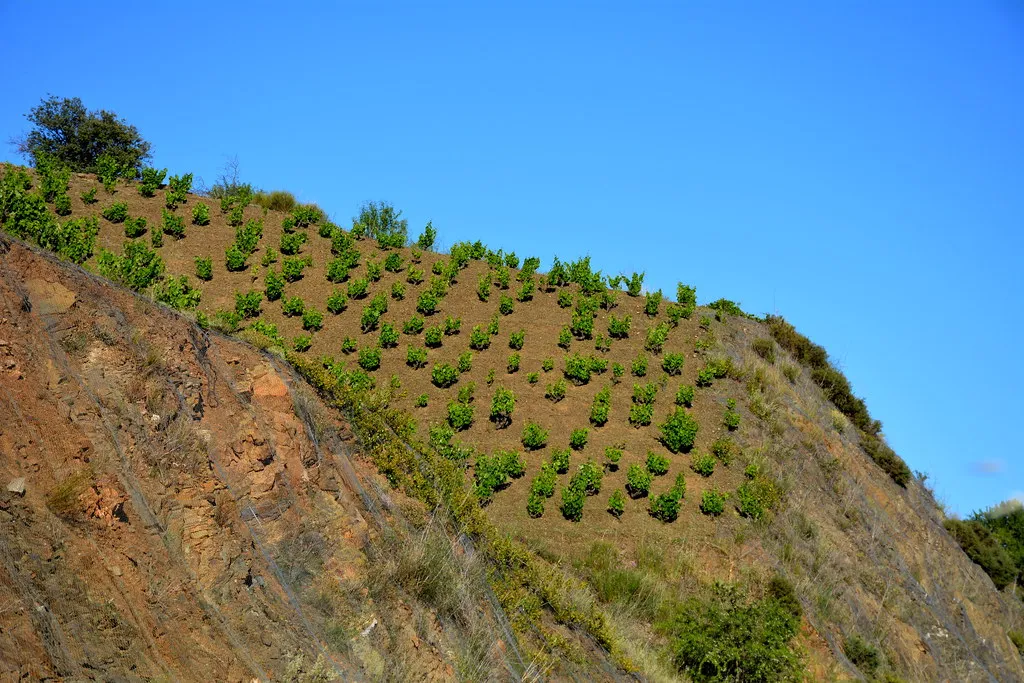
Priorat doesn’t announce itself. The road narrows as you climb, the villages appear suddenly between rocky outcrops, and then the terraced vineyards open up below you in a view that takes a moment to fully register. Wine has been at the heart of Priorat’s identity since the 12th century, when Carthusian monks established the Scala Dei monastery and began cultivating the land.
Despite being a small area, Priorat has several microclimates within it, and the hot, dry climate is more extreme than most continental climate areas, with a marked contrast between the valleys and the higher areas. That contrast, between the sheltered coolness of a cellar and the blazing noon sun on a slate hillside, is part of what makes the place feel alive in a way that no single photograph quite manages to capture.
Regions that truly earn the Napa comparison don’t do it by mimicking California. They do it by being entirely, stubbornly themselves. Priorat has been doing that for centuries.
AI Disclaimer: This article was created with the assistance of AI tools and reviewed by a human editor.