
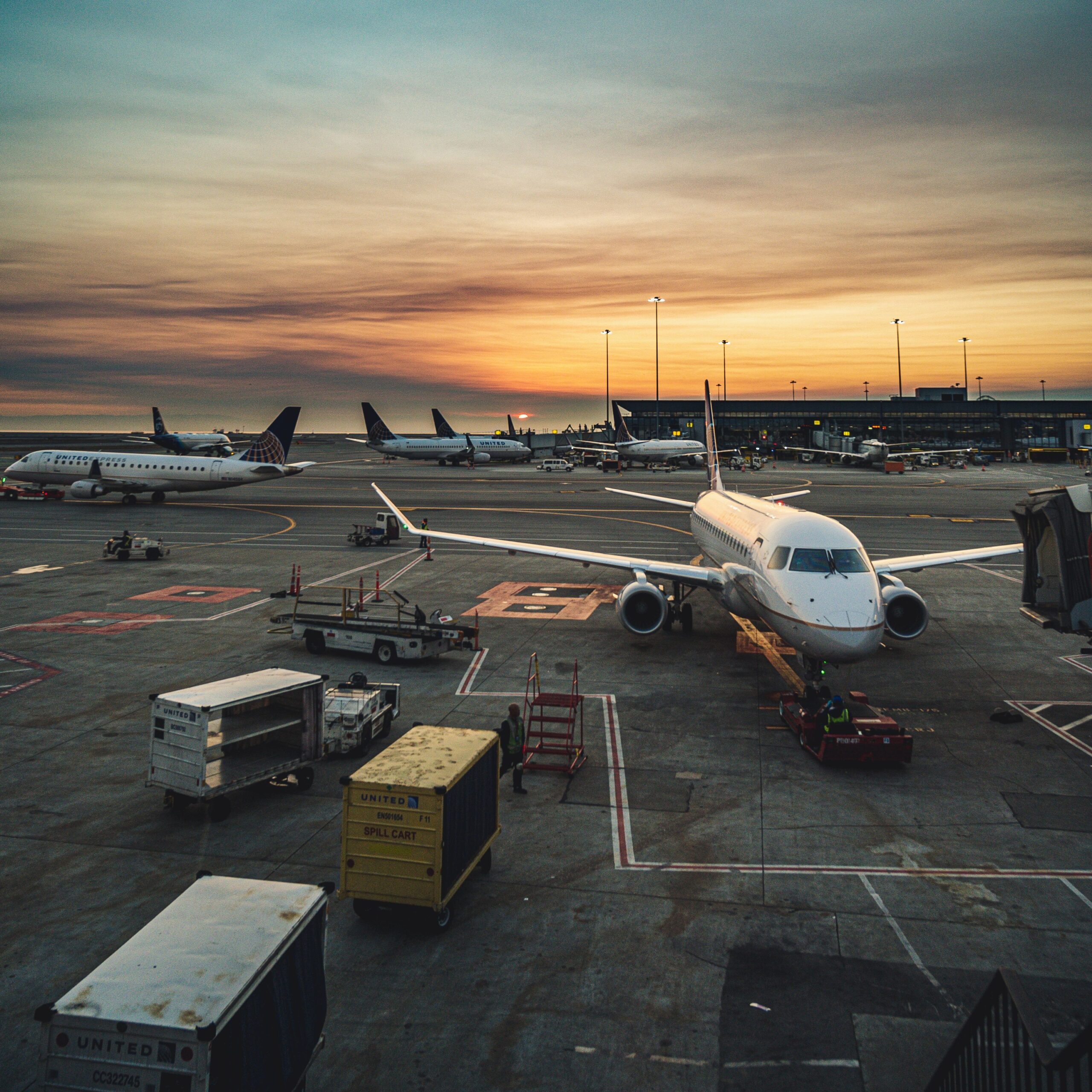

Most people picture Atlanta or Dallas when they think of American airports overwhelmed during the holidays. Massive terminals, endless security lines, flights stacked to the horizon. That image is accurate, of course. Yet it misses something quieter and genuinely surprising happening at a handful of much smaller airports scattered across the country.
During the Thanksgiving and winter holiday seasons of 2024, the smallest airports experienced the largest increases in daily passenger traffic compared to non-holiday periods. The surge is not always where you expect it. Some regional airports, places you can walk from one end to the other in under ten minutes, become extraordinary stories of volume, pressure, and reinvention once the holiday calendar kicks in.
A National Phenomenon Built on Numbers

Holiday air traffic patterns vary significantly by location and airport size, with some experiencing far greater increases in daily passenger throughput than others. Researchers at Luxury Link analyzed data from the TSA to determine airport traffic changes during the holiday season for over 420 U.S. airports and all 50 states. The findings were striking. Small and regional airports didn’t just participate in the holiday rush. In some cases, they led it.
The 2024 holiday travel season was the busiest ever recorded. The TSA reported that nearly 39 million individuals were screened at airports across the U.S. between December 19 and January 2, an average of almost 2.8 million people per day. For airports built to handle a fraction of that kind of pressure, that season was something else entirely.
Delaware’s Outlier: Wilmington Airport (ILG)

Delaware stood out as a clear outlier, with a nearly three-quarters increase in daily passenger traffic, driven by changes in service at Wilmington Airport (ILG), the state’s only commercial airport. That is a staggering number when you consider how modest the airport is in ordinary circumstances.
Wilmington Airport saw passenger enplanements of 133,377 in 2023, following Avelo Airlines beginning service there in February of that year. For context, that annual number is smaller than what some major airports handle in a single busy weekend. Yet during the holidays, its proportional surge dwarfs nearly every larger hub in the country.
The expansion underway at ILG is designed to help Wilmington handle record passenger levels, with more than 155,000 travelers passing through in just the first half of 2025 alone. The airport is growing fast, and the holiday season is where that growth is felt most acutely.
Southwest Florida International Airport: The Mid-Size Giant in Disguise
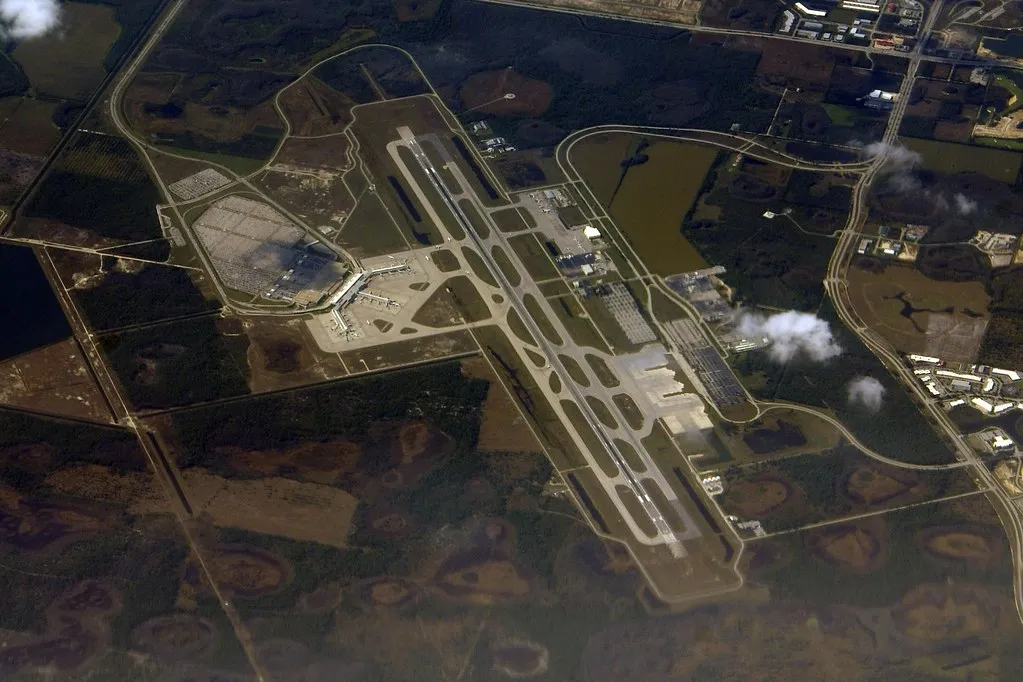
What might surprise many is that RSW is the busiest mid-sized airport during the holiday period in the entire U.S., according to a study conducted on behalf of Luxury Link. Fort Myers doesn’t have the name recognition of Miami or Tampa, but during the holidays, the numbers tell a different story.
During the 2024 holiday period, RSW saw an average of 20,366 passengers per day. Outside of the holidays, RSW’s daily average was 16,169 passengers. RSW’s plus-26 percent change during the holiday season is the largest among all midsize hub airports in the country.
The holiday season, stretching roughly from Thanksgiving week to New Year’s Day, gets people moving. Travelers are either arriving in Fort Myers for the warm weather, or departing to visit friends and family elsewhere. That two-directional flow makes managing the surge especially complex for an airport of RSW’s scale.
The Warm Weather Effect: Florida and Arizona Lead the Surge

In 2024, states with major tourist destinations and warmer climates, such as Florida and Arizona, recorded some of the largest increases in daily passenger traffic during the holiday season. The pull of sun and warmth during December and January is one of the most reliable forces in American travel behavior.
At the individual airport level, Fort Lauderdale Hollywood International Airport topped the list of large hub airports with a nearly 17 percent increase, while Tampa International and Miami International Airport both saw traffic increases of over 7 percent. The entire Florida corridor lights up during the winter holidays in a way that few other regions match.
At Palm Beach International Airport, the holidays brought more than 3,300 additional passengers daily, a roughly 25 percent spike, a figure larger than all midsized airports except Southwest Florida International in Fort Myers, which added about 4,200 more passengers daily for a 26 percent increase. These are serious numbers for airports that don’t operate at mega-hub scale year-round.
Small States, Outsized Surges
Northern states like North Dakota and Connecticut also saw notable gains during the 2024 holiday season, likely reflecting concentrated travel through smaller regional airports that handle a disproportionate share of seasonal traffic. When a state has only one or two commercial airports, all of the holiday travel funnels through the same narrow gateway.
States like North Dakota and Kansas experience notable increases potentially due to their smaller airports handling a disproportionate amount of local and regional holiday traffic. The logic is almost mathematical: fewer options means each airport absorbs more of the seasonal load.
The Infrastructure Challenge: Too Small for the Moment
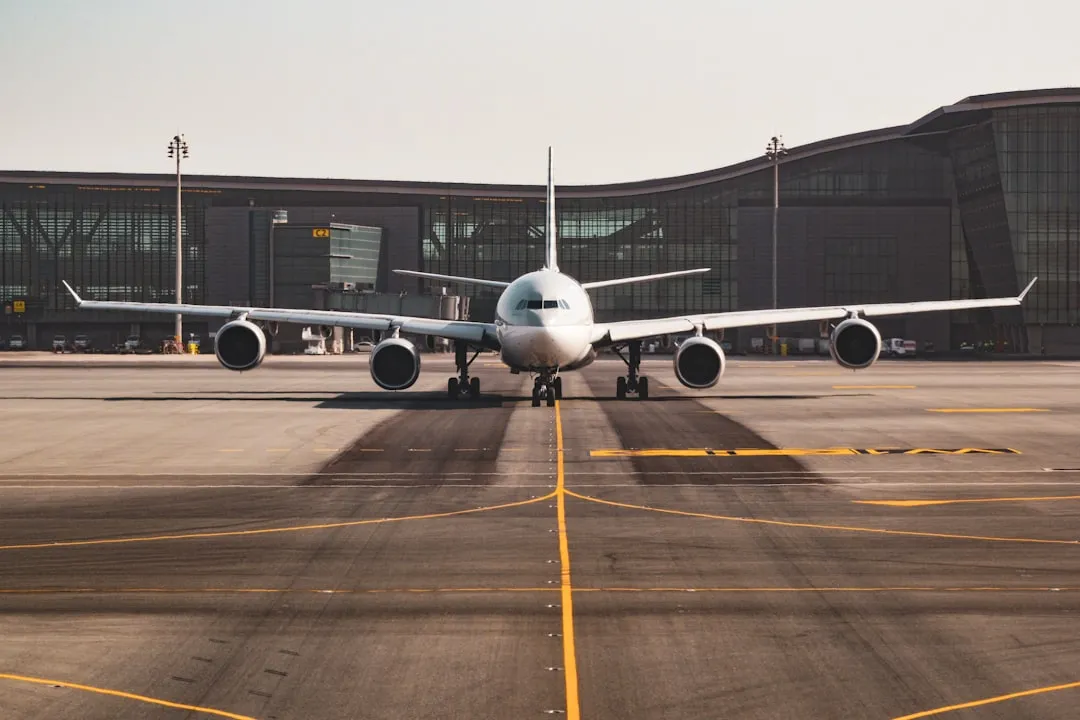
Small airports often have fewer resources and staff than large international hubs, but they face the same seasonal surge in passenger numbers. Limited infrastructure, including smaller runways and fewer gates, can lead to bottlenecks during peak hours. Ground crews, security teams, and customer service staff must handle increased demand with limited personnel.
Wilmington Airport is adding roughly 6,000 square feet to its gate area to make room for an additional boarding gate, a larger passenger holding room, and space for more concessions. The expansion also allows for another security lane, including ILG’s first dedicated TSA PreCheck line. Changes like these are driven directly by the reality of holiday surges overwhelming a terminal not originally built for them.
Avelo Airlines and the Regional Airport Renaissance
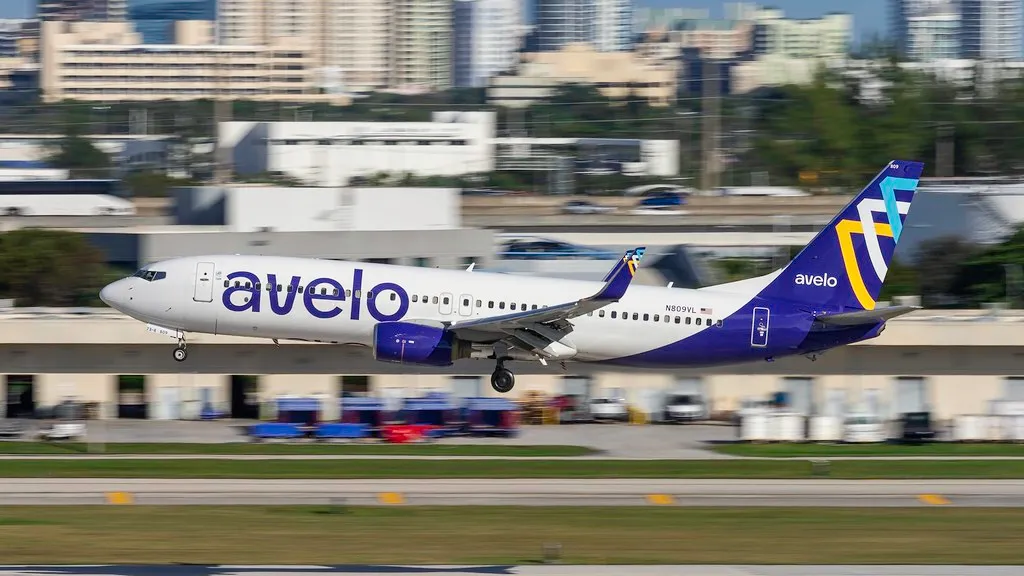
Avelo Airlines, which opened a base at Wilmington in 2023, now flies from ILG to popular sun destinations including Orlando, Tampa, Fort Myers, Fort Lauderdale, and San Juan, Puerto Rico. For a small airport, having a carrier build an operational base there is transformative. It adds frequency, reliability, and routes that generate genuine demand.
Airport leaders say Wilmington is well-positioned for one of its busiest holiday periods yet, and that its current growing pains are a sign of a maturing, more connected Delaware airport. That framing is important. Growing pains at an airport this size are a good sign, not a bad one. They mean travelers are choosing it.
The National Investment Picture
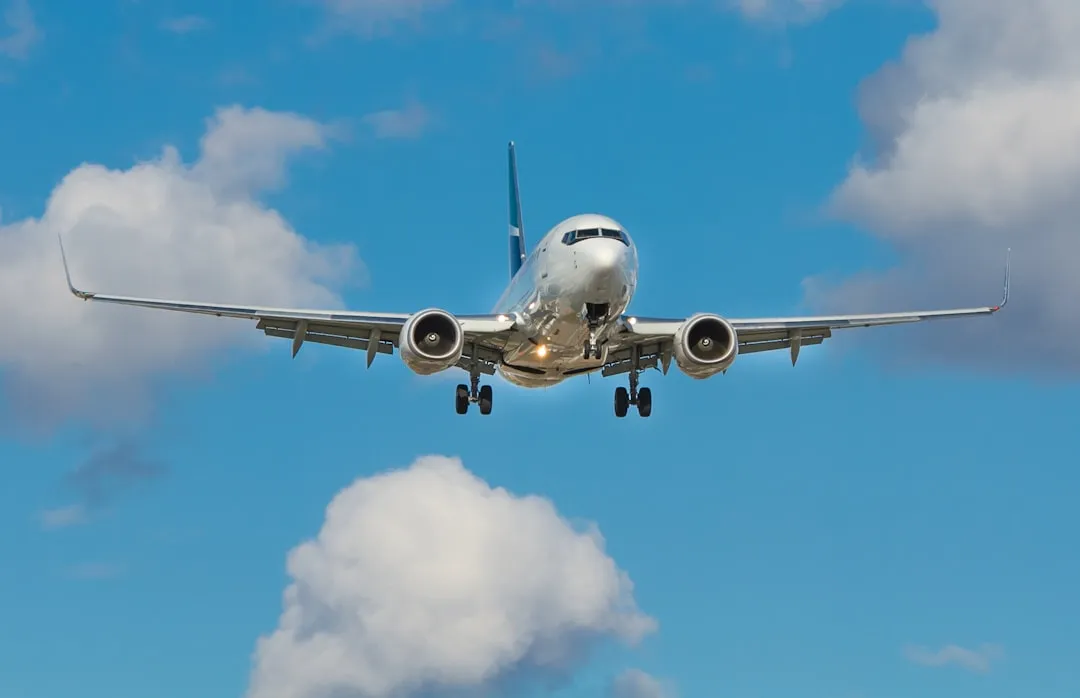
In response to rising air travel demand, the Airport Infrastructure Grant program is providing $14.5 billion in funding over five years to support terminal expansions, baggage system upgrades, runway enhancements, and air traffic infrastructure improvements. Much of that investment is aimed precisely at airports that lack the resources to handle modern passenger volumes on their own.
As air travel hits record highs, including the TSA screening nearly 3.1 million passengers in a single day in June of 2025, these investments will help airports better handle surges in traffic during the busy holiday season. The numbers keep rising, and the pressure on smaller facilities keeps growing with them.
Where Decline Tells the Other Half of the Story

At the other end of the spectrum, colder and less accessible states such as Maine and Alaska experienced steep declines, as winter weather and fewer tourist arrivals led to reduced air travel activity. Not every small airport benefits from the holiday travel wave. Geography and climate shape outcomes dramatically.
This contrast is worth sitting with. The same holiday season that overwhelms a Fort Myers terminal and packs out Wilmington’s single gate area leaves some regional airports noticeably quieter than their already modest baseline. The phenomenon is real but uneven, tied tightly to where people want to go rather than where they happen to live.
Record Highs and What Comes Next
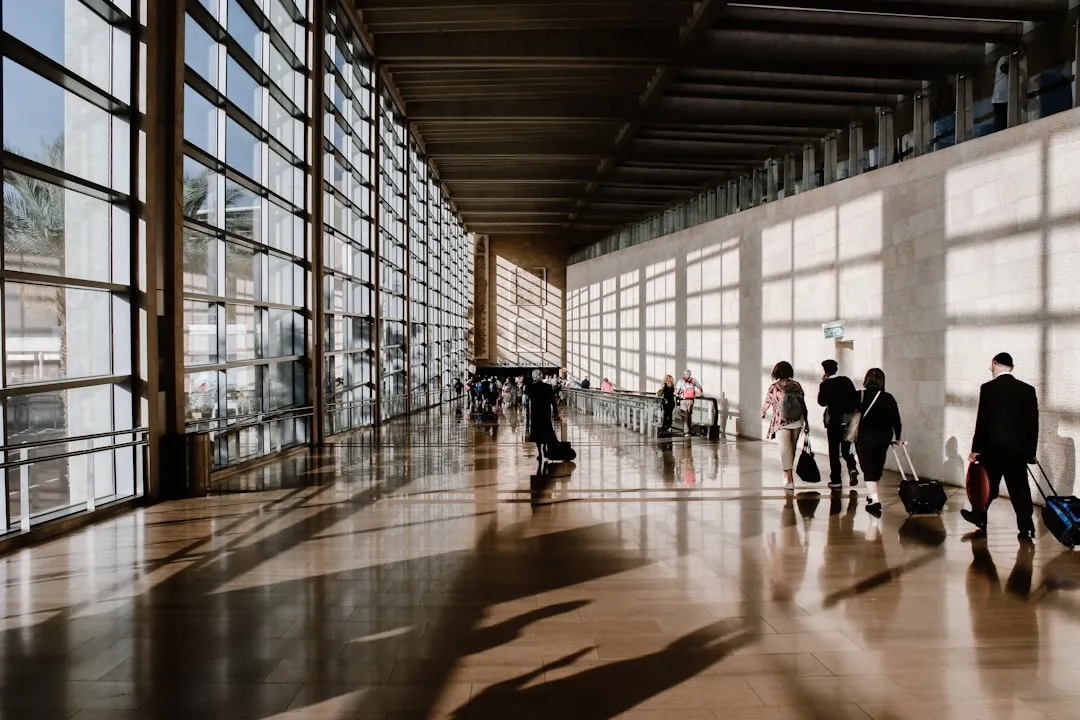
In 2024, average daily passenger traffic approached 2.5 million, surpassing 2023 levels. With 2025 non-holiday traffic already outpacing last year, this year’s holiday season is shaping up to be one of the busiest on record. The baseline keeps shifting upward, which means the holiday surges measured against it keep setting new records too.
In October 2025, 774,689 passengers traveled through Southwest Florida International Airport, an increase of 18 percent compared to October 2024, making it the best October in the history of the airport. When even the shoulder months are breaking records, the implications for peak holiday weeks become genuinely significant.
The Takeaway

There is something worth paying attention to in all of this data. The airports that make headlines during the holidays aren’t always the ones with the longest concourses or the most gates. Sometimes the most remarkable story plays out at a compact terminal where a handful of airlines connect a mid-size community to the warmer corners of the country, and where the holiday rush transforms an ordinary Tuesday into something the facility was never quite designed to handle.
These airports are adapting, expanding, and absorbing demand that would have seemed improbable even a decade ago. The quiet regional airport, it turns out, can carry more of the national travel story than its size would ever suggest.
AI Disclaimer: This article was created with the assistance of AI tools and reviewed by a human editor.