
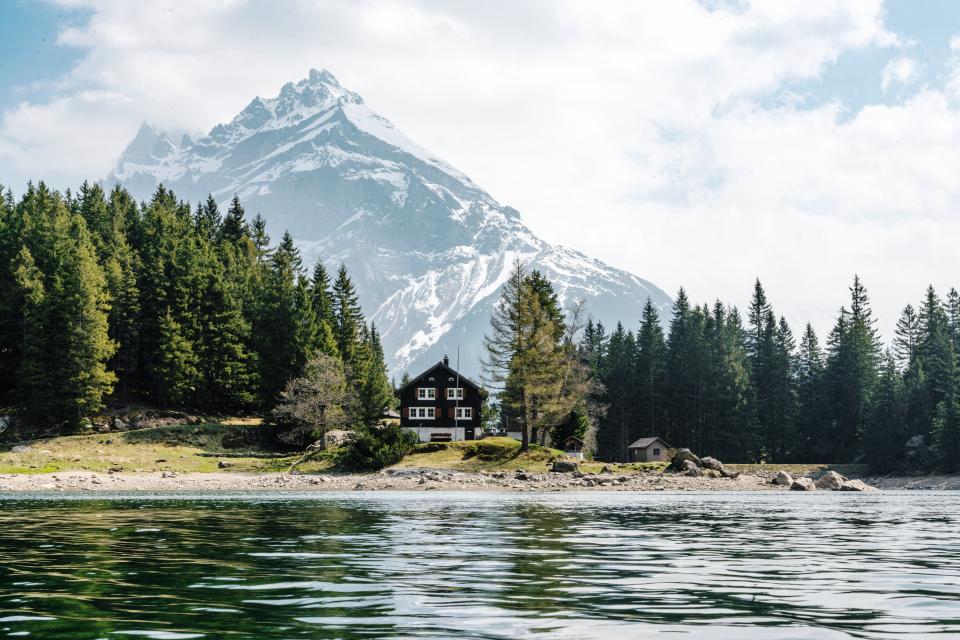

There’s a particular kind of quiet that only water provides. Not silence exactly, but a steady, rhythmic stillness that seems to slow time down. It’s this quality that draws so many travelers away from conventional hotels and toward the growing world of floating cabin stays, where you sleep surrounded by open water and wake to nothing but sky, ripples, and whatever wildlife happens to pass by your deck.
The appeal is real and measurable. The global floating hotels market, sized at $2.4 billion in 2026, is projected to expand to $4.34 billion by 2035, registering a compound annual growth rate of 6.80%. That kind of trajectory doesn’t happen by accident. It reflects a genuine shift in what people want from a getaway, and the floating cabin sits squarely at the center of that shift.
Why Travelers Are Choosing Water Over Land
The broader vacation rental market tells a compelling story. The global vacation rentals market size was valued at $174.84 billion in 2025 and is projected to grow from $195.45 billion in 2026 to $481.8 billion by 2034, exhibiting a CAGR of 10.42% during the forecast period. Within this landscape, unique stays like floating cabins are outpacing the generic.
The luxury segment is the clearest winner in 2025 vacation rental data. A 119% increase in booking volume combined with a 169% increase in revenue value represents a near-complete realignment of where premium traveler spend is going. Floating cabins occupy that sweet spot between intimacy and indulgence that the market is clearly rewarding.
Travel demand is still high, but guests are more selective, driven by trust, ease, and value. A floating cabin, by its very nature, delivers on all three. The experience is so specific and so removed from the ordinary that it rarely disappoints.
What a Floating Cabin Actually Looks Like Inside
The interiors of modern floating cabins have evolved well beyond a mattress on a pontoon. You can enjoy the nature around you while sitting on a private floating deck, or snuggle up inside in front of an electric fireplace and Smart TV, with cabins featuring two bedrooms with queen beds and a pullout couch in the living room.
When guests aren’t exploring, they can relax in a property’s hot tub, cook a meal in the full kitchen, or set off from the dock in a kayak. Along the Columbia River, amenities include a Roku TV, Bluetooth sound system, washer and dryer, and a memory foam king-size mattress. Comfort, it turns out, floats quite well.
Some properties push further into the extraordinary. You won’t find a more unique offering than options like the open-air Tiki Suite, which includes paddleboards, an Alexa voice-controlled lighting system, a bath, and snorkel gear. These aren’t roughing-it experiences. They’re thoughtfully designed spaces where the water is the wallpaper.
The Private Island Feeling, Without the Airfare
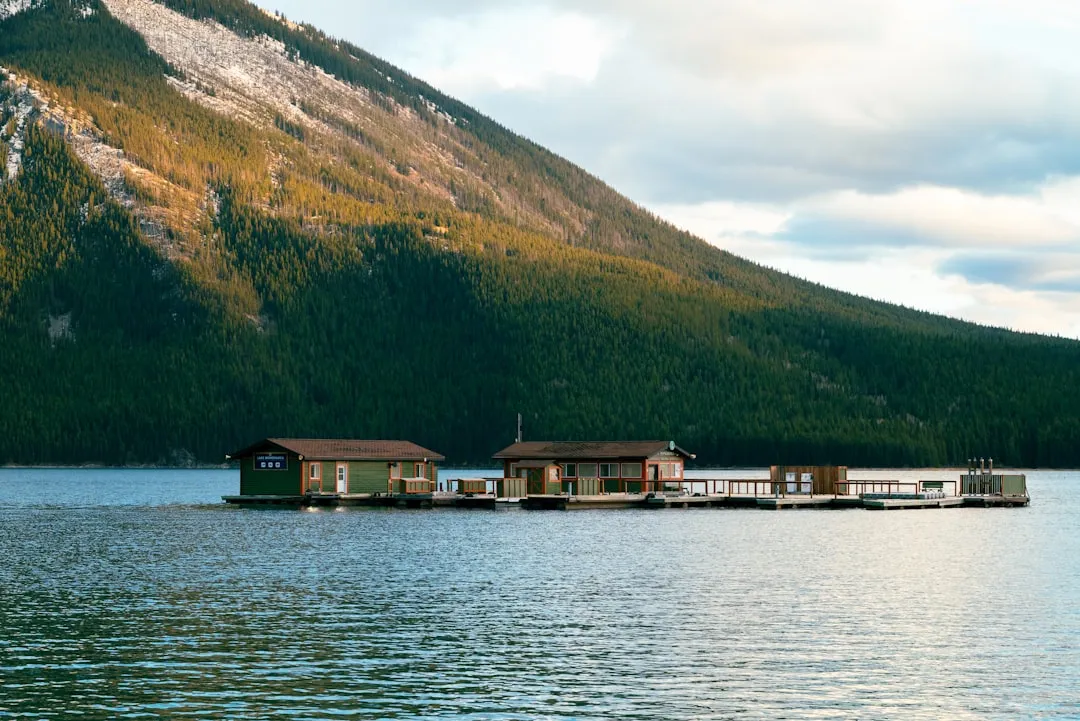
The illusion of total seclusion is one of floating cabins’ greatest gifts. New concepts like the Floathouzz at Lake Cumberland are built with comfort and privacy in mind, with each unit featuring its own private dock, which can be used for enjoying the lake or tying up a watercraft. You’re moored in the marina, yet the feeling is deeply, genuinely removed.
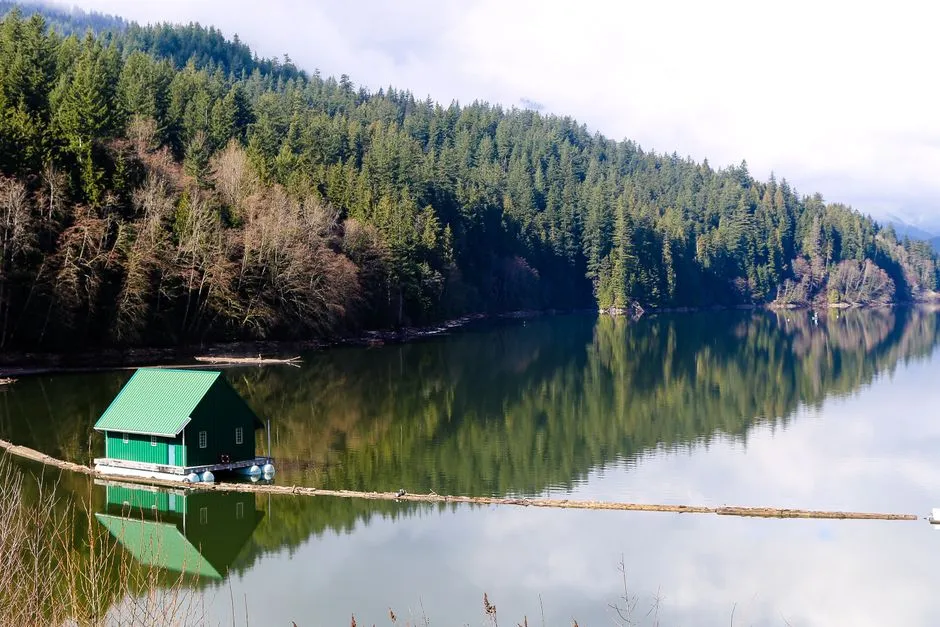
While other cabins may be nearby, guests have their own walkway with no one connected to them, free to kayak, fish, or simply relax on a floating deck. That sense of your own little territory on the water is something a hotel corridor can never replicate. It’s not just an accommodation. It’s a perimeter.
For a true private-island atmosphere without the logistical complexity, a stay at a water cabin can feel like you’re a million miles away from the hustle and bustle of everyday life. The water creates a natural moat between you and the rest of the world, and that distance is precisely the point.
Where You Can Actually Book One
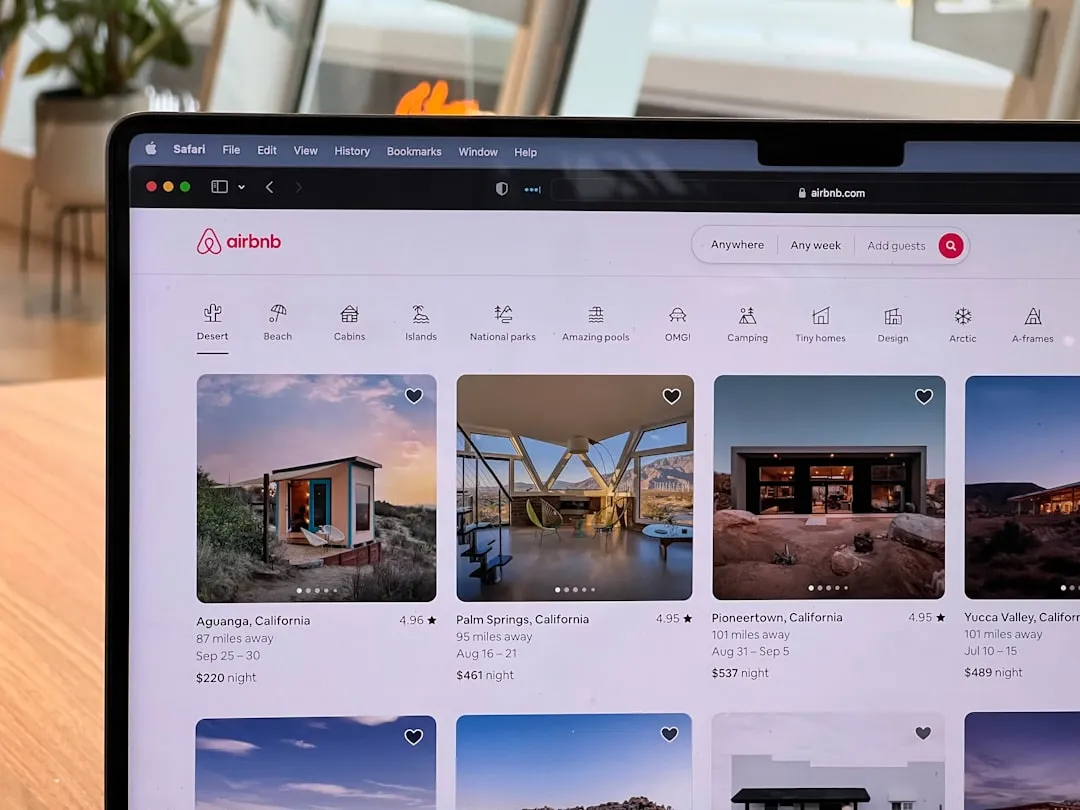
Floating cabin rentals are no longer a niche curiosity confined to the Pacific Northwest. In the United States, available short-term rental listings are projected to reach 1.77 million in 2026, up from 1.69 million in 2025, with water-based properties representing one of the fastest-growing categories within that expansion.
Short-term rentals through platforms like Airbnb and Vrbo are surging among Millennials and Gen Z, with one in four travelers planning to stay in one, catering to those seeking local experiences and unique properties, from mountain cabins to urban lofts. Floating options now appear across rivers, lakes, bays, and marinas from Seattle to Arkansas to Maine.
Internationally, the concept reaches even further. Overwater cabins can be just as idyllic in colder climates. Arctic Bath is set in the wild expanse of Swedish Lapland, with six cabins floating on the tranquil surface of the Lule River. Visit in winter for a chance of glimpsing the northern lights from your private deck. The geography of floating escapes is far wider than most travelers realize.
Activities That Come Standard With the Setting

The water itself is the activity center. Staying in an overwater cabin is more than just luxurious accommodation; it’s also about unique activities available. Snorkeling, paddleboarding, kayaking, and diving are just a few steps away from your room. Many properties also offer cultural experiences like traditional cooking classes and ceremonies to enrich your stay.
Included within many stays, free to use, are paddleboards, kayaks, and bikes, which means it’s not just a stay but an experience, creating great opportunities for memories. You don’t need to plan or book excursions. The gear is right there, tied to your dock.
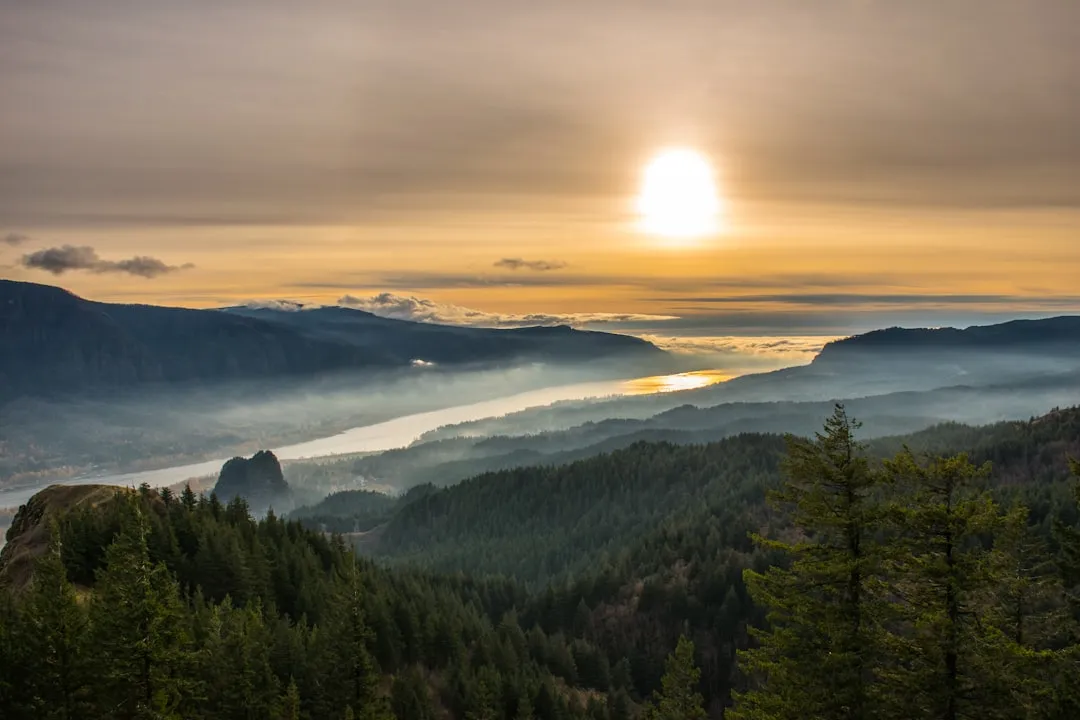
Even the most passive version of a floating cabin stay, sitting on the deck with coffee as the morning mist clears over the water, counts as an experience most urban-dwelling travelers rarely access. Guests can enjoy outdoor decks with comfy seating and propane fire pits, kitchens with running water and a stove, propane cooking grills, and direct access to the lake off the stern, along with use of a canoe. The rhythm of the day changes entirely when your home sits on water.
The Sustainability Side of Floating Accommodation
The floating hospitality sector has been quietly aligning with traveler demand for more responsible choices. Companies like Mantis Collection are leading the way by developing innovative solar-powered floating hotels, with the Kivu Queen uBuranga being an example entirely powered by solar energy and equipped with advanced waste management and heating systems, showcasing a commitment to sustainability.
Growing interest from adventure seekers is a significant factor, and advances in sustainable mooring systems and modular construction are enabling new floating projects. This means the physical footprint of a floating cabin can be minimal compared to conventional construction, which cuts into a hillside or clears vegetation.
For the environmentally conscious traveler, eco-friendly water villas offer a chance to indulge in luxury while minimizing your carbon footprint. These accommodations often use sustainable materials and practices, allowing you to enjoy your surroundings responsibly. That alignment between comfort and conscience matters increasingly to modern travelers.
Who Is Booking Floating Cabin Stays
The demographic picture is clear and consistent across multiple data sets. Nearly two in five travelers are leaning into vacation rentals for their summer vacations, and Gen Z and millennials are embracing these at significantly higher rates than their older counterparts. These are travelers who value story over standardization.
Americans are traveling more frequently, spending more, and prioritizing road trips, family vacations, and flexible getaways. A floating cabin checks multiple boxes at once: it’s a road-trip-friendly destination, a family experience, and a genuinely flexible format you can approach at any pace.
Couples also make up a large share of the floating cabin audience. Many of these properties rely on sustainable building practices and are directly involved with environmental efforts. They’re perfect for a romantic couple’s retreat, but also ideal for any traveler who wants to connect with nature in a truly exceptional way. The intimacy of the water setting does a lot of work on its own.
How Floating Cabins Compare to Traditional Resorts
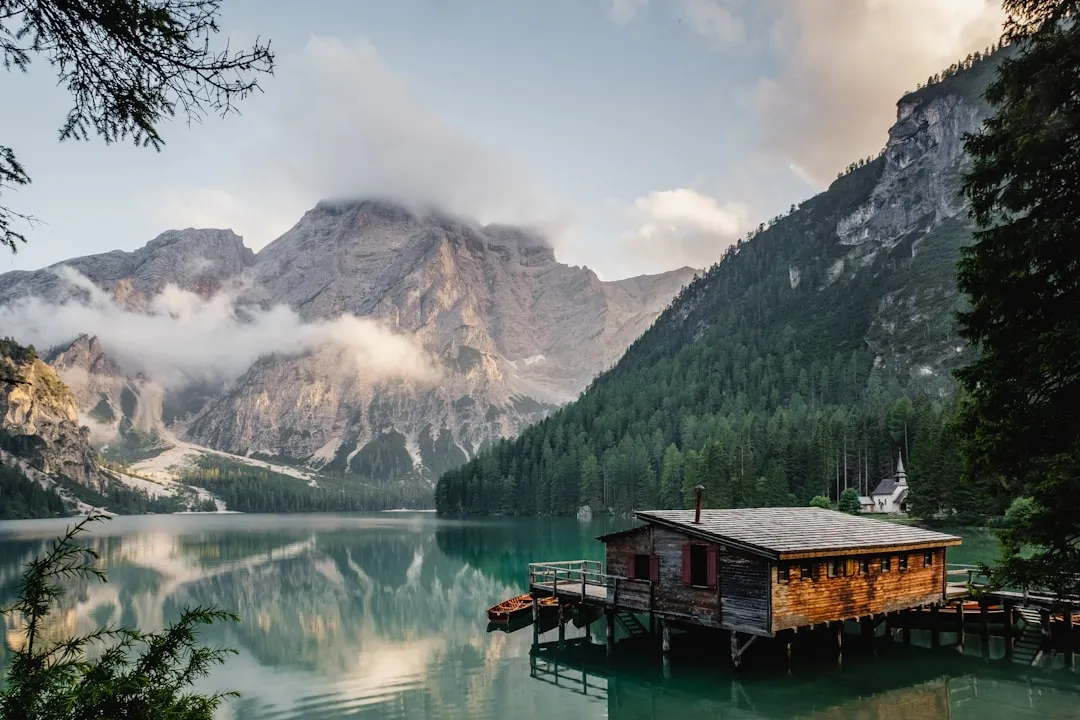
The contrast with a conventional hotel stay is striking in ways that go beyond aesthetics. The travel market is seeing a real move towards less rushed vacations, stays that can foster deeper interactions with a place than whistle-stop tours. Slow travel as one of the biggest trends of 2025 wants us to reassess what it actually means to travel. A floating cabin is structurally slow. There are no lobbies to navigate, no crowds at the elevator, no noise through thin walls.
The financial comparison is worth noting too. A top travel trend in 2025 and into 2026 is taking longer trips. More than half of Americans planned to take a longer trip in 2025 than they did in 2024. Floating cabins lend themselves naturally to extended stays, partly because the novelty sustains itself day after day in a way that a standard hotel room simply cannot.
Market performance is becoming more selective, with suburban, coastal, and mountain or lake destinations standing out as some of the strongest segments. That’s precisely where floating cabins live, geographically and experientially. They belong to the category of travel that rewards presence over itinerary.
What to Know Before You Book
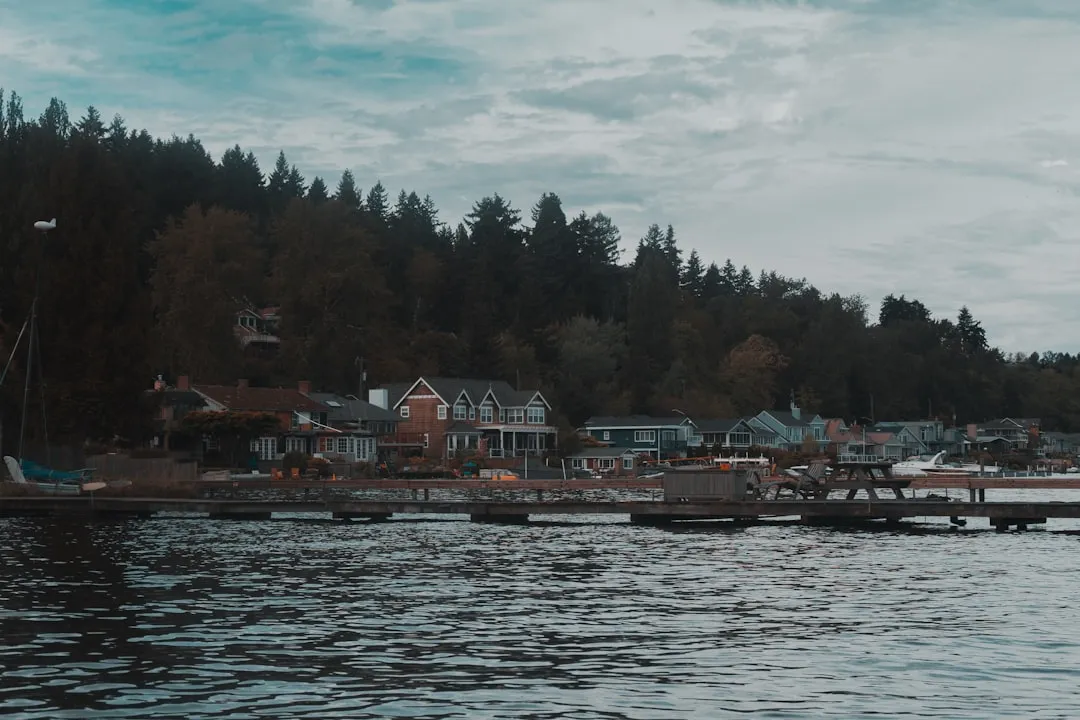
A little preparation goes a long way with any on-water stay. These popular accommodations often book up months in advance, especially during peak travel seasons, so early booking is strongly advised. Waiting until a week before rarely works for the most sought-after listings.
Consider seasonal weather patterns, as some regions might be prone to cyclones or heavy rains at certain times of year. For lake-based floating cabins in North America, late spring through early fall is typically the most reliable window, though some properties in warmer climates operate year-round.
When looking for the perfect on-water accommodation, consider how far you’re willing to travel, if you are comfortable taking a boat to your property, and whether you’d like a private pool or specific deck access. These details shape the experience considerably. The best floating cabin stay is the one matched honestly to what you actually want from the water.
The Role of Market Growth in Improving the Experience
The global vacation rental market continues to expand as short-term rental demand remains strong across major travel markets. According to The Business Research Company, the sector is expected to generate $101.06 billion in revenue in 2026, with further long-term growth still ahead. More capital flowing into the market means more investment in quality, design, and amenity standards.
Development of eco-friendly rental properties is a growing trend to attract sustainability-focused travelers. This is pushing floating cabin operators specifically toward cleaner power systems, better water management, and more thoughtful construction methods, all of which improve the guest experience while reducing environmental impact.
Increasing demand for extended leisure trips and deeper exploration of waterways and coastal regions is driving market growth. Travelers seeking immersive experiences are choosing longer stays on board, combining accommodation, sightseeing, and travel over multiple days. The floating cabin fits this mode of travel almost perfectly, and the industry is clearly responding.
A Final Reflection on Life Above the Water
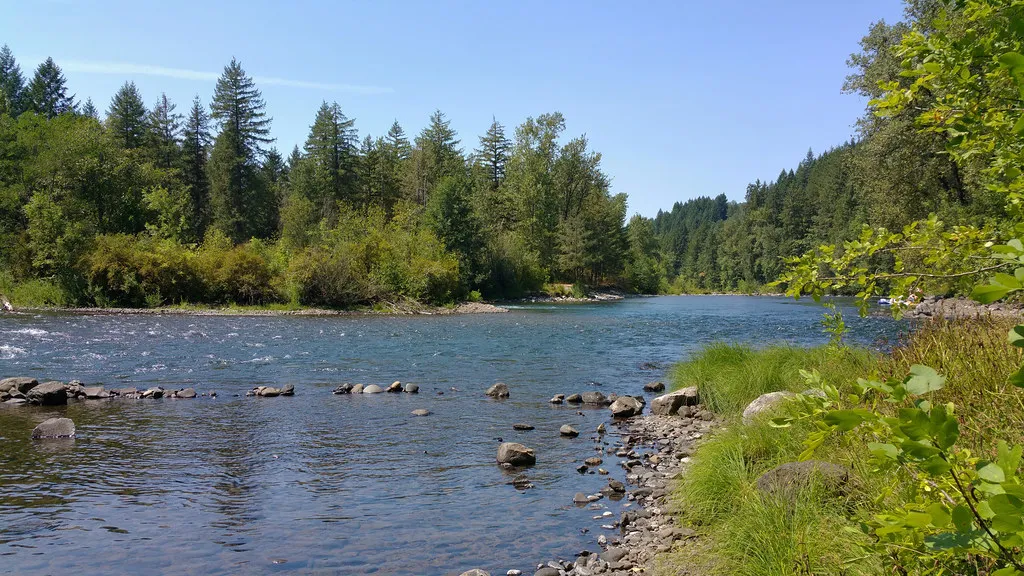
The floating cabin experience is genuinely difficult to replicate with words. There’s the sound the hull makes at two in the morning, settling gently with the current. There’s the way morning light moves differently when it’s reflected off water before it reaches you. These are small things, but they accumulate into something that stays with you long after you’ve driven back to the highway.
Demand is particularly concentrating in island nations and coastal regions, but the quieter truth is that floating escapes are available much closer to home for most travelers than they realize. Lakes, rivers, bays, and marinas across North America, Europe, and beyond now host cabins that deliver the private-island feeling without the intercontinental flight.
What this type of travel ultimately offers isn’t just a place to sleep. It’s a different relationship with your surroundings, one where the boundary between inside and outside softens, where the horizon is always visible, and where the world feels genuinely, measurably smaller in the best possible way.
AI Disclaimer: This article was created with the assistance of AI tools and reviewed by a human editor.