
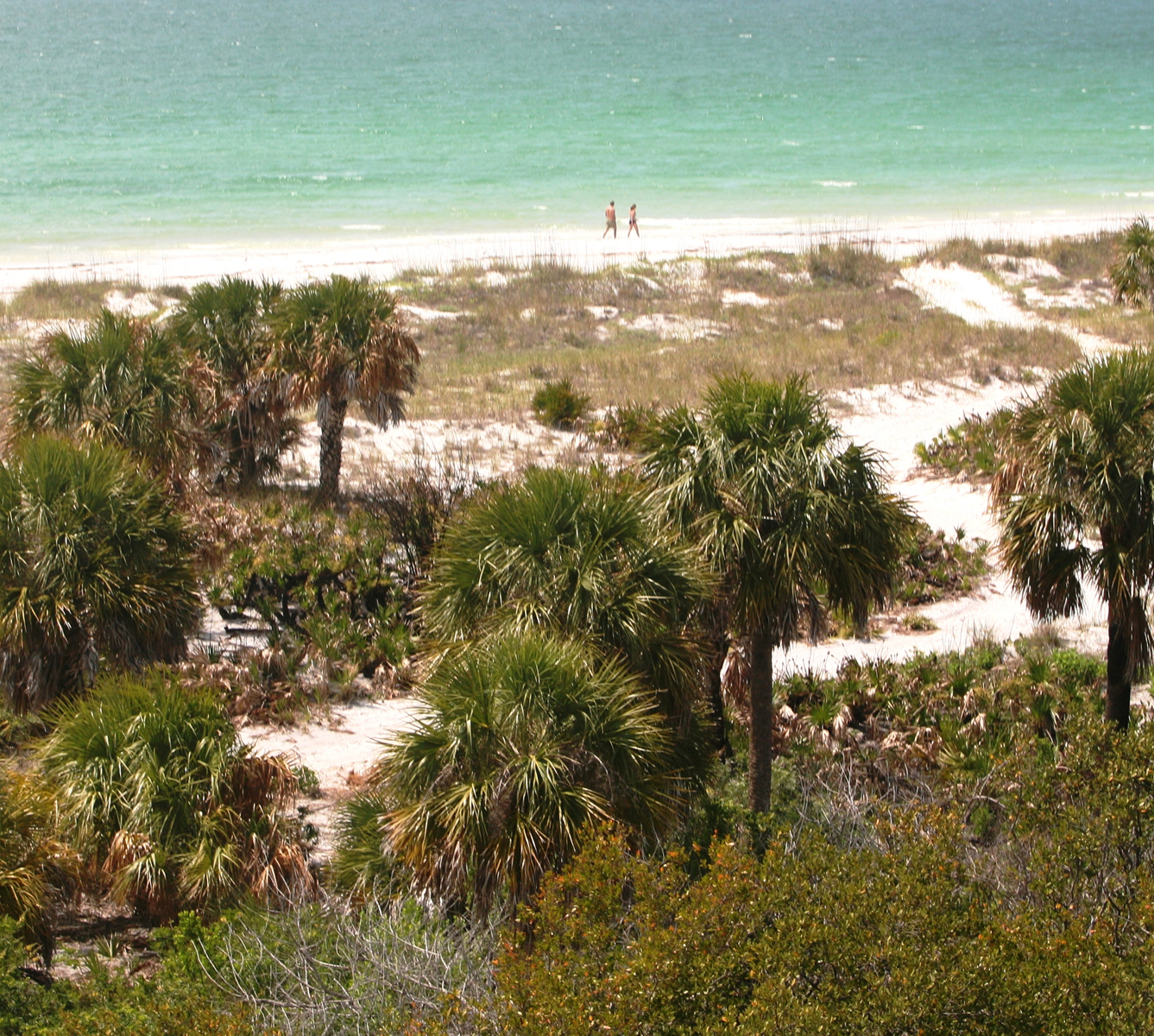
There’s a version of the Gulf Coast that doesn’t show up on the travel agency brochures. It has no neon signs, no souvenir shops shaped like dolphins, and no DJ set at 2 p.m. on the beach. It’s the version that locals quietly protect, the kind of place you only find by slowing down and paying attention.
Stretching from Texas to Florida, America’s Gulf Coast is renowned for its white-sand beaches, year-round sunny weather, and crystal-clear emerald waters, and the region has long attracted visitors seeking tropical escapes. Yet the most memorable stretches of this coast aren’t the loudest ones. They’re the ones where the tide is the only sound and the only footprint in the sand ahead of you is a great blue heron.
Caladesi Island: Where the Ferry Ride Is Half the Point
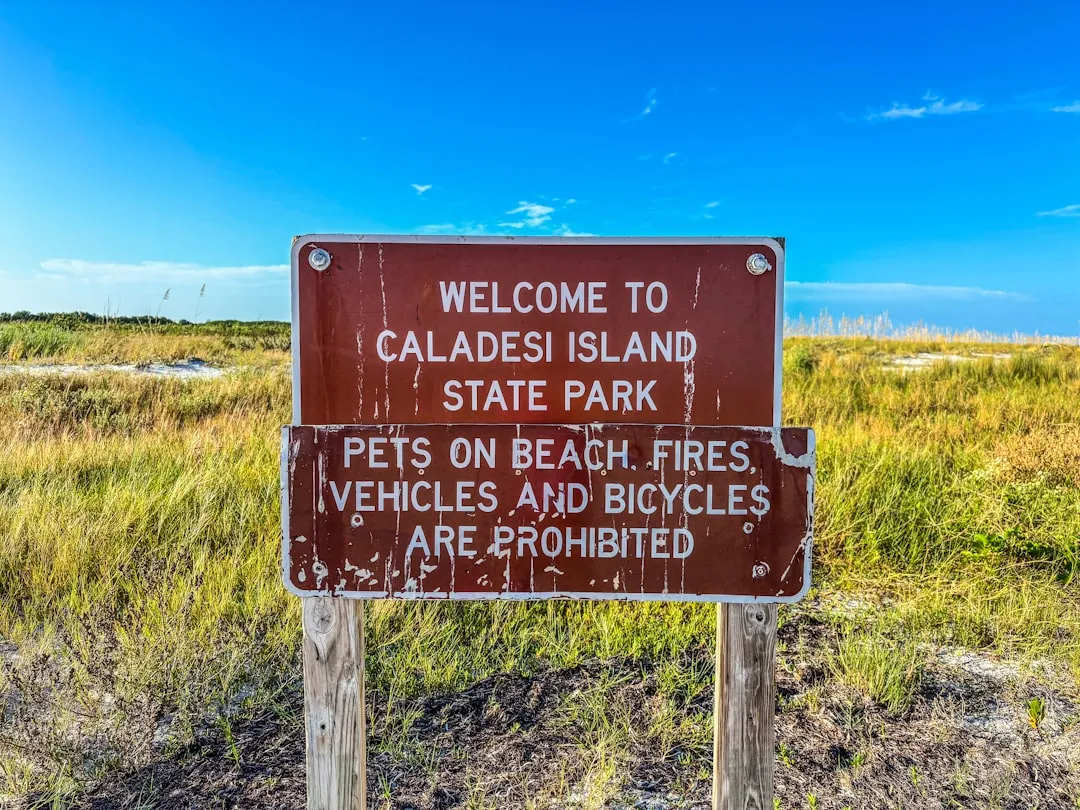
One of the few untouched islands along the Gulf Coast, Caladesi Island State Park is accessible only by boat, but is worth the extra effort. That effort acts as a natural filter, keeping the crowds away and the atmosphere genuinely peaceful.
Caladesi Island State Park was named one of the best beaches in the U.S. by Condé Nast Traveler in 2025. The island has earned consistent recognition from Dr. Beach, ranking fourth in the nation in 2024 and earning the top spot in 2008.
If you step away from the Gulf side, you’ll find much to explore on Caladesi’s roughly 650 upland acres and 1,800 wetland acres, including a kayaking trail that gives you a water view of the island’s mangrove forests and a 2.5-mile nature trail through a variety of habitats. It’s not just a beach. It’s an entire small wilderness.
The Forgotten Coast: Florida’s Last Stretch of Unspoiled Shoreline
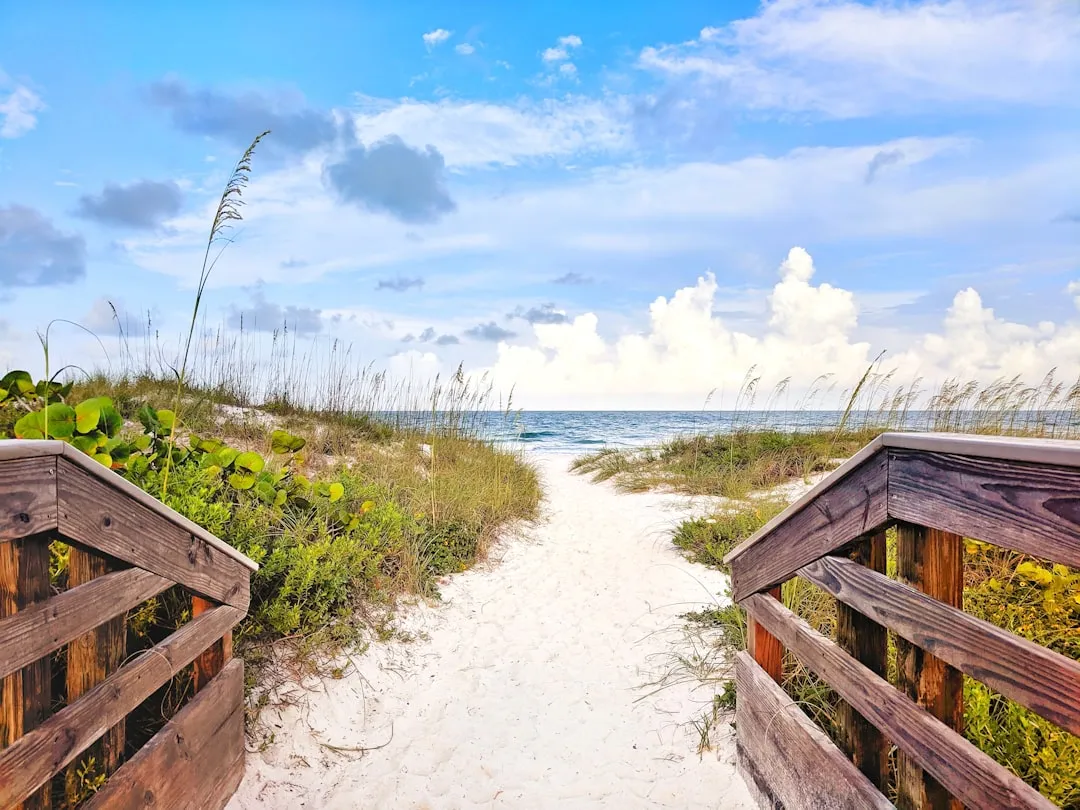
Florida’s Forgotten Coast is called that because it was once literally left off the Florida map, largely ignored by tourism promoters in the 1990s who focused instead on the booming coastlines on Florida’s southern tip.
This beautiful region has been dubbed “Forgotten” because it’s the last remaining stretch of unspoiled, pristine Gulf Coast beaches that high rises and strip malls haven’t overrun, and residents don’t mind being “forgotten,” saying it adds to the charm of their home.
Mexico Beach was hit hard by Hurricane Michael in 2018, but with cleanup and rebuilding, the town is flourishing once again as a quaint small coastal community. It’s resilient without being rowdy, and that says something.
Apalachicola Bay: A Story of Quiet Restoration
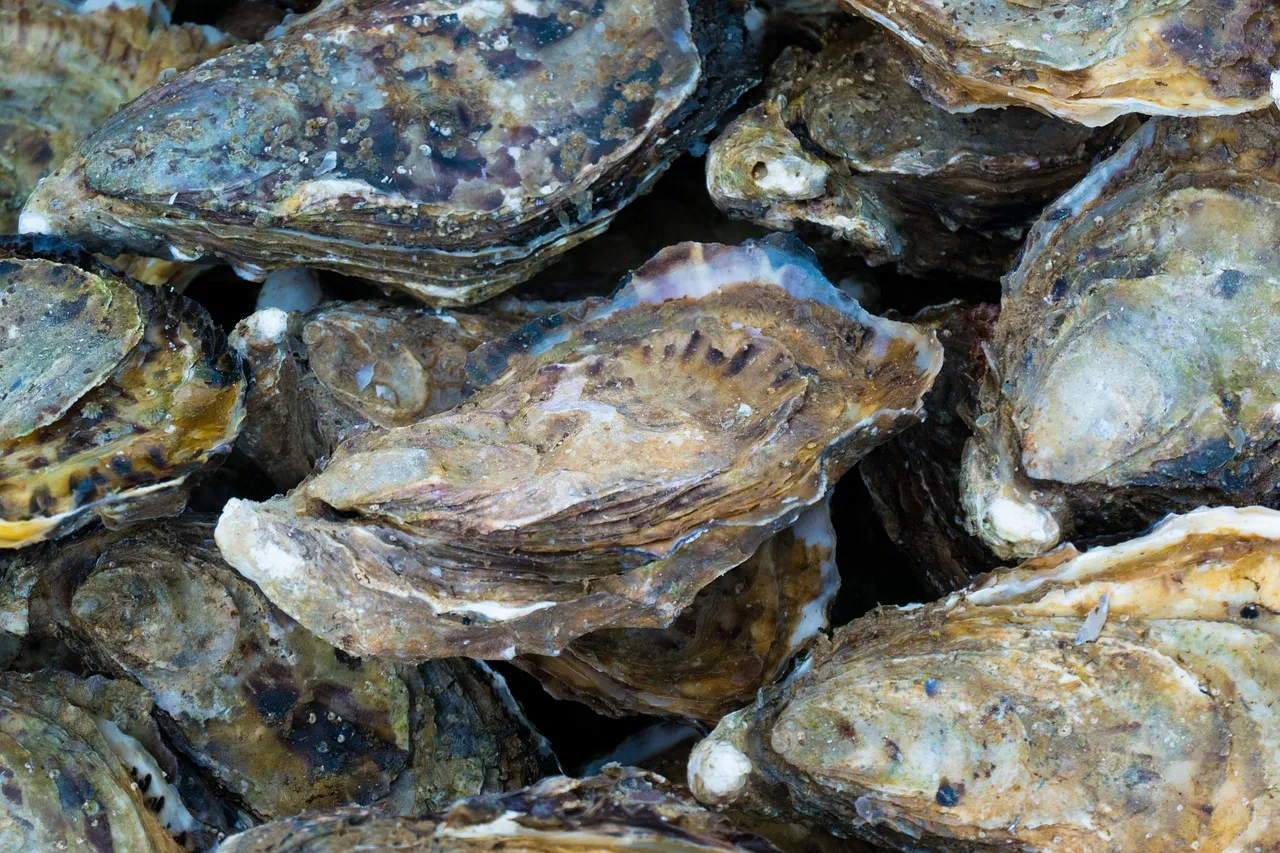
The collapse of the Apalachicola Bay oyster fishery changed a way of life in the Florida Panhandle. For decades, the bay was renowned for its oyster harvest, an industry that supplied roughly ninety percent of the oysters in Florida and ten percent across the nation.
At their November 2025 Commission Meeting, the Florida Fish and Wildlife Conservation Commission approved a revised oyster management plan for Apalachicola Bay, and this reopening was made possible due to the restoration of oyster reefs in the bay. This was the first opportunity to harvest from the bay since 2020, thanks to continued investments to expedite the restoration of the Apalachicola Bay ecosystem.
Apalachicola Bay covers approximately 208 square miles and is home to over 1,100 species of plants, 308 species of birds, 186 species of fish, and 57 species of mammals. The water here tells a longer story than any guidebook can.
Navarre Beach: Quietly Earning Its Reputation
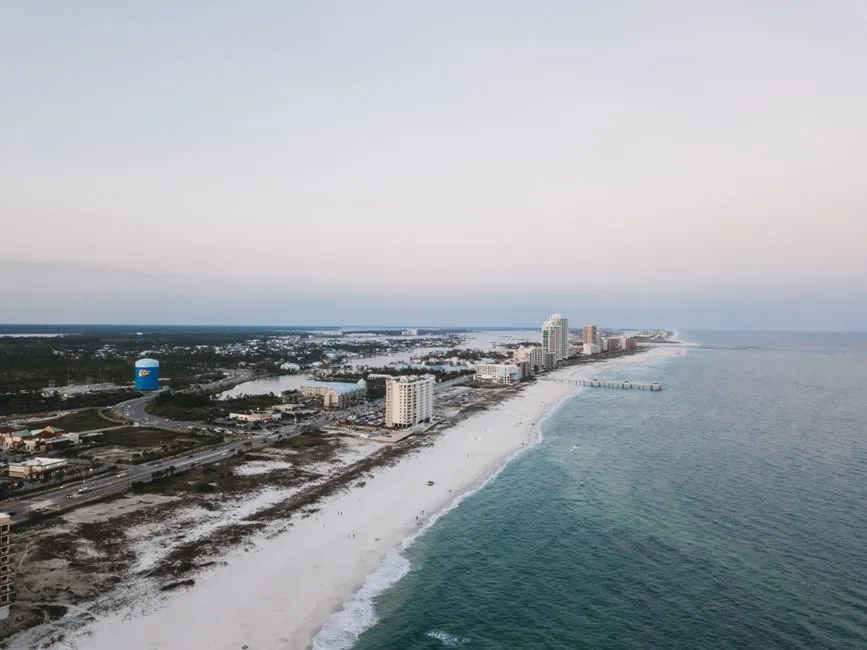
Navarre Beach is a little off of the beaten path, and that’s one of the best things about it. Sited east of Pensacola, this quiet destination boasts a generous white-sand beach snuggled against the emerald-hued Gulf.
Navarre, a compact beach community just east of Pensacola, beckons with twelve miles of pristine white shoreline. It’s a serene retreat, renowned for fishing and its pier, which stretches 1,545 feet long and stands 30 feet tall.
Navarre Beach Marine Park is a unique convergence, including the Navarre Beach Marine Science Station, a Sea Turtle Conservation Center, and a Marine Sanctuary with its fascinating artificial reefs. It’s the kind of place that rewards curiosity rather than just consumption.
Redington Beach: One Square Mile of Deliberate Solitude
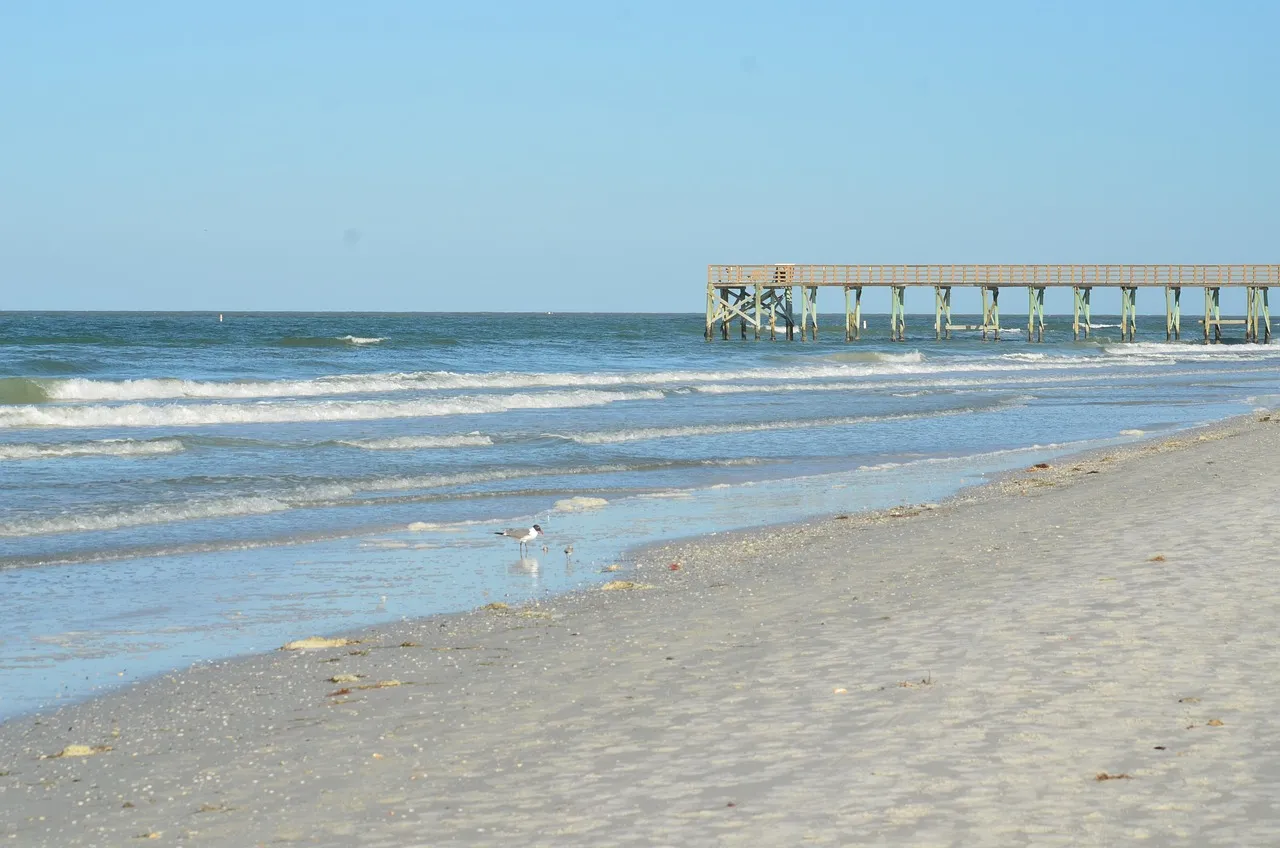
Redington Beach, a serene Gulf Coast town in Florida, is paradise for beachgoers seeking solitude. Located on the barrier island of Sand Key, the coastal community is largely residential and just one square mile in size.
As a result, visitors will not find the usual array of boardwalk attractions and tourist traps. Instead, they’re invited to embrace Redington Beach’s slower pace, quiet shores, and gorgeous Gulf Coast scenes.
Its tininess is its greatest feature. There’s no manufactured entertainment here, no scheduled activity list at a resort front desk. Situated between Indian Rocks Beach and busier Madeira Beach, Redington Shores is a small resort community with rental properties and beloved seafood restaurants, but big crowds are never a thing here.
Barefoot Beach: A Locals-Only Feel Hidden in Plain Sight
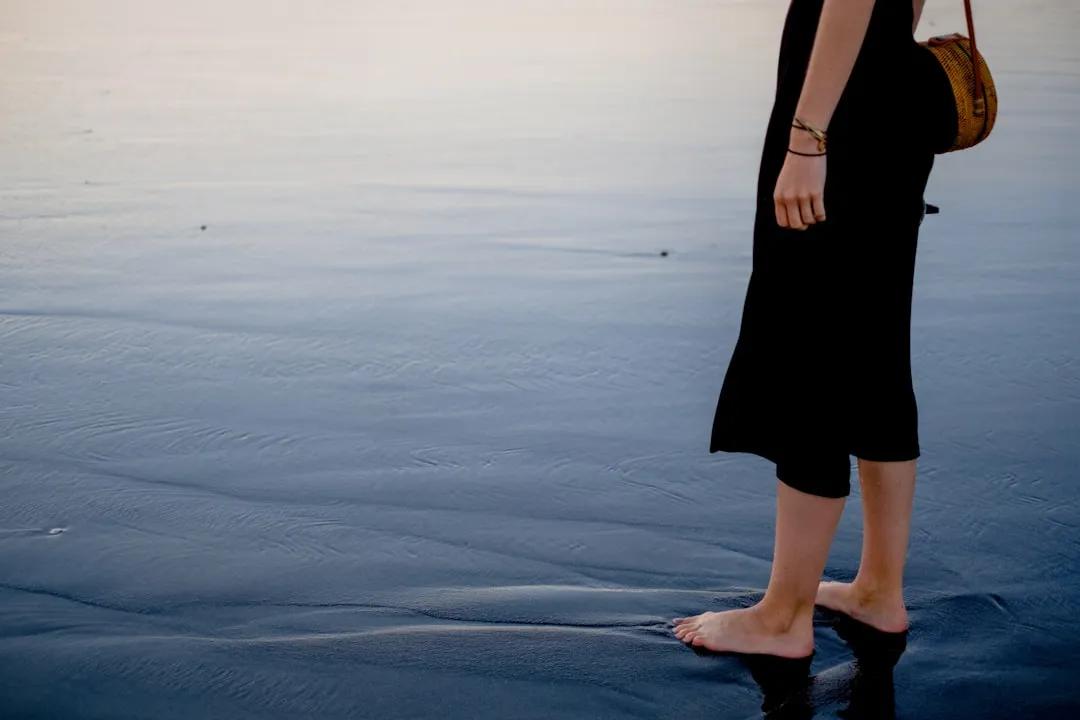
Barefoot Beach is a Collier County park, known mostly to locals, and another thing that makes it feel like a secret beach is the way you reach it. The path winds through a gated neighborhood of waterfront homes before the preserve appears at the end of the road.
Barefoot Beach extends a mile along the Gulf with sea oats supporting the sand dunes and a coastal hammock of sabal palm, gumbo limbo, and sea grape trees. It’s a rare Florida stretch where the vegetation itself feels wild rather than manicured.
The beach has bounced back beautifully, as stunning as ever, though in summer 2025 visitors still found portable restrooms and few amenities. That minimal infrastructure is part of the charm. It’s a beach that hasn’t been improved to death.
Egmont Key: Lighthouse, Ruins, and Complete Quiet
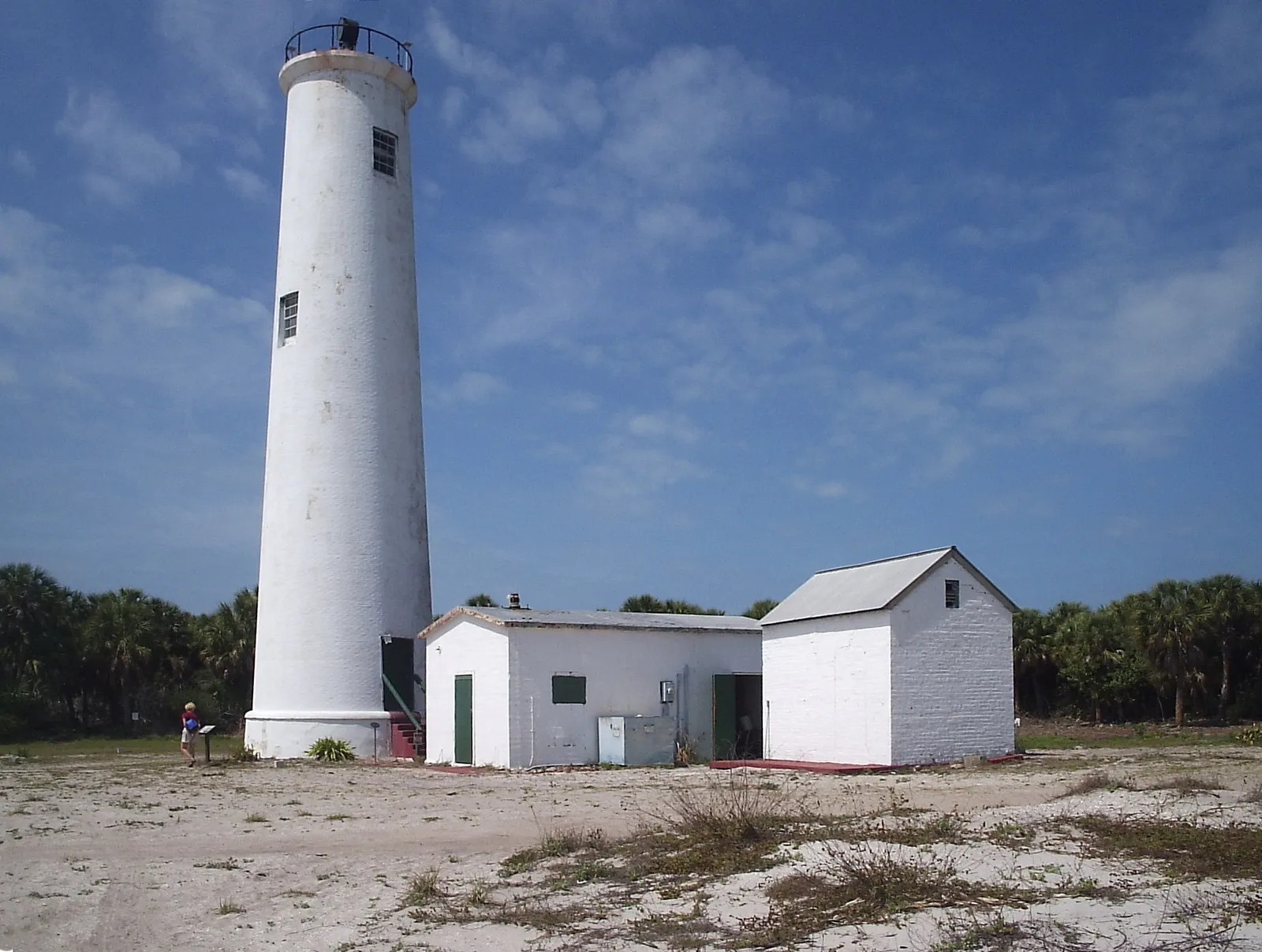
Egmont Key State Park has a private island feel and sits just over an hour from the Orlando attractions area. Although the park is primarily a wildlife refuge, it can be a personal refuge as well, a place to relax and collect shells along secluded, pristine beaches – and it’s accessible only by boat, which does take a little extra effort, but it’s worth it.
Egmont Key has a unique natural and cultural history, including a lighthouse that has stood since 1858. The ruins scattered across the island add a quietly haunting texture to what would already be a beautiful day.
That ferry ride from Fort De Soto Park changes the mood immediately. With the ferry, visitors spend roughly three hours on the island, giving time to explore the beaches on both sides of the walkable island and take in the ruins. Three hours there feels longer than a full weekend at a resort.
Ocean Springs, Mississippi: The Artsy Cove the Gulf Forgot to Advertise

Over in Mississippi, Ocean Springs is a Jackson County town known for its spirited art scene, small-town atmosphere, and scenic beaches. It’s one of those places that has its own internal culture, separate from anything the tourism industry manufactured for it.
Ocean Springs is home to the Walter Anderson Museum of Art, which showcases paintings, drawings, carvings, and writings of the Gulf Coast’s natural beauty. Visitors will also discover Shearwater Pottery, founded by the Anderson family, and can visit the studio, learn about its history, and purchase one-of-a-kind items. Another stop should include The Art House, a co-op that attracts art lovers from all over the United States.
WorldAtlas noted that Ocean Springs has maintained its “artist-and-oyster-shack character” even as the Mississippi Gulf Coast has evolved. That’s a meaningful thing to hold onto. Not many coastal towns manage it.
Bay St. Louis: The Creative Gulf Town That Rebuilt Itself Beautifully
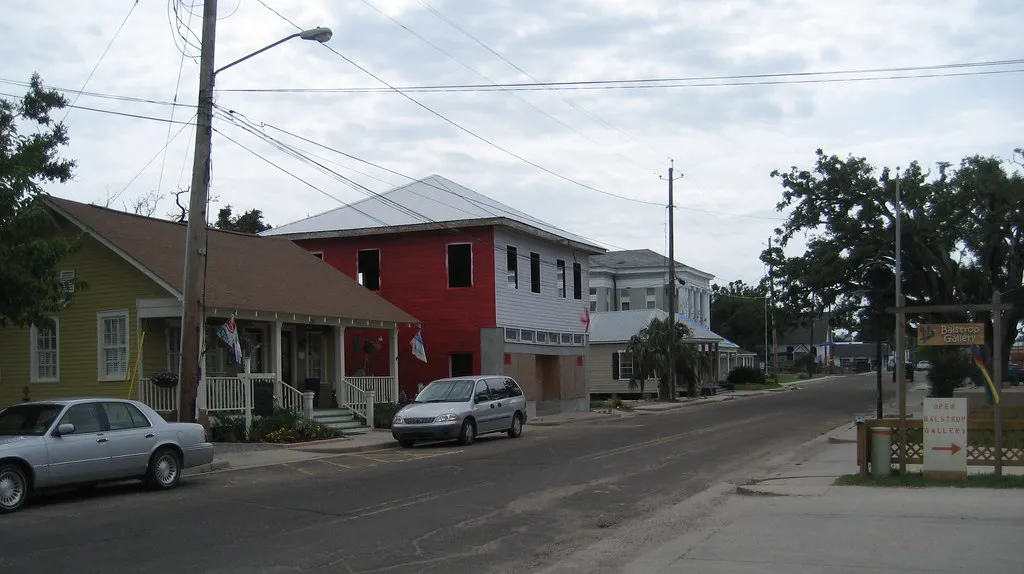
Often overshadowed by nearby Biloxi, Bay St. Louis is a vibrant coastal gem on Mississippi’s Gulf Coast. This town of about 9,300 residents has rebounded beautifully from the devastation of Hurricane Katrina, transforming into a hub for artists, musicians, and creatives.
The historic Old Town district is a colorful mosaic of art galleries, boutique shops, and eateries, with murals and sculptures dotting the streets. Bay St. Louis also boasts a two-mile-long beachfront along the Mississippi Sound, ideal for kayaking, paddleboarding, or simply soaking up the Gulf breeze.
The town’s marina is a gateway to fishing charters and sunset cruises, while the nearby Jourdan River offers opportunities for birdwatching and eco-tours. It rewards the traveler who arrives without a rigid itinerary and a willingness to follow wherever the afternoon leads.
Sunset Beach, Treasure Island: Where Locals Walk to the Water Every Evening
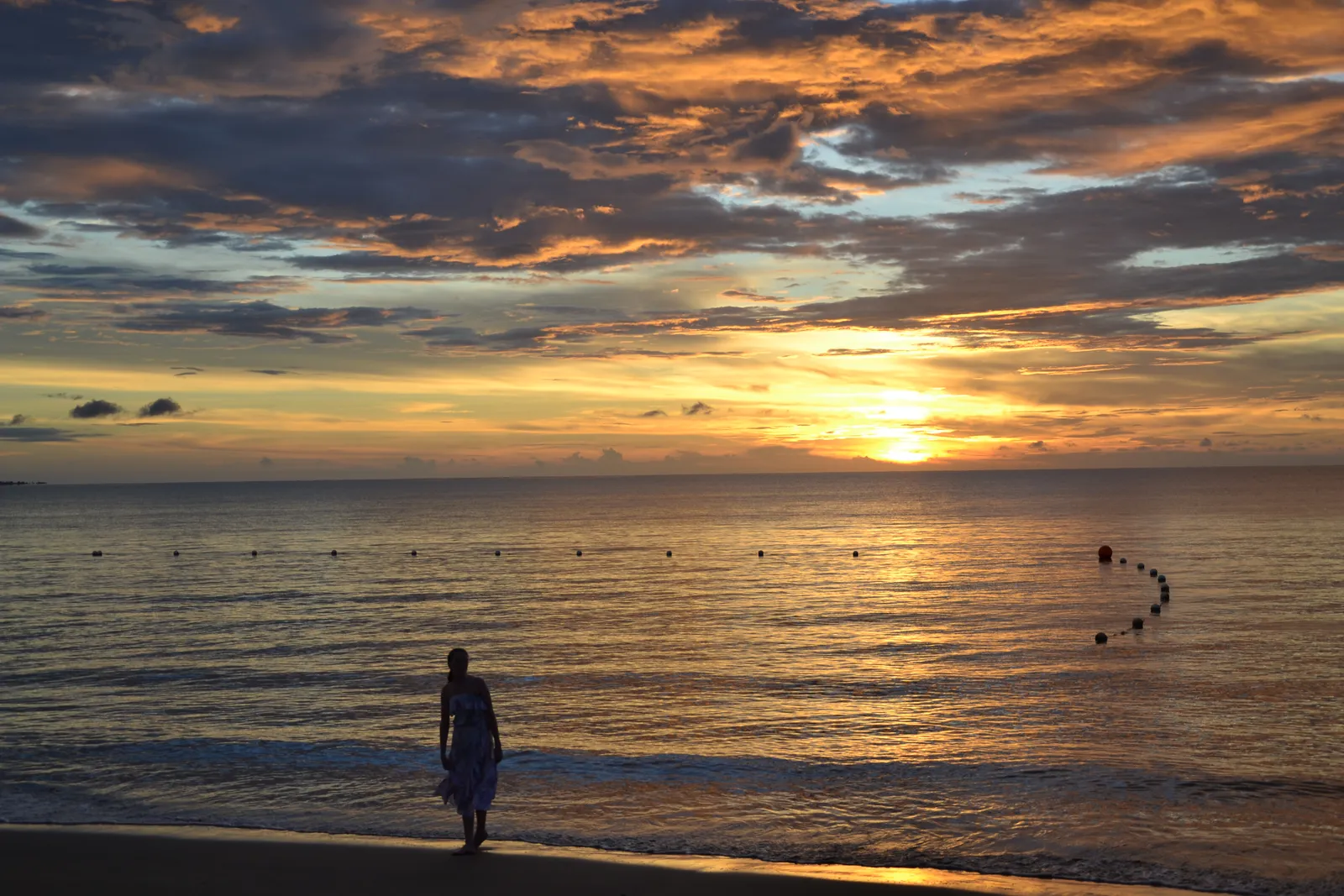
Technically part of Treasure Island, Sunset Beach is a three-mile stretch beloved by locals. As evidenced by the friendly residents who stroll to the water in a nightly sunset ritual, this beach is famously laid-back and known for its amazing sunsets.
The neighborhood has a Key West-like vibe, with great spots for food and drink nearby after you’ve watched the sun descend into the Gulf. It’s not hard to see why the locals guard it with such easy, quiet pride.
The gentle waters off Sunset Beach make for a perfect family beach day. Nothing here competes for your attention or your wallet. The sunset simply does what it does, and the people gather to watch it, just as they have for decades.
Why These Places Deserve Your Respect, Not Just Your Visit
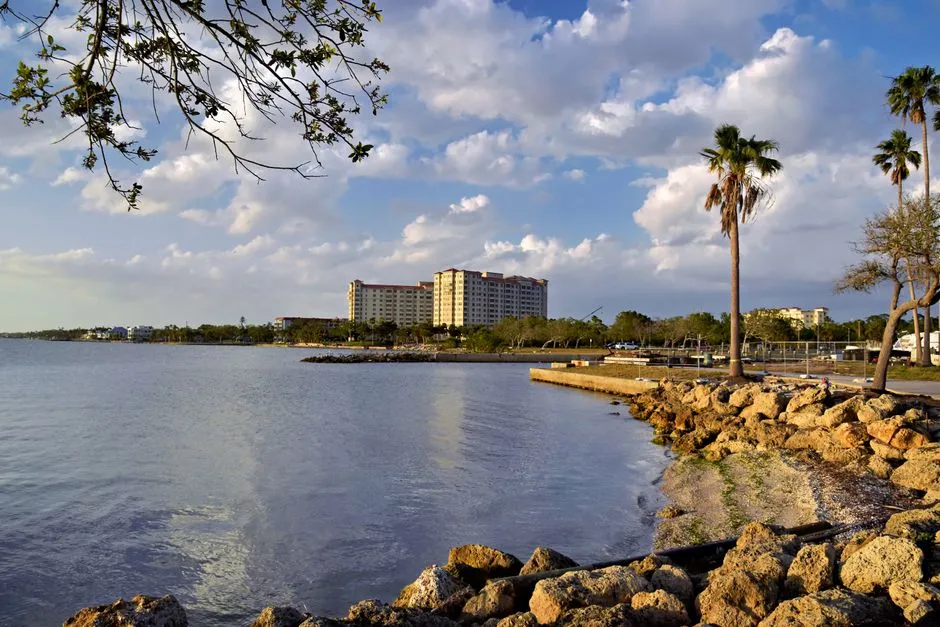
Eleven small towns along the Gulf Coast have been ranked among the nation’s favorite destinations by WorldAtlas, with these coastal communities praised for offering “some of the whitest sand and warmest waters in the country,” along with well-preserved islands, parks, and abundant wildlife.
This recognition comes as migration to the region has surged in the years following the pandemic, driven in part by the rise of remote work. That influx is real, and it brings with it a responsibility for every visitor to treat these coves with genuine care.
The locals who love these places quietly know something important: the moment a hidden cove becomes an Instagram fixture, it stops being hidden. The most respectful thing a traveler can do is leave these shores exactly as they were found, carrying only the memory, and leaving only footprints that the tide will erase by morning.
The Takeaway
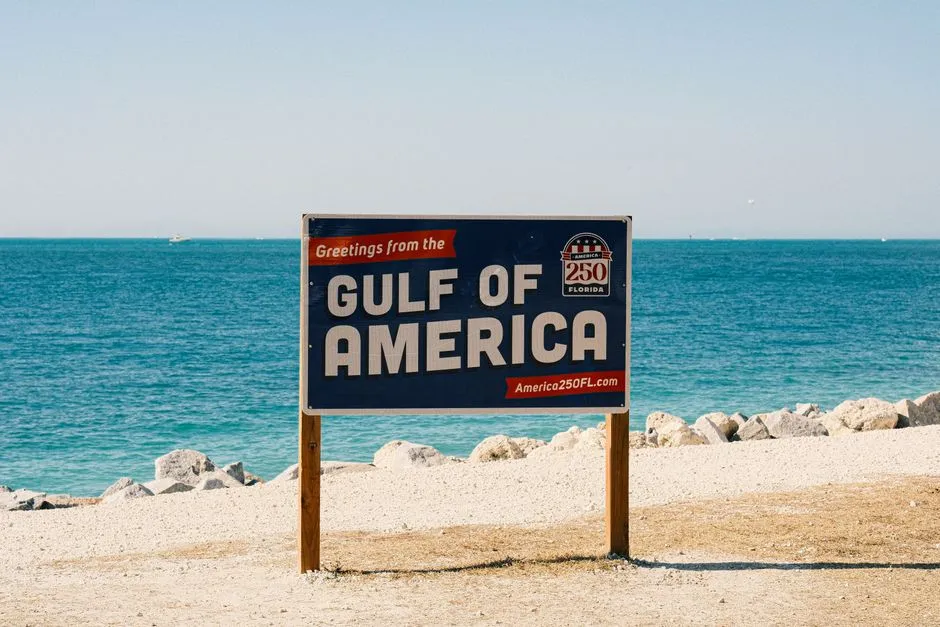
The Gulf Coast’s quietest coves don’t advertise themselves, and that’s precisely their value. They exist in a rare relationship between the land, the water, and the people who call them home, a balance that takes decades to build and only a season of overuse to erode.
Traveling to places like these is less about ticking a destination off a list and more about understanding what’s worth protecting. The emerald water will still be there next year, the pelicans will still cruise the shoreline at dusk, and the oyster boats will still head out at first light. The question is simply whether we visit in a way that keeps it that way.
AI Disclaimer: This article was created with the assistance of AI tools and reviewed by a human editor.