

There’s a certain kind of place that never quite makes it onto the mainstream travel radar, not because it’s lacking, but because the people who love it most prefer it that way. Barrier islands have always attracted a particular kind of traveler. The ones who are content to leave their phones on the nightstand, watch the tide shift through the window, and eat whatever the fishing boats brought in that morning.
These sandy, wind-shaped strips of land run alongside so much of the American coastline. The United States has the most barrier islands of any country in the world, with a count of 405. The U.S. has extensive and diverse coastlines along both the Atlantic and Gulf coasts, where conditions are ideal for barrier island development. What makes them special, though, isn’t their number. It’s what they hold: salt air, protected marshes, a slower pace that feels increasingly rare.
What a Barrier Island Actually Is
Before anything else, it helps to understand what you’re actually standing on. A barrier island is a long, thin, sandy stretch of land oriented parallel to the mainland coast, which protects the coast from the full force of powerful storm waves. Between the barrier island and the mainland is a lagoon or bay.
Barrier islands are complex ecosystems that exist off the coast of every continent except Antarctica. They protect the coastline from direct impacts of storms and sea-level rise. That protective function is easy to overlook when you’re watching pelicans glide over glassy water, but it’s fundamental to why coastal communities exist at all.
Thirteen percent of the world’s coastlines and more than one third of the coast of North America is bordered by barrier islands. Along the Atlantic coast alone there are more than 300 barrier islands and spits extending along the coasts of 18 states from Maine to Texas.
The Quiet Scale of a Local Favorite
The total length and area of barrier islands spanning 18 states along the U.S. Atlantic and Gulf Coasts are about 3,700 km and 6,800 km² respectively. That’s a remarkable amount of coastline, most of it lightly traveled compared to the big resort corridors that draw the crowds.
There are approximately 1.4 million people living on barrier islands, half of which are in Florida. For many of these residents, the island isn’t a getaway destination. It’s simply home. That lived-in quality, the sense that daily life happens here, is exactly what gives these places their unforced authenticity.
Locals tend to measure the seasons not by a travel calendar, but by the arrival of migratory birds, the shift in water temperature, and the first hint of quiet that settles in once summer visitors leave. Those in-between periods are, by most local accounts, the best times of all.
The Ecology Locals Protect Without Thinking About It
Barrier shorelines are unique habitats that represent the foundation for complex and productive coastal ecosystems. Residents who’ve lived on these islands for years often develop a protective instinct toward the land that feels less like activism and more like second nature. You don’t litter on a beach you’ve walked every morning for a decade.
The barrier islands of Gulf Islands National Seashore, for example, are habitats very important to wildlife resources including sea turtles, shorebirds, various mammals, and key fish species. That biodiversity isn’t incidental. It’s woven into the daily experience of island life, whether you notice it or not.
Ecosystems on barrier islands provide socio-ecological services to terrestrial and aquatic endangered species, as well as human inhabitants. The management of these coastal ecosystems is challenged by changes driven by atmospheric, oceanographic, geologic, and human processes. Long-term residents tend to feel these pressures intuitively before scientists name them.
The Draw of a Slower Pace
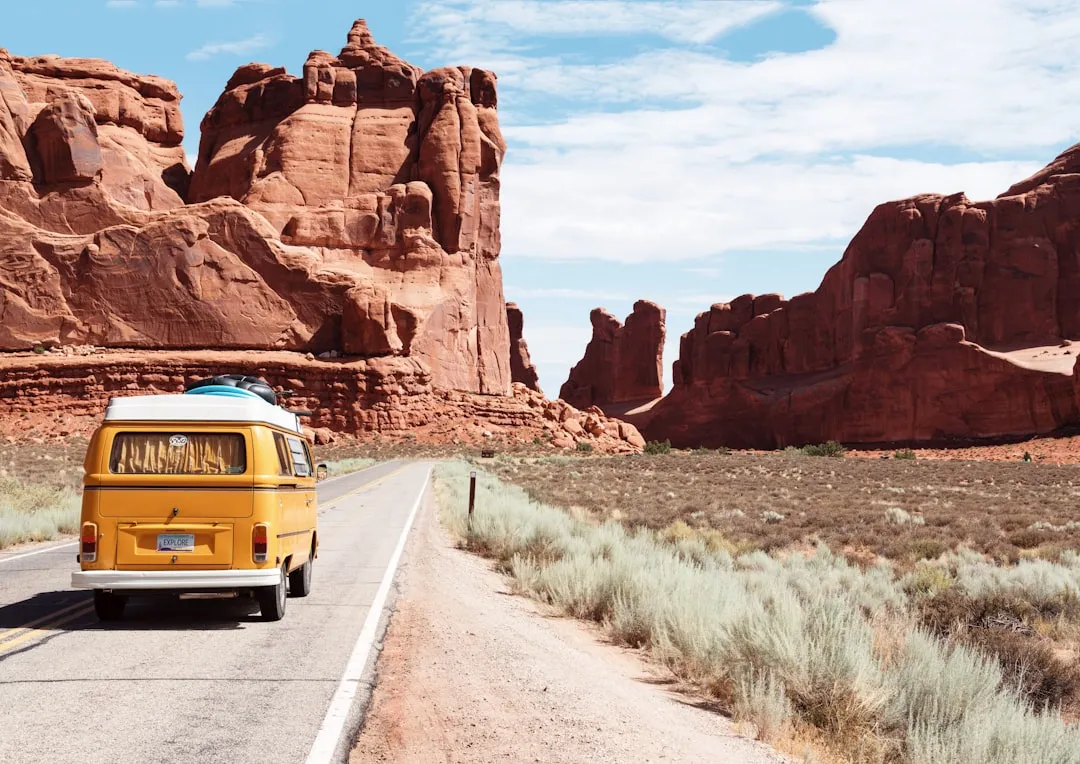
There’s a reason barrier island life appeals to people who have grown tired of being busy. The landscape itself resists urgency. Google’s 2026 travel trends data revealed that online searches for slow travel-related topics recently hit an all-time high, and a staggering 91% of travelers stated a preference for taking a trip centered around reading, relaxation, and quality time with loved ones, per a trends report from Vrbo.
Slow travel is being embraced in 2025 and 2026, taking trips at a more relaxed pace and reducing the number of tourist hotspots visited. Visitors are keen to soak up all a location has to offer, holding the potential to grow sustainable tourism and support regional balance. Barrier islands are almost naturally suited to this philosophy. There’s rarely a packed itinerary possible when the road ends at the water.
Slow travel practices among international travelers to Europe have increased from 22% in 2025 to 26% in 2026, according to the European Travel Commission’s Long-Haul Travel Barometer. The appetite is clearly growing, and it’s not hard to see why barrier islands quietly fit this mold so well.
The Crowd Question: When Popularity Arrives
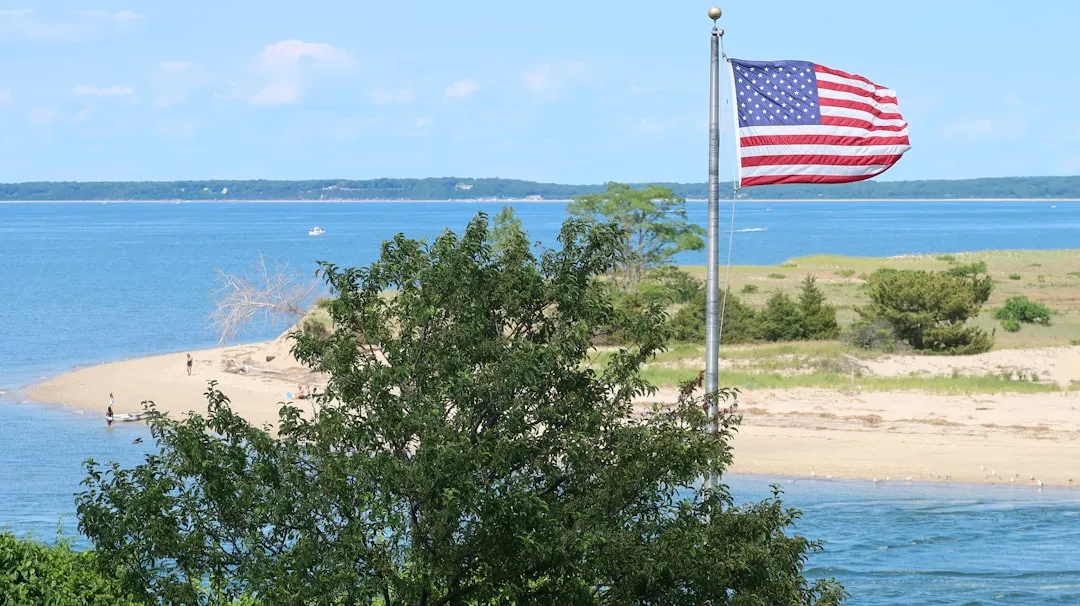
Popularity changes a place, and barrier islands aren’t immune to that shift. Barrier islands rarely fill up quite like some now do, especially heading into summer 2026 with numbers climbing higher than in previous years. Visitors flock for the beaches, but the crowds themselves have started becoming part of the story too.
Longtime residents notice the shift most, comparing today’s crowds to quieter summers not that long ago. Nothing about the appeal has changed, only the sheer number of people trying to experience it. That tension between preservation and access is something thoughtful visitors do well to carry with them.
Spring and fall are increasingly popular because the crowds thin out noticeably. Temperatures stay comfortable well into October. Shoulder season visitors often say the island feels more relaxed and easier to enjoy. Locals already knew this, of course. It’s the kind of knowledge they share selectively, among friends.
What the Land Itself Is Always Doing
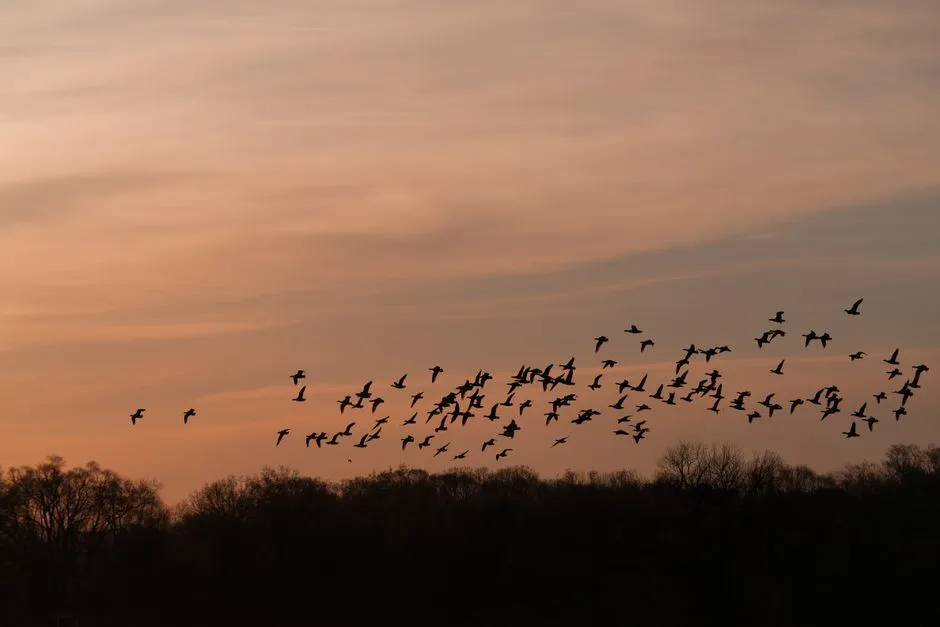
One of the stranger and more humbling aspects of barrier island life is that the land beneath you is never still. Barrier islands are dynamic environments that experience gradual change from waves, tides, and currents, and rapid change from extreme storms. These islands are expected to change drastically over the coming century due to accelerated sea-level rise.
Barrier islands naturally move and migrate, but climate change and human development can prevent this movement, disrupting natural processes. Building too close to the shoreline doesn’t stop the island from migrating. It simply means the infrastructure gets left behind while the sand moves on.
Barrier islands are fragile, constantly changing ecosystems that are important for coastal geology and ecology. Development has not only posed dangers to these ecosystems but also increased the risk of property damage every year from hurricanes and Nor’easters. Locals who understand this tend to build lightly and plan accordingly.
The Protective Role That Benefits Everyone Inland
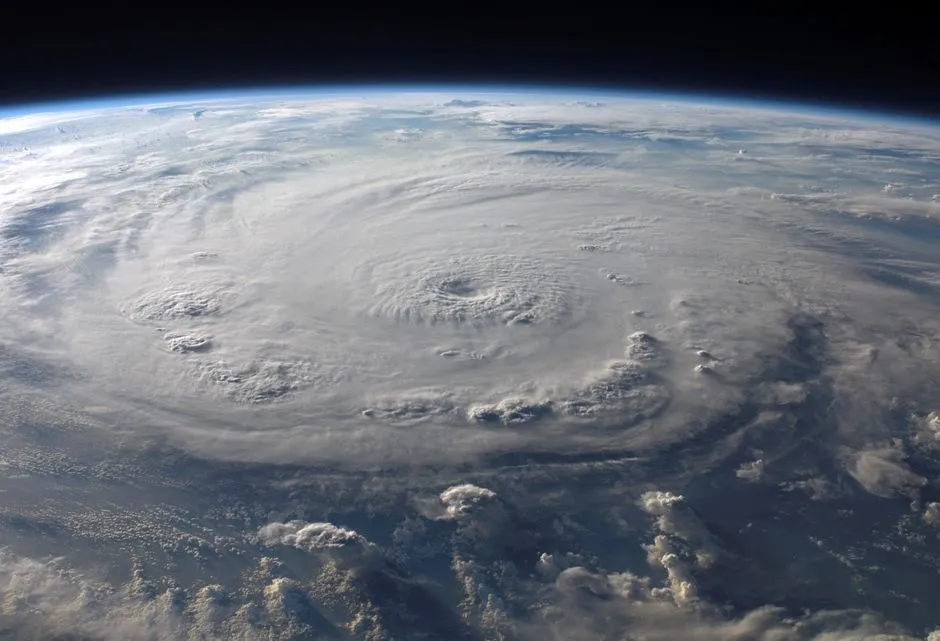
Events like Hurricane Katrina and the Deepwater Horizon oil spill have clearly demonstrated the advantage of robust barrier islands in terms of shoreline resilience and hurricane damage reduction. These events have also highlighted the ecological concerns related to the massive loss of coastal wetland and barrier island systems. Coastal geomorphic features created by these barriers can provide a significant and potentially sustainable buffer from wind and wave action as well as storm surges generated by tropical storms and hurricanes.
For people living on the mainland behind them, barrier islands function like a front line they rarely think about. Their presence quietly absorbs energy that would otherwise reach developed land. That service, entirely uncompensated by any tax structure, has been quantified in storm damage studies but is almost impossible to put a true dollar value on.
An Ecotourism Mentality That Feels Natural Here
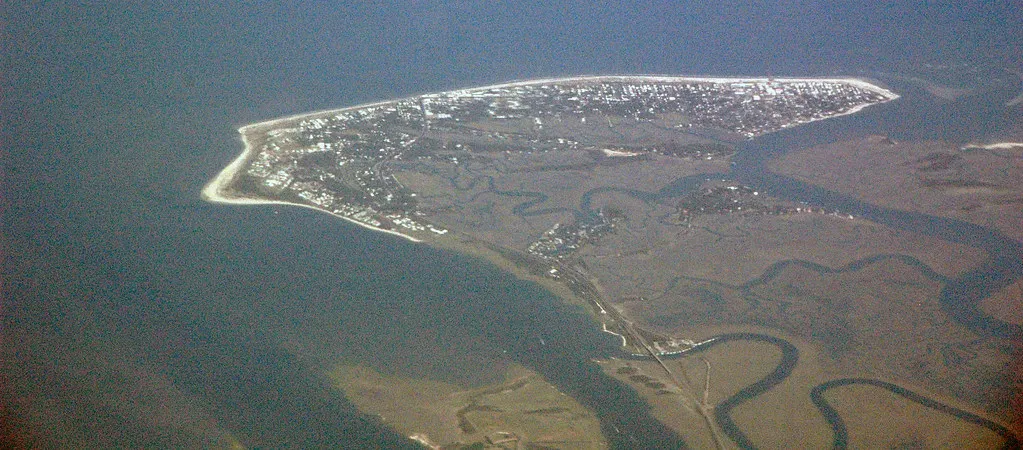
For locals looking to escape the hustle without venturing too far from home, barrier island eco-focused experiences offer the perfect blend of relaxation, education, and outdoor adventure. It’s an easy and accessible way to experience the unspoiled side of the coast that many locals may never otherwise see.
Staying longer promotes sustainable tourism by reducing environmental impact and supporting local communities. Longer trips often unlock better rates, exclusive amenities, and a more relaxed, comfortable pace of travel. That logic aligns naturally with how barrier island communities think about their own rhythms.
Slower travel helps reduce environmental pressure and encourages deeper connection with place. Staying longer supports local communities rather than mass tourism. On a barrier island, that’s not an abstract principle. It’s visible in the difference between a quick day-tripper and someone who lingers long enough to learn the names of the regulars at the bait shop.
The Wildlife That Keeps Locals Anchored
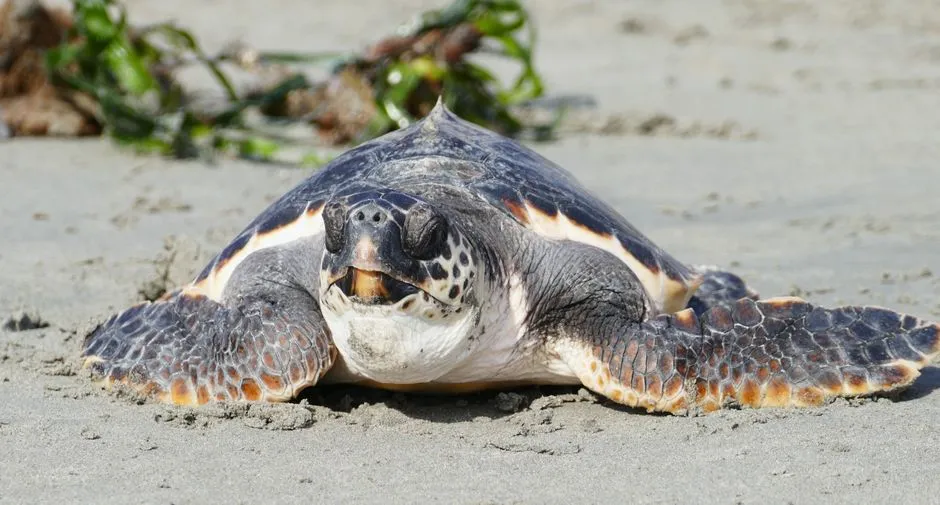
Numerous native and migrating marine and avian species utilize Louisiana’s barrier island and headland environments, and this pattern holds true across barrier islands from Georgia to the Gulf Coast. For residents, wildlife encounters aren’t Instagram moments. They’re part of the week.
Shore birds that nest in dune grass, dolphins working the shallows at low tide, sea turtles choosing specific stretches of beach by instinct refined over millennia. These presences shape how people relate to the place they live, often more than any scenic view or waterfront restaurant ever could.
These islands are home to people and animals, some of which are endangered. Conservation of barrier islands is important for providing habitat to plants and animals as well as coastline protection for the mainland. That dual purpose, serving both wildlife and people, is what makes barrier island stewardship feel genuinely meaningful rather than performative.
What “Escape” Actually Means Here
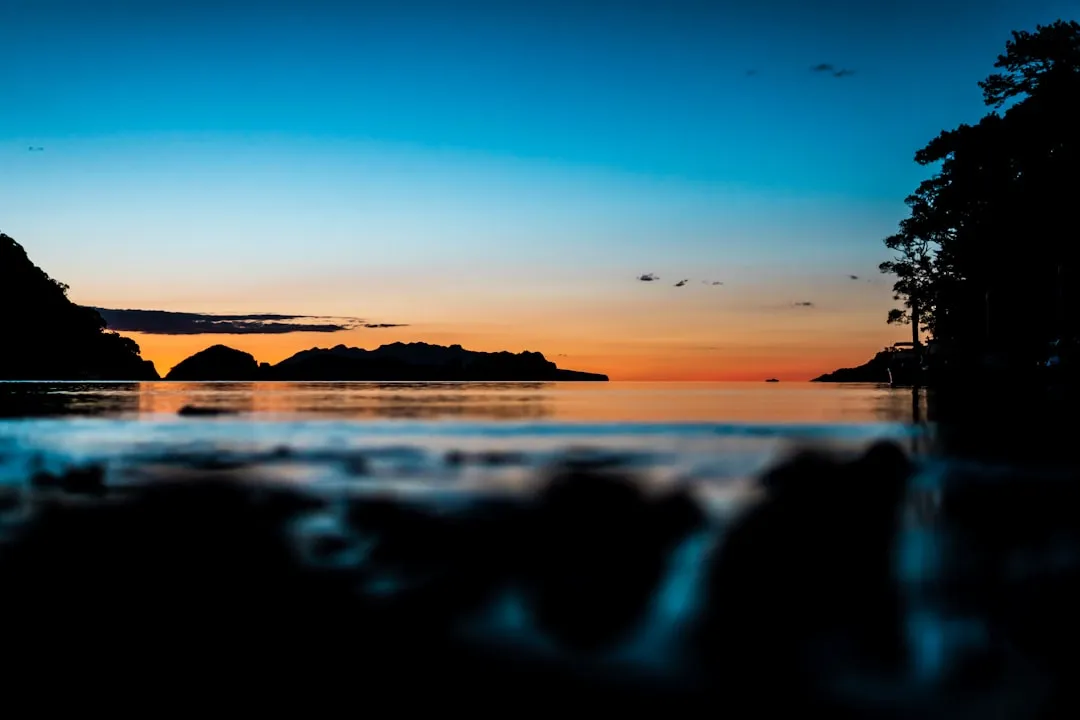
The word “escape” tends to conjure images of airports and overbooked resorts. On a barrier island, it means something smaller and more precise. It means a kayak pulled onto a sandbar at low tide. A porch screen door. The particular quality of light at six in the morning when the birds are loud and no one else is awake yet.
Locals return to these places not because they are dramatic or curated, but because they are consistent in the ways that matter. More time on an island enables participation in cultural events, workshops, and festivals for richer engagement. If you’re planning an island getaway, staying longer often opens more than just extra relaxation. When you extend your stay, you give yourself the chance to immerse fully in the island’s unique rhythm.
That rhythm is the whole point. Barrier islands don’t offer the fastest path to anything. What they offer instead is the unhurried sense that you’ve arrived somewhere that has its own pace, one that existed long before you got there, and will continue long after.
The Takeaway
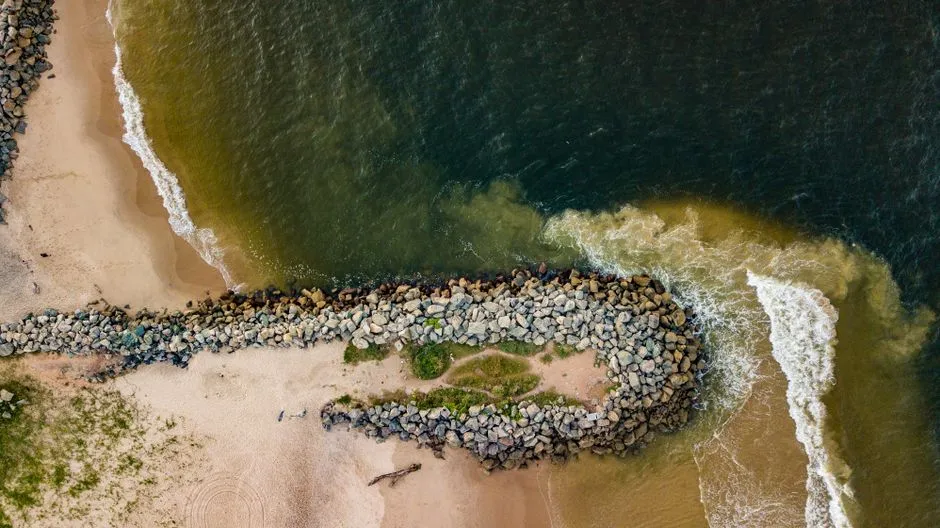
Barrier islands occupy a delicate position, ecologically, geographically, and culturally. They are places people protect precisely because they feel irreplaceable. The dynamic nature of barrier islands coupled with the importance of these environments makes it critical for natural resource managers and visitors alike to understand how habitats are changing over time.
For travelers drawn to authenticity over spectacle, these islands offer something increasingly difficult to find. A place shaped by tides rather than trends. Each barrier island is different and unique in its own way and, although no two are exactly alike, they may have many similarities – including that unmistakable feeling of arriving somewhere that the world hasn’t quite caught up to yet.
The locals know this, which is probably why they rarely advertise it. Some places are best loved quietly.
AI Disclaimer: This article was created with the assistance of AI tools and reviewed by a human editor.