
The Philosophy Behind Great Interpretation

Heritage interpretation refers to all the ways in which information is communicated to people, connecting them with the meanings behind cultural, natural, and historical places and objects, while helping visitors explore why these resources matter and how they relate to human experience. It’s a discipline that goes well beyond tour-guiding.
Freeman Tilden is recognized as the father of heritage interpretation, the educational philosophy that guides how national parks, state parks, and nature educators connect visitors to the natural and cultural world. His thinking remains foundational decades on.
Tilden’s six principles state that interpretation must relate to the visitor’s experience, that information alone is not interpretation, that interpretation is an art, that its aim is provocation rather than instruction, that it should address the whole person, and that children require a fundamentally different interpretive approach than adults. The goal was never a lecture. It was a conversation.
Why “What Was It Like?” Is the Key That Opens Everything
Among interpreters, the most consistently powerful visitor question tends to be some variation of “What was it really like to live here?” or “What was a normal day like for the people in this place?” It sounds almost too casual. Yet it’s precisely that casualness that makes it work.
According to Freeman Tilden, “Information is not Interpretation. Interpretation is revelation based upon information.” A good story conveys images powerfully, making the listening audience experience the information, not just hear it. That distinction matters enormously in practice.
The goal is not an exhaustive education, but raising questions that may send visitors in search of their own answers. When a visitor asks what daily life felt like, they’re essentially giving the interpreter permission to abandon the script and speak human to human.
The Research Behind Visitor Engagement
Immersive approaches have been shown to improve retention of historical concepts compared to traditional lecture-based methods, with students participating in living history presentations reporting significant increases in self-assessed knowledge, with mean scores rising from 2.48 to 4.05 on a 5-point scale across over 700 participants in a Viking history program. Numbers like that are hard to dismiss.
Visitors are no longer content to be passive observers; they increasingly seek immersive, participatory encounters that allow them to step into history. This reflects the broader experience economy, where tourism value is co-created through emotional engagement, sensory involvement, and personal meaning-making.
Dialogue-based learning has been shown to improve comprehension, retention, and reflective thinking in educational psychology. In cultural settings, research indicates that even rhetorical questioning can encourage visitors to spend more time, formulate hypotheses, and form emotional connections with artworks. The question, in other words, does the heavy lifting.
How Interpreters Actually Prepare for Those Moments
Interpreters find answers to seemingly impossible questions using plat maps, photographs, artifacts, unpublished texts, information from descendants, eyewitnesses, or even physically trying historic processes. Like a filmmaker with hundreds of hours of raw footage, the challenge is to figure out how to pare, sort, and organize a wealth of content into something the public can enjoy.
Selective presentation is the stock-in-trade of accomplished professional interpreters. The more historically sophisticated the interpreters, the easier it is to tailor a presentation for a specific audience. The best interpreters are, in this sense, editors as much as storytellers.
Interpreters develop techniques to hone their content into one cohesive story, knowing that enjoyable learning is the most powerful. That coherence is what makes an answer to a visitor’s simple question feel rich rather than rambling.
The Role of Inclusive Storytelling in Modern Interpretation

Although the value of incorporating women’s history into heritage sites is widely acknowledged, it remains unclear whether heritage interpreters possess the necessary mindsets, skillsets, or support to meet the needs of 21st-century audiences. This is an honest gap the field is actively working to close.
Using the four truths developed by the South African Truth and Reconciliation Commission as a framework, a qualitative study published in 2026 examines how professional development can strengthen interpreters’ ability to address the contributions of women in all spheres of influence at heritage sites and contribute to a more balanced historical narrative.
As the nation prepares to celebrate the 250th anniversary of America’s Independence, museums, historic sites, and the many people who support them are reflecting on what is needed to fully reflect the different storylines of American history. For Delaware Division of Historical and Cultural Affairs’ historic sites team manager Dan Citron, interpretation at key sites often relies on well-done research. Getting the story right means first asking whose story has been told, and whose hasn’t.
What Happens When Visitors Ask About Specific Objects
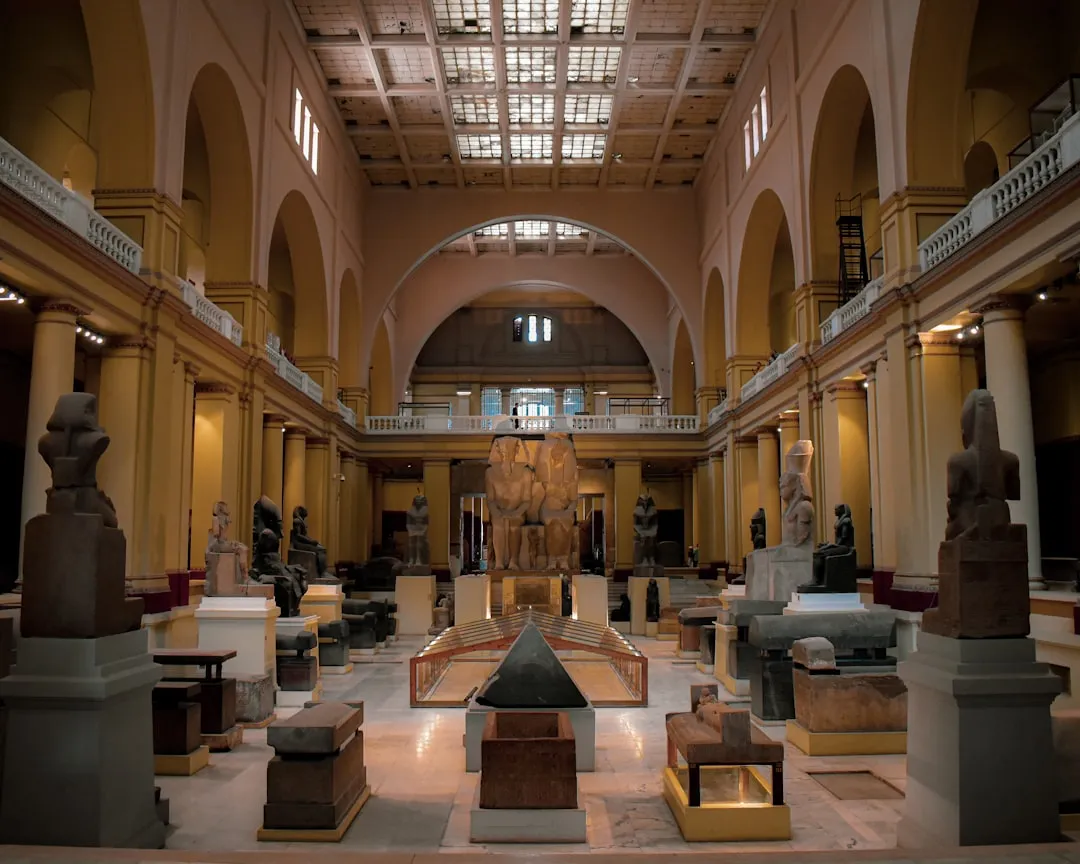
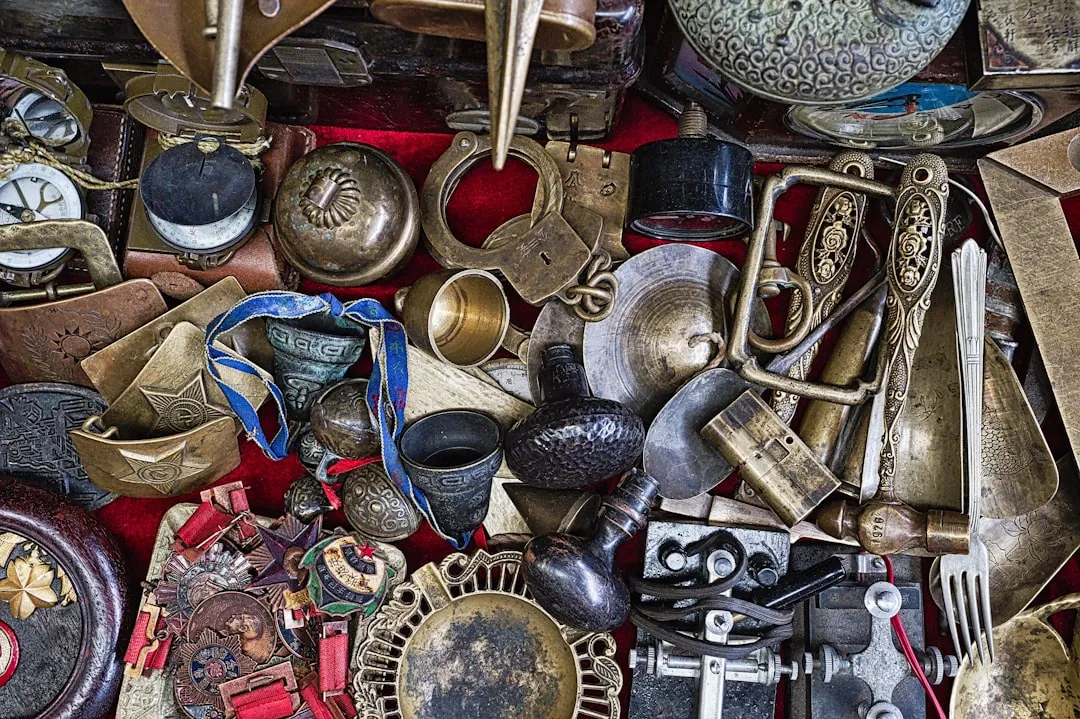
One of the most reliable triggers for a great interpretive moment is when a visitor points at a specific object and asks, simply, “What is that?” or “Who used this?” Artifacts act as a kind of shorthand for the lives behind them. They’re concrete, touchable in imagination if not always in practice, and they anchor abstract history in something real.
Living museums safeguard intangible heritage by demonstrating traditional crafts, such as woodworking or storytelling, and daily practices that might otherwise fade in modern contexts. When an interpreter shows how a specific tool worked, the story of the person who held it becomes suddenly vivid.
Beyond guided tours, interpretive signs, and guidebooks, one thing is clear: if they are to facilitate experiences that are more memorable, engaging, and interactive, heritage attractions must utilize storytelling as a design tool. A single object, explained with care, can carry the weight of an entire era.
The Power of Provocation Over Information

One of Tilden’s core principles of interpretation is that the chief aim of interpretation is not instruction, but provocation. This is perhaps the most counterintuitive idea in the field, and also the most liberating for both interpreter and visitor alike.
Tilden insists that interpretation should provoke a meaningful experience, connecting the message to the visitor’s everyday life and experience, while presenting the core theme from an original or surprising perspective. That surprise is what visitors carry home with them long after the tour ends.
Heritage interpretation helps visitors form genuine emotional and intellectual connections to natural and cultural sites. Rather than simply sharing facts, interpretation reveals meaning, which research supports as the key driver of conservation behavior, long-term environmental stewardship, and public support for protected lands. Provocation, in this sense, is a form of respect.
Storytelling as the Architecture of Memory
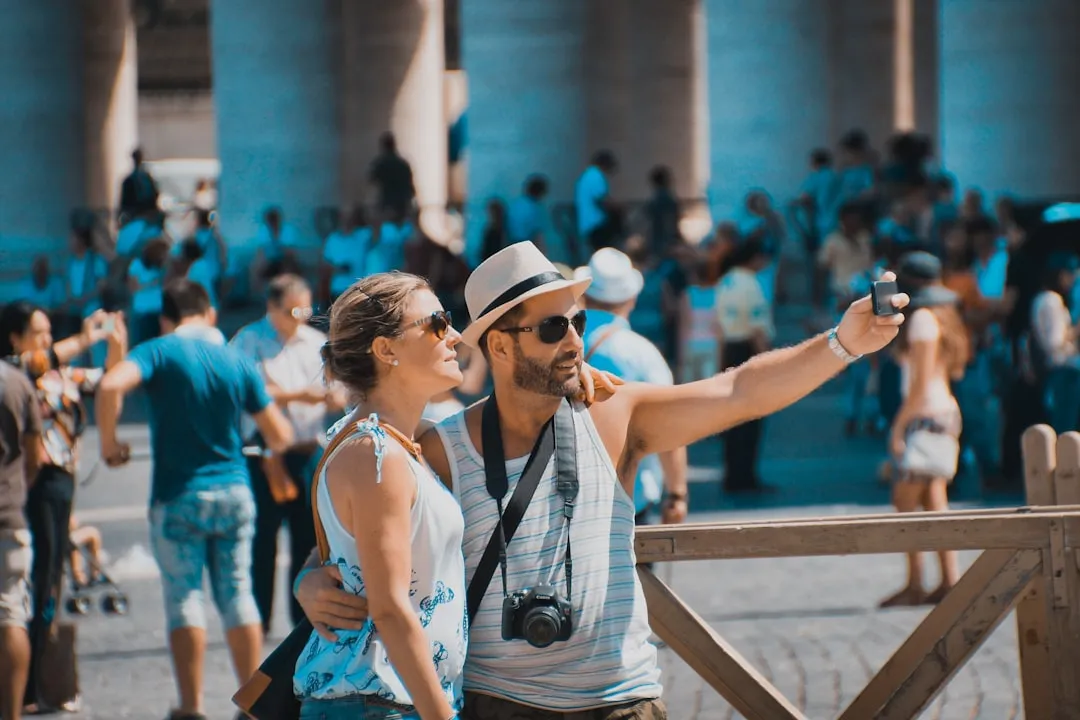
Storytelling, live performance, and digital augmentation are now central to heritage interpretation, enabling tourists to feel the past rather than merely learn about it. The emphasis on feeling is deliberate. Emotional memory is far more durable than factual recall.
Guided by Narrative Transportation Theory and Sense of Place Theory, researchers have investigated how storytelling techniques, such as delivery style, cultural framing, and symbolic references, shape emotional engagement, identity formation, and place attachment. These aren’t soft concerns. They’re the mechanisms by which a historic site becomes personally meaningful.
Recent research has substantiated the importance of storytelling in heritage tourism settings, though few studies have provided a comprehensive overview of storytelling in heritage experience design. The practical gap between what researchers know and what sites actually do remains a useful frontier for the field.
The Professional Training That Makes It All Possible
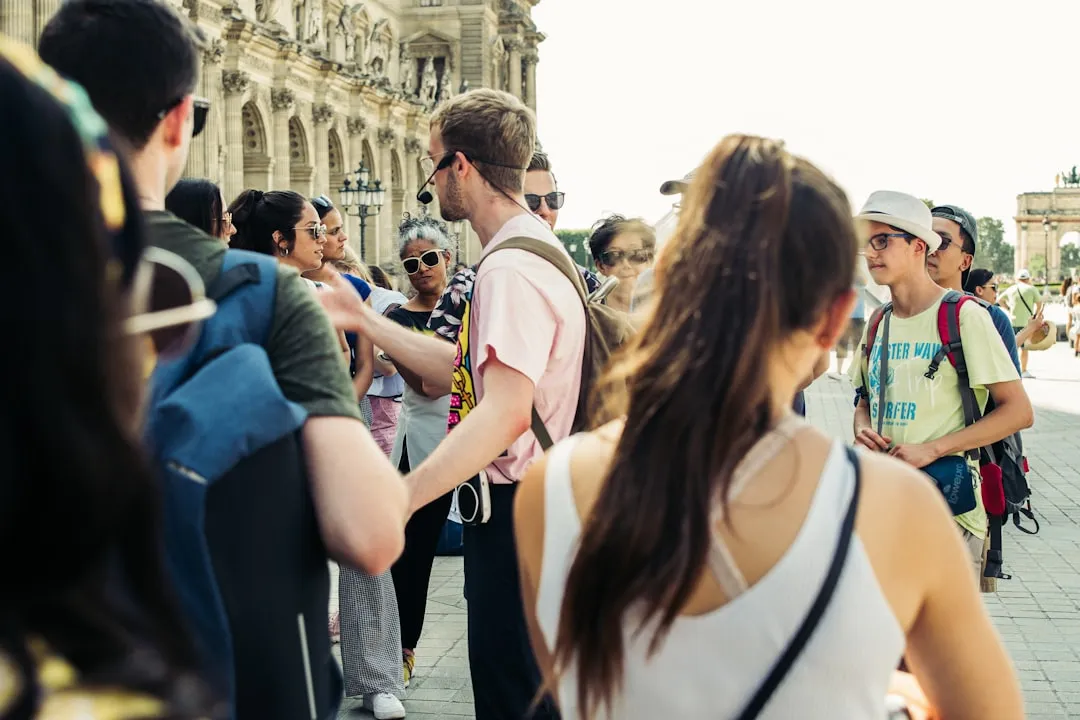
Interpretation is a purposeful approach to communication that facilitates meaningful, relevant, and inclusive experiences that deepen understanding, broaden perspectives, and inspire engagement with the world around us. Interpreters connect visitors to important natural, cultural, and historical resources at parks, nature centers, historical sites, aquariums, zoos, and anywhere that people come to learn about places.
The National Association for Interpretation (NAI) is a professional organization dedicated to supporting interpreters with resources for continuing education, professional development, and industry-recognized certifications. With a national network of cultural, natural, and historical interpreters, NAI offers a comprehensive range of membership benefits designed to enhance career growth and foster meaningful connections.
Expanding upon Freeman Tilden’s interpretive principles means stressing the importance of accessibility, inclusion, and outreach beyond the confines of a site’s boundaries, as well as better interpretation at historic sites informed by the latest scholarship and a strong relationship with historians inside and outside of the academy. The profession is always evolving, and the best interpreters evolve with it.
When Sites Hold Difficult Stories
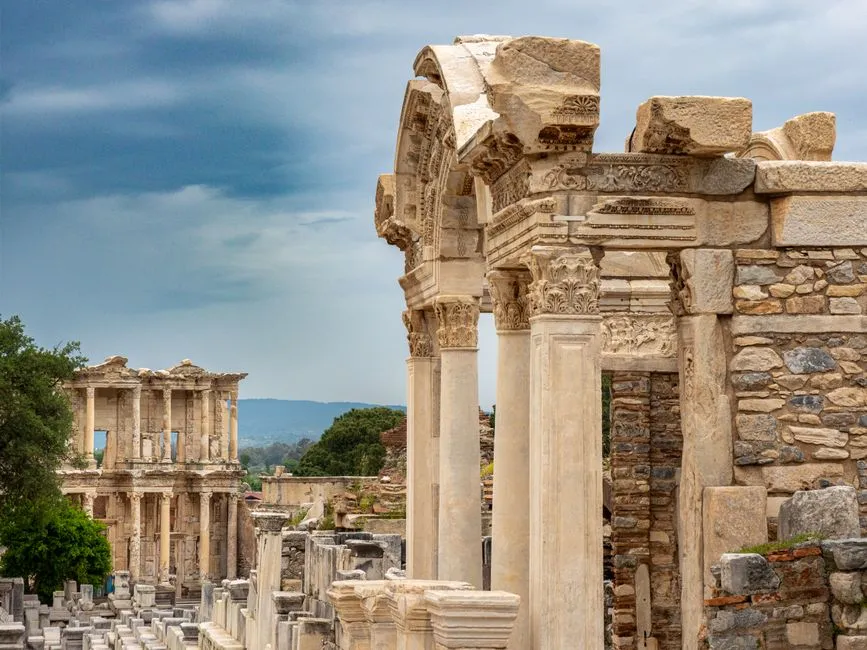
Questions of story and meaning take on added weight in postcolonial contexts, where heritage sites often bear witness to painful histories of displacement, enslavement, and cultural survival. The question “What was it really like?” carries a different gravity at these places, and interpreters must be prepared for that.
Museums must authentically reflect diverse histories to build trust and foster engagement. Trust, in this context, is not a soft metric. It’s the prerequisite for any meaningful exchange between interpreter and visitor.
Historic places offer connections across time, encouraging empathy for the people who shaped our past. That empathy is hardest to cultivate at difficult sites, and most necessary there too. When interpreters handle these stories with care and honesty, the question “What was it really like?” becomes something close to a moral act.
The Takeaway
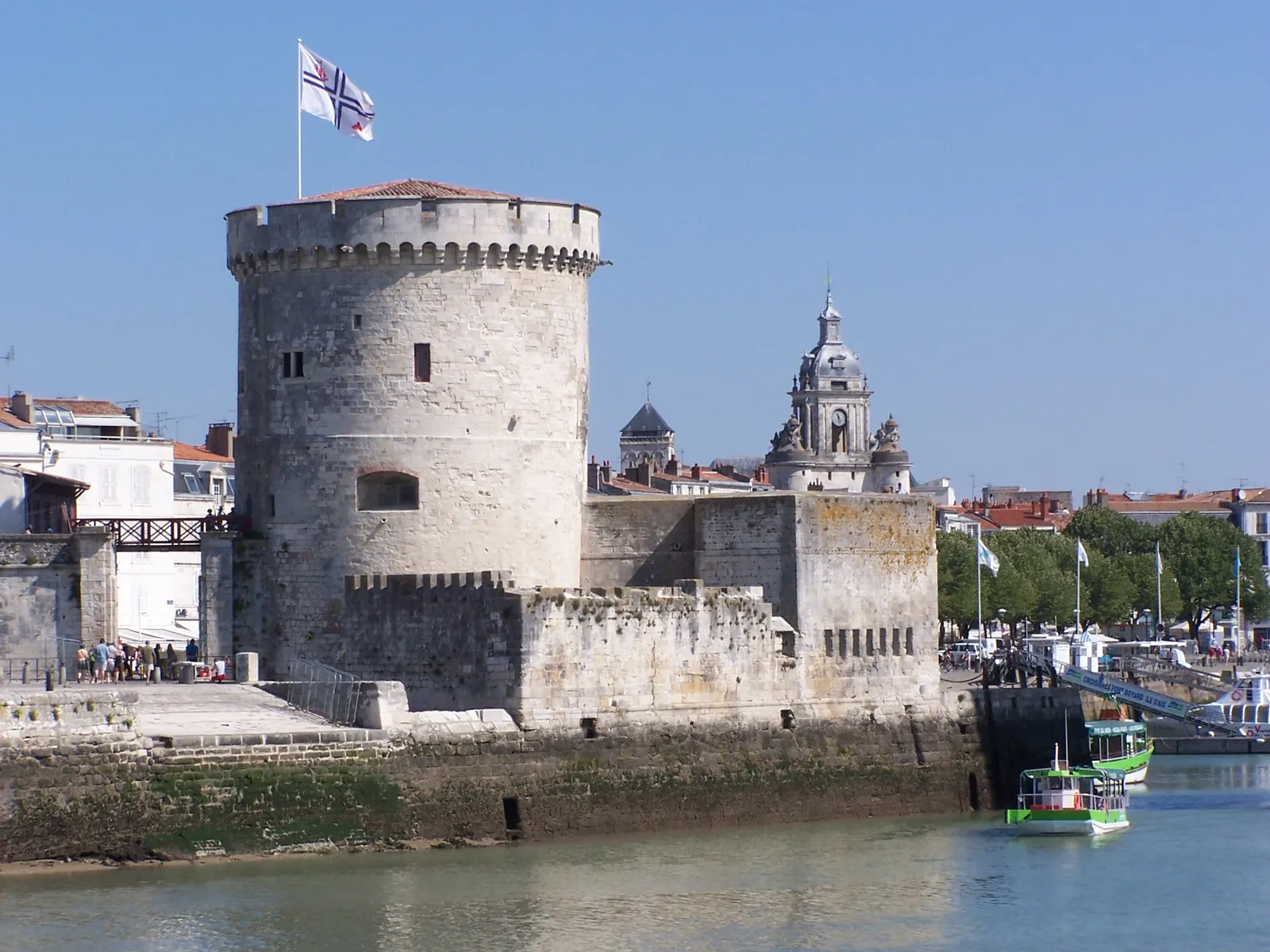
The question that unlocks the best stories at historic sites isn’t a trick. It’s not theatrical or especially clever. It’s the most human question available: what was life actually like for the people who stood where I’m standing now? Interpreters who answer it well are doing something rare in public life, which is making the past feel urgent without distorting it.
The research, from Tilden’s foundational principles to the latest studies in visitor engagement and narrative transportation, all points in the same direction. People don’t remember facts. They remember the moment something clicked, when a story made them understand not just what happened, but why it still matters.
Visit a historic site with that question ready. You may be surprised how far a simple, genuine question can travel.
AI Disclaimer: This article was created with the assistance of AI tools and reviewed by a human editor.