

Understand How Often Bags Actually Go Missing

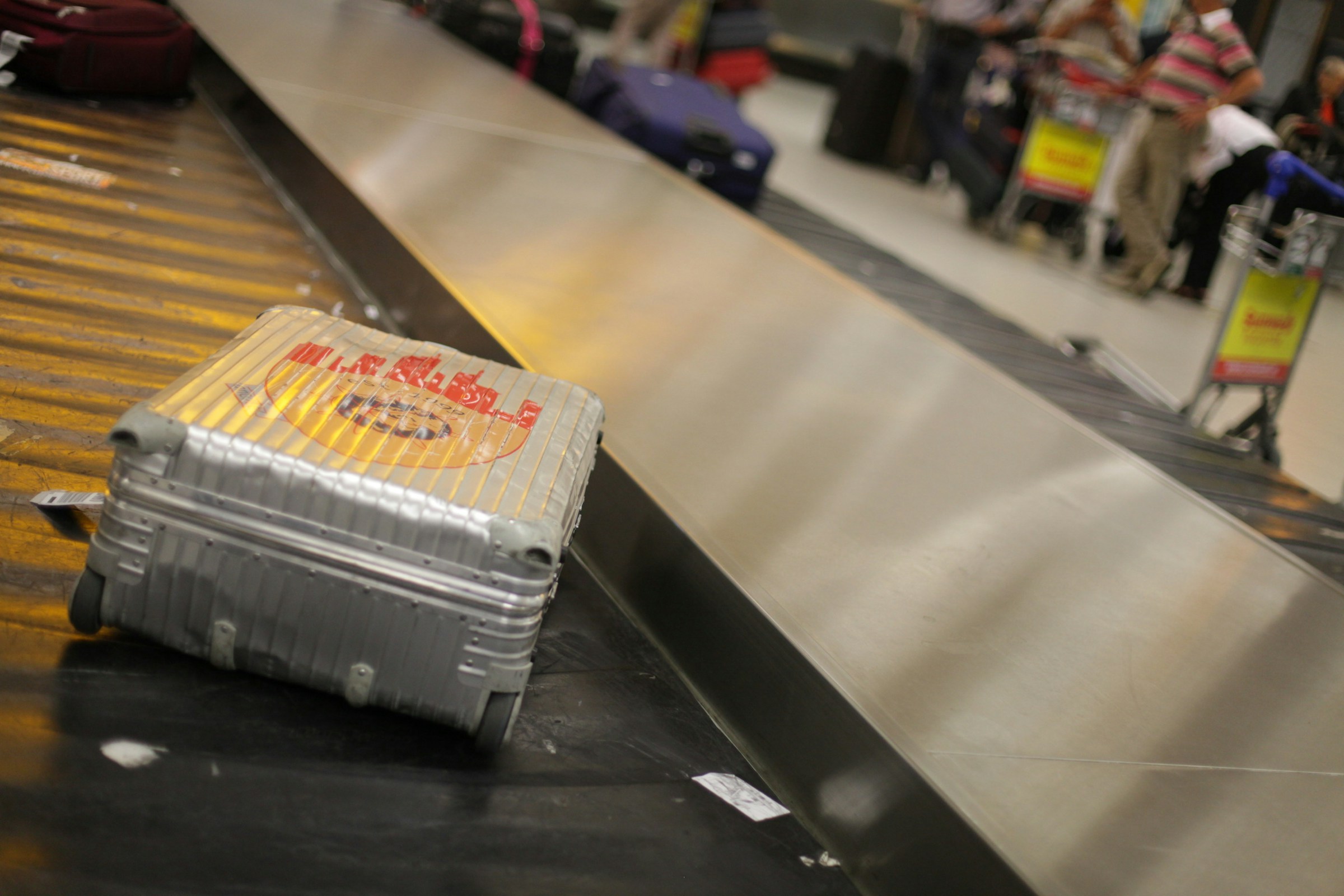
According to a 2024 study by SITA, an IT company that provides bag-tracking systems to airlines, 36.1 million suitcases worldwide were mishandled in 2023, meaning 36.1 million bags were lost, delayed, damaged, or stolen. That works out to about 6.9 bags per every thousand passengers, which is actually an improvement on 2022’s rate of 7.6 per thousand.
Mishandling still costs the global aviation industry $6.3 billion, equivalent to roughly 15% of airline industry profit in 2025. Delayed bags are the biggest scale problem by volume, while truly lost bags are rarer but cost the most per incident, at around $635 per bag.
SITA’s 2024 data showed that about 74% of mishandled bags were delayed and later delivered, 18% were damaged or pilfered, and 8% were truly lost or stolen. Knowing that most bags do come back is reassuring, but it doesn’t make the wait any less disruptive when you’re standing in a foreign city without your belongings.
Label Your Bag Both Inside and Out
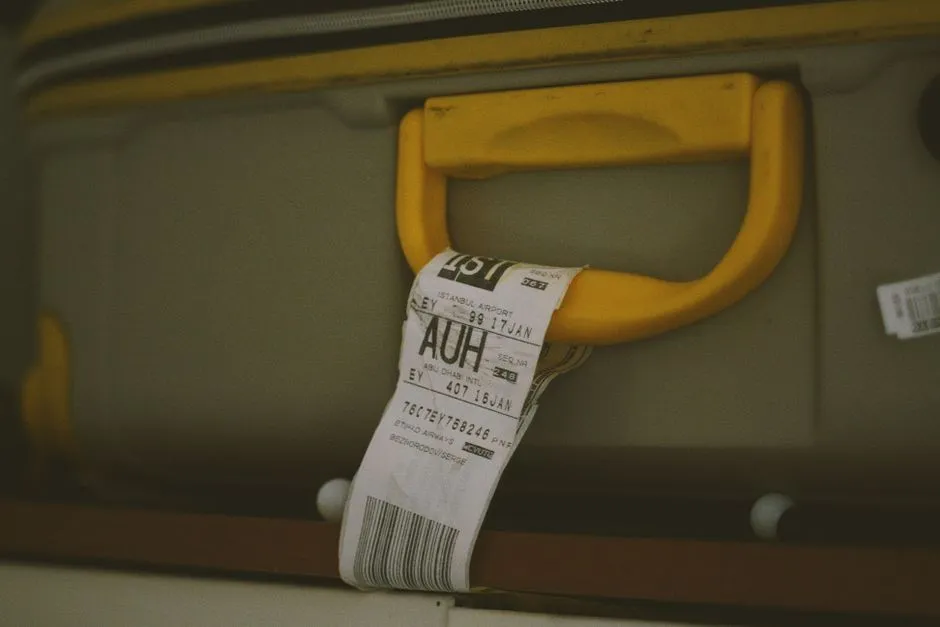
You can’t just depend on the airline tag alone. Tags can get ripped off, washed away, or misread during travel. That’s why it makes sense to mark your bag both externally and internally. The outer tag should have your name, phone number with country code, and email. Use the same information internally, preferably stored in a waterproof bag.
A sturdy luggage tag with your name, phone number, and email address is essential. Avoid listing your home address for security reasons. External tags can get torn off, so internal labels are your backup. This redundancy is the oldest trick in the book, and it still works.
Photograph Your Bag Before Every Trip

Take a quick photo of your suitcase and baggage claim tag. This helps with recovery and insurance claims if your bag is lost or delayed. Many travelers skip this step entirely, but it takes about ten seconds and can save hours of frustration later.
If your luggage is misplaced, be prepared to give the airline the exact manufacturer, size, color, and any distinguishing features of your bag. Saying “black” and “big enough to need to be checked” isn’t really helpful. Keep an itemized list of what’s in your suitcase and also take a picture of the contents when you pack. Both pieces of documentation can genuinely speed things up.
Use a Bluetooth or GPS Tracker

Using a tracking device is one of the most effective steps you can take. Smart tags like Apple AirTags or Tile let you keep an eye on your bag in real time. If your luggage goes missing, the tracker provides its last known location, making it easier to recover quickly. Many trackers even alert you if your bag is separated from you at the airport.
Airlines began officially integrating Apple AirTags into their baggage tracking systems in December 2024, when United Airlines became the first major carrier to accept “Share Item Location” links via the Find My network in its baggage recovery process. Apple’s Share Item Location feature is now used by around 50 airlines and has reduced delays in bag retrievals.
Apple has expanded its role in travel with a new integration developed with Delta Air Lines, enabling AirTag location data to flow straight into Delta’s baggage systems. The API builds on Share Item Location and allows detailed location data to flow directly into the airline’s back-end, reducing the number of manual steps previously required by workers. It’s a meaningful step forward for passengers traveling with supported carriers.
Remove Old Baggage Tags Before Every Flight
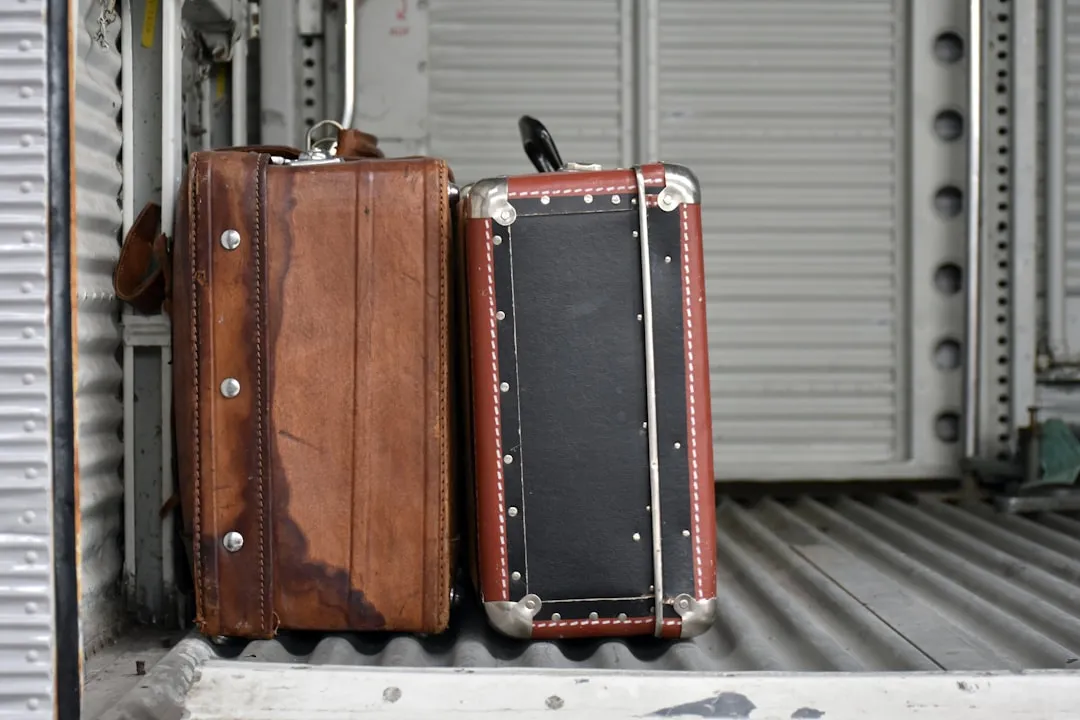
Remove old baggage tags or stickers before every trip. These can confuse airport scanners and send your bag the wrong way. This is one of the simplest habits to form and one of the most commonly neglected. A scanner reading a barcode from a previous trip is a real source of misdirection.
Check old barcodes and remove any leftover airline tags from past flights. It takes a moment at home to peel them off, and it removes a genuine risk factor before your suitcase ever reaches the conveyor belt.
Make Your Bag Visually Distinctive
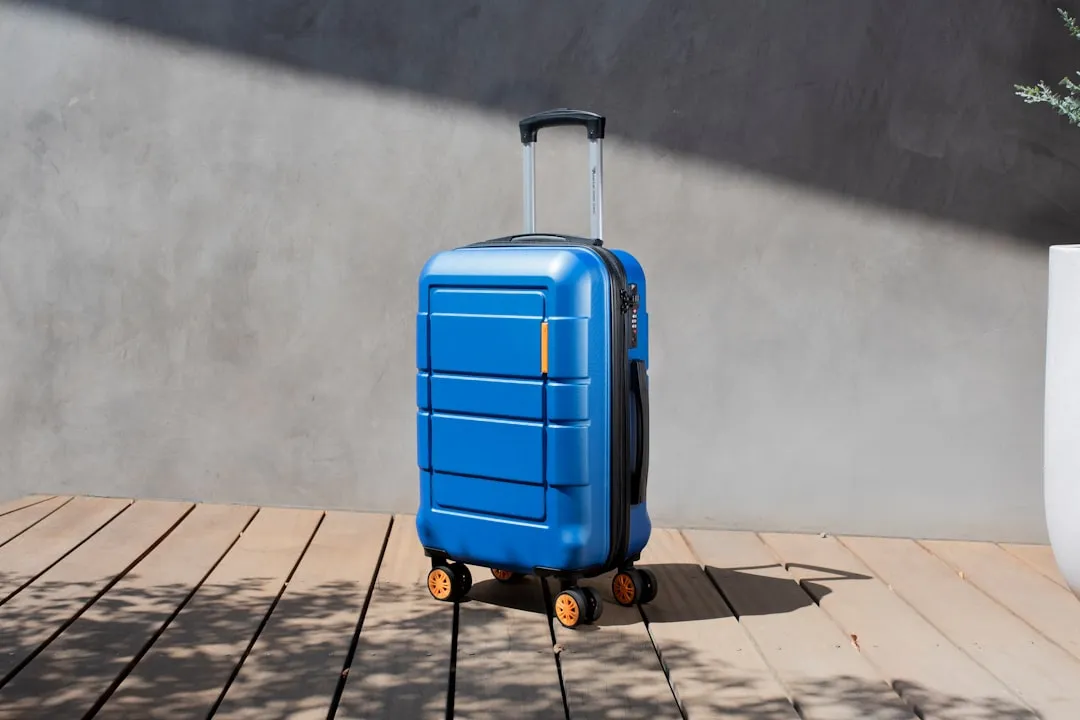
One of the most effective luggage tracking tips is opting for light-colored suitcases such as white, beige, and light pink. These colors make your luggage stand out, reducing the risk of another traveler accidentally taking it. If you already own a black bag, a bright luggage strap or ribbon achieves a similar effect.
Consider placing a bright ribbon, sticker, or unique tag on your luggage. These can help you identify your bag quickly and make it easier for airport staff to spot it too. Visual distinctiveness works in two directions: it helps you find your bag at the carousel, and it helps baggage handlers confirm they have the right one when searching through a storage area.
Book Direct Flights When You Can
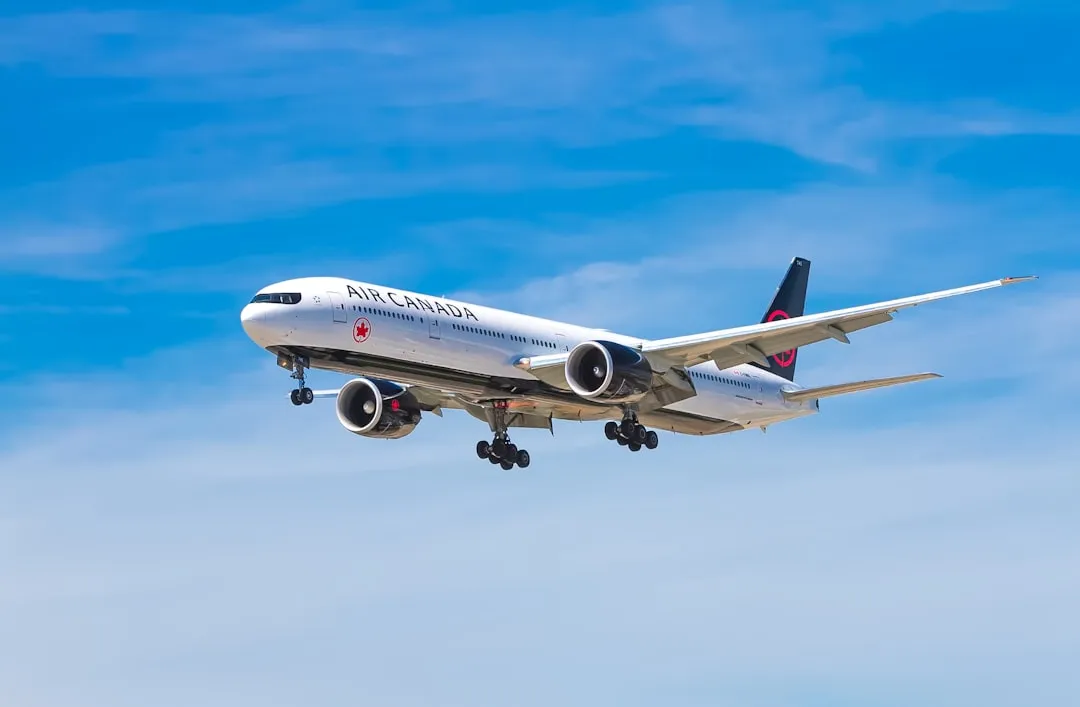
Analysis of baggage complaint data revealed that over 63% of affected flights included at least one stopover, while only about 37% were direct flights. The math here is straightforward: every transfer is an opportunity for your bag to end up on the wrong aircraft or in the wrong terminal.
International and connecting journeys involve more handlers, more systems, and tighter connection windows. Transfers caused 39% of mishandling in 2025. When booking flights, choose itineraries with adequate layover time. Tight connections leave little room for baggage transfers, increasing the risk of your luggage not making it to your connecting flight.
Check In Early
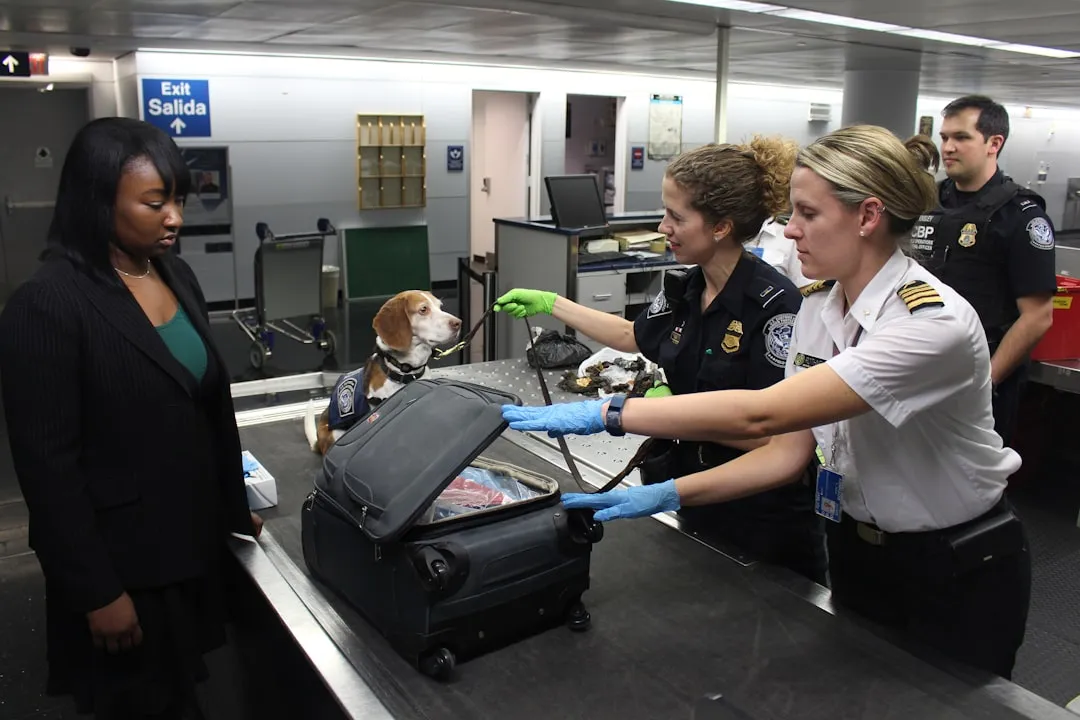
Arriving two to three hours before your flight gives airline staff time to process your bag properly. Rushing increases the risk of mishandling. This is especially true at busy hub airports, where the volume of bags moving through the system at peak hours is genuinely staggering.
Always verify that the airline staff has tagged your bag with the correct destination before it disappears onto the conveyor belt. Mistakes can happen, so a quick check ensures your luggage is headed to the right place. It’s a two-second confirmation that’s easy to skip when you’re rushing, and it’s exactly when mistakes happen.
Know Your Compensation Rights

If your bag is declared lost, the airline must compensate for the value of the contents, subject to depreciation, up to a maximum liability of $4,700 per passenger on domestic trips. This domestic liability cap was raised in 2024 for inflation, having previously been $3,800.
Under a DOT rule that went into effect in October 2024, a bag on a U.S. domestic flight is considered “significantly delayed” if not returned within 12 hours of arrival, triggering a fee refund mandate. For international flights, the threshold is 15 to 30 hours. You no longer have to request the baggage fee back yourself; the onus is on the carrier to process it once the delay threshold is met.
File Your Report Before Leaving the Airport
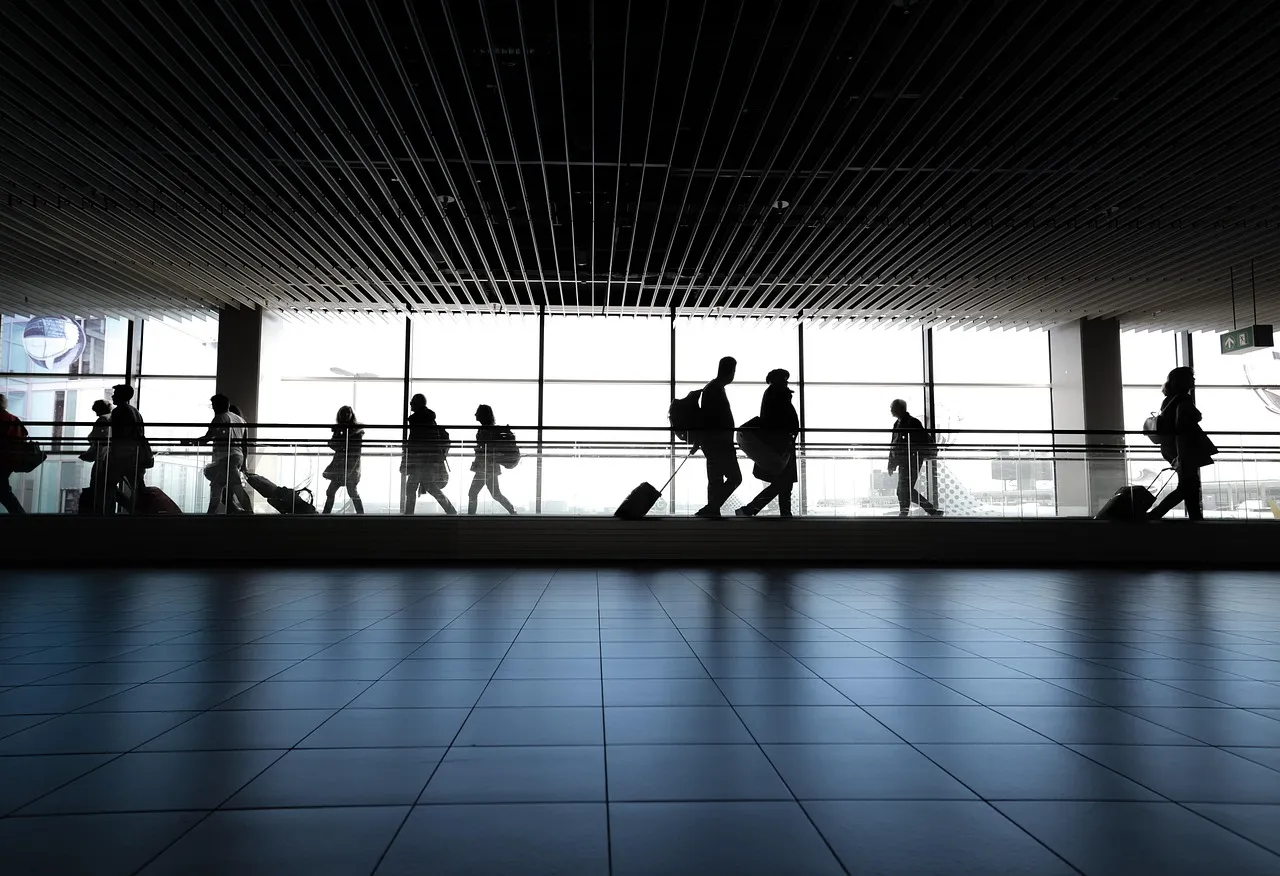
Most airlines successfully recover misplaced bags within 24 to 72 hours. Before leaving the baggage claim area, head straight to the airline’s service desk – this is crucial. You’ll need to file a Property Irregularity Report (PIR). Filing it immediately, while you still have your boarding pass and baggage claim receipt, gives the airline the best chance of acting quickly.
If you use an AirTag, you can now privately and temporarily share the AirTag’s location with select airlines to help staff find the lost bag faster. Stay in touch with the airline after filing your report. A persistent but polite approach can sometimes speed up the process considerably.
The Takeaway
Most lost bags do come home. The difference between a two-hour inconvenience and a multi-day nightmare usually comes down to preparation: a label inside your bag, a photograph taken before departure, a Bluetooth tracker tucked in a pocket, and old tags peeled off before check-in. None of these things take more than a few minutes.
The suitcase habit that makes the biggest difference isn’t any single trick. It’s building a consistent pre-flight routine that covers identification, documentation, and real-time tracking together. Do that, and you’ll have done more than most travelers ever do to give your bag a reliable way home.
AI Disclaimer: This article was created with the assistance of AI tools and reviewed by a human editor.