

The Golden Rule: Before 7 a.m. or After 4 p.m.
Across the most visited parks in the country, rangers and planning experts consistently point to the same two windows. Arriving before 7 a.m. or after 4 p.m., visiting midweek, and having a backup plan if your first trailhead or parking area is full is the core advice from crowd management guides. These aren’t arbitrary times – they reflect when the bulk of visitor traffic actually arrives.
One of the most effective strategies for beating the crowds is getting there before sunrise. Most visitors don’t arrive until mid-to-late morning, giving early risers the best chance of experiencing famous spots. At many parks, that mid-to-late morning rush begins earlier than people expect.
During peak visitation from spring through fall, visitors between 8 a.m. and 3 p.m. may encounter long lines at entrance booths and busy parking lots, with hikers avoiding summer heat sometimes filling trailhead parking lots before 8 a.m. That’s the reality on the ground at Arches, and it mirrors conditions at parks across the country.
Yellowstone: Popular Spots Fill by 9 a.m.
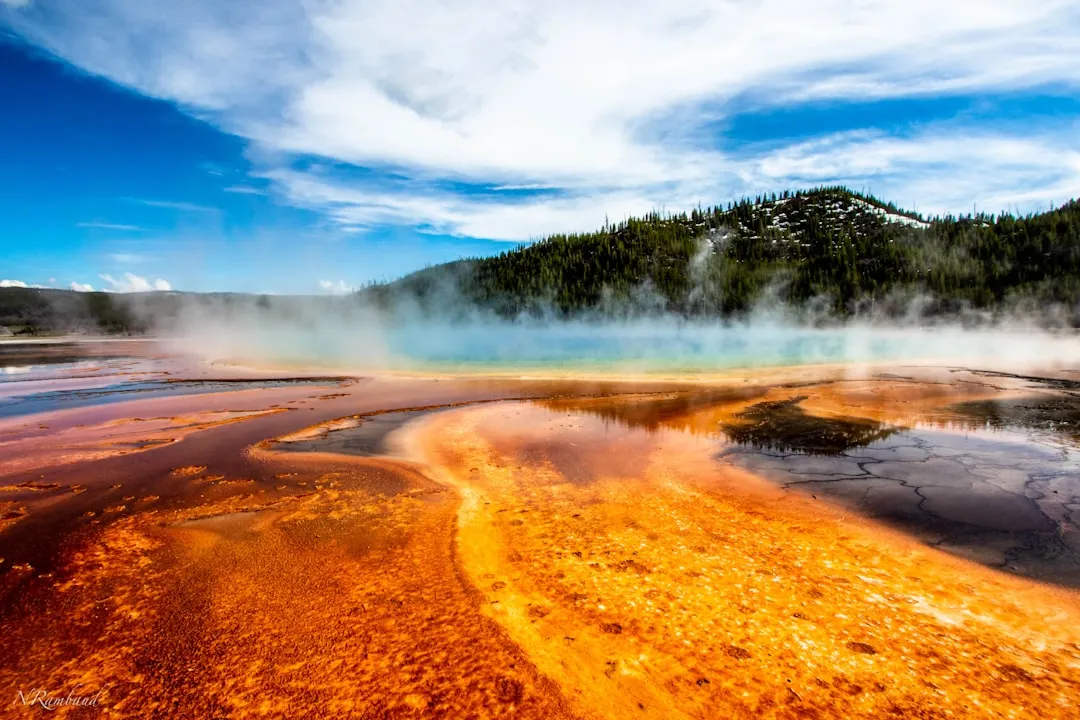
Parking at Yellowstone becomes increasingly difficult as the day progresses. Popular spots like Old Faithful and the Grand Canyon of the Yellowstone fill up quickly, sometimes by 9 or 10 a.m. during peak season. That’s an earlier cutoff than most visitors anticipate when planning their morning.
Wildlife is most active during dawn and dusk, so entering early means you’ll catch animals like bison, elk, and bears moving around and feeding. By mid-morning, many animals retreat to shade or dense forest areas where they’re harder to spot. The parking advantage and the wildlife advantage, in other words, are perfectly aligned.
If you’re doing a full day in the park, entering between 6 and 7 a.m. gives you prime morning hours for wildlife viewing and hiking before the park gets busy. It’s a simple adjustment with an outsized payoff.
Yosemite: Lots Fill Before 7:30 a.m. in Peak Summer
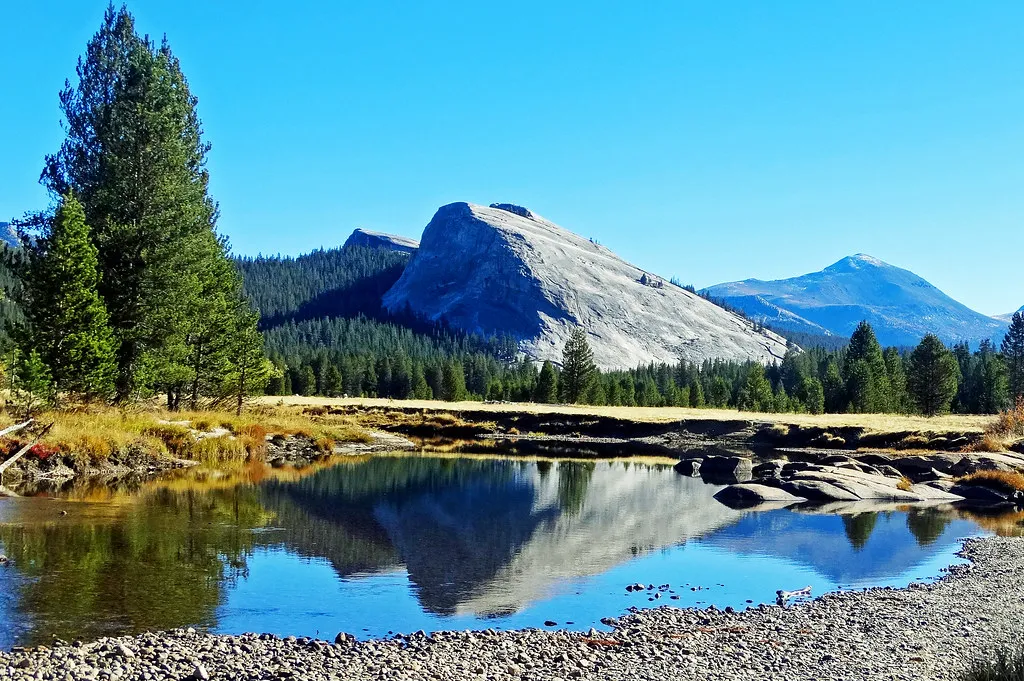
Yosemite eliminated its day-use reservation system for 2026, ending years of on-again, off-again peak-hours permits, but Valley parking lots have reportedly filled before 7:30 a.m. The removal of the reservation system doesn’t mean parking has become easier – if anything, it makes early arrival more important than ever.
Visitors arriving in personal vehicles mid-morning through midday should expect extensive delays getting into and moving about the park, particularly in Yosemite Valley and Glacier Point. Visitors are urged to enter the park before 9:00 a.m. or after 6:00 p.m. This guidance from the NPS itself has remained consistent for years.
Early to mid-October is Yosemite’s best overall window, when summer crowds have gone but winter closures haven’t yet fully arrived. Most of Yosemite Valley remains easily accessible and daytime temperatures are generally comfortable for hiking. If your schedule is flexible, timing your trip to shoulder season is one of the smartest moves possible.
Arches: Trailhead Lots Closed by Midday in Summer
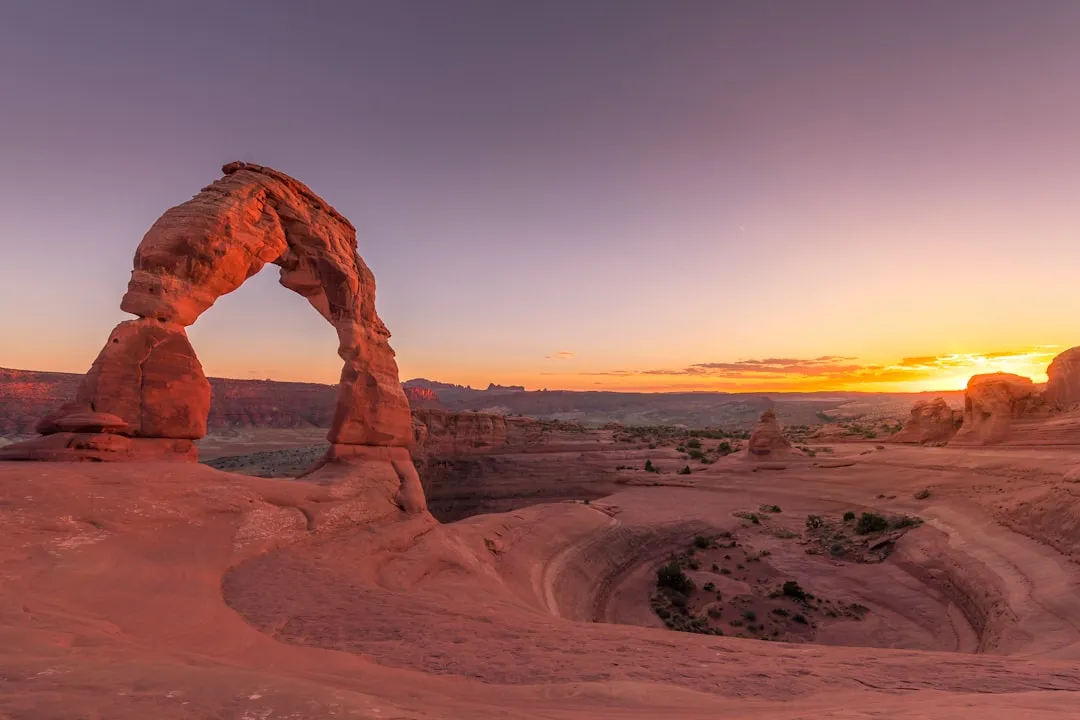
During summer months, many trailhead parking lots at Arches fill by 7:30 a.m. That’s an extraordinarily early cutoff for a park that many visitors assume they can reach comfortably after breakfast. Full parking lots may cause the park to temporarily restrict access until congestion lessens, and periods of restricted access can last three to five hours.
Park visitation at Arches has increased more than 76 percent in ten years. With this increase, parking congestion is now the norm from mid-March through early November. That’s nearly the entire year outside of winter. The timed-entry pilot program that ran from 2022 to 2025 has since ended, which means self-managed timing is now the primary tool visitors have.
Early morning and late afternoon are great times to visit Arches anyway – cooler temperatures and gorgeous light make for better photography and a more comfortable experience overall. The logic of going early isn’t just about parking. It’s about experiencing the place at its best.
Grand Canyon: Arrive Before 10 a.m. or After 3 p.m.
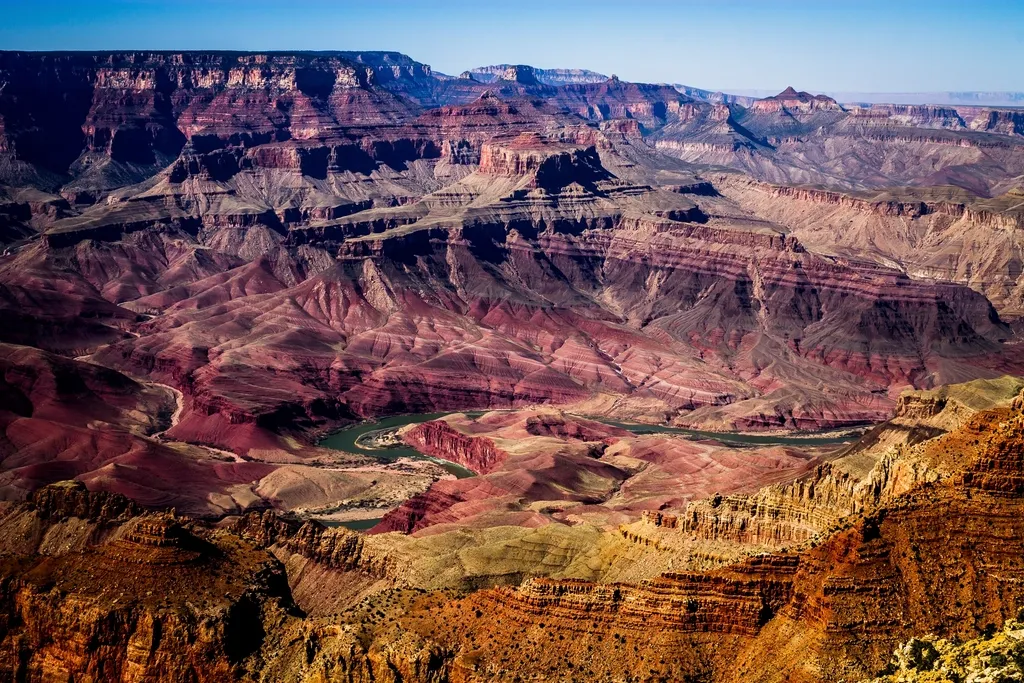
At the Grand Canyon’s South Rim, arriving before 10 a.m. or after 3 p.m. gives you the best chance of finding parking. Those two windows frame the hardest part of the day – the hot, crowded midday hours when parking is nearly impossible and the canyon heat becomes a real concern for anyone hiking below the rim.
The Grand Canyon’s own heat guidance advises hikers to avoid being out between 10 a.m. and 4 p.m. and instead aim for an early start or a later finish. That advice applies equally to parking strategy. The coolest, least crowded window and the safest hiking window are the same window.
Rocky Mountain National Park: Before 5 a.m. for Bear Lake
Rocky Mountain National Park takes the early-arrival logic further than almost any other park. For the Bear Lake corridor, visitors need to enter before 5 a.m. to avoid the timed-entry reservation requirement. That’s a striking number, but it reflects just how popular the area is during peak season.
Timed-entry permits are required to enter Rocky Mountain National Park from late May through late October. One permit covers the Bear Lake Road Corridor, and a separate permit is required for the rest of the park. Checking which permit you need before you go is essential, since the rules differ depending on exactly where inside the park you plan to spend your day.
Rocky Mountain holds back about 40 percent of permits for a “next-day” release each evening. That’s a useful detail for spontaneous travelers – checking the permit release the evening before your visit can open up access that seemed unavailable days earlier.
Zion: Rangers Advise Starting Before 8 a.m. in Summer
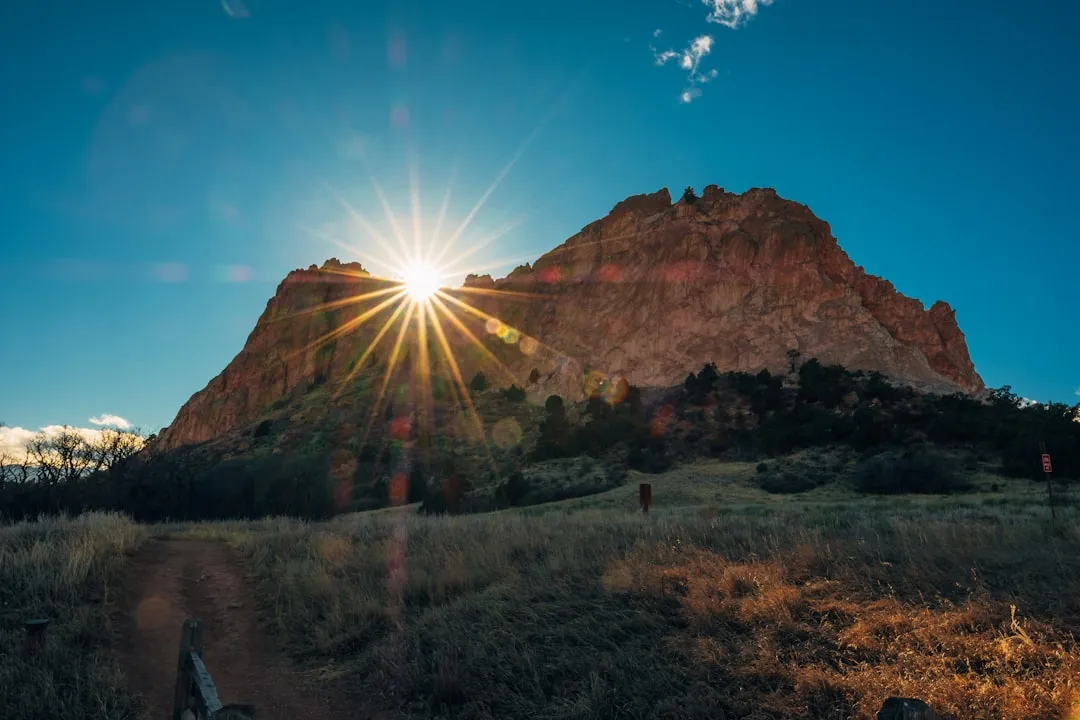
The narrow canyon walls that make Zion dramatic also trap heat through the afternoon. Trails like the Narrows and the approach to Angels Landing can feel 15 degrees or more hotter by midday than they did at sunrise, and shade disappears once the sun clears the canyon rim. The heat alone is reason enough to arrive early.
Rangers regularly advise hikers to start climbs before 8 a.m. in summer. Zion operates a mandatory shuttle system within the main canyon, which means parking at the visitor center early and riding the shuttle gives you access to every major trailhead without needing to find parking twice.
Angels Landing has required a separate permit since 2022, distributed through a lottery system on recreation.gov, so an early arrival at the shuttle stop does not by itself guarantee a spot on that specific trail. It’s worth knowing that distinction before building your morning around it.
Glacier National Park: Reservations Gone in 2026, But Logan Pass Still a Challenge
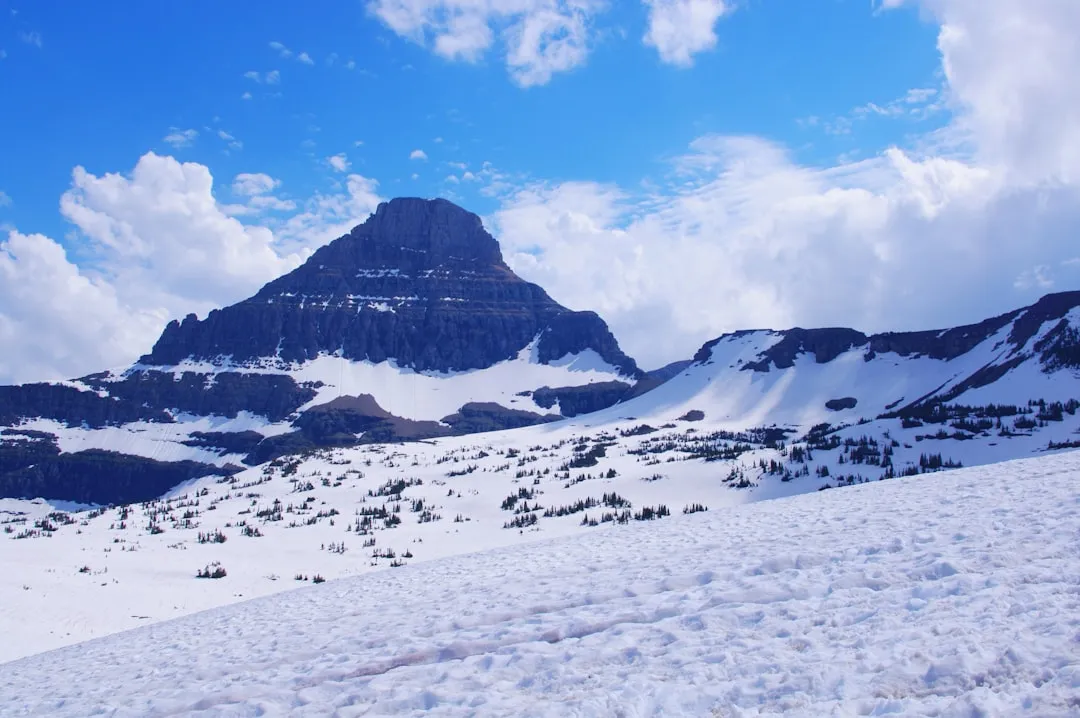
The National Park Service will not require reservations to enter Glacier in 2026. Reservations were required in prior years to drive the Going-to-the-Sun Road from mid-June through late September. The absence of a formal reservation system doesn’t eliminate the need for an early start – it simply shifts the responsibility to the individual visitor.
Glacier has no park-wide vehicle reservation for 2026, but Going-to-the-Sun Road congestion management and Logan Pass parking limits still apply. Logan Pass, situated at the summit of Going-to-the-Sun Road, is one of the most sought-after parking spots in the entire national park system during summer months.
The Afternoon Window: A Legitimate Alternative
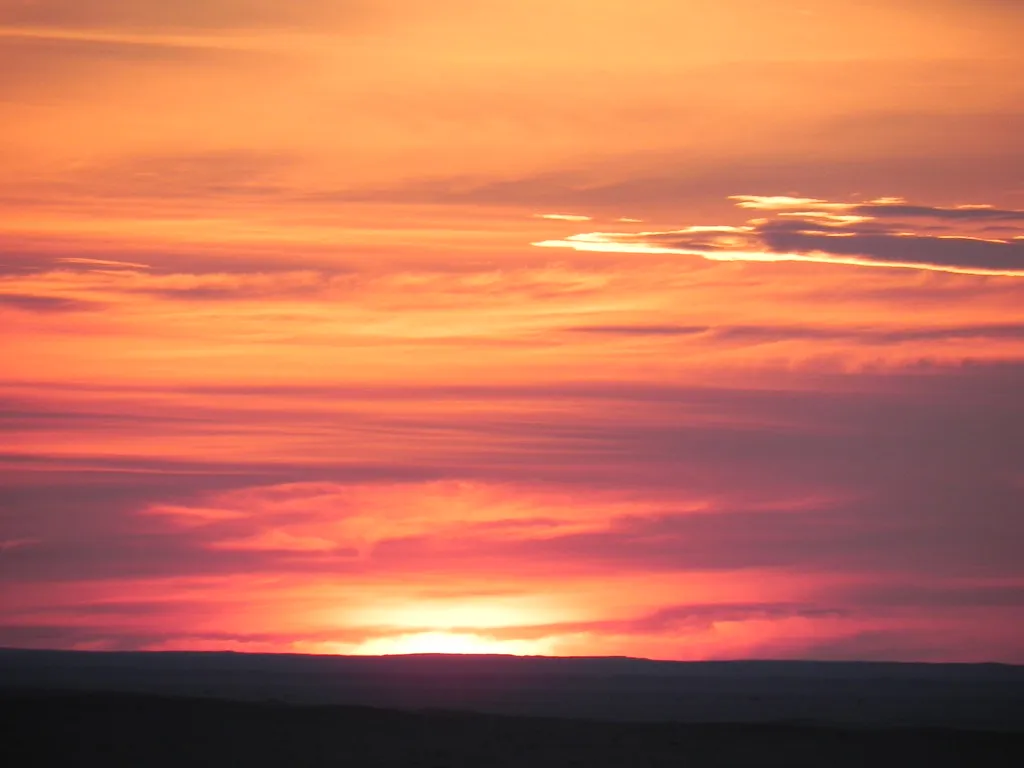
Early morning gets most of the attention, but the late-afternoon entry window deserves equal consideration. For travelers willing to pack extra layers and check road conditions carefully, winter access often means empty overlooks and short waits at spots that would otherwise require arriving before sunrise. The same principle applies in a smaller way to late-afternoon visits during peak season.
Early morning and evening visits provide their own benefits. The lighting is better for photography and viewing park features, temperatures are cooler, and the parking areas and trails may be less crowded. A late-afternoon arrival also means you’re positioned for sunset, which at most desert parks is genuinely spectacular.
Late afternoon and evening hours offer beautiful sunsets and reduced crowding, and naturally dark night skies sparkle overhead. For stargazers especially, arriving in the late afternoon and staying through dark is a deeply rewarding way to use the park’s resources.
Weekday vs. Weekend: The Timing Decision That Doubles Your Odds
Many travelers visit during the peak summer tourism season – June and July are the most popular months – but 55 percent of parks still recorded above-average visitation numbers during the slower periods. Even shoulder months are busy, which means weekday visits are meaningful regardless of the time of year.
The combination of a weekday visit and an early arrival represents the most reliable approach. Keeping in mind seasonal changes, how much daylight you’ll need, and whether you need to get to the park early in the day to get parking or take advantage of lower temperatures is all part of smart national park planning, according to the NPS itself.
Many of the more popular parks have added reservation systems to mitigate the impact of crowds. The required reservations are great for alleviating traffic jams and nightmare parking situations, but it also means visitors need to be aware of which parks require reservations and for which part of the park. Rules shift from year to year, so checking the official NPS page for your specific destination before you travel is always the right first step.
The Bigger Picture: Record Crowds Require Smarter Planning
More than 323 million times in 2025, someone headed to a national park – a total of 323,014,305 recreation visits across 406 National Park Service sites. That level of demand means parking strategies that worked five years ago may no longer apply. The parks themselves are adapting, and so must visitors.
Several popular parks have announced they would no longer use timed entry reservation systems previously implemented to address overcrowding and congestion. In their place, NPS staff manage parking, add personnel at key intersections during peak periods, and conduct real-time traffic monitoring. That shift puts more of the planning burden back on the individual.
Cell service in many parks is weak, unreliable, or absent the moment the scenery starts getting interesting. The NPS app is built to let visitors download park content for offline use. Downloading maps, permits, and shuttle information before leaving home is a practical step that can save significant frustration once you’re inside a park without a signal.
Final Thoughts
AI Disclaimer: This article was created with the assistance of AI tools and reviewed by a human editor.