
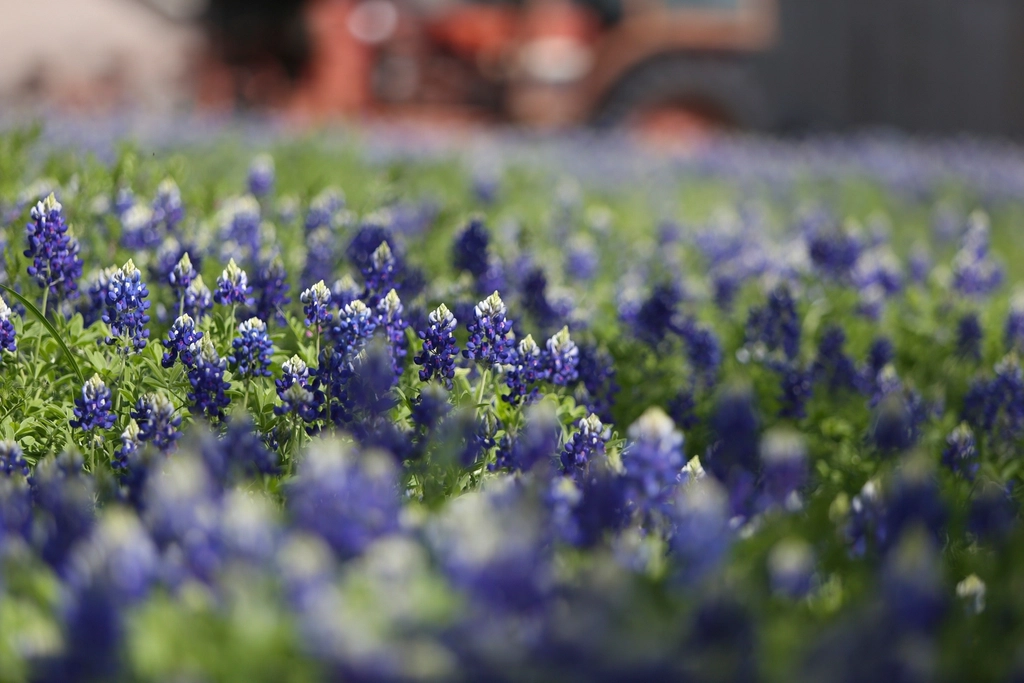

There’s a particular kind of restlessness that settles over Austin each March. It starts small – a photo in a group chat, a neighbor mentioning they spotted the first blooms on their drive home, a sudden urge to load up the car and go somewhere with wide-open fields and blue horizon lines. Bluebonnet season is real, it is communal, and for people who grew up here, it is quietly non-negotiable.
The Texas bluebonnet, known botanically as Lupinus texensis, blooms between late February and April, though the season shifts from year to year. Bloom timing typically begins in February in South Texas, works through Central Texas by March, and peaks in North Texas by April. What follows are ten of the most loved destinations that Austinites return to, season after season, in search of that signature sweep of violet-blue.
Lady Bird Johnson Wildflower Center: The Closest Sure Thing
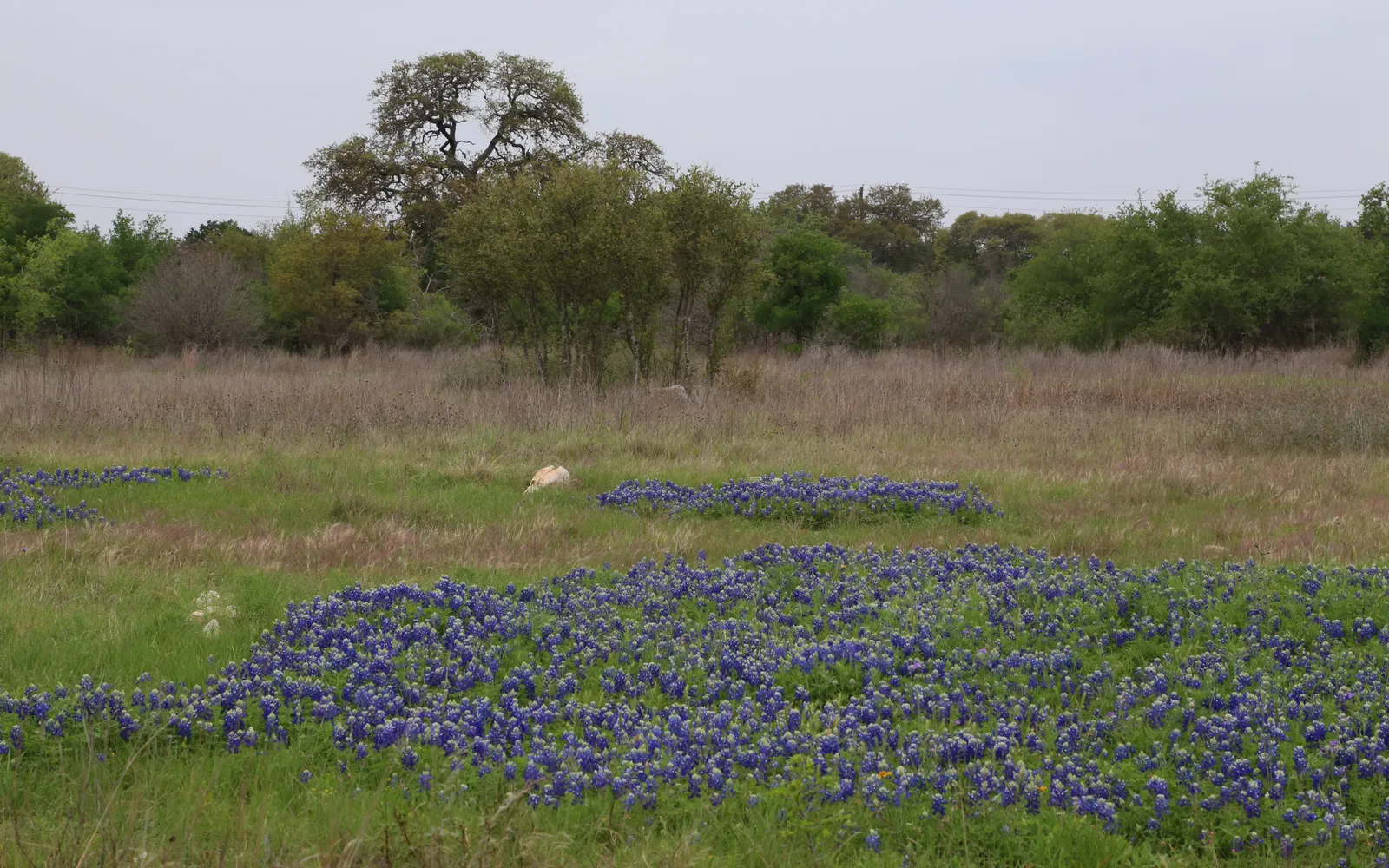
The Lady Bird Johnson Wildflower Center is one of the best places to view bluebonnet fields closest to Austin, with a dedicated bluebonnet area, other wildflowers, a photo spot, and a gift shop. It’s the kind of destination that works for every type of visitor, from the family with small children to the solo photographer who just wants a guaranteed bloom without a long drive.
The center is home to nearly 900 species of native Texas wildflowers and plants, and also offers educational programs for adults and children. The Lady Bird Johnson Wildflower Center, a leading authority on native Texas flora, publishes bloom forecasts to help visitors plan their trips. Checking their website before heading out is always a smart move, as conditions can shift quickly.
McKinney Falls State Park: A Southeast Austin Hidden Gem
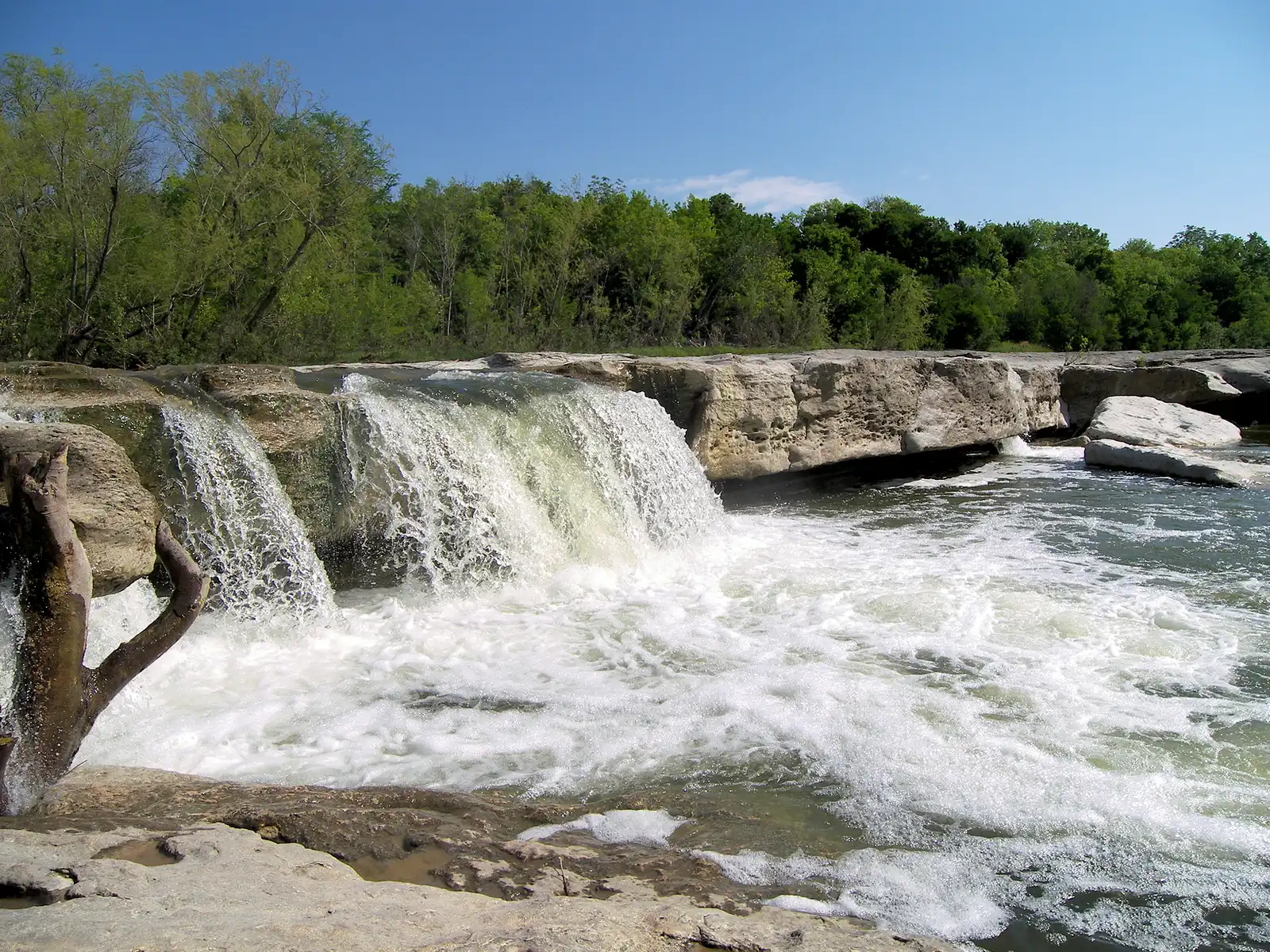
McKinney Falls State Park is not only one of the best places to see waterfalls in Austin, but it is also a prime spot for Texas bluebonnet fields, where visitors can hike trails, picnic among wildflowers, and even take a dip in the swimming holes if the weather is warm enough.
McKinney Falls State Park is widely considered one of the best bluebonnet fields in Austin, with parking areas near a beautiful, expansive bluebonnet field where visitors are encouraged to stay on open pathways and snap photos, especially at sunset. The combination of wildflowers, limestone waterfalls, and shaded trails makes this a genuinely complete afternoon out, not just a photo stop.
Muleshoe Bend Recreation Area: Where Blue Meets Lake Travis
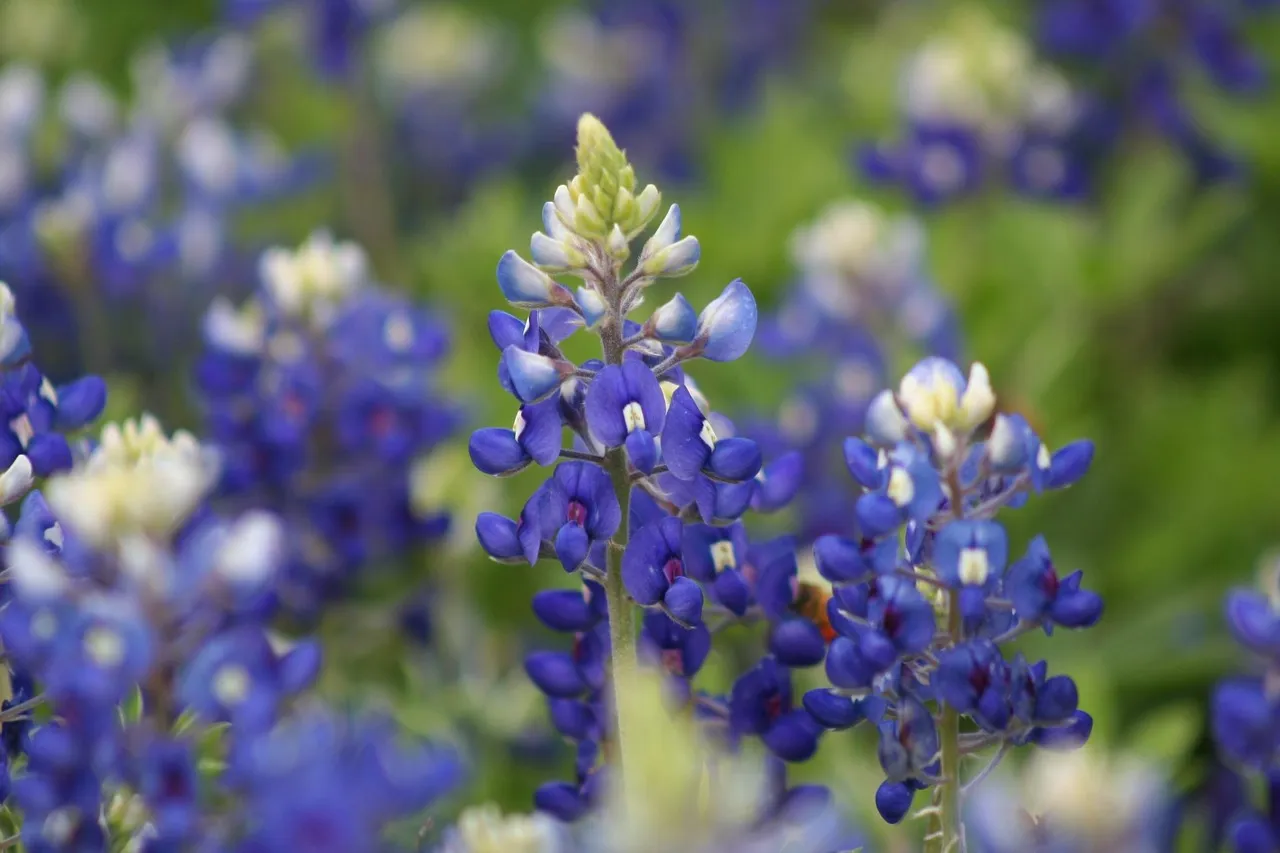
Muleshoe Bend Recreation Area is situated on the shores of Lake Travis and is known for expansive hillsides that burst with blue during spring, with sunny mornings in late March or early April offering the most vivid visuals, and the backdrop of Lake Travis enhancing the landscape.
Muleshoe Bend has been one of the hottest bluebonnet spots in Texas in recent spring seasons, with lush flower fields that look like purple-blue oceans. An annual mid-March family-friendly bluebonnet park day called BLUEM takes place at Muleshoe Bend, making it a destination that pairs natural beauty with a genuine community celebration. The drive out along the lake road is part of the reward.
Fredericksburg: The Hill Country Hub
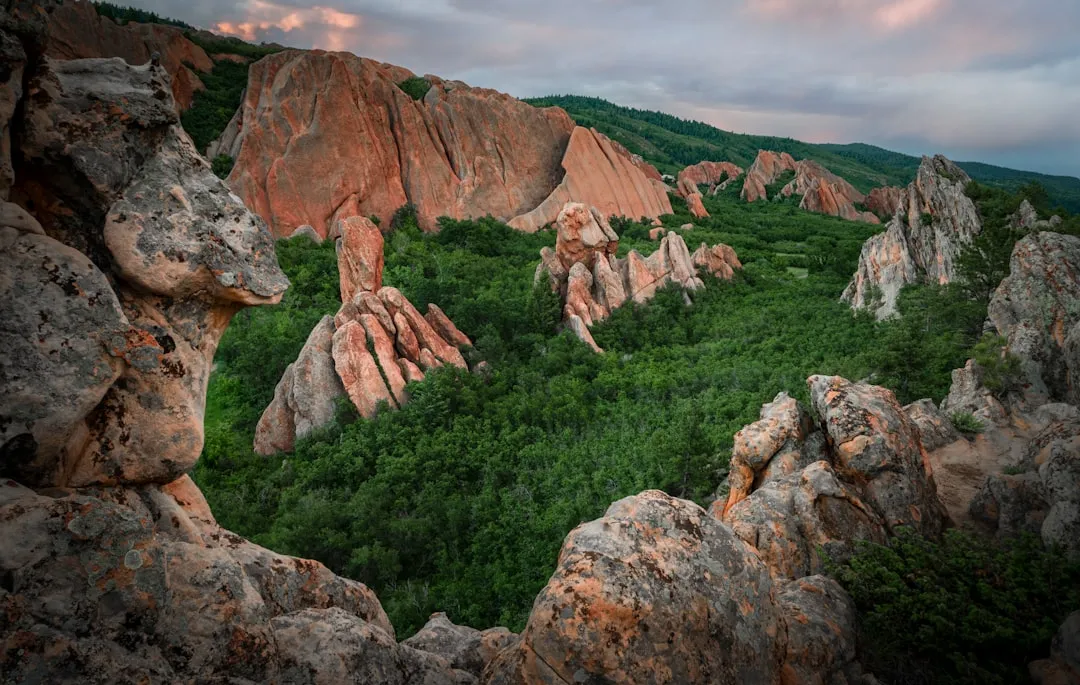
Fredericksburg blends its German heritage with vibrant wildflower displays, especially during spring. Recommended spots in and around the area include Lady Bird Johnson Municipal Park, Enchanted Rock State Natural Area, Lyndon B. Johnson National Historical Park and LBJ State Park and Historic Site in Stonewall, and the Luckenbach area.
Ranch Road 965, the road leading to Enchanted Rock State Natural Area, is lined with bluebonnets and offers scenic drives with views of massive pink granite formations, and Enchanted Rock is especially striking during bluebonnet season, pairing unique geology with floral displays. About 90 minutes from Austin, Fredericksburg functions almost as a base camp for Hill Country wildflower exploration, with enough wineries, bakeries, and shops to fill a whole weekend.
Wildseed Farms: 200 Acres of Color Near Fredericksburg
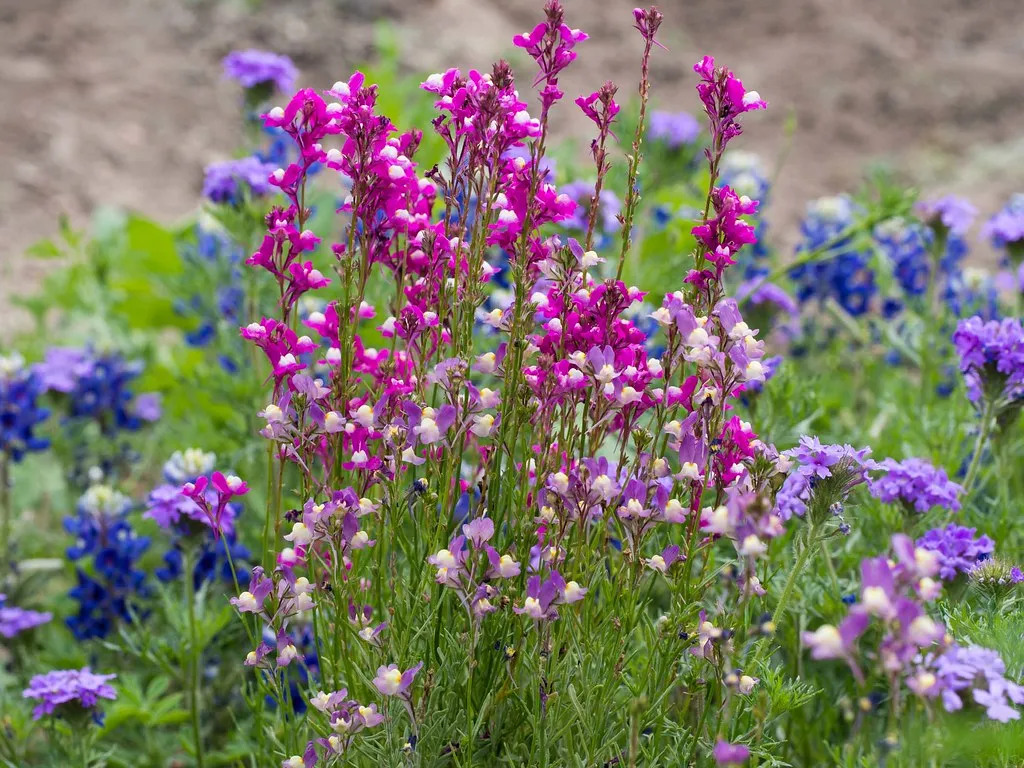
Wildseed Farms, the world’s largest working wildflower farm, stretches across 200 acres of vibrant blooms in various stages of growth, and spring visitors are treated to the beauty of Texas bluebonnets, red corn poppies, phlox, and a stunning array of other springtime flowers.
Wildseed Farms is located in the beautiful Texas Hill Country, just seven miles east of Fredericksburg, Texas. Wildseed Farms now offers an on-site tasting room that showcases wines made from 100% Texas grapes, and after exploring the wildflower fields, visitors can relax at the Brewbonnet Biergarten or browse boutique and gift items at the Shops at Wildseed Farms. It’s easy to spend an entire morning here without feeling rushed.
Willow City Loop: The Drive Austinites Never Stop Talking About
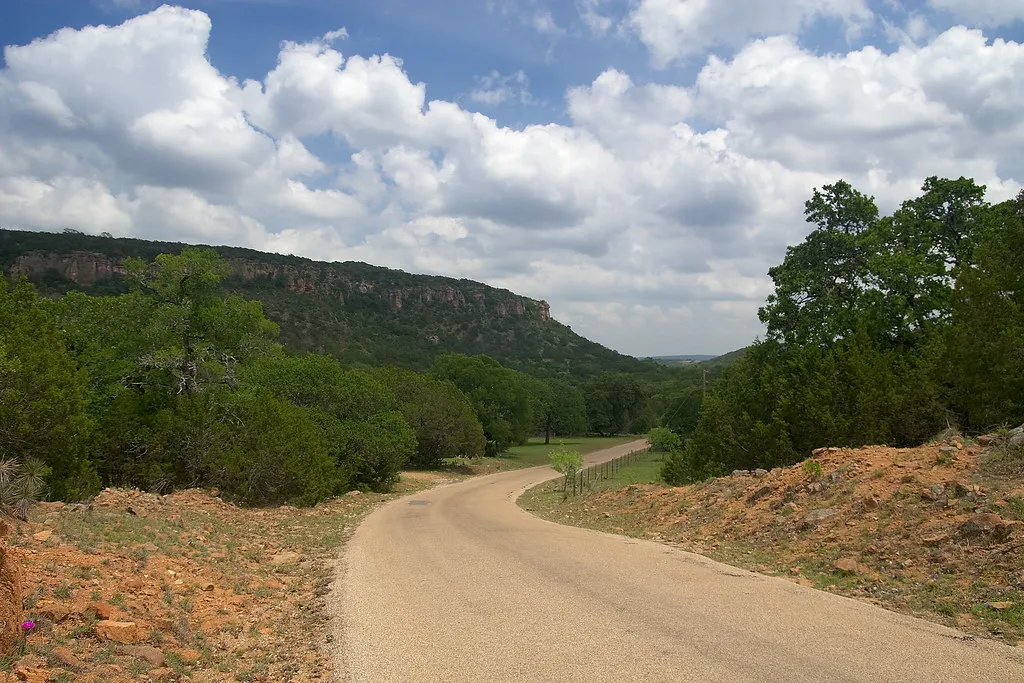
Bluebonnets blanket the state from late March through mid-April, with the Willow City Loop near Fredericksburg delivering the most Instagram-worthy route. The Willow City Loop is a 13-mile scenic drive that winds through creeks and hills all sprinkled with bluebonnets and wildflowers.
Northeast of Fredericksburg, the Willow City Loop is popular for bluebonnet viewing, though it can be crowded with traffic during peak blooming season, and visitors should note that the loop passes through private property, so the land surrounding the road deserves full respect. Morning light on the Loop is exceptional, so arriving before 9 a.m. on a weekday is a genuine advantage.
Burnet: The Official Bluebonnet Capital of Texas
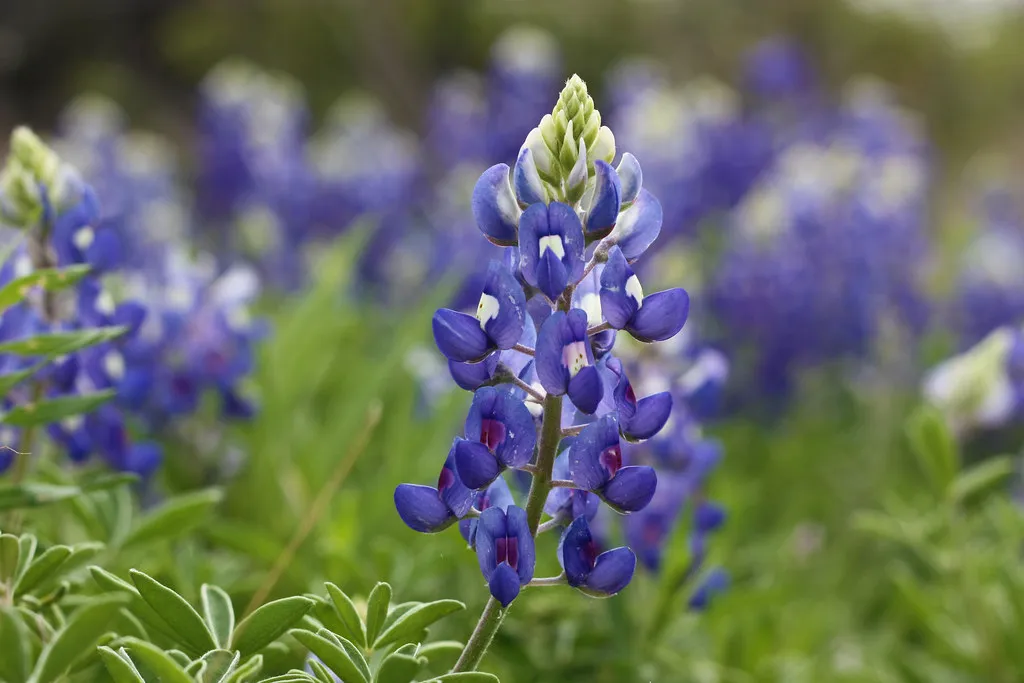
In 1981, the Texas State Legislature designated Burnet the “Bluebonnet Capital of Texas.” Each spring, the small town nestled on the edge of the spectacular Texas Hill Country, about 50 miles northwest of Austin, hosts its annual Bluebonnet Festival, featuring a pageant, carnival, car show, arts and crafts, a fun run, parade, and music.
From late March through mid-April, the roadsides, fields, and hillsides around Burnet explode with Texas bluebonnets, turning the landscape into a sea of violet-blue that draws more than 40,000 visitors to the annual Bluebonnet Festival alone. Highway 29 and Ranch Road 2341 form one of the most picturesque bluebonnet drives, stretching from Burnet toward Buchanan Dam and offering miles of roadside wildflowers.
The Highland Lakes Bluebonnet Trail: A Loop Worth Planning
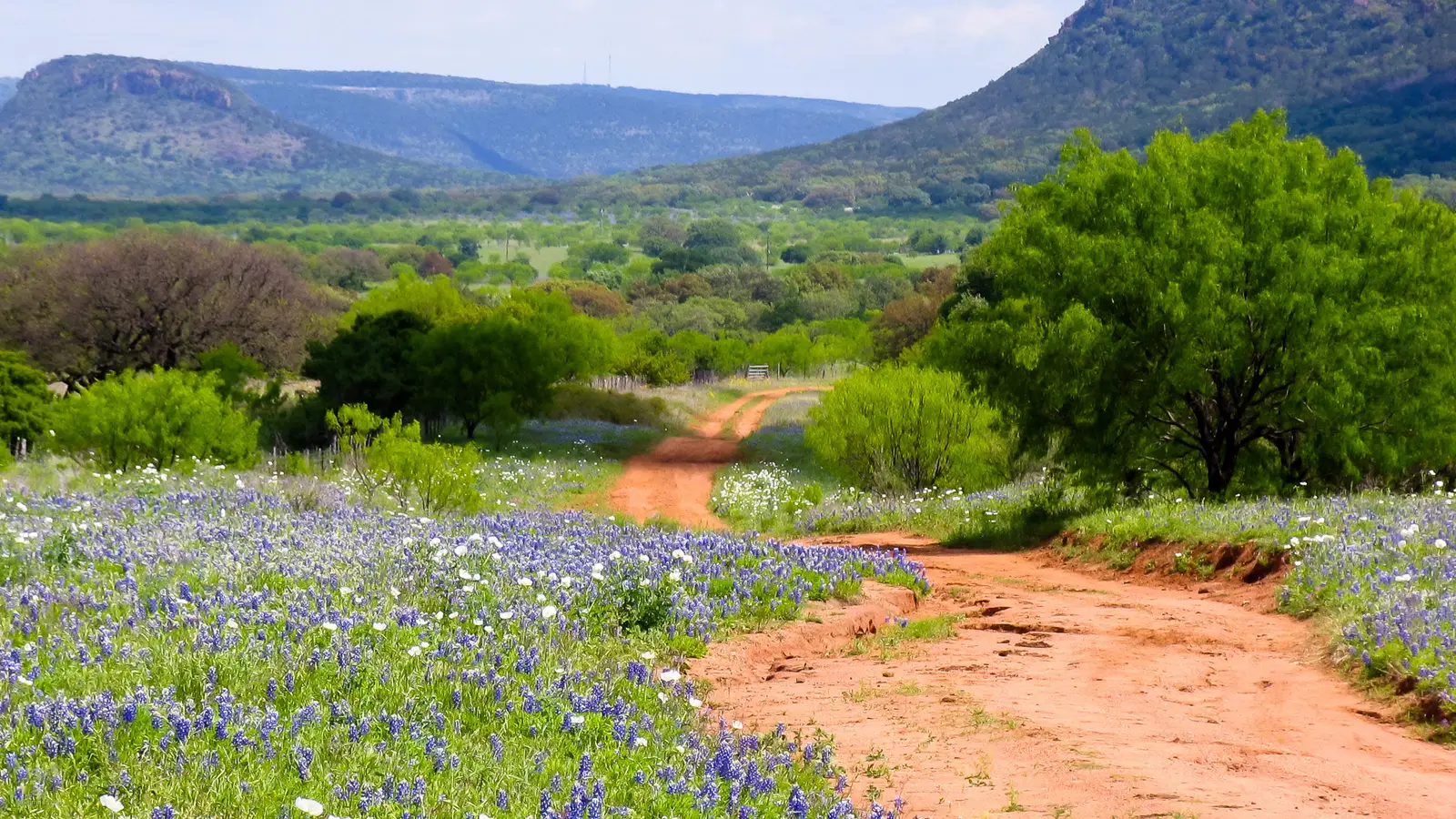
The Highland Lakes Bluebonnet Trail spans multiple cities, including Burnet, Llano, and Marble Falls. These areas are known for their picturesque lake trails, rolling hills, and fields of vibrant bluebonnets, where the blooms set against the shimmering waters of the Colorado River and Highland Lakes create a unique photo opportunity.
Highway 281 through Marble Falls offers roadside bluebonnet fields with sweeping views of Lake Marble Falls, while Ranch Road 1431 from Kingsland to Marble Falls winds through wildflower meadows, lake overlooks, and rugged Hill Country terrain. This trail is well suited to a relaxed two-day loop from Austin, with plenty of places to stop for a meal or a lakeside rest along the way.
LBJ State Park and Historic Site in Stonewall: Wildflowers with History
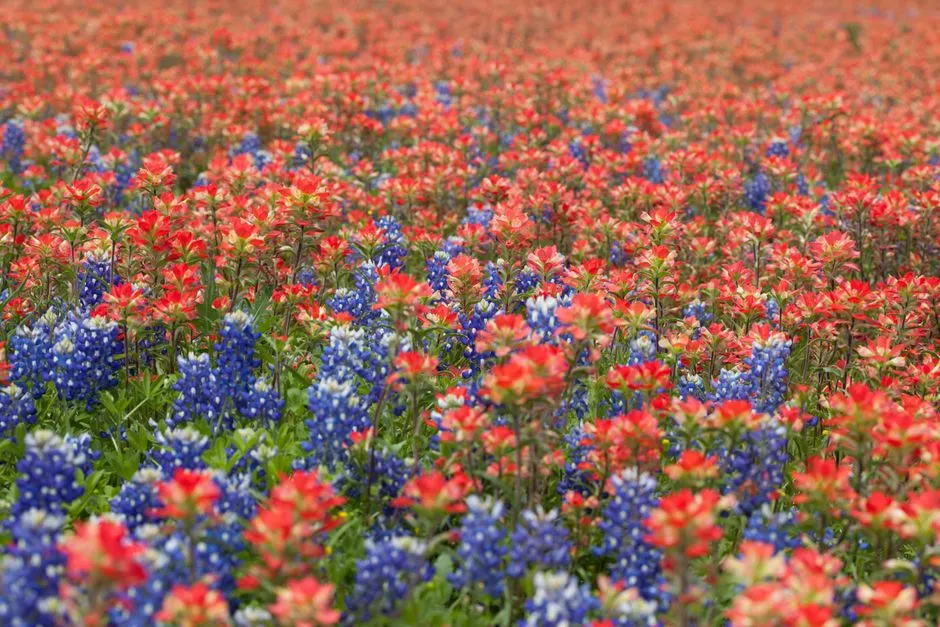
A variety of wildflowers bloom at Lyndon B. Johnson State Park each spring, and the park pairs that natural beauty with a genuine sense of place. The setting along the Pedernales River, surrounded by rolling ranchland, gives the wildflower experience a quieter, more contemplative quality than busier roadside spots.
Other Texas wildflower varieties that appear in Central Texas alongside bluebonnets include windflower, giant spiderwort, large buttercup, phlox, Texas toadflax, crow poison, baby blue eyes, and dewberry. The LBJ park area rewards those who slow down enough to notice the full diversity of blooms rather than simply chasing the biggest field of blue.
Planning Smart: What the 2026 Season Taught Visitors
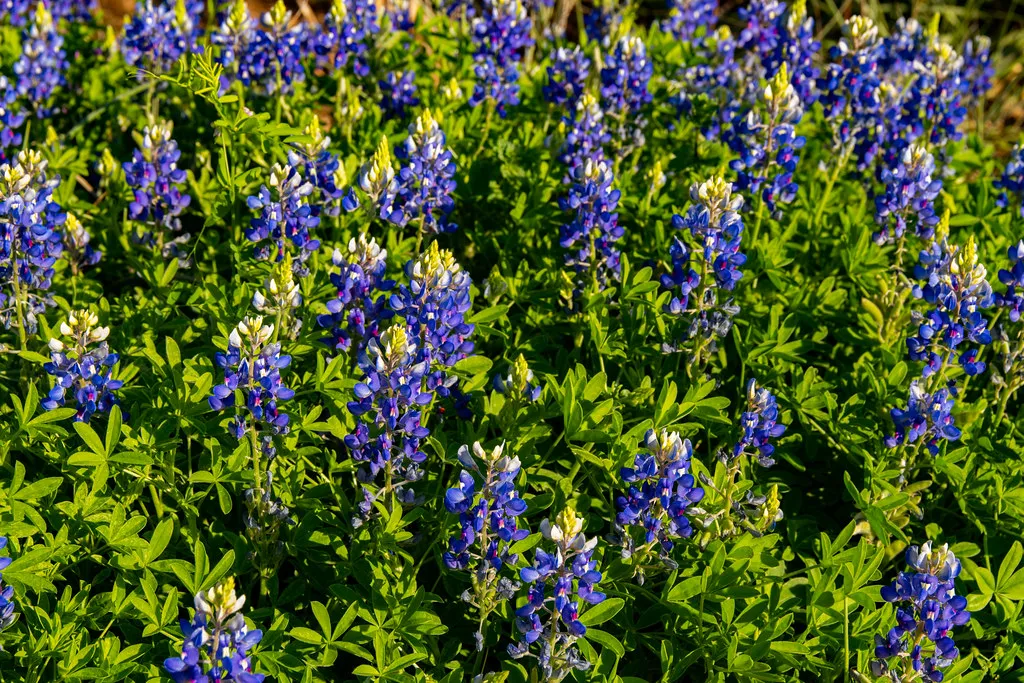
The 2026 wildflower bloom was expected to vary widely across Texas, shaped by uneven rainfall, continuing drought conditions, and local microclimates that influence where seeds germinate and how wildflowers thrive, according to experts at the Lady Bird Johnson Wildflower Center in Austin.
While experts at the Lady Bird Johnson Wildflower Center noted stronger conditions for East Texas due to a healthy rainy season in late 2025, the outlook for Central and West Texas was more of a mixed bag, with lingering drought conditions making blooms more localized. Fall and winter rainfall is crucial for successful bluebonnet germination, and spring weather conditions can hasten or delay the onset of the bloom. The consistent lesson across recent seasons: check current bloom reports before you go, follow the Lady Bird Johnson Wildflower Center’s updates, and stay flexible about which direction you drive.
The Takeaway
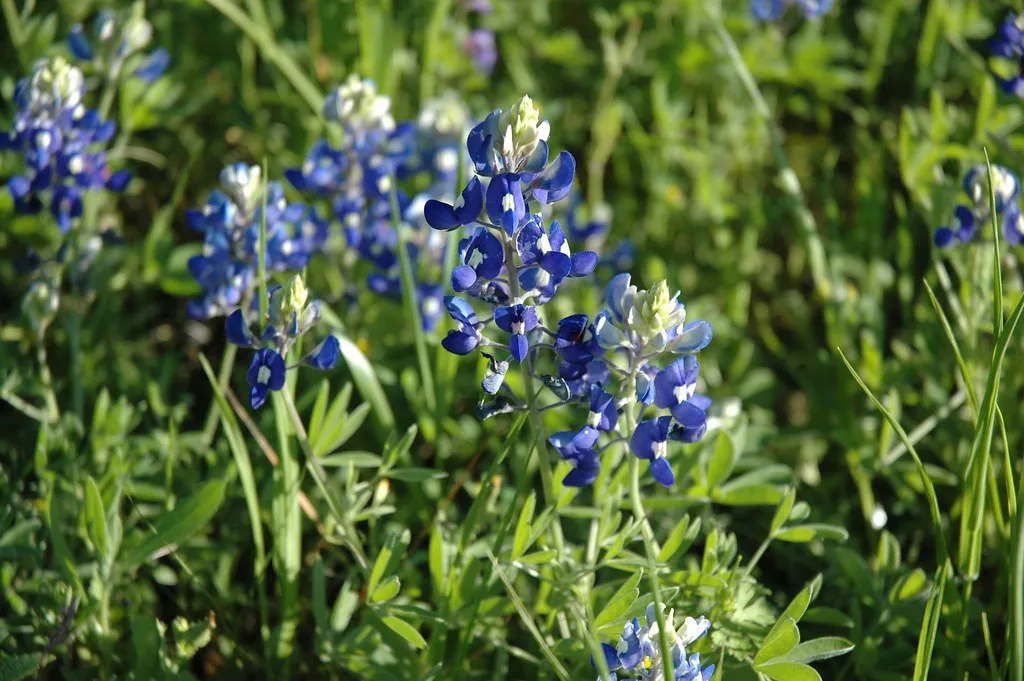
Bluebonnet season is not really about finding the perfect field. It’s about the particular way that spring arrives in Central Texas, slowly and then all at once, painting roadsides and hillsides in colors that feel genuinely hard to believe until you’re standing in them. Whether you stay close to Austin or commit to a full Hill Country loop, the ritual of chasing the bloom is the thing worth protecting.
Respect the land, stay on public ground, follow the forecasts, and go early in the morning when the light is low and the crowds are thin. Contrary to popular rumor, picking bluebonnets is not actually illegal, but visitors are kindly asked not to pick them, and should always be certain they are visiting public land and respecting neighboring landowners. The fields are generous enough already.
AI Disclaimer: This article was created with the assistance of AI tools and reviewed by a human editor.