
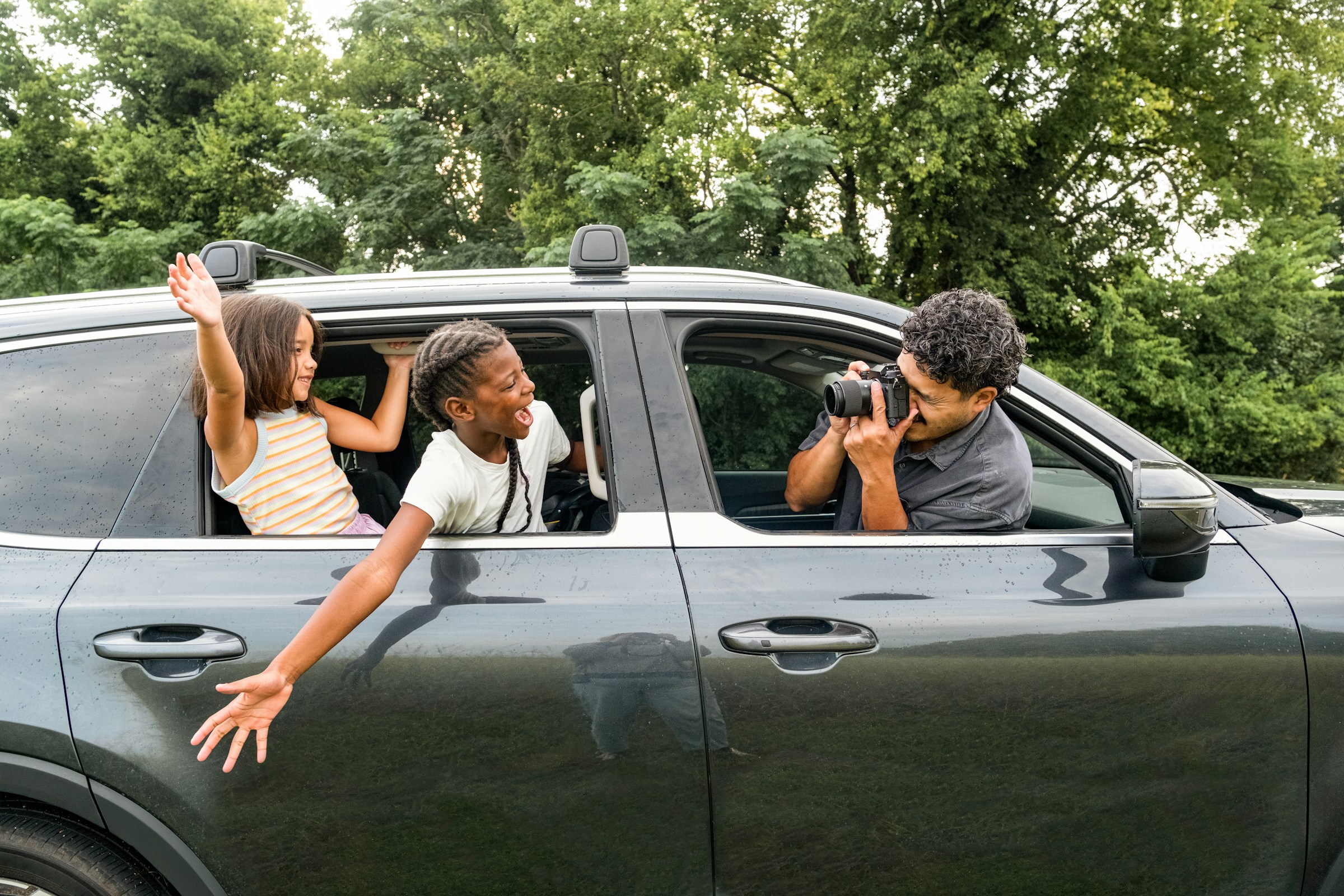

There’s something quietly remarkable about the backseat of a car on a long road trip. No Wi-Fi, no charged devices, miles of open highway stretching ahead, and a group of people who actually have to talk to each other. Before smartphones turned every passenger into an island, families figured out how to make the journey itself entertaining, and the games they invented were surprisingly good.
To keep restless kids entertained and silence the inevitable “are we there yet?” chorus, families long turned to car games. From simple, observation-based classics to today’s sophisticated digital entertainment, these games evolved alongside both cars and society itself. The 1980s, in particular, were a golden era for road trip culture. The interstate system was fully mature, minivans were everywhere, and analog imagination was still the main attraction in the backseat.
These four games haven’t disappeared, exactly, but they’ve been quietly buried under screens and streaming. They’re worth bringing back.
1. The License Plate Game
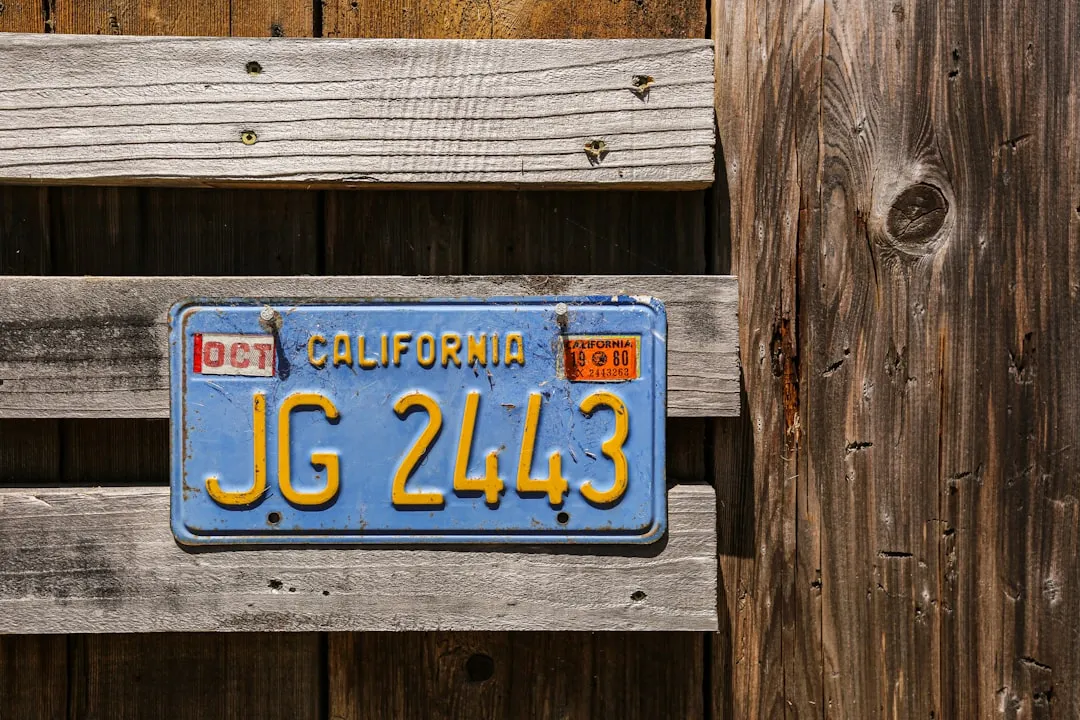
Few games have stayed as culturally embedded as this one, yet so many families let it sit dormant on road trips today. Players win points for spotting the most state names on license plates as they pass by on the highway. It sounds almost too simple, but there’s a real pull to it once you start.
Unlike a purely cooperative game, the License Plate Race turns competitive: you divide all 50 states among however many passengers are in the car. Everyone keeps their states written down and crosses off the ones they find. The tension builds gradually, especially when someone is hunting for a distant state like Montana or Vermont on a busy Florida highway.
What makes this game genuinely worthwhile is that it gets passengers’ eyes off screens and looking out at the countryside passing by. It also gives everyone a real way to connect with their road trip partners. For families with kids, it quietly doubles as a geography lesson with no studying required.
2. Punch Buggy (Slug Bug)

Punch buggy, also called slug bug or punch dub, is a car-spotting game where players seek out Volkswagen Beetles and call “Punch buggy!” when they spot one, in reference to the Beetle’s nickname, the Bug. It’s one of those games that practically no one had to be formally taught. You just absorbed the rules from the back seat of someone else’s car.
Volkswagen itself nodded to the game’s history in a 2009 advertising campaign. While a fictional backstory was invented for fun, VW’s own math suggested the game probably originated in the late 1950s or early 1960s. By the time the 1980s rolled around, it was simply part of road trip culture across the country, nearly as universal as seatbelts.
The game has actually outlasted the car that inspired it. Volkswagen stopped producing the classic Beetle in Germany in 1978 and ended all production of the original design in 2003. The punch buggy game has since spawned an entire genre of car-spotting entertainment. Families now create their own rules, choose their own target vehicles, and decide on their own stakes for spotting them. The spirit of the original is very much alive.
3. Twenty Questions

Twenty Questions is one of those games that can be played in a variety of settings, making it a natural fit for car journeys. One person picks a secret, and everyone else gets exactly twenty yes-or-no questions to figure out what it is. The beauty of it is that it requires zero materials and works just as well for a six-year-old as it does for a group of adults.
The classic version requires the secret to be animal, vegetable, or mineral, a categorization system that breaks down quickly and wonderfully once someone picks something unexpected. The structure promotes strategic questioning, starting with broad category confirmation before refining details such as size, location, or era. That escalating logic is genuinely satisfying, and the conversations it sparks often go well beyond the game itself.
Twenty Questions offers endless opportunities for road trip entertainment and is a particularly great choice for long car rides. On stretches of flat highway where there is nothing much to look at, it turns idle time into a little mental workout, and people often end up laughing more than they expect to.
4. The Alphabet Game

The Alphabet Game was the definitive road trip game for many families. The rules are simple: find a word beginning with each letter of the alphabet, in order, by the time the day’s final destination is reached. Words are spotted on road signs, billboards, truck decals, business fronts, anything visible from the window.
Players take turns calling out words seen on roadside signs and billboards in alphabetical order, requiring no technology at all, just good observational skills. The challenge intensifies around the letters Q, X, and Z, which have a way of turning a mild game into a near obsession. Passing an Exxon station at the right moment feels like a minor victory.
Keeping an eye out for road signs is half the entertainment. The objective is to find a word on each sign that begins with the next letter of the alphabet, calling them out as you drive by. The first one to reach Z wins. It’s a game that naturally draws attention to the landscape and place names around you, which is quietly one of the best things a road trip can do.
Why These Games Feel Different Now

These games were ways parents once used to help kids pass time, challenge the mind, take advantage of their competitive nature, and curb fidgety impatience. In the age of back seat DVD players and portable devices, the no-tech car game has become something of an endangered species. That shift happened gradually enough that many families barely noticed.
There’s something worth reclaiming in that analog space. When the car itself is the game board and the people inside are all you’ve got, attention naturally becomes shared. Conversations that wouldn’t happen over a screen have a way of starting mid-game, almost by accident.
How to Actually Bring Them Back
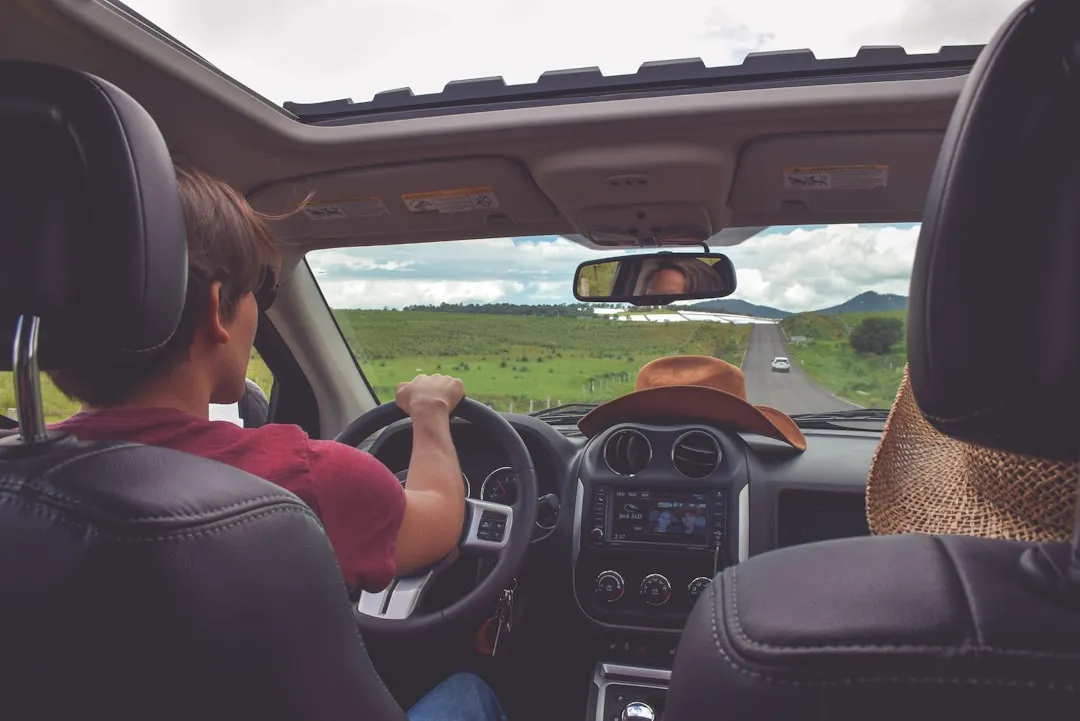
The biggest barrier isn’t enthusiasm. It’s inertia. Screens are already there, already on, already comfortable. The easiest fix is a simple agreement before the trip starts, maybe for the first hour, phones go down and one game goes up. Most families find that the resistance dissolves faster than expected, often within a few minutes of play.
Common variations adapt these games for different group dynamics, such as limiting the License Plate Game to plates visible only from one side of the car, or using team guessing in Twenty Questions where players collaborate on questions to pool their insights. Small tweaks like these keep classic formats fresh for groups who have played them before.
Printable versions of the License Plate Game are widely available online and take about thirty seconds to prepare before departure. The others need nothing at all. That low barrier to entry is exactly what makes them so durable.
The Takeaway

These four games survived for decades not because they were marketed well or because they came in a box, but because they genuinely work. For more than a century, road trips have been a hallmark of family culture, and the need to keep everyone engaged and connected across long stretches of highway hasn’t really changed.
The 80s didn’t invent the road trip game, but that era perfected the conditions for them: long summer drives, no individual screens, and a genuine need to make the journey itself part of the adventure. That spirit translates perfectly to today, whenever families are willing to give it a try.
The road is still out there. The games still work. Sometimes the simplest things hold up best.
AI Disclaimer: This article was created with the assistance of AI tools and reviewed by a human editor.