
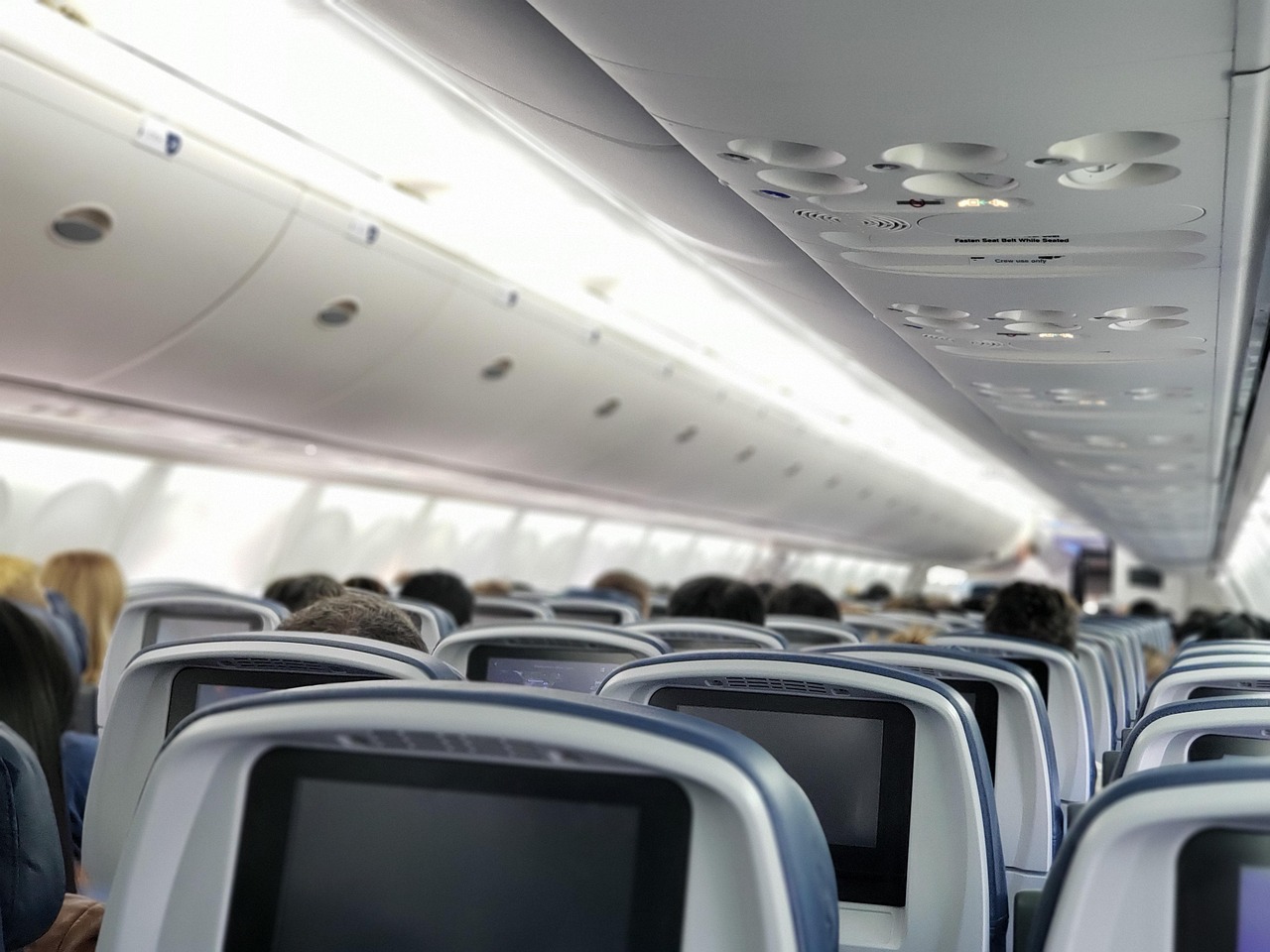

Every seasoned traveler has felt it: that restless energy the moment a plane touches down, the collective shuffle of passengers craning their necks toward the aisle. The carry-on bag sitting in the overhead bin is at the center of nearly every deplaning bottleneck you’ve ever witnessed. What most people don’t realize is that one simple, consistent habit around how and where you stow that bag makes the entire exit process faster, calmer, and genuinely better for everyone on board.
It’s not a complicated trick. It requires no special gear, no airline upgrade, and no negotiating with seatmates. It’s mostly about intention: packing and stowing with departure already in mind.
Stow Your Bag as Close to Your Seat as Possible
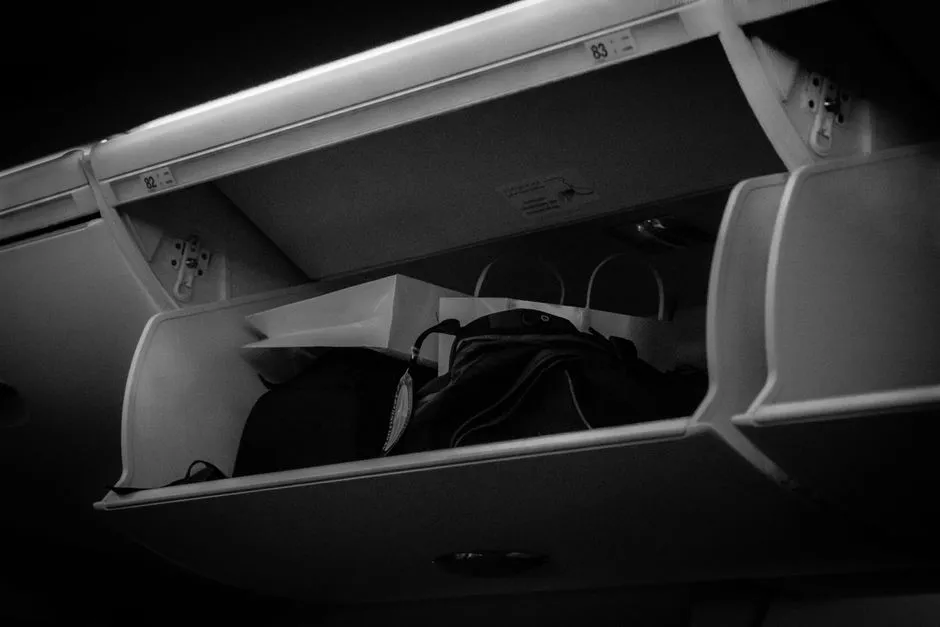
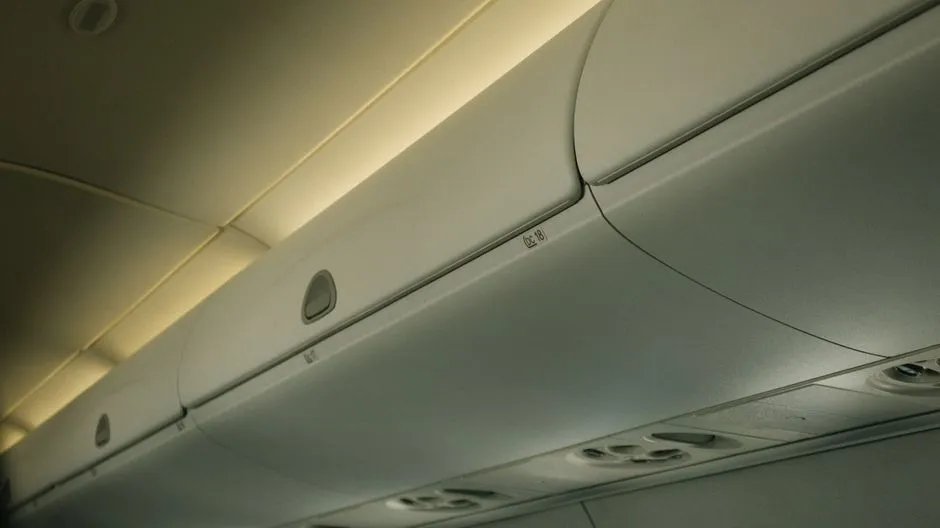
For a smoother deplaning process, keep your luggage and other overhead items as close to your seat as possible, and avoid loading up bins at the front of the plane if you’re seated near the back. This single act eliminates one of the most common aisle jams: the passenger who has to swim upstream through a moving crowd of people just to retrieve a bag stowed six rows forward.
If you’ve stored your carry-on away from your seat, you may have to wait for everyone to deplane before you can retrieve it. That wait is rarely just your problem. It creates a ripple that holds up every passenger stuck behind you in the aisle, as well as the flight crew trying to prepare the cabin for the next departure.
Understand How Much Time Is Really at Stake
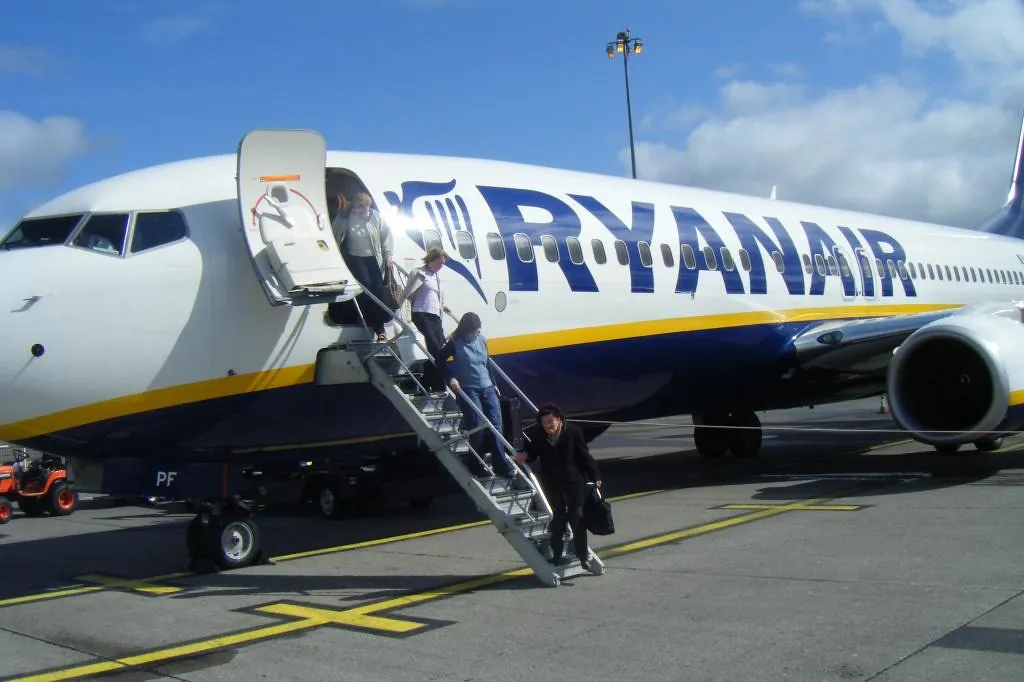
Deplaning is allotted approximately ten to fifteen minutes in standard airline turnaround planning, but in practice this time is almost always exceeded, often up to thirty minutes. That gap between the scheduled window and reality isn’t random. It compounds across individual moments of confusion, hesitation, and poorly placed luggage.
Research shows that passengers deplane at an average rate of fifteen to seventeen passengers per minute, independent of aircraft size. The main cause of gaps in that flow is aisle interference, which involves passengers walking down the aisle while also stowing or retrieving luggage and managing personal interactions in the cabin. Simply having your bag directly above your seat removes one of those interference points entirely.
Retrieve Your Bag Only When It’s Your Row’s Turn
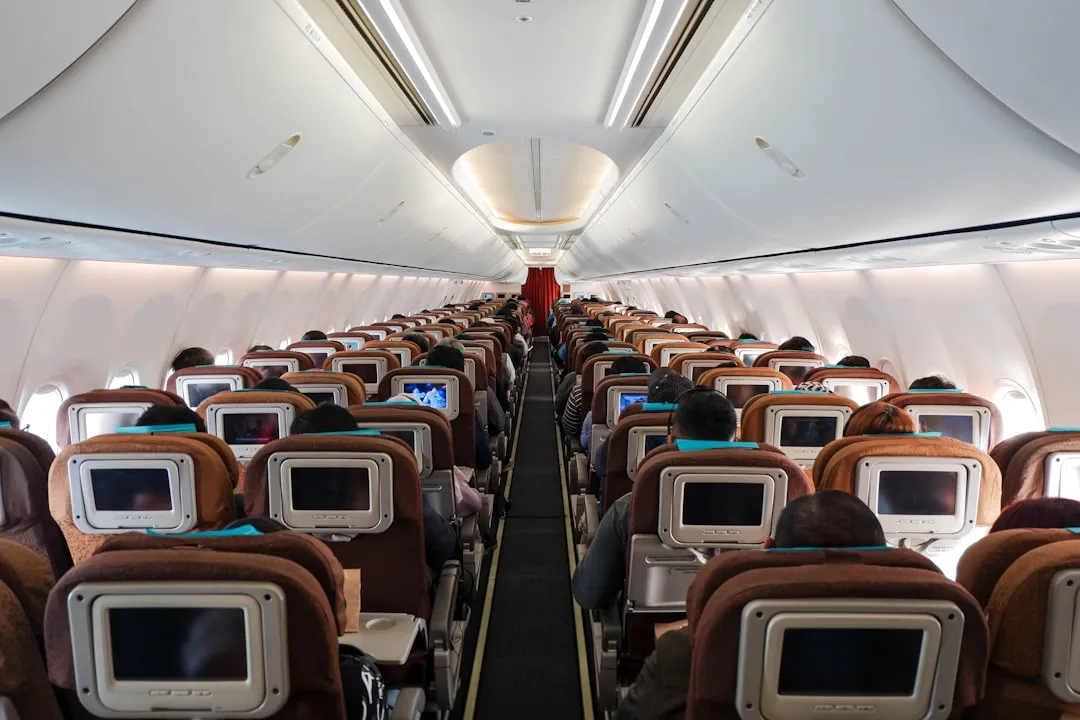
If you have carry-on bags in the overhead compartment, remain seated until it’s your turn to retrieve them. Rushing to the aisle while others are still deplaning can cause unnecessary congestion. The instinct to stand the moment the seat belt sign goes off is understandable, but it rarely saves any real time and often costs everyone else a minute or two.
There’s simply no need to leap out of your seat as soon as the seat belt signs are off. Once you are in the aisle, swiftly gather your belongings and move toward the exit, and avoid stopping in the aisle to rearrange your bags. Treating the aisle like a moving walkway rather than a staging area is the difference between a smooth exit and a full stoppage.
Don’t Swim Against the Current for a Misplaced Bag
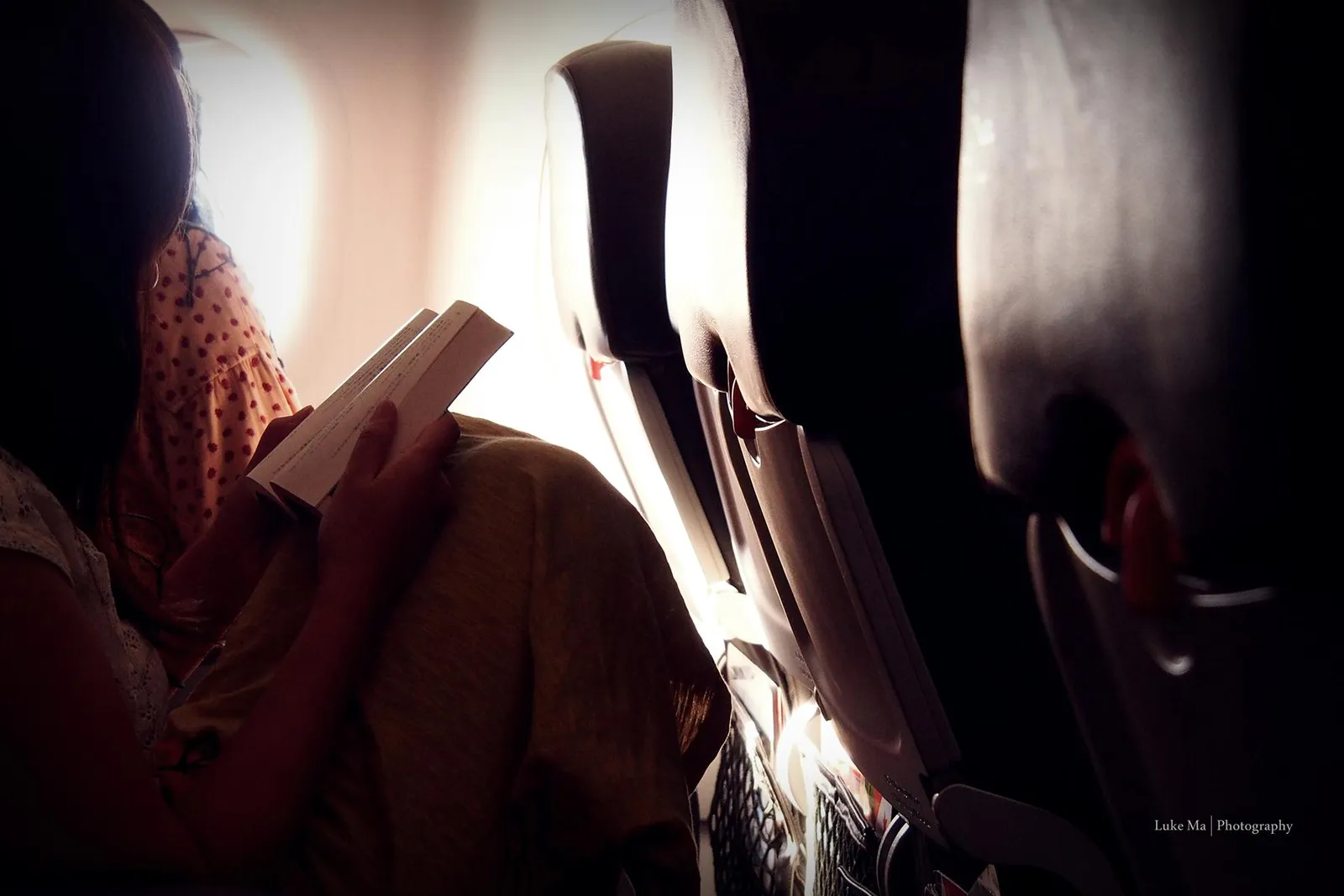
If you placed your carry-on in the overhead bin behind you, wait until there is a break in the line of deplaning passengers to get your luggage. Going against the flow of foot traffic is one of the most disruptive things a single passenger can do during the exit process, yet it happens constantly because the bag was never placed thoughtfully to begin with.
If your bags end up in an overhead bin behind you, don’t hold up everyone so you can retrieve them. At the very least, let the rows between you and your bag get off before you move toward it. That courtesy takes maybe an extra ninety seconds of patience on your end. For everyone else, it can mean the difference between a steady flow and a complete stop.
Board Early to Claim Bin Space Above Your Seat
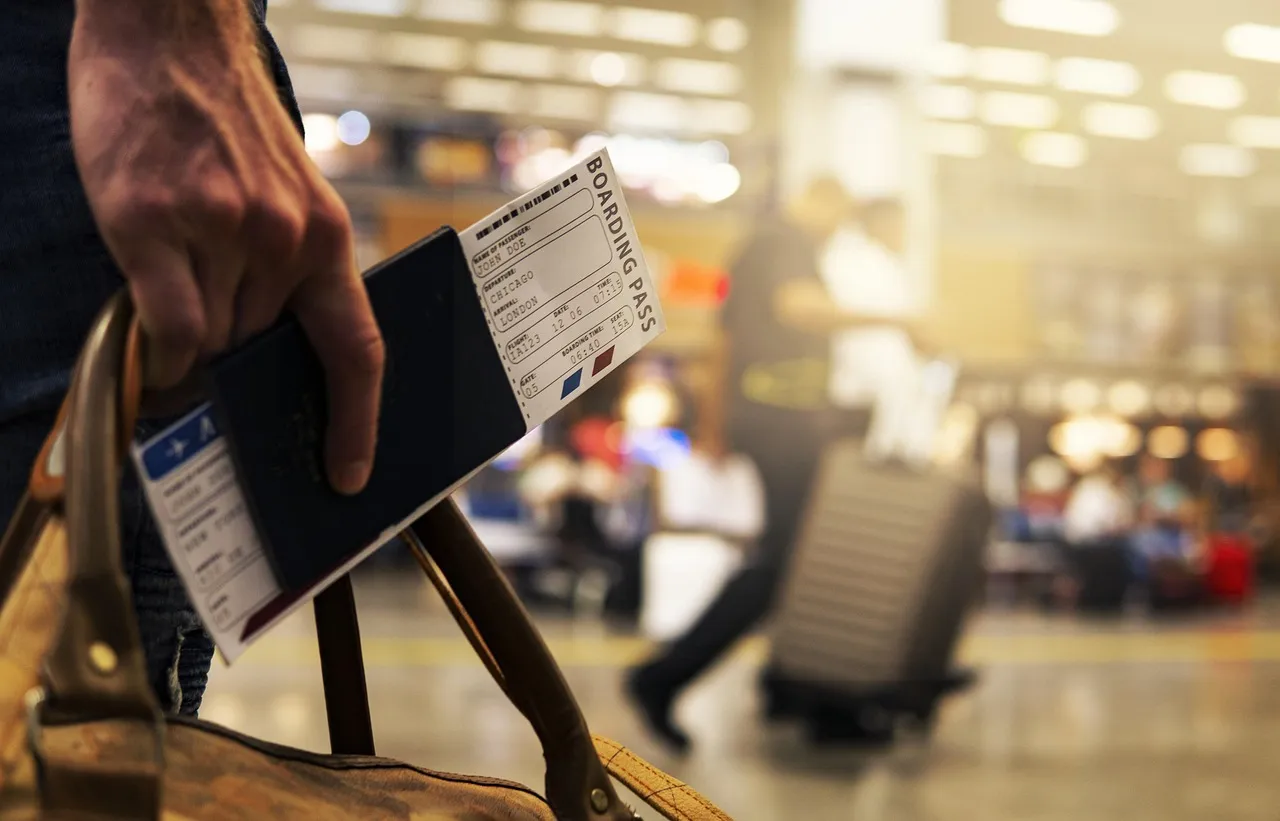
The best way to secure a convenient spot for your carry-on is by boarding as early as possible. If the overhead bin above your seat is full, look for the closest options, such as across the aisle or slightly ahead of your seat. Early boarding isn’t just about comfort. It’s the single most effective way to ensure your bag ends up where it needs to be for a smooth exit later.
If there aren’t any options nearby, let a member of the cabin crew know. They’ll either find a place for your bags in an overhead compartment farther away or, on especially busy flights, stow it with the checked luggage below. Involving the crew early is always a better option than quietly stowing your bag six rows away and hoping for the best upon landing.
Use the Under-Seat Space for What You’ll Actually Need
Keep the items you’ll need during your flight, like your phone, wallet, headphones, and book, in a small bag under the seat in front of you. This way you won’t need to stand up and disturb other passengers whenever you want to access your things. It also means that your overhead bin space is used only for the bag you plan to pull down once and carry out.
If you have a second bag, place it under the seat in front of you. Once boarding has finished and if there’s still space, you can move your second bag to the overhead. Treating the under-seat area as your in-flight workspace and the overhead bin as your exit-ready storage is a practical mindset shift with real downstream benefits.
Know the Size Rules Before You Board
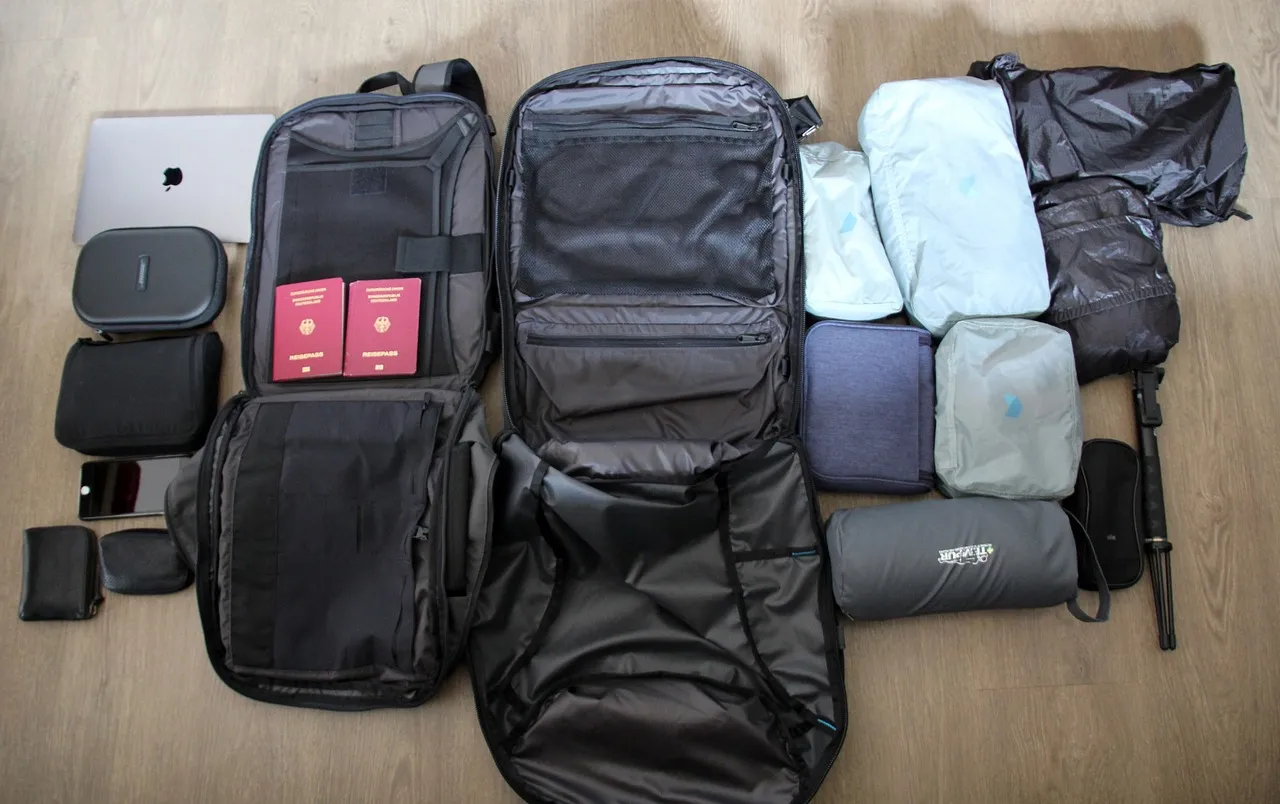
The maximum size carry-on bag for most airlines is 45 linear inches, which is the total of the height, width, and depth of the bag. Anything larger should be checked. Oversized bags that technically fit in the bin create hidden problems: they close the bin door unevenly, they’re heavier to retrieve quickly, and they frequently end up in a distant bin because they don’t slide in properly above the designated seat.
Some aircraft have limited overhead bin space, and your personal item will need to fit under the seat in front of you. On regional jets and smaller aircraft in particular, this matters a great deal. Checking the specific aircraft type before you fly takes about thirty seconds and can save several minutes of frustration for an entire cabin of passengers.
Let Passengers with Tight Connections Go First
Wait your turn to exit the aircraft, and allow passengers with tight connections to deplane first. This is one of those travel courtesies that asks almost nothing of you but genuinely changes someone else’s day. A missed connection can mean hours stranded at an airport. Letting a fellow passenger pass costs you roughly thirty seconds.
Rather than giving in to the Pavlovian response to make a run for it, respect the order of deplaning and wait until the row before you has exited. Extra credit goes to those who let travelers with tight connections go ahead of them. Flight attendants will generally make an announcement when connections are at stake, and responding to it with a simple wave forward is one of the most straightforward acts of travel solidarity there is.
Offer Help to Those Who Need It

Be quick to offer assistance to others in getting bags down from overhead. Those who are shorter or elderly are often very grateful for that help. It also keeps the line moving. When a passenger struggles alone with a heavy bag in the overhead bin, everyone behind them waits. A brief offer to assist takes two seconds and often saves twenty.
Helping someone with their bag isn’t just a small kindness in a crowded aisle. It’s a practical contribution to the flow of the entire exit. Being quick to offer assistance to others with their bags is one of the standards most experienced travelers agree makes disembarking kinder and faster for everyone. Think of it as the carry-on equivalent of holding a door open.
Remember the Ripple Effect on the Entire Flight Schedule
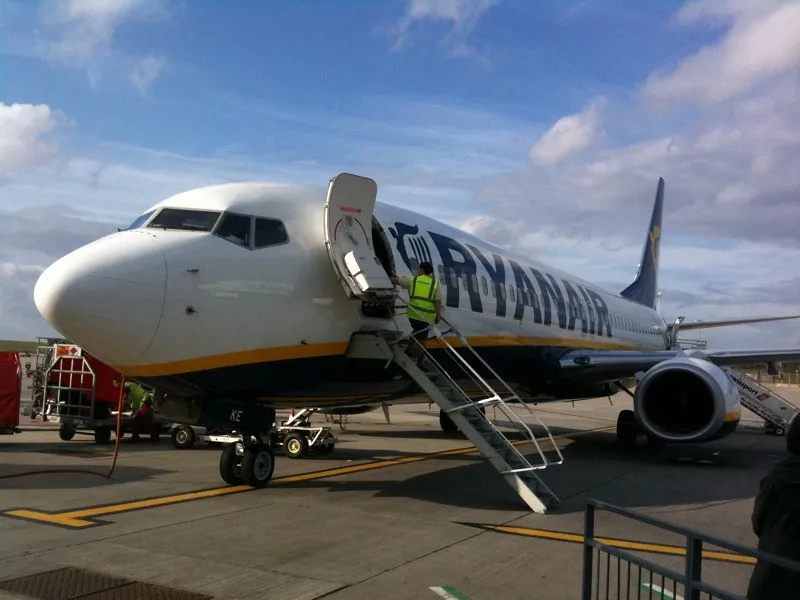
Airplane turn time, which is the time required to unload a plane after its arrival and prepare it for departure again, has increased since the mid-1970s. This contributes to both flight delays and increased passenger frustration, and one of the key elements of that turn time in a single-aisle aircraft is passenger boarding and deplaning. What happens in those first fifteen minutes after landing does not stay contained to your flight. It travels forward into the next one.
Nearly 1.7 million flights were delayed or canceled in 2024 out of the 7.5 million flights scheduled for the top ten airlines and their marketing partners, with last year’s on-time performance being the second-worst percentage in the last ten years. Every bottleneck in the gate-turnover process, including slow or chaotic deplaning, feeds into that overall number. The carry-on habit you practice today doesn’t exist in a vacuum. It is one small but measurable input into a system that moves millions of people every single day.
A Measured Takeaway
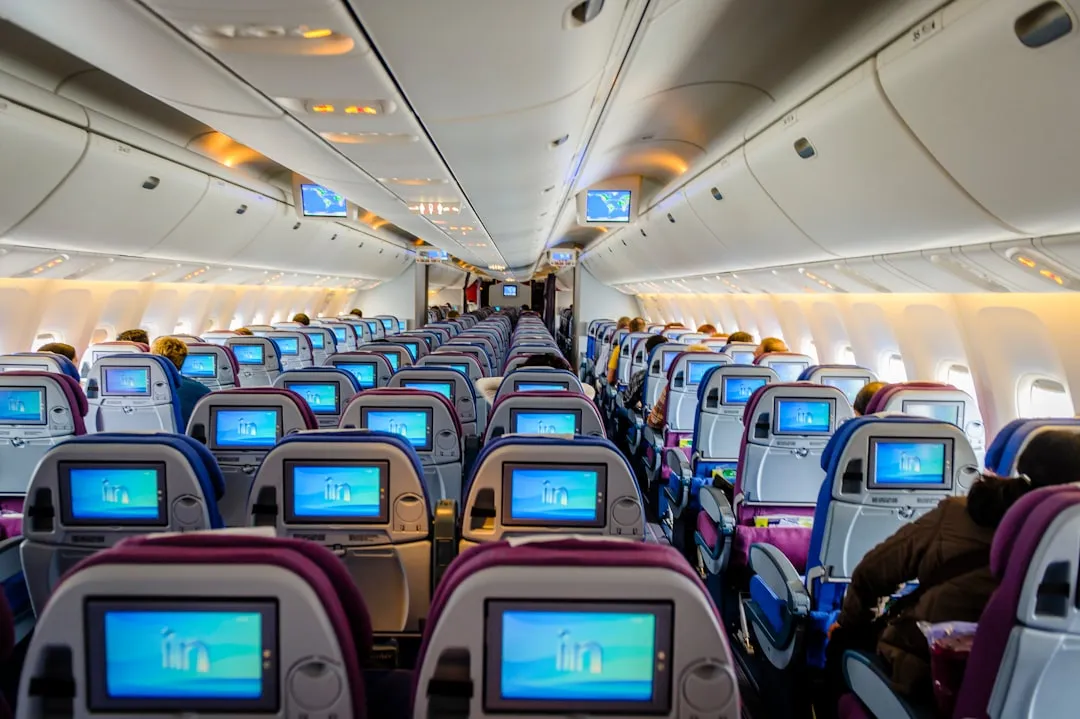
None of this requires sacrifice or inconvenience. Stowing your bag above your own seat, retrieving it calmly when your row is called, keeping your in-flight essentials underfoot, and offering a hand when someone needs one: these are all things that cost nothing and return something real to the passengers around you.
Travel has a way of making strangers briefly dependent on each other’s behavior. The carry-on habit is a quiet but clear example of how individual choices accumulate into a shared experience. When enough people get it right, the whole process just flows, and that is genuinely worth something.
AI Disclaimer: This article was created with the assistance of AI tools and reviewed by a human editor.