
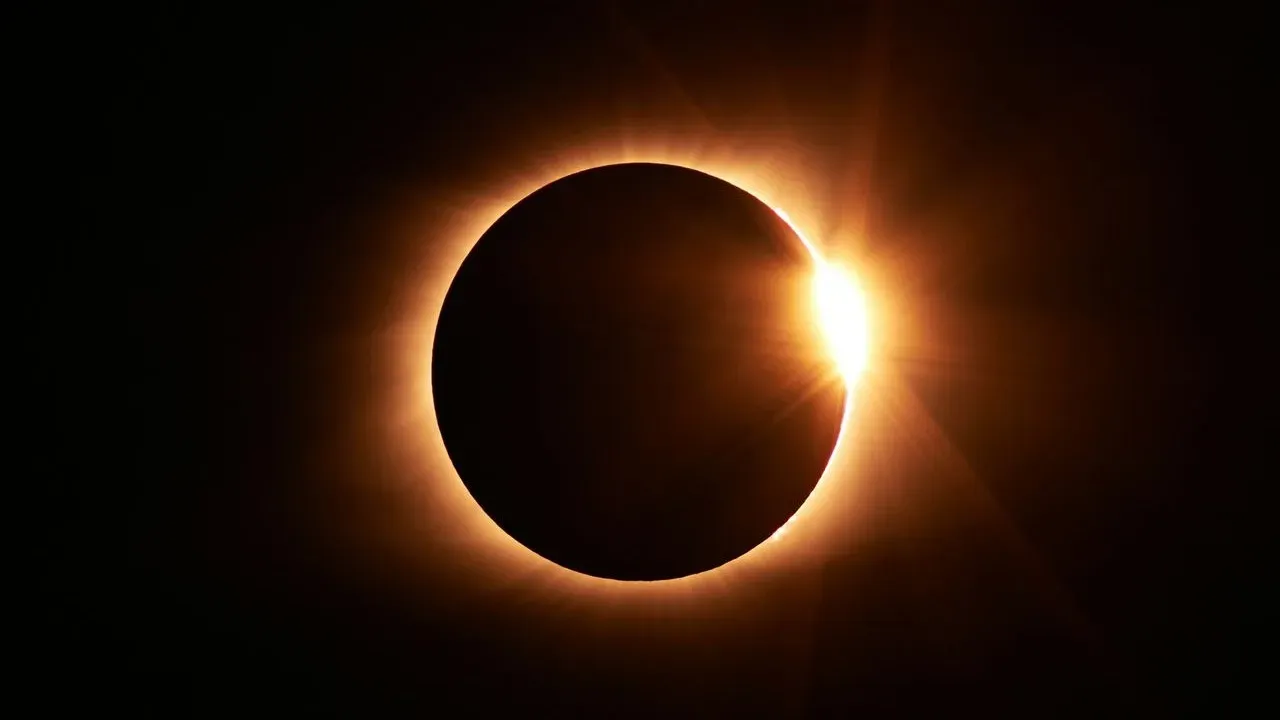

Travelers and residents across the northern reaches of the United States have a quiet window today to pause and watch the moon pass in front of the sun. The partial solar eclipse unfolds on August 12, 2026, offering a gentle reminder of how celestial rhythms intersect with everyday journeys. In Alaska the coverage reaches its highest point for American viewers, while states farther east catch a smaller slice of the event during the afternoon hours.
Where the View Is Strongest
Alaska stands out for the clearest experience. Anchorage sees roughly 28 percent of the sun obscured at maximum, with the partial phase beginning around 7:36 a.m. local time. Fairbanks offers even more coverage, approaching 37 percent, making the state a natural draw for those already planning northern adventures this season.
Farther south and east the effect diminishes yet remains noticeable. Maine, parts of the Upper Midwest, and northern New England register smaller percentages, with the moon taking a modest bite out of the sun between midday and midafternoon. The farther north a viewer stands, the more pronounced the moment becomes.
Planning a Thoughtful Viewing
Clear skies improve the odds, so checking local forecasts the evening before helps shape the day. Many travelers combine the eclipse with existing itineraries in national parks or coastal overlooks where horizons stay open. A simple pair of certified solar eclipse glasses turns the event into a safe, shared experience rather than a hurried spectacle.
Communities in Alaska often host informal gatherings at established viewing spots, allowing visitors to join locals in quiet appreciation. Those in the contiguous states may find similar low-key opportunities at state parks or university campuses that open their grounds for the afternoon.
Safety and Respect for the Moment
Direct sunlight remains intense even when partially blocked, so proper eye protection is essential throughout the partial phases. Standard sunglasses fall short; only filters labeled for solar viewing provide adequate safety. Children and first-time observers benefit from guidance on how to use the glasses correctly before the event begins.
Travelers who venture to remote northern locations should also respect local guidelines for land use and wildlife corridors. Leaving no trace preserves the same landscapes that make these eclipses memorable for future visitors.
Carrying the Experience Forward
A partial eclipse invites reflection on scale and timing. The moon’s brief alignment with the sun lasts only minutes at peak, yet the memory lingers long after the glasses come off. For purposeful travelers, the day offers one more reason to slow down, look up, and connect with the places they choose to explore.
AI Disclaimer: This article was created with the assistance of AI tools and reviewed by a human editor.