
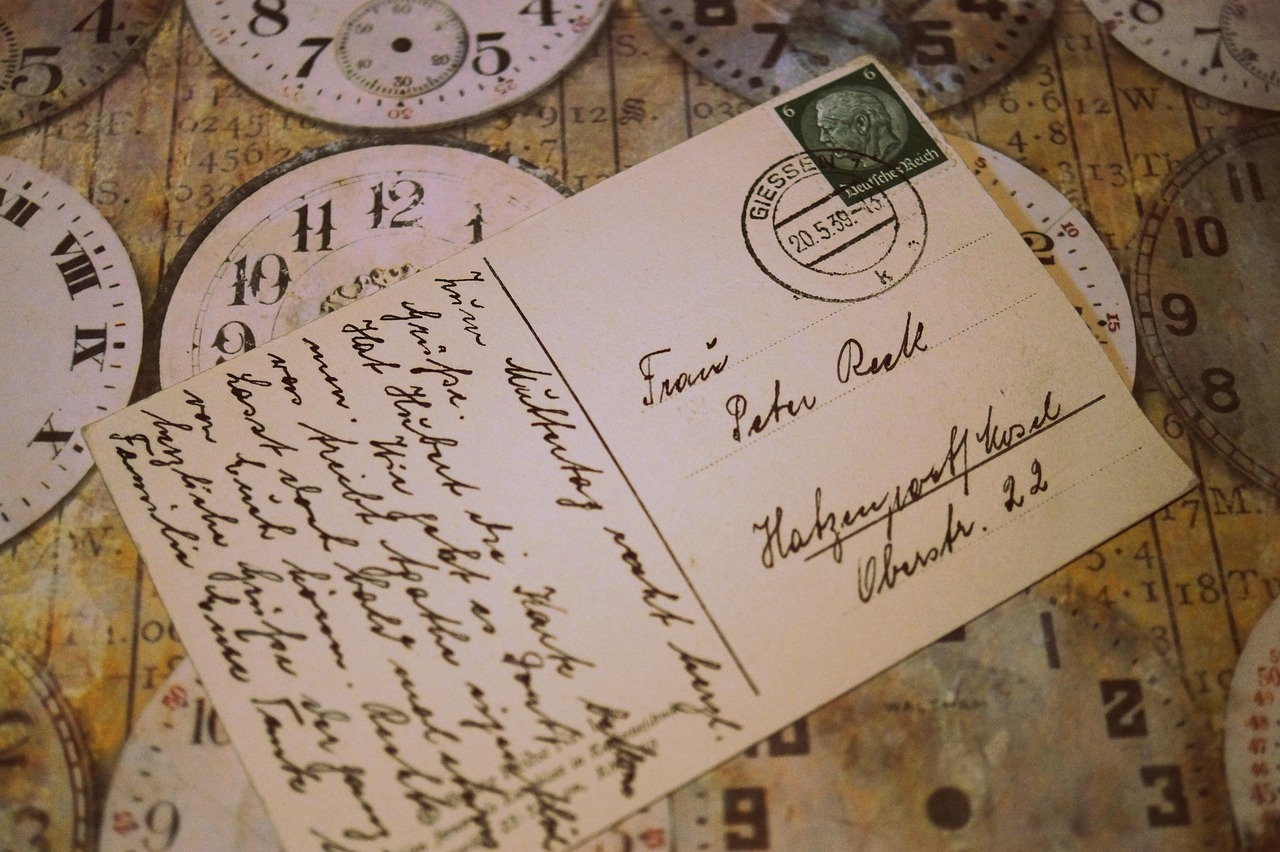

There’s something quietly defiant about a spinning wire rack of postcards tucked near the register of a small-town general store. It doesn’t ask for your attention. It just turns slowly, displaying faded images of covered bridges, courthouse squares, and summer lake scenes that look more or less the same as they did forty years ago.
In an era when most physical communication has migrated to a screen, these racks persist. They survive in bait shops, roadside diners, local bookstores, and gift nooks attached to fuel stations. The places that still carry them tend to share a certain character: unhurried, proud of their history, and quietly resistant to the idea that physical things have run their course.
A Tradition Rooted in the Golden Age of Mailed Communication
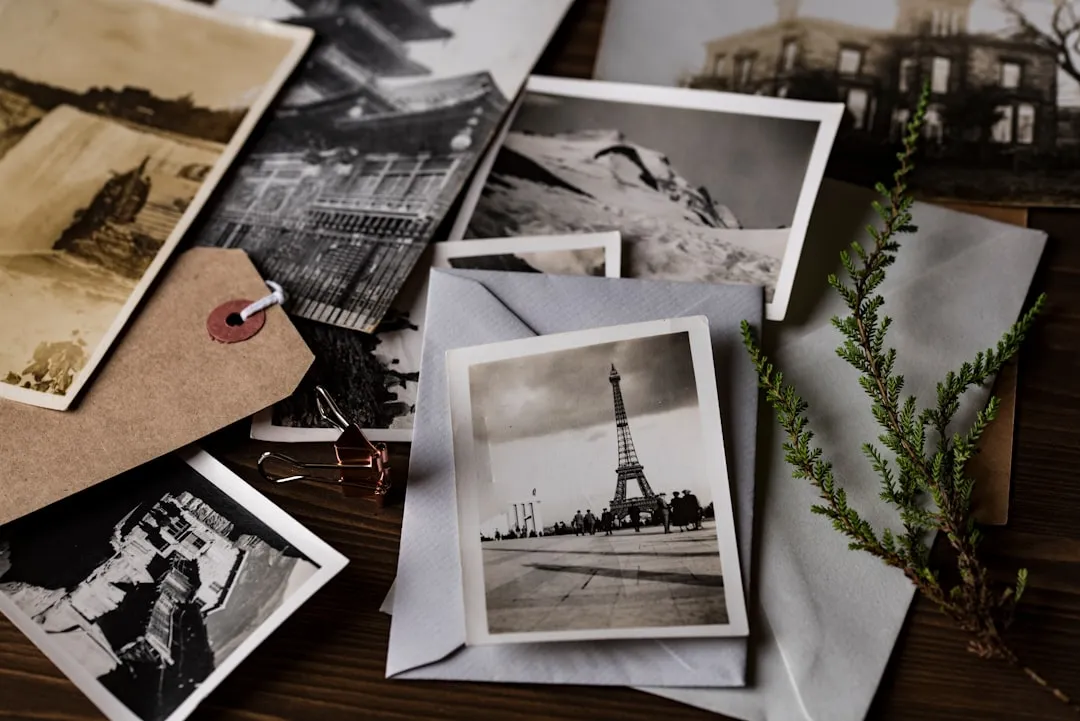
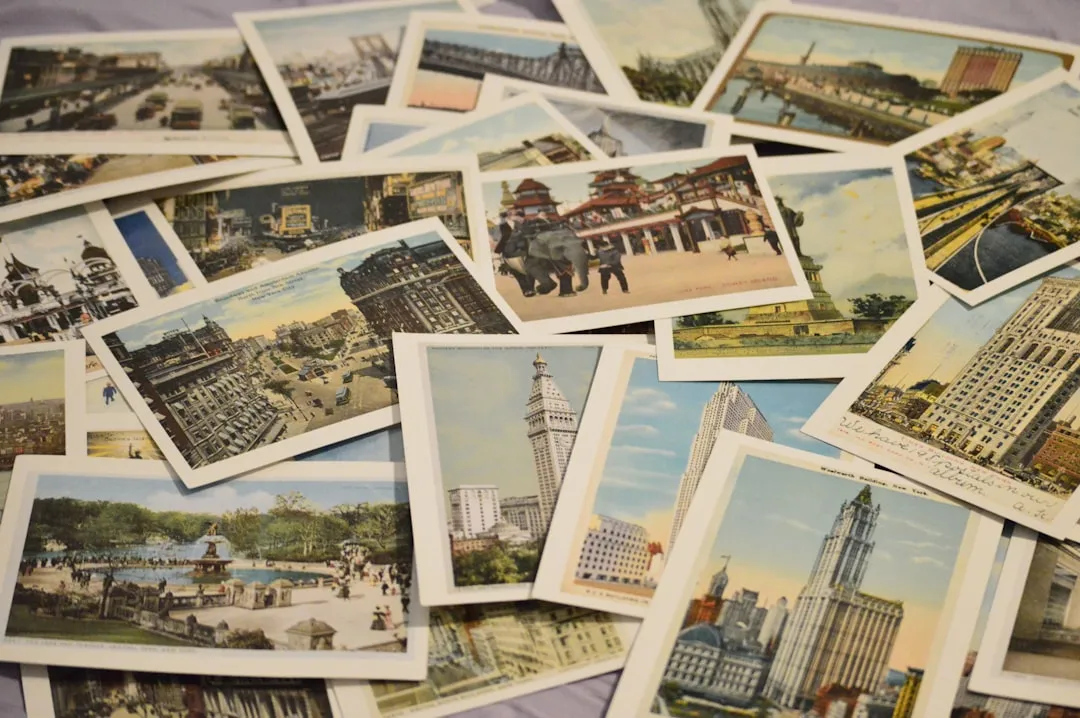
The picture postcard’s rise was swift and remarkable. The first recognized picture postcard was sent in Austria in 1869, and the concept gained worldwide popularity in the late 1800s and early 1900s. By the early twentieth century, receiving a postcard from a traveling friend or relative was a genuine social event, and families kept albums full of them.
As travel became more accessible, postcards became a way for people to send quick messages to loved ones while showcasing beautiful images of landmarks and historical events. In the early 20th century, postcards were a dominant form of communication, much like text messages or social media today. The rack in the corner store wasn’t just a retail fixture – it was a communications hub for people on the move.
What “Deltiology” Tells Us About Why People Still Care
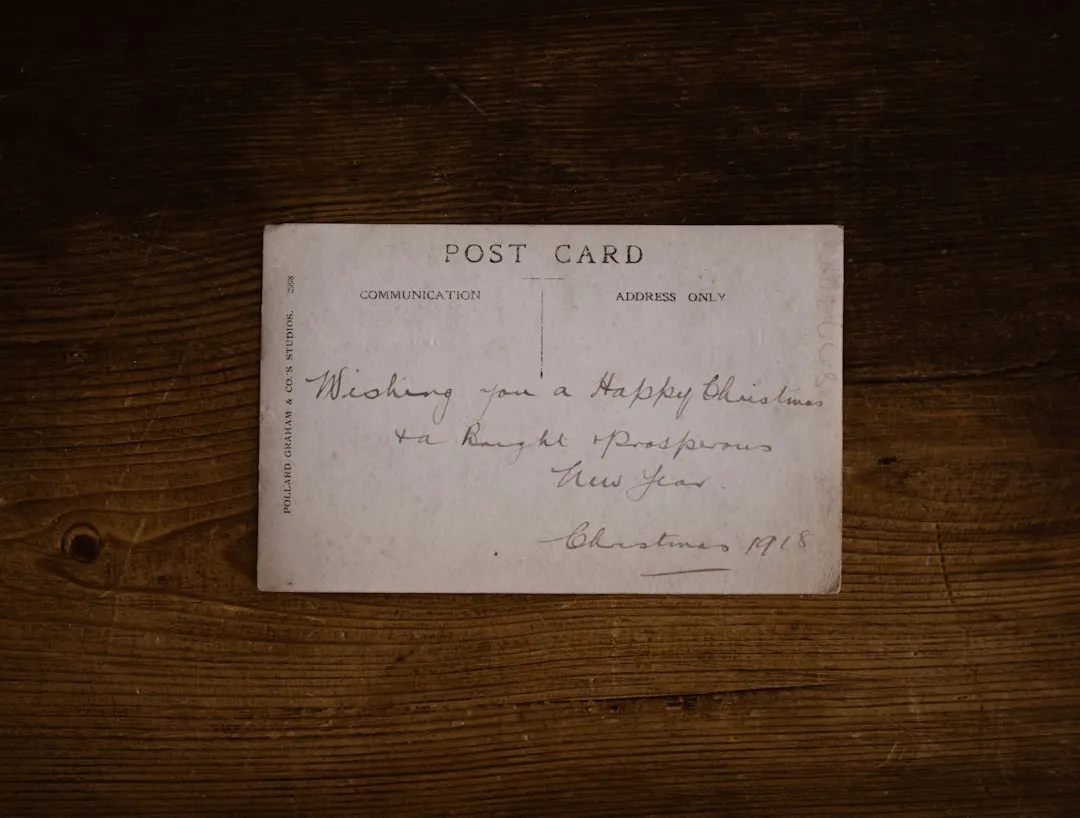
As telephones and rising postage costs made postcards less practical, more people started collecting them. In 1945, Ohio scholar Rendell Rhoades coined the term “deltiology,” from the Greek for “small illustrated card,” to describe the practice. The word gave a dignified name to what many had already been doing quietly for decades.
Clubs, fairs, and dealers sprang up, fueled by nostalgia and leftover stock from shuttered publishers. In 1979, The New York Times called deltiology “perhaps the fastest-growing hobby in the world.” That enthusiasm never entirely faded, and it speaks directly to why small-town postcard racks have retained their place.
The Quiet Resilience of the Postcard Market
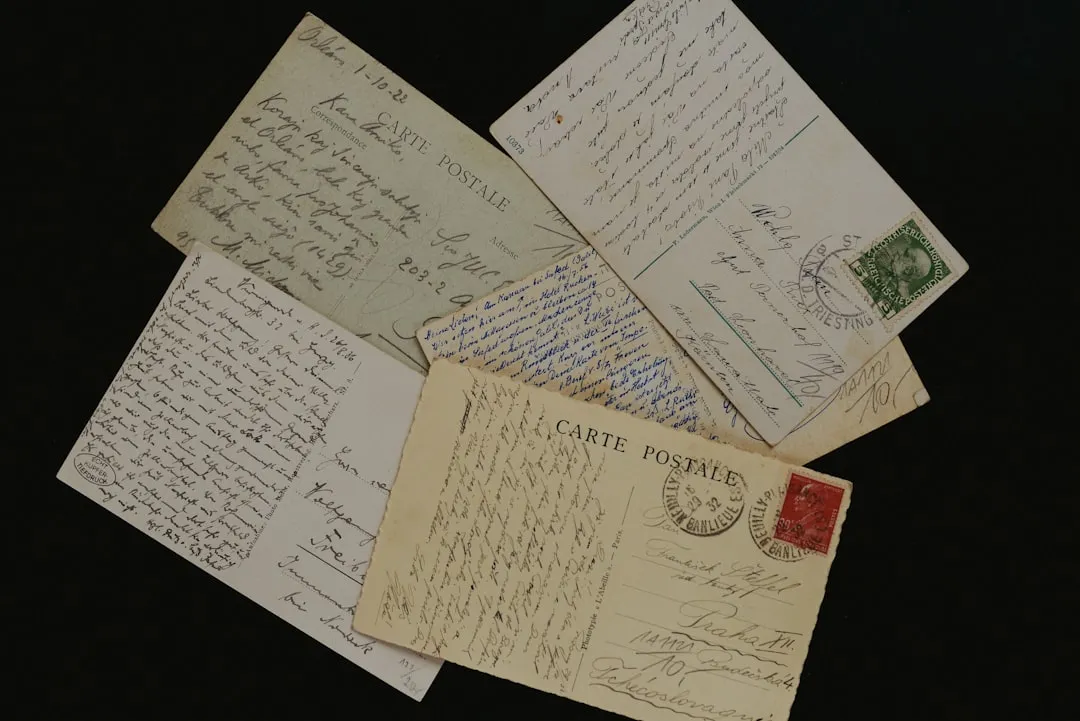
The postcard market was valued at nearly three billion dollars in 2025 and is expected to reach over four billion by 2034, growing at a compound annual rate of roughly four percent. Over twelve billion postcards were produced worldwide in 2024. That’s a number that tends to surprise people who assume the format has gone extinct.
In 2024, global consumption of printed postcards increased by nearly two percent, rising for the sixth consecutive year after two years of decline. Overall, total consumption grew at an average annual rate of nearly three percent over the preceding twelve-year period. The category is resilient in a way that few paper products have managed to sustain.
Small Towns and Tourist Attractions: The Last True Strongholds
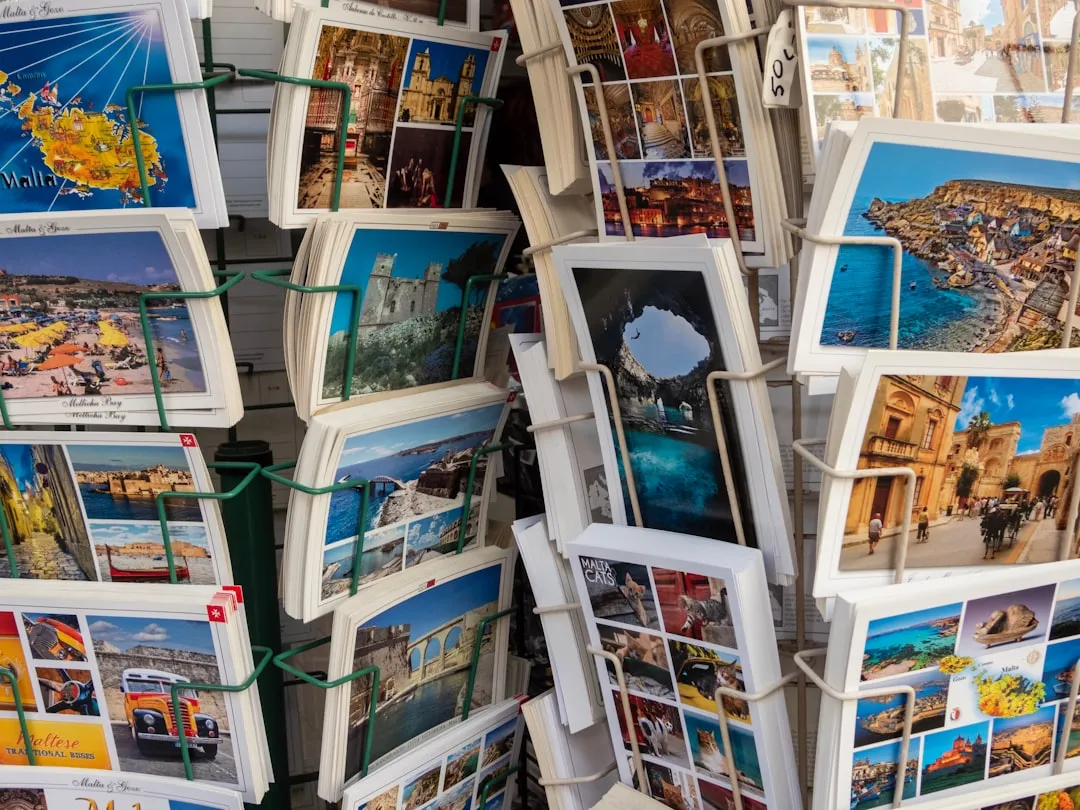
Retail stores account for roughly two-fifths of total postcard sales globally, while tourist attractions account for more than a third, online shops account for fifteen percent, and company marketing initiatives make up the remainder. In practical terms, that means local shops and local destinations remain the heartbeat of the industry.
The U.S. market for printed postcards is a mature yet evolving segment of the broader stationery and greeting products industry. This consumption level reflects the enduring role of physical cards in American social and commercial communication, encompassing everything from traditional tourist postcards and seasonal greeting cards to premium illustrated art cards. Small towns fit squarely into that picture, quite literally.
The Physical Object That the Internet Cannot Replace
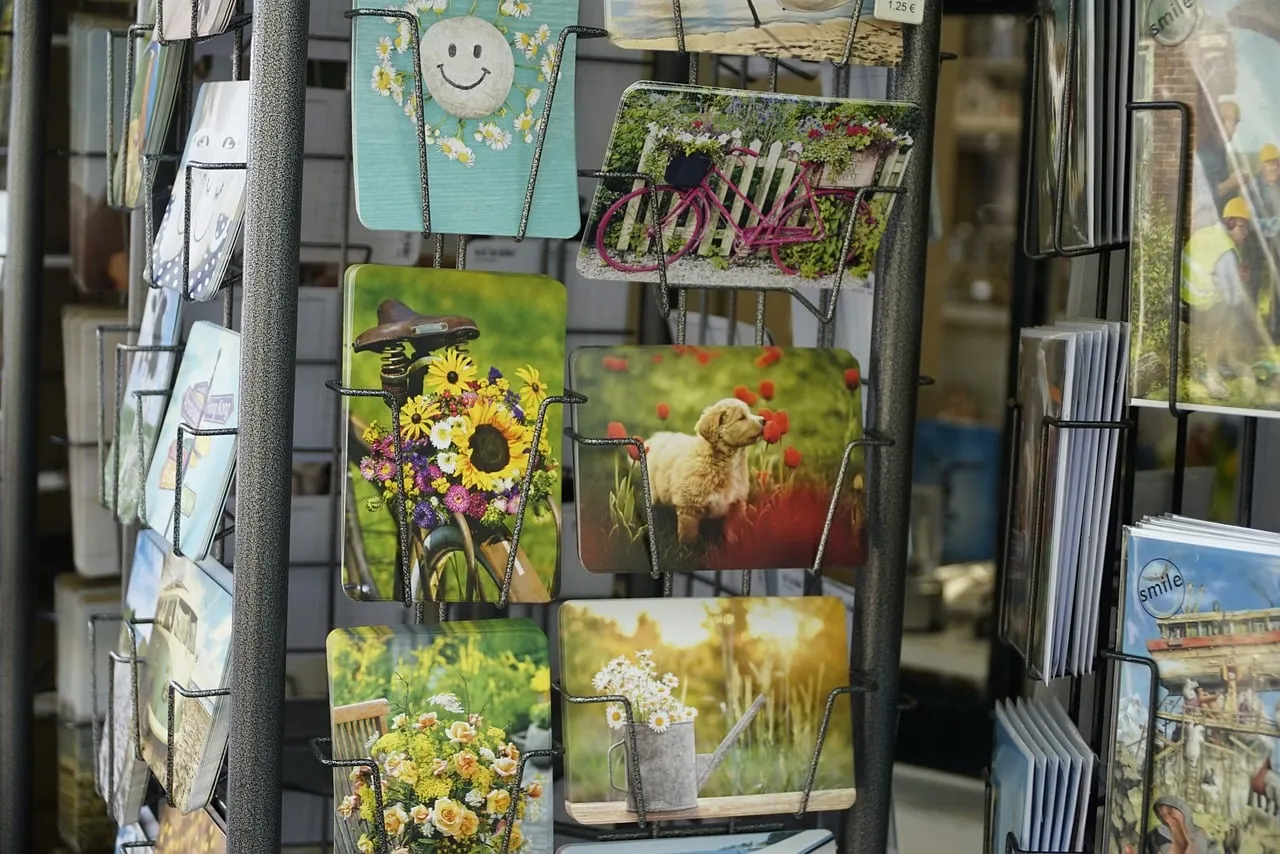
The internet can’t replace the physical nature of postcards. That observation, simple as it sounds, contains the core reason why wire racks still spin in general stores from Vermont to rural Oregon. A postcard is something you hold, write on, stamp, and send. The gesture carries weight in a way that a tagged photo simply doesn’t.
Postcards give collectors a perspective on how places change over the years. Others, especially those stressed by the daily news, will always be interested in the healthy escapism that postcards can provide. For many small-town visitors, picking one up is less about communication and more about holding a moment still.
Postcard Shows: A Living, Breathing Community
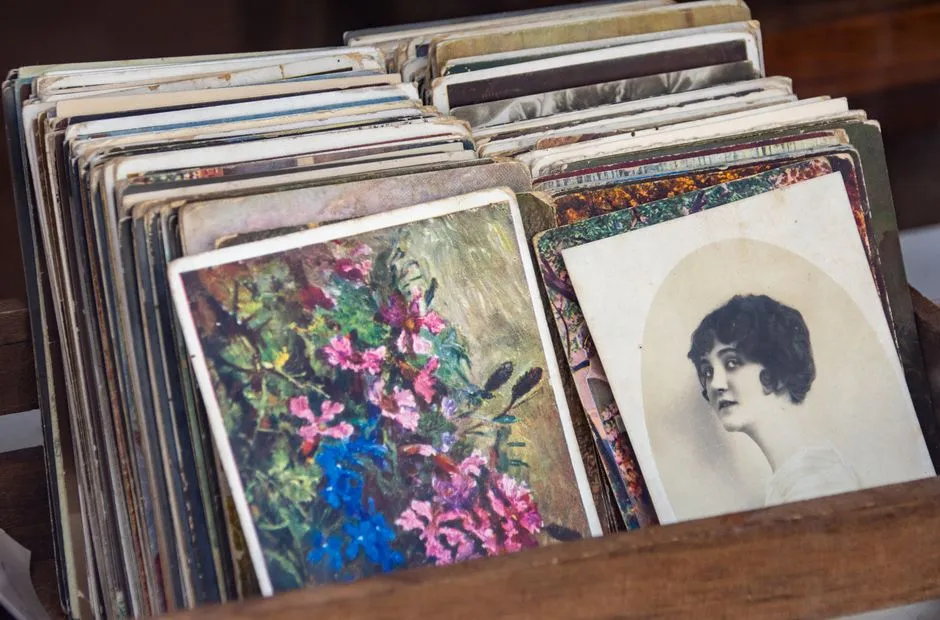
The passion for vintage postcards leads to events like the 2025 Land of Lakes Paper and Postcard Show, held at the Crystal Community Center, which was started by Mary L. Martin, a postcard dealer based in Maryland, and co-sponsored by the Twin City Postcard Club. Events like this one attract serious collectors from across the country.
There were around forty vendors at the show, selling antique maps, menus, and other paper collectibles, but the event was predominantly a vintage postcard show. The sheer density of activity at gatherings like this confirms that the community around old postcards is not a relic – it’s an active, engaged subculture. The broader calendar of postcard and paper shows in 2026 includes events in Denver, Detroit, and Havre de Grace, Maryland, among other locations.
The Collector’s Lens: Small Towns as Historical Documents
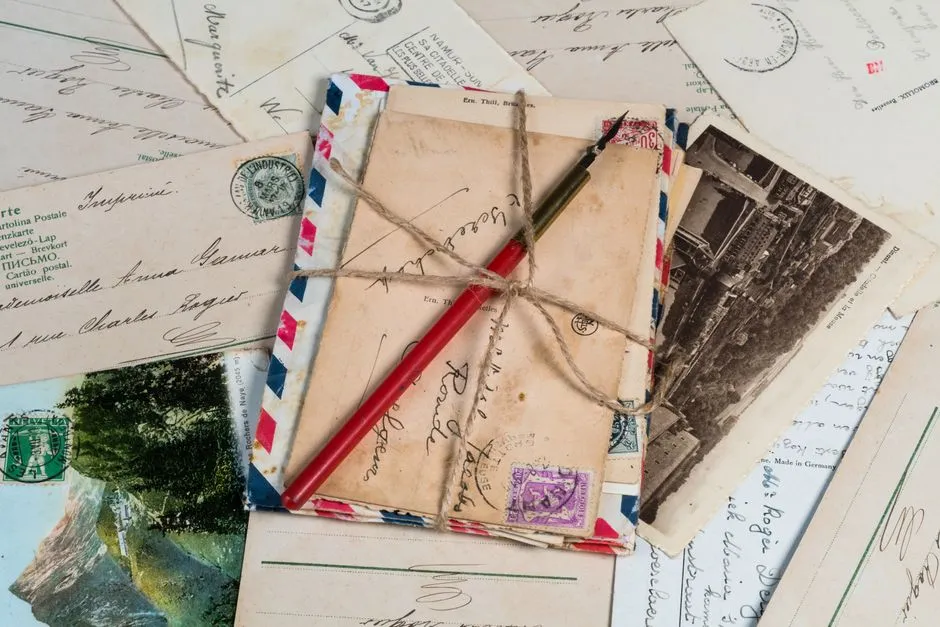
Postcard collecting, known as deltiology, is the hobby of collecting and studying postcards, with enthusiasts often seeking cards based on themes such as historical events, landmarks, vintage advertising, holidays, or geographic locations. For collectors focused on specific places, a vintage postcard of a small town’s main street in 1955 can be more informative than any written record.
Some collectors seek postcards that capture bygone eras, famous events, or architectural landmarks. Others are drawn to artistic styles, such as Art Nouveau or Art Deco designs featured on vintage cards. Local shops that maintain a rack of regional vintage cards occupy a genuinely important role in preserving that kind of visual memory.
The Psychology Behind Collecting in Uncertain Times
A 2024 study by University of Arizona marketing professor Martin Reimann found that collecting gives people a sense of structure and control, especially in uncertain times. That insight casts the postcard rack in a different light – it’s not just a nostalgic curiosity but something that serves a real psychological function for the people who stop to browse it.
Letter mail, including postcards, letters, and bills, declined by roughly half between 2014 and 2024. The status that postcards once provided – showing off where you’ve been and sharing that experience with friends and family – has largely been replaced by social media. Yet the fact that people still reach for a physical card suggests the replacement is incomplete. Something genuinely different happens when a piece of paper travels through the mail.
Why Some Small Towns Keep the Rack Stocked
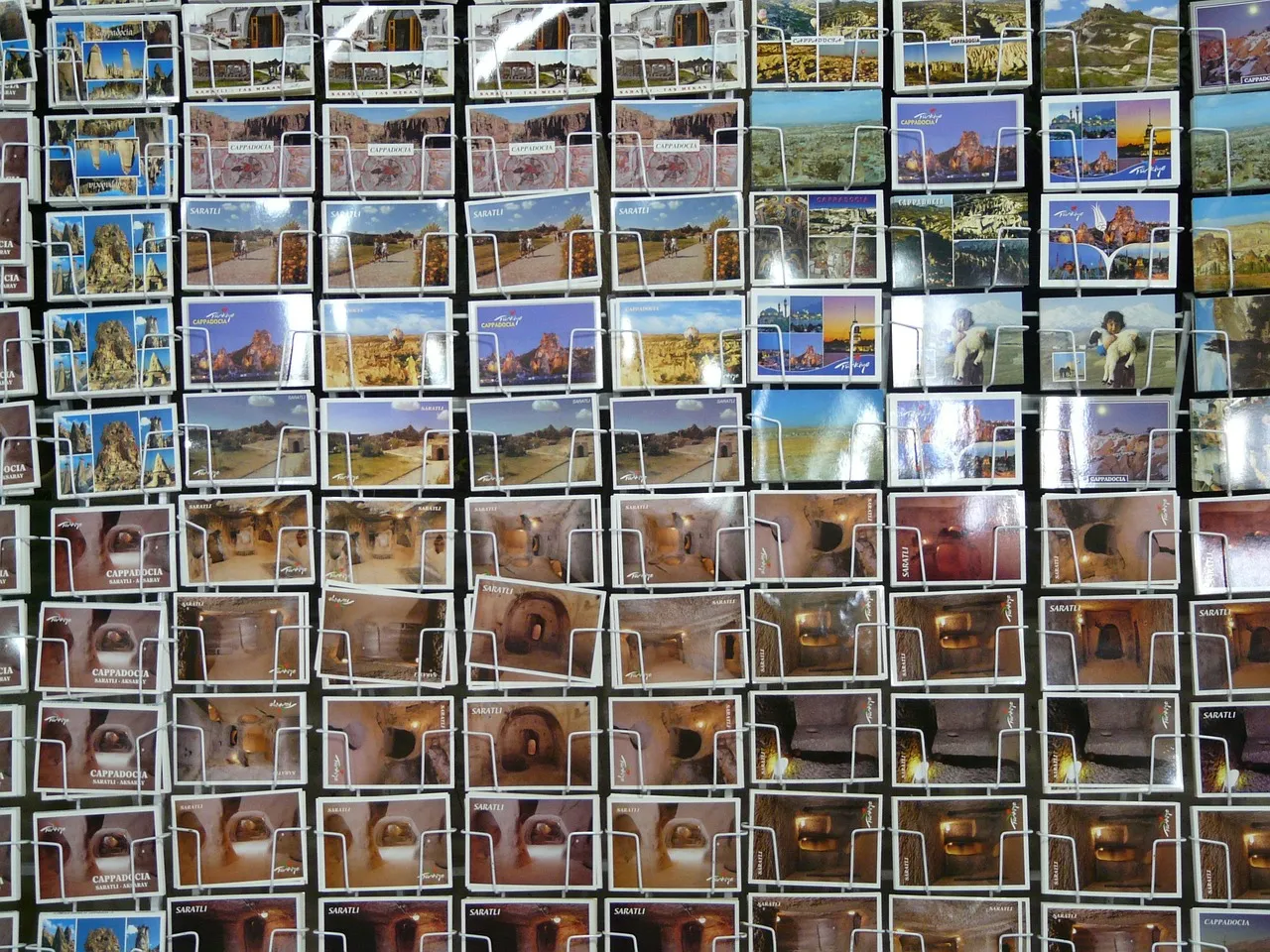
For locally owned shops, stocking a postcard rack is rarely a major business decision. It’s more of an inherited habit, a low-cost nod to the travelers and regulars who pass through. The margins are thin, the footprint is small, and the cultural signal it sends is outsized relative to its cost.
Seasonal sales, such as holidays and tourist seasons, influence roughly three-fifths of global postcard production. For small towns with a summer tourism season, that timing aligns naturally with peak foot traffic. A rack stocked in May and restocked in July earns its shelf space without much fanfare. The towns that keep it tend to view it as part of the welcome, not just the inventory.
The Generational Handoff: Who Buys Postcards Now
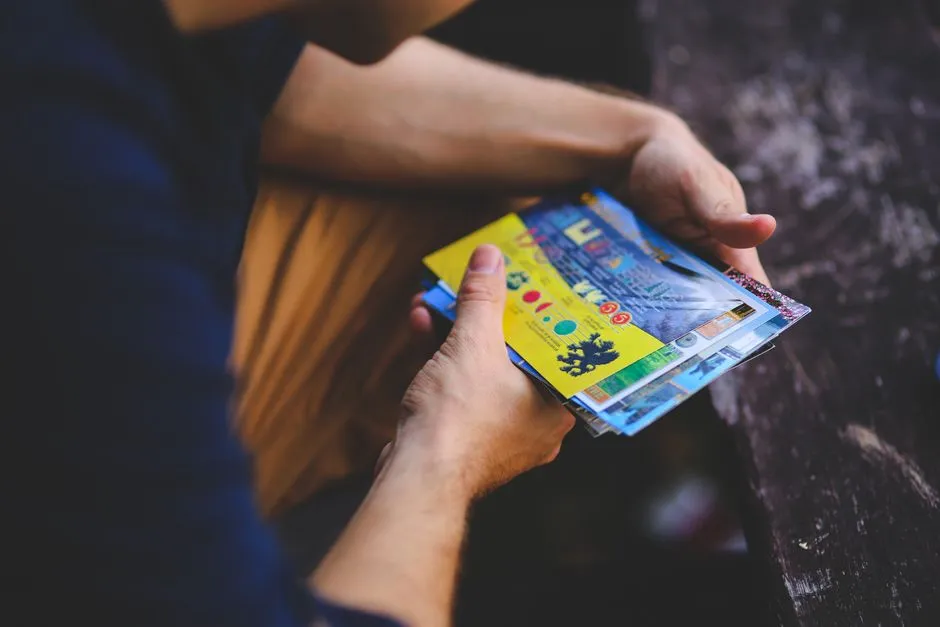
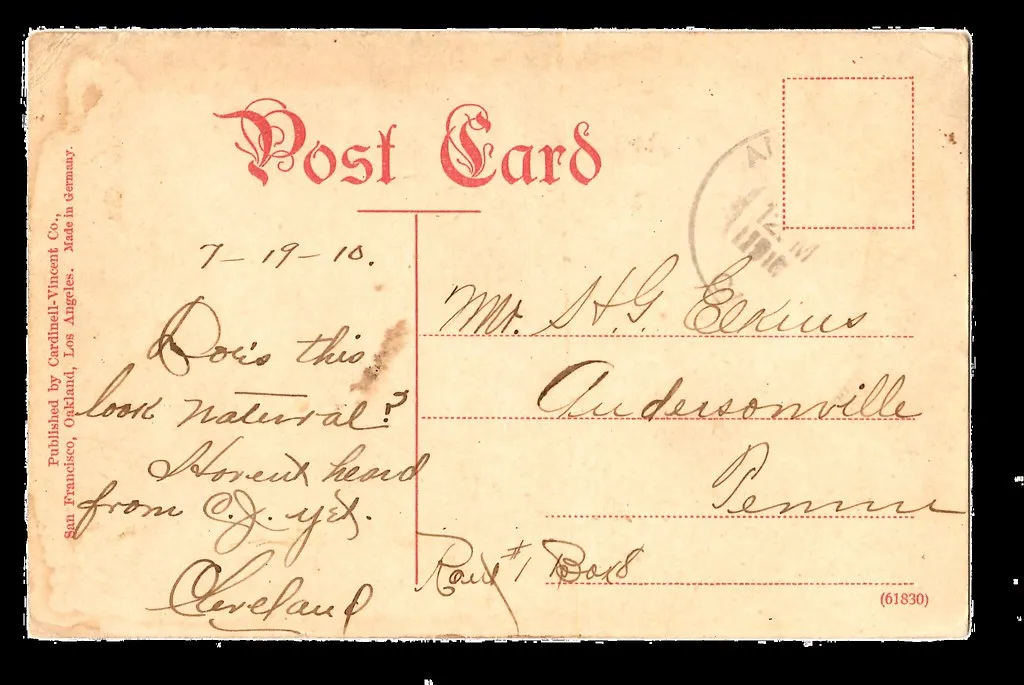
The buyers are more varied than you might expect. Older collectors still hunt for real photo postcards from the mid-twentieth century, scrutinizing the postmarks and handwriting on the back. Younger visitors, drawn to analog objects partly as a counterpoint to their digital lives, pick up cards to mail or frame or simply keep.
Even in the digital age, deltiology remains a beloved hobby. The charm of postcards lies in their ability to connect the past with the present, offering a glimpse into history while allowing collectors to appreciate artistry and nostalgia. That dual appeal, historical and sensory at once, is rare among physical objects. It’s part of why the rack earns its corner in the shop, generation after generation.
The Quiet Statement These Towns Are Making

Keeping a postcard rack stocked isn’t a business strategy. It’s closer to a value statement. The towns that do it tend to be the ones that still believe a visitor deserves a tangible piece of the place to take home – something that doesn’t require a charger or a login.
The period ahead will be defined by the industry’s adaptation to digital substitution and evolving consumer sentiment. The printed postcard and card market serves a dual purpose: functional communication and sentimental expression. Small towns, in holding onto the rack, are quietly insisting that the sentimental half still matters. Given how much of daily life has gone frictionless and ephemeral, that insistence feels less stubborn than it does considered.
The Takeaway
The vintage postcard rack is, in its modest way, a commitment. It says that some things are worth preserving not because they’re profitable or efficient, but because they carry meaning that newer formats haven’t quite figured out how to replicate. The towns that refuse to give it up aren’t behind the times. They’re simply holding something the rest of us keep forgetting to keep.
There’s still a version of travel that ends with finding the right card, scribbling a few lines on the back, and trusting the postal service to do the rest. It moves slowly. That’s the point.
AI Disclaimer: This article was created with the assistance of AI tools and reviewed by a human editor.