
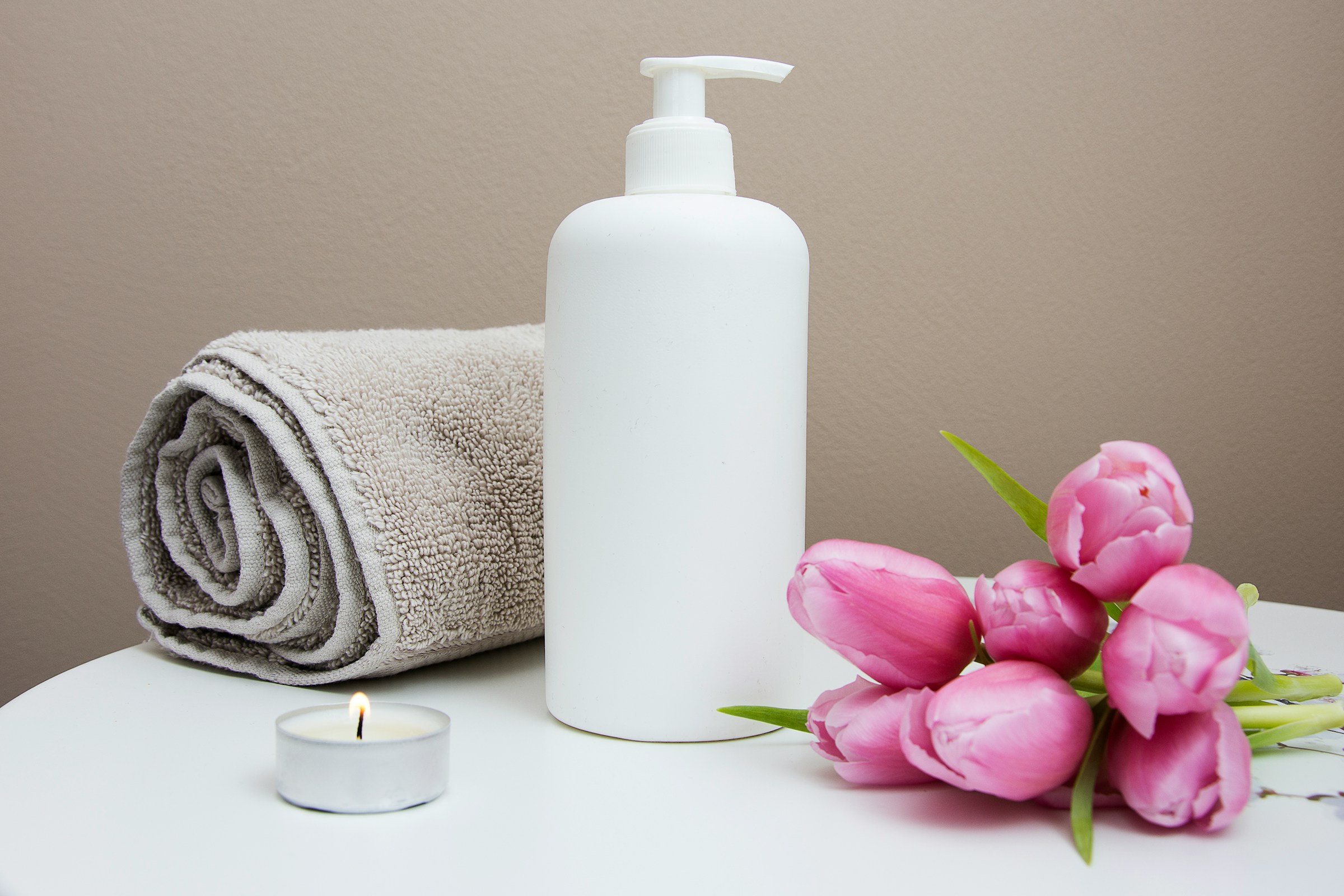

You book the massage. You show up, check in, sink into the table, and leave feeling wonderfully loose. Done, right? Not quite. Resort spas have quietly built entire worlds around their treatment rooms – thermal circuits, sensory chambers, recovery pools – that most guests walk straight past without a second glance. The booking confirmation rarely spells them out, and the front desk doesn’t always volunteer the details. So the amenities just sit there, underused and extraordinary.
What follows is a gallery of ten things spa therapists wish every guest actually found.
1. The Hydrotherapy Circuit: The Real Heart of the Spa
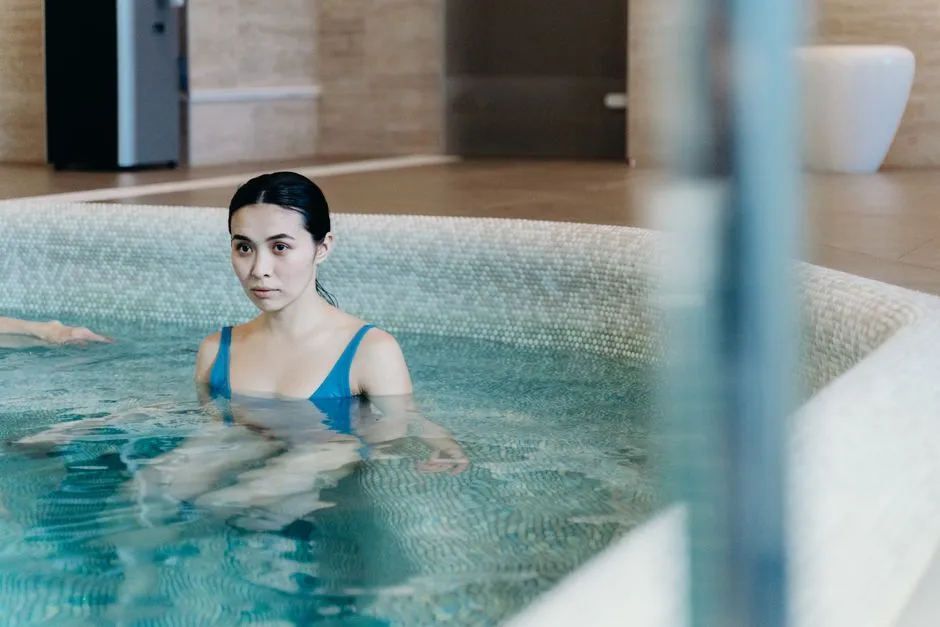
Ask a spa therapist what the single most overlooked feature is, and the hydrotherapy circuit comes up time and again. At resorts like NIZUC in Mexico, a guided hydrotherapy circuit comes complimentary with any booked treatment of sixty minutes or longer, yet an attendant still has to lead guests through it because most simply don’t know it exists. The circuit typically moves through hot pools, cold plunges, steam rooms, and experience showers in a deliberate sequence designed to maximise recovery.
Moving from one thermal suite to the next is designed to stimulate circulation, relieve pain, decrease stress, and rejuvenate the body. It’s not a passive soak. It’s a structured thermal journey, and skipping it means leaving the most medically informed part of your spa visit on the table.
2. The Thermal Suite: More Than Just a Sauna

In 2025, sauna culture exploded globally – from mobile pop-ups to traditional heat practices – and in 2026 that movement has evolved beyond simple heat-and-nature pairings into fully realized hydrothermal bathing circuits designed specifically for resort and urban environments. Most guests still think “thermal suite” means one sauna near the changing rooms. It rarely does anymore.
These environments typically include multiple sauna types, steam rooms, snow rooms or cold chambers, contrast pools, experience showers, and dedicated relaxation spaces. Facilities like this can occupy entire floors of a resort spa. Guests who book only a single treatment and leave early miss almost all of it.
3. The Infrared Salt Dome and Himalayan Salt Rooms
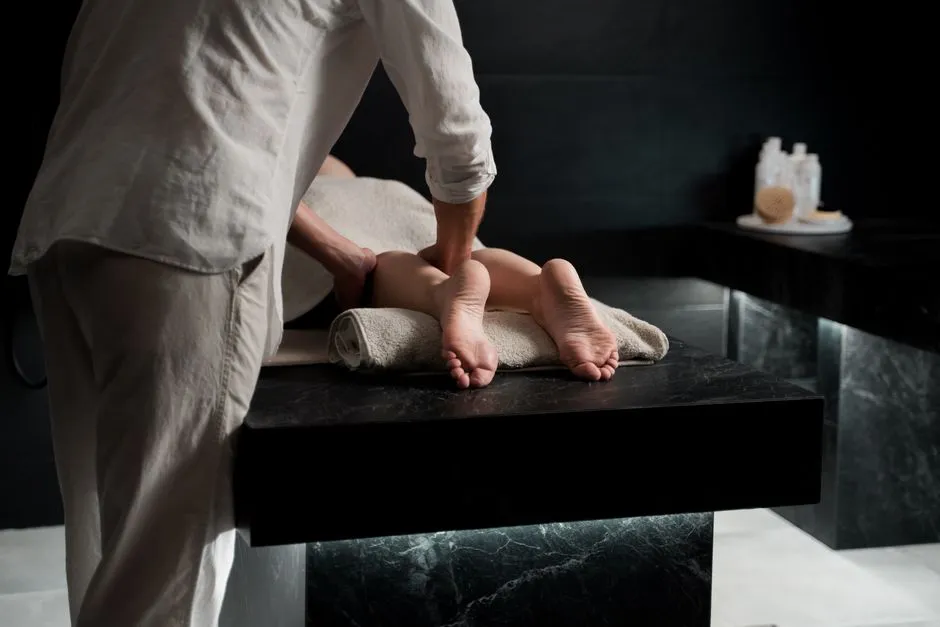
Spas are incorporating services and amenities not requiring a therapist, such as LED light therapy, Himalayan salt treatments, infrared saunas, cryotherapy, percussive therapy, and enhanced hydrotherapy. The infrared salt dome is one of the most striking of these: a warm enclosure lined with mineral-rich Himalayan salt tiles that emits gentle far-infrared heat rather than the sharp, dry heat of a conventional sauna.
Heat is the main focus in spaces like panorama saunas, infrared salt domes, and steam rooms, arranged to slow movement and encourage extended use. The key word there is “extended.” Spending twenty minutes in one of these rooms – rather than darting through on the way to a treatment – is where the real benefit begins. Most guests simply never linger long enough to find out.
4. The Cold Plunge and Contrast Therapy Pool

Compression therapy, cold plunge protocols, infrared saunas, and percussive massage are appearing in mainstream spa settings, aimed at anyone dealing with physical fatigue – and this reflects a broader cultural understanding that recovery is productive, something worth investing in. Resort cold plunges are typically set between around ten and fifteen degrees Celsius, a temperature that feels alarming at first but that most guests describe as genuinely transformative after sixty seconds.
The experience often proceeds with alternating hot and cold contrasts – an ice-cold deluge shower followed by a steam room session – with an attendant standing by during the cold plunge with a timer to encourage guests to reap the many health benefits while they breathe through the discomfort. The guided element matters enormously here. Without it, most guests skip the plunge entirely.
5. Locally Inspired Treatments Hidden in the Menu
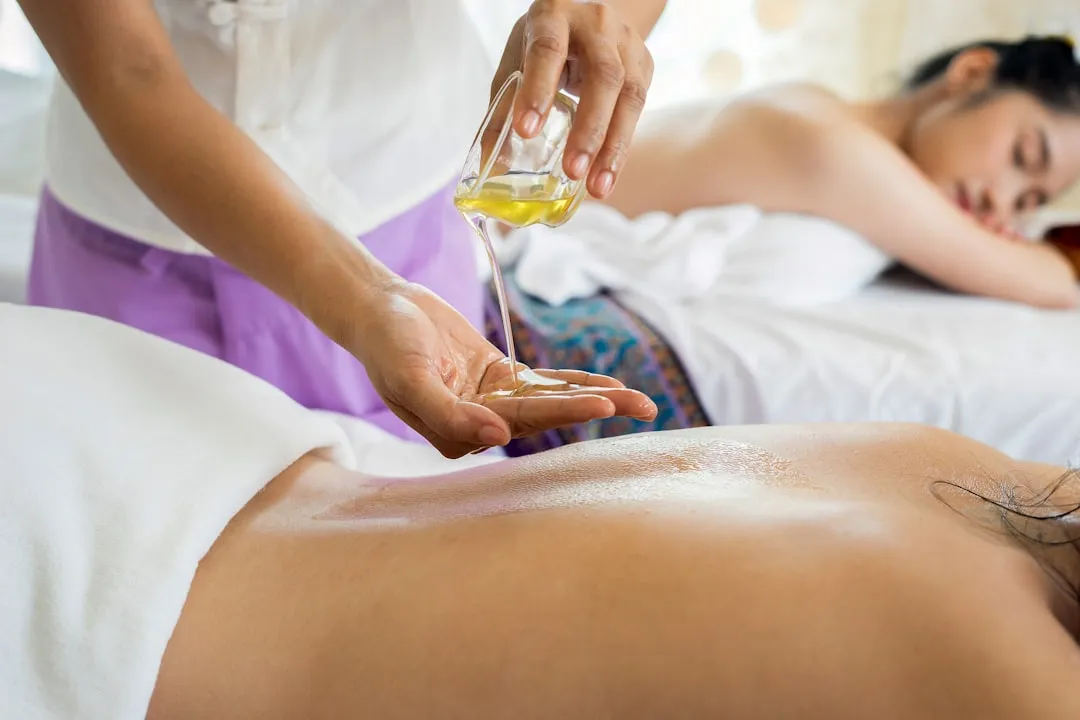
Today’s travelers are craving cultural immersion, and hotel spas are responding with locally inspired treatments, leveraging indigenous ingredients and regional traditions – think Hawaiian lomilomi massages incorporating native plants, or desert botanical facials with locally sourced cactus extracts. These treatments sit further down the menu, past the standard Swedish and deep-tissue options, and guests rarely scroll that far before booking.
A memorable example noted by Forbes Travel Guide inspectors involved a treatment that incorporated traditional steps such as bamboo leaves placed on the back and a heated herbal compress, with interesting techniques including massaging while stretching and reflexology on the feet – and it was the combination of local products and unexpected techniques that created a truly unique wellness experience. That kind of experience is only available to guests who ask specifically or read past page one of the treatment menu.
6. Sound Healing and Immersive Sensory Spaces
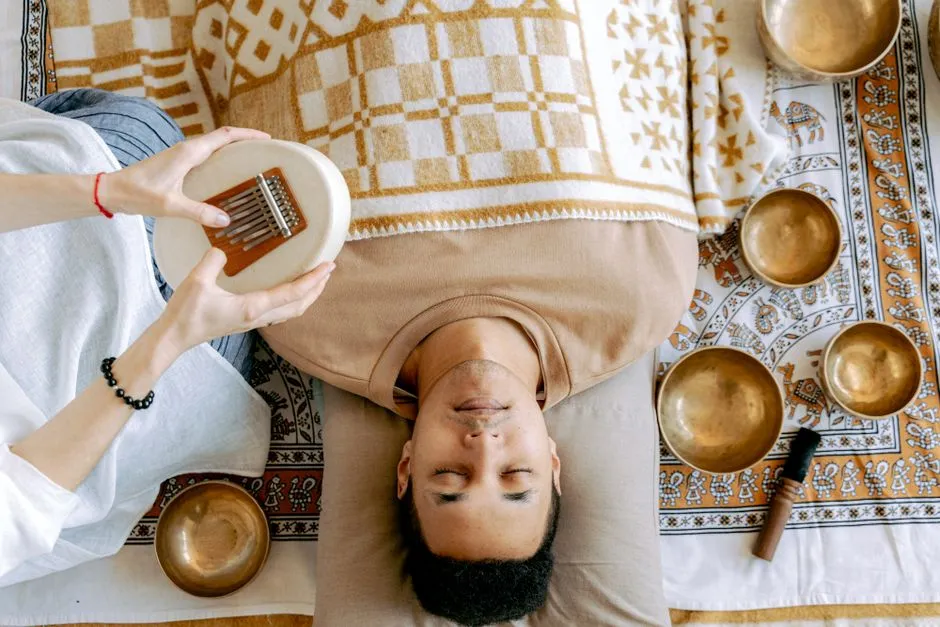
In 2025, immersive wellness – light, sound, scent, and visual storytelling – emerged as powerful tools for evoking awe and deepening emotional connection in spa environments. By 2026, many leading resort spas have embedded these elements not as occasional add-ons but as permanent infrastructure. Sound healing rooms, chromotherapy chambers, and guided meditation pods are now part of the architecture of a well-designed spa floor.
Forward-thinking spas are designing environments that engage more than just the skin, with curated soundscapes, chromotherapy lighting, scent layering, and thermal experiences that move between heat and cold as part of a considered treatment. Guests who associate spa visits purely with massage often don’t even register that these spaces are available to them, let alone step inside.
7. Recovery and Athletic Therapy Offerings
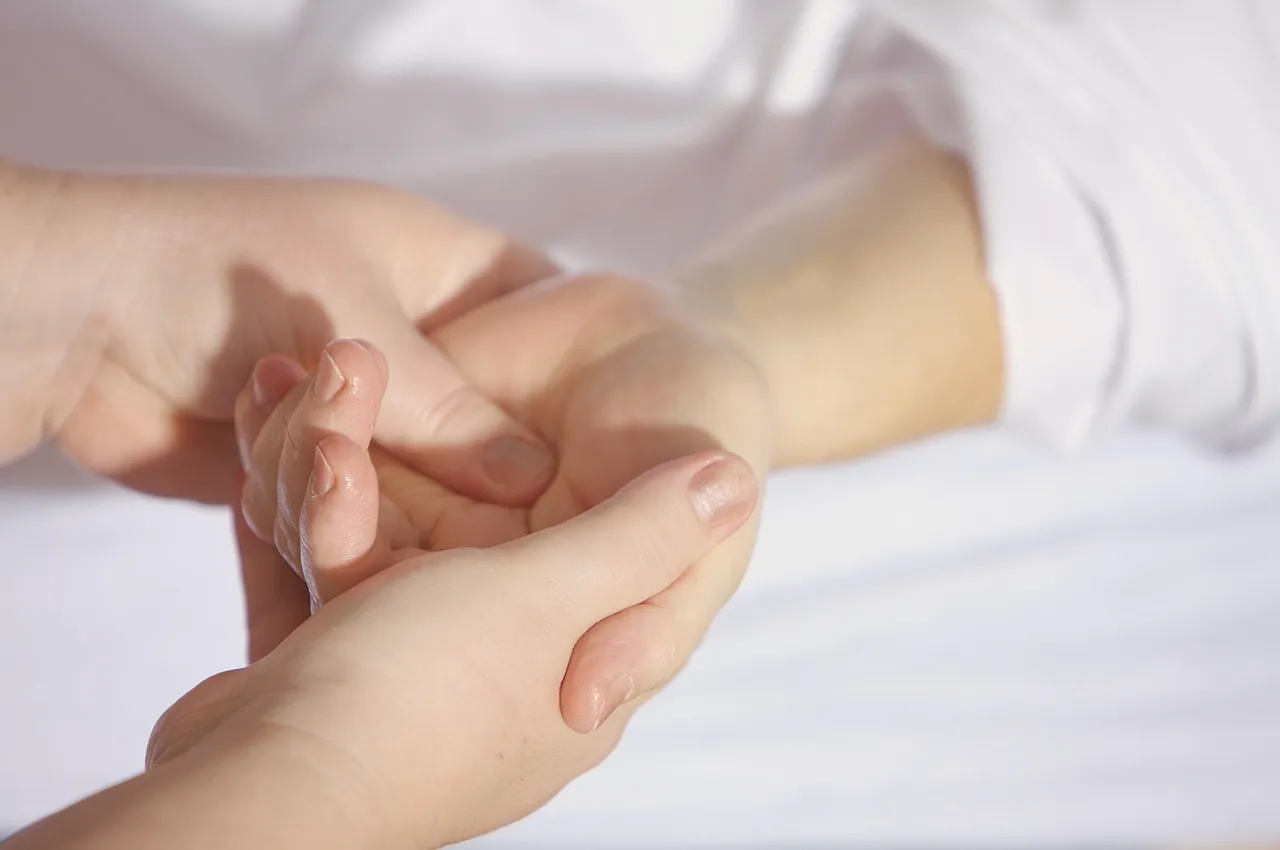
Hotels and hotel spas are catering to a growing wellness-focused demographic not only with fitness programming but with rest and recovery packages, such as the Zen Athlete Recover treatment at the Spa at Loews Arlington – a sports massage designed specifically for post-athletic activities and travel to improve flexibility and relaxation. These targeted recovery sessions are often buried in the “specialty treatments” section of the spa menu and go largely unnoticed by guests who assume they’re only for serious athletes.
At Arch’s Lupine Spa at the Viewline Resort in Snowmass Village, Colorado, guests can recover from high-altitude activities with oxygen and leg compression therapies. Leg compression therapy in particular – which uses pneumatic sleeves to flush lactic acid from tired muscles – is genuinely unfamiliar to most leisure travelers, even though it takes only thirty minutes and requires no prior fitness experience.
8. The Relaxation Lounge and Post-Treatment Amenities
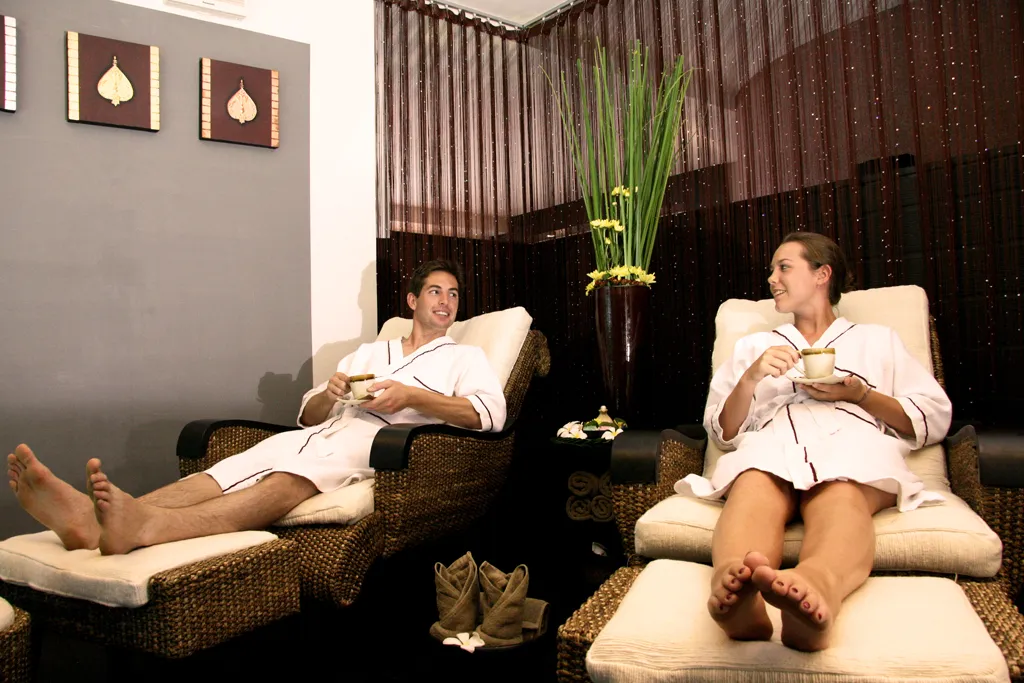
There’s a rhythm to a good spa visit that most guests accidentally skip. After a treatment, the body is in a heightened state of openness – circulation is elevated, muscles are soft, the nervous system is calm. This is exactly when the relaxation lounge, post-treatment teas, and quiet rooms do their most important work. Yet a surprising number of guests simply dress and leave.
A well-appointed spa’s wet facilities include heated benches, steam rooms, ice fountains, hot and cold pools, experiential showers, and saunas enhanced with essential oil aromas and LED lighting. Charcoal-activated water and detox infusions are available, and after treatments, snacks and tea are typically served. These post-treatment rituals aren’t incidental. They’re the final chapter of the experience, and rushing out early means the story ends mid-sentence.
9. Longevity and Skin Health Treatments Beyond the Standard Facial
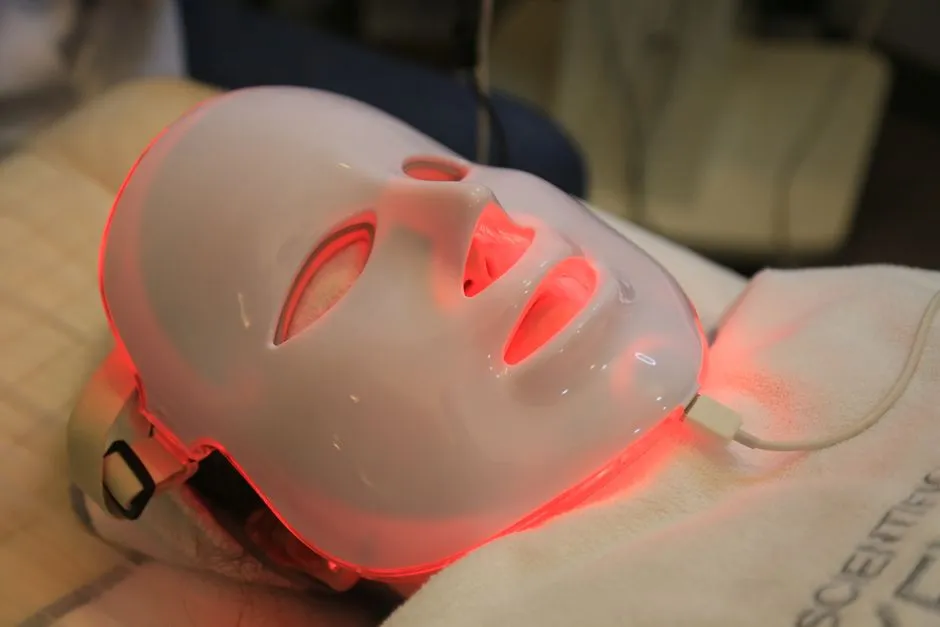
Longevity is one of the defining wellness conversations of this decade, and spas are responding with treatments carrying a cellular focus – lymphatic drainage, facial gua sha, NAD+ facials, and red light therapy – becoming more widely available outside clinical settings, with appeal that crosses generations. These treatments are relatively new to resort spa menus, which is partly why guests don’t think to ask for them.
Oxygen facials, mindfulness walks, herbology centers, on-site fitness classes, anti-aging creams and treatments, and sound therapy are additional wellness offerings provided by many of the country’s top-rated spas. The challenge is visibility. A guest who books only what they already know will always miss what’s quietly waiting around the corner of the menu.
10. Complimentary Spa Access Included with Your Room Rate

This is perhaps the most quietly frustrating oversight of all: a full thermal suite, sauna, steam room, relaxation pool, and experiential showers that are included in the resort stay, accessed by almost no one. The Thermal Hydrotherapy Circuit at Carillon Miami Wellness Resort, for instance, is open daily to all hotel guests and residents. Many comparable resorts offer the same access without advertising it loudly. Guests simply don’t ask.
Comfortable beds, a convenient location, and an on-site gym or pool continue to be top draws for resort guests – but properties with a spa that features a variety of health and wellness offerings has become increasingly important to frequent travelers. The gap between what a resort spa offers and what guests actually use remains wide. Asking one simple question at check-in – “What’s included with the spa?” – can close that gap entirely.
The Takeaway
Resort spas have grown far more sophisticated than their menus suggest, and the most valuable experiences are rarely the ones guests arrive already knowing about. The hydrotherapy circuit, the infrared dome, the sound healing room, the complimentary thermal access – these aren’t premium add-ons. They’re already there, waiting.
The next time you check into a resort, skip the immediate rush to the treatment room and spend five minutes at the spa reception asking what’s available beyond the massage menu. What you find might redefine what you thought a spa day could actually be.
AI Disclaimer: This article was created with the assistance of AI tools and reviewed by a human editor.