
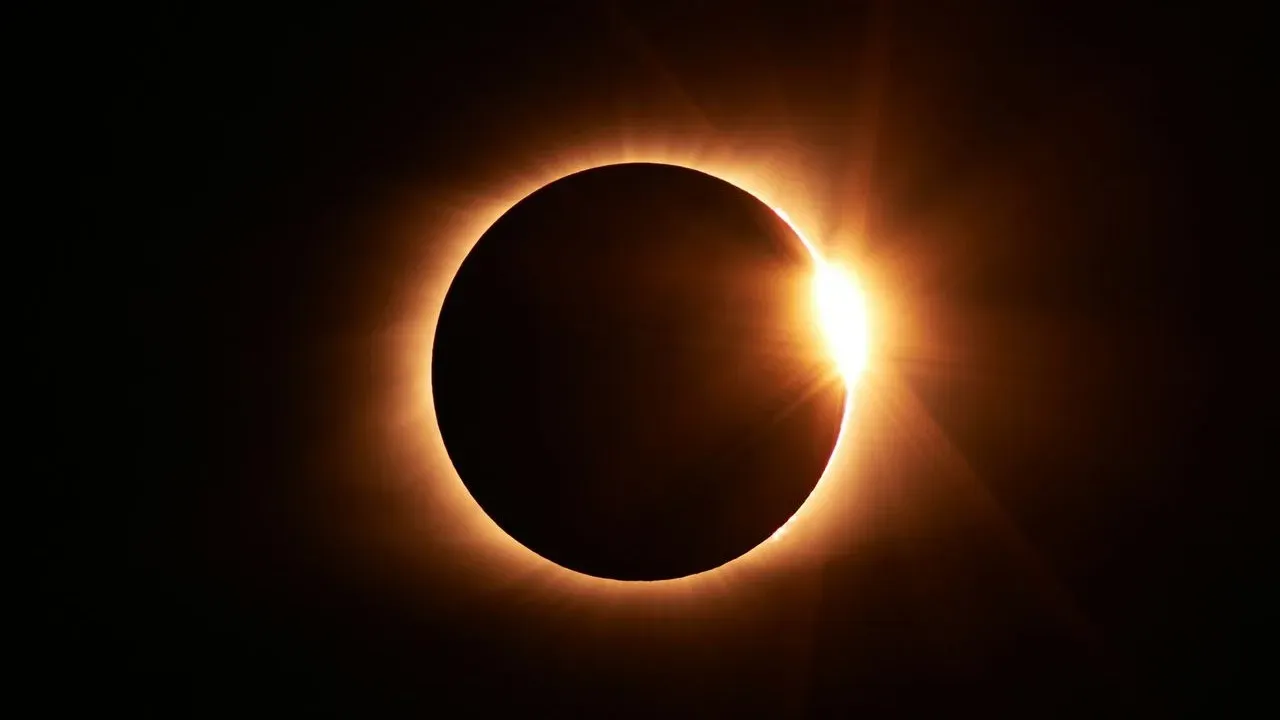

On August 12, 2026, the only total solar eclipse of the year moved across the Northern Hemisphere. Its narrow path of totality brought a sudden, striking twilight to select stretches of Greenland, Iceland, and northern Spain. Observers who positioned themselves along that corridor experienced a shared moment of quiet awe as daylight gave way to an unexpected dusk.
Preparing for a Rare Alignment
Advance planning proved essential for those hoping to stand inside the path of totality. Clear skies and precise timing determined whether the full effect would appear, and many travelers coordinated with local operators who understood the terrain and seasonal conditions. The event drew people who value purposeful journeys, often combining the celestial viewing with time spent learning about the regions they visited.
Local communities in these northern areas hosted visitors with measured hospitality. Guides emphasized low-impact practices, from staying on established trails to supporting small businesses that already operate with sustainability in mind. The result was an experience that felt both intimate and respectful of the places involved.
Greenland’s Quiet Vastness
In Greenland, the eclipse unfolded over ice-scoured landscapes and small settlements where daylight can stretch for weeks in summer. Viewers described the sudden drop in temperature and the way the horizon seemed to pull closer as the moon covered the sun. Those who traveled there often extended their stays to learn about Inuit traditions and the changing Arctic environment from residents who have lived with these cycles for generations.
Responsible operators in the region encouraged travelers to arrive with minimal gear and to leave no trace beyond photographs and memories. The combination of the eclipse and Greenland’s scale created a setting where the celestial event felt especially profound against the backdrop of ancient ice and open tundra.
Iceland’s Dramatic Terrain
Iceland offered another striking vantage. The path crossed volcanic highlands and coastal areas where geothermal activity and rugged cliffs already draw visitors year-round. During the eclipse, the familiar landscape took on an unfamiliar cast, with steam rising from hot springs under a darkened sky. Many who came for the event also spent time exploring the island’s emphasis on renewable energy and careful land stewardship.
Travelers noted how local hosts integrated the eclipse into existing cultural rhythms rather than treating it as a standalone spectacle. This approach allowed the celestial moment to complement Iceland’s long-standing relationship with its dramatic natural surroundings.
Northern Spain’s Unexpected Window
Farther south, northern Spain provided the southernmost reach of the path of totality. Here the eclipse appeared over historic towns and rolling countryside that contrast with the more remote northern locations. Visitors who reached this segment often combined the viewing with walks through centuries-old villages and conversations with residents about regional traditions.
The experience in Spain highlighted how a single astronomical event can connect widely different landscapes and communities. Travelers who planned thoughtfully found opportunities to support local economies while keeping their footprint light, whether through public transport or stays in smaller accommodations.
Looking Ahead After the Moment
The 2026 eclipse served as a reminder that some of the most memorable travel experiences arise from aligning personal curiosity with natural cycles. Those who witnessed it returned home with a deeper appreciation for the places that briefly stood in the moon’s shadow. Future opportunities to observe similar events will again call for the same care in planning and respect for the destinations involved.
AI Disclaimer: This article was created with the assistance of AI tools and reviewed by a human editor.