
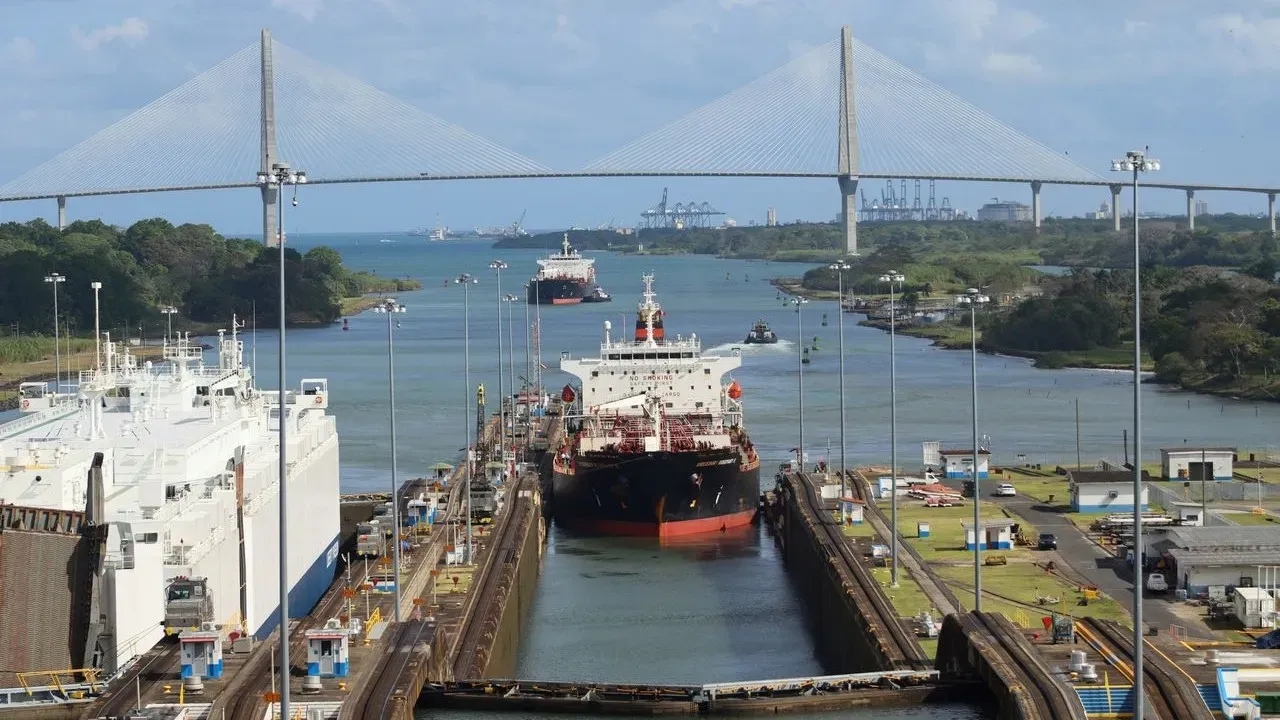

Panama offers travelers far more than its world-famous waterway. The country’s blend of Caribbean and Pacific coastlines, highland forests, and living Indigenous cultures creates a destination that rewards slow, respectful exploration. Many visitors arrive expecting only the canal yet leave with a deeper appreciation for a nation that remains one of Central America’s best-kept secrets.
The Canal as an Entry Point
The Panama Canal stands as an engineering marvel that continues to shape global trade. Ships from around the world still pass through its locks each day, offering a tangible link between oceans. Yet the waterway serves best as a starting point rather than the sole focus of a visit.
Travelers who linger in nearby Panama City can explore the restored colonial district of Casco Viejo, where centuries-old architecture meets contemporary life. This contrast sets the stage for journeys that extend well beyond the locks.
Caribbean and Pacific Coastlines
Panama’s dual coastlines deliver distinct experiences shaped by different waters and rhythms. On the Caribbean side, Bocas del Toro features scattered islands surrounded by clear turquoise seas that support vibrant marine life. Further east, the San Blas archipelago remains home to the Guna people, whose communities maintain traditional governance and stewardship of their islands.
The Pacific coast, by comparison, presents broader beaches and different ecosystems that reward quieter observation. Together these shores illustrate the country’s remarkable geographic range within a compact area.
Highland Forests and Trails
Inland, the cloud forests around Boquete provide a cooler counterpoint to the coasts. Mist often clings to the slopes, supporting dense vegetation and a variety of bird species. Well-maintained trails lead through these highlands, allowing visitors to experience the region’s biodiversity at a measured pace.
Local guides frequently share knowledge of the area’s ecology, helping travelers understand the importance of preserving these fragile environments. The change in altitude and climate offers a natural transition between coastal and mountain landscapes.
Indigenous Heritage and Living Traditions
Panama’s cultural depth stems in large part from its Indigenous communities. The Guna in San Blas, the Ngäbe-Buglé in the western highlands, and other groups continue to practice languages, crafts, and governance systems that predate modern borders. Respectful engagement with these communities requires advance preparation and adherence to local protocols.
Travelers who approach with genuine curiosity rather than expectation often find opportunities for meaningful exchange. Such encounters underscore the value of supporting Indigenous-led tourism initiatives that keep benefits within the communities themselves.
Practical Access for U.S. Travelers
Direct flights from several major U.S. cities reach Panama City in roughly four to six hours, making the country notably convenient for North American visitors. English is widely spoken in tourist areas, and the U.S. dollar serves as legal tender, simplifying transactions. Public buses, domestic flights, and small boats connect the capital to coastal and highland regions.
\Those planning extended stays benefit from researching seasonal patterns and obtaining any necessary permits for protected areas in advance. This accessibility allows travelers to focus on responsible pacing and cultural sensitivity rather than logistical hurdles.
AI Disclaimer: This article was created with the assistance of AI tools and reviewed by a human editor.