
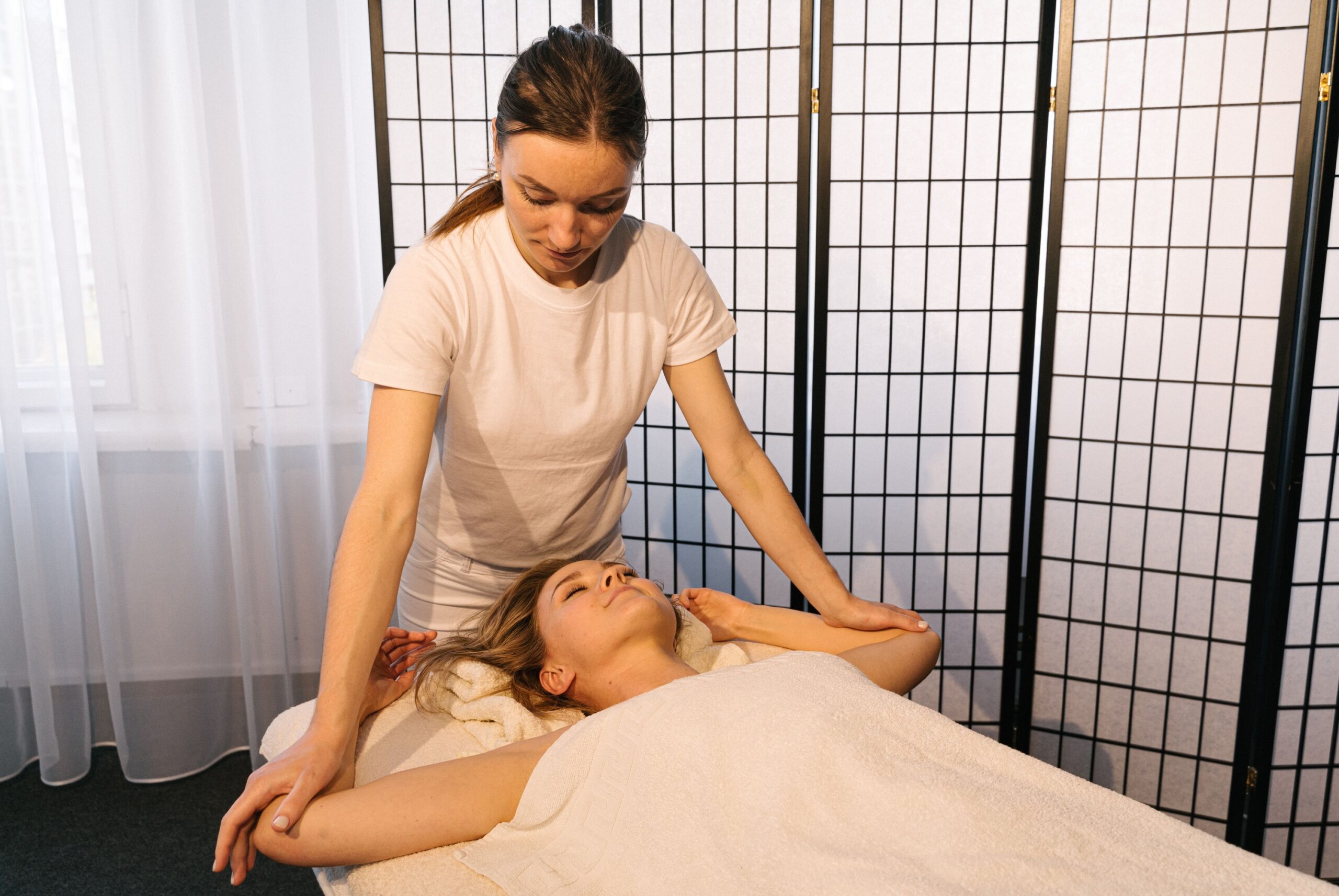

There’s a quiet art to getting the most out of a resort massage. Most guests arrive, lie down, and leave satisfied, yet a little uncertain whether they truly got everything the session had to offer. The ones who walk out genuinely transformed almost always did one thing differently.
That thing is simpler than most people expect. It’s not about spending more, booking longer, or choosing a fancier menu item. It comes down to what you say, when you say it, and how much you’re willing to let your therapist actually do their job.
Tell Your Therapist Exactly Where It Hurts
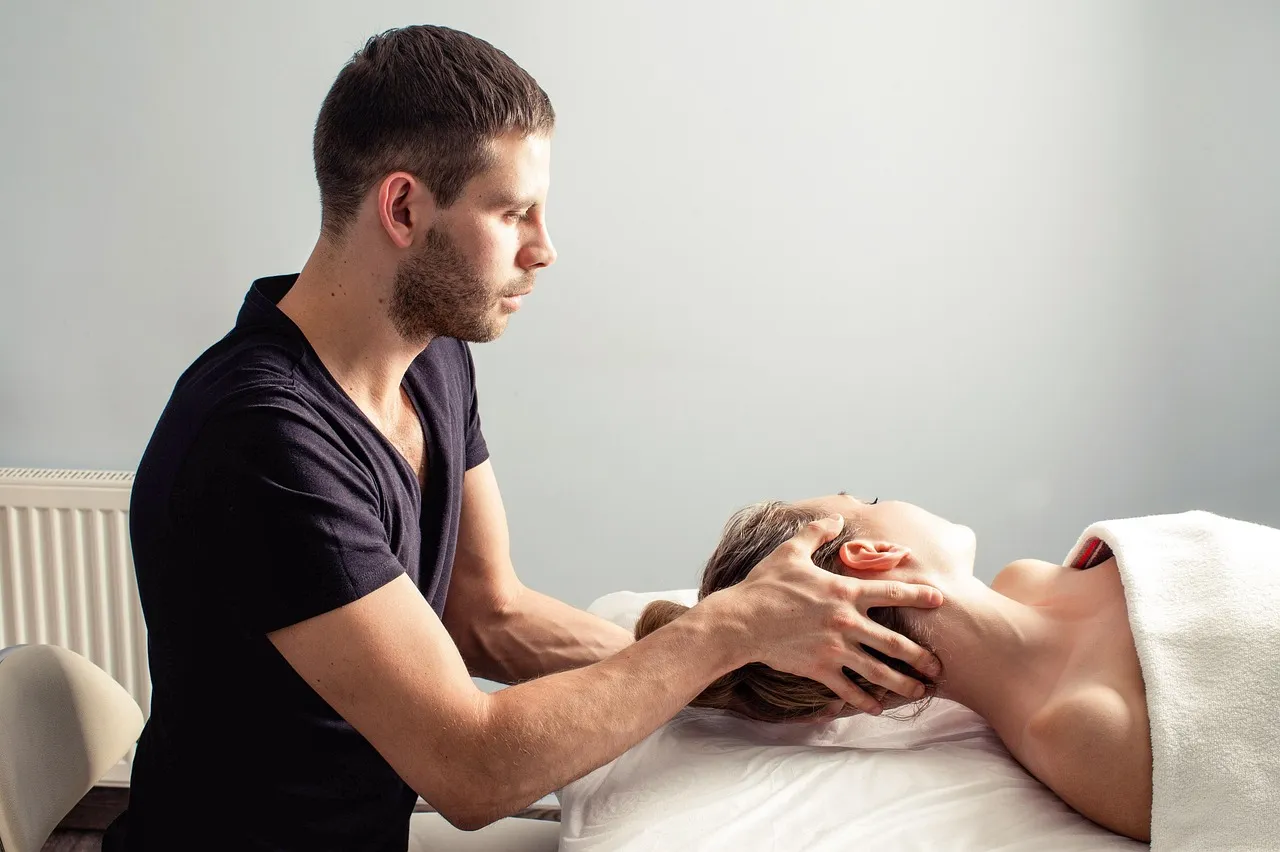
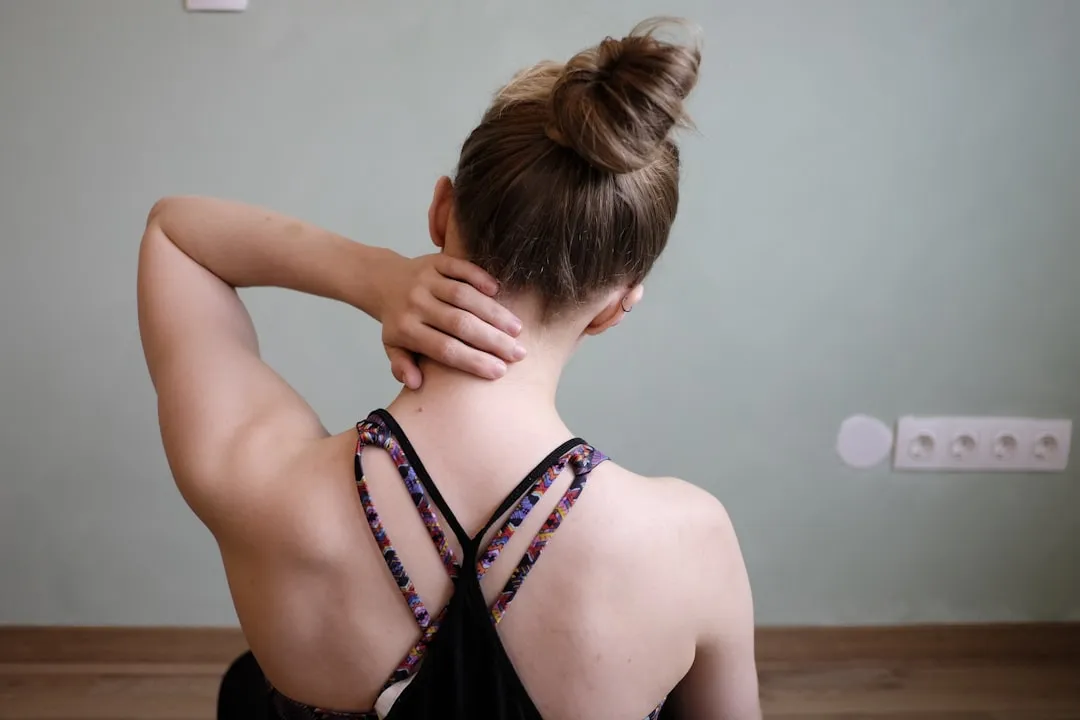
If you have a tight neck and shoulders from sitting at a desk all day, letting your therapist know can help them focus on those areas. This sounds obvious, but most guests at resort spas stay quiet, assuming the therapist will find the problem spots through intuition alone. They won’t always, and they shouldn’t have to guess.
Your massage therapist is there to ensure that your session is tailored to your specific needs and preferences, so don’t hesitate to communicate any areas of tension, discomfort, or sensitivity, allowing them to customize the pressure and techniques accordingly. A minute of honest conversation before the session begins can completely reshape how those sixty minutes unfold.
Ask for a Personalized Pressure Level Before You Start

If you prefer a lighter touch due to sensitivity or pain, communicating this can ensure that the pressure used during the massage is comfortable and effective. Pressure preference is deeply personal, and what feels like a medium to one person can feel brutal to another. Resort therapists are trained to accommodate a wide range, but only if they know where to land.
Moreover, providing feedback during the massage is equally important. If the pressure is too intense or not sufficient, if you feel pain, or if you need a specific area to be addressed, speaking up will help your therapist adjust their technique. The session is yours. Adjusting midway through is not rude, it’s expected.
Request a Customized Aromatherapy Blend
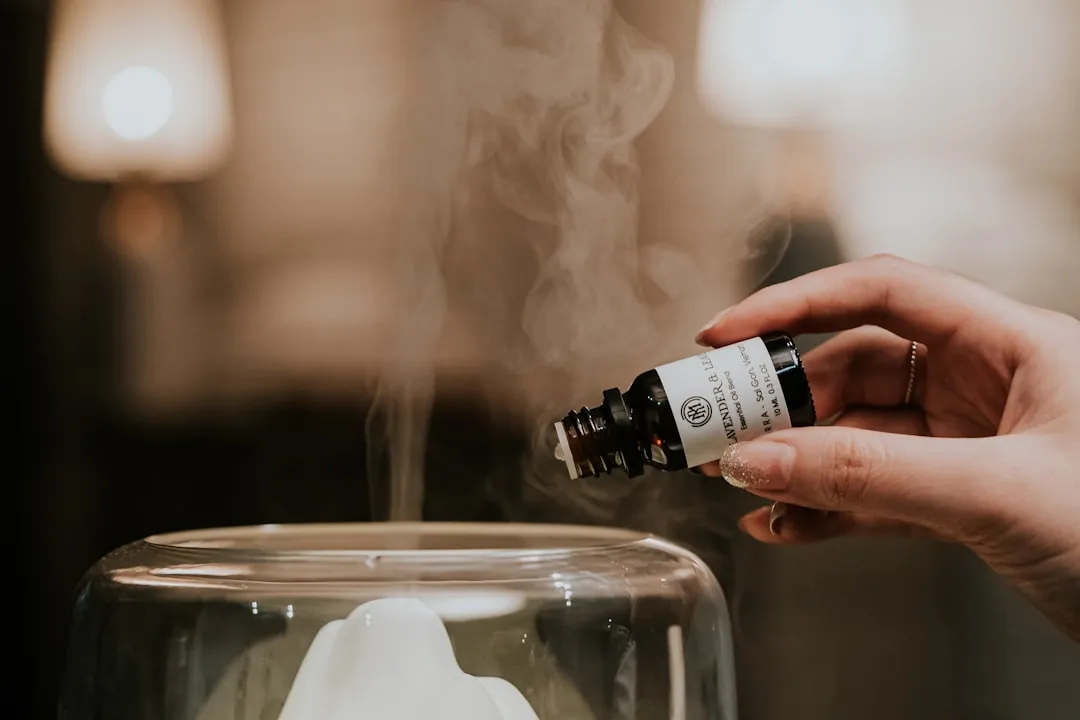
Custom aromatherapy enhancements as an add-on upgrade any massage with a personalized essential oil blend chosen for the guest’s needs, whether calming, energizing, grounding, or respiratory support. Most guests don’t realize this level of customization exists, because it often isn’t listed prominently on the menu.
Guests love the personalization, and it’s one of the easiest entry points to trending multi-sensory experiences. Simply asking which oils are available and what each one does can open up a genuinely more immersive experience. Therapists at quality resort spas tend to appreciate guests who engage with this part of the process.
Inquire About Hot Stone Add-Ons, Even If They’re Not on the Menu
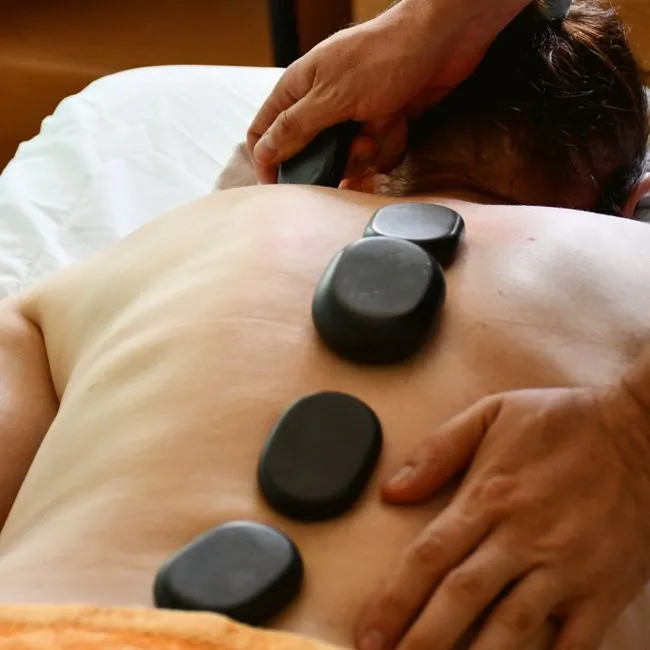
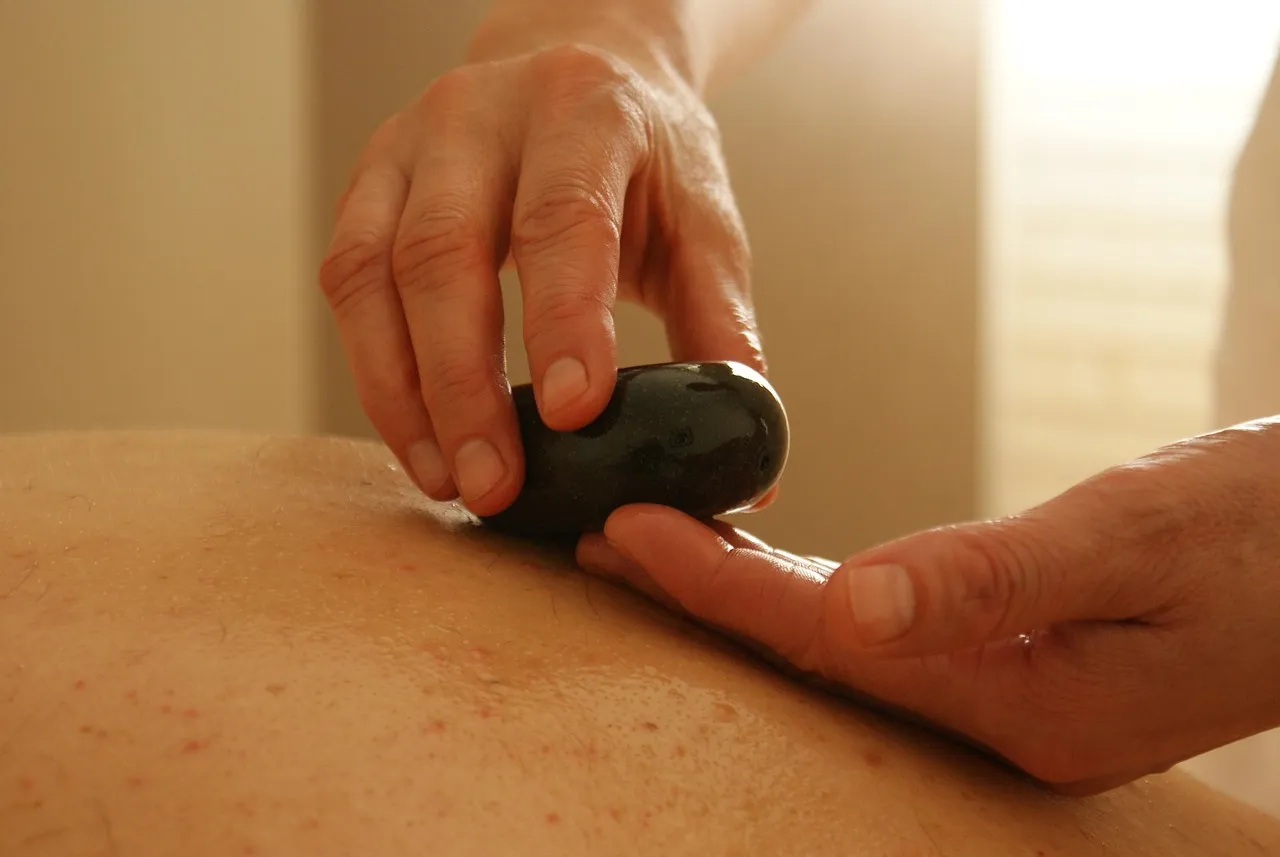
Hot stone massages are one of the most popular massage add-ons, and they’re easy to integrate into a regular massage session. Using heated stones on pressure points helps to release deep muscle tension, making it a natural option for clients seeking relief from chronic pain or stress. Many resort spas keep the stones heated and ready throughout the day, even when they’re not formally booked as part of a treatment.
Some spas treat hot stones as a separate add-on over a base massage, while others include it in the session price. Asking about availability at check-in, rather than at the end of your session, gives the therapist time to prepare. The heat from the stones penetrates deep into the muscles, enhancing the massage’s effectiveness and providing a unique sensory experience.
Set Clear Goals, Not Just a Vibe
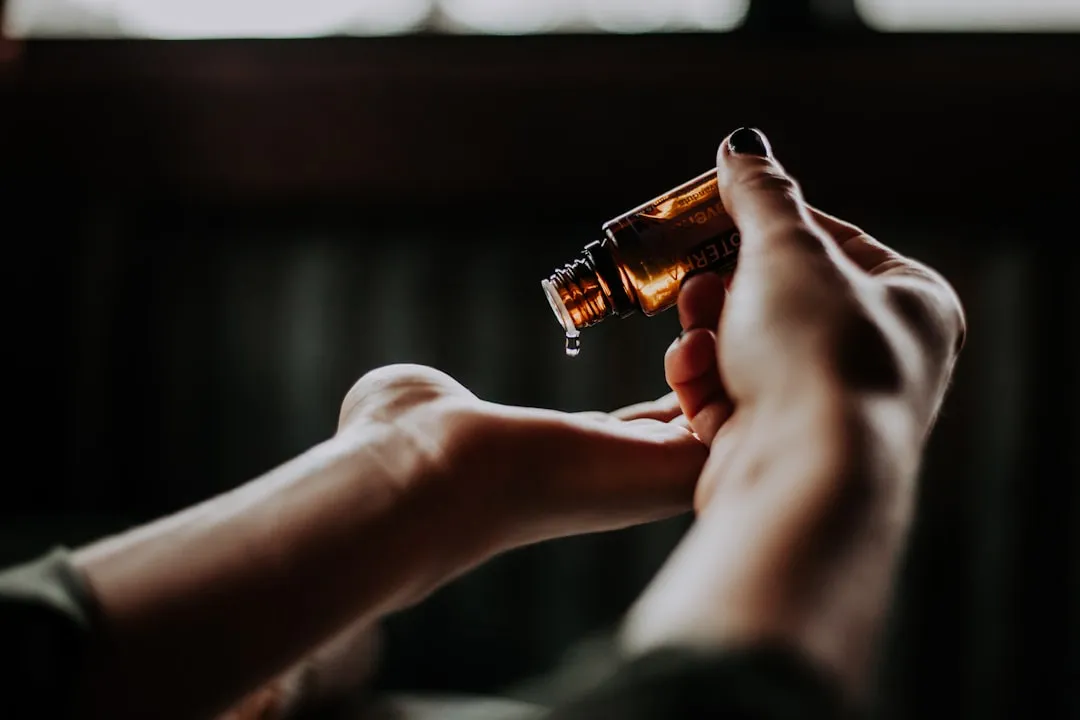
Setting clear objectives and communicating your primary goals for the session, whether it’s pain relief, relaxation, or improving flexibility, helps the therapist to focus on what’s most important to you. Arriving with a general sense of “I just want to relax” is fine, but arriving with “I’ve had lower back tightness for two weeks and I’d love to address that” is genuinely useful information.
The era of one-size-fits-all massages is a thing of the past. Today, massage therapy is highly personalized, with therapists creating client treatment plans tailored to address individual health concerns and goals. Resort therapists are increasingly trained to work within this framework, but the guest still has to initiate the conversation.
Ask About the Scalp, Neck, and Face Focus
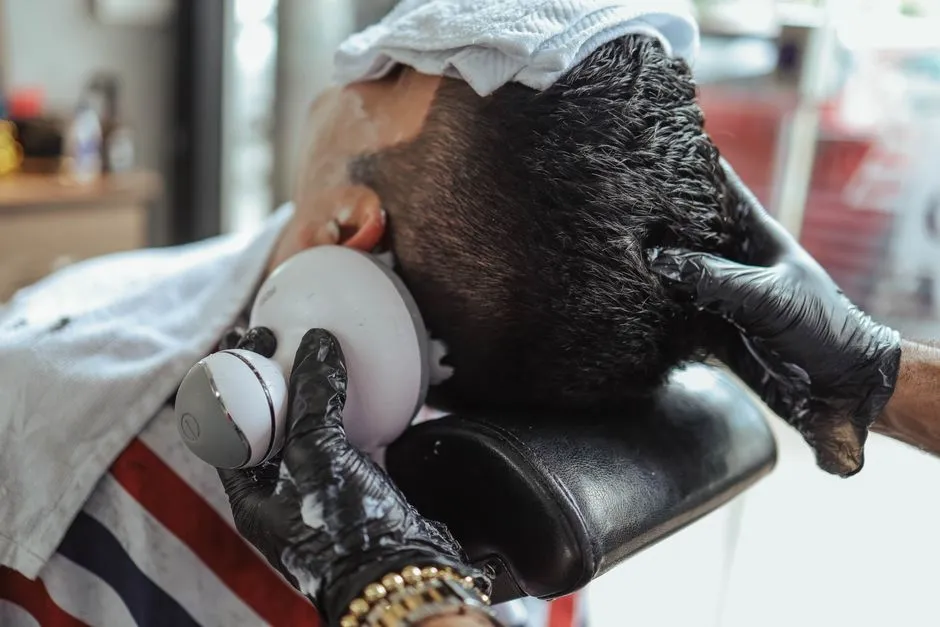
Scalp, neck, and face focus add-ons involve five to ten minutes of intentional work, and this is consistently one of the most requested enhancements. Many guests don’t think to ask for this because it feels like a separate service, when in reality it often flows naturally from a shoulder or neck treatment.
Specialized face, neck, and head protocols using tools or techniques create a highlight-of-the-treatment moment. If your therapist is already working the upper back and shoulders, a brief scalp sequence can extend that relief in a way that feels deeply satisfying. It’s worth asking simply and directly at the start of your session.
Request the Room Environment That Actually Works for You
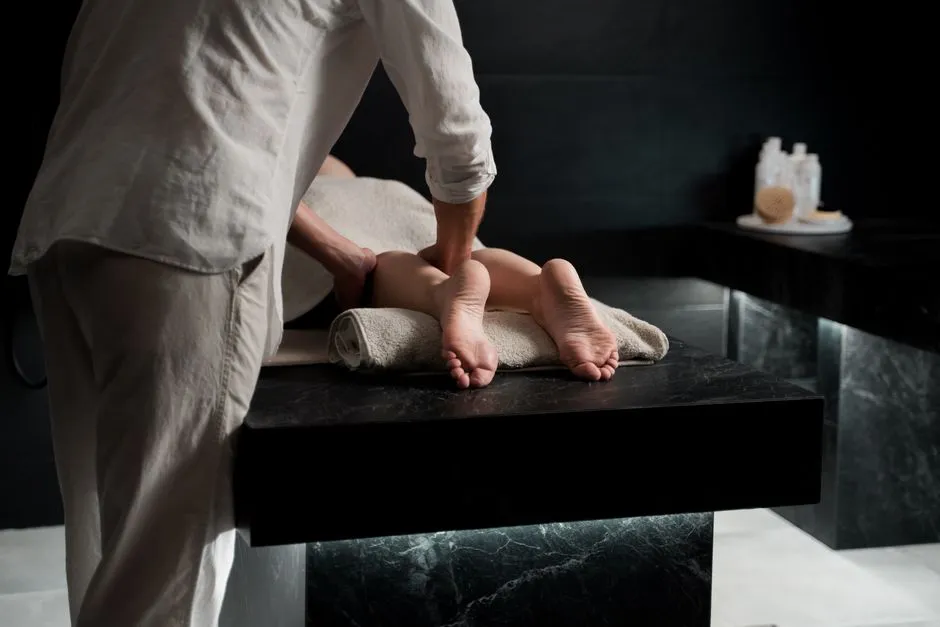
Open communication allows you to inform your therapist about any discomfort or preferences, such as room temperature, lighting, or background music. These aren’t fussy requests. They are the basic conditions that allow the nervous system to settle enough for the massage to do its real work.
Discomfort or anxiety during a session can undermine the therapeutic benefits. A room that’s too cold, music that feels jarring, or lighting that’s too bright can all keep a guest from reaching the deeper relaxation state where massage becomes most effective. A well-trained therapist will be glad to adjust any of these before the session begins.
Book Longer Rather Than Fancier
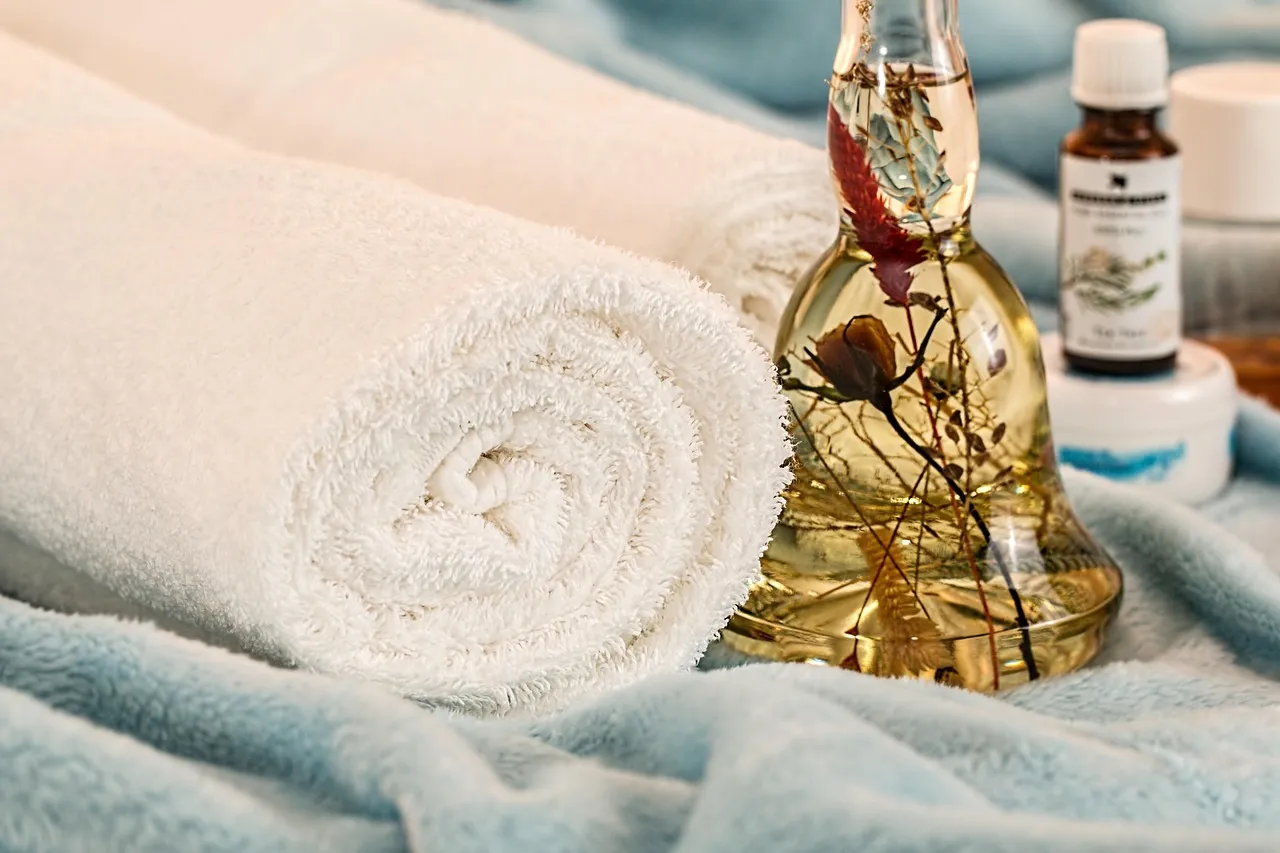
Longer sessions cost more but provide more comprehensive treatment and allow therapists to address multiple problem areas throughout the body. Many guests default to the sixty-minute standard because it feels like the obvious choice. In practice, therapists at resort spas often note that the last twenty minutes of a ninety-minute session are where the deeper work actually happens, once the body has finally released surface-level tension.
The upgrade here isn’t a different service, it’s more time within the one you already chose. Employment in massage therapy is projected to grow eighteen percent from 2023 to 2033, much faster than the average for all occupations, which reflects how seriously the public is now taking this kind of extended therapeutic care. Longer sessions are becoming a standard expectation, not a luxury exception.
Ask What the Therapist Recommends After the Session
Your therapist will check in with you about how you’re feeling and offer recommendations for aftercare or follow-up treatments. Most guests skip this part, rushing off to lunch or the pool without pausing for the debrief. The therapist has just spent an hour reading your body, and their observations at the end of the session can be surprisingly specific and useful.
Drinking plenty of water after a session aids in detoxification, and avoiding heavy meals prior to the massage prevents discomfort. Beyond these basics, your therapist might recommend a stretching routine for a specific area, a follow-up treatment type, or a time frame for your next session based on what they noticed. That kind of guidance is rarely offered proactively. You have to ask.
Mention Any Medical Conditions or Recent Injuries Before You Begin

Informing the therapist of any medical conditions, injuries, or areas of concern ensures a safe and effective experience. This is the request that matters most, and the one guests are most likely to skip out of embarrassment or the assumption that it doesn’t matter for a relaxation session. It does matter.
Massage therapy has been shown to have beneficial effects on varying conditions including pain syndromes, hypertension, autoimmune conditions, and immune conditions, but those benefits depend on the therapist adapting their technique appropriately. Massage therapy is a clinically-oriented healthcare option that is used alongside standard medical care to help manage a number of symptoms, and a brief disclosure before your session starts ensures the person working on your body has the context they need to genuinely help you.
The Takeaway
The upgrade that massage therapists most consistently point to isn’t found on the menu. It’s the guest who arrives informed, communicates clearly, and stays genuinely present throughout the session. That combination lets a skilled therapist do their best work.
Resort spas have invested heavily in therapist training, environmental design, and treatment options. U.S. spa industry revenue grew nearly six percent in 2024, with total visits climbing to 187 million, reflecting a public that cares about this experience. The guests getting the most out of that investment are the ones willing to speak up.
A good therapist will meet you exactly where you are. You just have to tell them where that is.
AI Disclaimer: This article was created with the assistance of AI tools and reviewed by a human editor.