
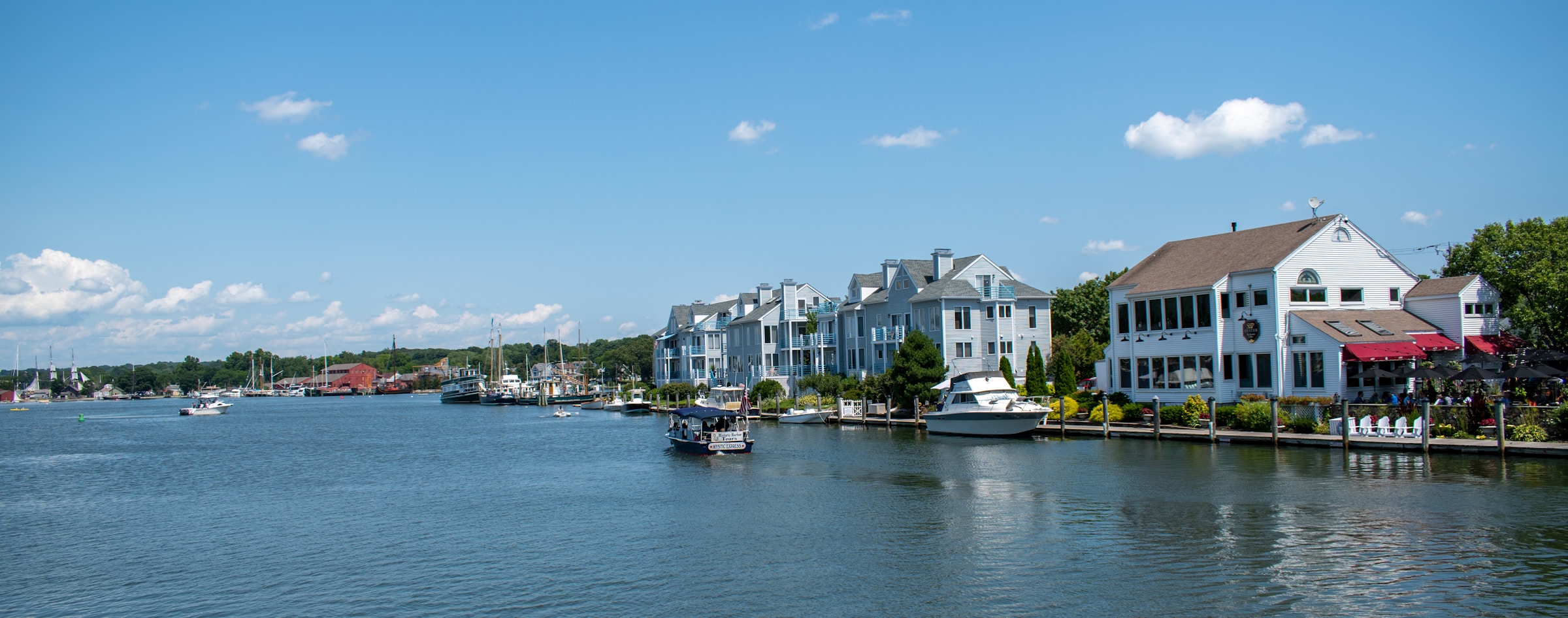

There’s a particular kind of place that travel writers keep coming back to, not because it’s undiscovered exactly, but because it never quite gives itself away. Stonington Borough, tucked into the southeastern corner of Connecticut, is very much that kind of place. It sits on a narrow peninsula where the Long Island Sound meets the Rhode Island state line, and it has the quiet, unhurried quality of a village that has never needed to announce itself.
Most visitors to southeastern Connecticut head straight to Mystic, and for good reason. But the Borough, just a few miles to the east, rewards those who take the extra turn. It’s the sort of town where you park the car and simply forget about it for a few hours, which is really the point.
A Peninsula with Deep Colonial Roots
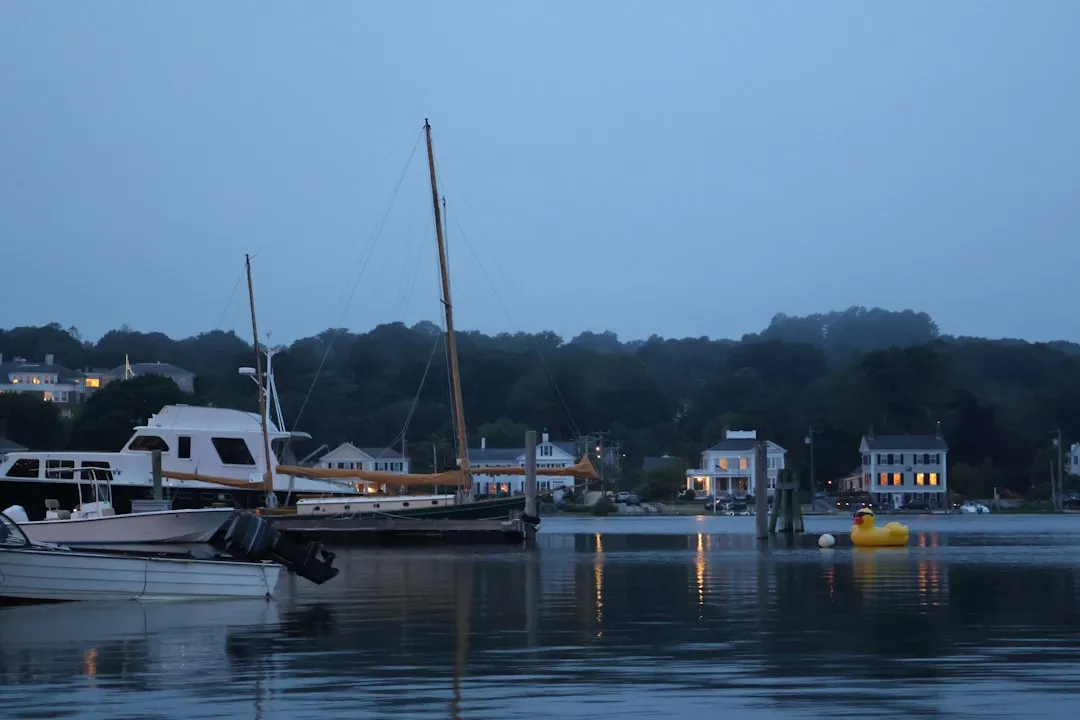
Settled in 1649 and named Stonington in 1666, the town grew as its shipbuilding and whaling industries thrived. It was first settled by colonists from Plymouth, who gave it the name that stuck. The name itself comes from the rocky soil, literally called “stony town” before someone polished it up.
Historic Stonington is dedicated to illuminating more than 350 years of history, offering records of the lives and fortunes of colonial settlers, blockade runners, ship captains, whale hunters, patriots, explorers, artists, and writers. That breadth of story, across more than three and a half centuries, is part of what makes walking these streets feel genuinely different from a sanitized historic district.
Water Street and the Art of Wandering Slowly
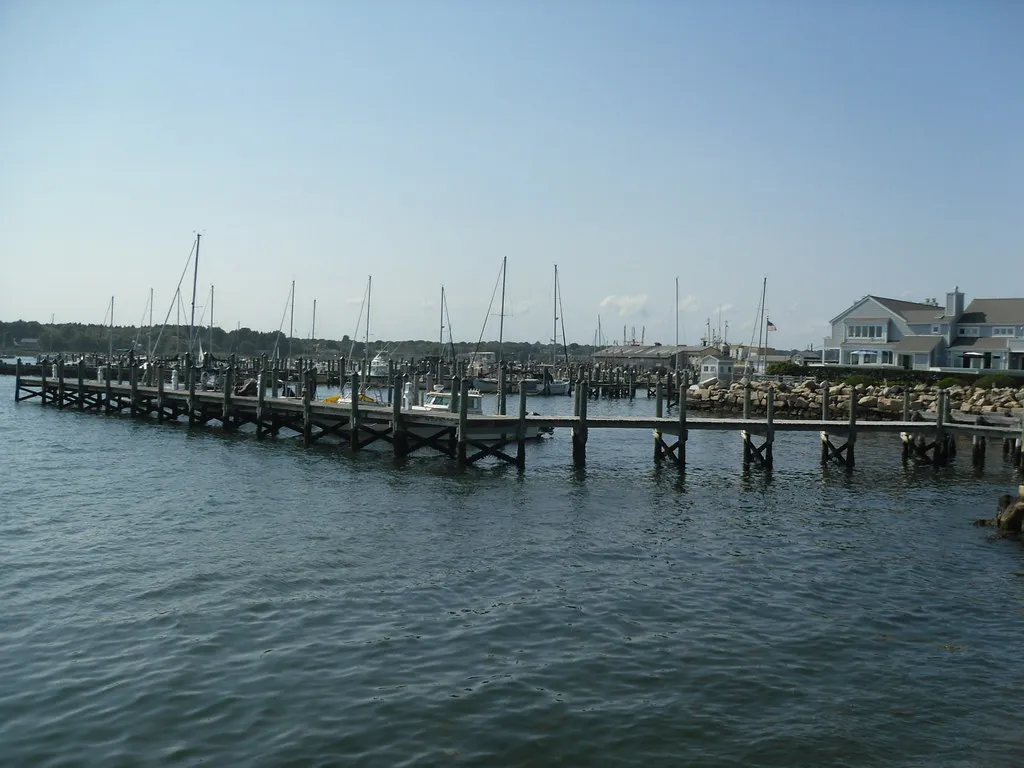
Water Street runs along the waterfront and is the main stretch to walk, with harbor views at almost every turn, which is one of the reasons Stonington Borough sits among the most charming small villages in Connecticut. Boutiques, antique shops, and jewelry stores are scattered throughout the borough, and local galleries and art studios are mixed in too, including those at the historic Velvet Mill just outside the center.
Stonington Borough is small enough to cover on foot in an afternoon, and compared to many other waterfront towns in Connecticut, it’s remarkably easy to explore. That walkability is not a small thing. It means you slow down, you look up at the facades, you notice the window boxes. The village does its best work at a pedestrian pace.
The Old Lighthouse Museum: America’s First
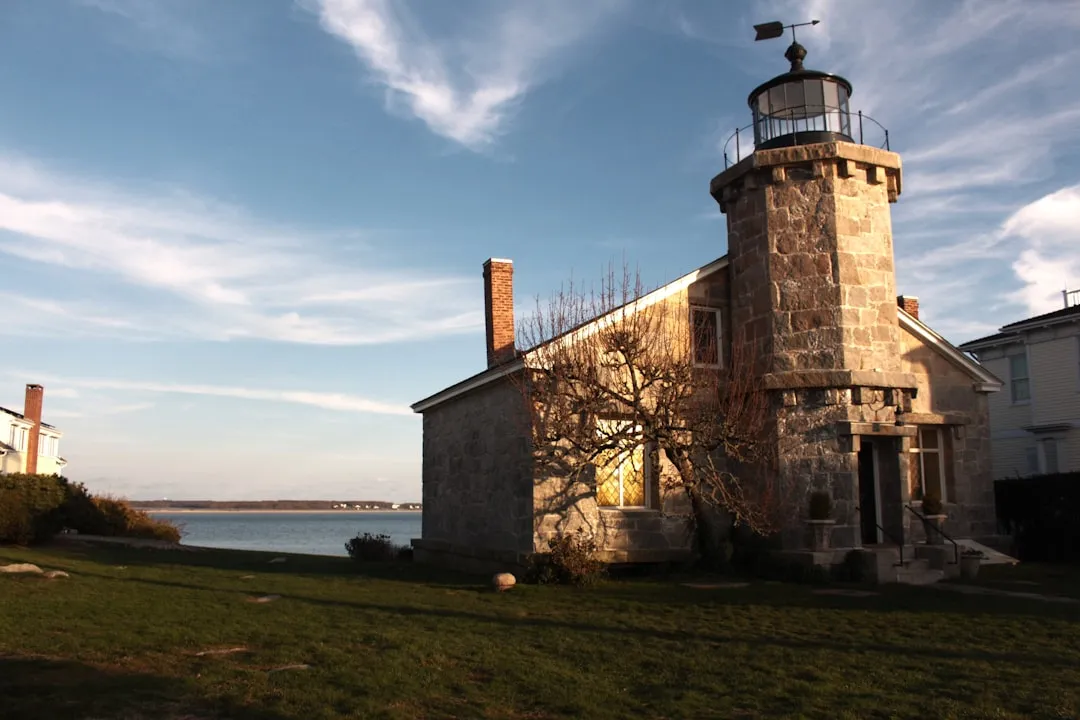
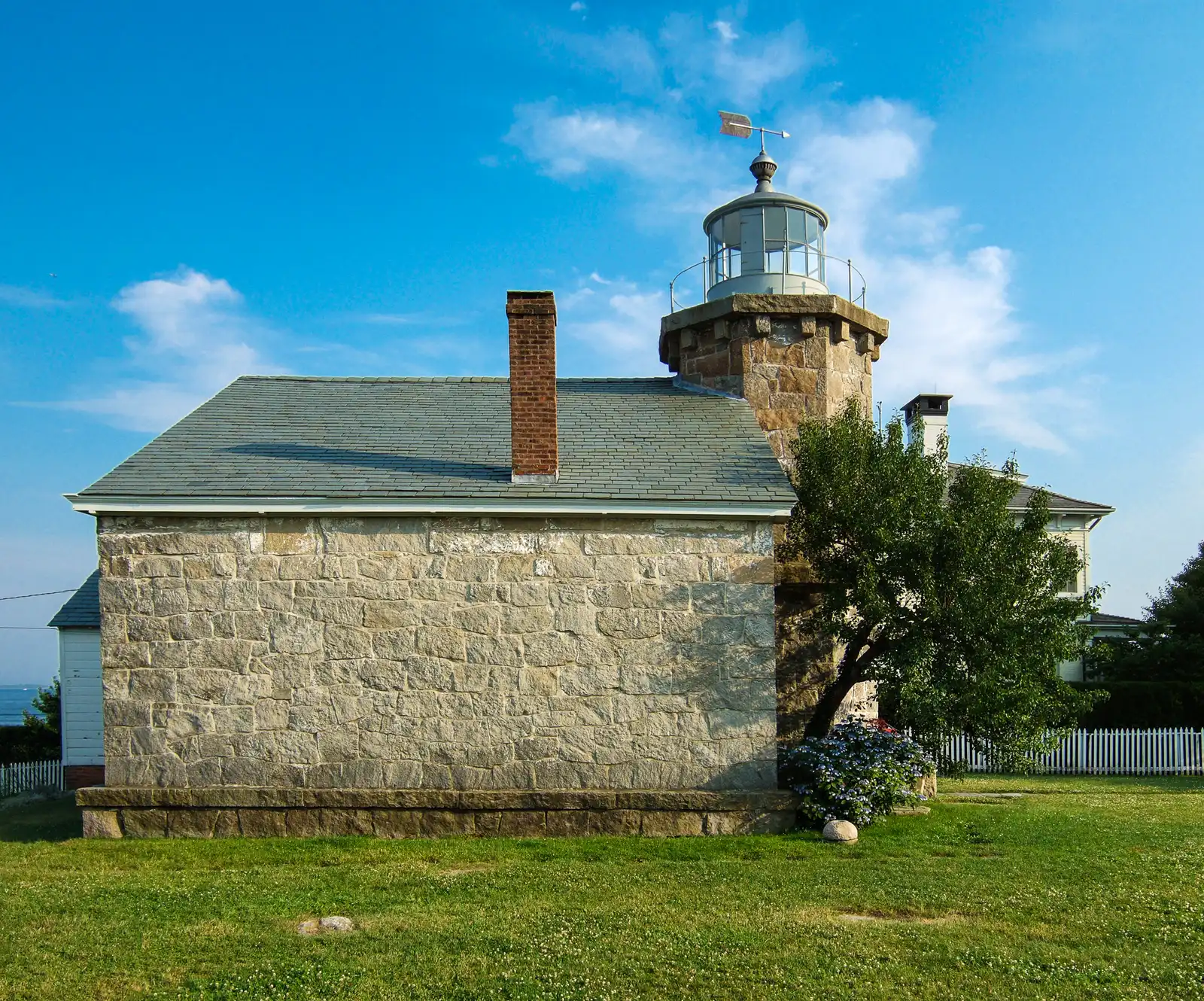
The lighthouse remained in use from its construction in 1840, when it replaced an earlier lighthouse, until 1889 when it was supplanted by beacons on the harbor breakwaters. After a new keeper’s house was built next door, the lighthouse was deserted until the U.S. government decided to sell it, and in 1925, Historic Stonington acquired it for $3,650. In 1927, it opened as a lighthouse museum, the nation’s first.
It’s now operated by the Stonington Historical Society and serves as the Old Lighthouse Museum, documenting the area’s maritime and agricultural history. On display is the Stonington Battle Flag, a proud relic of the War of 1812 and the Battle of Stonington. Visitors can enjoy panoramic views of Fisher’s Island Sound from the top. Few buildings in the region pack this much layered history into a single stone tower.
The Battle of Stonington: A Town That Refused to Yield

The most famous chapter in the town’s history happened in August 1814, during the War of 1812. Five British warships, led by Commodore Thomas Hardy, sailed in and shelled the village for three days. The town was badly outgunned but managed to fight back with just two 18-pounder cannons.
On August 10, 1814, during a lull in the attack, citizens nailed a large U.S. flag, a banner of defiance, to a pole above the battery. You can still see cannons from this era in Cannon Square today. That willingness to hold the line, quite literally, gives the borough a particular kind of civic pride that feels embedded in its walls.
Connecticut’s Last Commercial Fishing Fleet

Even today, the state’s last commercial fishing fleet is based in Stonington. Stonington Borough is the only Connecticut town with a working commercial fishing fleet still based there. This is not a decorative detail for the sake of atmosphere. It means the harbor is genuinely alive at dawn, with boats heading out and returning with real catch.
Sailboats sit in the harbor, sea breezes come off the water, and locally owned shops line the streets. Walking around the harbor is probably the best thing to do here. You can watch the boats come and go at Stonington Harbor, find a bench near the water, and just sit for a while. Few things reset a traveler’s mind quite like that.
Stonington Point and the View at the End of the World
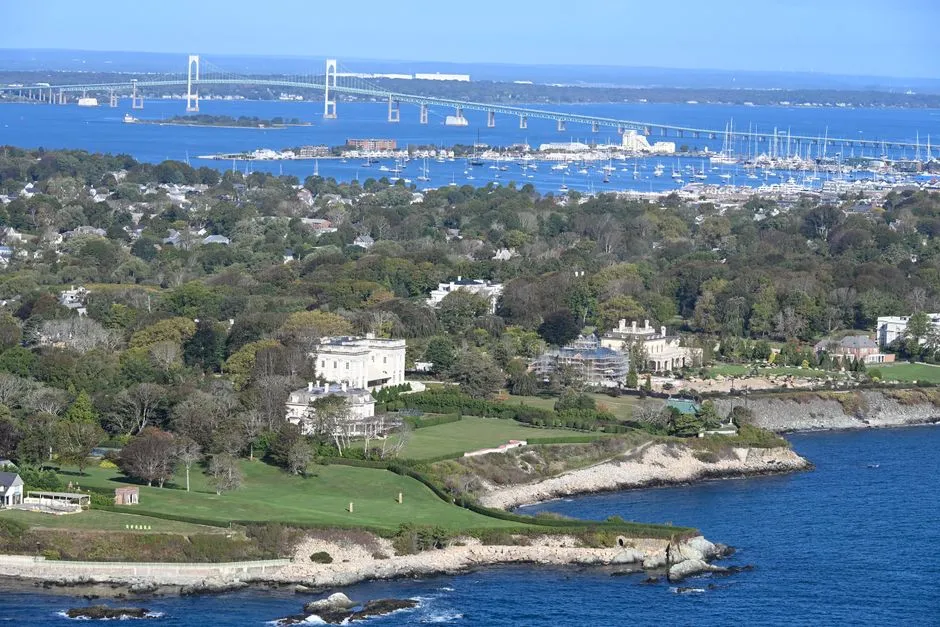
Head to “The Point” at the tip of the peninsula for amazing sunset views and panoramic vistas stretching across Connecticut, Rhode Island, and New York. It’s a genuinely remarkable overlap of three states from a single vantage point, and it costs nothing but the walk to get there.
The walk out to Stonington Point is worth doing, as well. You get Long Island Sound on one side and the harbor on the other, with some of the best waterfront views you’ll find. On clear evenings, the light here turns extraordinary, which is no doubt why artists have been drawn to this corner of Connecticut for generations.
The Nathaniel Palmer House and Antarctica’s Surprising Connection

Historic Stonington manages the Nathaniel B. Palmer House, home of the Stonington seafarer credited with discovering Antarctica. On November 16, 1820, Nathaniel Palmer first saw Palmer Land, which was named after him. It’s the kind of biographical detail that sounds almost implausible until you’re standing in front of the Victorian-era house where the explorer once lived.
Stonington Borough, nestled on a narrow peninsula, is home to a small commercial fishing fleet and the Victorian-era house of explorer Captain Nathaniel B. Palmer, now a museum. The sheer geographic ambition of a 19th-century sealing captain from this quiet village sailing to the edge of Antarctica is worth sitting with for a moment.
Stonington Vineyards and the Connecticut Wine Trail

For wine enthusiasts, Stonington offers a taste of the Connecticut Wine Trail. You can enjoy wine tastings at Stonington Vineyards and Jonathan Edwards Winery, where summer events combine wine, food, and music for a delightful experience.
You get a working harbor with real fishing boats, a stone lighthouse from the 1840s, vineyards in old WWII airplane hangars, and a borough so walkable you’ll forget where you parked. The combination is genuinely unusual. Saltwater air and vineyard visits don’t always share the same afternoon, but in Stonington they do.
Yankee Magazine’s Recognition and a Quiet Kind of Fame
Yankee Magazine named Stonington one of the “Top 10 Prettiest Coastal Towns in New England,” thanks to its mile-long beaches, charming historic homes, and eclectic mix of shops and boutiques. That kind of recognition carries weight when it comes from a publication that has been covering New England character for decades.
Situated on a peninsula overlooking the Long Island Sound, Stonington is another hidden gem among Connecticut’s coastal towns, known for its historic charm and picturesque streets, offering a peaceful and idyllic escape from the hustle and bustle of city life. The little coastal town of Stonington has been quietly holding onto everything that makes New England feel like New England.
DuBois Beach and the Quieter Side of the Shore

End your day at the secretive and quiet DuBois Beach in Stonington. You can also unwind at the vineyard or on DuBois Beach with swimming, boating, and sunbathing, or indulge in fresh, seaside dining at one of the many local restaurants. It’s a small beach by most standards, but its sheltered position within the borough gives it a calm that larger, more promoted beaches simply can’t replicate.
It’s a classic New England coastal village done right, and one of the best hidden gems in Connecticut if you’d rather avoid the touristy crowds. The area is perfect for leisurely strolls and soaking in the authentic New England atmosphere. That authenticity, earned slowly over nearly four centuries, is precisely what keeps people coming back.
The Takeaway

Stonington Borough doesn’t perform its history. It simply lives inside it. The fishing boats still go out, the lighthouse still stands at the edge of the harbor, and the streets still carry the proportions of a town built for people on foot. It’s one of those rare coastal places that manages to be both genuinely historic and genuinely inhabited.
In a region where coastal villages can sometimes feel like open-air museums, Stonington Borough feels lived-in and real. The light at the Point at dusk, the smell of salt off the Sound, the cannons in Cannon Square, all of it adds up to something that stays with you. Some places are worth more than a passing mention on a road trip itinerary, and this is one of them.
AI Disclaimer: This article was created with the assistance of AI tools and reviewed by a human editor.