
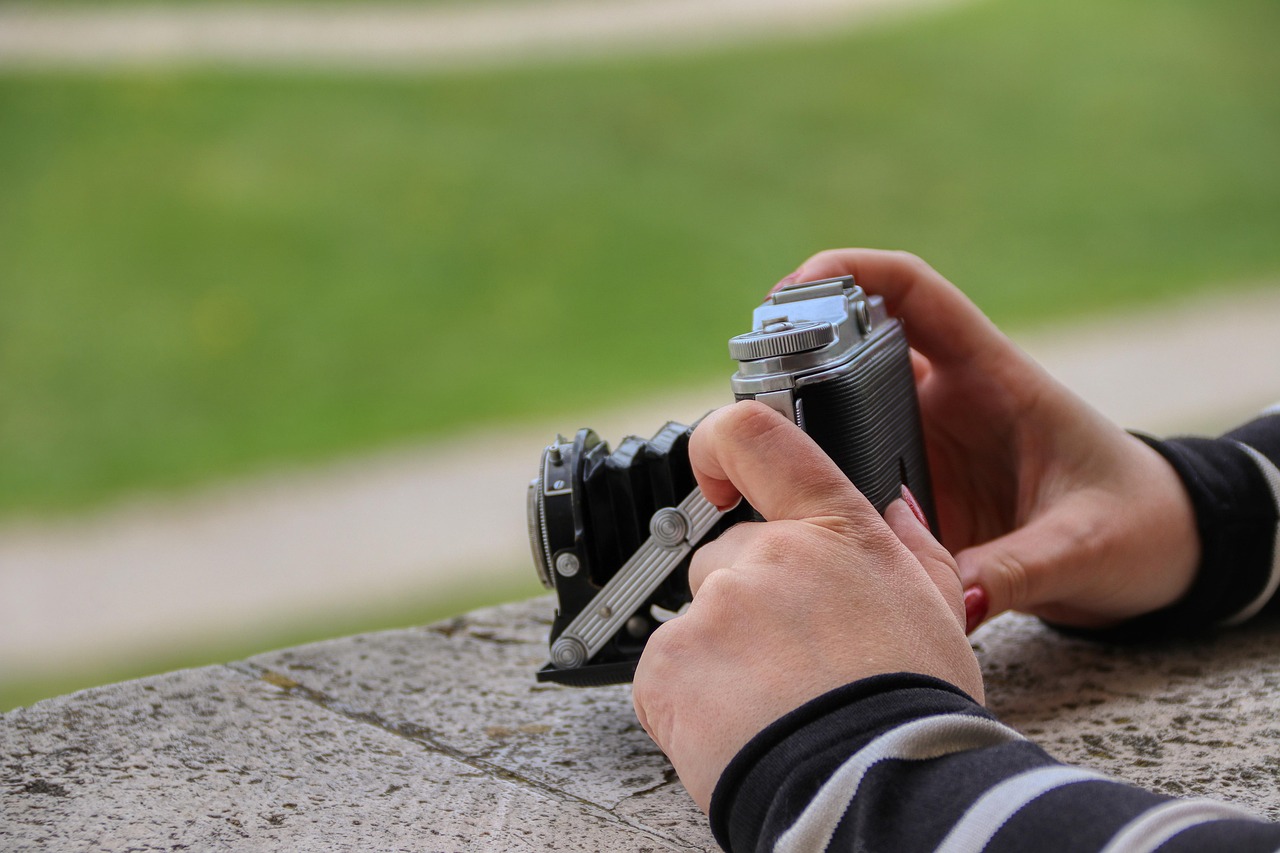

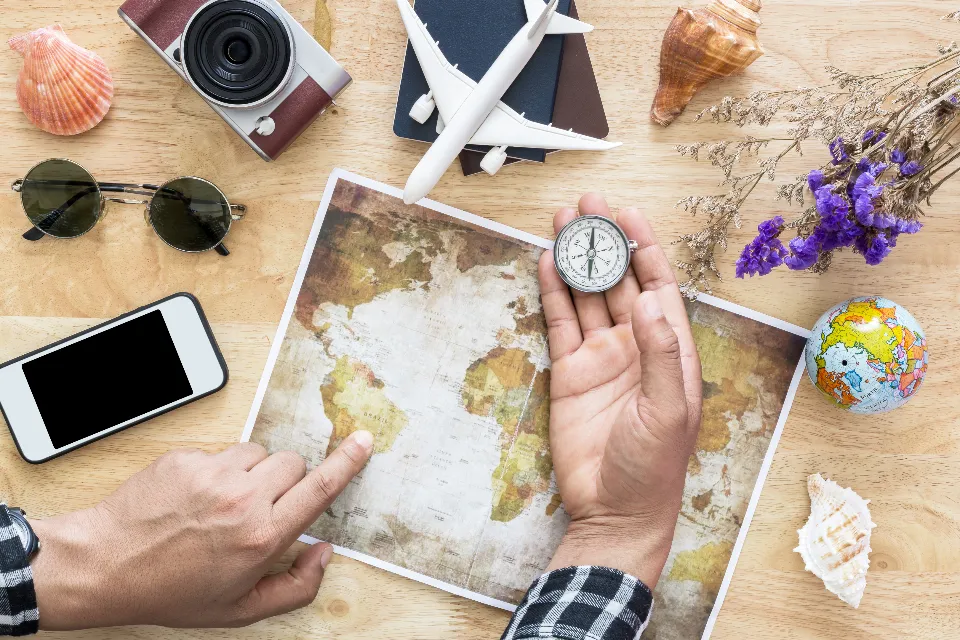
Something quiet is happening at airports, train stations, and trailheads. Travelers are reaching past their phones, past their portable chargers, and past every sleek piece of modern gear to pull out something older. A notebook. A compass. A film camera. A paper map folded just wrong enough to be charming.
The analog travel accessory is back, and the pull toward it feels less like a fashion statement and more like a genuine need. In a travel culture increasingly shaped by screens and algorithmic itineraries, these tangible, low-tech tools are speaking to something deeper.
The Analog Travel Movement Takes Hold
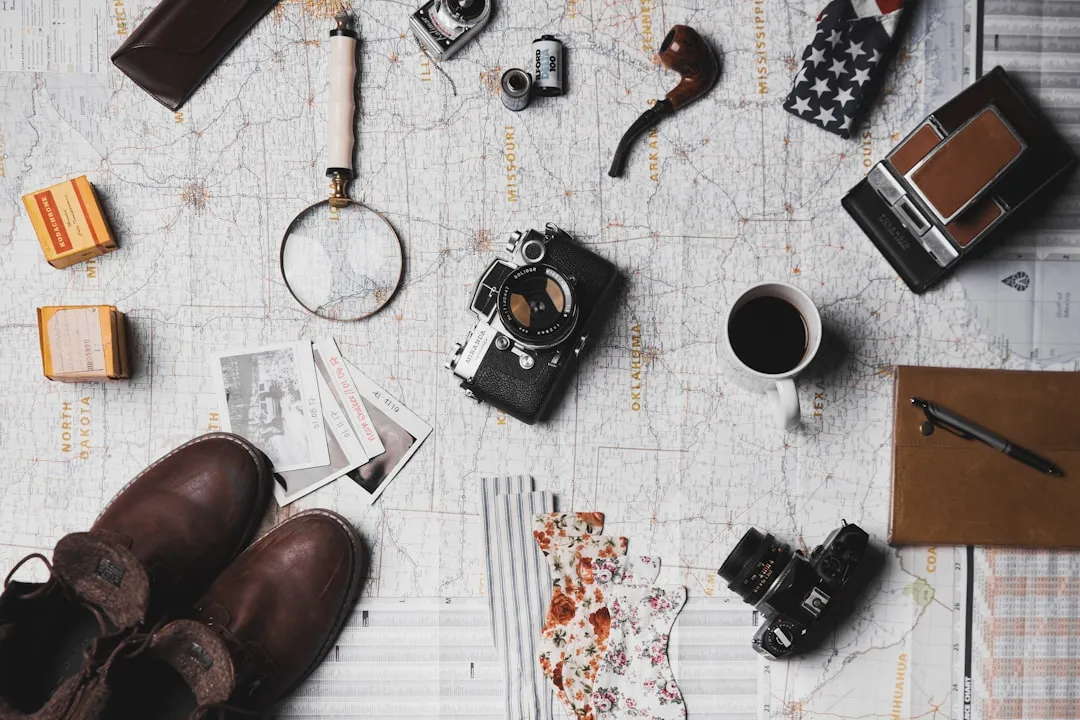
Analog travel is pushing people to swap screens for film cameras, paper maps, and real-world experiences. This isn’t a fringe sentiment. We’re seeing this desire come into play across 2026 travel trends, with literary retreats centered on reading physical books in lovely destinations becoming more popular than ever. The movement has a name now, a community, and a growing market behind it.
All of these trends are rooted in a common desire: more time spent outdoors, connecting with the world, and engaging in tangible activities that bring joy and fulfillment. The vintage travel accessory, in almost every form it takes, answers exactly that call.
Why Travelers Are Turning Back to Paper Maps

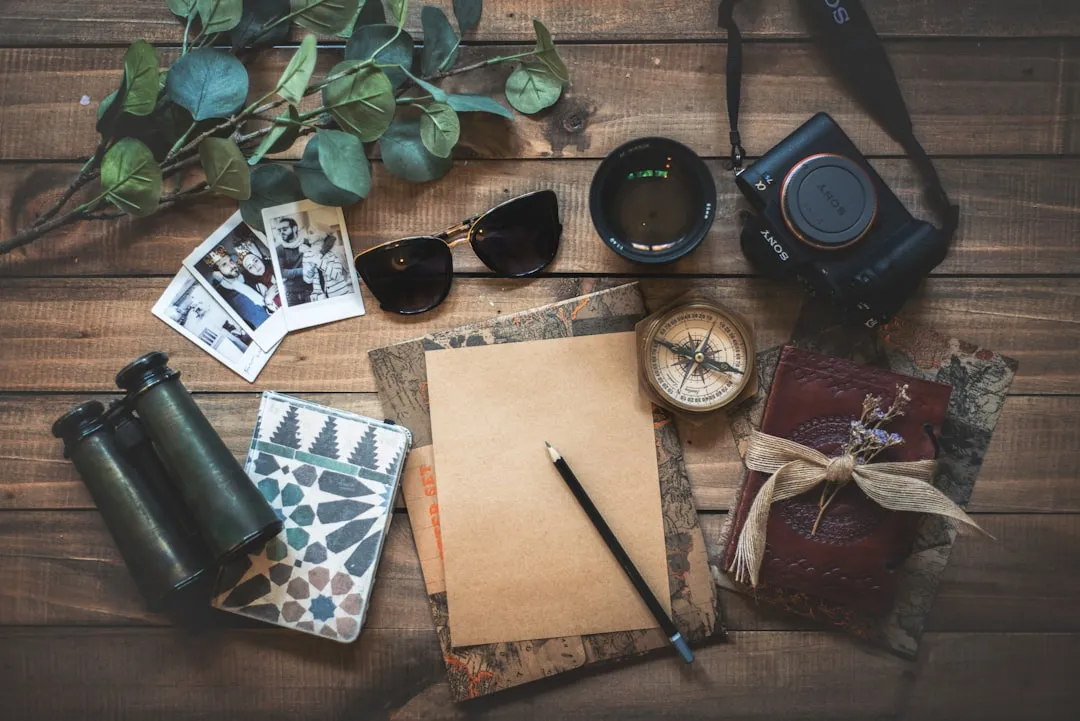
There’s something about unfolding a paper map that a GPS simply can’t replicate. The physical act of orienting yourself, tracing a route with your finger, and making a decision without a blue dot guiding every step creates a fundamentally different travel experience. The compass, simple, elegant, and requiring no battery, is essential for finding your bearings in winding medieval streets where the sun is hidden.
The hardest part of planning an analog trip isn’t the gear, it’s the psychology. Travelers have been conditioned to be always available, but turning off a phone and giving the brain a break is not only possible, it’s the point of being on vacation. Paper maps make that psychological shift a little easier to commit to.
The Travel Notebook Makes a Quiet Comeback

Travel style is taking a nostalgic turn as vintage-inspired accessories make their way back into modern luggage, with these classic pieces blending old-world charm with today’s practical needs. The handwritten travel journal sits at the center of this revival. Keeping handwritten notes helps retain memory better than using a phone, a practice long championed by seasoned travel writers and researchers.
In 2026, finding the best travel journals has become a genuine pursuit, with travelers looking for the perfect companion to document their adventures. Designs range from leather-bound classics to guided-prompt formats with integrated maps, showing that the notebook has evolved without losing its soul.
Film Cameras and the Hunger for Unpolished Moments
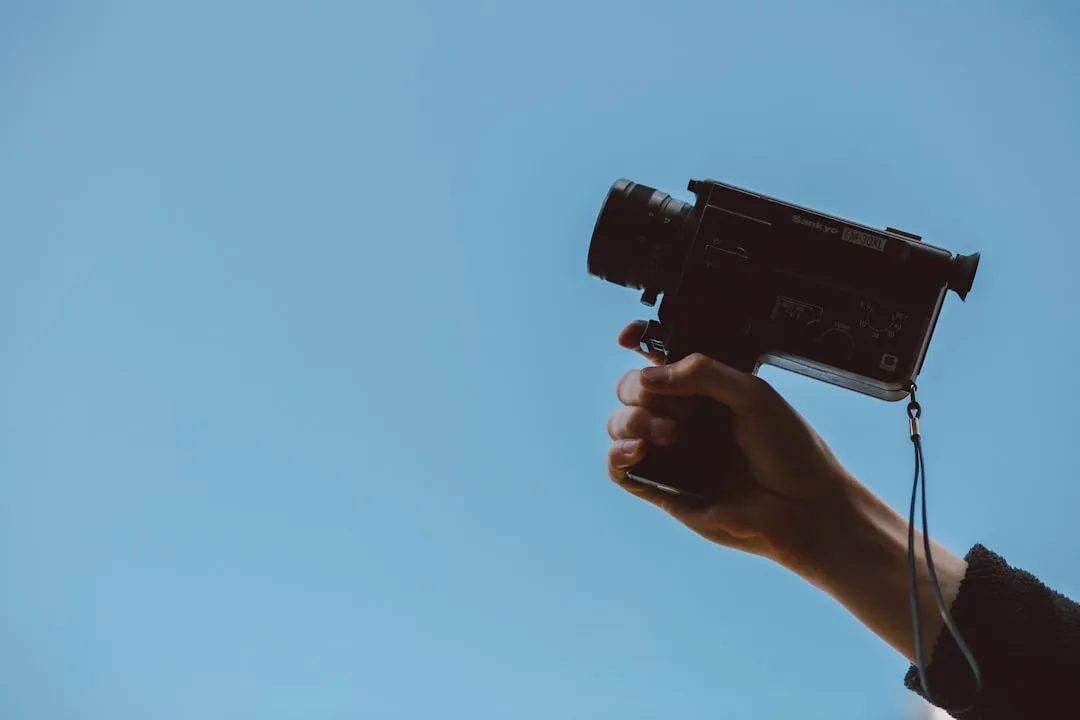
The return of digital and film cameras is driven by a desire for candid, uncurated photos, reflecting a shift away from overly polished social media aesthetics. There’s a real fatigue with the hyper-edited travel image, the kind that takes thirty minutes and a ring light to produce. Film demands patience, and that patience tends to produce more honest pictures.
One of the biggest influences is social media itself, with creators on Instagram and TikTok romanticizing the past through retro film cameras and VHS-style edits, bringing nostalgia to the forefront of travel inspiration. Somewhat ironically, the tool used to document vintage aesthetics is the very medium driving their popularity back to life.
Nostalgia Travel as a Cultural Force

Nostalgia travel, also known as memory tourism, is becoming one of the biggest travel trends of 2026, with travelers choosing destinations based on emotions rather than itineraries. The accessories travelers pack often reflect the era they’re chasing. A Traveler’s Notebook or a brass compass doesn’t just serve a function; it sets a mood for the entire trip.
According to the 2025 Hilton Trends Report, more than half of global travelers revisit childhood travel destinations. When people return to places they once loved, they often want to experience them in ways that feel familiar. Vintage accessories help bridge that emotional gap between the present trip and the remembered one.
Hotels and Brands Are Responding to the Demand
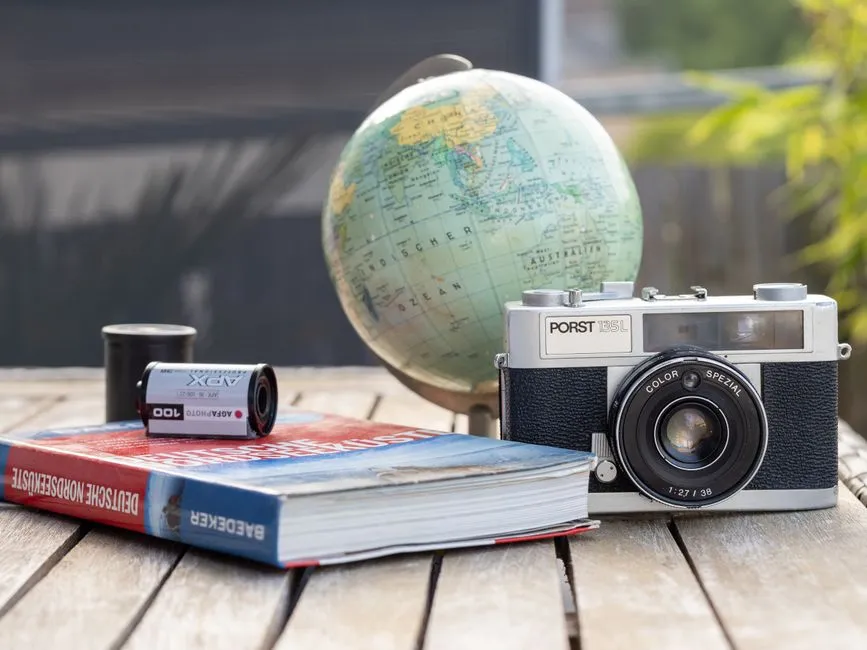
The hospitality industry has clearly read the room. At Hotel Rangá in Iceland, guests can add on an “analog” package that includes a deck of cards, disposable cameras, and a coloring book inspired by local folklore. This kind of curated offering wouldn’t exist if travelers weren’t actively requesting it.
From cute A-frame cabins to summer camp programming at luxury hotels and the new wave of popularity for pontoon boats, travel experts are taking note of the nostalgic trends influencing wanderlust in 2025 and beyond. Analog accessories are no longer a quirky niche; they’re a selling point that serious hospitality brands are building packages around.
The Travel Accessories Market Is Growing Fast
The broader market context tells a story of real momentum. The global travel accessories market was valued at roughly 22 billion dollars in 2024 and is forecasted to continue growing at a strong rate through 2033. Within that expansion, vintage-inspired and analog products are claiming a meaningful share.
Google Trends data indicates significant and growing global interest in travel organizers, a category that includes many of the classic, tactile accessories experiencing renewed attention. Google and Amazon trend reports show a measurable increase in interest for vintage-style items, with search interest in terms like “vintage leather handbags” rising noticeably from mid-2024 into early 2025.
Leather Luggage and the Return of the Statement Trunk
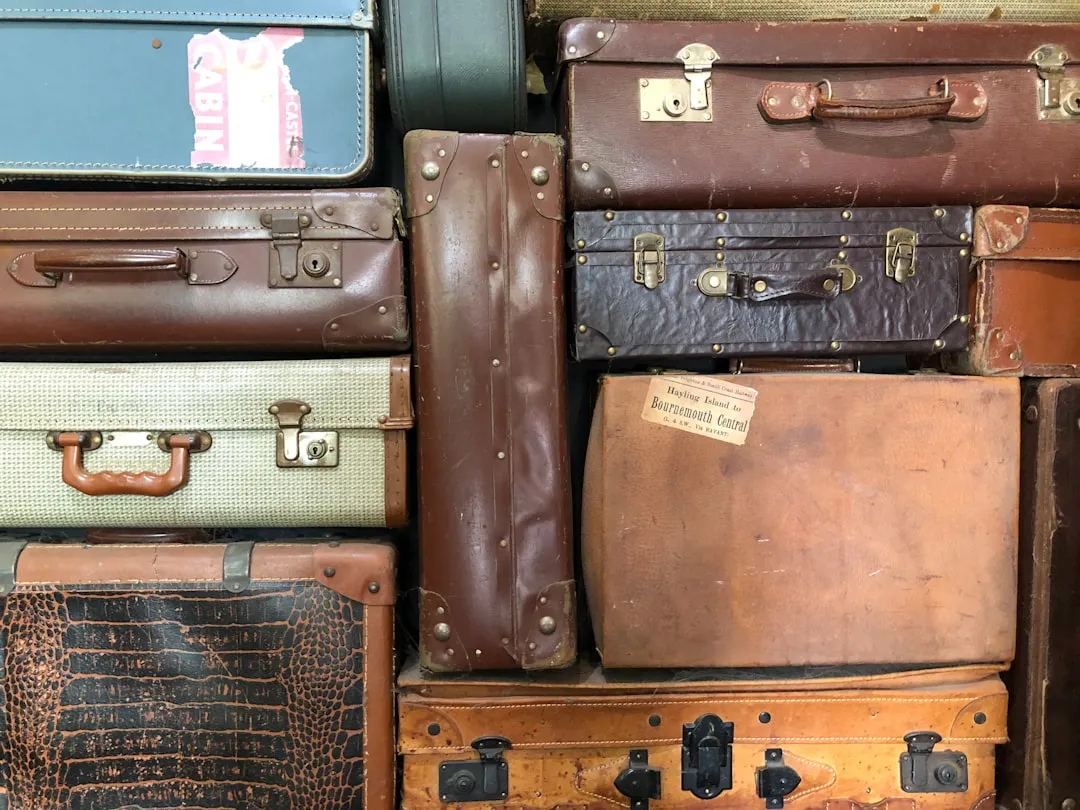
Nothing says sophisticated travel quite like a beautifully crafted leather trunk with brass corners and vintage buckles, and modern versions now combine traditional craftsmanship with contemporary features like reinforced wheels and TSA-approved locks, transforming any journey into an elegant adventure. These pieces are not cheap, and that’s almost the point. They’re meant to last decades.
Quality leather trunks age gracefully, developing character with each trip. In a world of fast-fashion luggage that cracks and fades within a few years, there’s a growing appreciation for something built to outlast the traveler’s passport collection. The market for heritage luggage reflects a broader cultural interest in durability over disposability.
The Generational Shift Driving the Revival
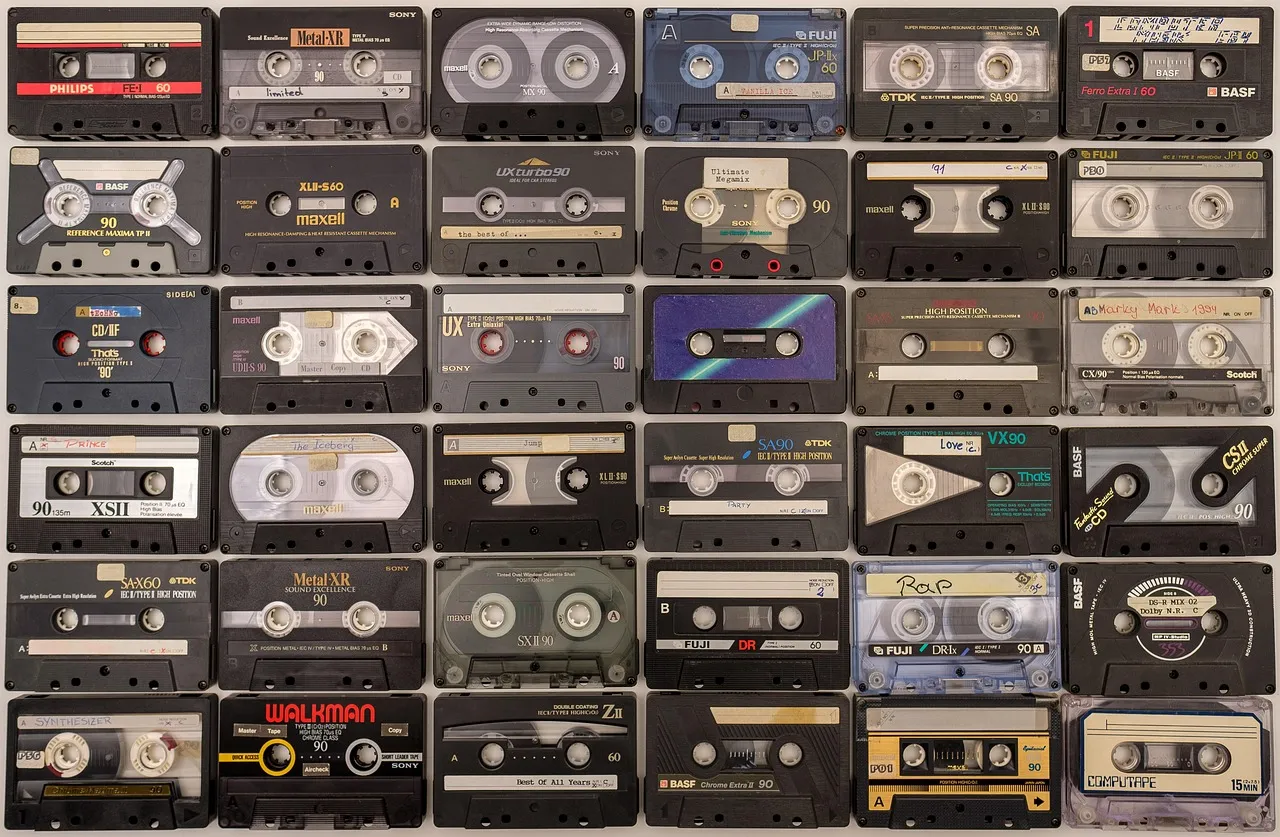
This revival reflects a deeper cultural attachment to aesthetics that defined formative years for millennials and older Gen Z, with people who grew up in the 1990s and early 2000s now wielding buying power and turning back to the styles of their youth, mirroring larger fashion and lifestyle trends in 2025. These aren’t just purchasing decisions; they’re acts of personal nostalgia.
Vintage sleeper train journeys, retro gaming arcades, and hotels inspired by the aesthetics of the 1990s are becoming increasingly appealing for travelers looking to relive the past. The accessories they carry along the way complete the picture. A scratched leather satchel, a dog-eared guidebook, and a disposable camera are as much a part of the aesthetic as the destination itself.
Slow Travel and the Philosophy Behind the Accessories
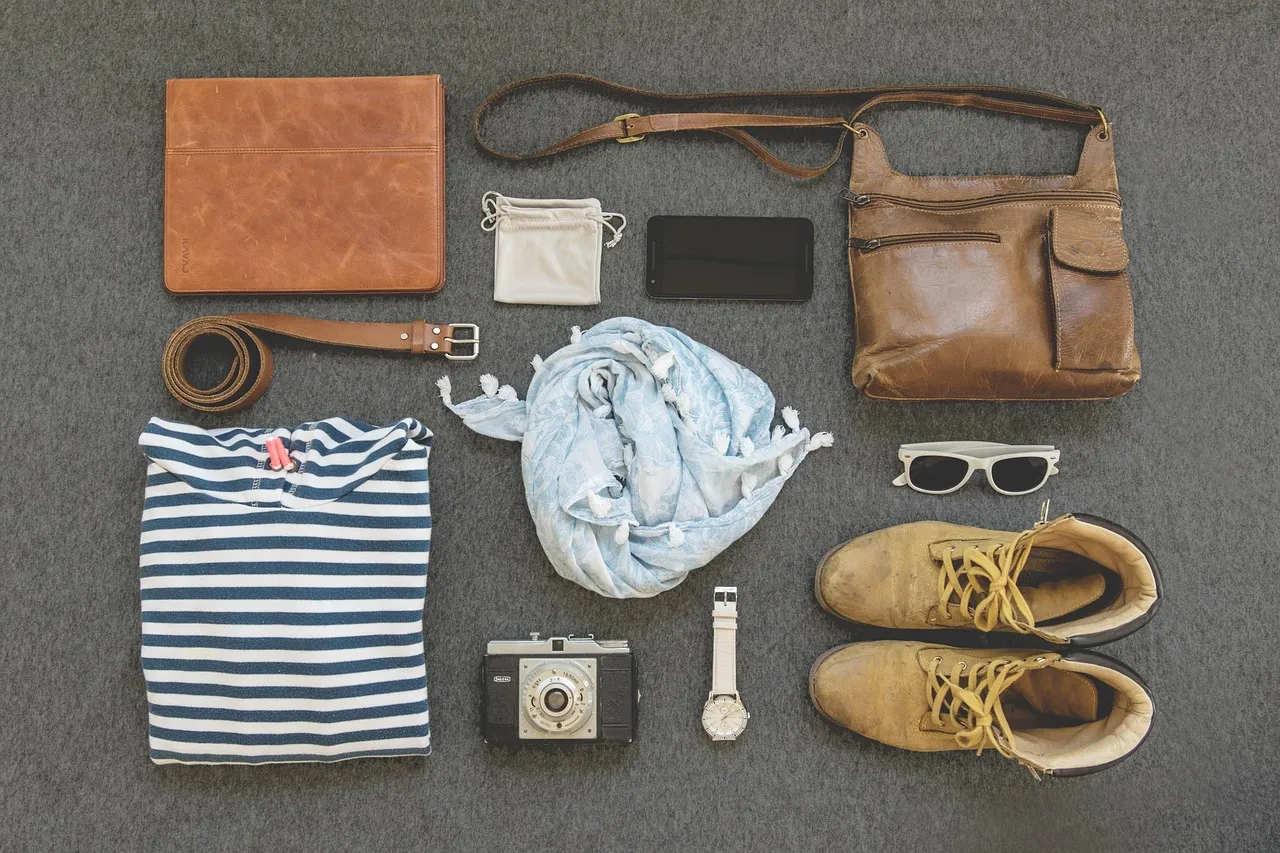
With slow travel becoming a goal for many travelers, the way people move across and experience cities is changing. Vintage accessories fit naturally into this philosophy. A paper journal encourages reflection. A film camera encourages patience. A compass encourages presence. None of them ping, buzz, or demand your attention.
Late 2025 brought significant changes across fashion, tech, and lifestyle accessories, with both nostalgic revivals and futuristic innovations coexisting on runways and streets alike. The travelers reaching for analog tools aren’t rejecting modernity wholesale; they’re curating it. They still have a phone in their bag. They’re just choosing when to use it.
A Different Kind of Souvenir

Perhaps the most telling sign of the analog travel accessory’s return is what travelers are choosing to bring home. Miniature compasses, brass keychains, and travel-themed trinkets are gaining popularity as meaningful mementos that capture the romantic spirit of exploration that modern travel sometimes lacks. These are objects that carry memory in a way a screenshot simply cannot.
There’s a quiet dignity to a well-traveled journal with coffee rings on the cover and a passport tucked in the back pocket. These things tell a story without a filter, without a caption, and without needing a Wi-Fi connection to exist. That, more than any trend report, might be the truest explanation for why people are reaching for them again.
The Takeaway
The vintage travel accessory isn’t staging a comeback out of sentimentality alone. It’s returning because it solves something real: the creeping sense that modern travel, despite all its conveniences, can sometimes feel oddly thin on experience. The desire is for more time spent outdoors, connecting with the world, and engaging in tangible activities that bring genuine joy and fulfillment.
A film camera won’t navigate you through Tokyo. A leather journal won’t book your hotel. These tools aren’t competing with technology; they’re complementing it, filling in the spaces that apps can’t reach. The traveler who packs both a smartphone and a compass isn’t confused. They’ve just figured out that the best journeys tend to live somewhere between the screen and the paper.
AI Disclaimer: This article was created with the assistance of AI tools and reviewed by a human editor.