
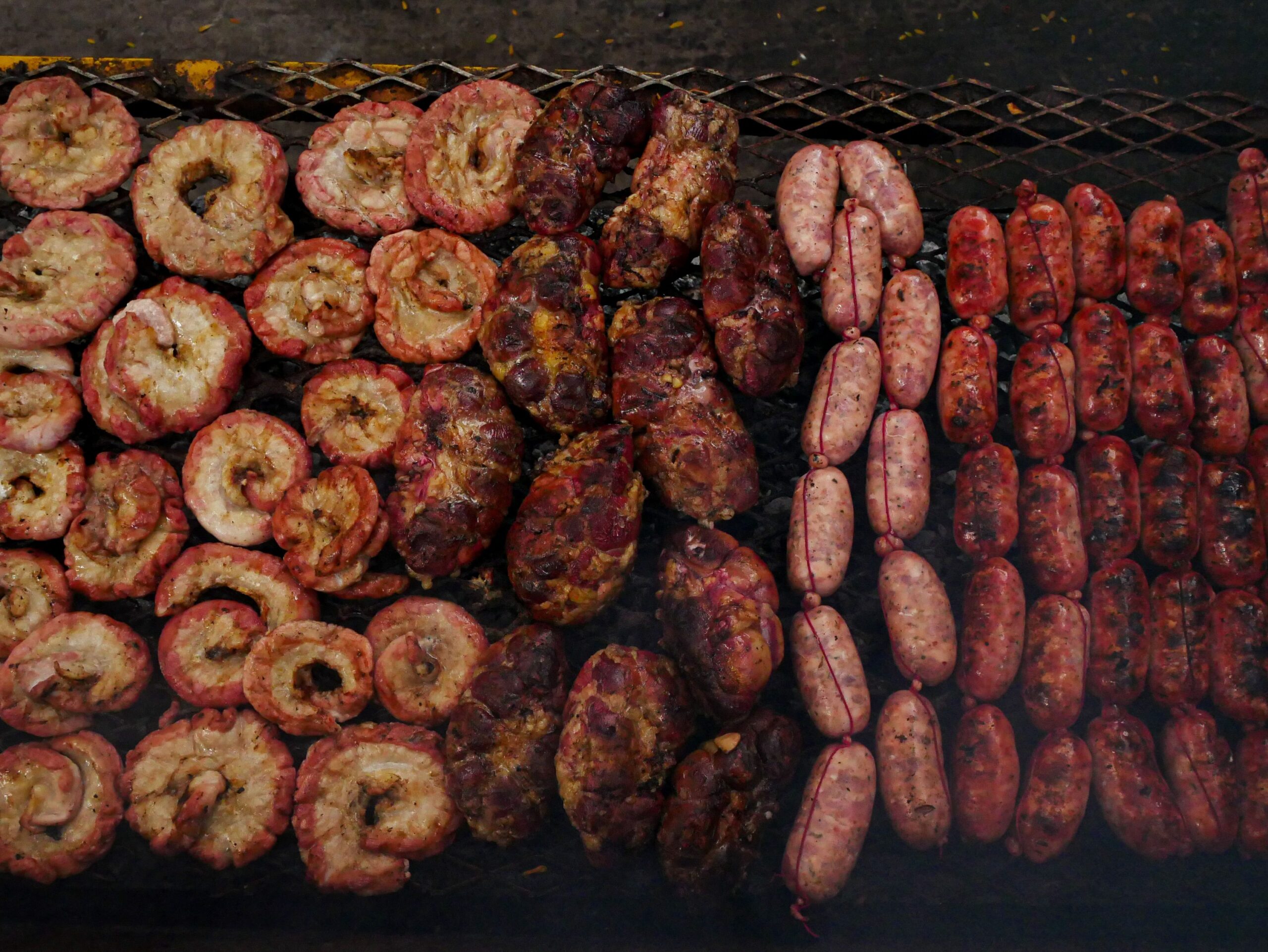

There’s a quiet divide in almost every city’s food scene. On one side, you have the places visitors photograph and check off lists. On the other, there’s the bowl of soup or plate of braised offal that the person next to you, the one who grew up here, orders without looking at the menu. Most tourists never cross that divide.
Travelers’ food choices are shaped by factors like food neophobia, which is the fear of unfamiliar foods, and the emotional pull of nostalgia. Convenience plays a role too, since global chains are often located near tourist hubs, promising quick meals with no guesswork. Food tour guides sit directly between these two worlds, and what they share when you actually ask them is genuinely illuminating.
Rome: Supplì, Not the Slice You Think You Know
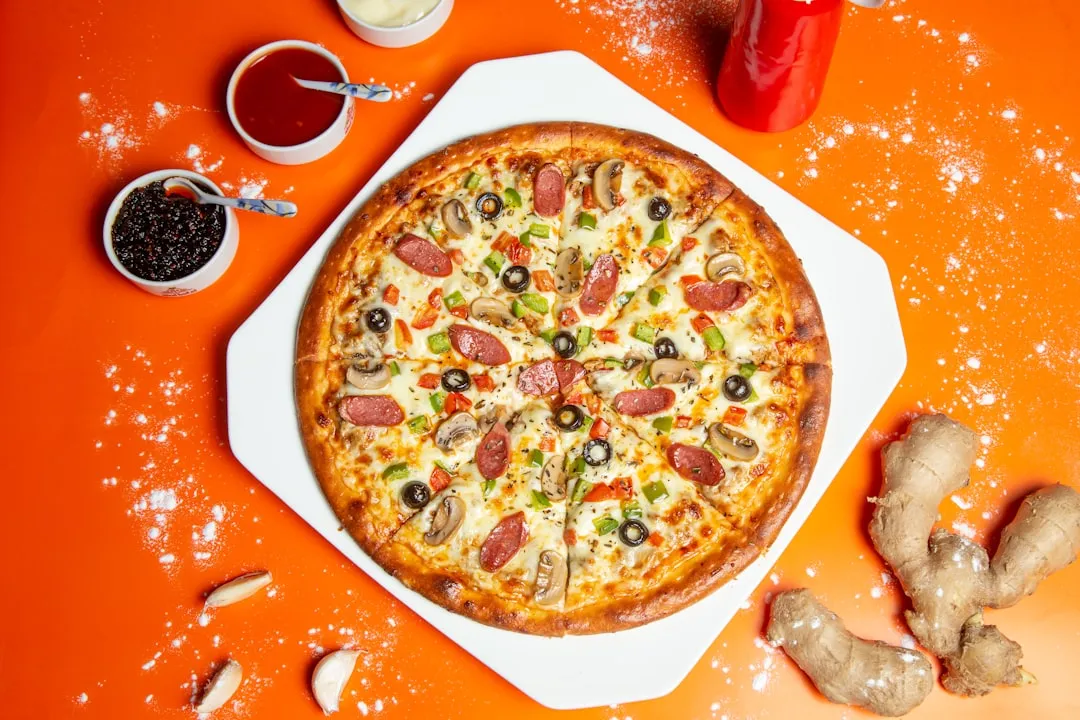
Most visitors to Rome head straight for pizza al taglio. It’s easy to find, it’s photogenic, and it delivers on expectations. But eating your way through Italy is essentially eating through history, culture, and local pride in the most delicious way possible. Roman food tour guides consistently point to supplì, the deep-fried rice balls stuffed with ragù and mozzarella, as the snack locals actually reach for first.
You’ll find them at old-school friggitorie, takeaway fry shops that rarely appear in guidebooks. Many food tours include visits to establishments that tourists might never discover on their own, including family-run eateries tucked away in residential neighborhoods and market stalls. Supplì are sold hot and fast, eaten standing up, and cost very little. That combination is exactly why they belong to locals more than any fancy trattoria does.
Tokyo: Teishoku Sets Over Elaborate Omakase
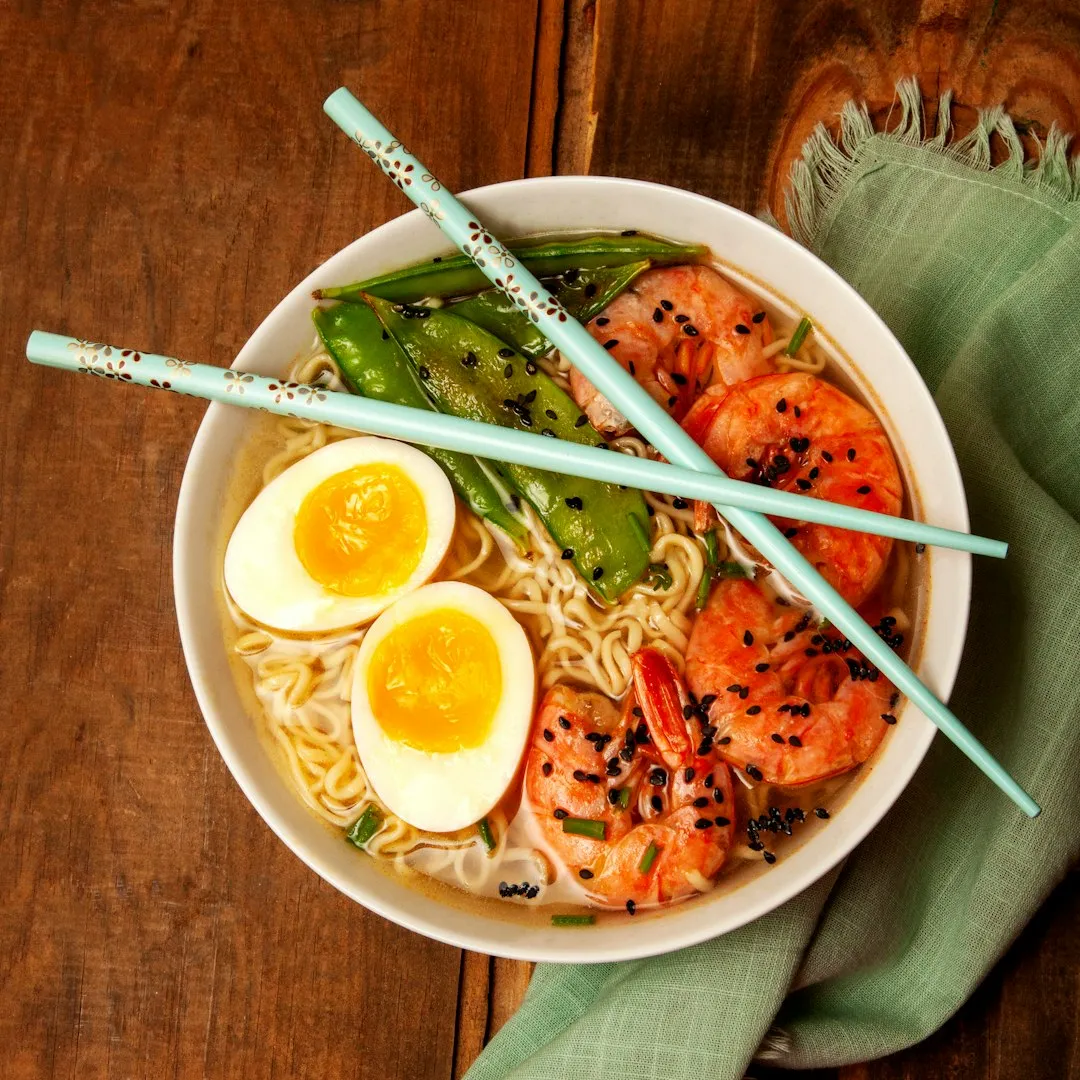
Japan welcomed a record-breaking 42 million tourists in 2025, and the majority of them arrived with sushi and ramen already top of mind. Those are genuinely great choices. Still, guides who run food tours through Tokyo’s working neighborhoods consistently note that the teishoku, a set meal of rice, miso soup, pickles, and one grilled or simmered main, is what office workers and neighborhood families eat every single day.
A $5 bowl of ramen at a standing counter or a perfectly grilled yakitori skewer on a street stall can be just as transcendent as a 10-course kaiseki dinner. The same applies to a teishoku at a neighborhood shokudo. High-quality ingredients, exquisite presentation, and well-balanced flavors are central to Japanese cuisine, and a common theme amongst the dishes is the focus on umami, the rich, savory taste that gives Japanese food its unique depth. Tourists skip teishoku because there’s no drama to it. That’s precisely the point.
Mexico City: Pozole Instead of Tacos al Pastor
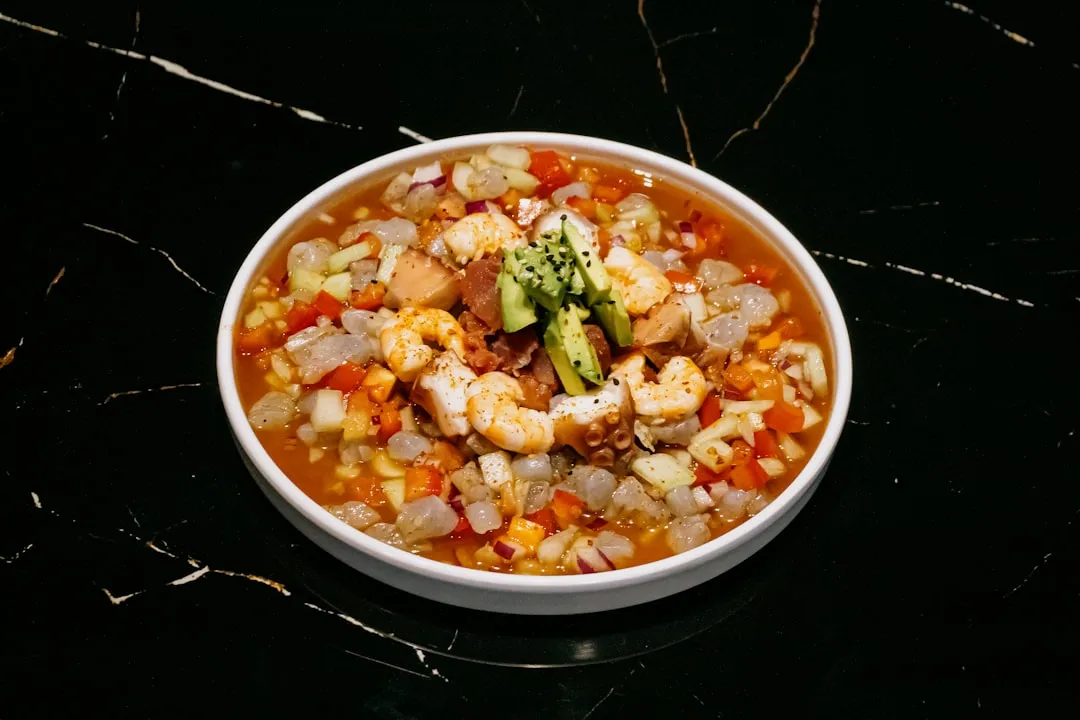
Tacos al pastor are extraordinary, and no one is suggesting you skip them. Rooted in centuries-old heritage, Mexico City offers traditional dishes like tacos al pastor and mole, prepared with ancient techniques and heirloom ingredients. However, guides leading tours through the city’s mercados will tell you that locals, especially on weekends, sit down for pozole. Pozole is a limey, hearty soup crammed with either pork or chicken, hominy corn, and a table full of garnishes you assemble yourself.
It’s a communal, slow-food experience in a city that tourists tend to rush through. Mexico’s Oaxaca blends indigenous and modern flavors with mole tastings and mezcal tours, and a 2024 survey found that roughly half of food travelers visit Mexico specifically for its cuisine. Yet pozole, the dish that appears at family celebrations and Sunday lunches, remains largely invisible to the tourist eye. Finding it means stepping away from the main plazas and sitting down properly.
Bangkok: Boat Noodles, Not Pad Thai
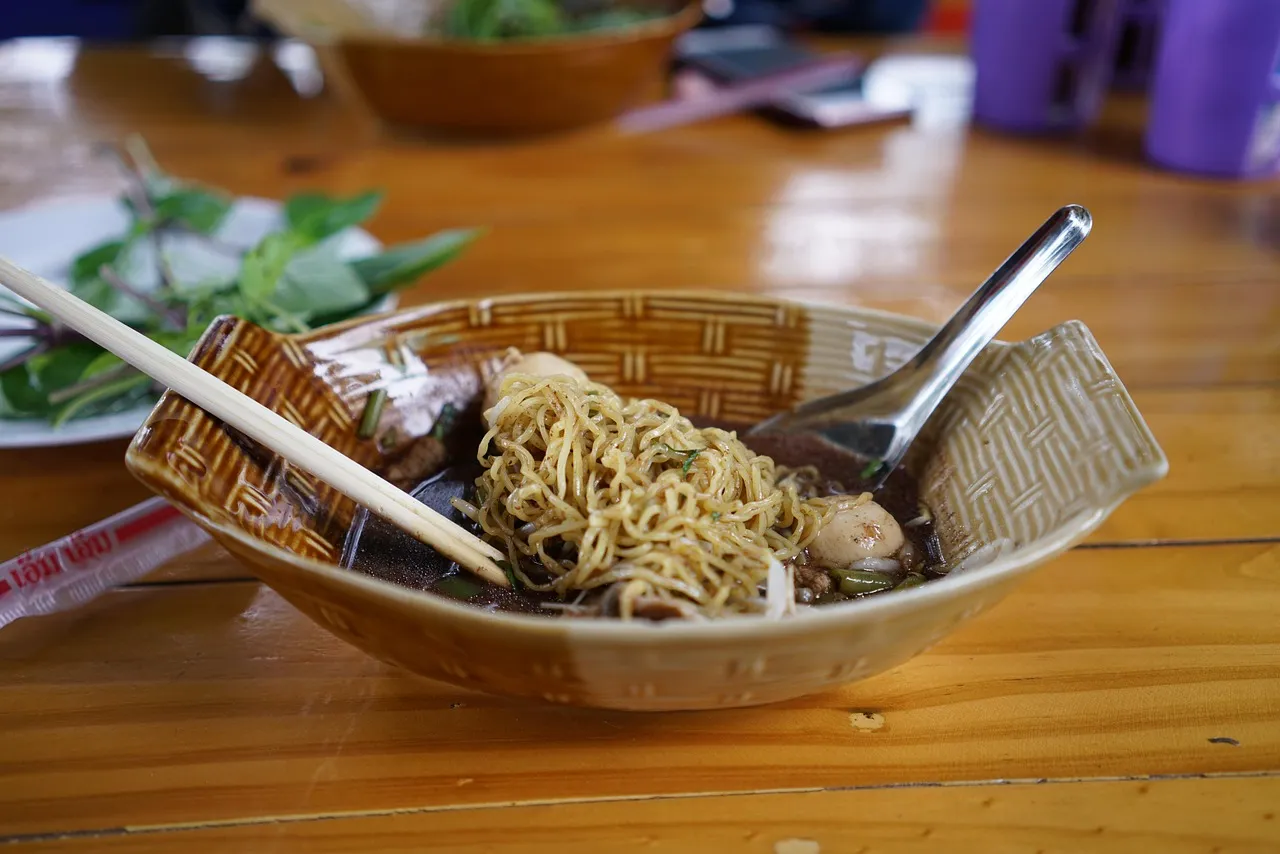
Thailand’s street food scene attracts around 15 million visitors yearly, and the vast majority of them eat pad thai at least once. Tour guides operating in Bangkok’s older neighborhoods tell a different story about what locals actually crave: boat noodles. These are small, intensely flavored bowls of broth made with pork or beef and a trace of blood that gives the soup its deep, almost mineral richness. Historically served from canal boats, they’re still sold in small shops where you order several rounds in succession.
Immersing yourself in local food culture means visiting local markets like Bangkok’s Chatuchak to sample fresh ingredients. From the sizzle of street food to the quiet elegance of local eateries, food guides unfold a city’s culinary narrative in a way that’s both insightful and intimate. Boat noodles are exactly that kind of intimate story. They cost almost nothing, take about four minutes to eat, and communicate something about Bangkok’s water-based past that no landmark can.
Lisbon: Migas Over Bacalhau
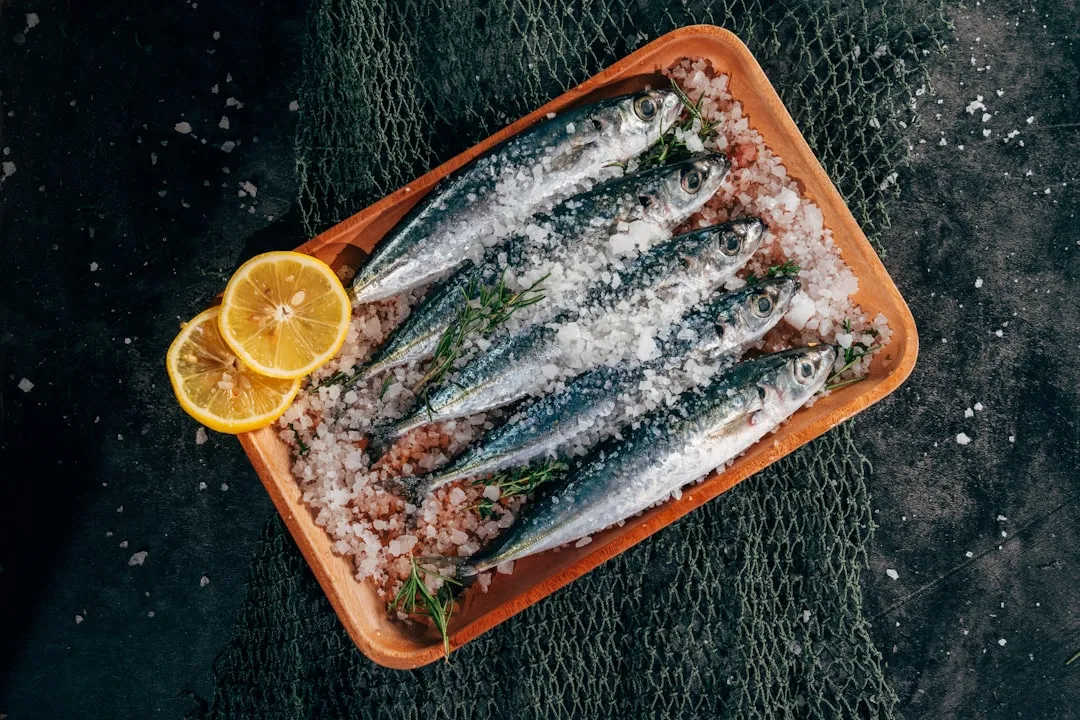
With the Atlantic on its doorstep, Lisbon is a hotspot for fresh fish dishes, such as grilled sardines, octopus, and bacalhau, a type of salted cod often served with fried potatoes and rice. Bacalhau is genuinely beloved and worth trying. Yet local food guides point to migas, a humble dish of bread fried in pork fat with garlic and greens, as the thing that Lisboetas actually cook at home and order in tasca restaurants that don’t show up in travel apps.
Migas was historically a poor man’s dish, a way to use stale bread and whatever pork scraps were available. Today it sits quietly on menus alongside trendier options. Lesser-known destinations like Portugal’s Alentejo offer authentic cuisine with fewer crowds, benefiting small producers, and the same spirit applies to Lisbon’s older neighborhoods. Guides who walk the Mouraria district will walk you past the exact tascas where migas is still cooked the old way.
Osaka: Kushikatsu Sauce Rules, Not Just Takoyaki
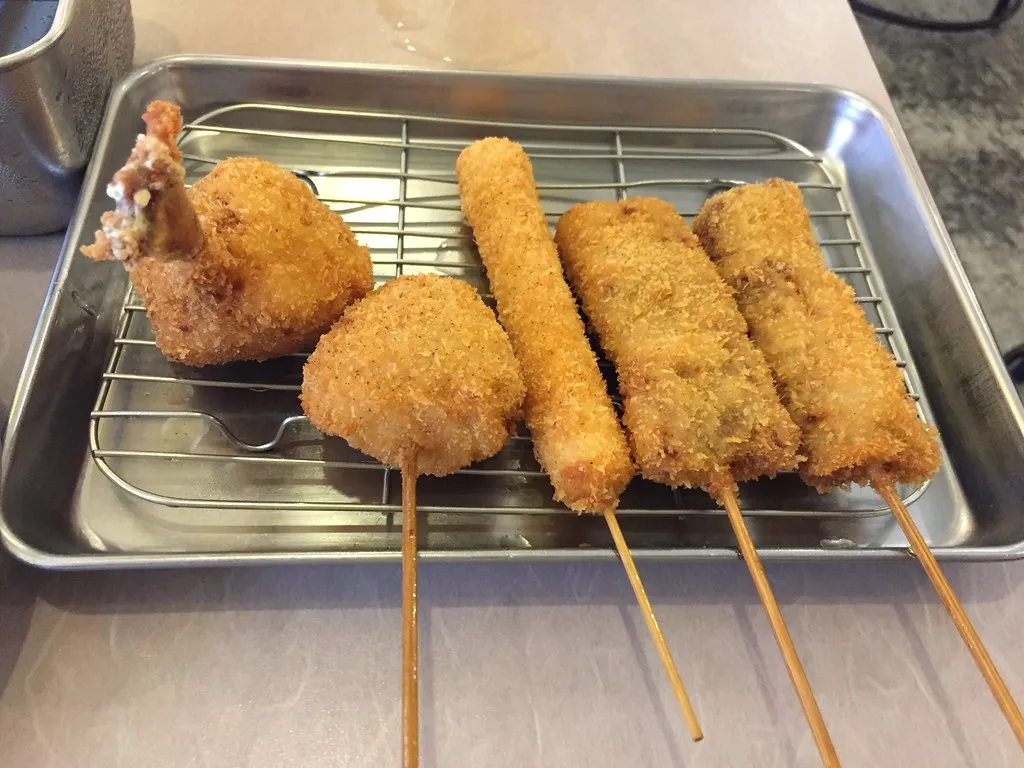
In Japan, Osaka’s hundreds of MICHELIN-approved restaurants will shine globally as it gears up for hosting the 2025 World Expo. Visitors arrive ready for takoyaki, the octopus-filled batter balls that are genuinely iconic. What guides in the Shinsekai district describe instead is kushikatsu, skewered and breaded meats, vegetables, and seafood fried in clean oil and served with a communal dipping sauce that comes with one strict rule: no double-dipping.
The no-double-dipping rule is not a quirk. It’s a point of neighborhood pride, and violating it is a genuine social misstep. Food tours are led by knowledgeable guides, often locals with deep connections to the food scene, who provide historical context, cultural insights, and behind-the-scenes stories that enrich the eating experience. Kushikatsu counters in Shinsekai are those kinds of places. You sit elbow to elbow with regulars, the fryer is always going, and the atmosphere tells you more about Osaka’s working-class spirit than any tour bus stop could.
Oaxaca: Tlayudas Over Mole (Or Rather, Before It)
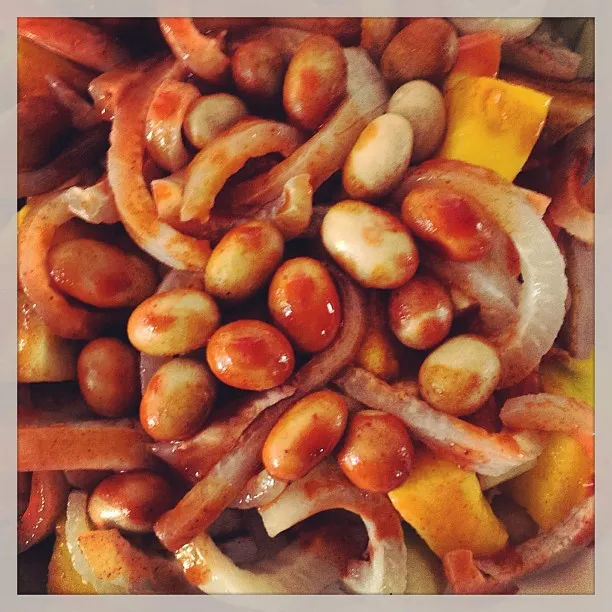
Mole is Oaxaca’s most internationally recognized dish, and rightly so. It’s complex, ancient, and worth every minute of attention. Mexico’s Oaxaca blends indigenous and modern flavors with mole tastings and mezcal tours. Still, food guides in the city are quick to note that the dish locals eat almost daily is the tlayuda. It’s a large, partially dried tortilla layered with black bean paste, asiento (unrefined pork fat), Oaxacan cheese, and whatever protein is on hand.
Tlayudas are sold at night markets and from street carts that operate until the early hours. They’re cheap, filling, and almost never appear on the tourist circuit, which is dominated by mole negro and mezcal flights. Many of Oaxaca’s chefs are championing indigenous ingredients, techniques, and seasonal produce, while elevating traditional recipes to fine dining standards, but the tlayuda exists outside that fine-dining conversation entirely. It’s food that answers hunger directly, which is sometimes exactly what you need.
Spain’s Basque Country: Pintxos You Build Yourself
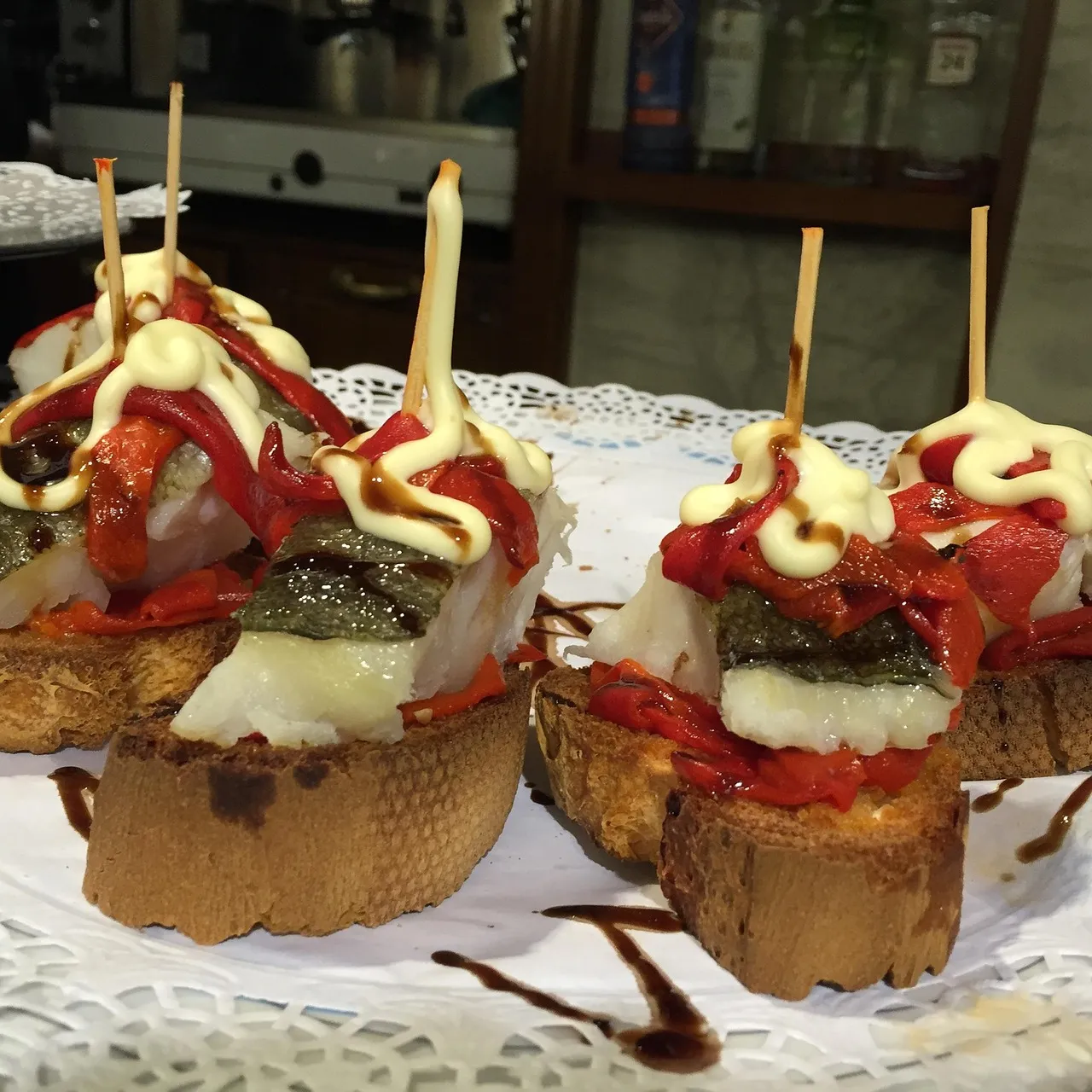
Spain’s tapas tours host around 12 million participants each year, and the pintxos bars of San Sebastián and Bilbao are justifiably famous. Tourists come expecting perfection, and they often get it. What guides point out, though, is that locals don’t stand at the polished bar ordering the most photogenic skewers. They look for the back corner where the day’s specials are written on a chalkboard, and they pair a simple pintxo with a cold glass of txakoli, the local sparkling white wine, without fussing over the selection.
Europe’s San Sebastián, with its Michelin-starred restaurants, attracts gourmet enthusiasts from across the globe, and that attention sometimes overshadows the casual bar culture that actually defines Basque eating. The ritual matters as much as the food: stand, eat quickly, wipe the counter with a paper napkin, move to the next bar. Guides who grew up here will tell you to follow that rhythm rather than photographing every plate.
Vietnam’s Hanoi: Bun Rieu Over Pho
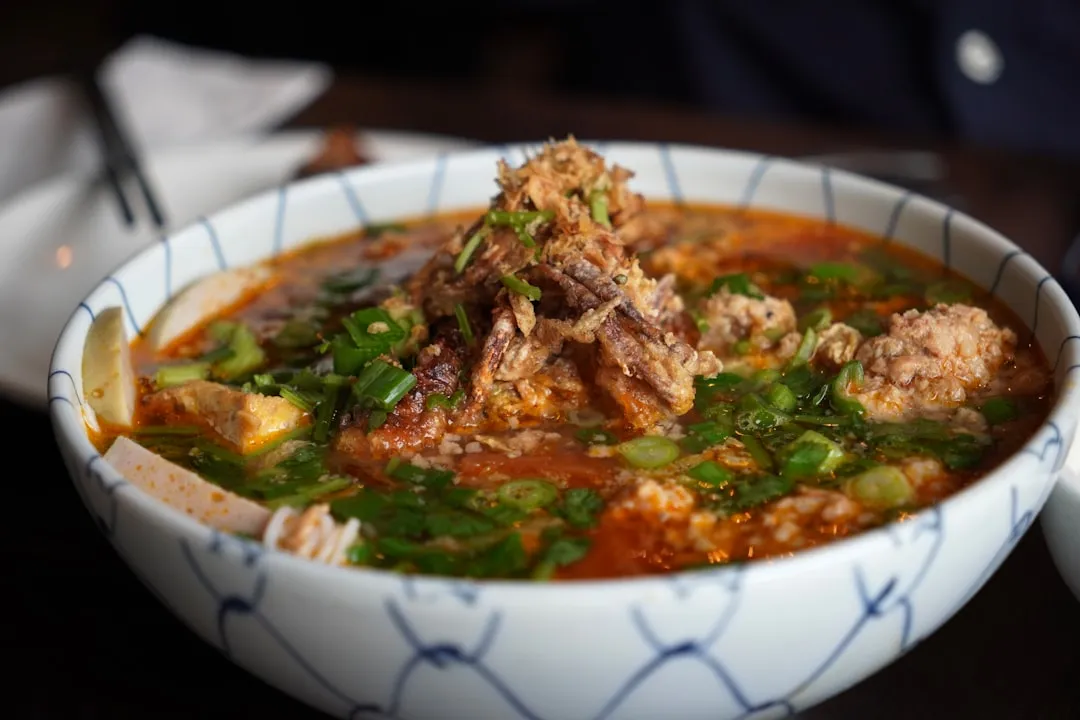
Pho is Hanoi’s most famous dish, and it deserves every bit of that fame. Vietnam’s pho tours attract around 9 million visitors annually, which tells you something about the dish’s global reach. But guides working the city’s Old Quarter consistently steer curious eaters toward bun rieu, a vermicelli noodle soup made with tomato broth, crab paste, and tofu that has a completely different flavor profile. It’s tangy where pho is clear, and textured where pho is clean.
Bun rieu is sold from small plastic stools on narrow streets, usually from dawn through mid-morning, and it disappears when the pot runs out. That transience is part of what makes it a local dish rather than a tourist one. Rather than experiencing a single establishment, food tours typically include multiple stops carefully selected to showcase different aspects of local cuisine, allowing travelers to sample a broader range of dishes and cooking styles than would be possible through independent dining. Bun rieu is exactly the kind of stop a good Hanoi guide saves for the end of the morning.
Why the Gap Between Tourist and Local Tables Keeps Growing
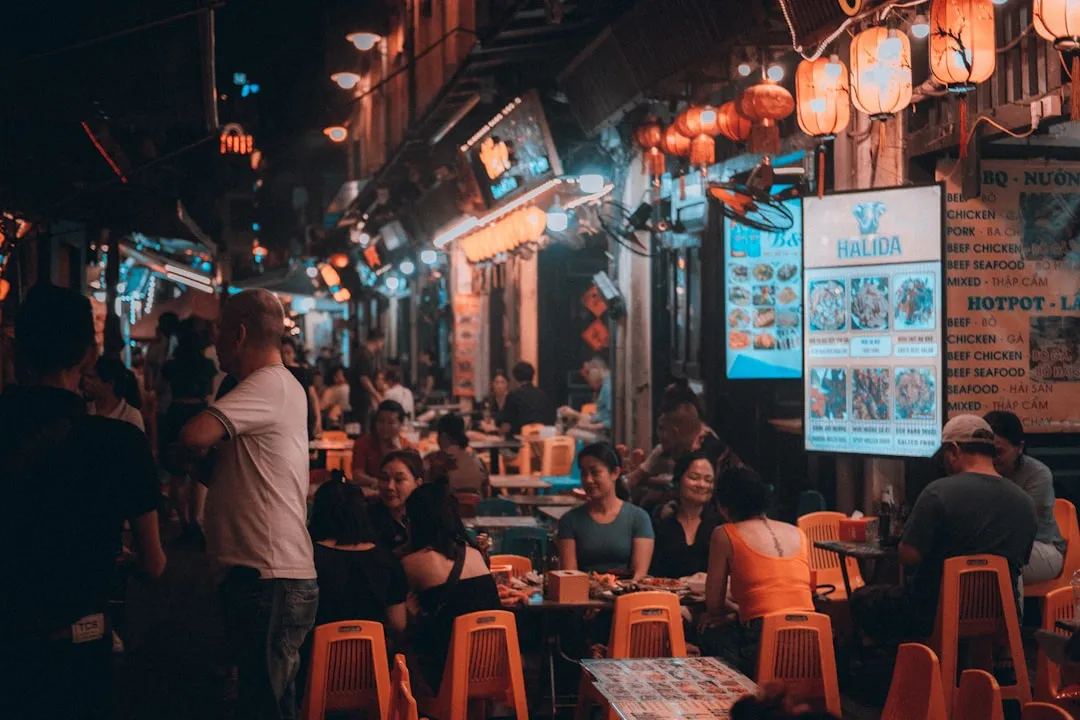
Food tours have emerged as the fastest-growing segment in luxury tourism, with the global culinary tourism market projected to expand from around $13.83 billion in 2024 to over $85 billion by 2034, reflecting a fundamental shift in how travelers approach destinations. Despite that growth, the gap between what tourists eat and what locals eat remains surprisingly wide. Around four in five travelers say they’re most excited about trying local foods, and nearly the same share say they like trying completely new food options while traveling. The intention is there. The follow-through is harder.
A Hilton study involving 10,000 travelers from nine countries found that culinary experiences ranked as the top priority for more than half of respondents across Millennials, Gen Z, Gen X, and Baby Boomers. Yet food neophobia, the pull of familiar brands, and the visual dominance of social media continue to funnel visitors toward the same dozen dishes in every city. Before visiting their destination, roughly four in five travelers research food and drink in advance, but that research too often leads back to the same recommended lists. A local food guide, the kind rooted in a neighborhood rather than a hotel lobby, is still the most direct shortcut through all of that noise.
The Takeaway
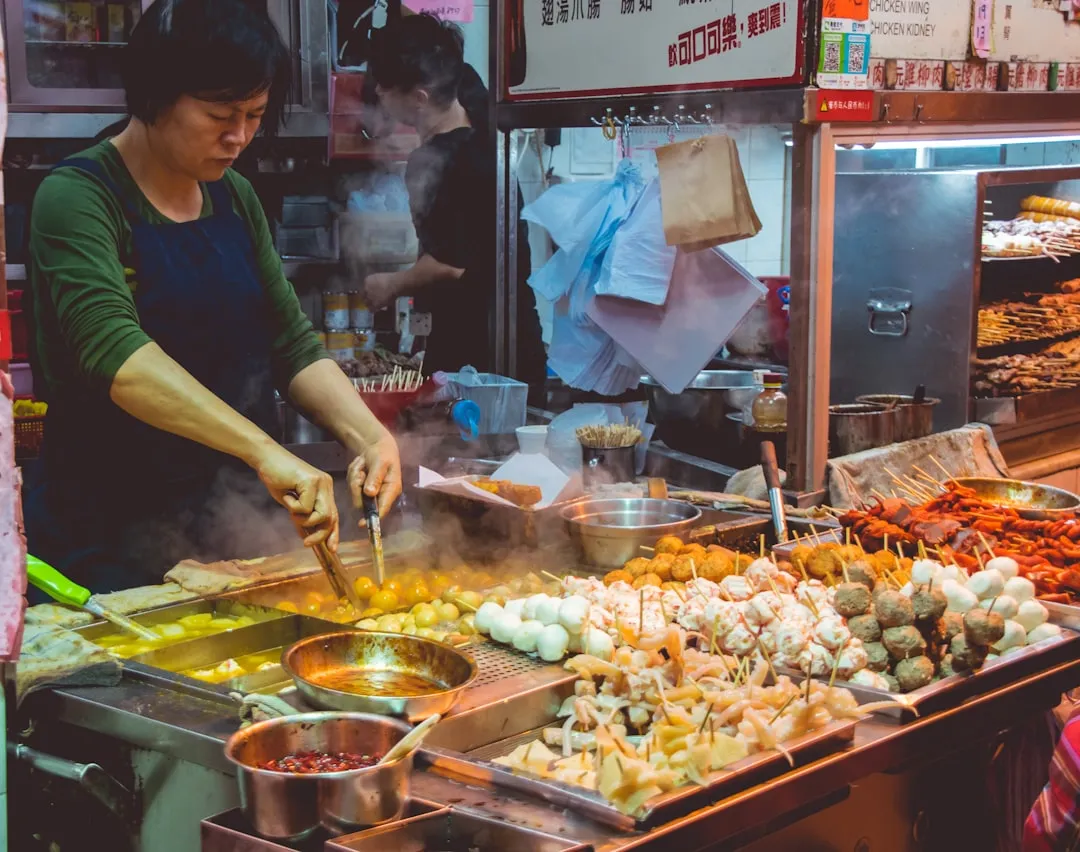
There’s nothing wrong with eating the famous dish. Pad thai, cacio e pepe, and tacos al pastor are famous for good reason. The more interesting question is what comes after you’ve eaten those, or what locals are eating one table over while you study the menu. That second dish, the humbler one with no English description and a price that seems almost too low, is usually the one that stays with you longest.
The primary driver of culinary tourism is the growing desire to explore local dishes, connect with locals, and gain deeper insight into a destination’s history and culture. A good food tour guide earns their value not by confirming what you already planned to eat, but by showing you the thing you’d never have ordered on your own. That unlisted bowl, that fried bread, that sauce with the no-double-dipping rule. Those are the meals that make you understand a place rather than simply visit it.
AI Disclaimer: This article was created with the assistance of AI tools and reviewed by a human editor.