
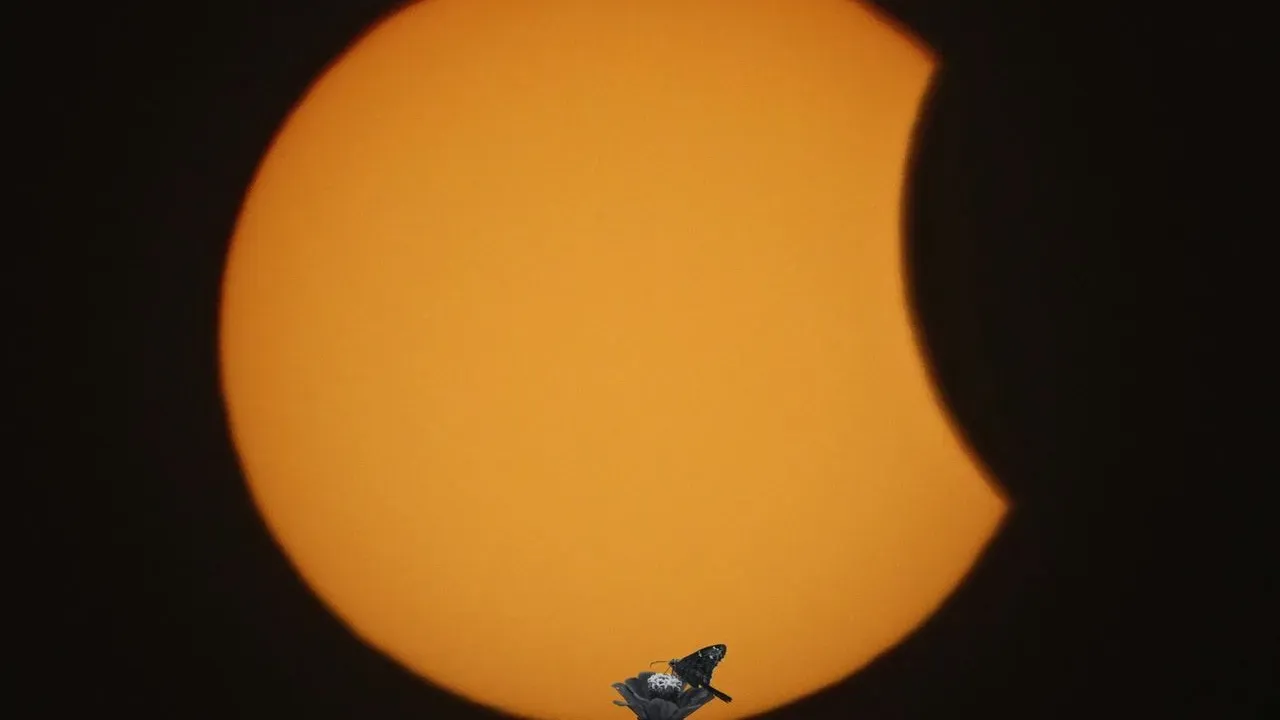

London had promised more than 90 percent coverage of the recent solar eclipse, yet the pull of full darkness proved stronger than any plan for rest. After a demanding stretch of work and a milestone birthday, one traveler set aside a self-imposed pause on trips and looked instead toward the path of totality over northern Spain and the Balearic Islands. A quick scan of award space on British Airways flights opened an unexpected possibility: what if the right aircraft could thread the narrow corridor of complete shadow from above?
The Search for the Right Window
Initial research pointed to a flight to Palma de Mallorca, but further checks revealed the route would miss the zone of totality. A second plan took shape after studying flight paths and timing data from recent days. British Airways Flight 2644 from London Gatwick to Malaga stood out because its typical delay placed the aircraft directly over the eclipse track at the critical moment.
Availability appeared wide open in both economy and business class. Window seats on the west-facing side remained open, and with elite status the traveler secured the ideal spot at no extra charge. The total outlay came to 14,000 Avios plus roughly 2.50 pounds in taxes and fees. The booking felt almost too straightforward for an event so rare.
Airborne and Awaiting the Shadow
Security at Gatwick moved quickly, leaving time for a relaxed meal before boarding. The group arrived at the gate carrying solar glasses and cameras, drawing quiet curiosity from fellow passengers. Departure ran later than scheduled, which aligned precisely with the needed window for totality.
Once airborne, the cabin settled into routine while a handful of travelers monitored the sun through protective lenses. The captain later confirmed the timing and route, noting the rare chance to witness the moon’s shadow sweep across the landscape far below. Passengers began sharing the glasses, turning the flight into a shared observation.
Darkness Descends Over the Earth
Forty minutes into the flight the shadow raced across the ground beneath the aircraft. The cabin fell silent as daylight vanished from the slice of Earth in view, then erupted in gasps and quiet exclamations. Faces pressed to windows showed a mix of wonder and disbelief at the sudden nightfall visible only from altitude.
Totality lasted roughly 90 seconds before a single bright point of sunlight emerged, forming the diamond-ring effect. Conversation resumed at once, with photos passed between seats and new connections formed in the excitement. The final descent into Malaga brought an additional treat: a partial-eclipse sunset that lingered through the approach.
The moment remains vivid, a reminder that careful timing and modest resources can open extraordinary perspectives on familiar skies.
Lessons From an Unexpected Journey
The experience underscored how existing flight schedules can align with rare celestial events when travelers watch the data closely. No new infrastructure or special charters were required, only attention to timing and a willingness to adjust plans. The low cost in out-of-pocket expenses highlighted the value of points programs for purposeful trips rather than routine travel.
Future eclipses will draw similar interest, and the same approach of matching routes to the path of totality offers a repeatable way to witness these events without excess. The flight proved that wonder often rewards those who look beyond the obvious vantage points on the ground.
AI Disclaimer: This article was created with the assistance of AI tools and reviewed by a human editor.