


Money left on a table communicates something different depending on where that table sits. In one country, it’s respect. In another, it’s practically a paycheck. Somewhere else, a server might quietly hand it back to you, genuinely puzzled by the gesture. What makes tipping so fascinating is that the same action, same amount, same intention, lands completely differently based on a few thousand miles of geography.
Understanding the gap between what travelers assume and what servers actually expect is useful for anyone who moves across borders. These ten countries each tell a different story about gratitude, wages, and what good service is even supposed to mean.
United States: The 20% Threshold That Keeps Climbing

The U.S. federal tipped minimum wage has been frozen at $2.13 per hour since 1991, making tips essential income rather than a bonus. That structural reality shapes everything about how American servers receive a tip. Tipped workers report modest expectations, with roughly half saying they expect between 15 and 19 percent, and only one in five expecting 20 percent or more.
In the second quarter of 2024, the average restaurant tip tracked by Toast sat at 18.8 percent, down slightly from 19.8 percent in late 2021. Still, anything below 15 percent reads as a statement, not just a number. In Boston, tips accounted for roughly three quarters of total server wages, while Washington D.C. recorded the highest tip share at 81 percent of total earnings. A genuinely surprising tip in the U.S. is one that exceeds 25 percent, which servers at busy urban restaurants describe as rare and memorable.
Japan: Any Tip at All Is the Surprise

Japan is widely noted as a culture where gratuity practices largely do not exist, with numerous travel agencies and companies documenting how tipping is considered either inappropriate or, in some cases, rude. The philosophy behind this is rooted in service culture itself. In restaurants and food service, Japanese culture treats good service as something to be expected by default and not rewarded with extra money.
An organization called the Tip Project was launched in 2021 specifically to try to introduce American-style gratuity into Japanese culture, but the initiative was shut down in the first half of 2023. The experiment’s failure says a great deal about how deeply embedded the no-tip norm is. Tipping in Japan may be perceived as a rude gesture; outside of restaurants, service workers in tourism may accept tips, but only if presented discreetly, and ideally in a small envelope to honor local presentation customs.
France: A Few Euros Goes a Long Way
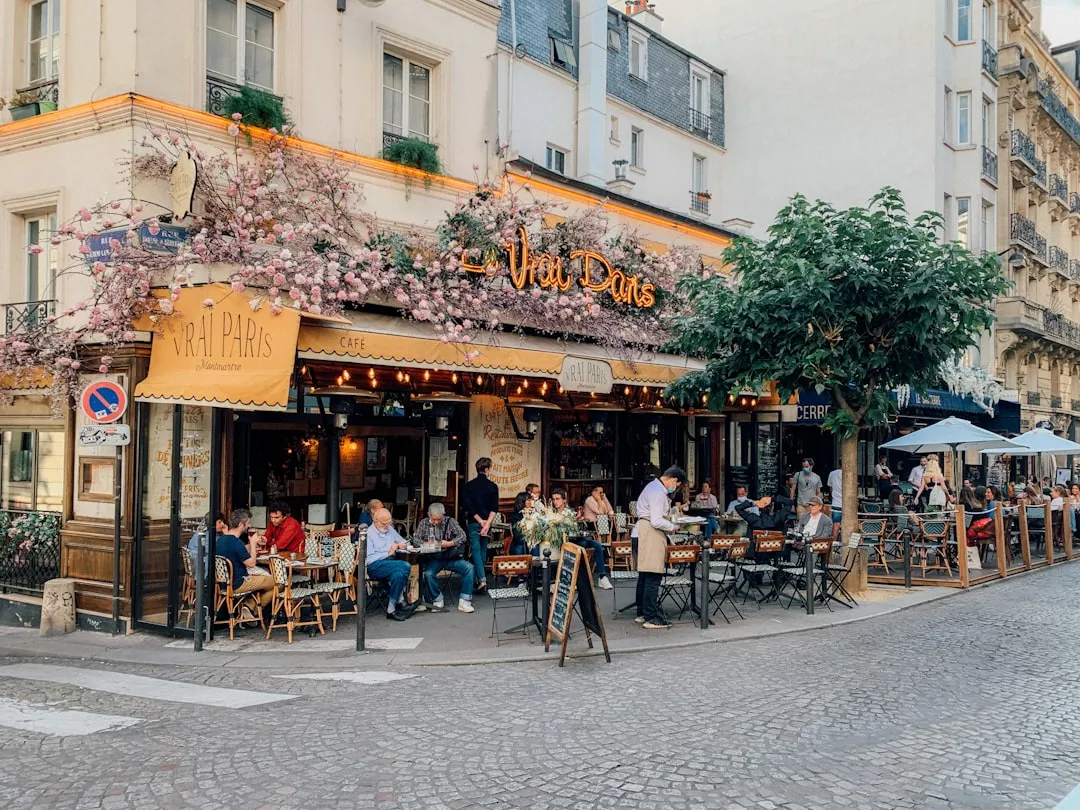
In France, service is legally included in menu prices since 1987, meaning staff are paid living wages and tipping is genuinely optional. Many tourists arriving from North America don’t realize the bill they see already includes everything. The majority of French restaurant bills will include a “service compris,” a 15 percent service charge built in.
A server will appreciate generosity if you choose to leave a small additional tip, though the amount is determined entirely by the level of service, with no set guidelines, and generally five to ten percent is considered sufficient. For a French server who isn’t expecting anything extra, even a few euros left genuinely signals appreciation. The surprise isn’t a large amount but the gesture itself, which most French diners skip entirely.
Egypt: Tipping Is Woven Into Daily Life

In Egypt, tipping is known as baksheesh, and it’s expected from both locals and tourists as a sign of appreciation for good service, with a service charge of around 12 percent often added to restaurant bills. What genuinely surprises Egyptian servers is not the tip itself but the amount. Tipping an additional ten percent on top of the service charge is considered polite.
In Egypt, tipping is considered essentially mandatory, making it one of the clearest examples in the world of gratuity as a structural part of compensation rather than a discretionary reward. Travelers who skip it entirely, perhaps assuming the service charge covers the custom, tend to create genuine confusion. Customarily, between ten and fifteen percent is expected, and even when a service charge is already visible on the bill, tipping on top of it remains the norm.
Germany: Rounding Up Is an Art Form
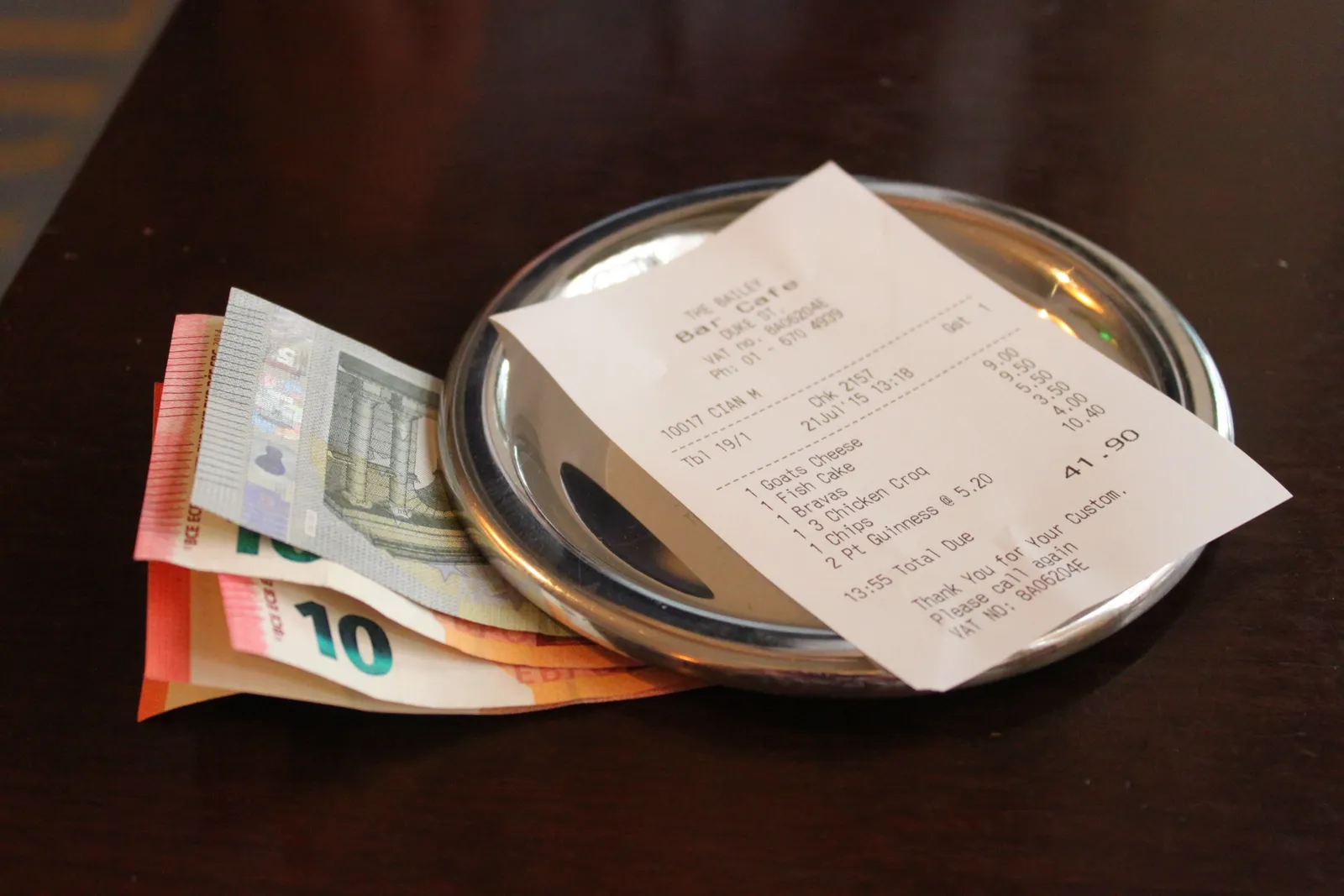
Tipping in Germany is highly dependent on the quality of service, with five to ten percent considered typical, and up to fifteen percent used to express gratitude for particularly good service. What makes German tipping distinct, and what surprises servers from other countries visiting, is the method. In Germany, the custom is to make the tip a round number and give it directly to the server in bills, not coins.
Rather than leaving money on the table after the server has walked away, Germans tend to state the total they wish to pay when handing over cash. It’s a direct, dignified transaction. A visitor who drops American-style percentages on a Berlin server is likely to receive a quietly startled reaction, not because the money is unwelcome, but because the amount can feel disproportionate to local norms.
Iceland: Tips Create Genuine Awkwardness

Tipping is not part of Icelandic culture, and attempting to tip may create an awkward moment since staff may not know how to respond. This isn’t modesty or politeness deflection. Servers in Iceland earn roughly $25 to $30 per hour with healthcare, pension, and generous vacation time built in, meaning tips become genuinely unnecessary because a living wage is already built into the price.
In Iceland, the service charge is included in the bill, and rounding up for exceptional service is appreciated but not expected. Visitors who tip based on U.S. instincts often leave servers unsure whether to keep the money or return it. The strange rumor that tipping is actually illegal in Iceland is a complete myth, but the social awkwardness it creates is real enough to make a generous tip feel stranger than intended.
Mexico: Tourist Zones Have Shifted Expectations
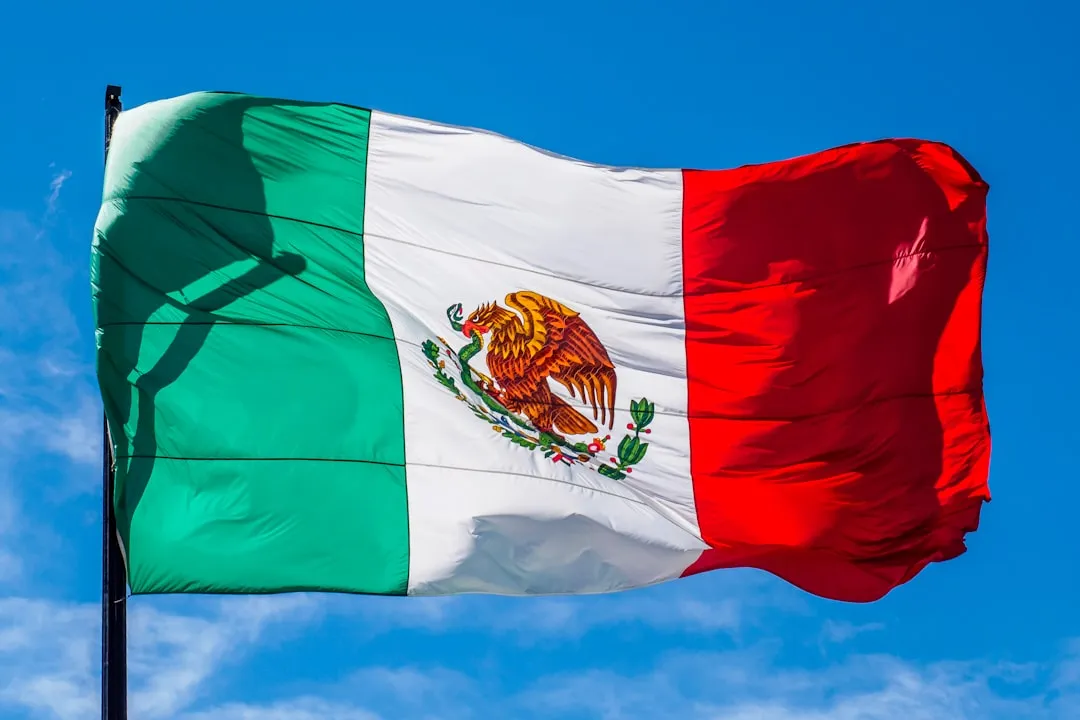
In Mexico, tipping ten to fifteen percent is considered good practice at restaurants and bars, and for exceptional service, twenty percent is appropriate, mirroring what you’d find in the United States. The nuance, however, lies in the gap between tourist areas and everyday local dining. Tipping, locally called propina, is expected at restaurants, with ten to fifteen percent as standard, though tourist areas may now expect U.S.-style fifteen to twenty percent.
Servers in resort towns along the coasts have grown accustomed to visiting North Americans who tip heavily. A Mexican server in a non-tourist town might be genuinely delighted by even a modest ten percent, while the same server in a Cancún hotel would find it slightly low given how the local industry norm has evolved. The influx of tourism is actively reshaping tipping customs in countries like Mexico and other parts of the region, gradually shifting what counts as standard.
Australia: Rounding Up Is Plenty
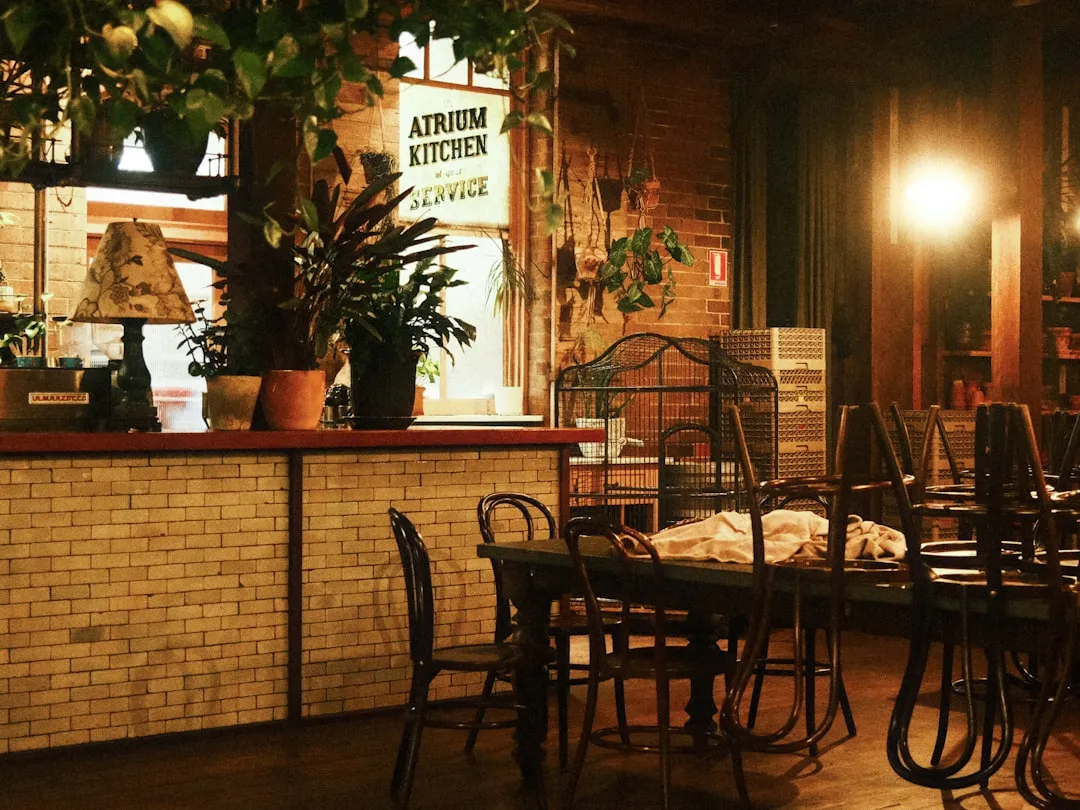
In Australia and New Zealand, servers and drivers don’t expect tips but genuinely appreciate it when you round up the bill. Australia has a national minimum wage that applies to hospitality workers, which removes the structural dependency on tips that defines service in places like the U.S. Traditionally, no regular restaurant tipping takes place in Australia, with the exception of tips left by tourists.
This means an Australian server receiving a twenty percent tip from an American visitor might feel genuinely surprised, even slightly uncomfortable, because it signals a misunderstanding of their pay structure. A small rounding up of a few dollars is warmly received. Anything resembling U.S. customs can feel excessive and slightly out of place in a local setting, though in cosmopolitan city restaurants the culture is gradually softening.
South Korea: Generosity Can Feel Like an Insult

South Korean service workers don’t expect tips, and tipping isn’t considered culturally appropriate; in fact, large tips may even be seen as tacky or mildly offensive. This cultural signal carries real weight. In South Korea, tipping may be taken as an offense, as high service standards are considered a point of professional pride.
For a South Korean server, the surprise of a tip isn’t pleasure at receiving extra money. It’s closer to mild confusion about why a customer would undermine a professional interaction with a payment that wasn’t asked for. In countries like South Korea, tipping is not customary or is outright discouraged, and travelers who know this will avoid awkward situations while ensuring their appreciation is received positively. A genuine compliment, or simply returning to the restaurant, communicates appreciation far more clearly.
United Kingdom: Ten to Twelve Percent Still Lands Well

In the UK, it’s worth checking whether a service charge is already included on the bill, which is common at around 12.5 percent; if it isn’t included, ten to 12.5 percent is appropriate for good service. British tipping culture sits in a middle ground that many visitors misjudge in both directions. Tips are greatly appreciated in the UK, which makes it meaningfully different from the no-tip countries nearby, yet U.S. visitors accustomed to tipping twenty percent or more often over-tip out of habit.
A British server receiving a twenty percent cash tip on top of an already-included service charge would feel genuinely surprised, and probably grateful, but also slightly uncertain whether the diner realized the charge was already there. If you choose to leave a small additional tip in the UK, the preference is to hand it to your server directly in cash rather than leave it on the tabletop. It’s a small detail, but it reflects how personal and intentional the gesture is meant to feel.
What the Gap Between Countries Actually Tells Us
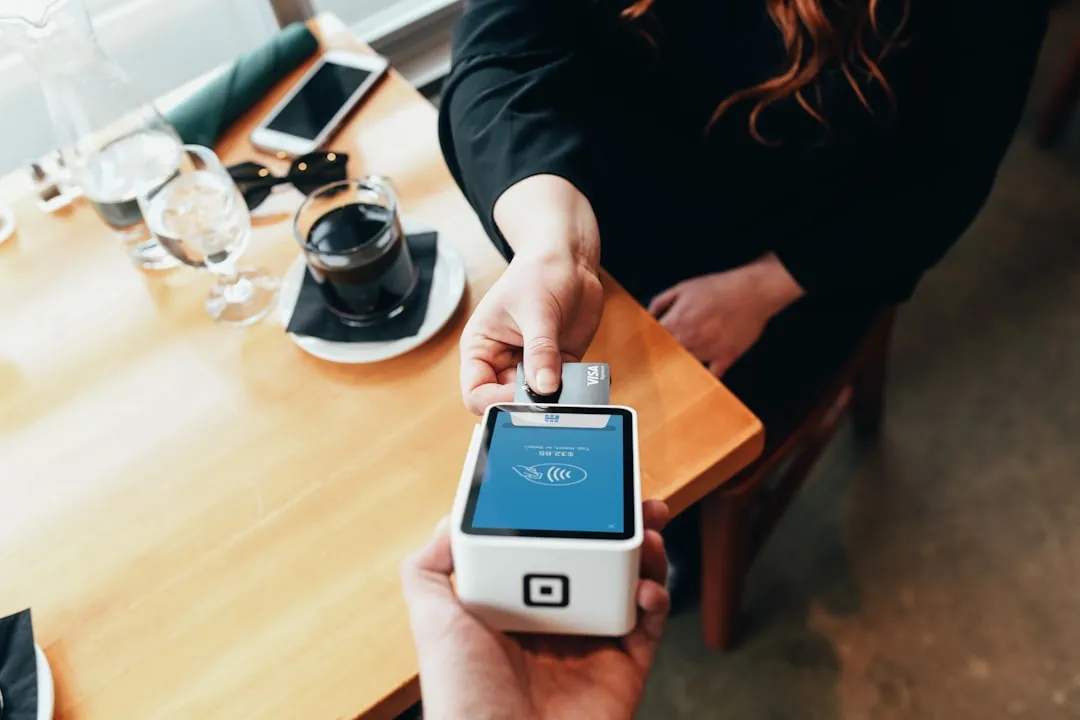
The difference between a tip that surprises a server in Tokyo versus one that surprises a server in Washington D.C. is not really about money. It’s about what the service relationship is built on. Proper tipping behavior varies significantly across the globe, and in some cultures, leaving a tip can be considered offensive, while in others, it’s an expected gesture of appreciation.
Tipping customs continue to change as tourism shapes cultural norms and wage laws evolve, which means the rules from a decade ago don’t always hold. The most useful thing any traveler can do before arriving somewhere new is to treat tipping as a cultural question, not a math problem. What surprises a server most isn’t always the size of the amount. Sometimes it’s the fact that you knew what the right gesture was in the first place.
AI Disclaimer: This article was created with the assistance of AI tools and reviewed by a human editor.