
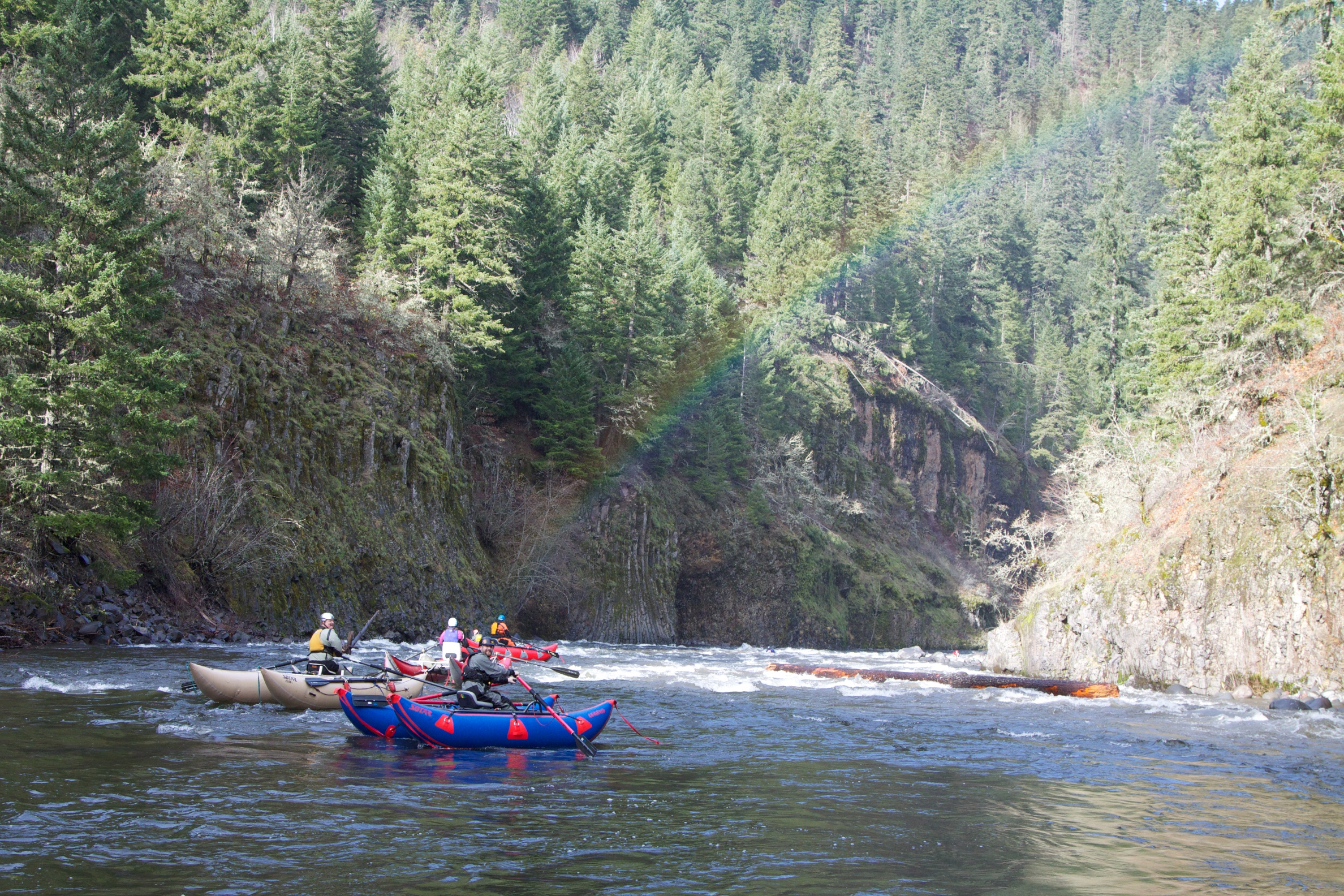

There’s a moment every river guide knows well. A guest stands at the put-in, eyes fixed on a patch of white water downstream, grip tightening on the paddle before the raft has even touched the current. The rapid looks loud, it looks unpredictable, and it looks dangerous. More often than not, guides say, it’s a Class III.
That gap between how a rapid looks and how it actually performs on a guided trip is something experienced river professionals see every single season. Understanding where that fear comes from, and what the numbers actually mean, can transform a white-knuckle morning into something genuinely joyful.
The Rapid That Gets the Most Undeserved Fear: Class III
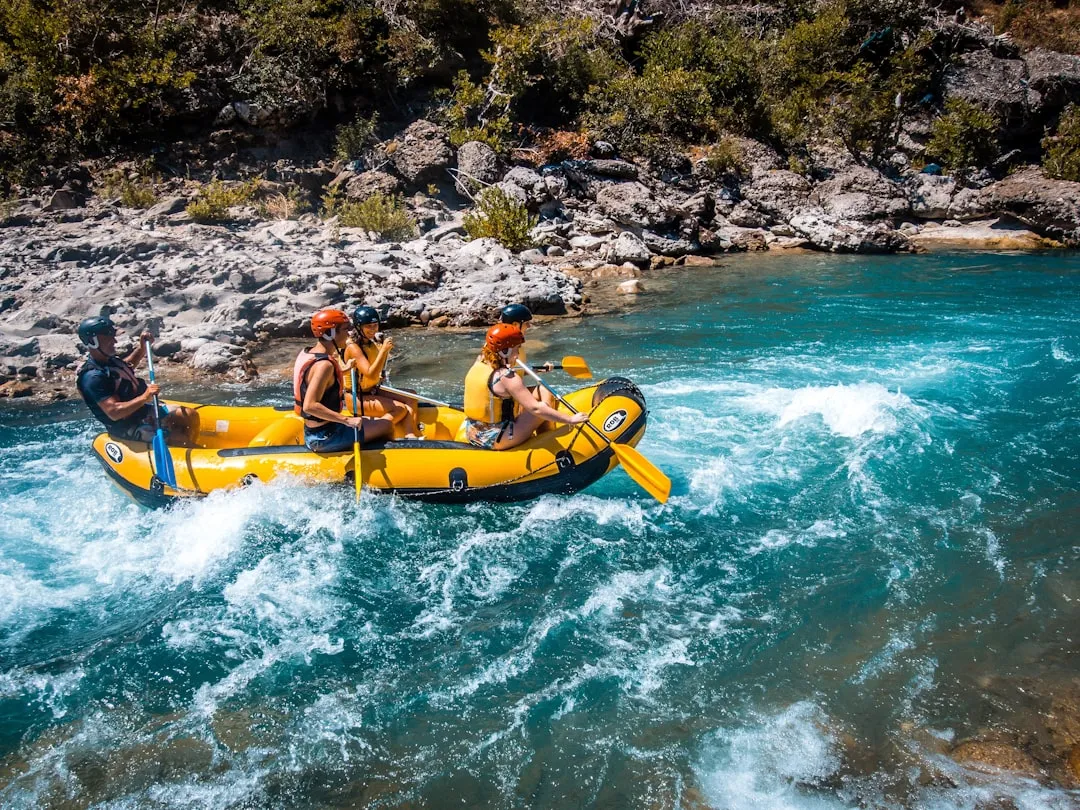
Class III rapids are often considered the sweet spot in whitewater rafting: exciting enough to get your adrenaline pumping, yet manageable for adventurous beginners and intermediates with basic paddling skills. Still, it’s the class that consistently draws the most pre-trip anxiety from first-timers.
Class III is defined as intermediate whitewater featuring moderate waves, swift currents, and obstacles requiring some technical maneuvering. That description sounds intimidating in writing. On the water, especially in a large guided raft, it tends to feel more like a thrilling ride than a survival exercise.
Class III rapids bring a noticeable step up in intensity, with stronger currents, irregular waves, and narrower paths. You might get splashed and bumped around a bit as you navigate medium-sized waves and small drops. That splash is usually the part people remember most fondly afterward.
What the Rating Scale Actually Means
The International Scale of River Difficulty ranks rapids from Class I (easy) to Class V (extreme), with each level reflecting the intensity of the river and the demands on paddlers. Most beginners assume the scale is a simple ladder of danger. It’s more nuanced than that.
The whitewater classification system ranks rapids from Class I to Class VI, considering factors like difficulty, technical challenges, risk, and even remoteness. This system creates a shared language for paddlers and guides to evaluate river conditions. It was never designed to measure fear, and it doesn’t predict how much fun you’ll have.
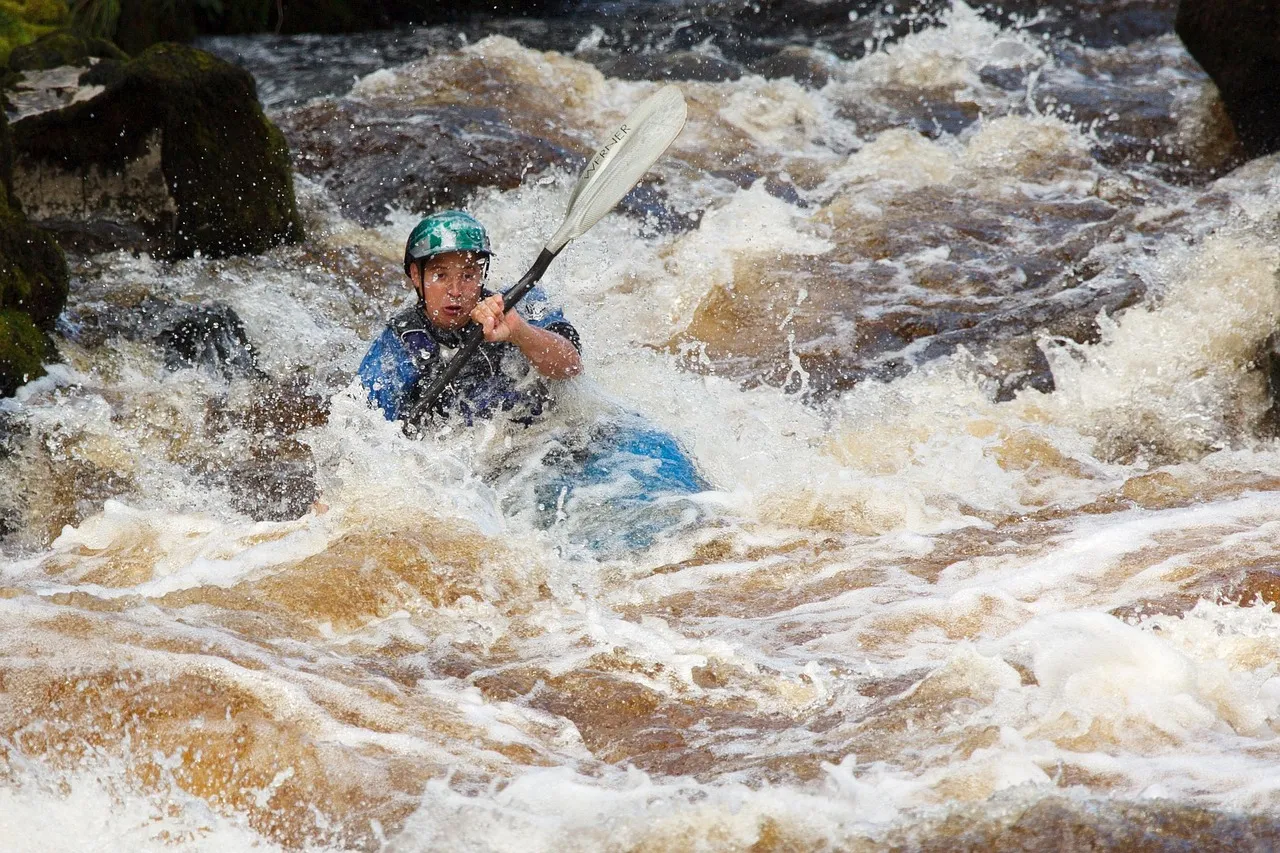
The rating system doesn’t measure “how fun” a rapid is. Some of the most exhilarating rapids with splashy waves are Class II or III, while certain Class V rapids might not even get you wet due to their technical nature. That’s a detail the brochures rarely highlight.
The Safety Record Most People Don’t Know About
According to the American Whitewater Association, the fatality rate for whitewater rafting is roughly 0.55 deaths per 100,000 user-days. That’s safer than many common outdoor activities like recreational cycling, rock climbing, or swimming. The numbers put things in a grounding perspective.
According to the American Whitewater Association, commercial rafting trips have an excellent safety record, with incident rates significantly lower than many other adventure sports. This is especially true for guided beginner and intermediate trips, where trained professionals are present throughout.
Feeling anxious before a rafting trip is more common than you may think. At Deschutes River Adventures, guides often meet guests who arrive with butterflies in their stomachs, unsure of what to expect. The reassuring part is that those nerves almost always dissolve well before the first real rapid arrives.
Fear Often Comes From the Unknown, Not the River Itself
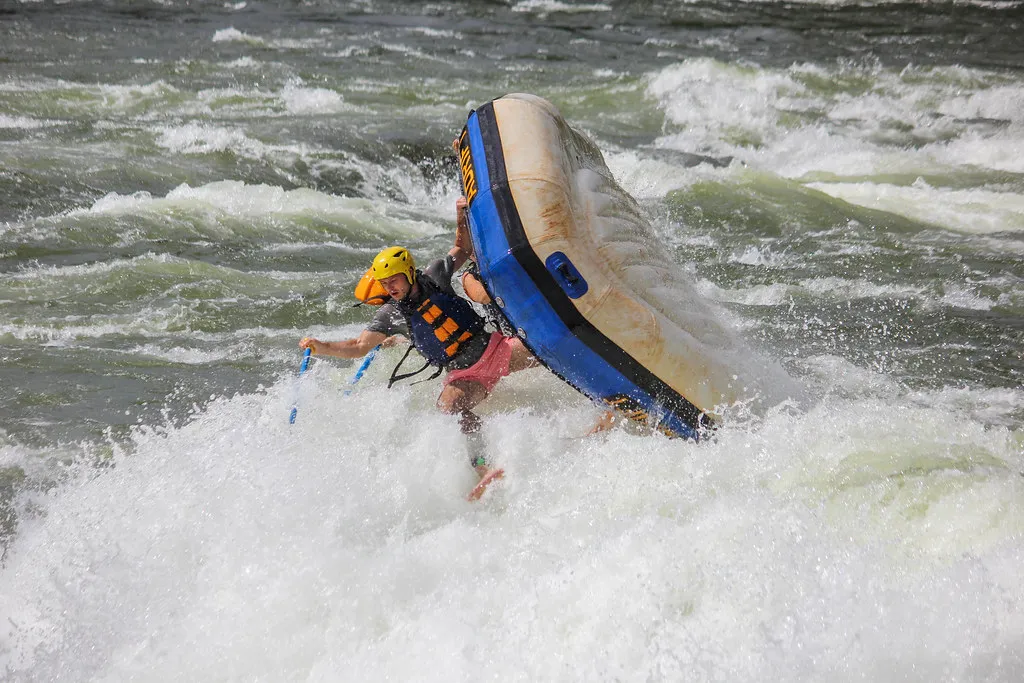
Fear often stems from the unknown. Nervous rafters usually worry about one or more of these common concerns, including a fear of water or drowning and imagining being swept away by the current. Those mental images rarely match what actually happens on a well-run guided trip.
Many people talk themselves out of rafting because of fears rooted in myths. Falling out is uncommon on beginner trips, and if it happens, your guide and gear will keep you safe. Guides are trained specifically to manage swimmer rescues swiftly and calmly.
Fear often stems from the unknown. The more clearly a first-timer understands what a Class III rapid actually involves, including its typical wave height, recovery zones, and how a large raft responds to it, the more quickly that fear transforms into genuine excitement.
What Class III Looks Like from Inside the Raft
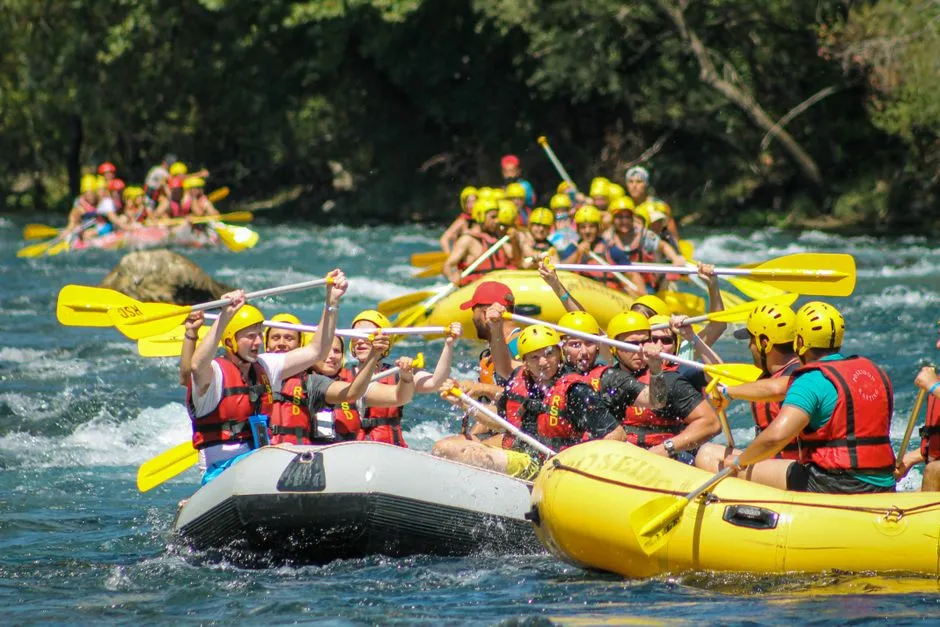
Boats will shimmy and jolt with the increased punch of larger waves, but generally the jolt is brief, with a calmer and wider recovery area below each obstacle or wave, making the consequences of hitting something askew less severe. That recovery zone is one of the key reasons Class III is so well-suited to guided beginners.
For first-time rafters, Class III trips are perfect for guided adventures. Children as young as seven to ten can often participate, depending on river conditions and outfitter guidelines. That fact alone tends to reset a nervous adult’s perception pretty quickly.
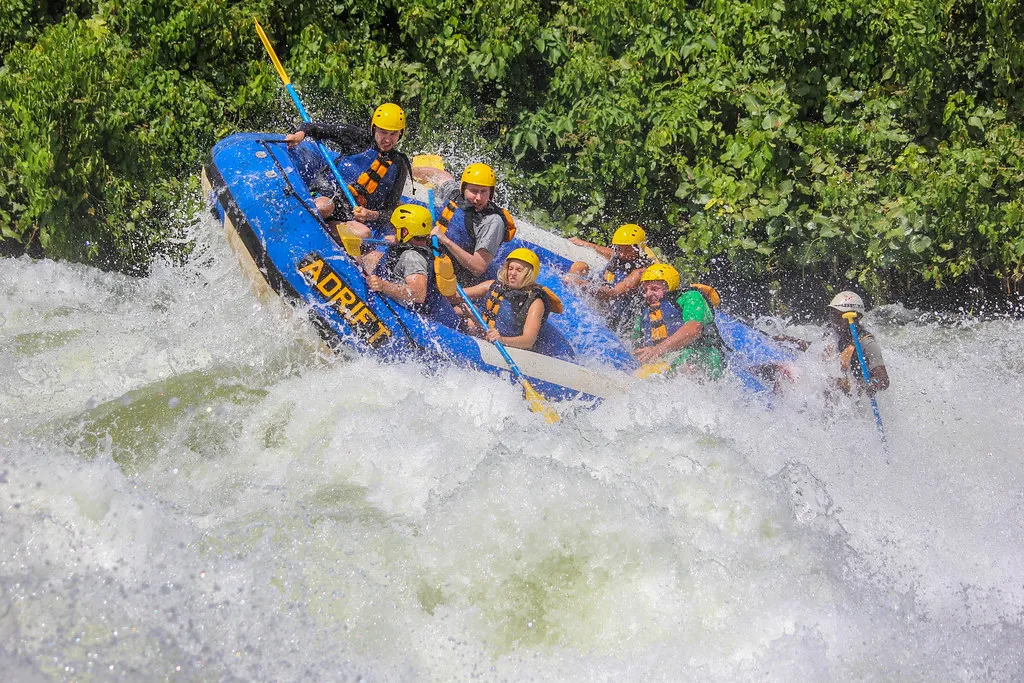
The sensory experience inside the raft, the cold spray, the sound, the brief feeling of tipping into a wave, is dramatic in the moment. It’s also over in seconds. Most Class III rapids are navigated in under a minute, and calm water follows almost immediately.
The Role of a River Guide in Removing Real Risk
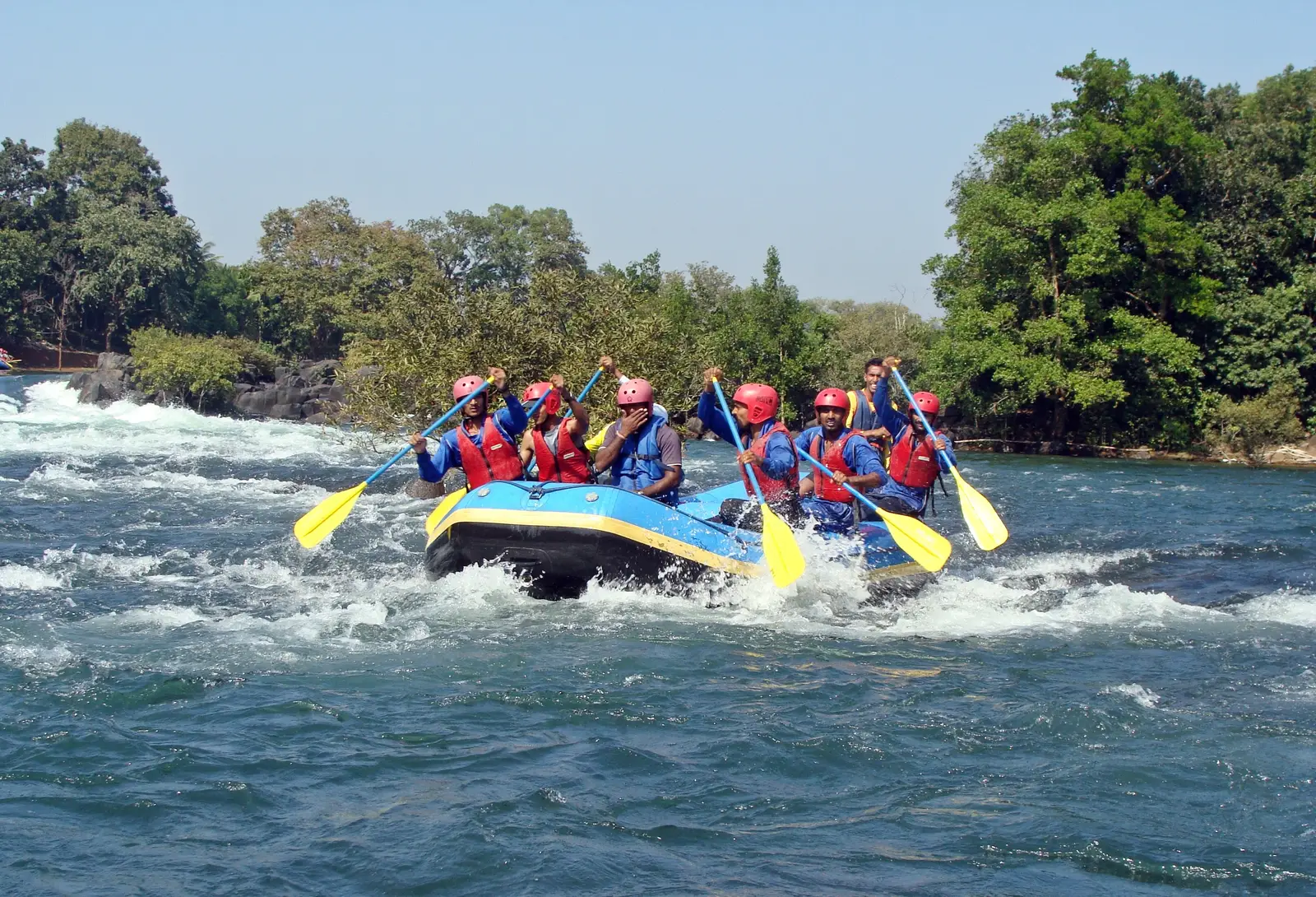
Professional outfitters provide extensive training to guides and supply all required gear to keep guests safe. A licensed commercial guide on a Class III run isn’t just paddling alongside guests; they’re reading water constantly, positioning the raft, and managing risk before it becomes visible to anyone else in the boat.
Guides know the river better than anyone, and they’ll keep you safe while making sure you have a blast. That local knowledge is built over hundreds, sometimes thousands, of runs on the same section of water. Every eddy, every line, every surprise at high water is already mapped in a guide’s mind.
Rafting requires teamwork, communication, and coordination. Working together to navigate the rapids builds trust and creates a sense of accomplishment. Having a competent guide coordinate that teamwork removes the uncertainty that feeds most beginner anxiety.
How Water Levels Change the Equation
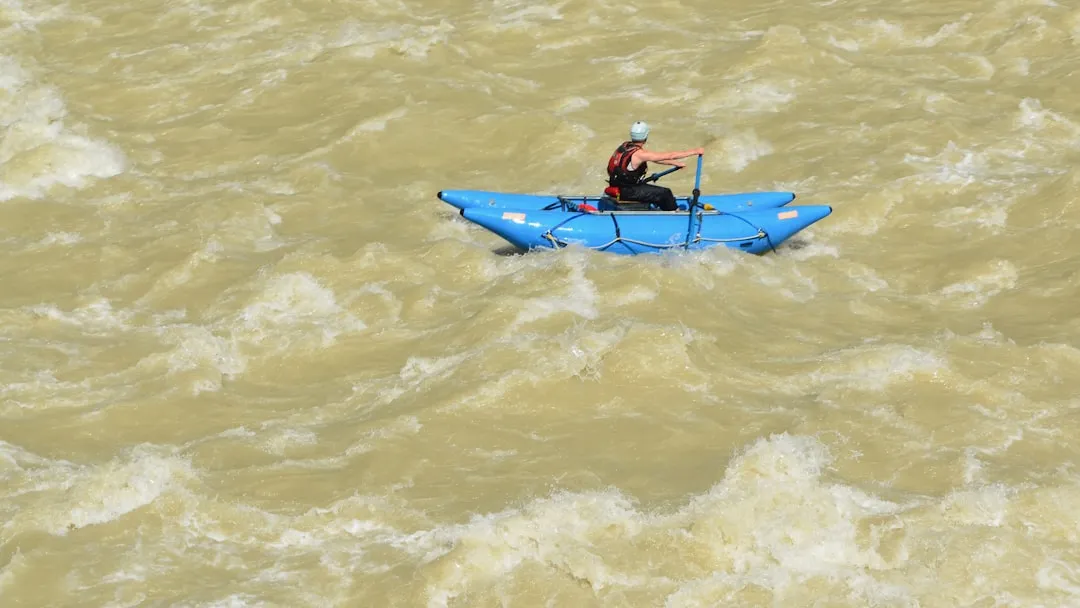
A rapid’s class designation may vary with fluctuating water levels. Typically, high water levels increase the difficulty of rapids. However, this is not always the case, as some rapids become more technical and more difficult at lower water levels. This is one of the most overlooked variables by first-time guests.
Rainfall and reservoir management also play roles. On the Blue River, for example, dam releases can create ideal Class III whitewater conditions in late summer, even when other rivers are running low. It’s crucial to check river flow data and talk to local outfitters before choosing your date.
Weather conditions, water temperatures and season, guide and client skill levels, remoteness and accessibility, and water levels are all contributory factors. Because of the variety of factors, the same rapid may be classified differently from week to week or month to month, based on the water level. Reputable outfitters monitor these conditions and adjust trip offerings accordingly.
The Gear That Stands Between You and the River
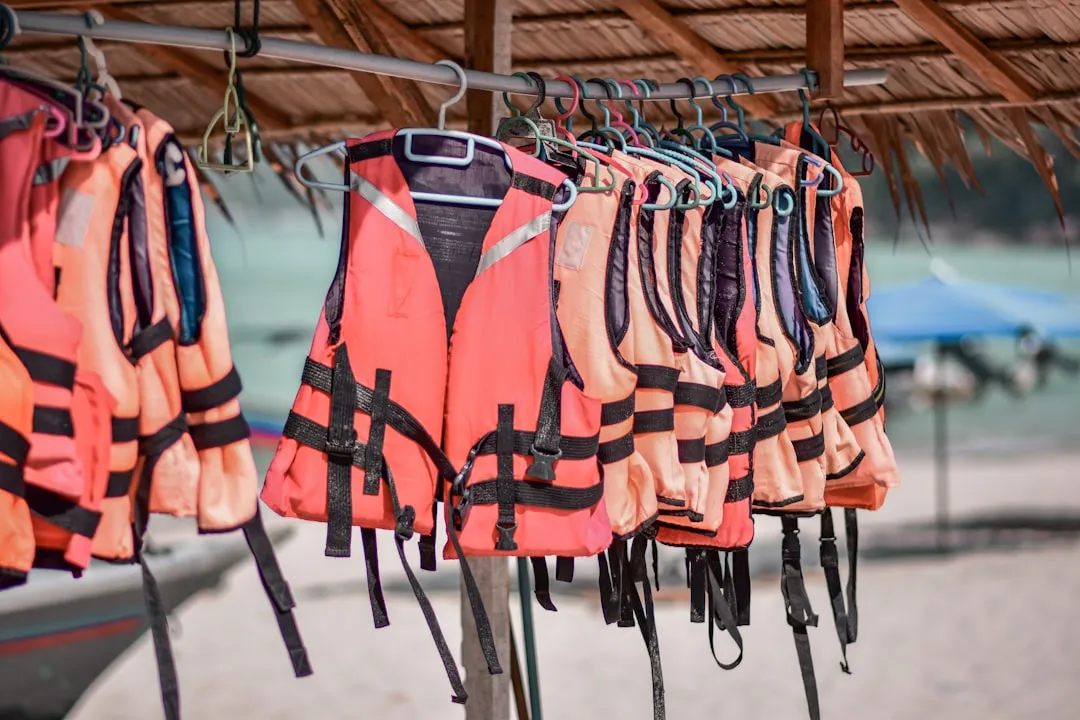
Most nervous rafters find reassuring: Personal Flotation Devices worn at all times keep you buoyant even if you end up in the water. Helmets protect your head in case of unexpected bumps. Before every trip, guests receive a thorough safety briefing and paddling instruction. That briefing is a genuine safety tool, not just a formality.
Whitewater is graded from Class I (very easy) to Class V (expert-level), and non-swimmers should stick to Class I through III rapids. Even guests who are uncomfortable in water can safely experience Class III with the right gear, a well-matched trip, and a trained guide.
A properly fitted PFD keeps an adult’s head above water with virtually no effort required. That one piece of equipment quietly eliminates the single scenario most beginners actually fear, yet many guests don’t fully appreciate its reliability until they’re already on the river.
Starting Right: Building Confidence Before Bigger Water
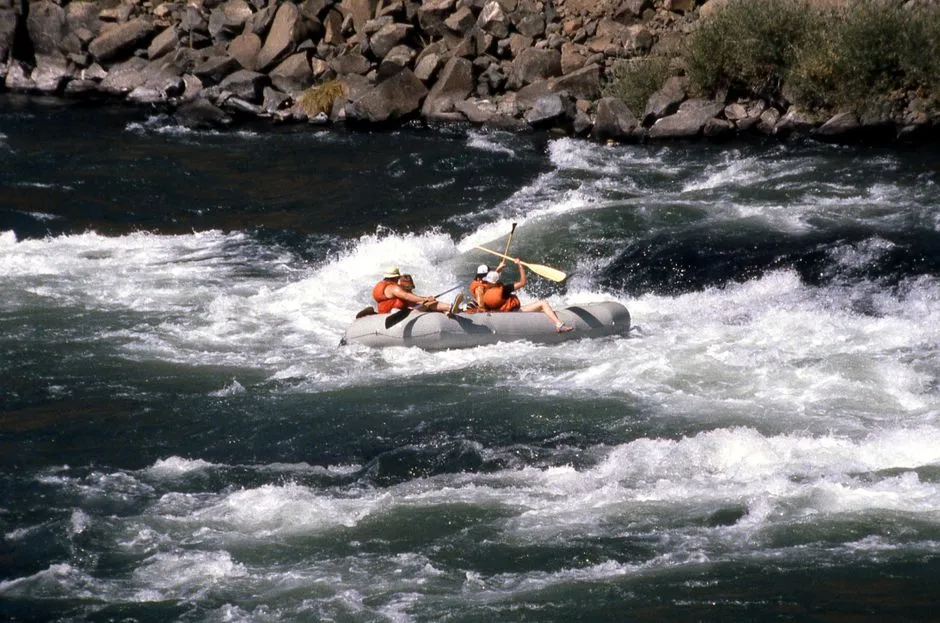
Beginners should start with Class I or II rapids to gain confidence and experience before progressing to more difficult levels. Intermediate rafters may find Class III whitewater rapids exciting, however some Class III runs are ideal for beginners. The transition between these classes is gentler than most people expect.
Many first-timers choose half-day trips with Class II to III rapids. These runs provide enough excitement to feel adventurous while also offering time to practice paddling and get comfortable on the water. By gradually building your experience, your confidence will grow naturally.
Anxiety often escalates when you focus too much on “what if” scenarios. Instead, practicing staying in the moment helps. Guides are skilled at keeping guests present and engaged during the run, which naturally shifts attention away from anticipatory dread and toward the actual experience.
What Happens When Rafters Finally Run It
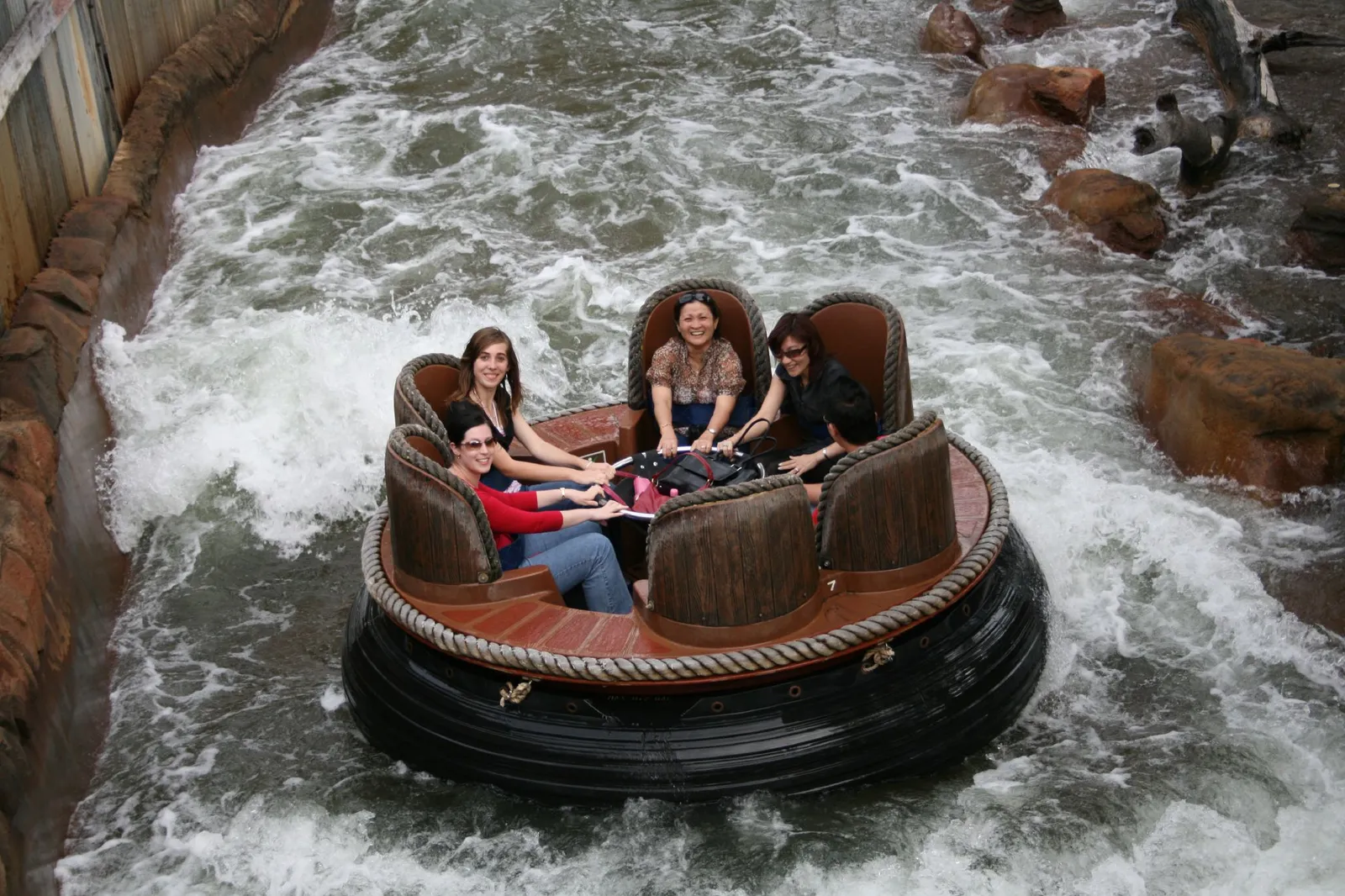
Almost universally, the pattern is the same. A guest who barely wanted to get in the raft at the start is the loudest voice asking to run the same rapid again by the time the trip ends. River guides across different outfitters and regions describe this transformation as one of the most reliable parts of the job.
Fear of rafting is completely natural, and with the right preparation and mindset, it can be transformed into confidence, excitement, and a life-changing experience. That shift tends to happen faster than even the most skeptical first-timer expects.
The rapid that looked terrifying from shore, all roaring water and crashing foam, tends to reveal itself as something entirely different from inside a well-guided raft: fast, exhilarating, and finished before you’ve fully processed what just happened.
The Takeaway
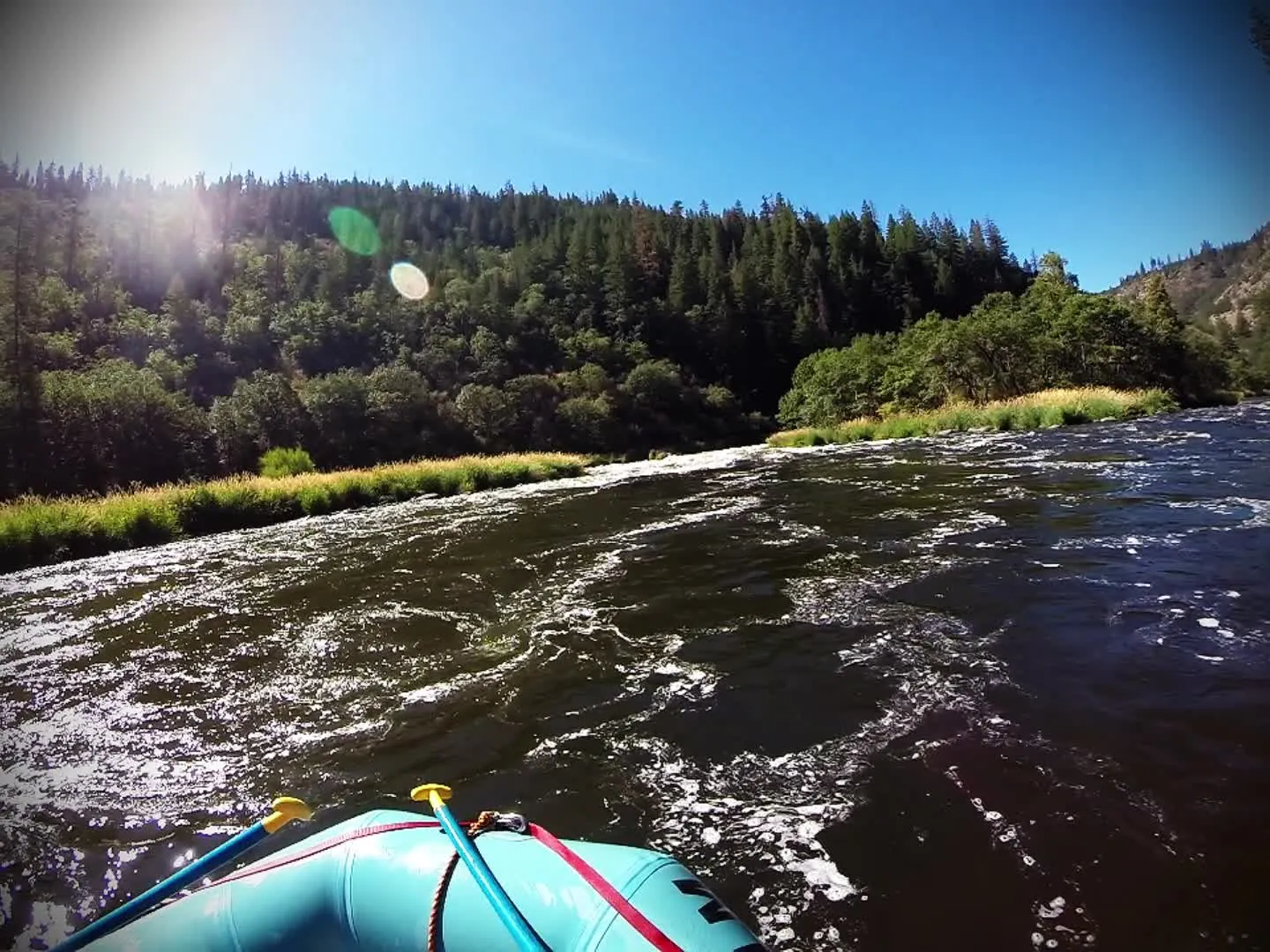
Class III rapids occupy a uniquely misunderstood space in the minds of beginners. They look dangerous from a distance and read as serious on paper. In practice, on a licensed guided trip with proper gear and a knowledgeable guide, they represent one of the most rewarding entry points into whitewater for any curious adult or family.
Understanding the whitewater rating system is key to choosing the right rafting adventure. Whether you’re looking for a relaxing float or an adrenaline-pumping adventure, there’s a river trip for everyone. Always check current conditions, respect the river, and trust the expertise of your guides for an unforgettable experience.
The river doesn’t care about your fear. Fortunately, a good guide does, and they’ve spent entire careers turning exactly that fear into something people talk about for years afterward.
AI Disclaimer: This article was created with the assistance of AI tools and reviewed by a human editor.