
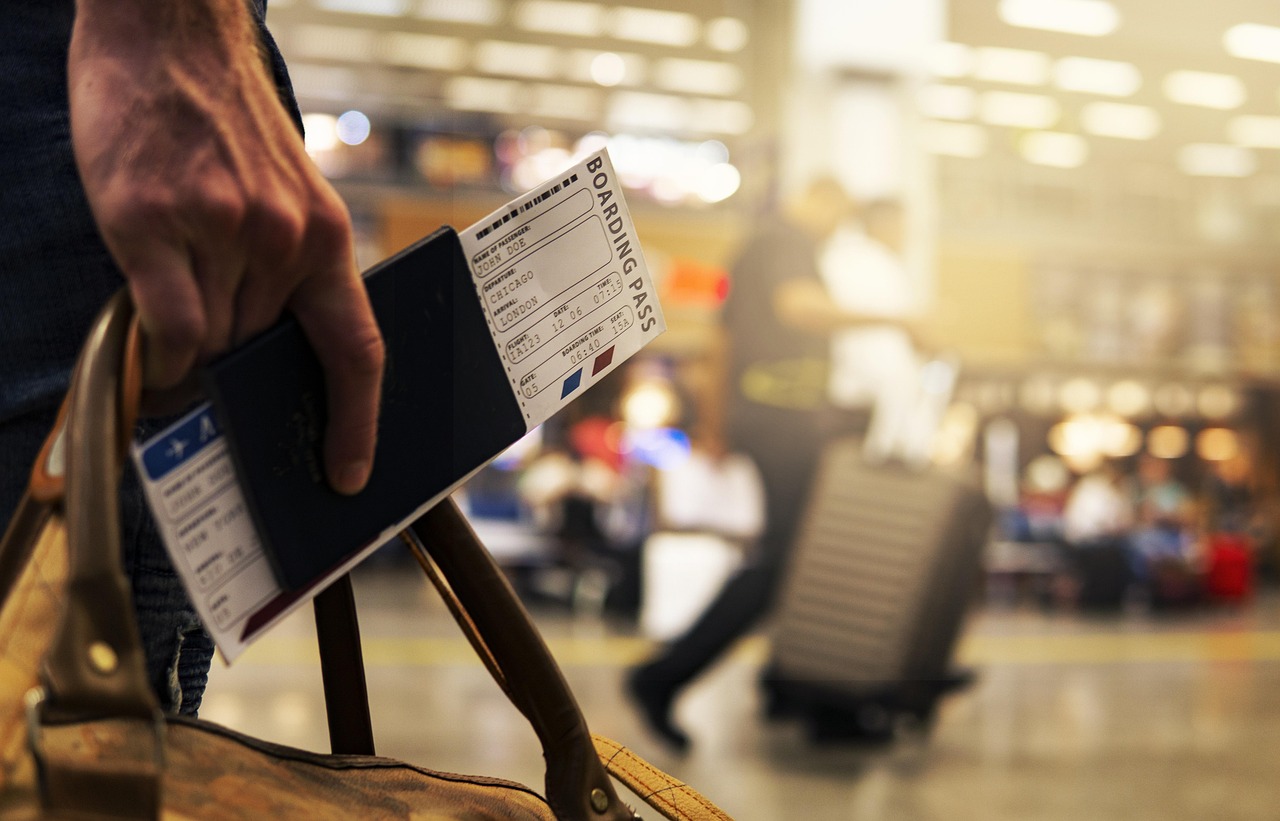
There’s a quiet divide at every boarding gate. On one side, seasoned travelers sit calmly, bags organized, boarding pass ready, looking almost bored. On the other, everyone else is craning their necks, shuffling toward the podium too early, and still somehow ending up at the back of the line.
The difference rarely comes down to luck or a premium ticket. Most of the time, it comes down to habit. A set of small, deliberate behaviors that experienced flyers have quietly built into their airport routine. Here’s what they actually do.
They Check In the Moment the Window Opens
Checking in online as soon as it becomes available, typically 24 to 48 hours before departure, is a genuine advantage. Airlines often release their best seating options at the very start of that window. For carriers like Delta, your position within your own boarding zone is partly determined by when you checked in.
Even with priority boarding benefits, checking in late can push you toward the back of your assigned group. A Delta Zone 5 passenger who checks in at the 24-hour mark boards ahead of a Zone 5 passenger who checks in just two hours before departure. That’s the same zone, meaningfully different results.
Checking in early also helps protect against disruptions from last-minute changes to your flight. Airlines sometimes adjust assignments or reconfigure seating due to operational demands, and securing your boarding pass early decreases the likelihood of being caught off guard by those adjustments.
They Know Their Boarding Zone Cold Before They Reach the Gate
Delta switched to a numbered zone system with eight zones plus pre-boarding in early 2025, running from Zone 1 for Delta One and first class down through Zone 5 for Silver Medallion members. Knowing that ranking ahead of time means never being caught off guard when a zone is called. First-time Delta passengers often stare blankly at their boarding pass, unsure what “Zone 5” even means relative to everyone else.
American Airlines expanded to nine numbered groups plus pre-boarding on May 1, 2025, making it the most complex boarding lineup of any major U.S. carrier. Knowing exactly which group you’re in before reaching the gate means no awkward hesitation when it’s called. First-timers often don’t realize there’s a difference between Group 4 and Group 5 until they’re standing in the wrong line getting waved back.
They Don’t Crowd the Gate Early
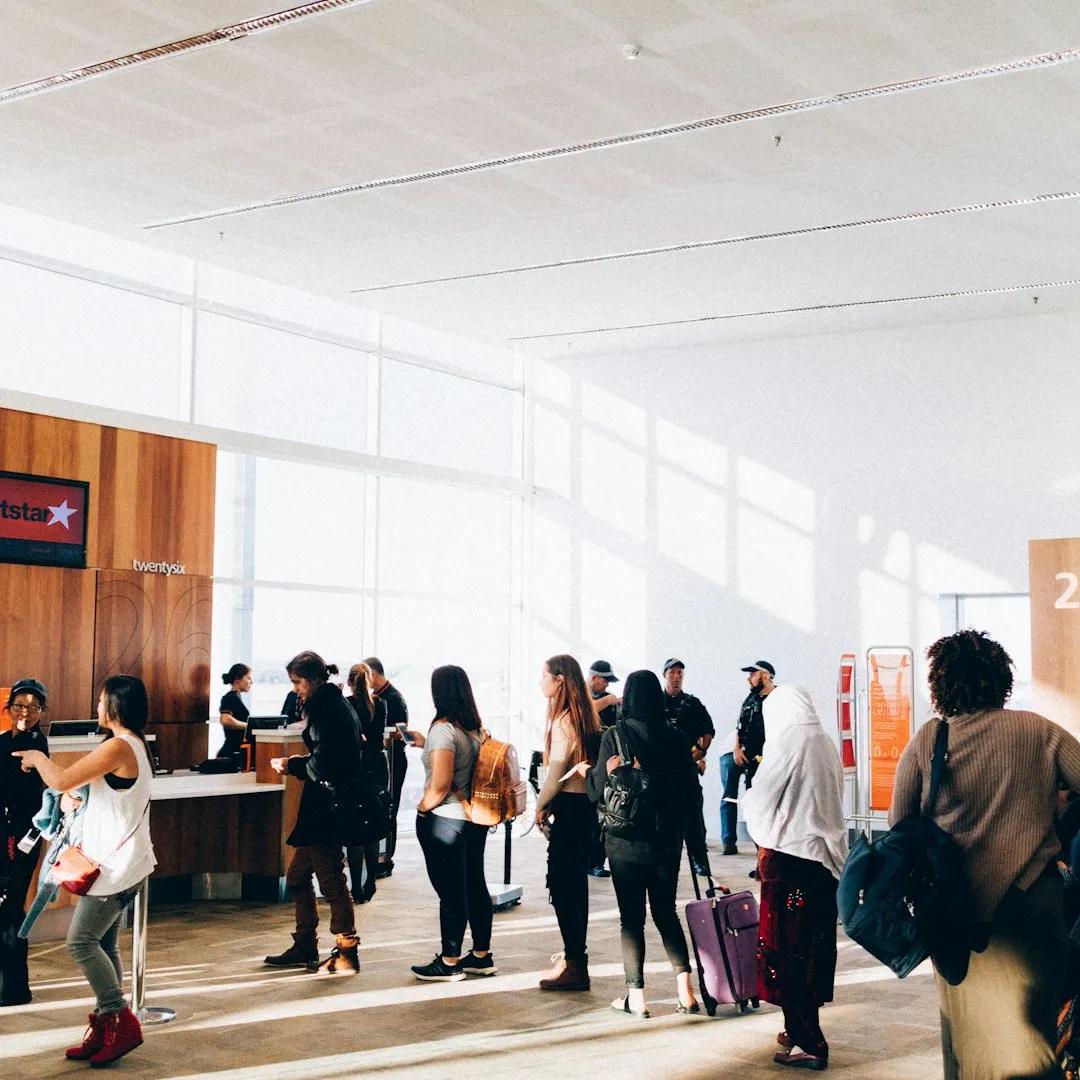
The term “gate lice” describes a widely observed phenomenon where passengers gather in front of boarding gates before their designated boarding time. It has gained recognition within the frequent flyer community, particularly on platforms like FlyerTalk. Experienced travelers know this behavior is counterproductive and, increasingly, enforced against.
The phenomenon makes the boarding process more cumbersome. It leads to congestion, longer wait times for those who actually have priority boarding, and general confusion. Staying seated until your zone is called is the recommended approach.
Baggage fees play a real role in gate crowding. Some passengers seek to board early specifically to secure overhead bin space and potentially avoid checked bag fees, or simply to avoid lost luggage risk. The irony is that crowding the gate tends to slow everyone down, including those trying to board legitimately.
They Use a Co-Branded Credit Card to Move Up a Zone
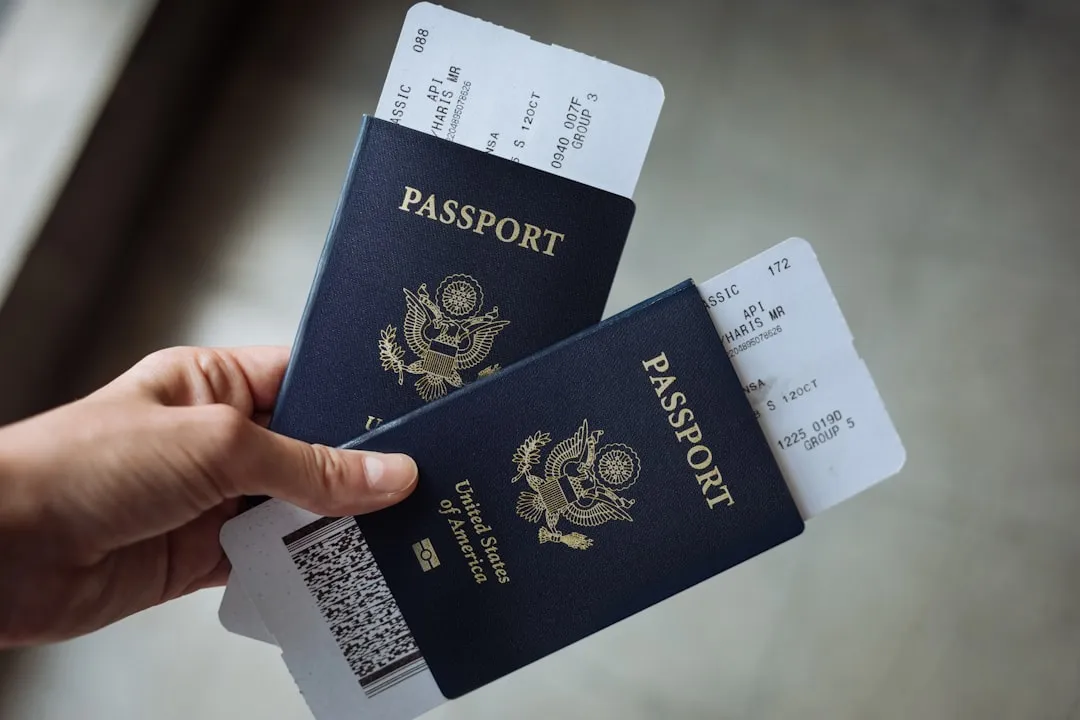
Veterans know the co-branded Amex jump into Delta Zone 5 is one of the quietest perks in the entire system, and it costs nothing extra once you already carry the card. It’s an upgrade in boarding position that many casual flyers never even realize they’re entitled to.
Applying for a United credit card boards you in Group 2 on every United flight, ahead of roughly seven in ten passengers. For frequent United flyers, this single card benefit is often worth more than the annual fee on its own.
Airline systems fail to attach credit card perks and elite status more often than most travelers realize, and you won’t know until you’re standing at the gate with a Group 6 boarding pass. Smart flyers verify their status is correctly linked to their booking well before travel day.
They Understand the New Anti-Gate-Lice Technology
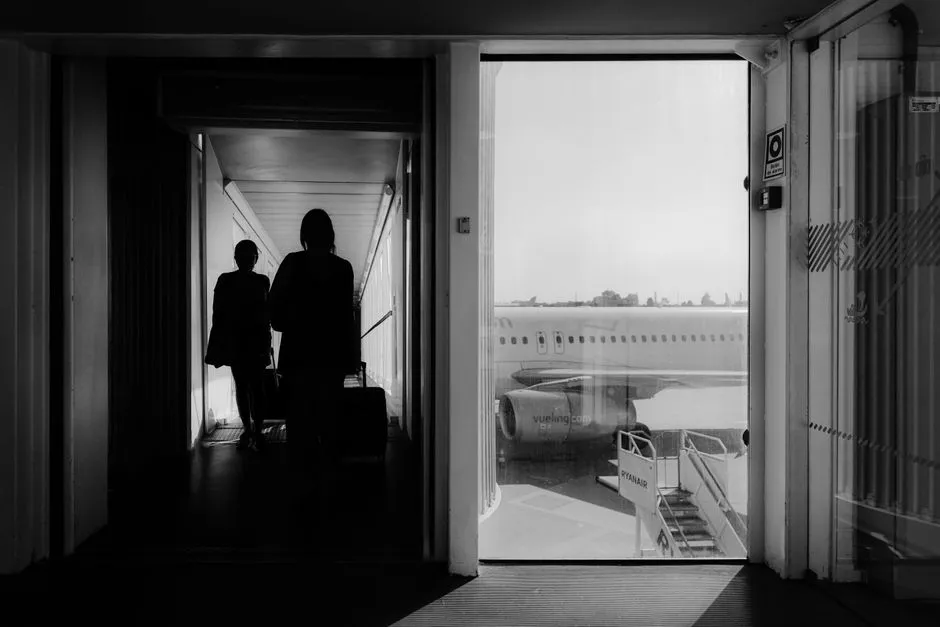
American Airlines has expanded technology to end “gate lice” behavior, referring to passengers who cut lines hoping to board early. The system audibly flags when a passenger attempts to board before their designated assignment is called, and will automatically reject the ticket. This is now live across dozens of airports nationwide.
American Airlines rolled out this boarding technology to over 100 airports across the United States ahead of the Thanksgiving period in late 2024, with the system operational at major hubs including Hartsfield-Jackson International Airport in Atlanta.
The technology provides gate team members with more insight into the number of customers in each boarding group and displays anticipated arrival times for incoming flight connections. For experienced travelers, this makes the process cleaner and more predictable, provided you know your zone and don’t push it.
They Sit in a Window Seat Strategically
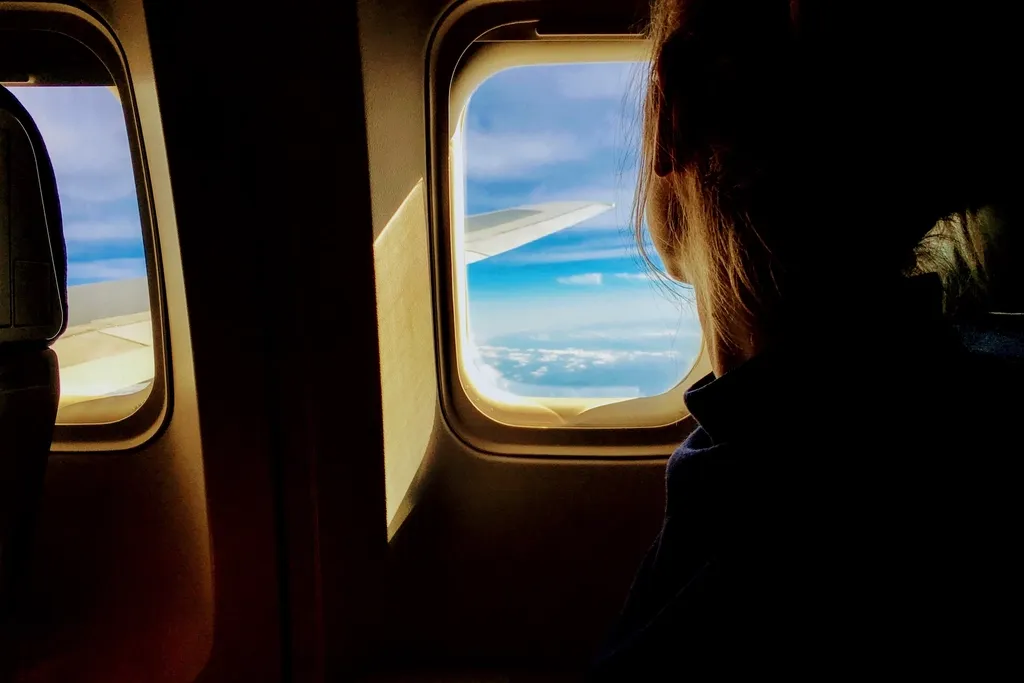
United Airlines introduced the WILMA system, where all window-seat passengers board first, then middle seats, then aisle seats. The airline claims this saves around two minutes per flight. Those two minutes may sound small, but they translate directly to bin space available when you reach your row.
Under this approach, passengers with window seats are called to board first, followed by middle seat passengers, and lastly aisle seat passengers. A new seventh boarding group was added specifically to accommodate this economy-class sequence. Choosing a window seat is no longer just a preference issue on United flights.
They Watch for Gate Changes in Real Time
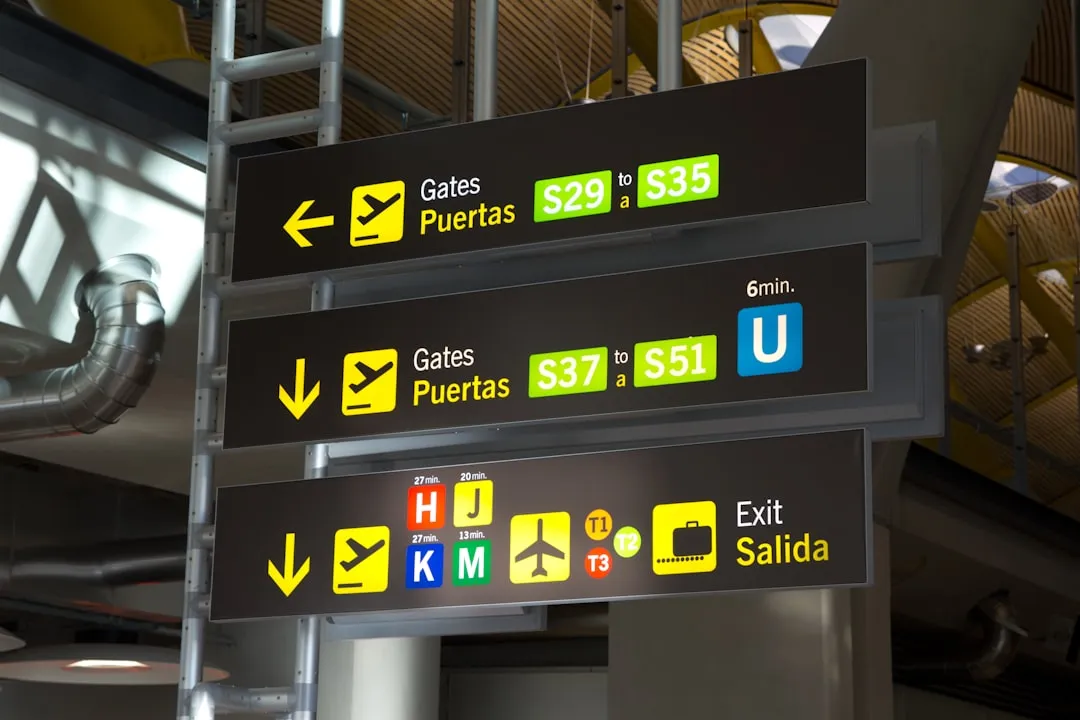
Airline apps provide real-time notifications for gate changes, delays, and boarding times directly to your phone. These apps also streamline check-in and often let you rebook flights if issues arise. For more granular data, third-party flight tracking tools like Flightradar24 and FlightAware offer delay alerts and weather overlays on real-time maps.
Gate assignments change due to aircraft swaps, maintenance issues, or terminal congestion, making real-time gate alerts essential for road warriors managing tight connections. Experienced flyers don’t wait for the announcement over the PA. They already know.
They Arrive at the Gate Early, Not Frantic
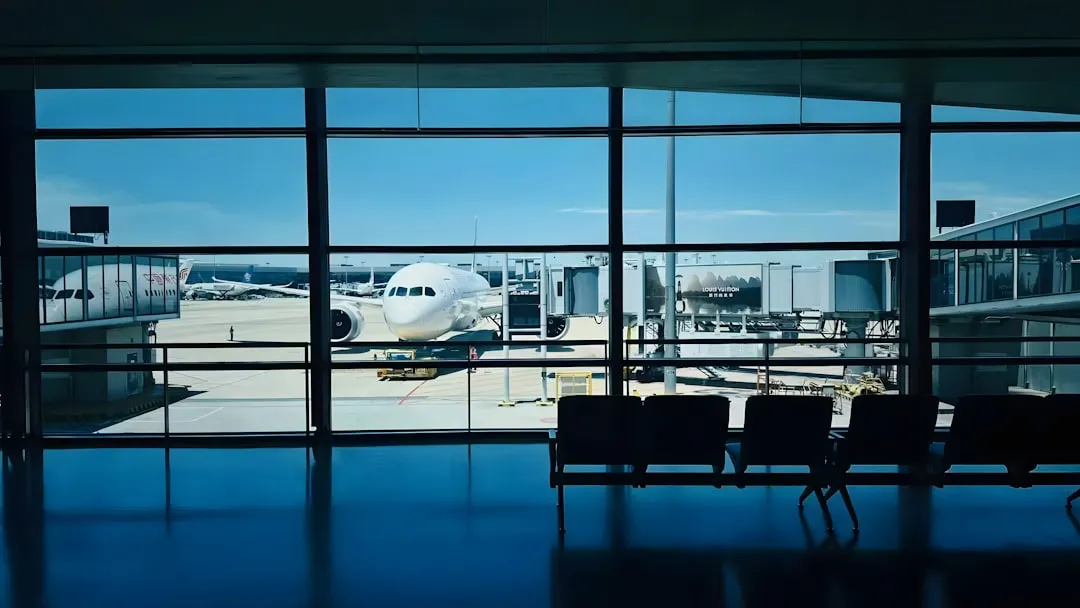
Boarding usually starts around 30 minutes before departure. Frequent flyers know that arriving at the gate before that window opens is not the same as crowding the podium. It means being settled, organized, and mentally ready when the zone gets called.
Giving yourself plenty of time at the gate reduces stress. If you’re unsure of the exact boarding time, checking your ticket and arriving a few minutes before that listed time puts you in a comfortable position. It sounds simple, but the gap between rushed and ready is significant when boarding starts fast.
They Secure Overhead Bin Space Through Earlier Boarding Groups, Not Luck
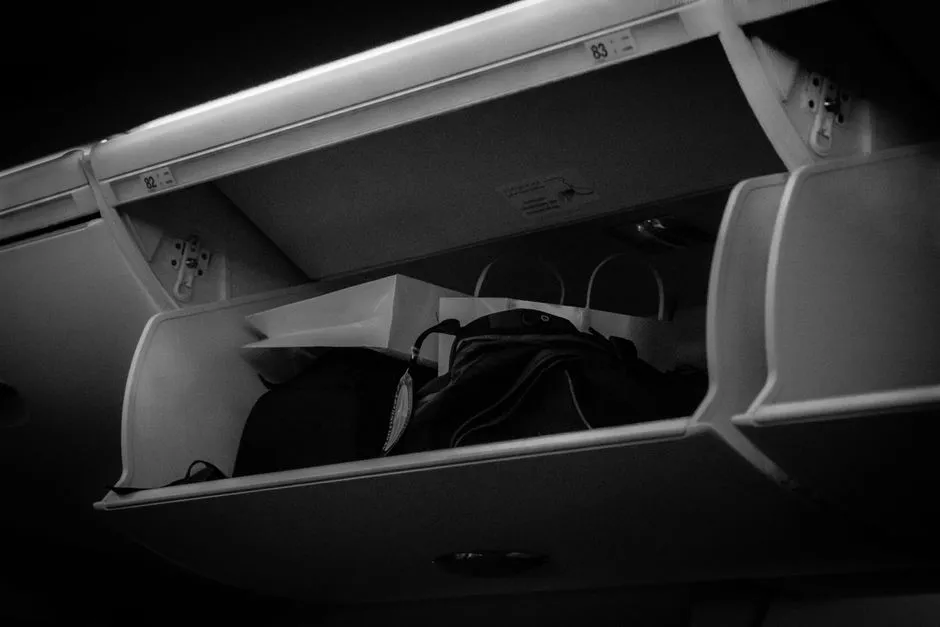
Priority boarding at the departure gate, available to elite frequent flyers and premium cabin passengers, secures overhead bin space before the cabin fills. This is one of the most practical and consistent advantages of boarding early. Seasoned travelers treat this as a logistics decision, not a luxury.
If you board last-minute, overhead bins are full, or your carry-on does not meet specifications, your carry-on may be gate-checked and stored in the cargo hold. That means waiting at baggage claim and adding unpredictability to what should be a simple journey.
Carry-on luggage participation increases boarding times by between seven and fourteen percent on average. Getting on early isn’t about ego. It’s about having a reasonable amount of space for your bag and removing one variable from an already unpredictable process.
They Stay Loyal to One Airline Long Enough to Actually Earn Status
When you fly regularly, loyalty begins to matter more than price. A cheaper ticket might seem appealing at first, but sticking within an alliance can unlock upgrades, priority boarding, lounge access, and faster check-in lines. Over time, these benefits outweigh small price differences and drastically improve the travel experience.
While airline alliances work best for general frequent flyers who want flexibility, business travelers focused on efficiency do better by sticking to one airline to achieve elite status faster. The ranks climb quicker, opening up premium lounges and priority rebooking.
Frequent flyer status makes elite members eligible for priority boarding automatically. Add-on purchases also let non-status passengers enjoy earlier access on many carriers. The path to boarding first is genuinely open to most travelers, not just those in first class.
The Real Takeaway
None of these habits require a premium cabin ticket or a platinum travel card. Most of them cost nothing at all. The real advantage experienced flyers hold is simply that they’ve paid attention to how the system works and built their routine around it.
Check in at the 24-hour mark. Know your zone before you walk through the terminal. Sit in a window seat where the boarding system rewards you for it. Watch for gate changes. Don’t rush the podium before your group is called.
Boarding first, or close to it, is less about spending more and more about knowing exactly what move to make, and when. That’s a habit anyone can build.
AI Disclaimer: This article was created with the assistance of AI tools and reviewed by a human editor.