
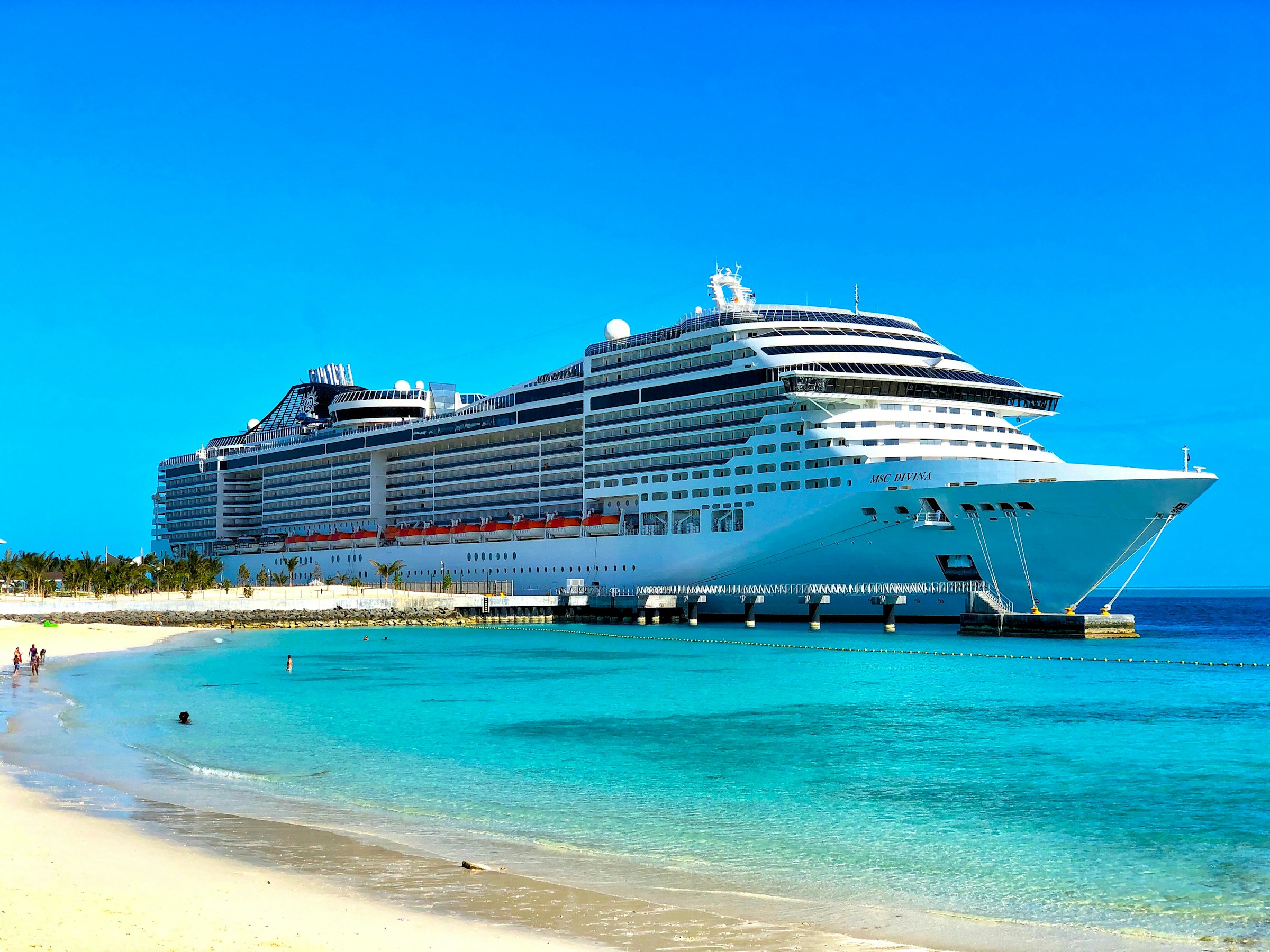
Cruising has never been more popular. Cruise ships welcomed 34.6 million passengers in 2024, a nine percent increase from the 31.7 million travelers who cruised in 2023. With so many new faces stepping aboard for the first time, the learning curve is real and sometimes painfully public.
Most first-timers focus on packing lists and shore excursion bookings, which is understandable. What they tend to overlook is the unspoken social contract that shapes daily life on a ship. Cruise etiquette is not about strict rules or formal behavior. It’s about understanding that you are part of a shared environment where small actions ripple outward. These ten chapters cover what actually trips people up, from the most common offense to the quieter ones that quietly irritate fellow passengers all week long.
1. Chair Hogging at the Pool Deck

Leaving a towel on a chair for hours without actually being there creates unnecessary tension. According to Business Insider, etiquette experts and frequent cruisers consistently call this out as inconsiderate behavior that impacts everyone trying to enjoy limited deck space. It’s arguably the single most talked-about frustration in the cruise community, and yet first-timers do it constantly, often without any awareness that it’s an issue at all.
Industry guides recommend that guests only reserve loungers while they are genuinely using nearby facilities, not while they attend long shows, visit the spa, or spend extended time ashore. Many cruise lines state in their written materials that staff may clear unattended belongings after a set period so that other travelers can enjoy the limited space around popular pool areas. Treating a deck chair like a personal storage unit for half the morning is one of the fastest ways to earn quiet resentment from everyone around you.
2. Ignoring the Handwashing Stations

The Centers for Disease Control and Prevention recommends frequent handwashing on cruise ships, especially before eating, because illnesses like norovirus spread easily in close quarters. This is why you will see handwashing stations at buffets and sanitizer at nearly every entrance. Most first-timers walk right past them without a second thought, which is a genuinely risky habit in a confined space shared with thousands of strangers.
In May 2026, 102 people aboard the Caribbean Princess fell sick to a norovirus outbreak. The cruise departed from Fort Lauderdale with 3,116 passengers on a 13-day trip. That’s a meaningful reminder of how quickly illness can move through a ship when basic hygiene is treated as optional. Use the stations. Every single time.
3. Showing Up Late to Shore Excursions
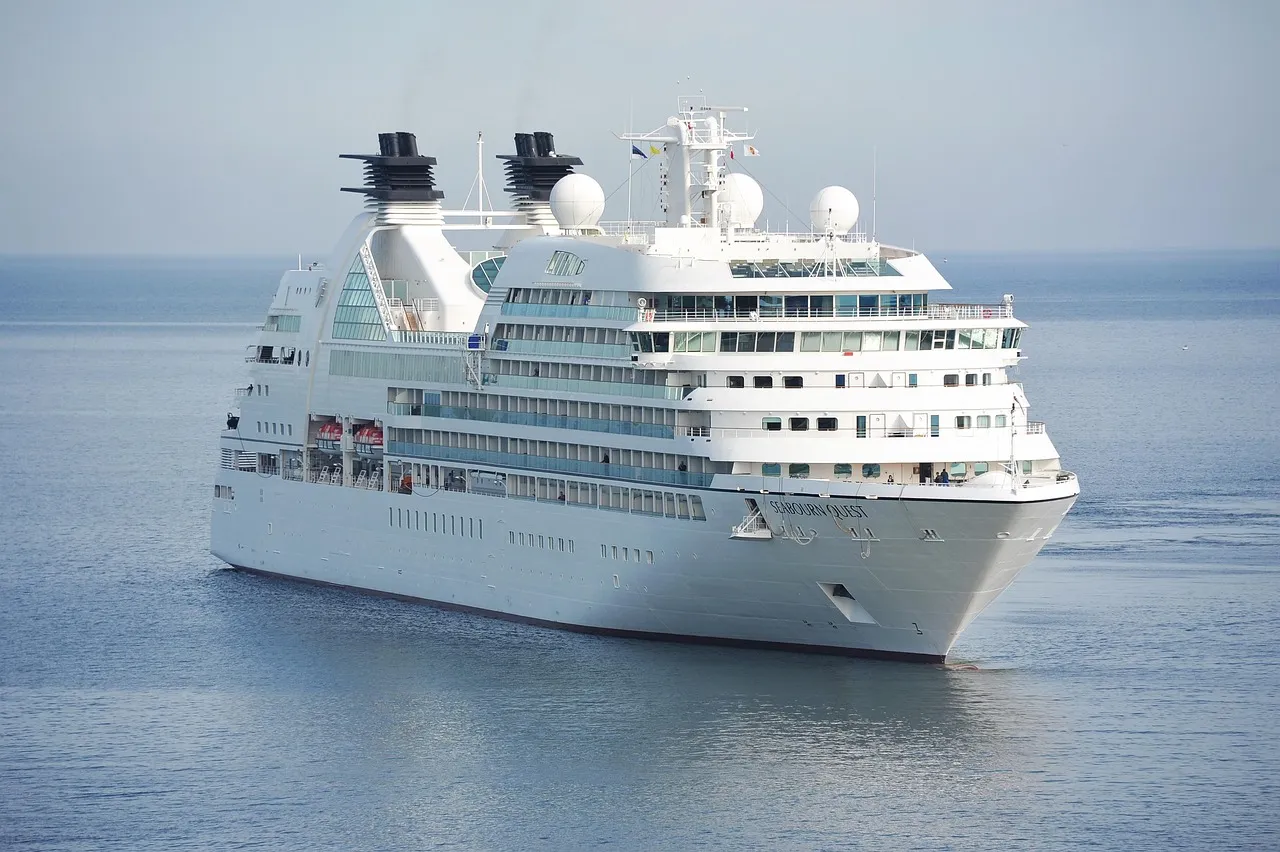
Cruise ships run on strict schedules, and being late can disrupt the boarding process for everyone. First-time cruisers are often surprised to find that the ship won’t wait for them if they’re late. This catches people off guard, especially those accustomed to the more flexible pace of land-based travel.
Being late can delay entire groups or cause them to miss the experience altogether. Travel experts, via Southern Living, emphasize that punctuality during excursions is critical, both for logistics and for respecting fellow travelers’ time. There is an entire bus of people waiting, and none of them booked this trip to sit in a parking lot while you finish your breakfast.
4. Not Understanding the Tipping System
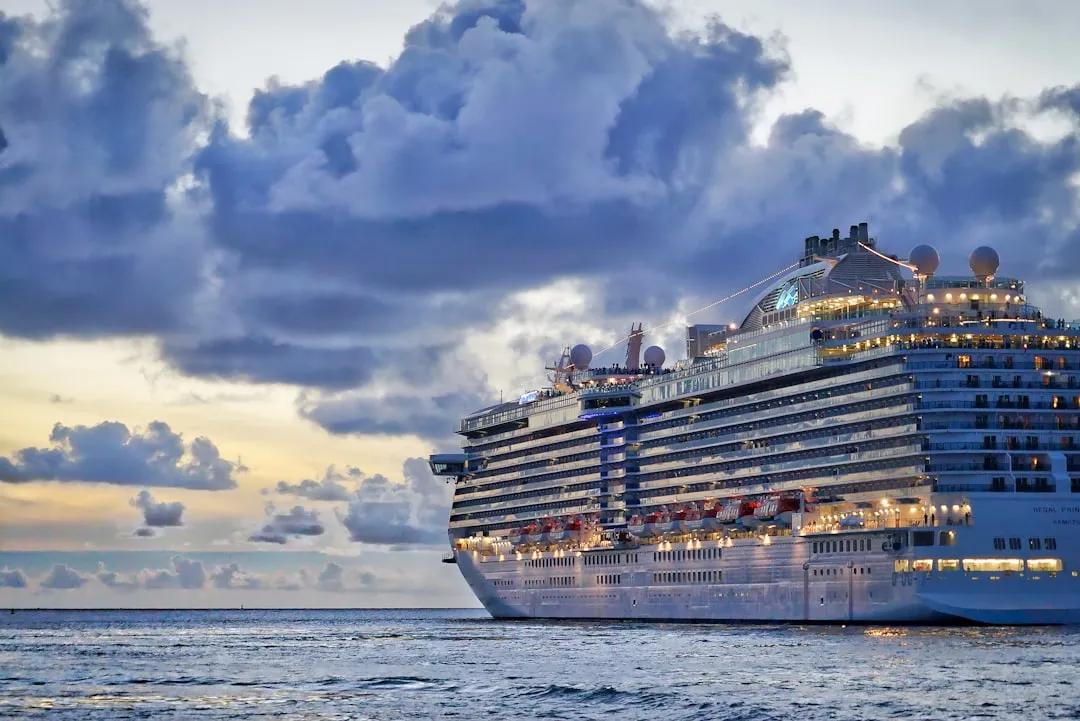
Tipping on a cruise continues to confuse new and experienced cruisers alike. Each cruise line handles gratuities differently, and expectations vary depending on your itinerary, cabin type, and service experiences. Walking onboard without knowing how this works can lead to either awkward under-tipping or a genuinely unpleasant surprise on your final bill.
Large-ship cruise lines tend to charge daily automatic gratuities to your credit card, typically around $16 to $23 per person per day. For a couple on a seven-day cruise, you might see roughly $224 to $322 in gratuities added to your final folio, where it’s often listed as “crew appreciation.” Some lines have moved away from this model entirely. For example, Oceania Cruises eliminated its automatic gratuity fee in 2025 and now includes gratuities paid to shipboard staff in its base fare. Knowing your line’s policy before you board removes all the guesswork.
5. Underestimating Noise and Cabin Acoustics
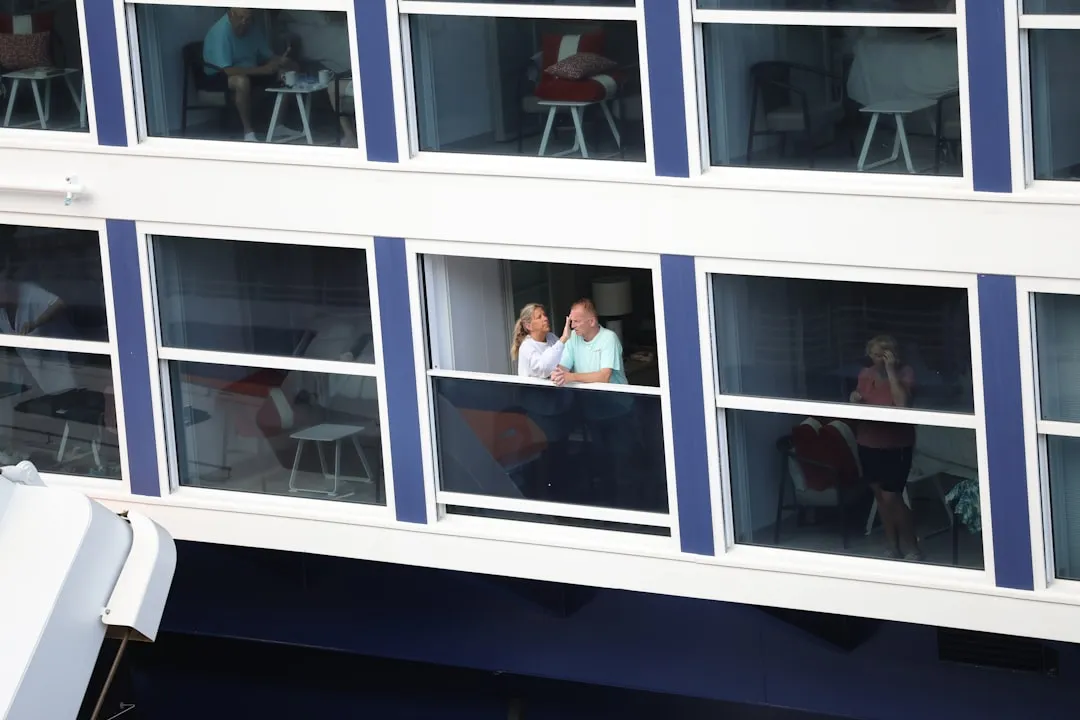
Life on a cruise ship is closer to living in an apartment building than staying in a standalone resort. Cabins share walls, ceilings, and floors, and publicly available accounts from recent voyages describe how late-night shouting in corridors, slamming doors, and loud balcony conversations can carry through multiple staterooms. Even moderate noise can travel along narrow hallways and through thin walls, turning one family’s celebration into another traveler’s sleepless night.
Reports from cruise-focused forums and travel coverage indicate that first-time passengers frequently underestimate how easily sound travels on board. A celebratory late-night arrival back to your cabin feels entirely different to the person in the next room who has a 6 a.m. excursion. Keep that in mind after dinner.
6. Playing Bluetooth Speakers in Shared Spaces

The unwanted sharing of music has become such a problem on some cruise lines that Carnival moved to completely ban Bluetooth speakers in 2024. That’s not a soft suggestion or a community guideline. It’s a formal policy response to a pattern of behavior that was genuinely disrupting other guests’ time on deck.
Reddit is filled with stories from frustrated cruisegoers lamenting this insensitive trend. The shared outdoor spaces on a ship are exactly that: shared. What feels like setting the mood to one group often feels like an uninvited soundtrack to everyone else within earshot. Headphones exist, and they work brilliantly at sea.
7. Misreading the Dress Code
T-shirts and shorts are the norm for many cruise lovers, but anyone who wants to dine at certain top-tier restaurants may need to swap comfy clothes for something more polished. Norwegian Cruise Line’s fancier dining venues, including Palomar, Ocean Blue, Onda, Cagney’s, Le Bistro and Haven restaurants, will no longer allow shorts or flip-flops. This shift caught plenty of passengers off guard when it was announced in early 2026.
Tank tops, hoodies, robes, shorts, jeans with holes or tears and caps or hats “may not be permitted” at various dining locations, according to Norwegian. Dress codes vary significantly by cruise line, by venue, and even by night. Checking your specific ship’s guidelines before you pack can spare you the awkward moment of being turned away at the restaurant entrance.
8. Skipping the Cruise Line App and Itinerary Review
Seasoned cruisers often emphasize using the cruise line app and reviewing itineraries in advance. Experienced travelers recommend downloading the app early and reviewing schedules to avoid confusion and missed reservations. First-timers often assume the ship will guide them through everything in real time, and while crew members are genuinely helpful, the volume of information can be overwhelming on day one.
Nearly every major cruise line now manages dining reservations, entertainment bookings, and daily schedules through a dedicated app. Missing a specialty dinner reservation or a sold-out show because you didn’t check the app feels avoidable in hindsight. Arriving early gives you breathing room and sets the tone for a more relaxed trip. The same principle applies to your digital preparation before embarkation day.
9. Poor Buffet Behavior

Buffet etiquette is a recurring pain point on cruise ships. Travel reports highlight problems when passengers cut in line, handle food with their hands instead of utensils, or crowd carving stations during peak mealtimes. In the confined environment of a ship, where thousands share dining venues, these small breaches can quickly cause frustration.
Observers note that waiting patiently, using tongs and serving implements correctly, and stepping aside once served all contribute to smoother service and shorter lines. The buffet on a large ship operates much like a small cafeteria serving a small city. On average, a cruise ship can host around 3,000 passengers, and most of them seem to arrive at the buffet at the same time. A little patience goes a long way.
10. Overpacking for a Small Cabin
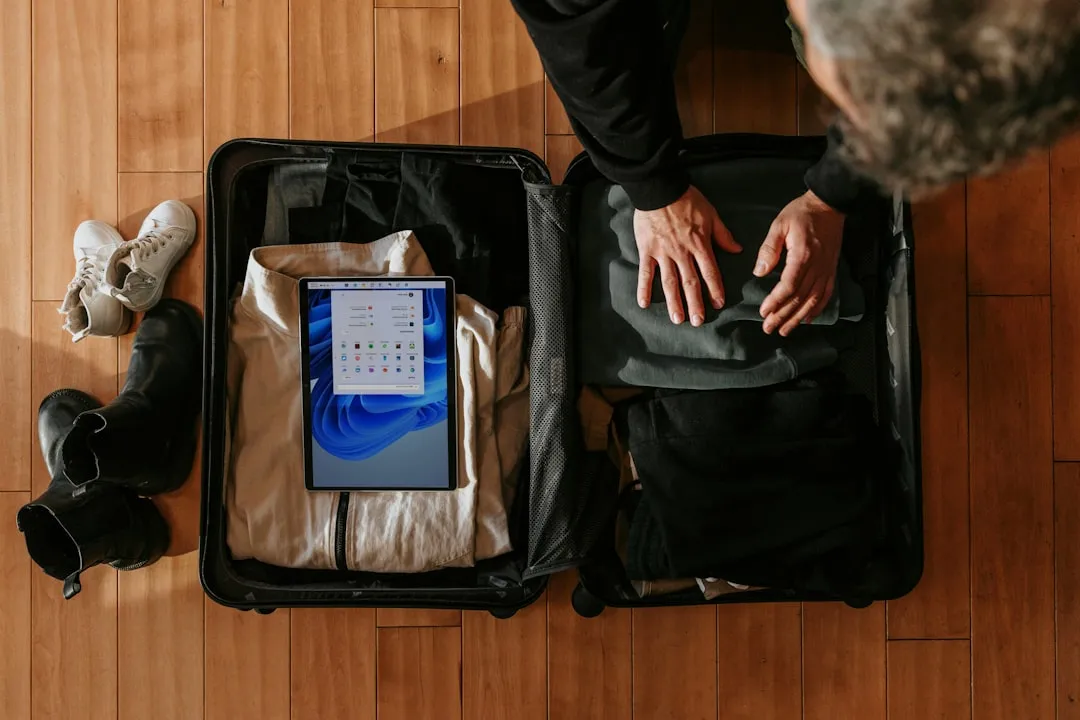
Cabins are compact by design. Overpacking quickly turns into clutter, especially when two people are sharing a room. A streamlined approach makes everything easier from day one. First-timers tend to treat cruise packing the same way they’d approach a resort hotel, not accounting for the fact that a standard stateroom offers genuinely limited storage.
The instinct to bring everything “just in case” is understandable, especially on a longer voyage. In practice though, drawers fill fast, closets are narrow, and suitcases typically end up stored under the bed. Cruise trips typically last about 7.1 days on average, which is enough time to do real laundry if needed. Pack with intention and you’ll move through the cabin with far less friction.
A Shared World on the Water
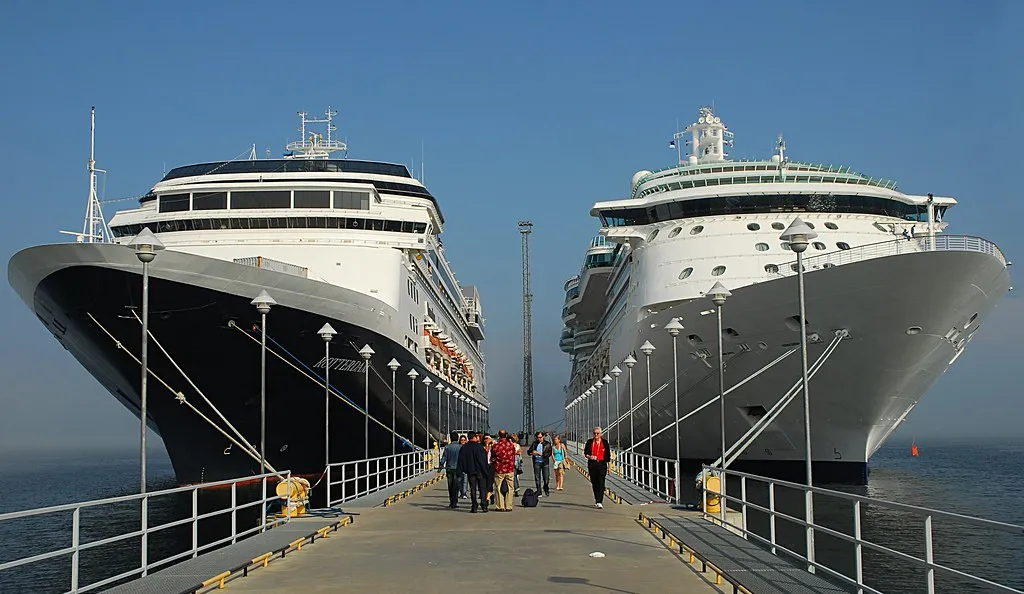
The cruise industry set a record-breaking 37.3 million ocean-going passengers sailing globally in 2025, an increase of 7.7% from the year before. With those kinds of numbers, the ships are full and the shared spaces matter more than ever. Every passenger is navigating the same corridors, competing for the same pool deck chairs, and eating at the same buffet stations.
Cruise etiquette isn’t about rigid rules or formal behavior. It’s about being aware of the shared space, respecting your fellow cruisers, and understanding the rhythm of life on the ship. Small actions, like being on time for excursions, sharing pool chairs fairly, and maintaining hygiene, can ensure a more pleasant cruise for everyone. The best trips aren’t just shaped by the destinations you visit. They’re shaped by how people treat each other along the way.
AI Disclaimer: This article was created with the assistance of AI tools and reviewed by a human editor.