
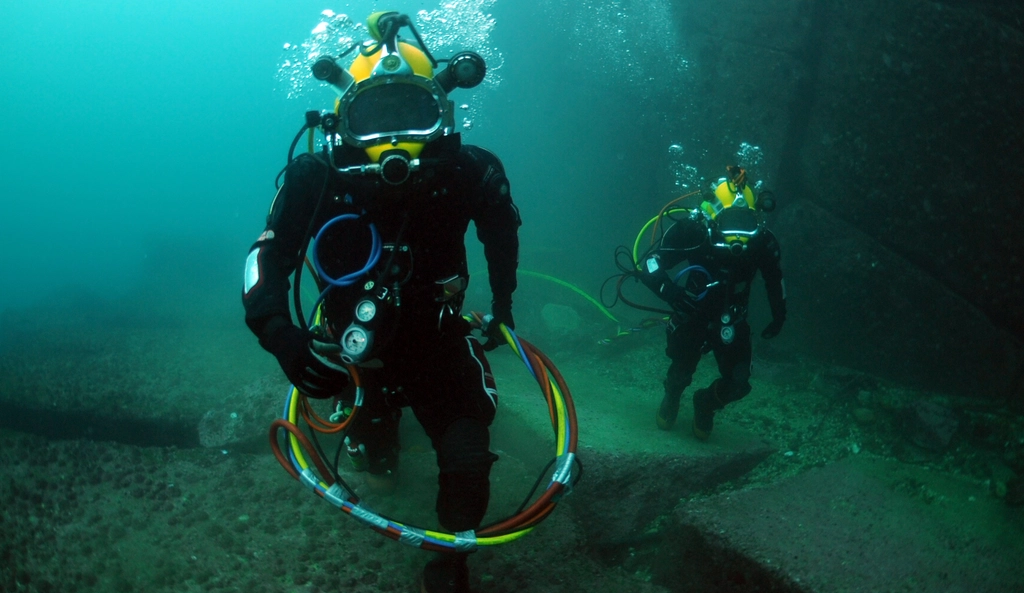

Getting a scuba diving certification looks straightforward on paper. You study the theory, pass a pool session, complete a handful of open water dives, and walk away with a card. Simple. Except thousands of newly certified divers never quite find their stride underwater, and many quietly disappear from the sport altogether.
The numbers tell part of the story. Industry data indicates a dropout rate of approximately 15% one year after entry-level certification, and more than half within four years, with more divers currently leaving the sport annually than are being newly certified in the USA. The reasons are rarely dramatic. They tend to trace back to specific, correctable mistakes made during the certification process itself. Dive instructors who work with beginners day in and day out are remarkably consistent about what those mistakes are.
Treating Certification as the Finish Line
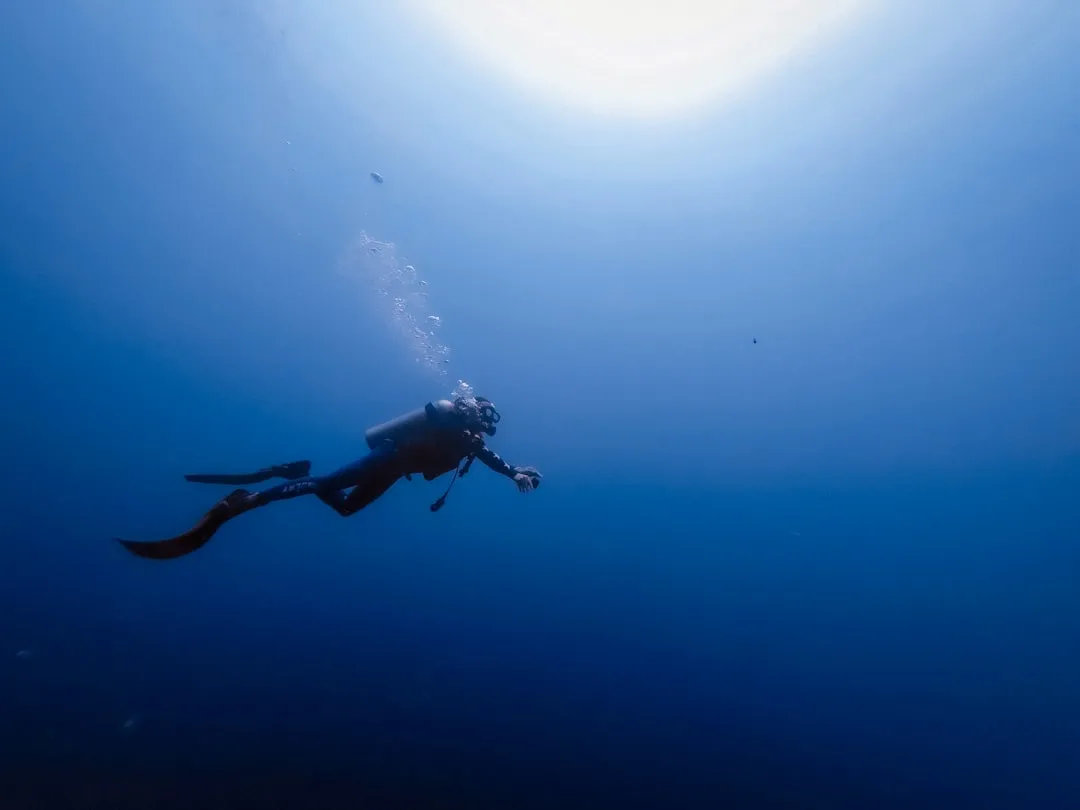
One of the most common patterns instructors see is students approaching the Open Water course as a goal to complete rather than a foundation to build on. Once certified, many new divers were never shown where or how to dive next, with certification treated like a finish line instead of a starting line. That mindset leaves them certified but unequipped to dive independently.
Many new divers, after completing classroom, pool, and open water training, do not feel adequately prepared to truly enjoy the sport, which leads them to cease diving. The certification card is a license to learn, not proof of mastery. Understanding that distinction early changes how a new diver approaches every session that follows.
Skipping the Pre-Dive Habit Loop
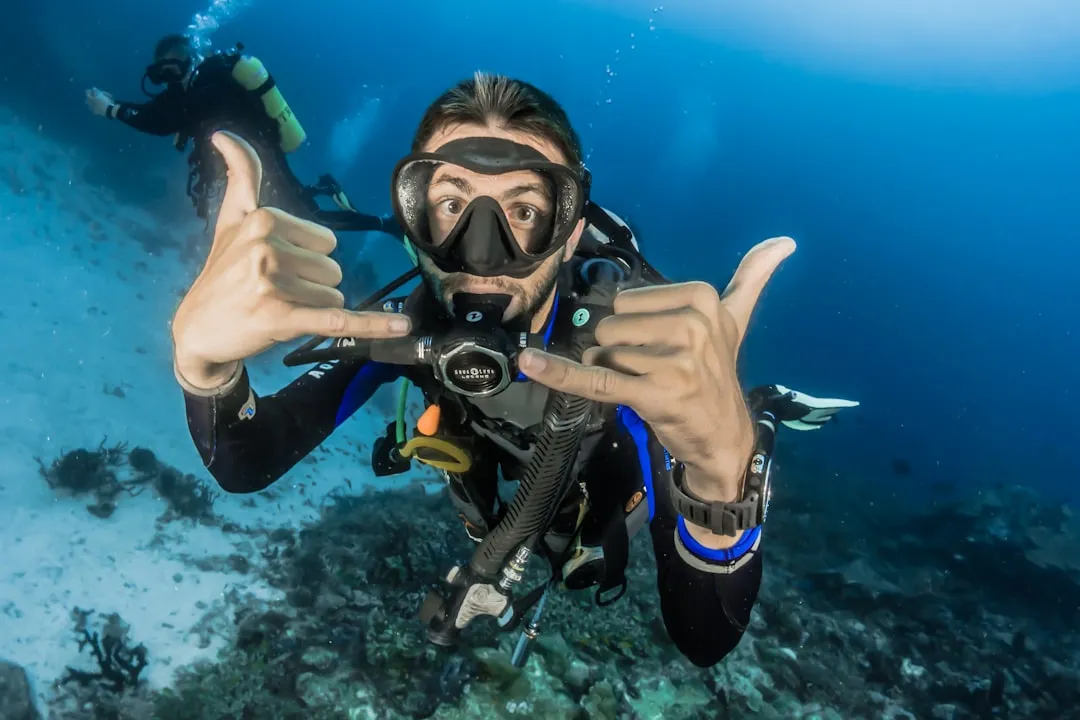
Developing good habits from the beginning matters more than most beginners expect. Proper pre-dive safety checks, careful buoyancy control, and staying close to your buddy become automatic with practice but require conscious effort initially. Most beginners underestimate how long that conscious effort phase actually lasts.
Instructors routinely observe students rushing through pre-dive equipment checks, especially when they’re excited to get in the water. Skipping or abbreviating these checks during training means they never become second nature. Every dive site is different, and even experienced divers should pay attention during the briefing.
The Overweighting Problem Nobody Talks About Enough
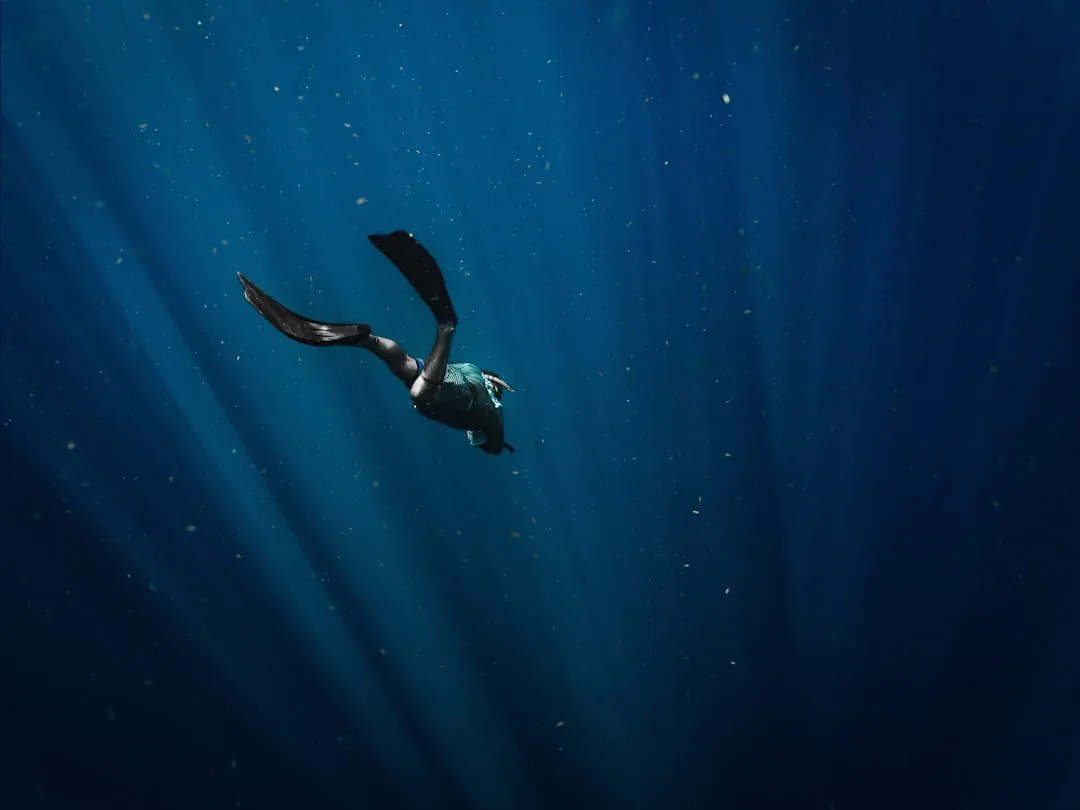
Most beginners are overweighted. On the surface, a diver should float at eye level with no air in their buoyancy control device but a full breath of air in their lungs, and when they exhale, they should slowly descend. This simple check is frequently skipped during entry-level courses, leaving new divers to fight their gear the entire dive.
Carrying too much weight makes it harder to control buoyancy and increases air consumption. More weight means more air is needed in the BCD to compensate, which creates an unstable, ping-pong effect throughout the dive. One of the most common buoyancy mistakes is over-weighting, and good buoyancy control involves understanding how equipment, body positioning, and breathing all play interconnected roles.
Breathing Wrong Underwater
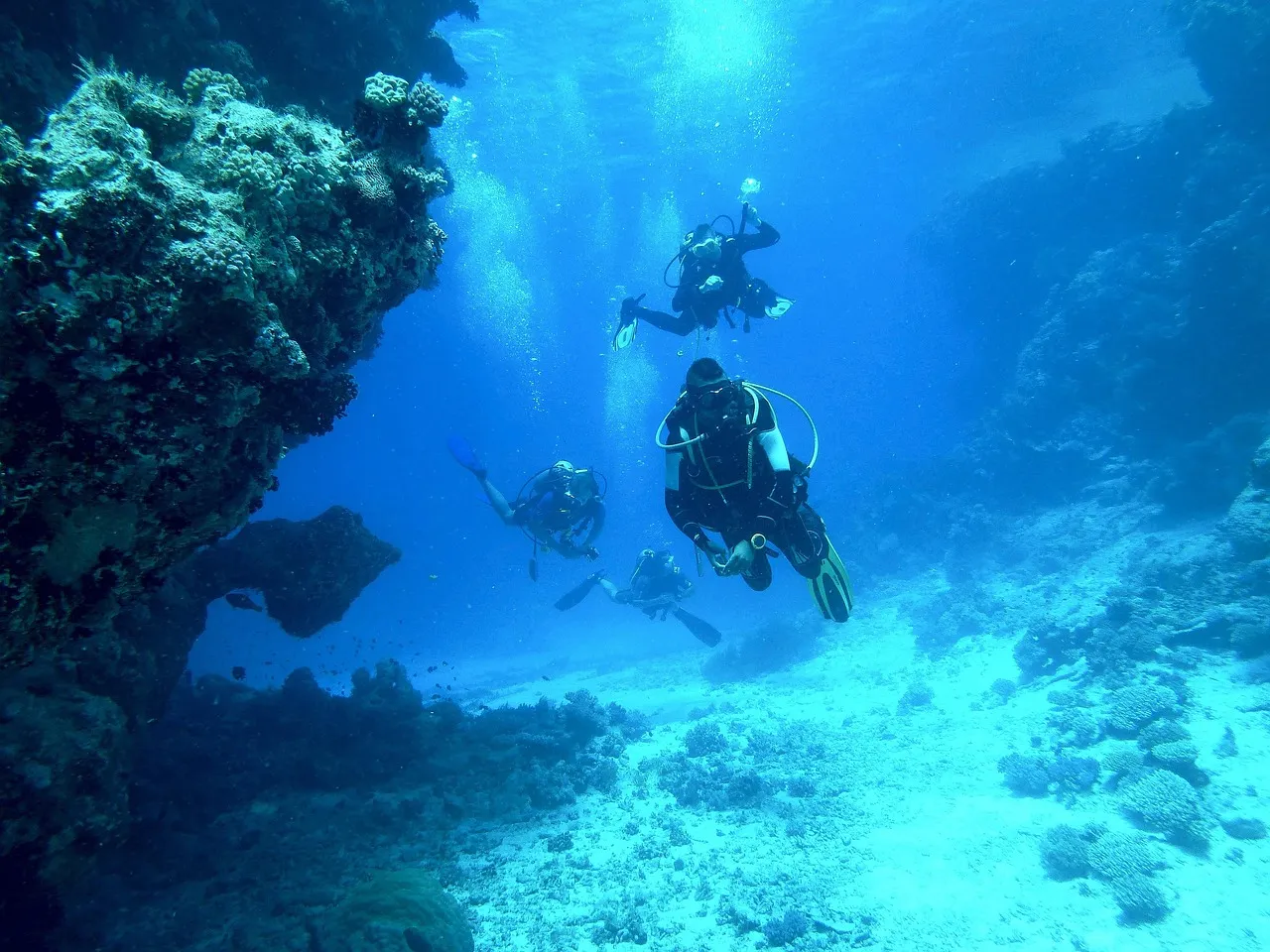
New divers often breathe rapidly due to excitement or anxiety, which uses more air and can increase anxiety levels. Consciously slowing down breathing helps divers relax, use less air, and enjoy the experience more. This is one of the first things experienced instructors notice when watching a new diver in the water.
Relaxed, deep breathing is a vital element of good buoyancy control. Before doing anything else, check how you breathe. You should be breathing slowly using your diaphragm to ensure full exchange of oxygen within your lungs. Ideally, each inhalation should last about five to seven seconds, followed by a slow exhalation of at least seven seconds, creating a breathing cycle that translates to roughly four to five breaths per minute and helps conserve air more effectively.
Relying on the BCD Instead of Breath
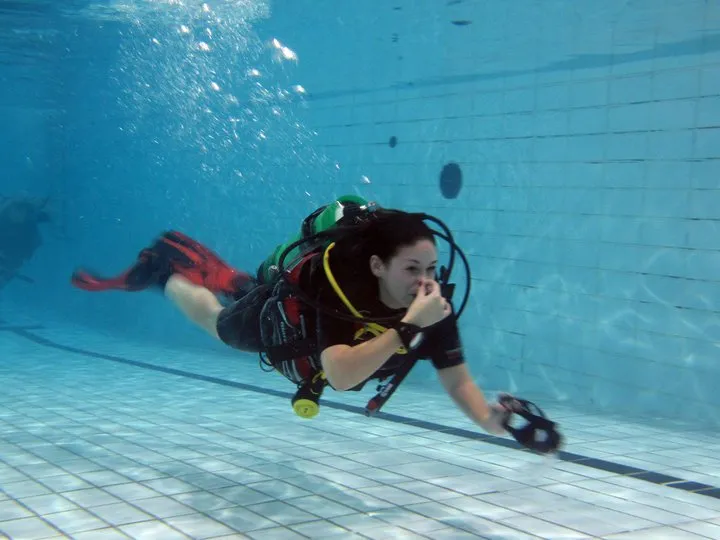
Constantly inflating and deflating the BCD leads to instability. It should be used only for large adjustments, with breathing serving as the tool for fine control. Beginners who learn to compensate with their BCD for every small shift tend to develop a reactive, jerky style underwater that is difficult to unlearn later.
When you inhale, your lungs expand, making you more buoyant. Exhaling reduces your buoyancy. By controlling your breath, you can ascend or descend slowly and adjust your position without relying too much on your BCD. This is the kind of fine motor understanding that separates a comfortable diver from one who feels like they’re constantly wrestling the water.
Ignoring Body Trim and Positioning
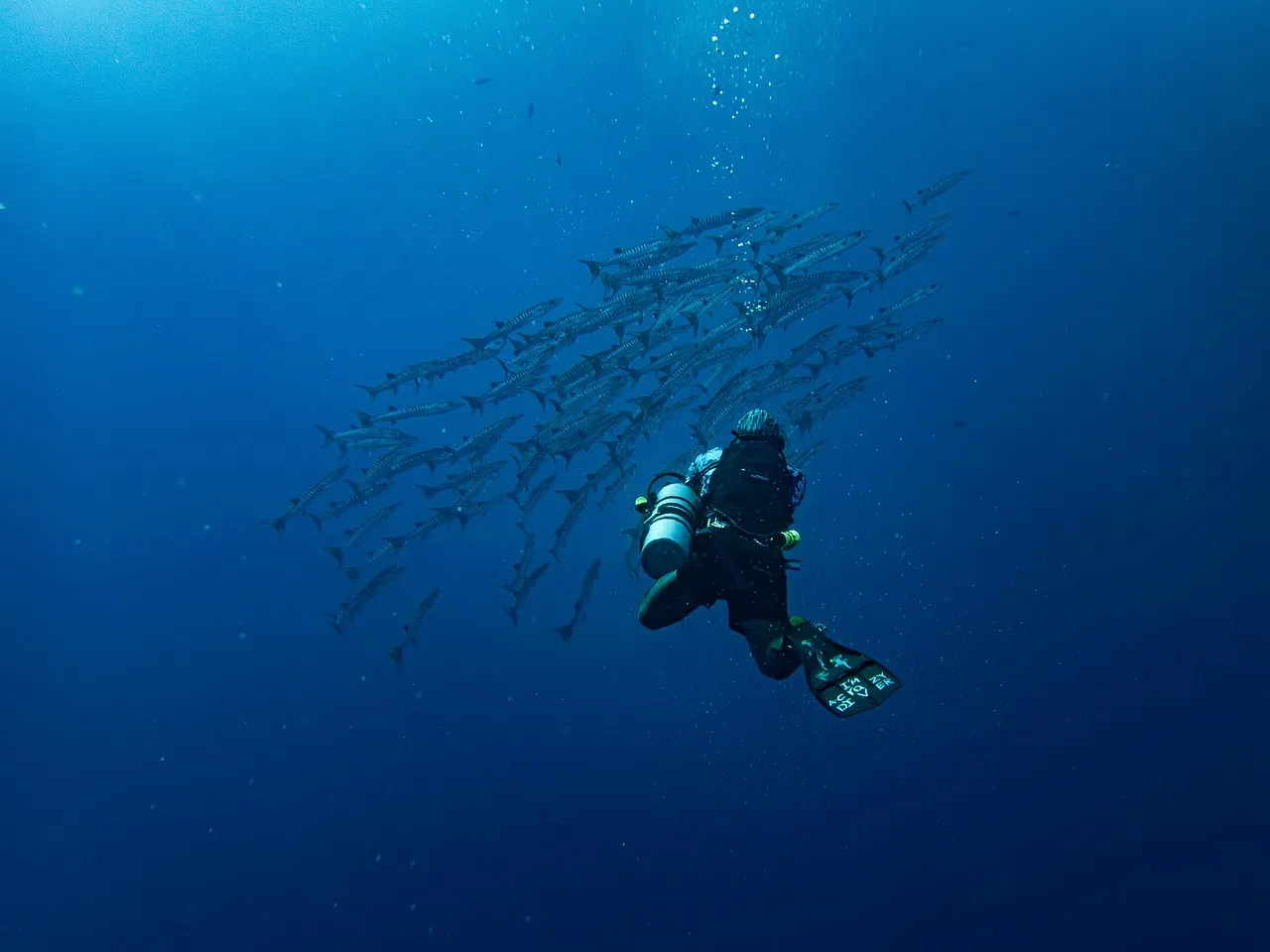
Posture and body positioning affect buoyancy directly. Maintaining a horizontal position in the water reduces drag and improves buoyancy control, while divers who remain in a vertical position may struggle with excess drag throughout the dive. Many beginners spend their entire certification course in a semi-upright position without realizing it.
Ignoring trim is a common mistake that creates drag and makes buoyancy control harder. Keeping a horizontal position whenever possible addresses this. It sounds minor, but poor trim forces a diver to kick harder to stay in place, burns through air faster, and makes controlling depth far more difficult.
Rushing Into Specialty Courses Too Soon
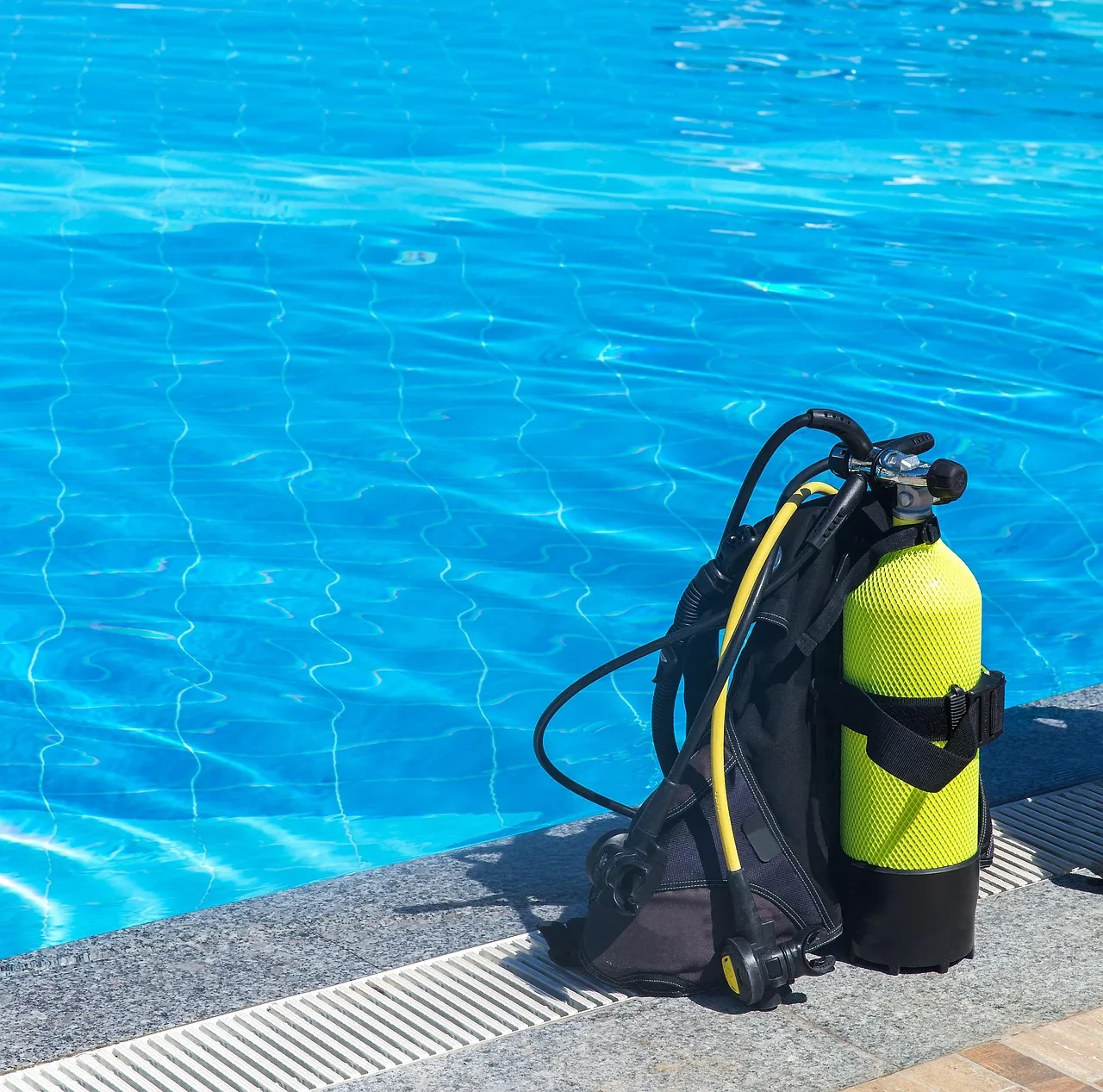
A common mistake students make is doing specialties too soon, before becoming at least semi-comfortable as a diver. The recommendation is to become reasonably confident underwater before adding greater complexity. This is a pattern that dive professionals see repeatedly, particularly at busy resort destinations.
Resort courses in tropical destinations often rush through important concepts, while local dive shops in less touristic places typically provide more thorough training with opportunities to practice skills multiple times, and are more likely to take time with a student when not operating as a certification machine. The setting of certification matters more than most beginners realize when choosing where to learn.
Overconfidence After Early Dives

Many beginners feel overconfident after a few successful dives despite their heavy reliance on instructors or buddies. This confidence, though commendable, can lead to underestimating the complexity of certain dives. Instructors describe this as one of the trickiest stages to navigate with a new diver.
Many new divers feel highly confident immediately after completing their Open Water certification. While certification provides important foundational skills, it does not mean a diver has mastered all underwater conditions or emergencies. Some attempt deep dives, strong-current dives, wreck dives, or cave environments before receiving proper advanced training, often because they want more excitement or feel pressured by experienced divers around them.
Letting Long Gaps Erode Skills
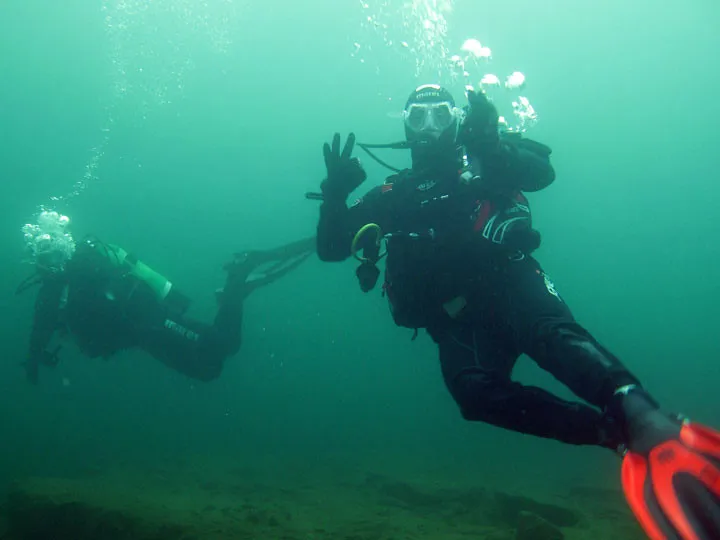
Scuba diving skills improve with consistency and repetition. Long gaps between dives can reduce confidence, buoyancy control, air management, and emergency response skills, especially for newly certified divers. This is particularly relevant for travelers who certify on vacation and then don’t dive again for months.
Most people begin to feel genuinely relaxed and in control somewhere between their fifth and fifteenth dive. Getting to that threshold requires frequency and commitment in the early stages. Waiting a year between dives essentially resets a beginner’s comfort level, which discourages continued participation and quietly feeds the dropout rate the industry struggles to address.
Choosing the Wrong Instructor Over the Right Agency Brand
The instructor quality matters infinitely more than the agency logo on a scuba diving certification. The specialty courses a diver chooses can determine whether they become a truly skilled diver or someone who just collects certifications. This is a point many beginner guides gloss over in favor of discussing which certification brand to pursue.
The global market is large enough that instructor quality varies dramatically. The number of scuba divers worldwide in 2024 is estimated at between six and nine million, with approximately one million people becoming certified divers every year. With that volume, individual instruction quality becomes the variable that most determines how a new diver develops. A patient, detail-oriented instructor at a smaller local dive shop often produces better-prepared divers than a fast-moving resort operation moving dozens of students through the water each week.
The Real Takeaway for New Divers
The certification mistake that slows beginners down most isn’t one dramatic error. It’s a cluster of small, reinforced habits formed during those first hours underwater. Overweighting, shallow breathing, poor trim, and misplaced confidence compound each other until diving feels harder than it should be, and far less enjoyable.
Beginners should progressively build their skills and experience under the guidance of professionals and stick to dives that match their certification level. That progression, slow and deliberate as it might feel, is exactly what builds the kind of comfort underwater that keeps divers coming back.
The ocean doesn’t reward rushing. The divers who take their first 20 dives seriously, focus on fundamentals, and resist the urge to leap straight into advanced environments tend to stay in the sport for life. That, more than any card or badge, is what a good certification should actually produce.
AI Disclaimer: This article was created with the assistance of AI tools and reviewed by a human editor.