
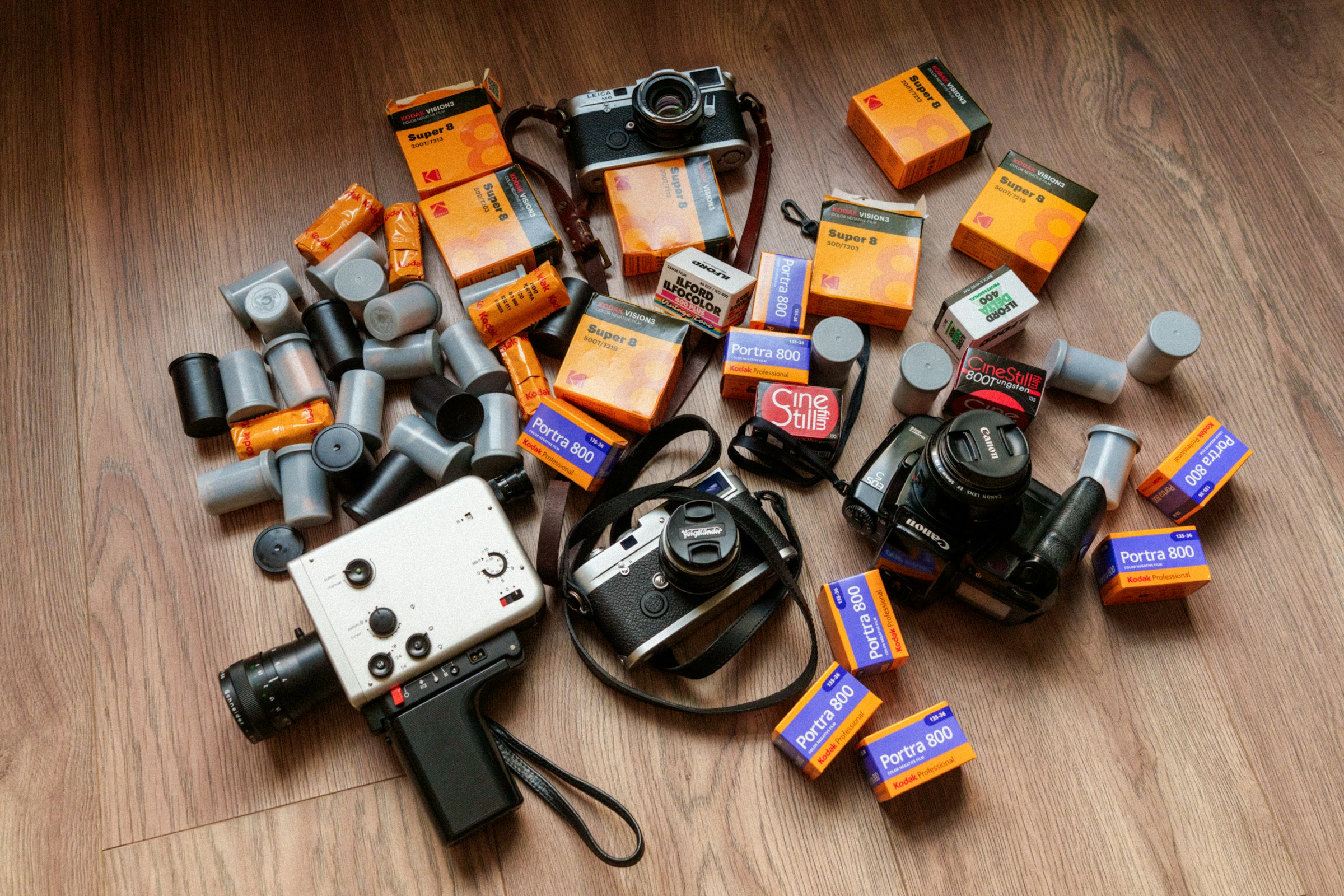

There’s something specific about the smell of a warm projector bulb, the click of a plastic cartridge slotting into place, and a family crowded onto a single sofa in a darkened living room. That combination of sounds, smells, and anticipation was the unofficial ceremony that closed out every summer vacation for millions of American families throughout the 1970s. The trip wasn’t truly over until you’d watched it again on the wall.
It wasn’t just about reliving a memory. It was about making that memory feel permanent, important, cinematic. The Super 8 camera transformed ordinary families into filmmakers and ordinary trips into something that felt, at least for a few flickering minutes on a white sheet or plaster wall, genuinely bigger than life.
The Camera That Started It All
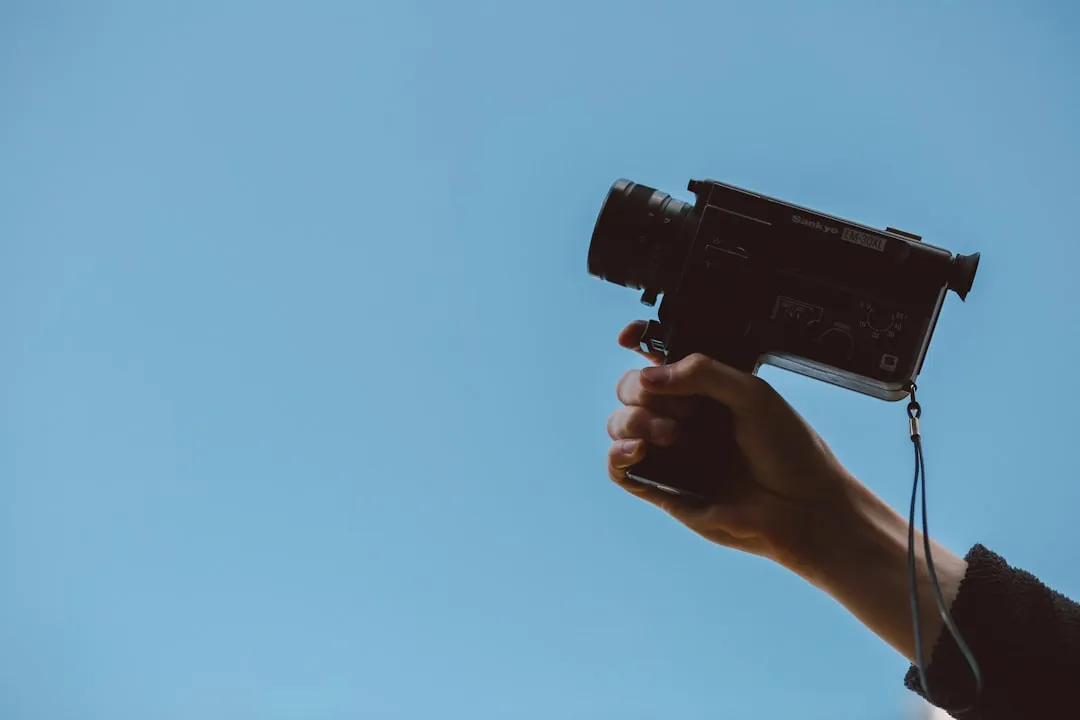
Kodak introduced the Super 8mm format, which included film, cameras, and projectors, and this was what really brought movie-making to the masses. It was a quiet revolution. Suddenly a format that had belonged to hobbyists and enthusiasts was sitting on the shelf at the local camera shop at a price a working family could actually consider.
With the arrival of Super 8 film in 1965, amateur film equipment not only became increasingly smaller, lighter, and cheaper, but also more easy to use. That mattered enormously in a decade when families were loading station wagons and heading out on the open road in unprecedented numbers. A camera that fit in a jacket pocket was a camera that actually came along for the ride.
How Super 8 Made Filming Foolproof
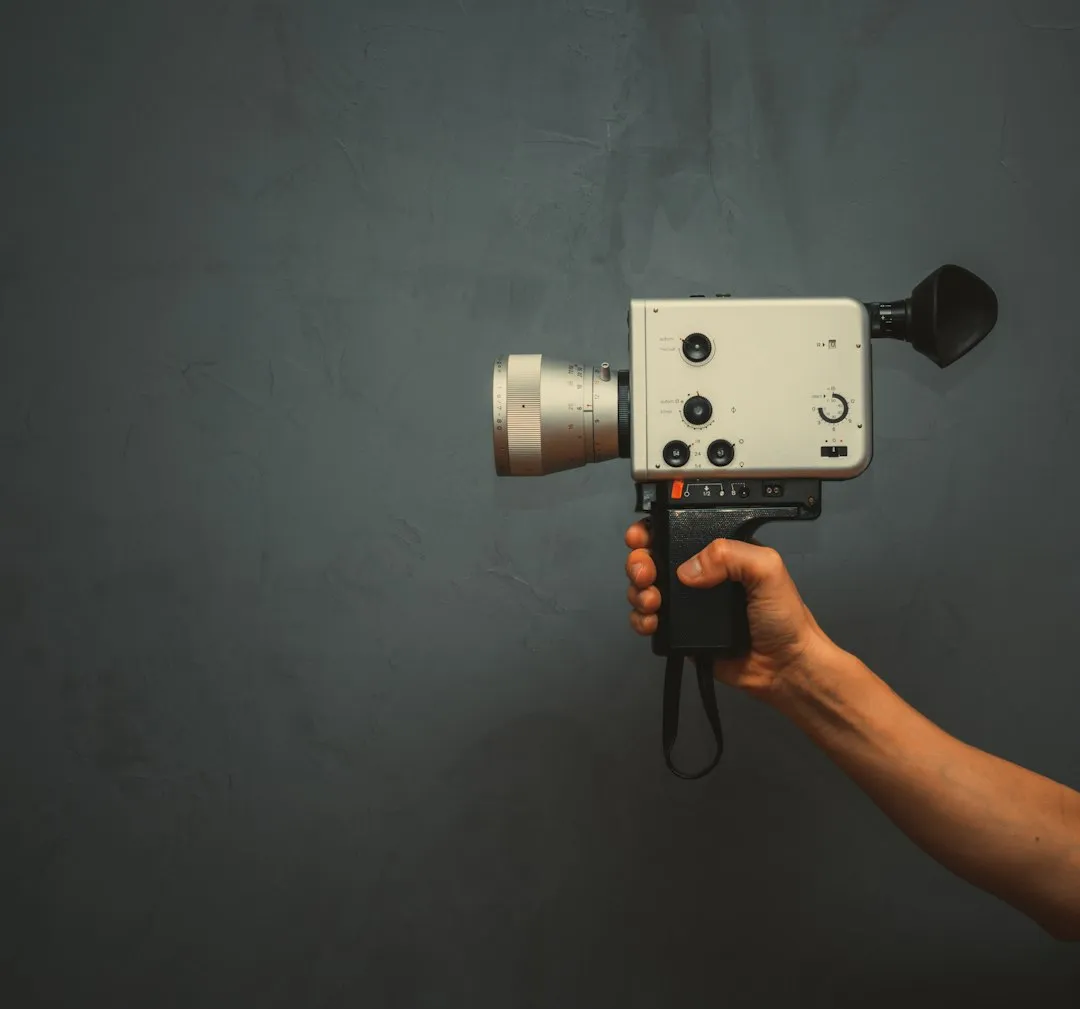
Super 8 film was based on a cassette system, meaning that the film no longer needed to be inserted manually but was carried in a plastic cartridge instead. It literally “black-boxed” the film material, intended to make the practice of amateur and family filmmaking more accessible to a new generation of users.
Cameras designed for use with Super 8 film had faster lenses, greater zoom capacity, wider shutter openings, and could shoot in lower light. Unlike regular 8mm, the exposure system in a Super 8 camera was automatic, which meant you didn’t have to adjust the setting yourself. For a dad trying to film kids running through Yellowstone or a mom capturing a first glimpse of the ocean, that simplicity was everything.
How Many Families Were Actually Doing This
Super 8 film achieved its zenith of popularity during the 1970s, when it became a staple of amateur filmmaking and home recording, with Eastman Kodak selling over 65 million cameras worldwide from the 1960s through the 1980s. Those are remarkable numbers for any consumer product of that era.
Whereas 18 percent of US households owned a camera in the early 1970s, at the height of Super 8, the figure for East German households stood at just 2.7 percent. That stark contrast helps illustrate just how deeply the format penetrated everyday American life. Super 8 film enjoyed widespread popularity from its inception in the mid-1960s through the late 1970s, and during this golden era, families, aspiring filmmakers, and educators embraced the format for its affordability and simplicity.
The Three and a Half Minute World
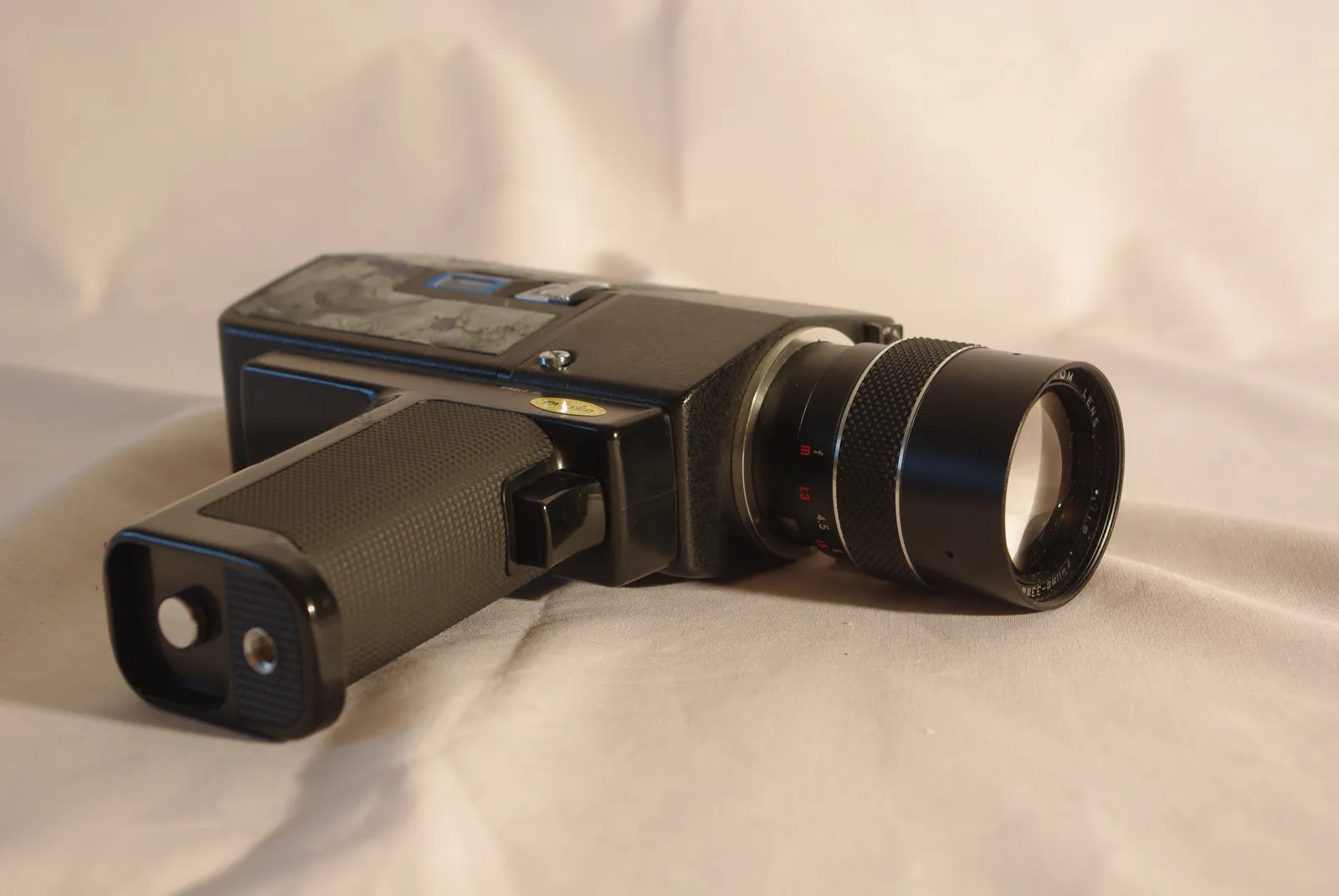
Super 8 film typically came in cartridges that contained 50 feet of film, which translated to approximately 3.5 minutes of runtime at the standard projection speed of 18 frames per second. For longer recordings, filmmakers would need to use multiple cartridges. That constraint shaped the way families filmed more than anything else.
You couldn’t waste footage. Every second you pressed that shutter button was a small, real expense. In the 1970s, Super 8 experienced a significant boom in popularity for documenting holiday gatherings and family milestones, as its low cost of around five dollars per roll and ease of use made it a staple for personal storytelling. Five dollars per roll sounds modest today, but that’s roughly twenty-five dollars in today’s money, enough to make a parent think carefully before filming a full minute of highway scenery.
The Day Sound Arrived
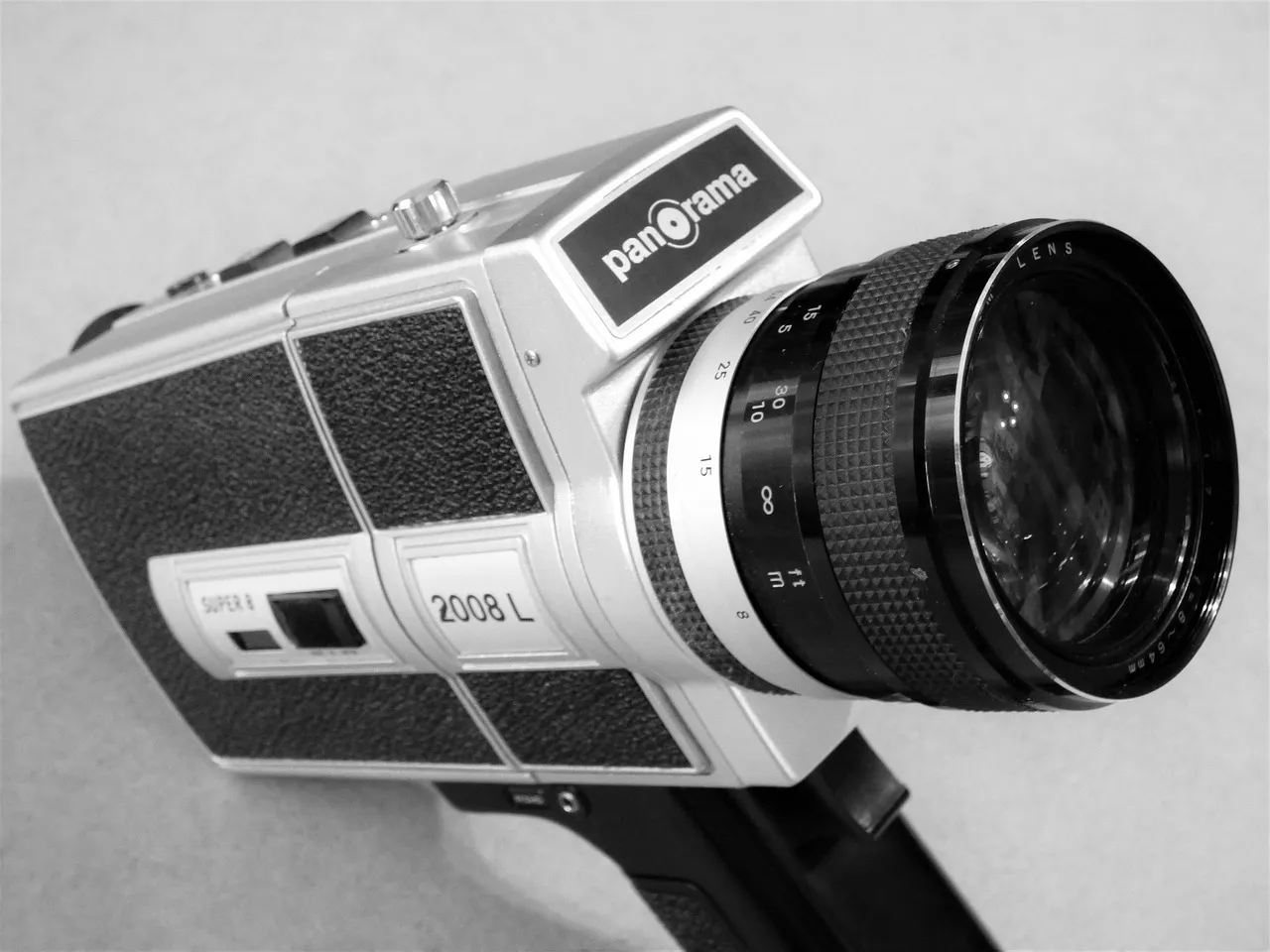
The original Super 8 cameras only allowed people to record silent movies. In 1973, however, Kodak introduced magnetic strips, which gave people the opportunity to record sound alongside the images. This was a genuine turning point. A silent beach looks beautiful. A beach where you can hear your kids laughing into the wind is something else entirely.
The format’s popularity was further bolstered by the introduction of Super 8 sound film in the early 1970s, enhancing the home movie experience with the dimension of audio. Families who had been filming silently for years suddenly found themselves narrating their own vacations, whispering names of places into a tiny microphone as the camera rolled.
The Living Room as a Screening Room

Home movies are situated at the heart of family memory practices, mostly displayed in the private realm of the domestic space. The screening night had its own ceremony. Furniture got rearranged. A white sheet went up on the wall, or the projection screen pulled down from the hallway ceiling. Someone always fumbled with the projector threading, and someone else always complained it was taking too long.
Many people of that generation have memories of watching their grandfather thread film through a projector in their grandparents’ basement. The projector was the vehicle for family home movie night. What made these evenings remarkable wasn’t just the footage. It was the live commentary running alongside it, the family narrating itself back to itself in real time.
What Families Actually Chose to Film
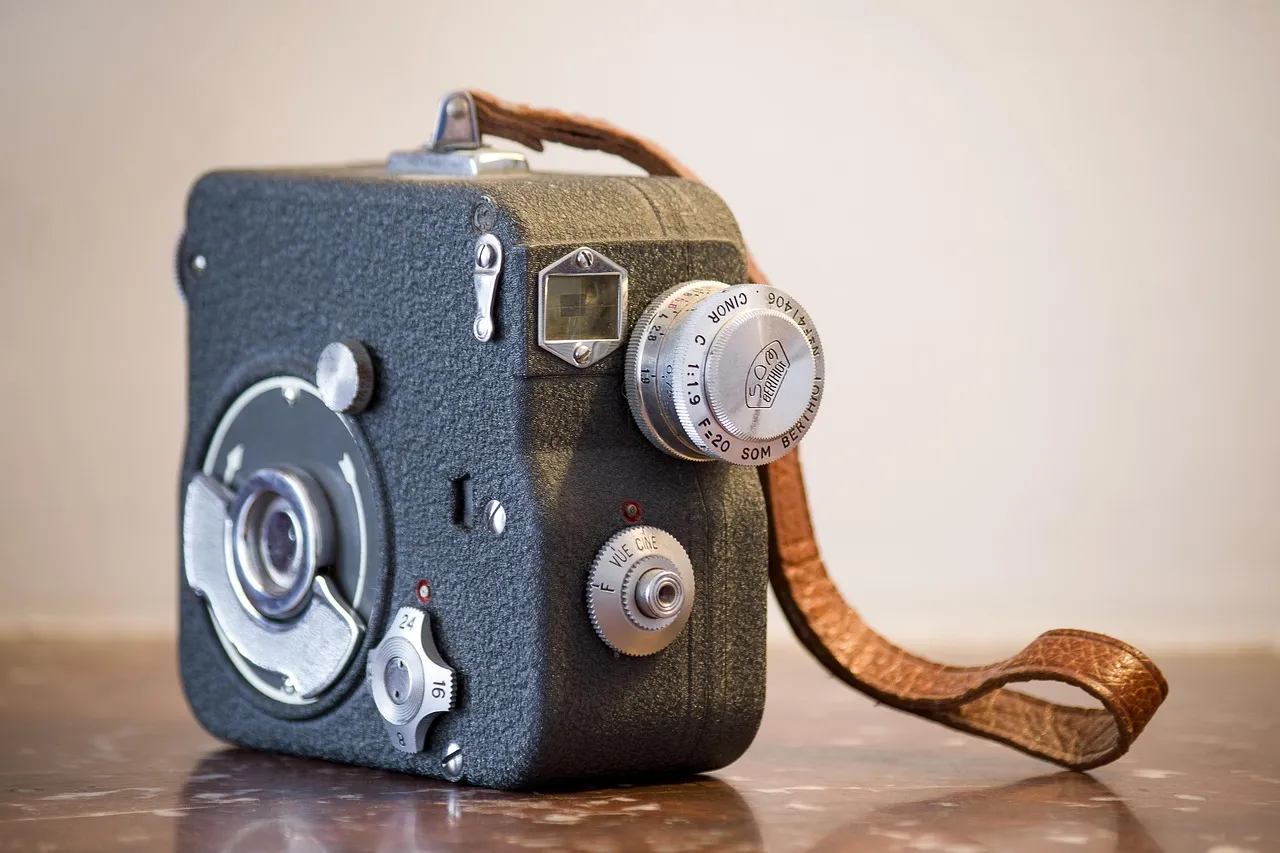
Despite the challenges, 8mm home movie cameras were becoming a common sight on vacations and at family parties and special events. Vacation footage tended to follow a loose but consistent grammar. You filmed the arrival. You filmed the landmark. You filmed the kids eating something messy and running toward something exciting.
Many families purchased Super 8 cameras to document birthday parties and barbecues, but the handheld cameras were light enough for a child to use, and soon kids were out in the backyard, playing auteur. On vacation, that instinct intensified. The camera became a way to assert that this trip was real, that it had happened, that it mattered enough to be preserved.
The Aesthetic That No Filter Has Ever Fully Replaced
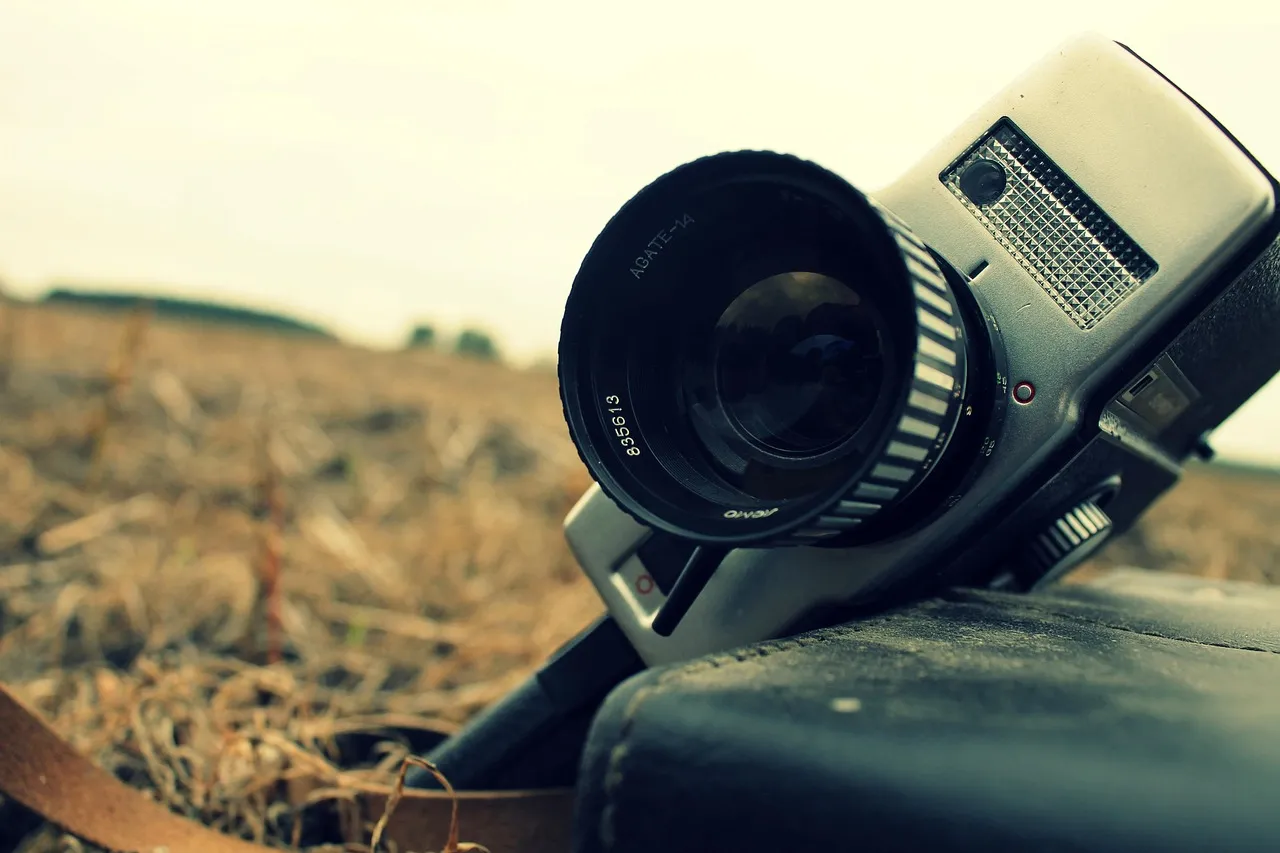
The slightly blurred edges, grainy shots, and sepia tones give off a vintage vibe that’s almost impossible to replicate. Cinematographers and app developers have spent decades trying. The specific texture of Super 8 footage, slightly warm, slightly imperfect, carries a visual weight that feels like memory itself.
The Super 8 format was so popular that some artists and filmmakers still use it to achieve a classic, home-shot style. This isn’t pure nostalgia. There’s something about the grain and warmth of film that connects an image to a specific moment in a way that crisp digital video sometimes doesn’t. The imperfections are part of the honesty.
The Ritual as a Form of Memory-Making
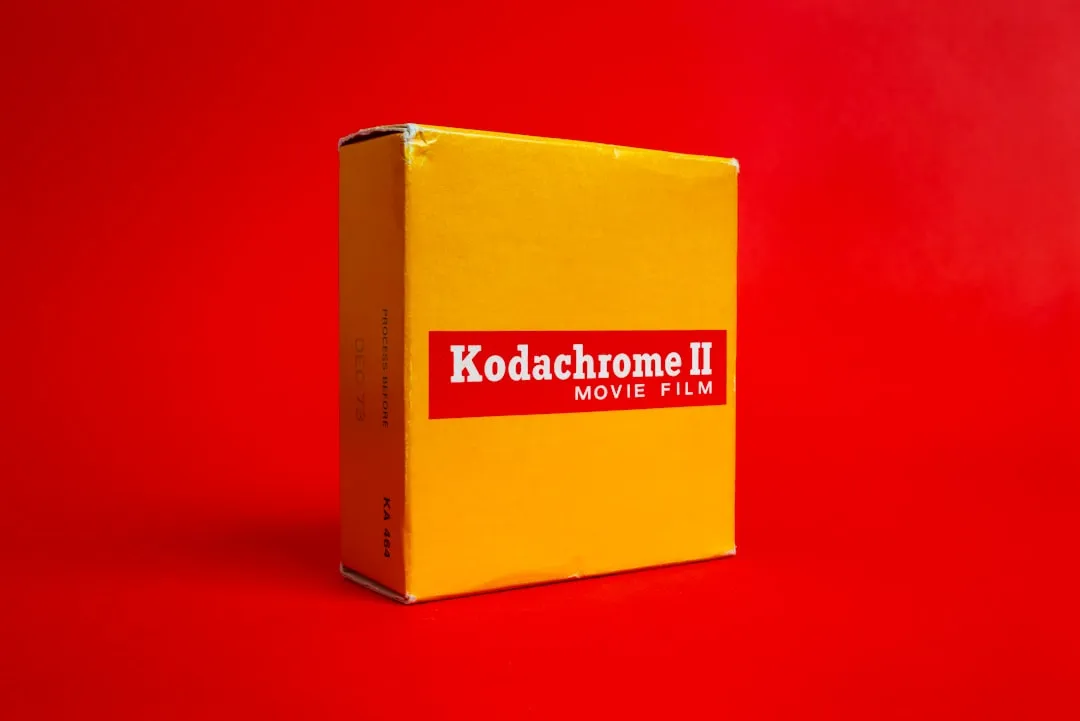
Home movies function as traces or vestiges of a family history; they are comparable to one of those shells that families collect on a beach holiday. That comparison is striking. A shell doesn’t reproduce the ocean. It just holds something of it. A Super 8 reel of a 1974 camping trip doesn’t reproduce the trip. It holds the shape of it.
When we watch our own home movies we feel an impulse to rejoin the people we see in the footage, to be, again, in that other place and time. That emotional pull is precisely what made the screening night so powerful. The vacation had ended weeks ago. The film brought everyone back, if only for a few silent or barely audible minutes on a living room wall.
When VHS Changed the Game
When new technologies like the VHS camcorders came out, the use of Super 8 film cameras declined. Eventually, Kodak decreased the production of Super 8 cameras and then eventually ceased it altogether. The transition happened gradually through the late 1970s and into the early 1980s, as video offered longer recording times and no development wait.
Video technologies generated a new sense of immediacy with their extended recording time, ability to record sound and image synchronously, and possibility to instantly replay or erase recordings afterwards. The trade-off was real, though. Convenience replaced ritual. You could watch your vacation footage the same evening. The waiting, the anticipation, the ceremony of loading the projector all of that disappeared with the magnetic tape.
Why This Ritual Still Resonates
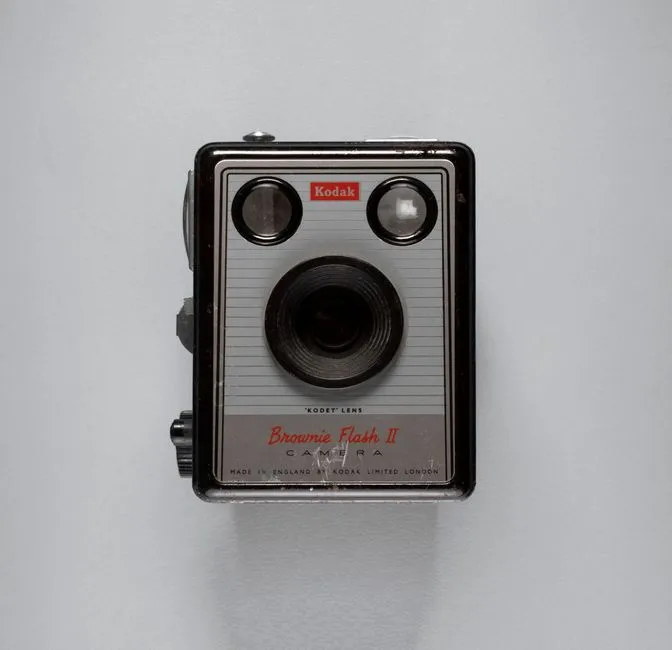
In the course of the twentieth century, various generations have documented and materialized their family memories on film, video, and digital media. Each shift in technology reshaped not just how families filmed but how they gathered together afterward to watch. The Super 8 era happened to land at a moment when both the technology and the cultural habits of family life aligned in a particularly warm way.
Changing technologies of cultural production have shaped new practices and rituals of memory staging and thereby initiated processes of negotiating user generations and group identities. In simpler terms: the tool changed how families understood themselves. Filming a vacation was a way of saying, collectively, that this family has a story worth telling. The screening night was the moment they told it back to themselves.
The Takeaway
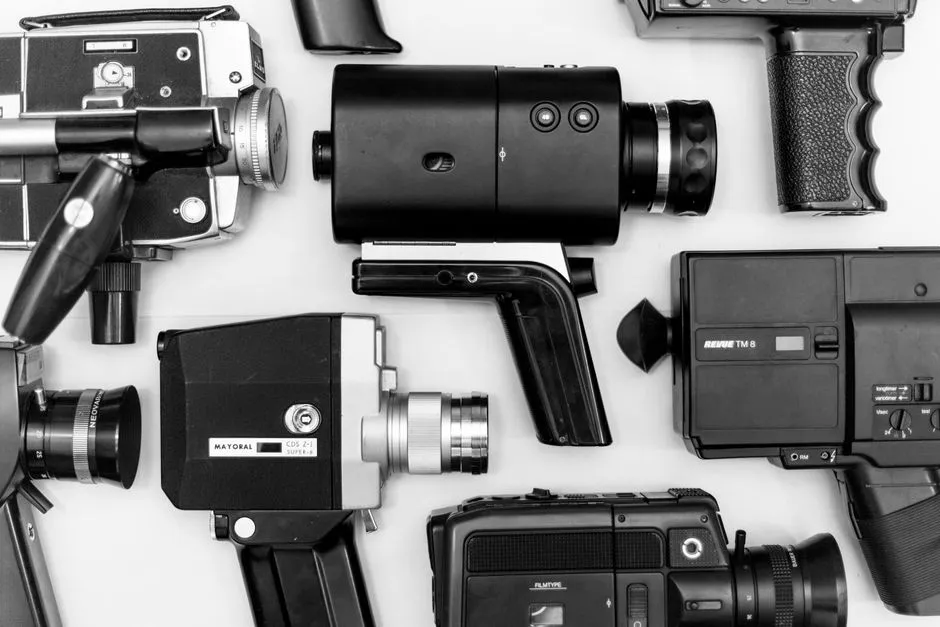
The Super 8 home movie ritual was never really about the camera or the film stock. It was about the act of paying attention, of deciding that an ordinary summer road trip or a beach week with grandparents was worth preserving in moving images. That choice made the trip feel larger than it actually was.
There’s something worth sitting with in that. Not every family had a camera. Not every trip got filmed. But the ones that did left behind something that outlasted the sunburn and the drive home, a small flickering record of people who were, for a moment, completely present with each other and aware enough of that fact to press record.
AI Disclaimer: This article was created with the assistance of AI tools and reviewed by a human editor.